

Disney Cost Chart Editable Overview
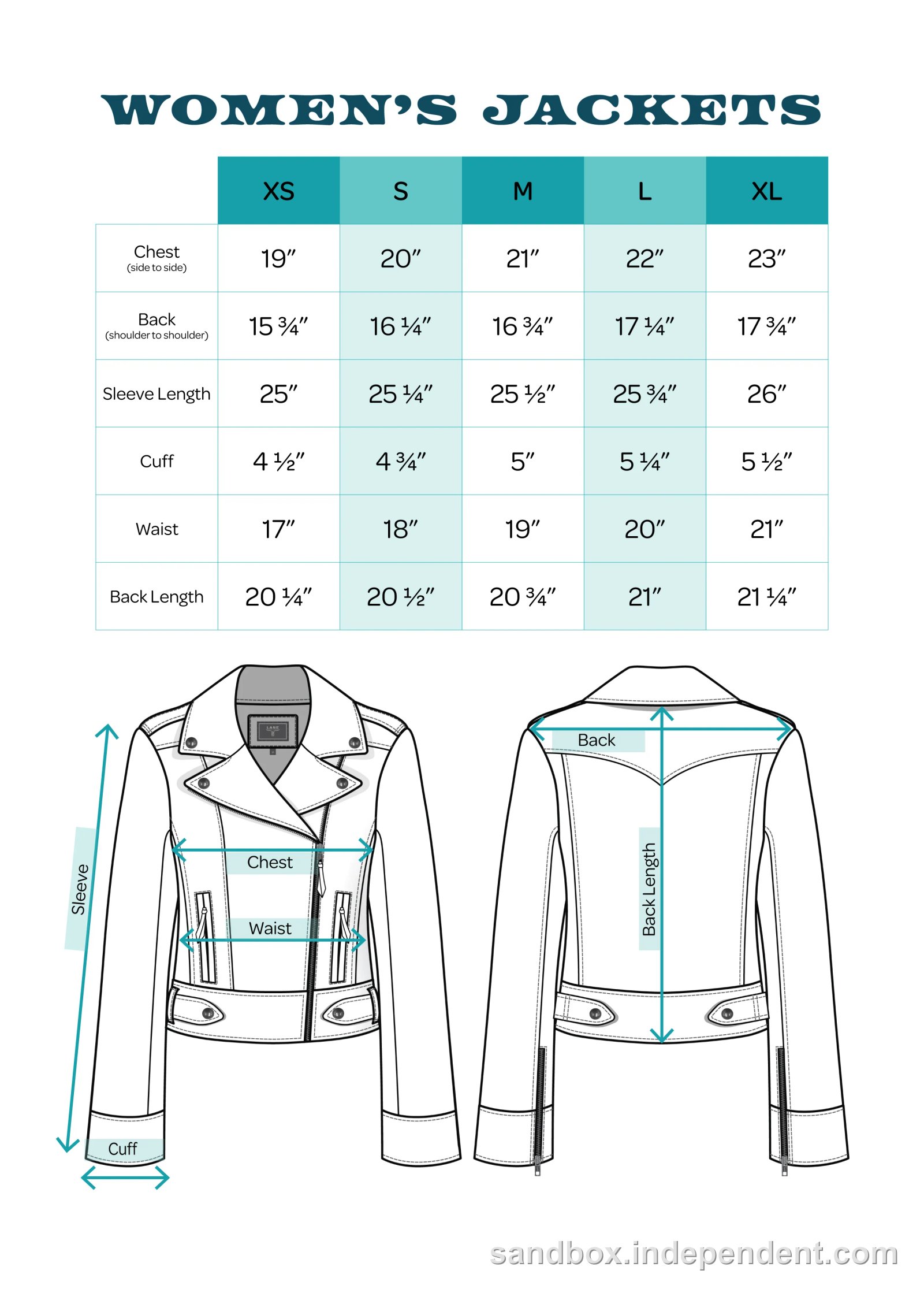
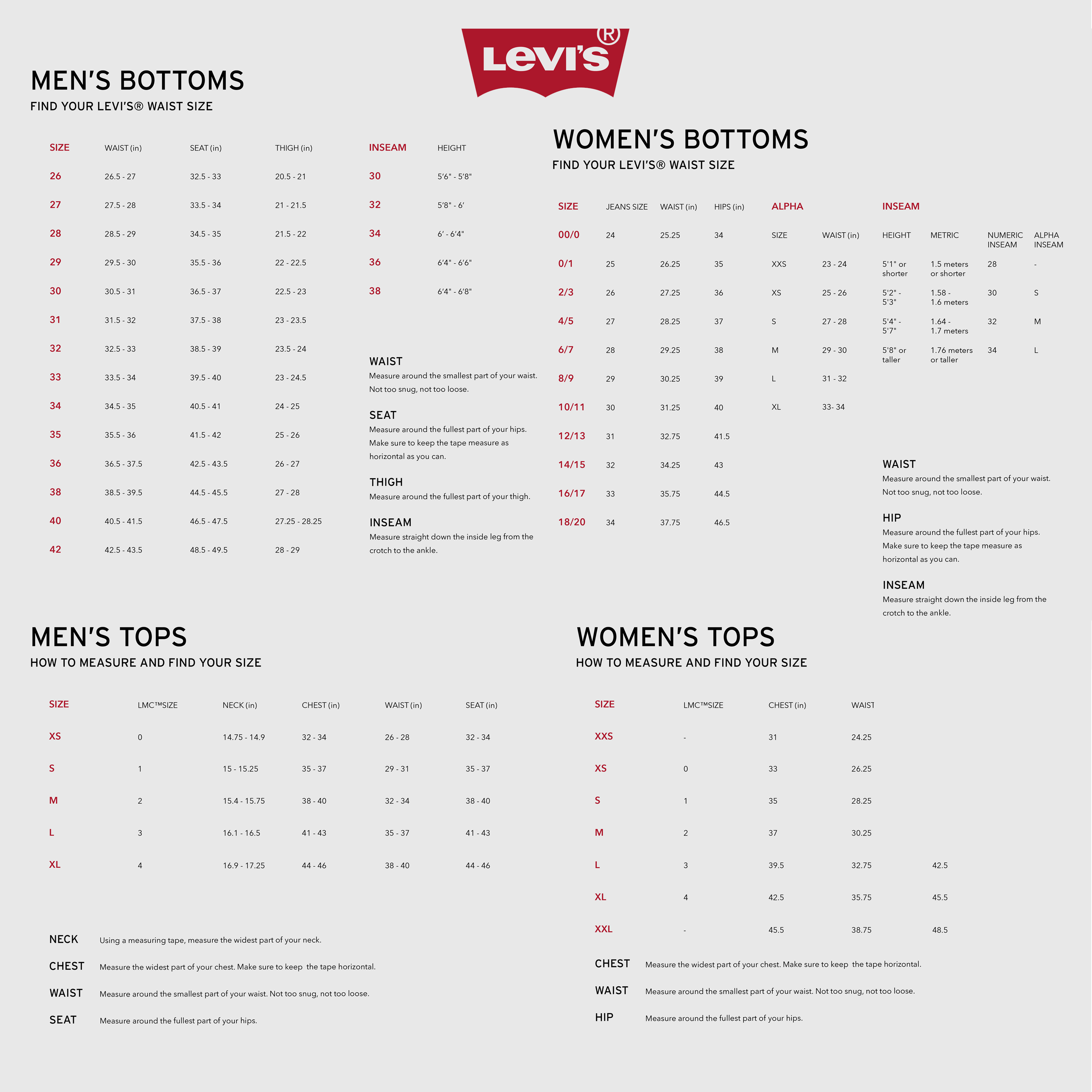
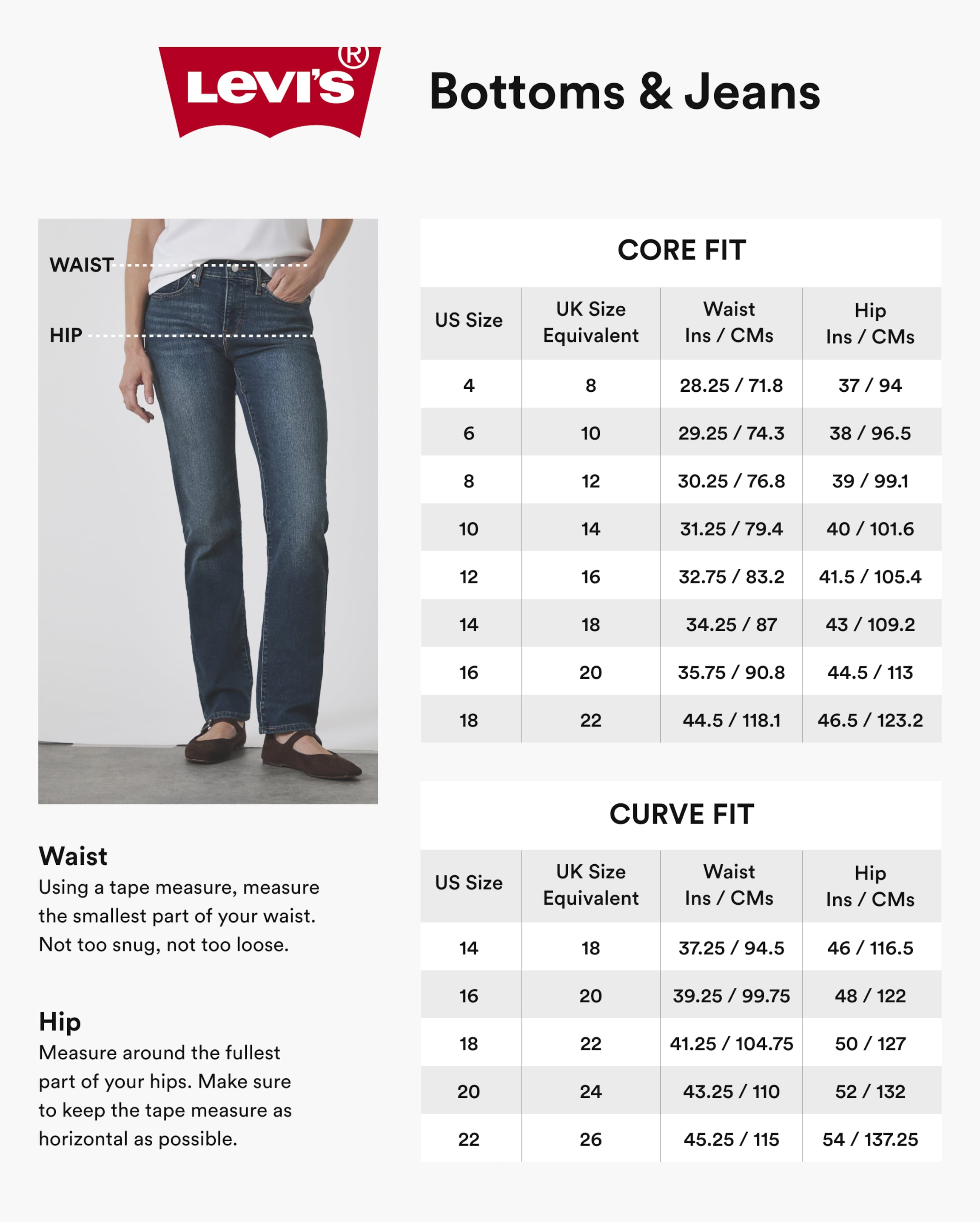
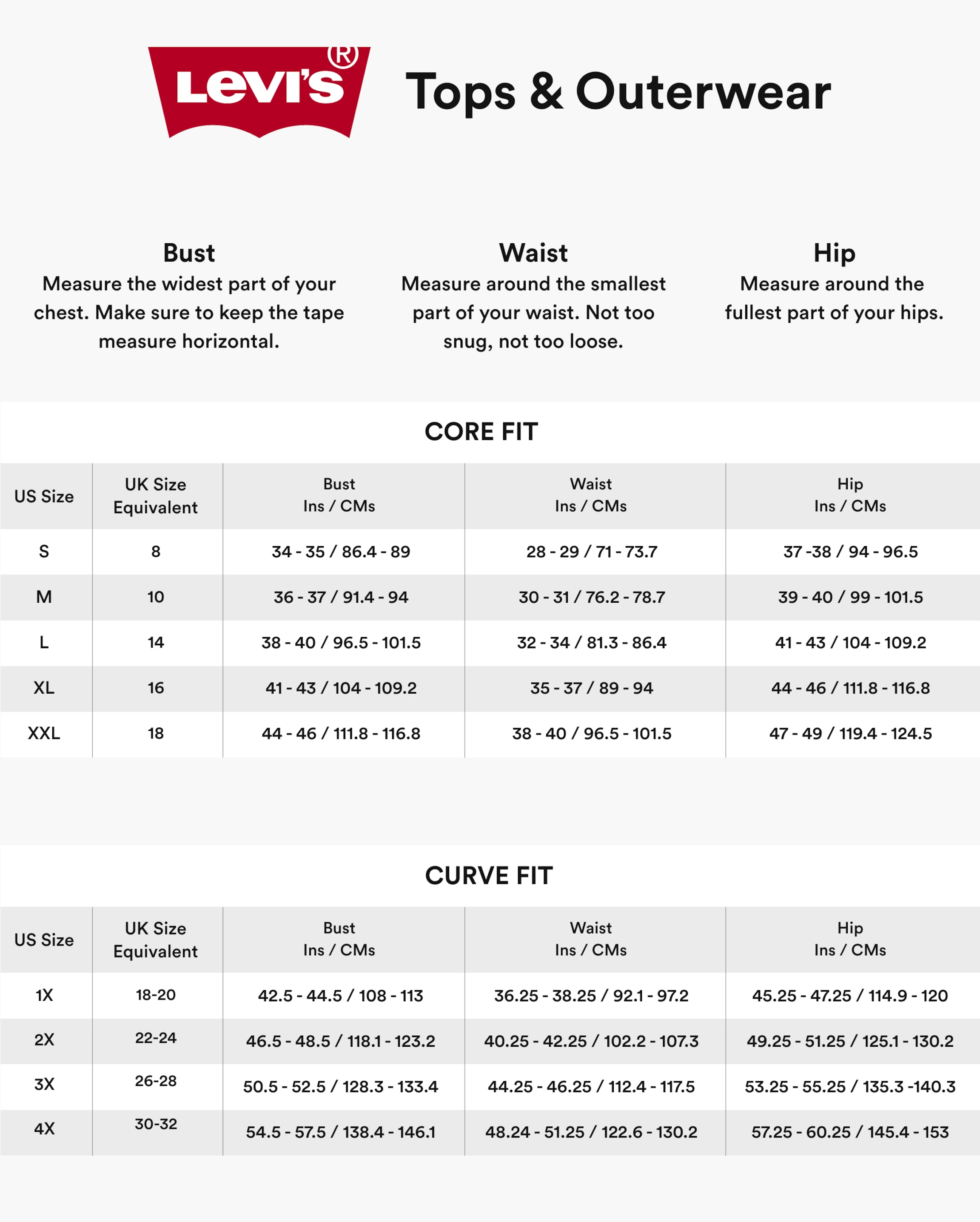
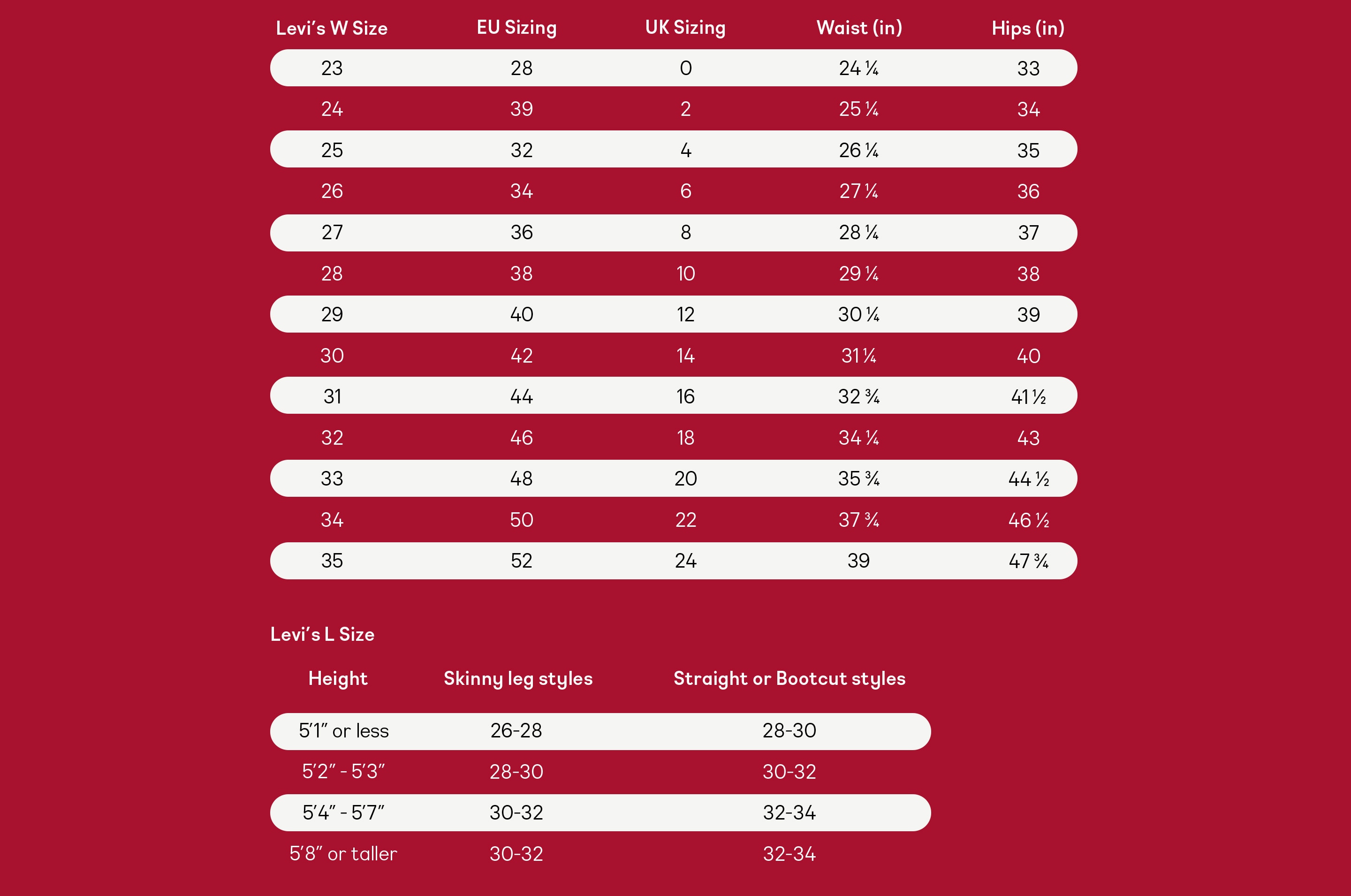
You're here because you need a quick solution, right? Well, if you're looking for a bold and reliable way to find your perfect Levi's fit, the Levi size chart is your go-to tool. It's a simple yet effective guide, offering a visual representation of sizes and measurements, making it easy to navigate. With just a glance, you can ensure you're getting the right size, whether it's for yourself or a gift. This chart is a handy reference, especially when you're in a rush and need a quick sizing solution.
Understanding the Levi Size Chart
The levi size chart is your go-to guide for finding the perfect fit in Levi's jeans and clothing. It's a simple tool to ensure you get the right size, whether you're shopping online or in-store. This chart provides measurements and size categories to help you choose the best fit for your body.
Standard Sizing Options
Levi's size chart follows a standard sizing system, typically based on waist size and inseam length. This means you'll find consistent sizing across their products, making it easier to find your fit. The chart usually includes categories like waist size (in inches or centimeters), inseam length, and sometimes additional measurements like hip and thigh circumference.
How to Use the Levi Size Chart: A Step-by-Step Guide
- Identify your waist size. This is the most critical measurement for jeans. Measure your waist at the point where you usually wear your pants, keeping the tape measure snug but not tight.
- Determine your inseam length. This is the distance from your crotch to the hem of your pants. You can measure this while wearing well-fitting pants or by standing against a wall and measuring the distance from your crotch to the floor.
- Refer to the levi size chart. Find your waist size and inseam length on the chart. The chart will provide you with the corresponding size, typically in numerical or alphabetical categories.
- Consider other measurements. If the chart offers additional measurements like hip or thigh circumference, you can use these to ensure an even better fit.
Common Misreadings and How to Avoid Them
One common mistake is assuming all brands use the same sizing standards. While Levi's size chart is consistent within their brand, sizes may vary across different brands and styles. Always double-check the specific size guide for the item you're interested in. Additionally, be mindful of the units used. Some charts may use inches, while others use centimeters. Ensure you're comparing like with like.
Factors Affecting Size Variations
Several factors can influence the accuracy of your size determination. First, body shape varies, and the chart provides a general guide. Second, the fit you prefer (e.g., slim, regular, or relaxed) can affect the size you choose. Lastly, the fabric and stretchiness of the material can impact the fit, so consider the fabric type when using the chart. Remember, the levi size chart is a helpful tool, but it's always a good idea to try on clothing to ensure the perfect fit.
Hey there! We hope you found this guide on the Levi size chart helpful and that it's made your sizing quest a little easier. Remember, when it comes to size charts, exact details can differ slightly, so always double-check the source and standard you're using.
We've got a bunch of other guides on various topics, so feel free to explore and discover more practical tips and tricks. Happy reading, and we hope to see you around!
Related: Need a chore weekly chart? Get one here!
A chore weekly chart is a handy tool to keep your household tasks organized and ensure a smooth daily routine. This guide will show you how to make the most of your chart, offering a simple and effective way to manage chores.
The beauty of a chore chart is its adaptability; you can customize it to fit your family's needs. Whether you prefer a simple task list or a more visual weekly planner, the key is finding a format that works for you and helps keep everyone on track with their household duties.
What is a Chore Weekly Chart?
A chore weekly chart is a practical tool to help you organize and manage household tasks efficiently. It's a visual representation of your weekly chores, making it easier to stay on top of your responsibilities and ensure a clean and well-maintained home.
Understanding the Key Details
The chart typically consists of a grid with days of the week across the top and chore categories down the side. Each cell represents a specific chore for a particular day. Common categories include cleaning tasks like vacuuming, laundry, dishes, and grocery shopping. The chart provides a clear overview of what needs to be done and when.
Reading and Applying the Chart
Here's a step-by-step guide to using your chore weekly chart:
- Start by identifying the tasks you want to include. Consider daily, weekly, and monthly chores, as well as any specific tasks that need to be done regularly, like taking out the trash or changing bed linens.
- Assign tasks to each day of the week. Distribute the chores evenly to avoid an overwhelming workload on any single day.
- Use symbols or colors to indicate the status of each chore. For example, a checkmark can signify completion, while a red X might mean the task is overdue.
- Review and update your chart regularly. As you complete tasks, mark them off. If something comes up and a chore needs to be rescheduled, adjust the chart accordingly.
- Involve your family or housemates. If you're sharing the workload, ensure everyone understands their responsibilities and can refer to the chart for guidance.
Variations and Differences
While the basic concept of a chore weekly chart remains consistent, there can be variations based on personal preferences and household needs. Here are some factors that may cause differences:
- Household size: A larger family may require more complex chore rotations to ensure fairness.
- Individual preferences: Some people prefer a simple list format, while others like the visual appeal and organization of a chart.
- Task frequency: Certain chores may need to be done daily or monthly, influencing how you structure your chart.
Common Mistakes and How to Avoid Them
It's easy to make mistakes when creating a chore weekly chart, but these tips can help you avoid them:
- Overloading: Avoid assigning too many tasks to one day. Spread the workload evenly to prevent burnout.
- Forgetting regular tasks: Include all recurring chores, even if they seem obvious. It's easy to overlook something like taking out the recycling or wiping down kitchen counters.
- Not updating: Regularly review and update your chart to reflect changes in your routine or household needs.
Tips for Success
To make the most of your chore weekly chart and ensure it works effectively for your household, consider these best practices:
- Personalize your chart: Tailor it to your specific needs and preferences. Add notes or symbols that make sense to you and your family.
- Keep it visible: Display your chart in a central location, like the kitchen or family room, so everyone can refer to it easily.
- Review and adjust: Regularly assess how well your chart is working and make adjustments as needed. Flexibility is key to a successful chore management system.
- Involve everyone: Encourage participation and ownership of chores by involving all family members or housemates in creating and maintaining the chart.
A chore weekly chart is a great way to stay organized and ensure everyone pitches in. With the right approach, you can create a simple and effective system for your household. Remember, it's all about finding a balance and making it work for your unique situation.
When adapting any guide, it's important to consider your specific needs and context. While these charts offer a solid framework, they can be tailored to suit your family's routines and preferences. So, take the time to customize and make it your own! And don't forget to explore our other resources for even more practical tips and tricks.
Related: How to Use the Apoquel Dose Chart?
Frustrated by the endless search for the right information? You're not alone. Many pet owners find themselves seeking a quick, reliable guide to navigate the apoquel dose chart and ensure their furry friends receive the correct dosage. This chart is a crucial tool, offering a simple yet effective way to determine the appropriate treatment for canine allergies. With variations in dosing based on factors like weight and region, having a clear, accessible reference is essential.
Understanding the Apoquel Dose Chart
The apoquel dose chart is a valuable tool for pet owners and veterinary professionals, offering a clear guide to administering the correct dosage of apoquel, a medication used to treat canine allergies. This chart simplifies the process, ensuring your dog receives the right amount based on their weight.
Key Details and Categories
The apoquel dose chart typically presents two main categories: weight ranges and corresponding dosage recommendations. Weight is a critical factor, as it determines the appropriate dose. The chart provides a range of weights, often in kilograms or pounds, with the recommended dosage for each range. This ensures accuracy and safety in medication administration.
Step-by-Step Guide: Reading and Applying the Chart
Follow these steps to accurately use the apoquel dose chart:
- Weigh your dog accurately. Ensure the scale is suitable for your dog's size and provides precise readings.
- Locate your dog's weight on the chart. If their weight falls within a range, choose the dosage for the lower weight in the range. For instance, if your dog weighs 15 kg and the range is 15-20 kg, select the dosage for 15 kg.
- Measure the dosage precisely. Use the appropriate measuring tool, such as a syringe or oral dispenser, to ensure an accurate dose.
- Administer the medication as directed. Follow the instructions for the frequency and timing of doses, typically twice daily for the first two weeks and then once daily thereafter.
Variations and Differences
It's important to note that apoquel dose charts may vary slightly depending on the region and the specific manufacturer's guidelines. Factors like the dog's age, breed, and overall health may also influence dosage, so it's crucial to consult with a veterinarian for personalized advice. Additionally, the chart provides a general guide, and individual cases may require adjustments.
- Key factors influencing dosage:
- Weight of the dog
- Manufacturer's guidelines
- Region-specific standards
- Dog's age and breed
- Overall health condition
Common Dosage Mistakes and How to Avoid Them
To ensure accurate dosing:
- Always refer to the most recent apoquel dose chart provided by your veterinarian or the medication's packaging.
- Avoid rounding up or down when determining the dosage. Stick to the precise weight and corresponding dosage.
- Be mindful of the medication's expiration date and storage instructions to maintain its effectiveness.
- Consult your veterinarian if you have any concerns or questions about the dosage or your dog's response to the medication.
Remember, while the apoquel dose chart is a helpful guide, it's essential to prioritize your dog's health and well-being. Regular communication with your veterinarian is key to ensuring the best care for your canine companion.
Remember that while this chart provides a valuable reference, the exact doses and guidelines may differ slightly depending on various factors. It's always a good idea to consult with a veterinarian for personalized advice and to ensure the best care for your furry friend.
Feel free to bookmark this page for future use, and don't forget to check out our other practical guides for pet owners! We aim to make your life a little easier with these handy resources.