





Dmc Color Chart 2026 Overview
You're here because you need a quick fix, a reliable source to refer to when it comes to spices and their measurements. Well, look no further than the Spice T Chart! It's a handy tool that simplifies the often confusing world of spice quantities. This chart is your go-to guide, offering a visual representation of spice measurements, ensuring your dishes are perfectly seasoned every time. Whether you're a cooking novice or a pro, having this reference can make all the difference.
What is a Spice T Chart?
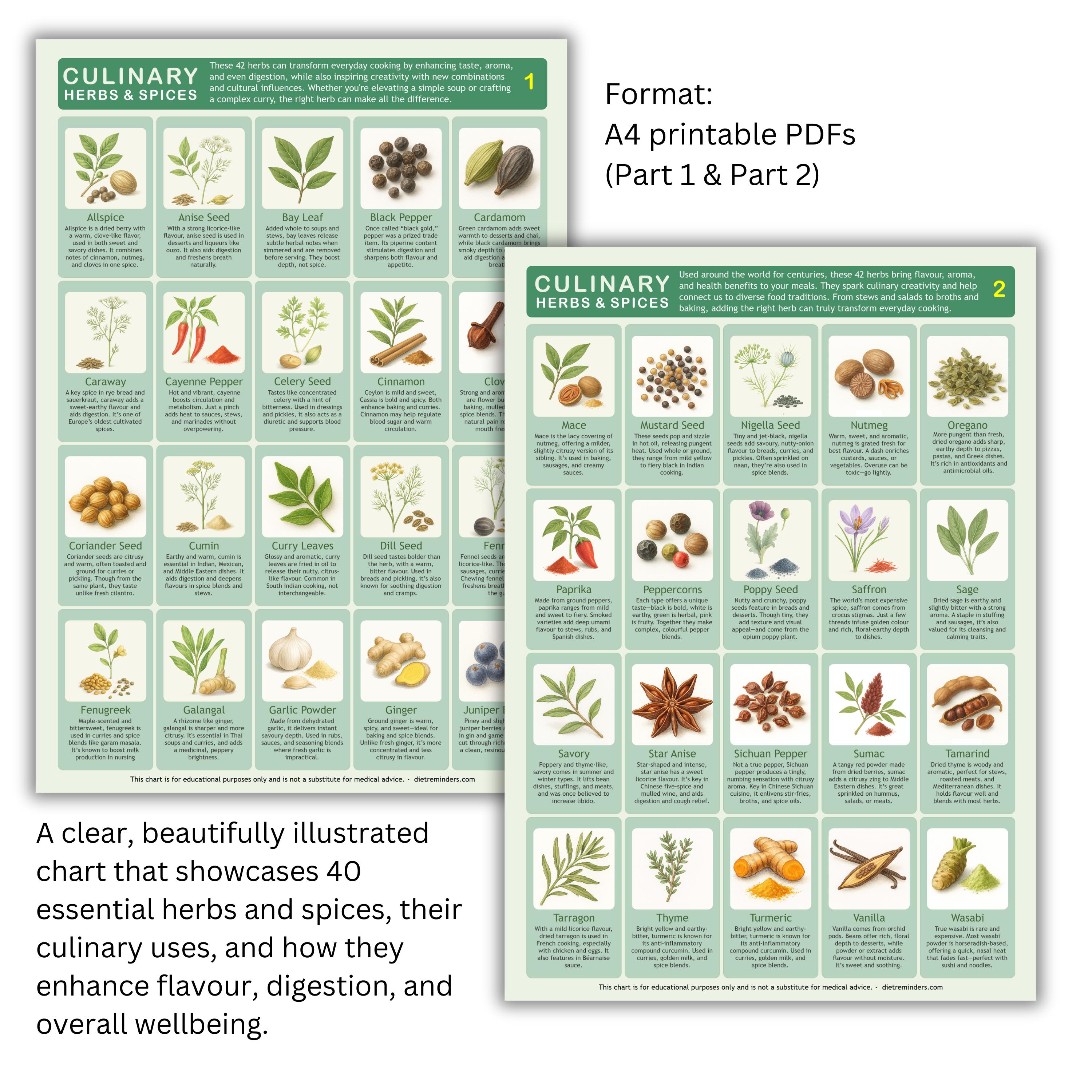
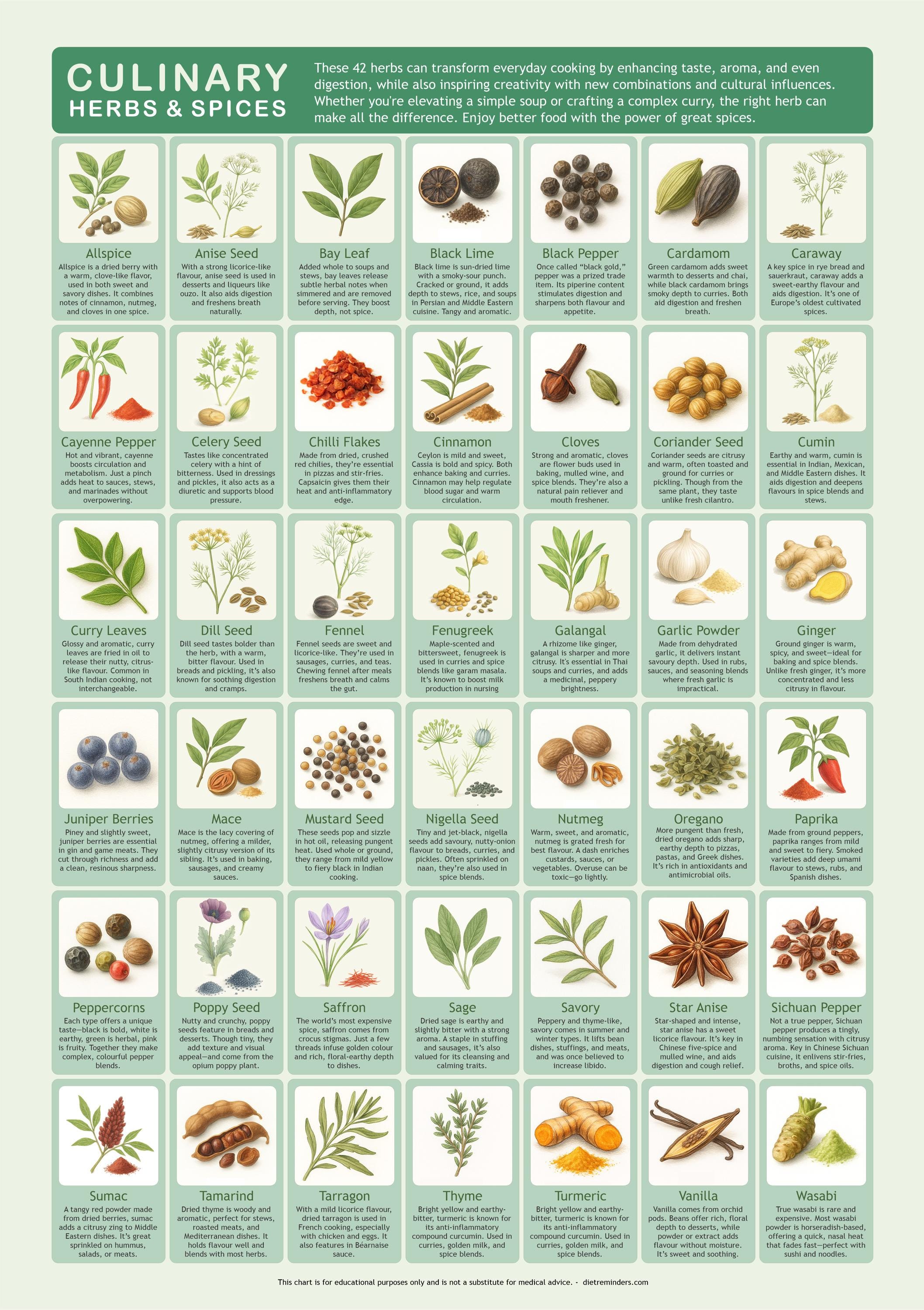
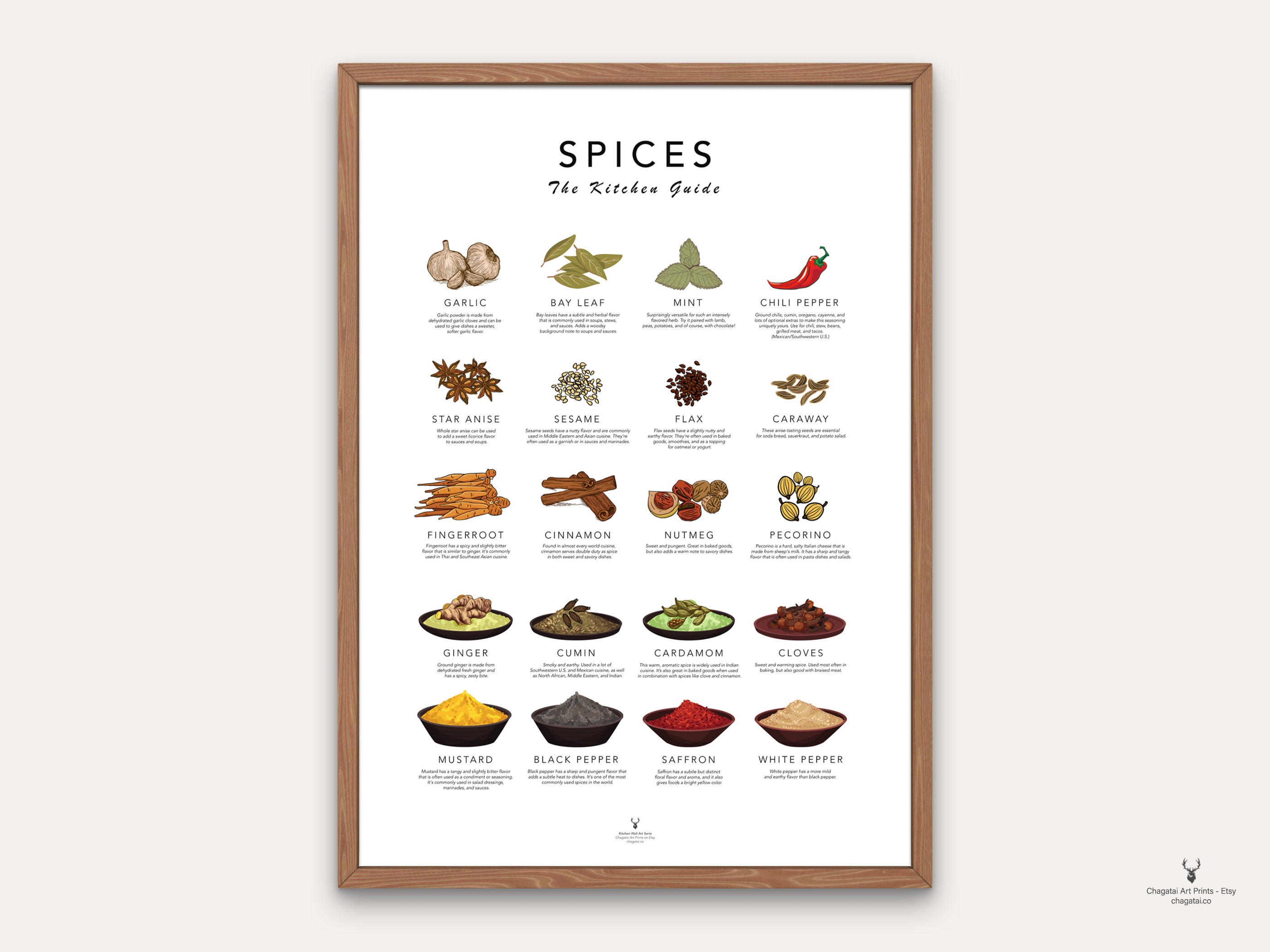
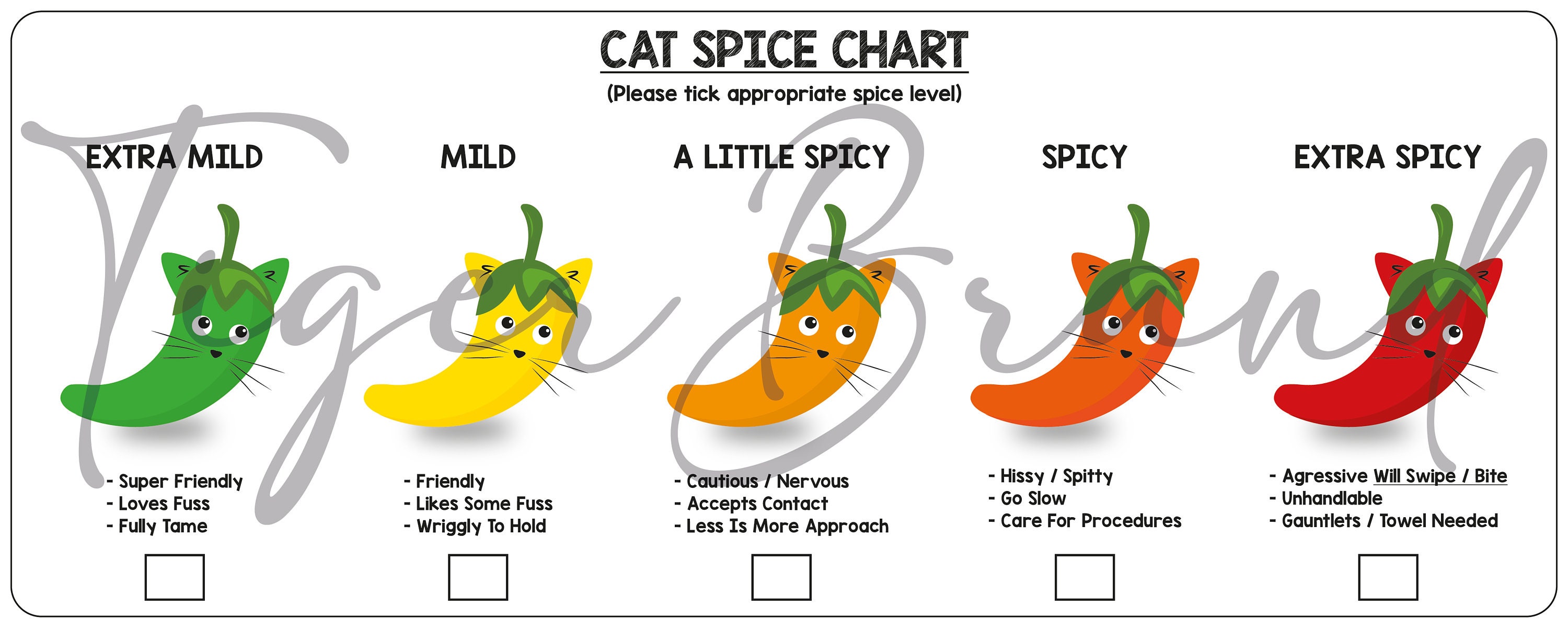
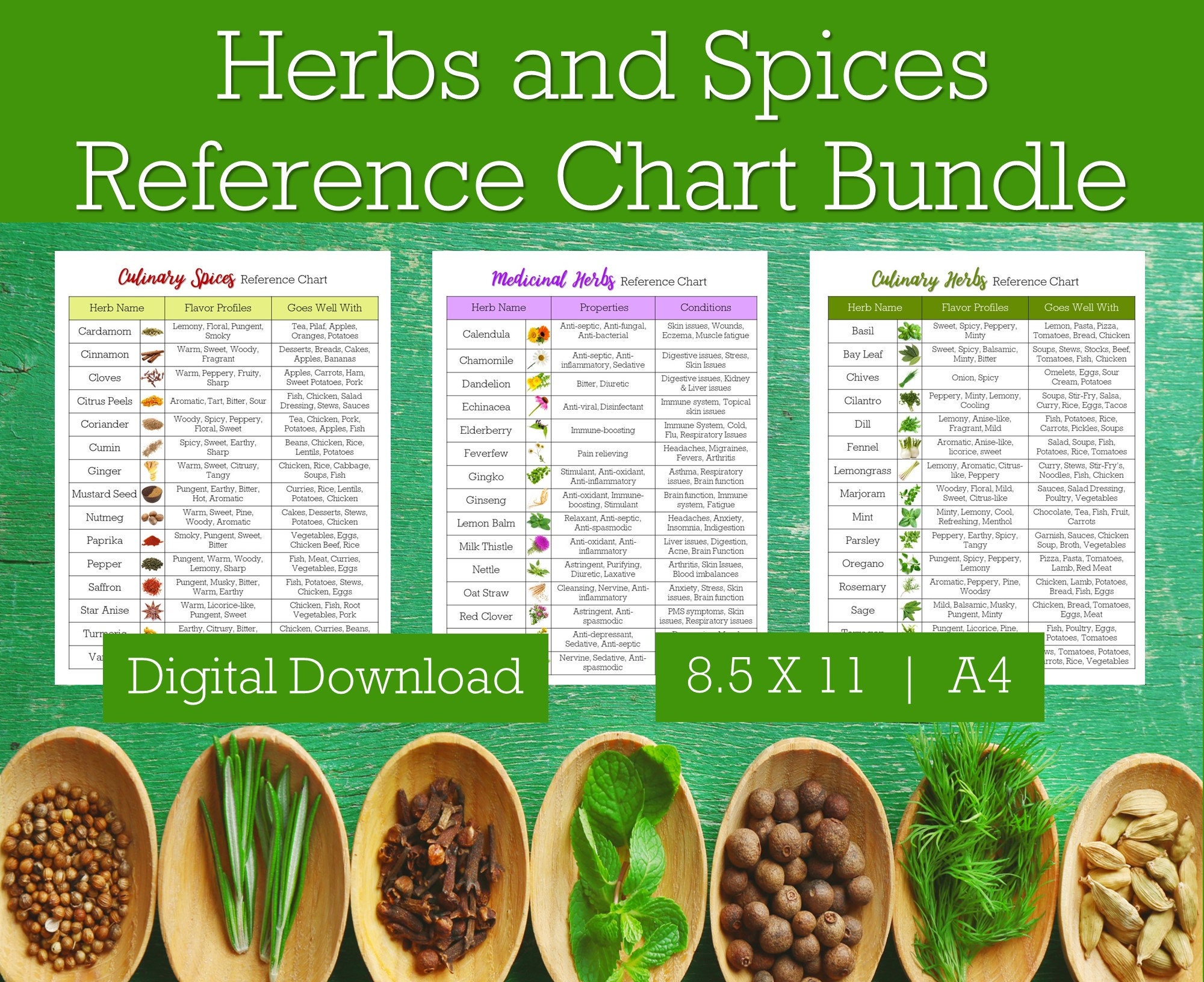
A spice chart is a handy reference tool for anyone who loves to cook or wants to explore the world of spices. The Spice T Chart is a visual guide that helps you understand the heat intensity and flavor profiles of various spices. It's like having a spice expert right in your kitchen!
Key Details and Categories
The Spice T Chart typically features a range of common spices, organized by their heat level and flavor characteristics. You'll find spices like chili peppers, paprika, cumin, and many more. Each spice is assigned a heat rating, often on a scale of 1 to 10 or using a simple heat indicator like mild, medium, or hot. Additionally, the chart provides a brief description of the spice's flavor, including its aroma and any unique qualities.
How to Read and Use the Spice T Chart
Using the Spice T Chart is a breeze! Here's a simple step-by-step guide:
Identify the Spice: Look for the spice you want to use or explore on the chart. It's usually listed by name or with a small illustration.
Check the Heat Rating: Locate the spice's position on the heat scale. This will give you an idea of how spicy it is. A higher number or a 'hot' indicator means a more intense heat level.
Explore Flavor Notes: Read the description provided for each spice. This will help you understand its unique flavor profile, including any dominant aromas or tastes.
Choose and Experiment: Now you can confidently select spices for your dish! Consider the heat level and flavor notes to create a balanced and delicious meal.
Variations and Differences
It's important to note that spice charts can vary depending on the source and intended audience. Different regions and cuisines may have their own spice preferences and intensity scales. For example, a chart designed for Indian cuisine might emphasize certain spices and heat levels that are less common in other cuisines. Always check the source and intended use of the Spice T Chart to ensure it aligns with your culinary goals.
Common Mistakes and How to Avoid Them
One common mistake is assuming that all chili peppers or spice blends will have the same heat level. In reality, even within a single type of chili pepper, there can be significant variations in heat intensity. Always refer to the specific heat rating on the Spice T Chart and consider trying a small amount first to gauge the spice's true heat. Additionally, be mindful of the freshness of your spices. Old spices may have lost some of their potency, so adjust the quantity accordingly.
Practical Tips for Accurate Results
To get the most out of your Spice T Chart, consider the following tips:
- Start with a small amount of spice and gradually increase to find the perfect balance.
- Fresh spices can have more intense flavors, so adjust your quantities if using fresh ingredients.
- Experiment with different spice blends to create unique flavor profiles.
- Keep your Spice T Chart handy in the kitchen for quick reference.
- If you're trying a new spice, research its traditional uses and cultural significance to understand its role in various dishes.
Remember, the Spice T Chart is a guide, and cooking with spices is an art. Have fun exploring the world of spices and creating delicious, flavorful dishes!
Well, there you have it! The spice t chart is a handy tool, and with these tips, you should feel confident using it. Remember, always check the specific guidelines or standards relevant to your project, as exact values may differ slightly.
This chart is a great reference, so be sure to keep it close by and bookmark this page for future use. Happy spicing!
Related: How to Read a Cap Size Chart?
You're probably here because you need a quick fix, a simple solution to a sizing dilemma. Well, you've come to the right place! The cap size chart is your handy tool, a quick reference guide to ensure you get the perfect fit every time. It's a straightforward way to measure and match your head size to the right cap, and it's a lifesaver when you're in a rush or shopping online. This chart offers a simple solution, and it's worth familiarizing yourself with, especially if you want to avoid those pesky sizing mistakes!
Understanding the Chart: A Quick Overview
The cap size chart is a handy tool that helps you find the perfect fit for your headwear. It's a simple guide, often presented as a table or diagram, that matches your head measurements to the right cap size. This chart ensures your caps are neither too tight nor too loose, providing a comfortable and secure fit.
Comparing Common Cap Sizes and Standards
Cap size charts typically use two main standards: metric and imperial measurements. The metric system is widely used internationally and offers precise measurements in centimeters. On the other hand, the imperial system, common in the US, uses inches. These standards determine the cap circumference, which is the key measurement for finding your ideal cap size.
Step-by-Step Guide to Using the Cap Size Chart
Measure your head circumference: Take a flexible tape measure and wrap it around your head, just above your ears and across your forehead. Ensure it's not too tight or too loose. Note down the measurement in either centimeters or inches, depending on your preference or the chart's standard.
Refer to the cap size chart: Look for the column or row that corresponds to your head circumference measurement. The chart will provide you with a recommended cap size based on this measurement.
Adjust for comfort: While the chart offers a guide, personal preference plays a role. If you prefer a looser fit, consider going up a size. For a snugger fit, especially for activewear, you might want to choose a slightly smaller size.
Check the hat sizing chart: Some charts provide additional information, such as hat sizing. This can be useful if you're looking for a specific hat style and want to ensure it fits well.
Avoiding Common Misreadings and Pitfalls
It's important to remember that the cap size chart is a guide, and individual preferences may vary. While it provides a reliable starting point, you might need to make slight adjustments to find your perfect fit. Always double-check the chart's measurements and ensure they align with your head size guide. If you're between sizes, consider trying both and choosing the one that feels most comfortable.
Key Factors Affecting Accuracy and Real-World Use
Several factors can influence the accuracy of the cap size chart. Firstly, the chart's measurements may vary slightly depending on the manufacturer and the intended use of the cap. For instance, a baseball cap might have different sizing standards compared to a beanie. Additionally, personal factors like hair volume and style can impact the fit. If you have thick hair or a hairstyle that adds volume, you might need to adjust the size accordingly. Always consider these factors and refer to the specific cap's instructions or sizing guidelines for the most accurate fit.
Well, that's a wrap on our cap size chart adventure! We've covered a lot of ground, from understanding the different options to nailing down the key steps for accurate measurements.
Remember, when it comes to getting the right fit, always double-check your specific needs and the guidelines for your chosen standard or source. Exact values can vary slightly, so it's good to be aware of that.
Consider bookmarking this page for future reference; it's a handy tool to have at your fingertips when you need it most!
Related: Diaper Size Chart: A Quick Reference Guide
A common misconception about diaper size charts is that they are one-size-fits-all, but in reality, these charts are a guide, and an important one at that, to help you find the perfect fit for your little one. While it may seem straightforward, choosing the right diaper size is crucial for your baby's comfort and well-being.
These charts provide a quick reference, offering a range of sizes and their corresponding weight and height recommendations. It's a simple tool, but one that can save you from the hassle of constantly guessing and ensuring your baby has the right-sized diaper. With various brands and types available, including cloth and disposable options, the diaper size chart is your go-to resource for an accurate fit.
Understanding the Diaper Size Chart: A Practical Overview
The diaper size chart is a handy tool for parents and caregivers, offering a quick reference guide to ensure your little one's diaper fits perfectly. This chart provides a simple way to match your baby's weight and waist size to the right diaper size, typically categorized by letters or numbers.
Comparing Diaper Size Standards and Formats
Diaper size charts can vary depending on the brand and region. While most follow a similar format, the specific weight and waist measurements may differ slightly. For instance, some brands might use a letter-based system (e.g., S, M, L), while others prefer a numerical approach (e.g., 1, 2, 3). Additionally, international standards may use different units, such as kilograms and centimeters, so it's essential to check the chart's origin.
Step-by-Step Guide to Using the Diaper Size Chart
Here's a simple process to determine the correct diaper size for your baby:
Weigh your baby: Use a reliable scale to get an accurate weight measurement.
Measure the waist: Place your baby on their back and use a soft measuring tape to get the waist circumference. Ensure the tape is snug but not tight.
Refer to the chart: Locate your baby's weight and waist size on the diaper size chart. The chart will guide you to the appropriate diaper size, usually indicated by a letter or number.
Choose the right diaper: Select diapers that match the size indicated on the chart.
Common Misreadings and How to Avoid Them
It's easy to misinterpret the diaper size chart, especially if you're new to parenting. Here are some common mistakes and how to avoid them:
Don't rely solely on age: While age can be a rough guide, it's not always accurate. Babies grow at different rates, so always check the weight and waist measurements.
Understand weight ranges: Diaper sizes often cover a range of weights. Ensure your baby's weight falls within the specified range for that size.
Consider growth spurts: If your baby is going through a growth spurt, their weight and size may change rapidly. Regularly check the chart to ensure you're still using the right size.
Factors Affecting Accuracy: Key Considerations
Several factors can impact the accuracy of the diaper size chart:
Cloth vs. disposable diapers: Cloth diapers often have different sizing standards, so ensure you're using the right chart.
Baby's build: Some babies have a stockier build, while others are longer and leaner. The chart provides a general guide, but individual variations may require some trial and error.
Manufacturer variations: Different diaper brands may have slightly different sizing standards, so always check the specific brand's chart.
Newborns and preemies: Newborn and preemie diaper sizes are critical, as these babies have unique needs. Ensure you're using the correct chart for their specific size.
Adapting the Diaper Size Chart for Your Needs
While most diaper size charts provide a general guide, you may need to adapt them for specific situations:
Premature babies: Preemie diaper sizes are essential for these tiny babies. Ensure you're using a chart designed for premature infants, as their sizes may differ significantly from full-term babies.
Mixed-age daycare: If you're caring for multiple children of different ages, you may need to refer to different charts or have a clear system to ensure each child gets the right size.
Overweight or underweight babies: If your baby is significantly above or below the average weight for their age, you may need to consult a healthcare professional for advice on the best diaper size.
Keeping Your Diaper Size Guide Reliable
To ensure your diaper size chart remains accurate and reliable:
Regularly update: As your baby grows, their size will change. Ensure you update your chart or refer to a newer version to account for these changes.
Check for updates: Manufacturers may update their sizing standards over time. Stay informed by checking for the latest charts or asking healthcare professionals or other parents for recommendations.
Keep a record: Consider keeping a record of your baby's weight and waist measurements. This can help you quickly identify when it's time to move up a size and ensure a perfect fit every time.
Well, that's a wrap on our diaper size chart guide! We've covered a lot of ground, from understanding the different standards to finding the right fit and avoiding common mistakes. Remember, when it comes to diaper sizing, exact details might differ slightly, so always refer to the brand's guidelines or consult a professional if needed.
If you found this guide helpful, why not explore more of our practical parenting resources? We've got plenty of other tips and tricks to share, so feel free to browse and discover something new!