


Dmc Color Chart Free Printable Overview
You're here, searching for a hair levels chart, a handy tool to help you understand your hair's characteristics. This chart is a simple yet effective way to visualize and assess your hair's thickness, density, and overall volume. It provides a quick reference, offering a snapshot of your hair's current state and a guide to track any changes over time. With various formats and standards, these charts offer a standardized way to measure and compare hair, ensuring an accurate and reliable assessment.
Understanding the Hair Levels Chart: Your Guide to Hair Volume
The hair levels chart is a handy tool to understand and categorize your hair's volume and thickness. It provides a simple, visual way to assess your hair's characteristics, which can be useful for styling, product selection, and even tracking hair growth progress. This chart typically uses a scale or a set of categories to describe hair volume, offering a quick reference for everyday use.
Comparing Hair Volume Standards: A Range of Options
There are various ways to categorize hair volume, and different charts may use different standards. Some common scales include a simple 1 to 10 scale, with 1 being the finest hair and 10 the thickest. Others might use a more detailed system, like a 1 to 20 scale, offering a broader range of options. Additionally, some charts might categorize hair into broad types, like "thin," "medium," and "thick," providing a more general overview.
Step-by-Step Guide: Using the Hair Levels Chart
- Start by gathering a small section of clean, dry hair, preferably from the top of your head.
- Hold the hair between your fingers and assess its thickness. Compare it to the visual representations or descriptions on your chosen hair levels chart.
- Match the thickness of your hair to the corresponding category or number on the chart. This will give you an idea of your hair's volume level.
- For a more precise assessment, you can count the number of hairs in the section you've gathered. This follicle count guide can provide additional insight into your hair's density.
Common Misconceptions and How to Avoid Them
One common mistake is assuming that the hair levels chart is a universal standard. While it provides a useful framework, it's important to note that hair characteristics can vary widely, and individual differences may not always fit neatly into these categories. Additionally, hair can change over time due to various factors, so regular assessments are beneficial. Always refer to the specific chart's instructions and consider any additional notes or explanations provided.
Factors Affecting Accuracy: Real-World Considerations
Several factors can influence the accuracy of your hair levels chart assessment. These include your hair's natural texture, whether it's curly, straight, or somewhere in between, as well as its overall health and condition. Environmental factors, such as humidity, can also temporarily affect your hair's volume and texture. It's essential to consider these variables when using the chart and to be aware that your hair's level may fluctuate. Regular assessments and a consistent approach will provide the most accurate results over time.
Hey there! We've covered a lot of ground in this post, and I hope it's given you a clear idea of how to navigate the hair levels chart and its various aspects. Remember, while the basics remain the same, there might be slight variations in the details, so always refer to the most relevant and up-to-date sources for your specific needs.
If you found this guide helpful, why not explore some of our other practical articles? We've got a range of topics that might just simplify your life, from organizing tips to handy reference guides. So, feel free to browse and discover more ways to make your daily routines a breeze!
Related: Understand the Dual Type Chart Easily
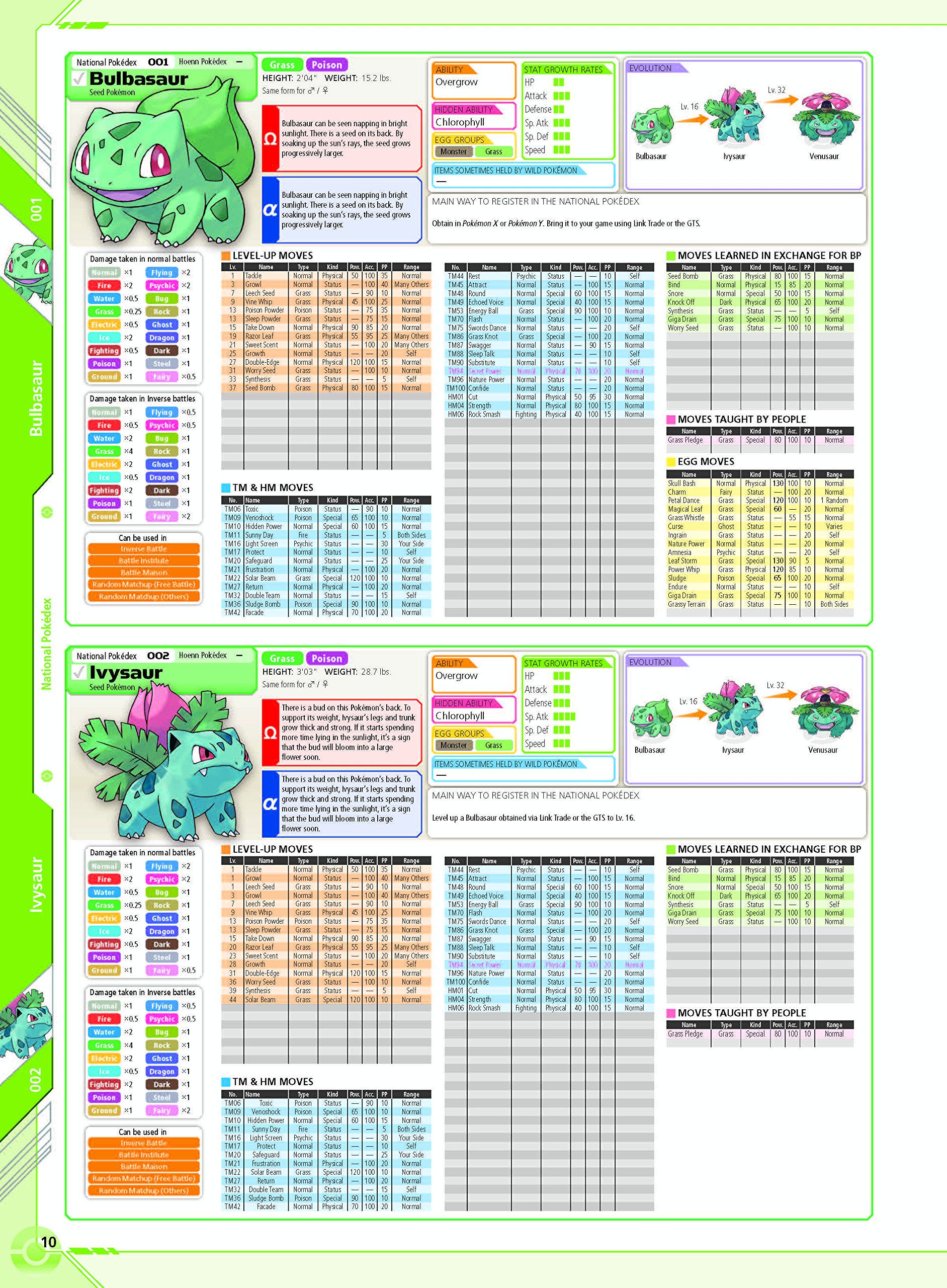
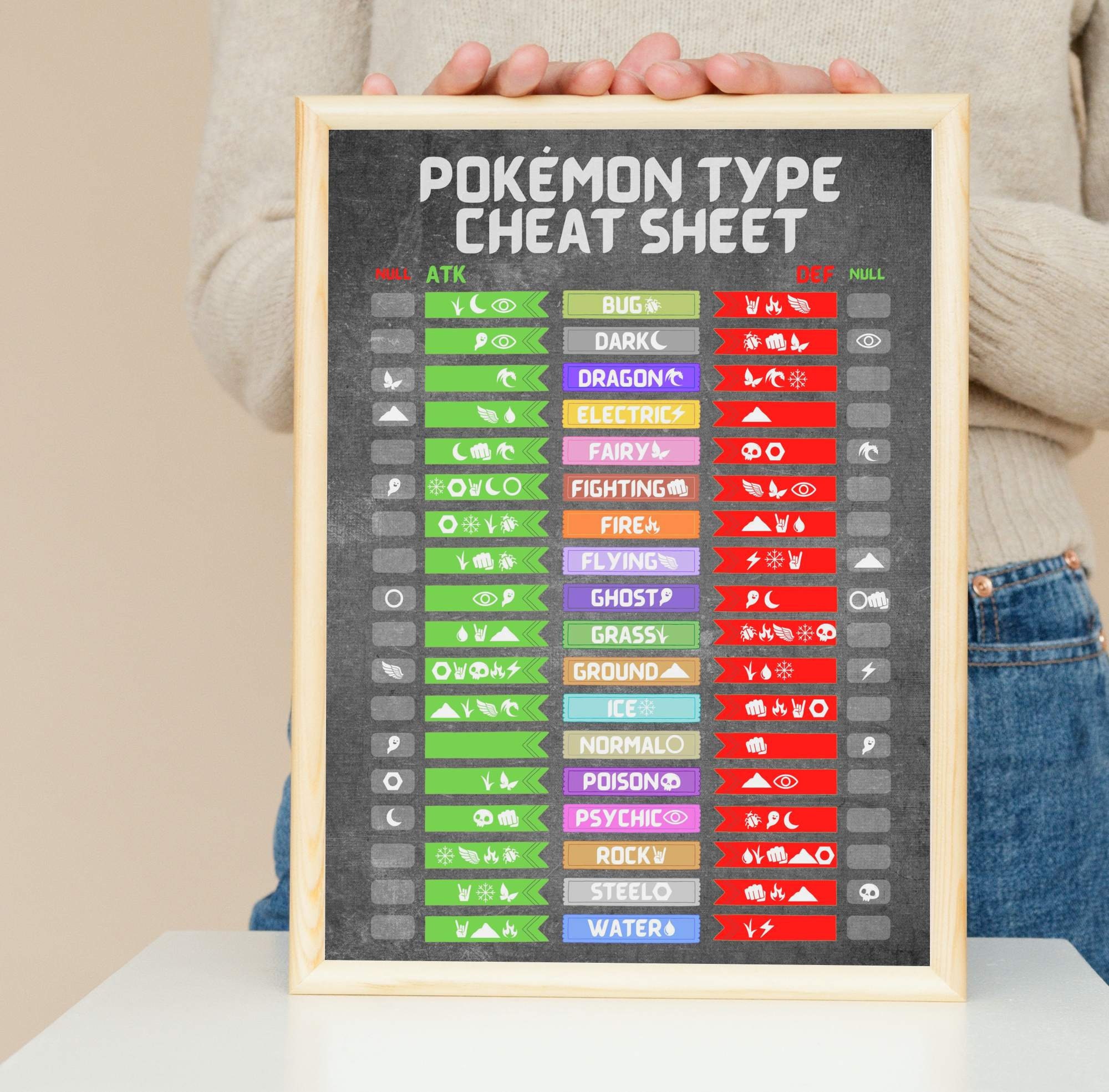
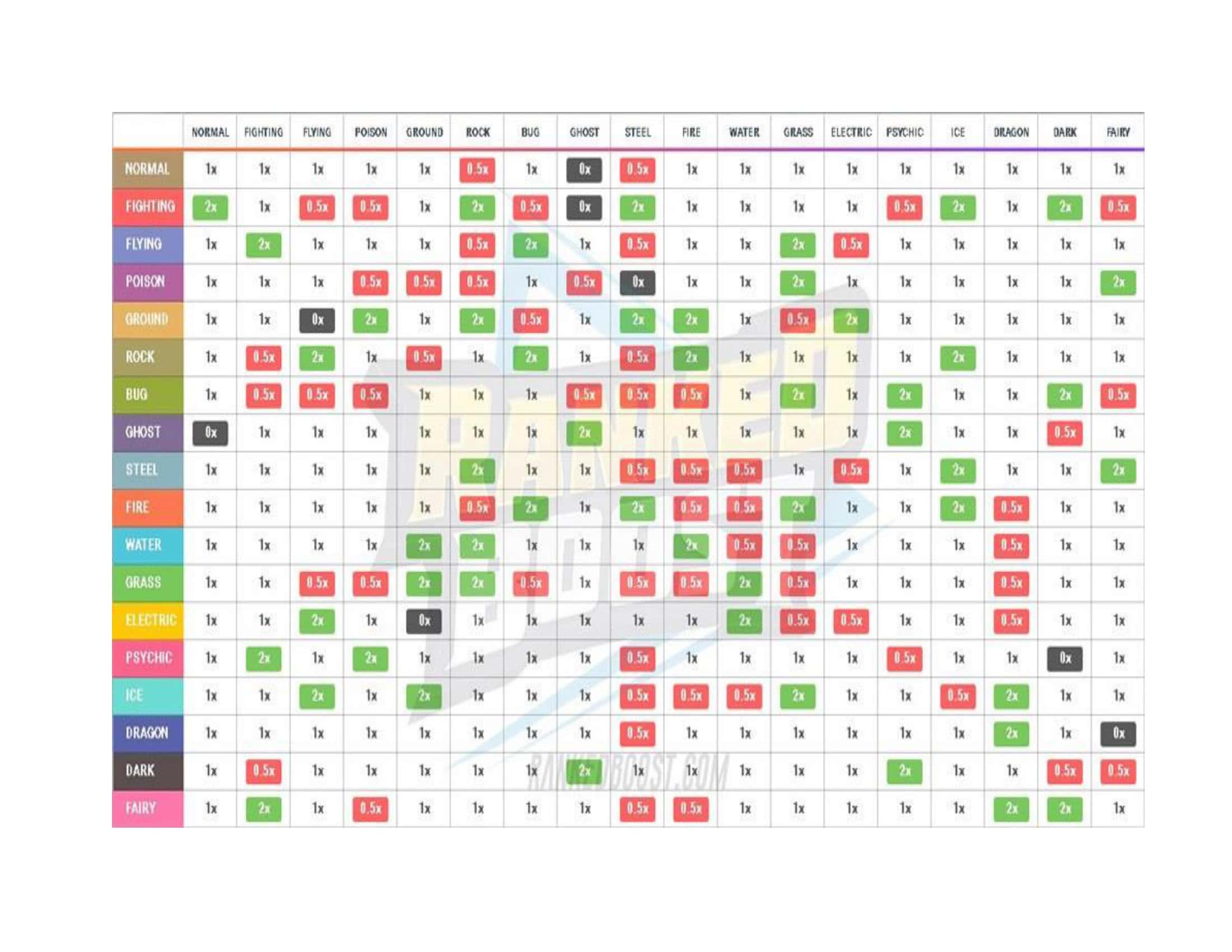
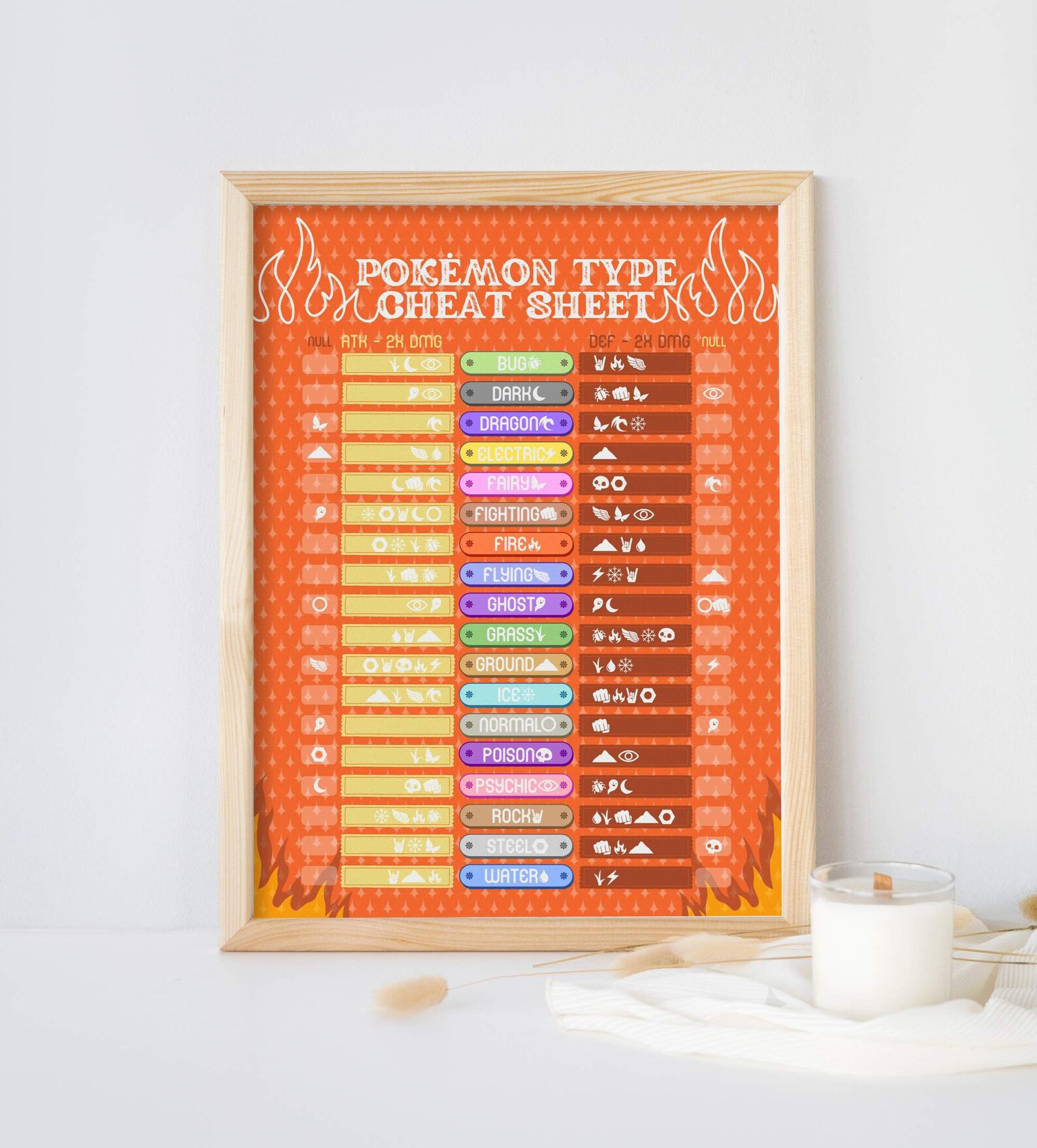
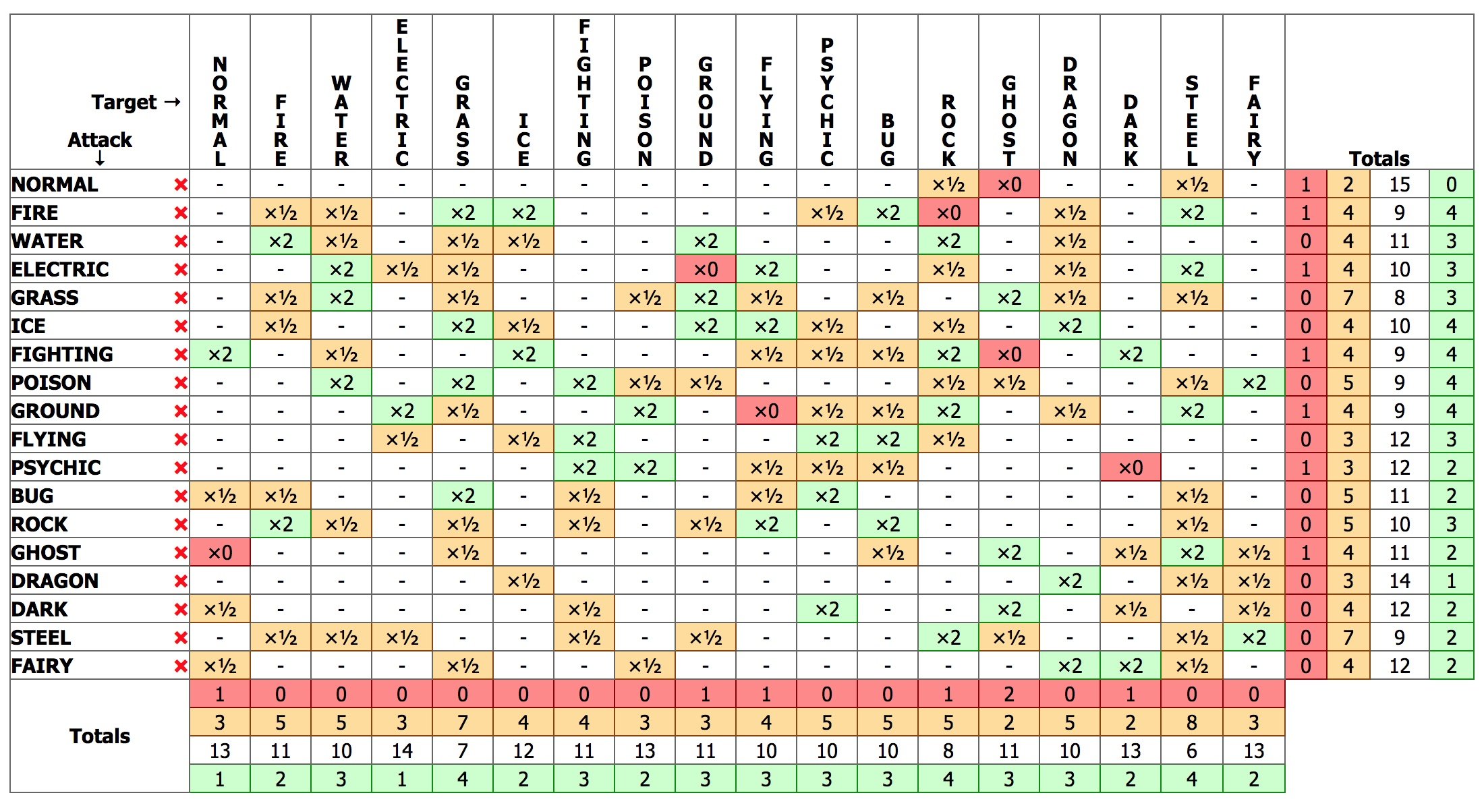
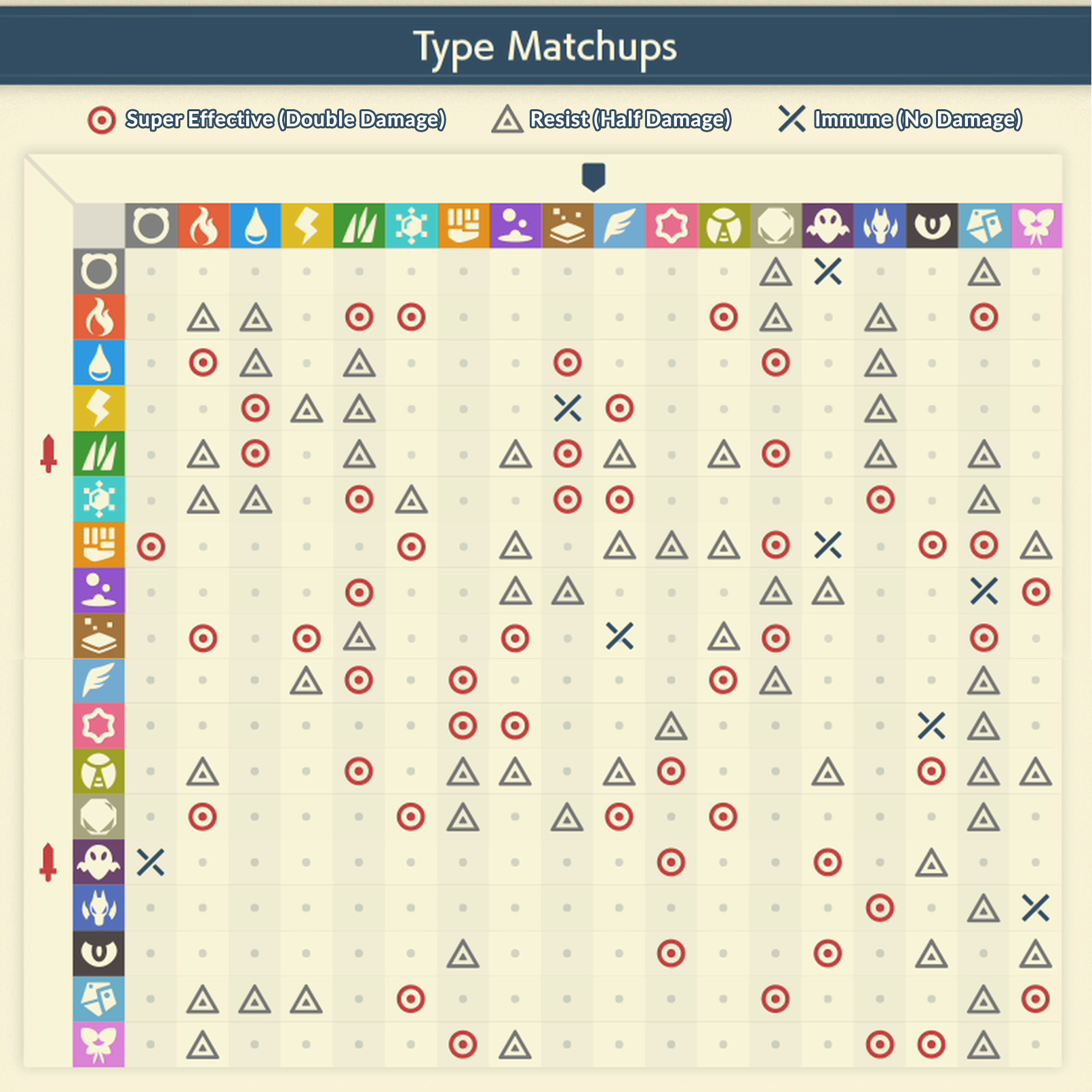
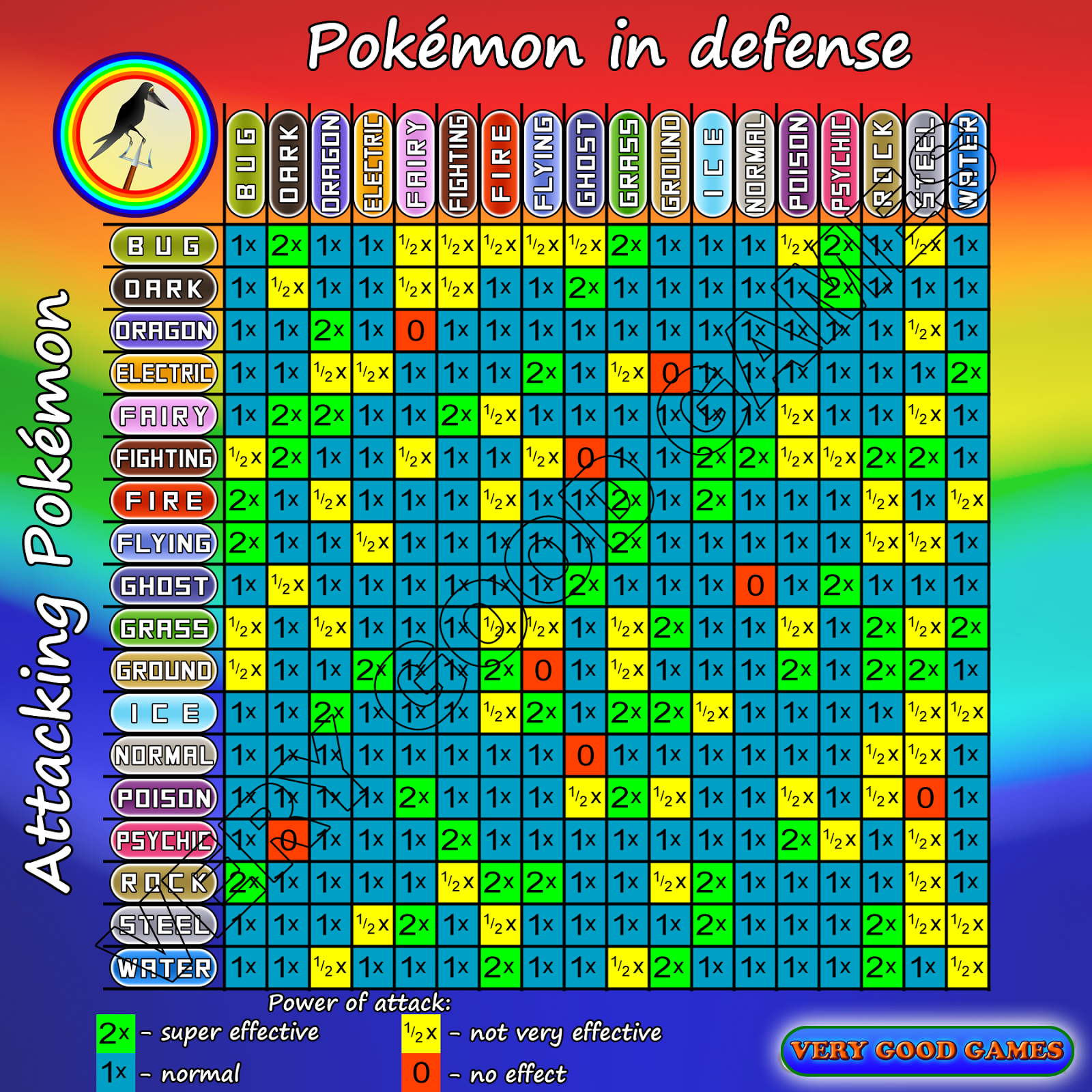
A dual type chart is a handy tool, a simple yet powerful resource for anyone seeking a quick glance at type advantages and disadvantages. This guide aims to demystify and clarify the purpose and use of such charts, ensuring you can navigate and understand them effortlessly.
The beauty of a dual type chart lies in its ability to visually represent type effectiveness, offering a clear overview of strengths and weaknesses. While the specific values and formats may vary depending on the context or region, the core concept remains consistent, providing a reliable reference for strategic decisions.
Understanding Type Advantages
The dual type chart is a powerful tool that reveals the strengths and weaknesses of different type combinations. It offers a strategic insight into how various types interact, providing an edge in decision-making and planning. This chart is a valuable resource for anyone seeking to optimize their choices based on type effectiveness.
Key Details and Categories
The dual type chart presents a comprehensive overview of type interactions. It categorizes types into distinct groups, each with its own unique properties and relationships. These categories include common types like Fire, Water, and Grass, as well as more specialized types such as Electric, Ghost, and Fairy. The chart assigns each type a value or rating, indicating its effectiveness against other types. These values range from 0.25x (not very effective) to 4x (super effective), with 1x representing neutral effectiveness.
Reading the Effectiveness Scale
To read the dual type chart, follow these steps:
- Identify the two types you want to compare. Let's say you're interested in the interaction between Fire and Water types.
- Locate the intersection of the row and column corresponding to the two types. In this case, find where the Fire row meets the Water column.
- The value at this intersection represents the effectiveness of one type against the other. A value of 4x means Fire is super effective against Water, while a value of 0.25x indicates Water is not very effective against Fire.
- Repeat this process for different type combinations to understand their strengths and weaknesses.
Common Type Combinations and Practical Strategy Tips
While the dual type chart provides a comprehensive guide, it's important to note that variations can occur due to specific circumstances or game mechanics. Here are some key factors to consider:
- Pokemon type chart variations: Different Pokemon games may have slight differences in type effectiveness. Always refer to the specific game's chart for accuracy.
- Type advantage chart exceptions: Some Pokemon have unique abilities or moves that alter type effectiveness. These exceptions can provide strategic advantages or disadvantages.
- Type match-up chart context: The effectiveness of types can depend on the specific context or situation. Environmental factors, such as terrain or weather, may influence type interactions.
- Pokemon type effectiveness tolerances: Certain types may have slight variations in effectiveness depending on the region or standard being used. Always check the relevant standard for accurate values.
Remember, while this dual-type chart offers a comprehensive guide, it's always wise to verify your specific needs and context. Exact values may vary slightly across different standards and sources, so a quick check ensures you're on the right track.
Feel free to explore our other resources and guides. We've got a range of practical tools and references to help you navigate various topics. Happy browsing!
Related: A Comprehensive Flute Trill Chart Guide
You've got your flute, you're ready to play, and you need a quick reminder on those trills. The flute trill chart is your go-to resource, a handy guide that simplifies those intricate finger movements. It's a visual tool, offering a clear and concise way to master those rapid, decorative notes. Whether you're a beginner or a seasoned player, this chart is a valuable reference, ensuring you can tackle any trill with confidence.
Understanding the Flute Trill Chart: A Quick Overview
The flute trill chart is an essential tool for flute players, offering a visual guide to mastering those rapid, vibrant trills. It's like a map, showing you the path to create beautiful, seamless trills with ease. This chart is your friend, making complex trill techniques more accessible and fun to learn.
Comparing Common Trill Patterns and Fingerings
When it comes to trills, there are various patterns and fingerings to explore. The chart typically presents a range of options, allowing you to see the differences and choose the most suitable approach for your playing style. It's like a reference library, offering a clear comparison of standard trill fingerings and patterns.
Step-by-Step Guide: Using the Flute Trill Chart
Using the flute trill chart is straightforward:
Identify the starting note: Locate the note you want to trill on the chart. This is usually indicated by a specific fingering or note name.
Find the target note: Look for the adjacent note(s) that form the trill. These are often shown as a series of connected dots or lines, indicating the finger movement.
Practice the finger movement: Focus on the finger pattern shown on the chart. Practice moving your fingers smoothly and quickly between the starting and target notes.
Master the embouchure: While finger movement is crucial, don't forget the role of your embouchure (lip and mouth position). Adjust your embouchure to create a clear, vibrant sound throughout the trill.
Combine finger and embouchure techniques: It's all about coordination! Practice blending the finger movement with the embouchure adjustments to produce a seamless, musical trill.
Common Misreadings and How to Avoid Them
One common pitfall is assuming that the chart provides a one-size-fits-all solution. Remember, the flute trill chart offers a general guide, but your specific flute and playing style may require slight adjustments. Always double-check the exact fingerings and notes for your instrument, especially if you're using a different flute type or size. Additionally, pay attention to the context of the music you're playing. The chart may suggest multiple options, and choosing the right one depends on the musical context and your artistic interpretation.
Factors Affecting Accuracy and Real-World Use
Several factors can influence the accuracy and effectiveness of your trills:
Flute type and size: Different flutes, such as concert flutes or piccolos, may require slight adjustments to the fingerings or embouchure.
Musical context: The style and genre of the music you're playing can impact the choice of trill technique. For example, a fast-paced jazz piece may call for a different approach compared to a classical ballet.
Personal playing style: Every flutist is unique! Your finger placement, hand shape, and embouchure may vary slightly, so it's essential to adapt the chart's suggestions to your individual playing style.
Practice and consistency: Like any skill, mastering trills takes time and practice. Consistent practice, focusing on both finger technique and embouchure control, will lead to more accurate and expressive trills.
Remember, the flute trill chart is a valuable tool, but it's just one part of your flute-playing journey. With patience, practice, and a bit of creativity, you'll be trilling like a pro in no time!
Hey there, fellow flutists! We've covered a lot of ground with this chart, and I hope it's given you a clear path to navigate the world of trills. Remember, while the basics remain consistent, the specifics might vary slightly depending on your reference or the style you're aiming for.
Feel free to explore our other guides; we've got plenty of resources to help you master the flute and its many techniques. Happy practicing, and keep those fingers moving!