



Does All Might Die Overview
I was browsing home improvement ideas online when I stumbled upon the phrase "french door installation cost." It got me thinking about how much it would cost to install those elegant, wide-opening doors in my own home. So, I decided to do some research and share my findings with fellow homeowners.
Understanding French Door Installation Costs
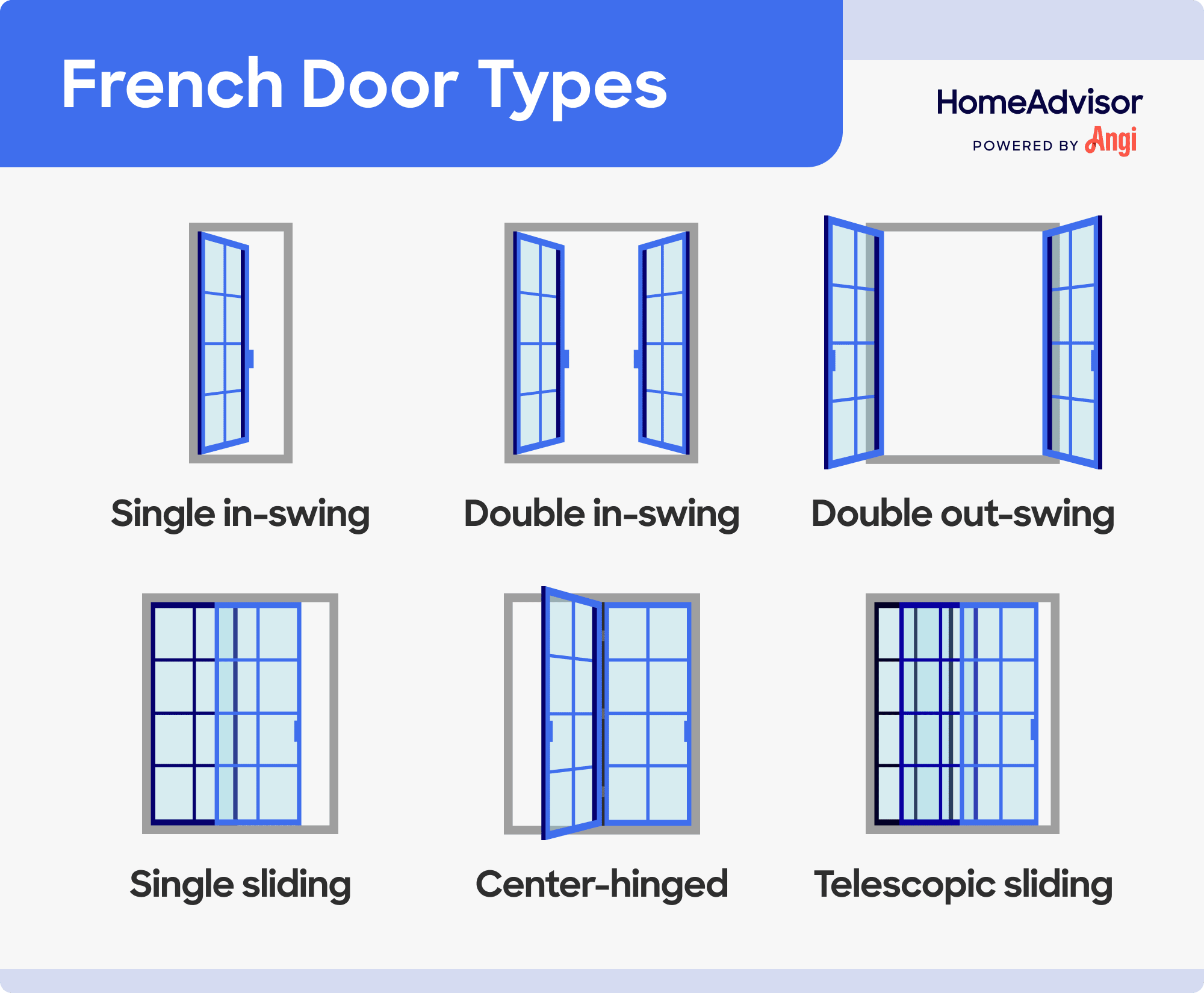
When it comes to installing French doors, there are a few key factors that can influence the overall cost. Firstly, the size and style of the doors themselves play a significant role. French doors come in various materials, including wood, fiberglass, and vinyl, each with its own price range. The size of the opening and the number of doors you need will also impact the final cost.
Another major factor is the labor involved. Installing French doors requires skilled labor, and the complexity of the job can vary. If the installation is straightforward, with no major structural changes needed, the labor costs will likely be lower. However, if additional work is required, such as modifying the door frame or making adjustments to the surrounding walls, the labor costs will increase accordingly.
Getting Quotes and Comparing Prices
To get an accurate idea of the french door installation cost, it's essential to obtain quotes from multiple contractors or remodeling companies. When requesting quotes, be sure to provide detailed information about your project, including the size and style of doors you want, the current state of your door frame, and any specific requirements or preferences you have.
When comparing quotes, look beyond the bottom line. Consider the reputation and experience of the companies, their warranties and guarantees, and the level of detail provided in their quotes. A comprehensive quote should include a breakdown of costs, covering materials, labor, and any additional expenses like permits or disposal fees.
Choosing a Contractor or Company
Selecting the right contractor or company for your French door installation is crucial. Here are a few tips to help you make an informed decision:
- Check their credentials and licensing. Ensure they are properly licensed and insured for the work they will be performing.
- Ask for references and read online reviews. Previous customers' experiences can provide valuable insights.
- Inquire about their experience with French door installations. Ask to see examples of their work and how they handle potential issues or challenges.
- Get a clear understanding of their warranty and guarantee policies. This will give you peace of mind in case any issues arise after the installation.
Company Names and Naming Ideas
When it comes to naming a construction or remodeling business, simplicity and clarity are often best. A name should reflect the services offered and be easy to remember. Here are a few original name ideas for construction companies:
- BuildCraft
- HomeCrafters
- Structure Solutions
- Renovate & Revive
- DoorWay Innovations
- Framing Future
Remember to check the availability of the name, domain, and local registration before finalizing your choice.
Wrapping Up
Understanding the factors that influence french door installation cost and taking the time to research and compare quotes will help you make an informed decision. Whether you're looking to enhance your home's curb appeal or improve functionality, French doors can be a beautiful addition. So, take that first step, gather some quotes, and start planning your home improvement project!
Related: What is the CBS Trade Chart All About?
A CBS trade chart is a valuable tool for anyone seeking a quick and accurate overview of trade-related information. This guide aims to provide a straightforward understanding of these charts, ensuring you can navigate and utilize them effectively.
The CBS trade chart, whether presented as a table, diagram, or guide, offers a standardized format with potential variations depending on the context. It serves as a reference point, allowing users to quickly interpret trade values and units, making it an essential resource for efficient decision-making.
Understanding the CBS Trade Chart: An Overview
The CBS trade chart is a valuable tool for anyone involved in commerce and trade. It provides a standardized way to represent and understand various trade-related values and categories. This chart is a reference guide that simplifies complex trade data, making it accessible and practical for everyday use.
Comparing CBS Trade Chart Standards and Formats
There are different versions of the CBS trade chart, each tailored to specific regions and industries. The most common formats include the US standard and the international metric system. These charts may vary slightly in their units and categories but serve the same purpose: to provide a consistent framework for trade calculations and decisions.
Step-by-Step Guide to Using the CBS Trade Chart
Using the CBS trade chart is straightforward and can greatly simplify your trade-related tasks. Here's a simple guide:
Identify the Type of Trade: Determine whether you are dealing with import, export, or domestic trade. This initial step helps you choose the right chart for your specific trade scenario.
Select the Appropriate Chart: Different charts exist for various trade types and regions. Ensure you have the correct chart for your needs. For instance, if you are an importer, choose the import-specific CBS trade chart.
Locate the Relevant Values: The chart is organized with clear categories and units. Find the values you need, such as trade value, volume, or weight, and ensure you are using the correct units.
Perform Calculations: With the values located, you can now perform any necessary calculations. The chart provides a structured format to ensure accuracy and consistency in your trade-related computations.
Double-Check for Accuracy: Always verify the values and calculations with the specific trade guidelines and regulations. While the CBS trade chart is a reliable tool, it is essential to cross-reference with official sources for precise results.
Common Misreadings and How to Avoid Them
Misinterpreting the CBS trade chart can lead to errors. Here are some common pitfalls:
Unit Confusion: Ensure you understand the units used in the chart. Different charts may use various units, so always double-check.
Category Misidentification: Each chart has distinct categories. Take time to familiarize yourself with the specific categories and their meanings to avoid confusion.
Regional Variations: Be aware of regional differences. For instance, the US and metric charts may have slight variations in categories or units. Always use the appropriate chart for your region.
Factors Affecting Accuracy and Real-World Use
The accuracy of the CBS trade chart depends on several factors:
Trade Regulations: Trade rules and guidelines can change, so staying updated is crucial. Always refer to the latest regulations to ensure your calculations are precise.
Industry-Specific Considerations: Different industries may have unique trade practices and requirements. Ensure you are using a chart tailored to your specific industry to avoid discrepancies.
Chart Updates: CBS trade charts are periodically updated to reflect changes in trade practices and regulations. Regularly check for the latest version to maintain accuracy.
Choosing the Right CBS Trade Chart Format
Selecting the appropriate CBS trade chart format is essential for accurate results:
Standard CBS Units: If you are working within a specific industry or region, choose the chart designed for that context. For example, the standard CBS units for the US market may differ from those used internationally.
Common CBS Variations: Be aware of common variations in trade practices. Some industries may have unique trade flows or categories. Ensure your chart accommodates these variations to provide accurate representations.
Practical CBS Tips: Consider your specific trade needs and choose a chart that offers the most relevant and practical information for your daily tasks.
Keeping Your Reference Reliable for Future Use
To ensure the CBS trade chart remains a reliable reference:
Regular Updates: Stay informed about any updates or revisions to the chart. Subscribe to relevant industry newsletters or follow reputable sources for the latest information.
Organize and Store: Keep your charts organized and easily accessible. Consider digital storage for quick retrieval and sharing.
Cross-Reference: Always verify the chart's accuracy by cross-referencing with official sources and industry experts. This practice ensures you have the most up-to-date and reliable information.
Hey there! I hope this guide has given you a clear understanding of the CBS trade chart and its practical applications. Remember, while the fundamentals remain consistent, exact details may differ slightly based on your specific context.
Feel free to revisit this page whenever you need a quick refresh on CBS trade charts. It's a handy tool to have bookmarked for future reference!
Related: What are Clone Hero charts all about?
Many newcomers to clone hero charts assume they are complex and intimidating, but in reality, they are a simple and effective tool for music gamers. These charts, often associated with games like Clone Hero and Guitar Hero, provide an easy-to-read visual representation of the song's notes and rhythms. While there may be variations in chart formats, the core principle remains the same: a clear path to follow, much like a note highway.
What Are Clone Hero Charts?
Clone Hero charts are a visual representation of a song's notes and their timing, designed to guide players through the gameplay of Clone Hero, a popular music rhythm game. These charts are essentially a roadmap for players to follow, indicating when and where to press the corresponding buttons to hit the notes accurately.
Understanding the Layout and Key Details
The chart displays a note stream, often referred to as the note highway or note track, which represents the flow of notes in a song. Each note is represented by a small circle or marker, and these notes are arranged in a specific pattern across the chart. The chart typically uses a grid-like structure, with the vertical axis indicating time and the horizontal axis representing the different lanes or frets. The notes are color-coded, with each color corresponding to a specific button or fret on the game's controller. Common colors include red, yellow, green, blue, and orange, each associated with a particular button. Additionally, the chart may include special notes, such as star power notes, indicated by unique symbols.
Reading the Note Stream and Playing the Song
To read and play a Clone Hero chart accurately, follow these steps:
- Start by familiarizing yourself with the layout and note colors. Ensure you know which color corresponds to which button or fret.
- Observe the note stream and identify the pattern. Notes are often grouped together in chords or sequences, so recognizing these patterns is crucial.
- As the song progresses, pay attention to the timing. The vertical axis indicates when each note should be played.
- Press the corresponding button or fret when the note marker reaches the designated lane. This action simulates strumming or fretting on a real guitar.
- For more advanced techniques, such as star power activation or specific finger placements, refer to the chart's symbols and follow the indicated actions.
Variations and Differences in Chart Standards
Clone Hero charts can vary depending on the song's genre, difficulty level, and the creator's style. Different chart makers may have unique approaches to note placement and timing, leading to variations in the chart's layout and complexity. Additionally, regional differences and game version updates can impact chart standards. Always check the chart's metadata or accompanying information to ensure you are using the correct version for your game setup.
Common Mistakes and How to Avoid Them
One of the most common mistakes is failing to recognize note patterns and timing accurately. Take time to study the chart and understand the song's rhythm. Another pitfall is neglecting to calibrate your game settings, which can cause timing issues. Ensure your game is properly calibrated to match your input device's response time. Additionally, some players may rush through the song, leading to missed notes. Maintain a steady pace and focus on precision.
Practical Tips for Accurate Chart Reading
To enhance your chart-reading skills and gameplay, consider these tips:
- Practice recognizing note patterns and chord progressions. This skill will improve your ability to anticipate and play notes accurately.
- Use practice modes or slower song speeds to familiarize yourself with the chart before attempting a full playthrough.
- Pay attention to your finger placement and strive for consistency. Proper finger placement can improve your accuracy and reduce fatigue.
- Take breaks and rest your hands to prevent strain, especially during longer play sessions.
Double-Checking and Handling Edge Cases
While Clone Hero charts provide a comprehensive guide, it's essential to double-check specific details, especially for complex songs or unique gameplay elements. Some charts may include custom symbols or notation, so refer to the chart's documentation or creator's notes for clarification. Additionally, if you encounter a chart with an unfamiliar layout or notation style, consider seeking guidance from the Clone Hero community or referencing other charts for comparison.
Well, there you have it! Clone hero charts are a handy tool, and now you know the ins and outs. Remember, the key is to understand the basics and then tailor them to your specific needs.
Before you go, just a quick reminder to always check the relevant standards and sources for your project. Exact values and terminology can vary, so it's best to double-check and ensure accuracy. Consider this guide a starting point, and feel free to bookmark it for future reference. Happy charting!