






Dog Dental Chart Sheet Overview
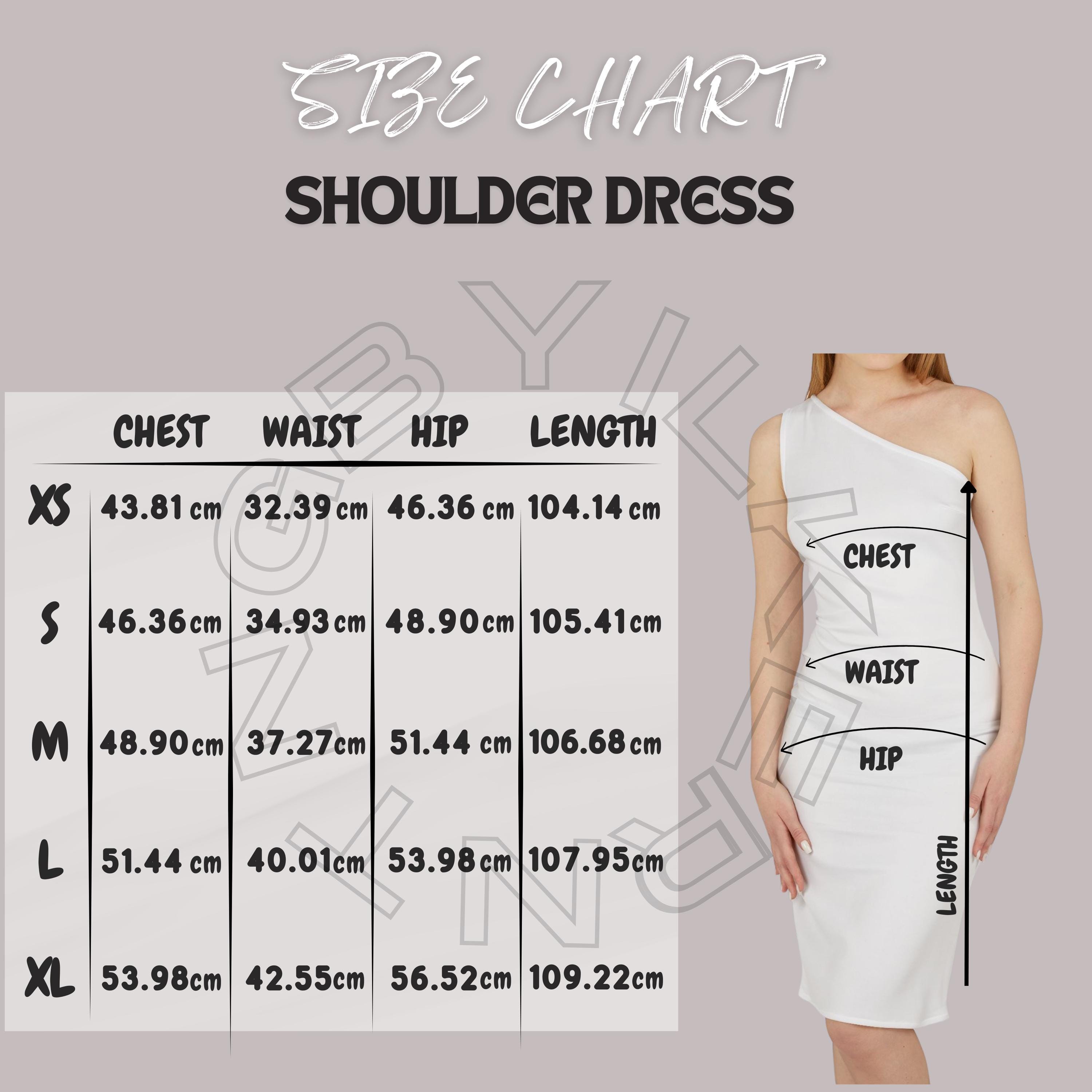
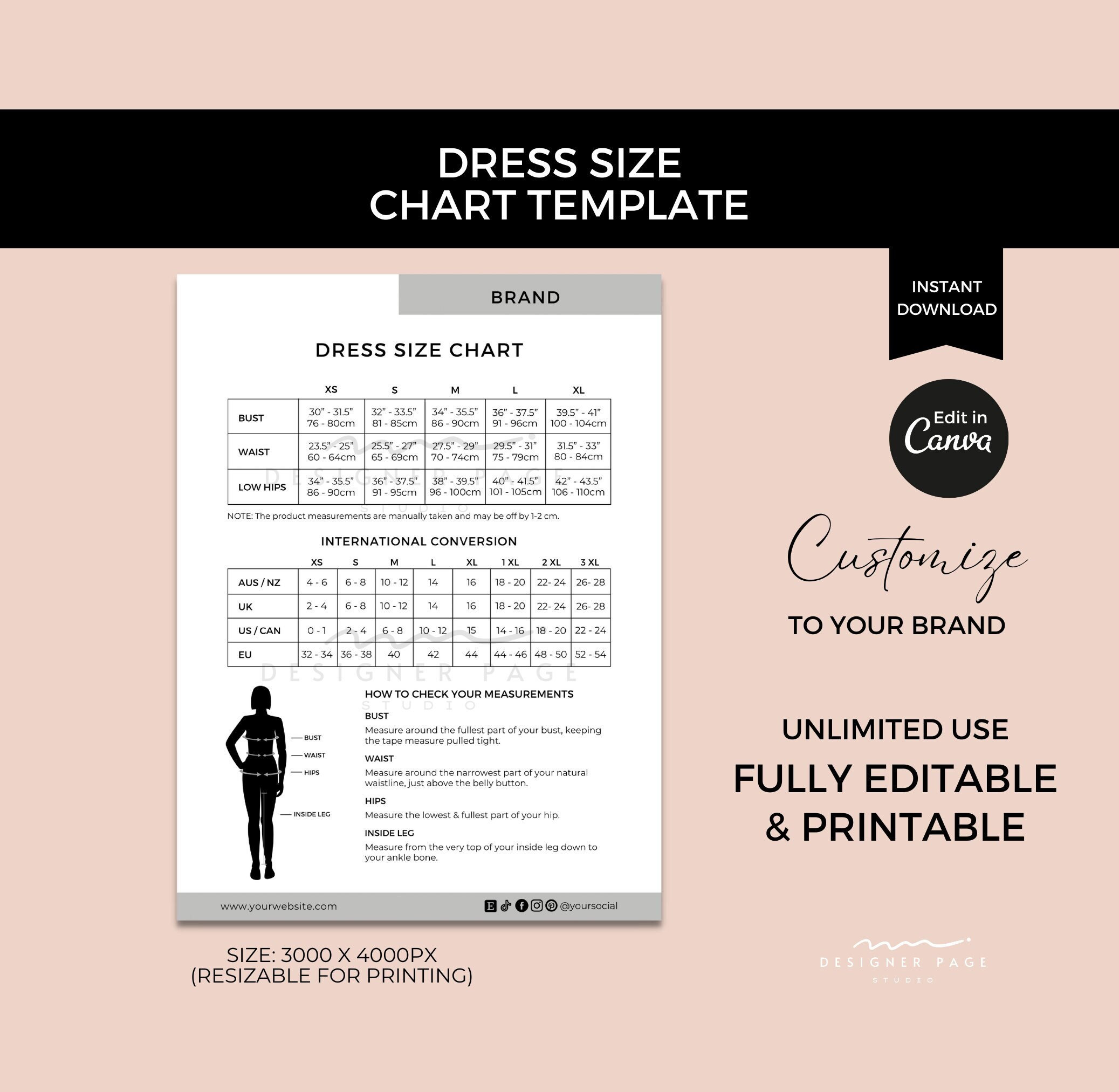
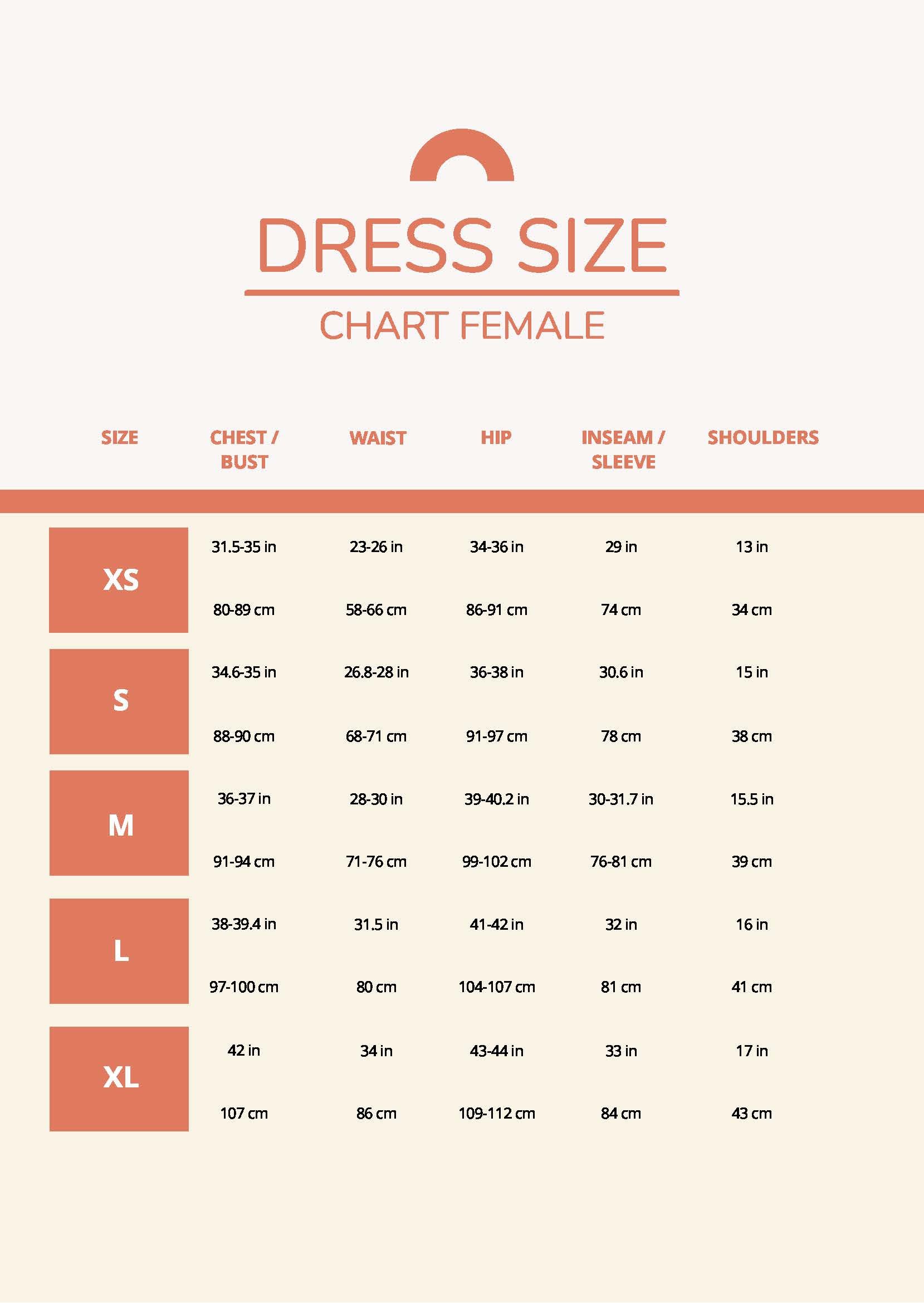
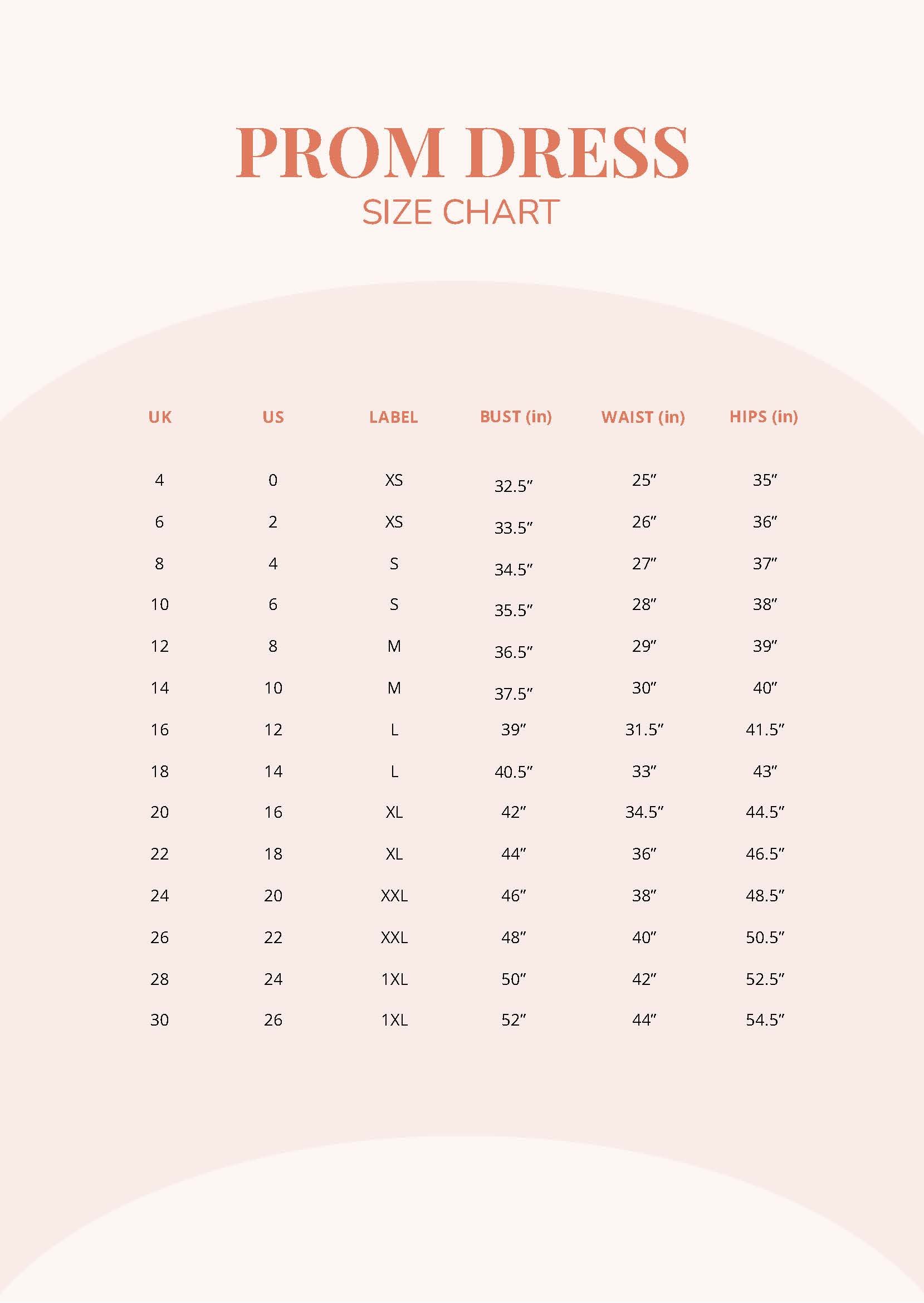
A common misconception about dress size charts is that they are a universal guide, providing an exact fit for every individual. However, it's important to understand that these charts are more like a starting point, offering a general size reference. While a dress size chart can be a valuable tool, it's not an exact science; variations exist due to different sizing standards and brand-specific fits.
Understanding Size Labels
A dress size chart is an essential tool for anyone shopping for clothing, especially online. It provides a standardized guide to help you choose the right size based on your body measurements. This chart is a reference point, offering a clear and consistent way to understand clothing sizes across different brands and styles.
Comparing Standards and Formats
There are several size charts and standards used globally, with variations between regions and even brands. The most common ones are the US standard, UK standard, and international or metric size charts. These charts may differ in their measurement units, categories, and size ranges. For instance, the US standard typically uses inches, while the metric system employs centimeters. It's crucial to know which standard a chart follows to ensure accurate sizing.
Measuring for Accuracy: A Step-by-Step Guide
To use a dress size chart effectively, follow these steps:
Take your body measurements: Measure your bust, waist, and hip circumference using a flexible tape measure. Ensure the tape is not too tight or too loose, and keep it parallel to the floor for accuracy.
Find your size on the chart: Locate the column or row on the chart that corresponds to your measurement. For example, if you are measuring your bust, find the column with the heading "Bust" or "Chest." Look for the row that matches your measurement in inches or centimeters.
Check other measurements: Repeat this process for your waist and hip measurements. It's important to consider all three measurements to ensure a comfortable and flattering fit.
Choose the right size: Once you have your measurements, look for the size that aligns with all three measurements. If your bust, waist, and hip measurements fall into different size categories, it's best to choose the size that fits the largest of the three. This ensures a comfortable fit and prevents the garment from being too tight or restrictive.
Common Misreadings and How to Avoid Them
Misinterpreting a dress size chart can lead to incorrect sizing. Here are some common pitfalls:
Assuming one size fits all: Different brands and styles may have slight variations in their sizing. Always refer to the specific chart for the item you're interested in.
Relying solely on vanity sizing: Some brands use vanity sizing, where the labeled size may not reflect the actual measurements. Always double-check with the provided size chart.
Ignoring body shape: Dress size charts provide a general guide, but your body shape can impact the fit. Consider your body type and choose a size that accommodates your unique shape.
Key Factors Affecting Accuracy
Several factors can influence the accuracy of a dress size chart and your final fit:
Body measurements: Ensure your measurements are accurate and consistent. Small variations can make a difference in the size you choose.
Brand variations: Different brands may have slightly different sizing standards. Always check the brand's specific size chart, especially when shopping online.
Fabric and design: The fabric and design of a garment can impact its fit. Stretchy fabrics may provide more flexibility, while structured designs may require precise sizing.
Personal preference: Your comfort and style preferences play a role. Some may prefer a looser fit, while others opt for a more tailored look.
Adapting the Chart for Your Needs
While dress size charts provide a standardized guide, they may not always fit every individual's unique body shape. Here's how to adapt:
International size conversion: If you're shopping internationally, familiarize yourself with the conversion between different size standards. Online retailers often provide conversion charts to assist with this.
Custom sizing: Some brands offer custom sizing or made-to-measure options. This is especially useful for those with unique body shapes or specific fit requirements.
Size guides and reviews: Many online retailers provide detailed size guides and customer reviews. These can offer valuable insights into the fit and sizing of specific garments.
Remember, the dress size chart is a helpful tool, but it's not an exact science. Listen to your body and trust your instincts when choosing the right size. With a bit of practice and attention to detail, you'll become an expert at finding your perfect fit!
Well, there you have it, a comprehensive guide to dress size charts and their various aspects. Remember, while this guide offers a solid foundation, your unique body and personal preferences play a significant role. So, always double-check the specific requirements and context when applying these charts.
Consider bookmarking this page for future reference; it might come in handy the next time you need a quick reminder on dress sizes and their nuances. Until then, happy measuring and stay stylish!
Related: Unraveling the Trojan Size Chart Mystery
The Trojan size chart is a handy reference tool, offering a quick glance at condom sizes. This guide aims to demystify and simplify the process, ensuring you can easily navigate and understand the chart's information. It covers the essential details, providing a clear overview of standard condom sizes and their measurements. With variations in nominal width and length, the chart offers a visual representation, making it simple to find the right fit.
Understanding the Trojan Size Chart: A Quick Overview
The Trojan size chart is a valuable tool for anyone seeking a perfect fit and optimal protection when using condoms. It provides a standardized reference to help you choose the right size for your needs. This chart is designed to offer a clear and easy-to-understand guide, ensuring you can make an informed decision.
Comparing Condom Sizes: Standard Options and Formats
The Trojan size chart typically presents two key measurements: length and width. Length variations are common, and the chart accounts for this by offering a range of sizes. Width, often referred to as nominal width, is a more standardized measurement, usually given in millimeters (mm) or fractions of an inch. This dual approach ensures a comprehensive size guide.
Step-by-Step Guide to Using the Trojan Size Chart
To use the Trojan size chart accurately, follow these simple steps:
Measure your erect penis length. This is best done with a soft, flexible tape measure, ensuring an accurate and comfortable fit.
Note your girth (circumference) measurement. This is often more subjective and can be measured with a tape or string, then measured against a ruler.
Refer to the Trojan size chart and match your length and girth measurements to the closest size category.
Choose the condom size that aligns with your measurements.
Avoiding Common Misreadings and Pitfalls
One common mistake is assuming all condom brands use the same size standards. While the Trojan size chart is a great reference, it's important to note that other brands may have slightly different size categories. Always double-check the specific brand's size guide to ensure an accurate fit.
Factors Affecting Accuracy: Key Considerations
Erect length can vary, so it's essential to measure accurately and choose a condom that accommodates this range.
Girth (circumference) is a subjective measurement and can be influenced by factors like erection quality and personal comfort.
- Personal preference: Some may prefer a looser or tighter fit, which can impact the chosen size.
- Erection quality: The state of your erection can affect measurements and, consequently, the chosen size.
- Comfort and sensitivity: Consider your personal comfort and sensitivity when choosing a size.
Adapting the Trojan Size Chart for Specific Needs
The Trojan size chart offers a standard guide, but individual needs may vary. If you have specific requirements, such as a larger or smaller size, or if you prefer a particular brand, you may need to adapt the chart. Many brands offer extended size ranges, so exploring these options can ensure a perfect fit.
Keeping Your Reference Reliable for Future Use
To ensure the Trojan size chart remains a reliable reference, it's important to regularly update your measurements. Our bodies can change over time, so re-measuring periodically ensures you always choose the right size. Additionally, staying informed about any updates or changes to size standards or brand specifications will keep your reference accurate and up-to-date.
Well, there you have it, a comprehensive guide to Trojan size charts. With this knowledge, you can now approach your reference needs with confidence. Remember, while this guide provides a solid foundation, every situation is unique. It's essential to consider your specific context and requirements before making any final decisions.
Feel free to explore our other resources and guides; we have a wealth of information to help you navigate various topics with ease. Happy referencing!
Related: Understand the Conduit Fill Chart Easily
You're likely here because you need a quick, reliable reference for your electrical project or perhaps you're double-checking your calculations. The conduit fill chart is your go-to resource, offering a clear and concise overview of conduit capacities and wire fill percentages. This chart, often a simple table or diagram, provides essential information to ensure your electrical installations are safe and compliant. While values may vary depending on regional standards and trade customs, the conduit fill chart offers a solid starting point for your electrical conduit sizing needs.
Understanding Conduit Fill Ratios
The conduit fill chart is a vital tool for electrical installations, offering a quick reference to determine the maximum safe capacity of electrical conduits. It ensures that conduits are not overloaded, which could lead to dangerous situations. This chart provides a clear guide to the acceptable wire fill percentages based on various factors.
Key Details and Prerequisites
Before using the conduit fill chart, it's essential to understand the categories and units involved. The chart typically considers conduit size, wire size, and the number of wires. These factors are crucial in determining the conduit's capacity. The chart provides fill ratios, which represent the maximum percentage of conduit space that can be occupied by wires. These ratios are based on the National Electrical Code (NEC) guidelines, a widely recognized standard in the US.
Practical Fill Calculations: Step-by-Step Guide
Here's a simple process to utilize the conduit fill chart:
- Identify the conduit size you are working with. This is typically measured in inches or millimeters, depending on the standard you are following.
- Determine the wire size and the number of wires you intend to install. Again, these measurements should align with the relevant standard.
- Refer to the conduit fill chart and locate the intersection of the conduit size and wire size columns. This will give you the fill ratio.
- Calculate the maximum wire fill percentage by multiplying the fill ratio by 100. For example, a fill ratio of 0.6 corresponds to a 60% maximum wire fill.
- Ensure that the total wire fill, including all wires in the conduit, does not exceed this maximum percentage.
Interpreting Variations Across Standards and Contexts
It's important to note that conduit fill charts may vary depending on the standard and region. For instance, the NEC conduit fill chart is specific to the US and may differ from international or metric standards. Additionally, some trade-specific charts might exist for specialized applications. These variations can impact the fill ratios and maximum wire fill percentages. Always ensure you are referencing the correct chart for your specific context and application.
Common Mistakes and How to Avoid Them
- Using the wrong chart: Ensure you are referencing the chart applicable to your region and standard.
- Misinterpreting fill ratios: Remember, fill ratios are decimal values, and they need to be multiplied by 100 to get the maximum wire fill percentage.
- Overlooking specific use cases: Some applications might have unique requirements. Always check for any specific tolerances or exceptions that might apply to your project.
- Ignoring wire size: The wire size is a critical factor in conduit fill calculations. Ensure you are using the correct wire size measurements.
- Not staying updated: Standards and regulations can change. Regularly check for updates to ensure you are working with the latest guidelines.
Hey there! I hope this guide has provided some clarity on conduit fill charts and their practical use. Remember, while the core principles remain the same, the exact details can vary slightly depending on the context and the specific standards you're working with.
Feel free to explore other guides on our site to deepen your understanding of related topics. We've got a range of resources to help you navigate various aspects of your projects with ease and confidence. Happy learning, and stay organized!