

Dog Growth Chart 2026 Overview
As you embark on your quest for a clear and concise Goku family chart, a visual guide to the intricate relationships within the Dragon Ball universe, you'll find a wealth of information at your fingertips. This chart, a comprehensive tool for fans and enthusiasts, offers a structured glimpse into the complex web of connections, providing a quick and reliable reference for those seeking to navigate the Saiyan genealogy. While the format may vary, with different versions offering unique insights, the core purpose remains: to unravel the warrior family history and present it in an accessible manner.
Understanding the Goku Family Chart
The Goku family chart is a visual representation of the intricate relationships and lineage within the iconic Dragon Ball franchise. It serves as a comprehensive guide, offering a clear overview of the extensive family tree of the Goku lineage. This chart is an essential tool for fans and enthusiasts, providing a structured way to navigate and understand the complex web of connections between characters.
Key Family Members and Notable Relations
When examining the Goku family chart, you'll encounter various categories and branches. The chart typically begins with the original saiyan warrior, Goku's grandfather, and then branches out to include his immediate family, such as his wife, Chi-Chi, and their children, Gohan and Goten. As you explore further, you'll discover extended family members, including Goku's father, Bardock, and his brother, Raditz. Each category represents a generation, with unique abilities and power levels that define the characters.
Power Levels Explained: A Step-by-Step Guide
Understanding the power dynamics within the Goku family chart is crucial. Here's a simple guide:
- Start by identifying the generation or category of the character you're interested in. This will give you a baseline understanding of their power level.
- Within each generation, characters may possess unique abilities or transformations that enhance their power. Take note of these, as they can significantly impact their overall strength.
- Compare characters across generations to grasp the evolutionary growth of power within the Goku lineage. This will help you appreciate the progression of strength and abilities over time.
- Remember, power levels can vary depending on the specific standards or formats used in the Dragon Ball universe. Always refer to the relevant sources or episodes for accurate representations.
Common Misreadings and How to Avoid Them
One common pitfall when interpreting the Goku family chart is assuming a direct correlation between power levels and family ties. While family members may share similar abilities, their individual power levels can vary significantly. It's essential to consider each character's unique journey and training to understand their true strength. Additionally, be cautious of generalizations; each character's power level may fluctuate based on various factors, including training, transformations, and even plot-specific enhancements.
Factors Affecting Accuracy and Real-World Application
The accuracy of the Goku family chart relies on several key factors. Firstly, it's important to note that the Dragon Ball franchise has evolved over time, with new characters, transformations, and power-ups introduced in different series and movies. Therefore, the chart must be regularly updated to reflect these changes accurately. Secondly, the chart's effectiveness depends on the reader's familiarity with the Dragon Ball universe. A basic understanding of the characters, their abilities, and the overall narrative is essential for a comprehensive interpretation. Finally, while the chart provides a structured overview, it's always beneficial to cross-reference with other sources, such as official guides or fan-curated databases, to ensure the most accurate and up-to-date information.
Remember, when working with the Goku family chart, it's essential to consider your unique situation and any specific requirements you may have. While this guide provides a solid foundation, variations can occur, so double-check the details that matter most to you.
Feel free to explore our other resources and guides; we've got plenty of practical information to help you navigate various topics. Take a look around and find the tools you need to stay organized and informed!
Related: Understand Depth Charts NFL: A Simple Guide
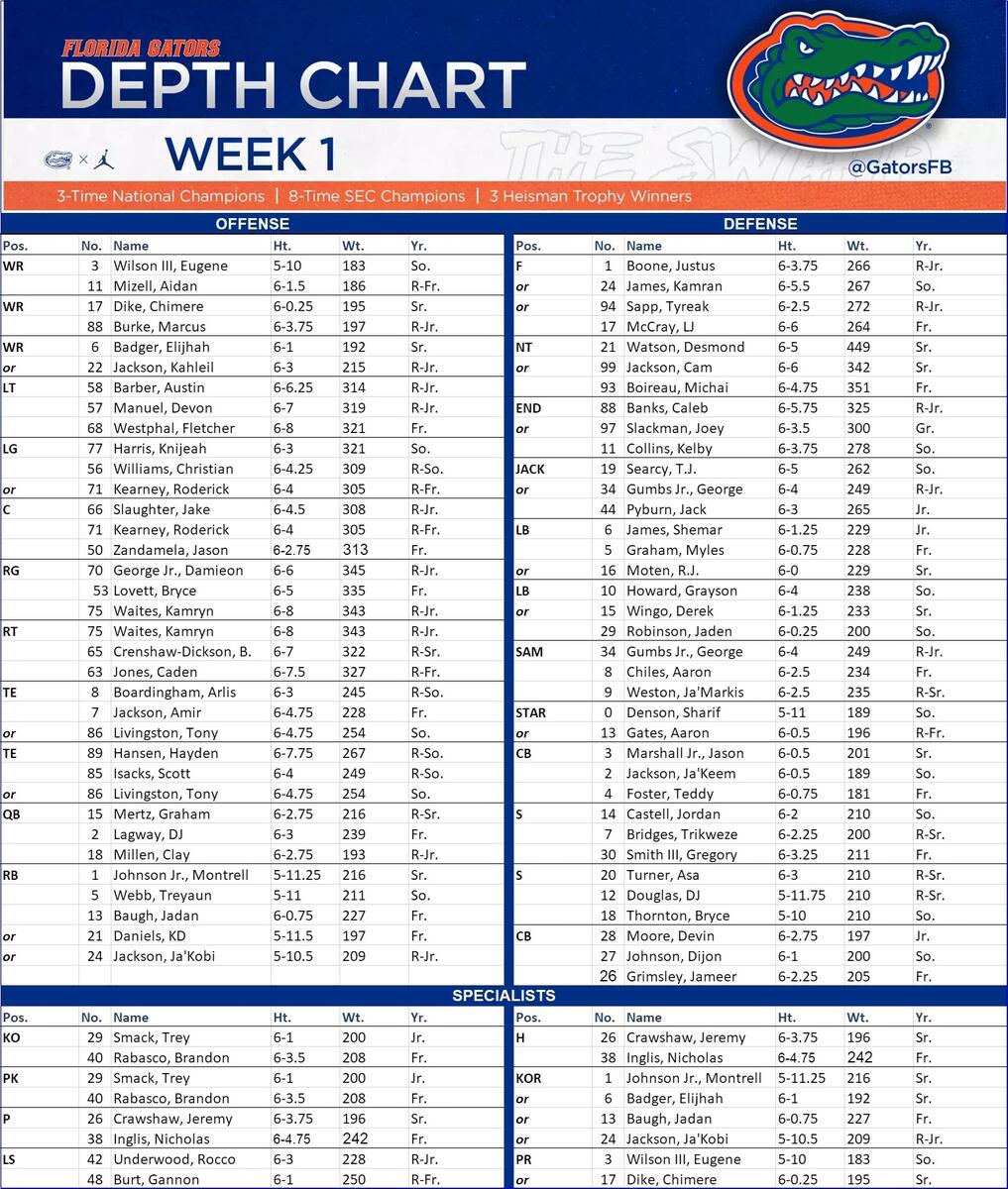
A common misconception about depth charts NFL is that they are merely a list of players; however, these charts are so much more than that. They provide a strategic overview, offering a unique insight into a team's tactics and player hierarchy. Depth charts NFL serve as a concise reference, allowing fans and analysts to quickly grasp a team's depth and potential, especially in specific positions.
Understanding Depth Charts: An Overview
A depth chart in the NFL is a valuable tool that provides an organized, visual representation of a team's roster. It offers a snapshot of the players' positions and their hierarchy within the team, giving coaches, players, and fans a clear understanding of the team's structure. This chart is an essential reference for strategizing and making informed decisions.
Comparing Depth Chart Formats and Standards
The depth chart follows a standardized format, typically arranged by position groups. Each position group is further organized with the starters at the top, followed by backups, and sometimes even further depth players. The chart may also include injury status indicators or notes about player availability. The NFL depth chart is a consistent tool, ensuring a clear and comparable view of team rosters across the league.
Reading a Depth Chart: A Step-by-Step Guide
To read a depth chart, start by identifying the position groups. These are usually labeled clearly, such as "Offensive Line," "Running Backs," or "Defensive Backs." Within each group, the players are listed in a hierarchical order. The starters, or the first-choice players, are at the top, followed by the backups, who are often listed in the order of their experience or skill level. Pay attention to any notes or symbols indicating injuries or special circumstances. These can provide valuable insights into a player's availability and the team's strategy.
Common Misreadings and How to Avoid Them
One common mistake is assuming that the depth chart is a strict hierarchy, where the second player listed is always the direct backup. While this is often the case, it's important to note that coaches may have specific strategies and plans. For instance, a team might have a veteran player listed as a backup, but they could be used in a rotational role or for specific packages. Additionally, injury situations can lead to unexpected changes, so always consider the latest updates and news to ensure an accurate interpretation.
Key Factors Affecting Depth Chart Accuracy
- Injury Status: Player injuries can significantly impact the depth chart. When a starter is injured, the backup steps up, and this can cause a ripple effect, moving players further down the depth chart into starting roles.
- Player Performance: The depth chart is a living document, and player performance can cause fluctuations. A player's impressive performance may see them rise up the chart, while a struggling player might find themselves demoted.
- Team Strategy: Coaches may have long-term plans and strategies, which can influence the depth chart. For instance, a team might want to develop a young player, so they might be listed higher on the chart to ensure they get more playing time.
Adapting Depth Charts for Specific Needs
While the standard depth chart format is consistent, teams and analysts may adapt it for their specific needs. Some teams might create more detailed charts, including additional notes on player strengths, weaknesses, or specific roles. Analysts might create depth charts that focus on specific scenarios, such as a "Red Zone" depth chart, which highlights the players most likely to be used in short-yardage situations. These adaptations ensure that the depth chart remains a versatile and valuable tool for various users.
Depth charts are a handy tool, offering a quick reference and a clear overview. It's important to remember that while they provide a valuable snapshot, they are just one part of the puzzle.
As you've seen, there are various factors and considerations to keep in mind when working with depth charts. Always ensure you're using the right format and data for your specific needs. Double-check the sources and standards you're referencing to ensure accuracy and relevance.
Feel free to explore our other guides and resources for more insights and practical tips. We've got a range of topics covered, so you can find the information you need to stay informed and make the most of your reference tools.
Related: What is a piano chords chart?
Frustrated by the hunt for the perfect piano chords chart? You're not alone. Whether you're a beginner or an experienced player, having a reliable and easy-to-read chart is essential for quick reference and practice. A good piano chords chart should be your go-to resource, offering a clear layout of chord structures, from basic major and minor chords to more complex progressions.
Understanding Chord Symbols
A piano chords chart is a handy reference tool for musicians, especially pianists. It's like a map that shows you the layout of different chords and their components. This chart is a great way to quickly grasp the basics of chord construction and progressions. The symbols on the chart represent the notes that make up each chord, and by understanding these symbols, you can easily build and play various chords on the piano.
Common Chord Progressions and Formats
There are several standard chord progressions and formats used in music. The piano chords chart typically includes major and minor chords, which are the most common. These chords are represented by symbols like C, Dm, G7, and so on. The chart might also feature more complex chords like suspended chords (Csus) or added-note chords (Cadd9). Each symbol gives you a snapshot of the notes that create that specific chord.
Reading Chord Charts: A Step-by-Step Guide
When reading a piano chords chart, follow these steps:
- Identify the chord symbol you want to play.
- Locate the symbol on the chart and find the corresponding notes.
- Place your fingers on the piano keys according to the chart's diagram.
- Play the chord and listen to its unique sound.
For example, if you see the symbol C, you'll find it represents the notes C, E, and G. Place your fingers on these keys, and you've just played a C major chord!
Avoiding Misreadings and Pitfalls
While piano chords charts are incredibly useful, it's important to be aware of a few potential pitfalls:
- Variations: Different charts may use slightly different symbols or notations. Always double-check the specific chart's key or legend to ensure you're interpreting the symbols correctly.
- Complex Chords: Some chords, especially those with added notes or extensions, can have multiple variations. Be sure to explore all the possible fingerings to find the one that works best for you.
- Practice: Reading chord charts takes practice. Start with simple major and minor chords, and gradually work your way up to more complex progressions.
Remember, a piano chords chart is a valuable tool, but it's just one part of your musical journey. Keep exploring, practicing, and enjoying the beautiful world of music and chord progressions!
Hey there, fellow music enthusiasts! We've covered a lot of ground in this blog post, and I hope it's given you a solid foundation to start exploring piano chords. Remember, the specifics might differ slightly based on your needs and the context, so feel free to adapt and make it your own.
If you're keen to dive deeper into the world of music theory and practice, why not check out some of our other guides? We've got a whole range of topics to explore, from basic music theory to more advanced techniques. It's a great way to keep learning and growing as a musician, so take a look and see what piques your interest!