

Dog Size Chart Blank Overview
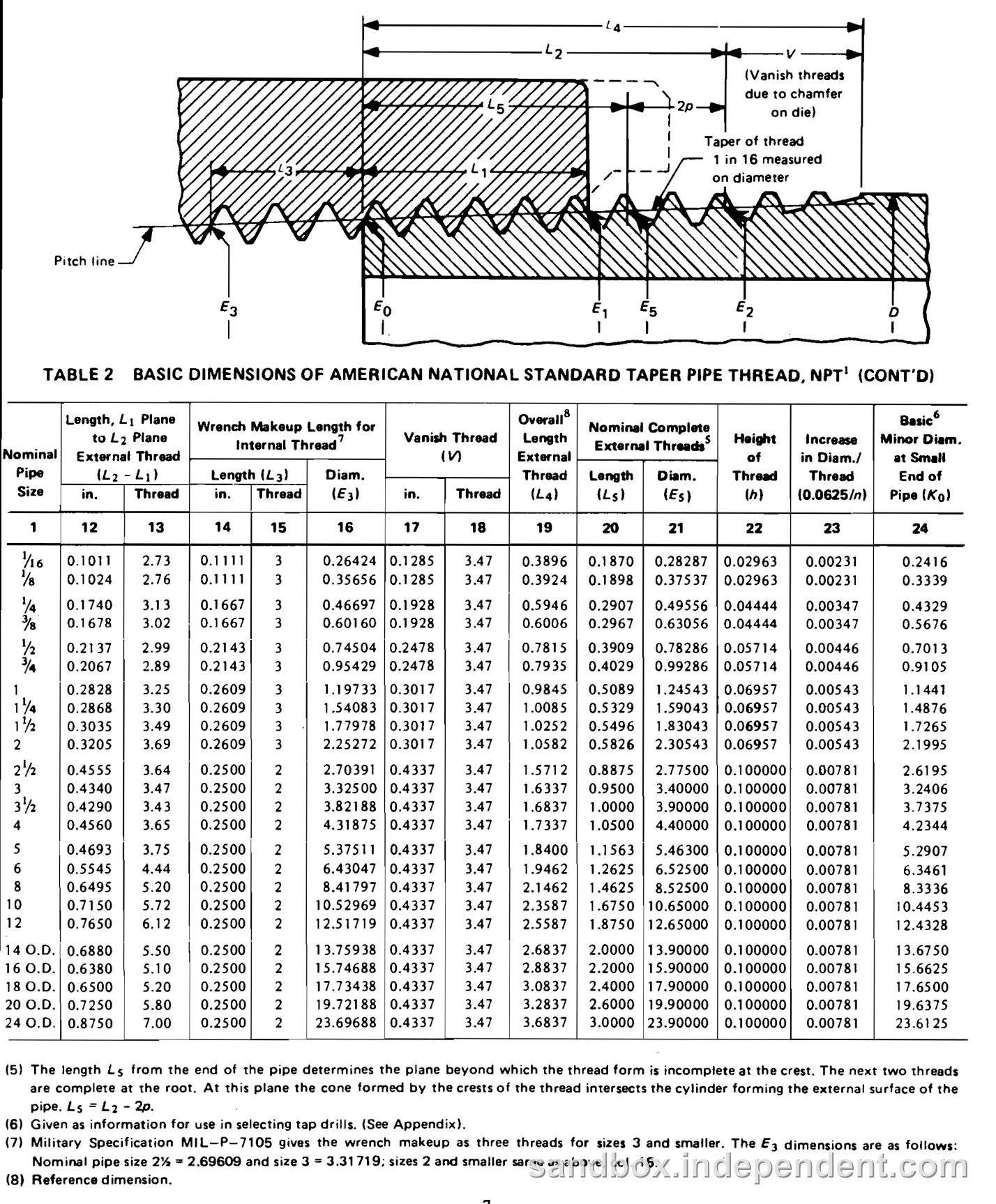
A pipe thread chart is an essential tool for anyone working with pipes and fittings, offering a quick and precise way to identify and match threads. This guide aims to provide an overview of what these charts entail and how they can be utilized effectively.
The charts present a clear and organized display of thread specifications, including standard sizes, pitch, depth, and more. While the values may vary depending on the region and pipe thread standards, the pipe thread chart serves as a reliable reference, ensuring accurate connections and preventing costly mistakes.
Understanding Pipe Thread Chart: A Practical Guide
The pipe thread chart is a valuable reference tool for anyone working with pipes and threaded connections. It provides a comprehensive overview of the various thread types, sizes, and standards commonly used in the industry. By understanding and utilizing this chart, you can ensure accurate measurements, proper fittings, and secure connections.
Key Details and Prerequisites
Before delving into the pipe thread chart, it's essential to grasp some fundamental concepts. First, pipe threads are categorized into different standards, such as the National Pipe Thread (NPT) and British Standard Pipe (BSP). These standards define the thread's dimensions, including the thread angle, pitch, and depth. The chart typically includes information on both tapered and straight threads, covering a range of sizes and series. Understanding these categories and their corresponding units is crucial for accurate interpretation.
Reading and Applying the Pipe Thread Chart
Using the pipe thread chart is a straightforward process. Here's a step-by-step guide:
Identify the Standard: Determine the pipe thread standard you are working with. This information is often indicated on the pipe or fitting itself. Common standards include NPT and BSP, but there are others as well.
Locate the Thread Series: The chart usually organizes threads into series, such as NPTF (National Pipe Thread Fuel) or BSPT (British Standard Pipe Tapered). Each series has its own unique characteristics and dimensions.
Measure the Thread Size: Measure the outside diameter (OD) of the pipe or fitting. This measurement is crucial for identifying the correct thread size.
Refer to the Chart: Using the measured OD and the identified thread series, locate the corresponding thread size and its specifications on the chart. The chart will provide details such as the thread pitch, depth, and other relevant dimensions.
Verify the Thread Type: Confirm the thread type, whether it is tapered or straight. This information is essential for selecting the right fittings and ensuring a proper seal.
Variations and Differences Across Standards
It's important to note that pipe thread standards can vary across regions and industries. The pipe thread chart may present different specifications for NPT, BSP, and other standards. These variations are due to historical and functional differences, and it's crucial to refer to the appropriate standard for accurate results. For instance, NPT threads are commonly used in the United States, while BSP threads are prevalent in the United Kingdom and other parts of the world.
Common Mistakes and How to Avoid Them
One common mistake is assuming that all pipe threads are universal. Different standards and thread series have unique specifications, and using the wrong one can lead to leaks, poor performance, or even safety hazards. Always double-check the thread type and size before making any connections. Additionally, ensure that you are using the correct chart for the specific standard you are working with. Misinterpreting the chart or applying it to the wrong standard can result in incorrect measurements and fittings.
Practical Tips for Accurate Results
To ensure accurate use of the pipe thread chart, consider the following best practices:
Always refer to the latest and most updated version of the chart. Standards and specifications can evolve over time, so staying current is essential.
When in doubt, consult with experts or refer to reputable sources for guidance. Pipe thread connections are critical, and getting it right is crucial for safety and performance.
Keep in mind that the chart provides general information. For precise applications or specialized projects, it's advisable to consult detailed specifications or seek professional advice.
Measure accurately and consistently. Small variations in measurements can lead to significant differences in thread size and fit.
Regularly inspect and maintain your pipe threads and fittings. Over time, threads can wear down or become damaged, affecting their performance.
By following these practical tips and understanding the nuances of pipe thread charts, you can ensure accurate and reliable connections in your projects.
Remember, while the fundamentals remain consistent, exact details can vary slightly across different standards and sources. It's always a good idea to double-check and refer back to this guide when needed.
Feel free to bookmark this page for future reference, and don't hesitate to explore other helpful guides we have available. Accurate measurements and seamless connections are just a click away!
Related: Find Your Perfect Fit: Socks Size Chart
You've found yourself in need of a socks size chart, and who can blame you? It's a simple yet essential tool for ensuring you get the right fit. Whether you're buying socks for yourself or someone else, this chart is your go-to guide. It provides a quick and easy reference, ensuring you don't end up with socks that are too tight or too loose. While the values may vary depending on the brand or region, the socks size chart offers a reliable starting point.
Understanding the Sock Size Chart
The socks size chart is your go-to guide for finding the perfect fit for your feet. It's a simple yet practical tool that ensures your socks hug your feet comfortably and don't leave you with blisters or discomfort. This chart is like a secret code, and once you crack it, you'll never have to guess your sock size again!
Key Details and Categories
The chart typically features two main categories: sock size and shoe size. These are further divided into specific measurements and ranges. For sock size, you'll often see a numerical range, like 3-5, 6-8, and so on. These numbers represent the circumference of your foot, ensuring the sock fits snugly. Shoe size, on the other hand, is a familiar concept, often following standard shoe sizing guidelines.
Choosing the Right Fit: A Step-by-Step Guide
Using the socks size chart is a breeze! First, identify your shoe size. This is usually pretty straightforward, as you likely know your shoe size off the top of your head. Next, match your shoe size to the corresponding sock size on the chart. The chart will guide you to the right sock size, ensuring a perfect fit. It's as simple as that!
If you're buying socks as a gift or for someone with unique foot dimensions, you might need to measure their foot circumference. A simple tape measure will do the trick. Measure the widest part of their foot, and you're good to go!
Common Size Variations and Why They Happen
While the socks size chart is a reliable guide, variations can occur due to several factors. Different manufacturers might use slightly different standards or have unique sizing guidelines. Additionally, the material and construction of the sock can affect its stretch and fit. For instance, a thick, cozy wool sock might have a looser fit compared to a thin, athletic sock.
It's also worth noting that foot size can vary depending on factors like age, height, and even the time of day! Yes, our feet can swell slightly throughout the day, so it's best to measure or refer to the chart in the morning for the most accurate size.
Remember, while the socks size chart provides a great starting point, it's always a good idea to double-check the exact specifications and tolerances, especially for specialized socks or if you have unique foot dimensions. Happy sock shopping!
Well, there you have it! A handy guide to understanding sock sizes and how to use a size chart effectively. Remember, when it comes to sock sizes, there can be slight variations, so always check the specific guidelines or measurements provided by your preferred brand or manufacturer.
It's always a good idea to double-check, as these charts are just a general guide, and you want to ensure a perfect fit. So, take your time, measure up, and find those dream socks! And if you're keen to explore more practical guides and tips, feel free to browse our other articles. We've got you covered!
Related: Unraveling the Bolt Grade Chart: A Clear Guide
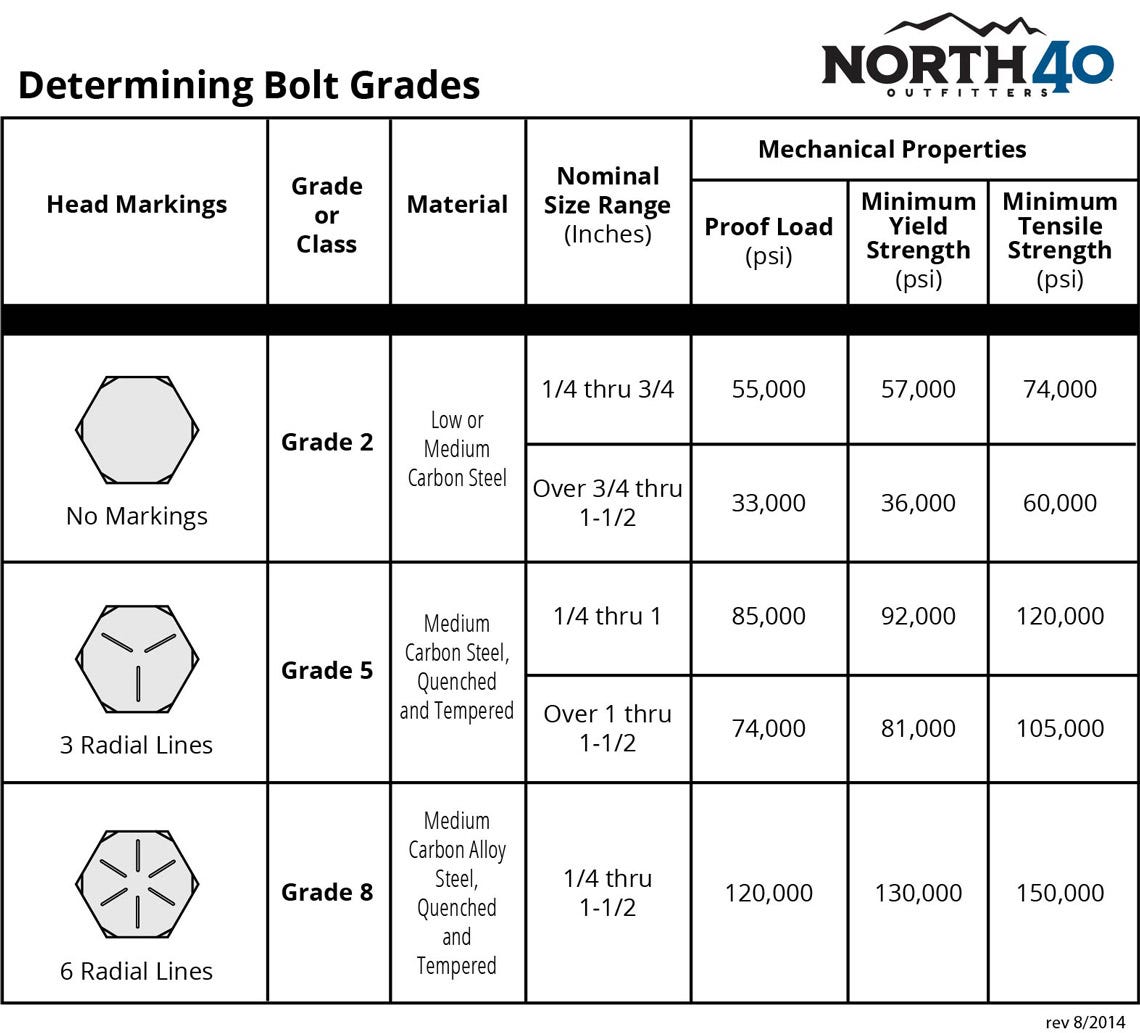
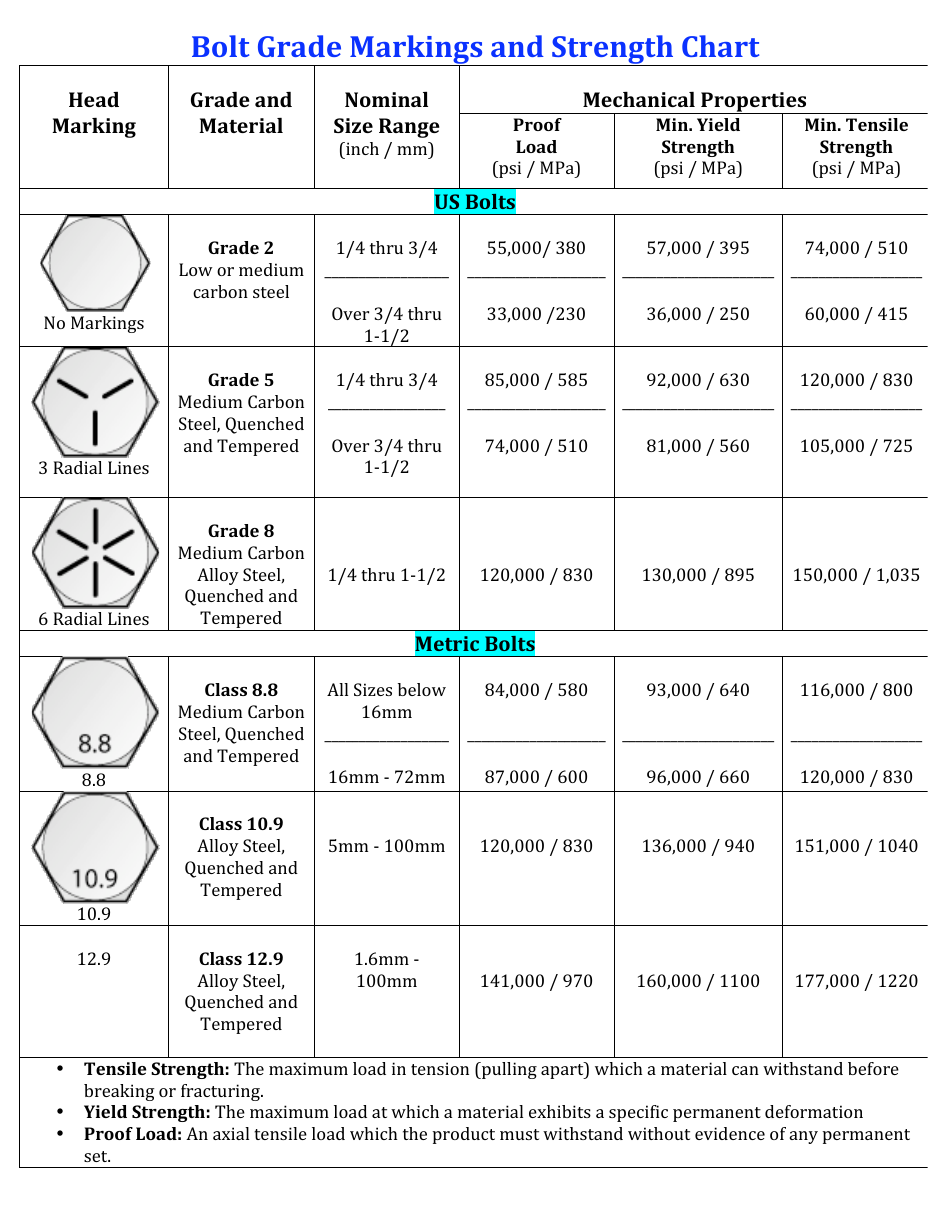
Many folks assume the bolt grade chart is a complex, intimidating beast, but it's actually a simple, handy tool. This chart is your friend, offering a quick glance at bolt strength and properties. It's not as scary as it seems!
Think of it as a reference guide, a visual aid, with values that may vary slightly depending on the standard or region. It's a practical way to understand bolt head markings and specifications, like ASTM or SAE grades, and it's a must-have for any project.
Understanding Grade Markings
The bolt grade chart is a handy reference tool that provides essential information about bolt grades and their properties. It offers a quick and easy way to understand the strength and characteristics of different bolts, which is crucial for any fastening project. This chart is a visual guide, often presented as a table or diagram, that simplifies the process of selecting the right bolt for your needs.
Common Grade Standards
When it comes to bolt grades, there are several standards and systems used globally. The most common ones include the ASTM bolt specifications and the SAE bolt grades in the US, as well as the metric bolt grades used internationally. These standards define the grade based on factors like tensile strength, yield strength, and hardness. The bolt grade chart typically covers these different standards, allowing you to compare and understand the variations.
Interpreting the Chart: A Step-by-Step Guide
Start by identifying the standard you are working with. As mentioned, there are US and metric systems, so ensure you are referring to the right one for your project.
Locate the grade you need. Bolt grades are often represented by numbers or letters, such as Grade 2, Grade 5, or Grade 8. These grades indicate the bolt's strength and are crucial for ensuring a secure fastening.
Check the corresponding properties. The chart will provide information on the bolt's tensile strength, yield strength, and hardness. These values are essential for determining the bolt's ability to withstand forces and stresses.
Consider the application. Different projects require varying levels of bolt strength. For instance, automotive applications often use higher-grade bolts compared to general construction. Ensure you choose a grade suitable for your specific needs.
Don't forget the head markings. Bolt head markings, often in the form of lines or symbols, provide additional information. These markings can indicate the bolt's grade, material, and even the manufacturer.
Common Misreadings and How to Avoid Them
One common mistake is assuming that all bolt grade charts are universal. Remember, charts may vary based on the standard and region. Always double-check the specific chart you are using and ensure it aligns with your project's requirements.
Another pitfall is ignoring the bolt's material. The bolt grade chart often focuses on the grade, but the material (e.g., steel, stainless steel) also plays a significant role in the bolt's performance. Ensure you select a material suitable for your application's environment and conditions.
Bolt Strength Variations: Key Factors
Several factors can influence a bolt's strength and, consequently, its grade. These include the bolt's material, heat treatment, and manufacturing process. For instance, a bolt made from high-strength steel will have a higher grade compared to one made from regular steel. Additionally, the thread type and pitch can also impact the bolt's performance and suitability for certain applications.
Adapting the Chart for Specific Needs
While the bolt grade chart provides a comprehensive overview, it's essential to note that it may not cover every unique application. If you have specific requirements or are working with specialized bolts, you may need to consult additional resources or seek expert advice. In such cases, referring to bolt torque charts or hardness charts can provide more detailed information tailored to your needs.
Keeping Your Reference Reliable
To ensure the accuracy and reliability of your bolt grade chart, it's crucial to keep it updated. Standards and specifications can evolve over time, so regularly check for any updates or revisions. Additionally, if you frequently work with bolts, consider creating a personalized chart or reference guide that suits your specific projects and needs. This way, you'll always have a reliable and tailored resource at your fingertips.
Hey there! I hope this guide has given you a clear understanding of bolt grade charts and their practical uses. Remember, these charts are a handy tool, but the exact details can vary, so always double-check the standards and sources relevant to your project.
There's always more to learn, so feel free to explore our other guides on related topics. We've got a whole range of practical tips and tricks to help make your projects a success. Happy learning, and happy bolting!