





Dog Size Chart Editable Overview
You're probably here because you need a quick answer, a simple guide to help you understand nipple size charts and their purpose. It's a common query, and these charts are more useful than you might think! They provide a straightforward way to measure and compare nipple sizes, often alongside other breast-related measurements. While the values may vary depending on the source, a nipple size chart can be a handy reference tool, especially when paired with a bra size guide or areola size chart.
Understanding the Nipple Size Chart
The nipple size chart is a handy reference tool that provides a standardized way to measure and categorize nipple sizes. It offers a simple and visual guide to help individuals understand their nipple dimensions and find the right products or solutions based on size. This chart is particularly useful for those seeking nipple piercings, nipple jewelry, or even nursing aids, as it ensures a comfortable and accurate fit.
Key Details and Categories
The nipple size chart typically displays nipple diameters, measured in millimeters (mm) or inches, depending on the standard being used. It categorizes nipples into size ranges, often with labels like "Small," "Medium," "Large," and so on. These categories provide a quick reference for individuals to identify their nipple size without the need for precise measurements.
Reading the Measurements: A Step-by-Step Guide
Start by locating the chart's measurement scale. This scale will typically run along one edge of the chart, indicating the nipple diameters in either mm or inches.
Next, identify the category labels. These labels, such as "Small," "Medium," or "Large," are usually positioned above or below the measurement scale, indicating the size range.
To determine your nipple size, measure the diameter of your nipple using a ruler or a specialized nipple gauge. Ensure you measure from the base of the nipple, where it meets the areola, to the tip.
Compare your measured diameter to the scale on the chart. Find the corresponding size category, and you've identified your nipple size!
Common Variations and Differences
It's important to note that nipple size charts may vary depending on the standard or region. For instance, a chart designed for the US market might use inches as the unit of measurement, while an international chart might use millimeters. Additionally, some charts may provide more detailed size categories, especially for specialized products like nipple jewelry, which require precise sizing.
Mistakes to Avoid
One common mistake is assuming that all nipple size charts are the same. Always check the units of measurement and the source of the chart to ensure it aligns with your needs. Another pitfall is relying solely on category labels without measuring your nipples. While categories provide a quick reference, precise measurements are essential for an accurate fit, especially for delicate items like piercings or jewelry.
Practical Tips for Accurate Results
When measuring your nipples, ensure you're in a relaxed state. Nipple size can vary slightly depending on factors like temperature and arousal, so it's best to measure when you're comfortable and at rest. If you're measuring for piercings or jewelry, consider consulting a professional piercer or a medical professional for guidance and to ensure you're using the correct techniques and tools.
Double-Checking and Edge Cases
While the nipple size chart provides a useful guide, it's not an exact science. Individual variations and unique anatomical features can sometimes fall outside standard size categories. In such cases, it's essential to consult a professional or the manufacturer's guidelines for specific products. They may provide additional sizing information or custom solutions to accommodate unique nipple sizes.
Hey there, we've covered a lot of ground on this topic, and I hope it's been helpful! Remember, when it comes to nipple size charts, the exact measurements can vary slightly depending on the source or standard you're using, so it's always good to double-check.
This guide aims to provide a straightforward reference, but every body is unique, and so are their measurements. So, if you ever need a quick reminder or want to explore other related topics, feel free to bookmark this page for future use. It's always handy to have these practical guides at your fingertips!
Related: How to Read a Cigar Size Chart?
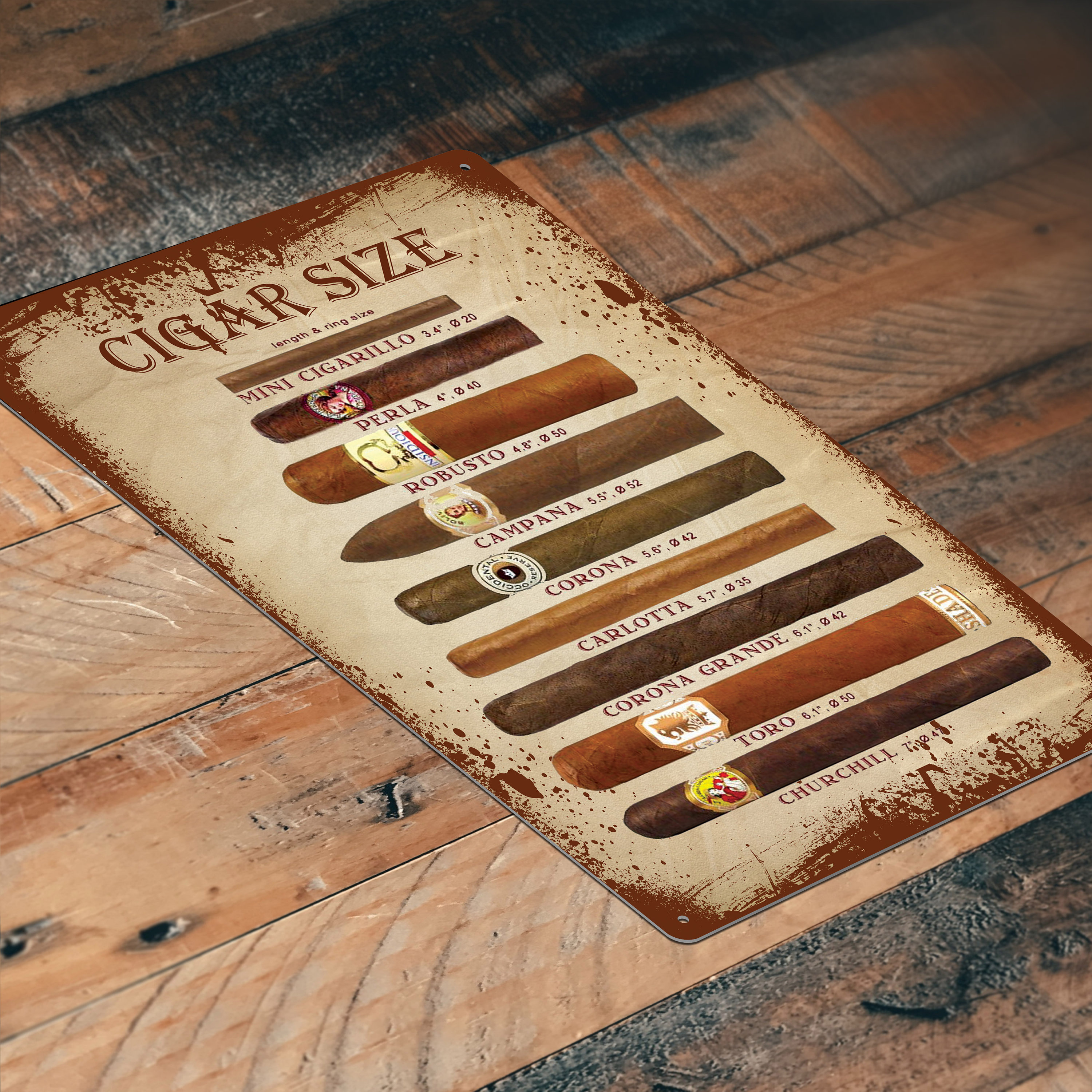
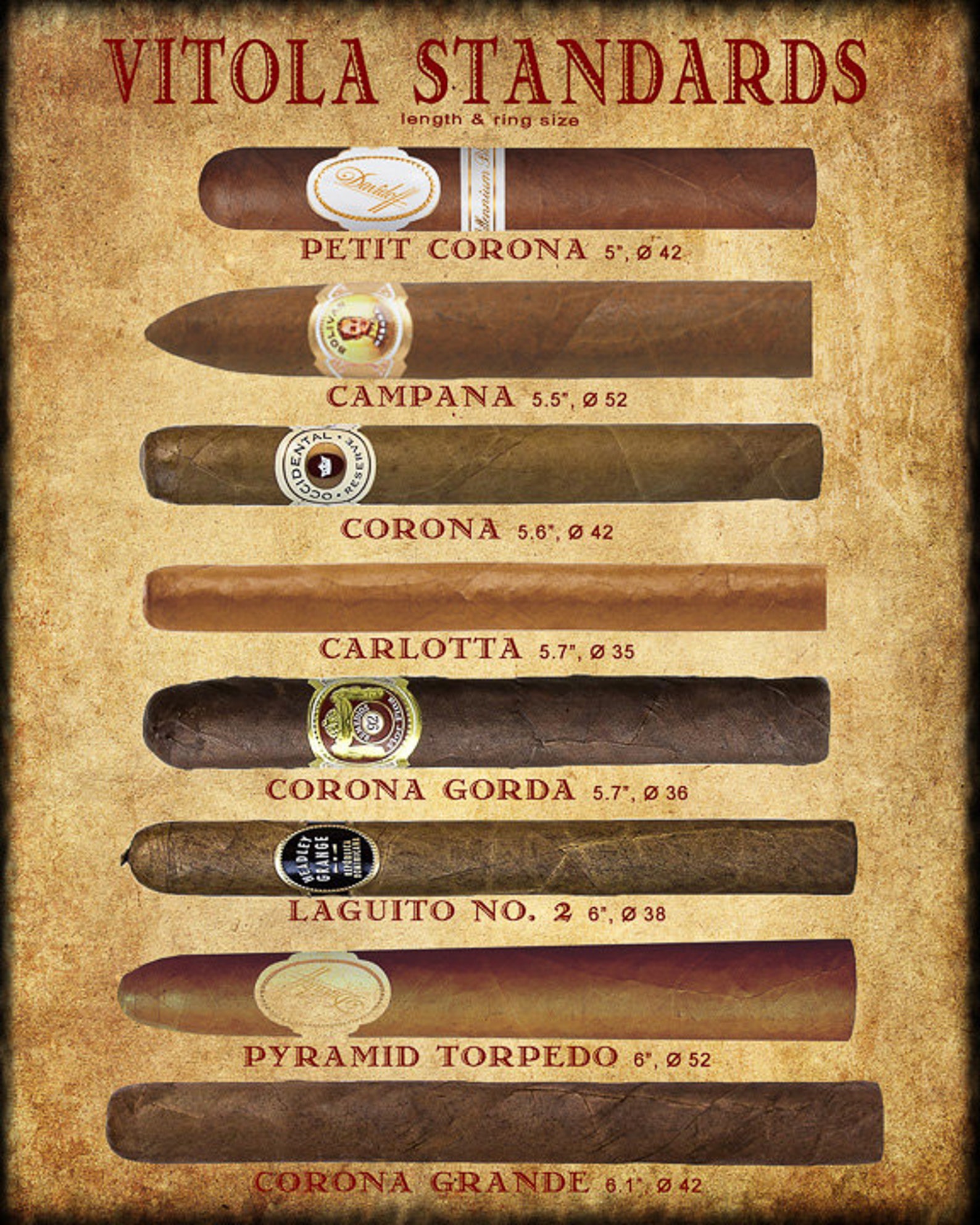
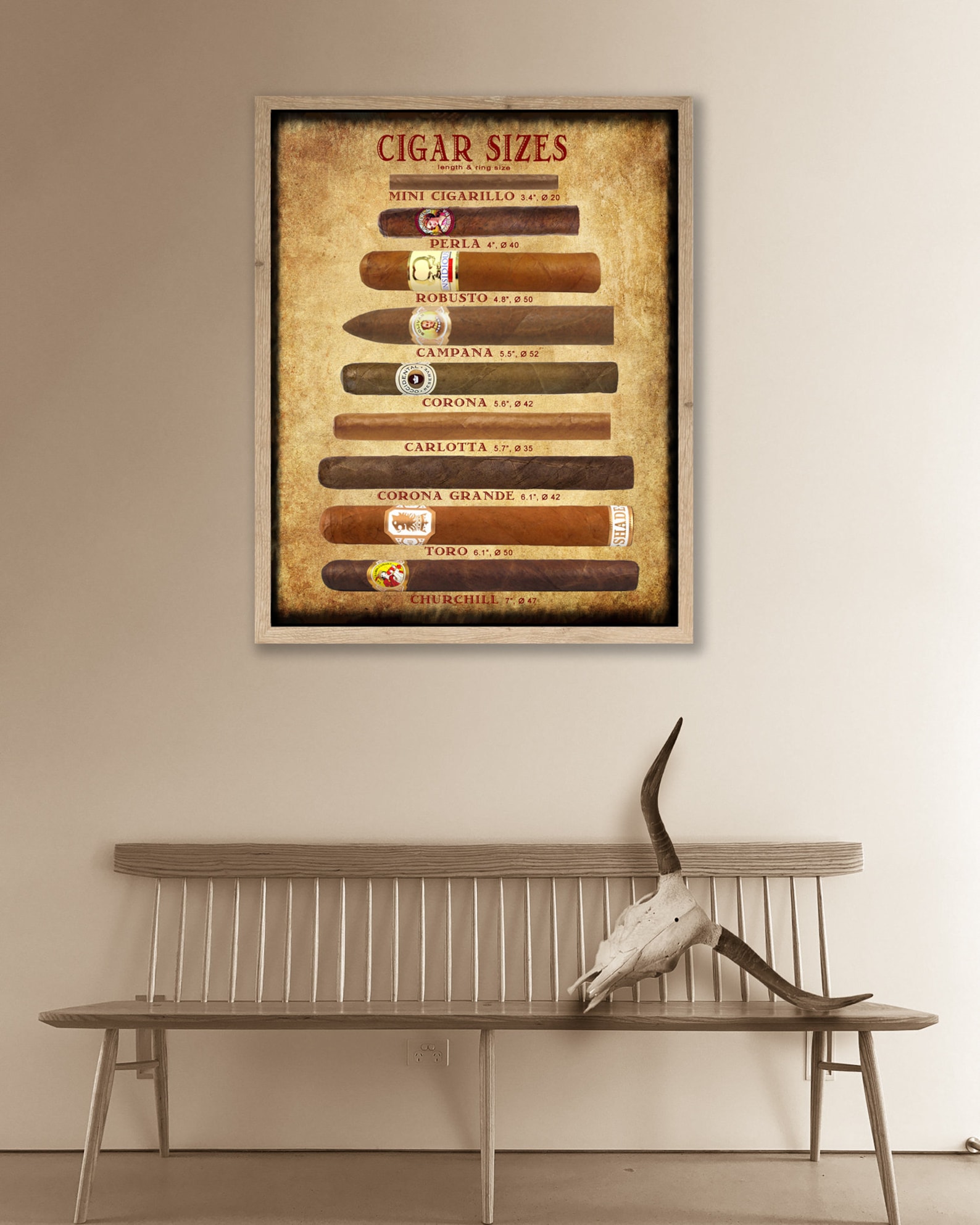
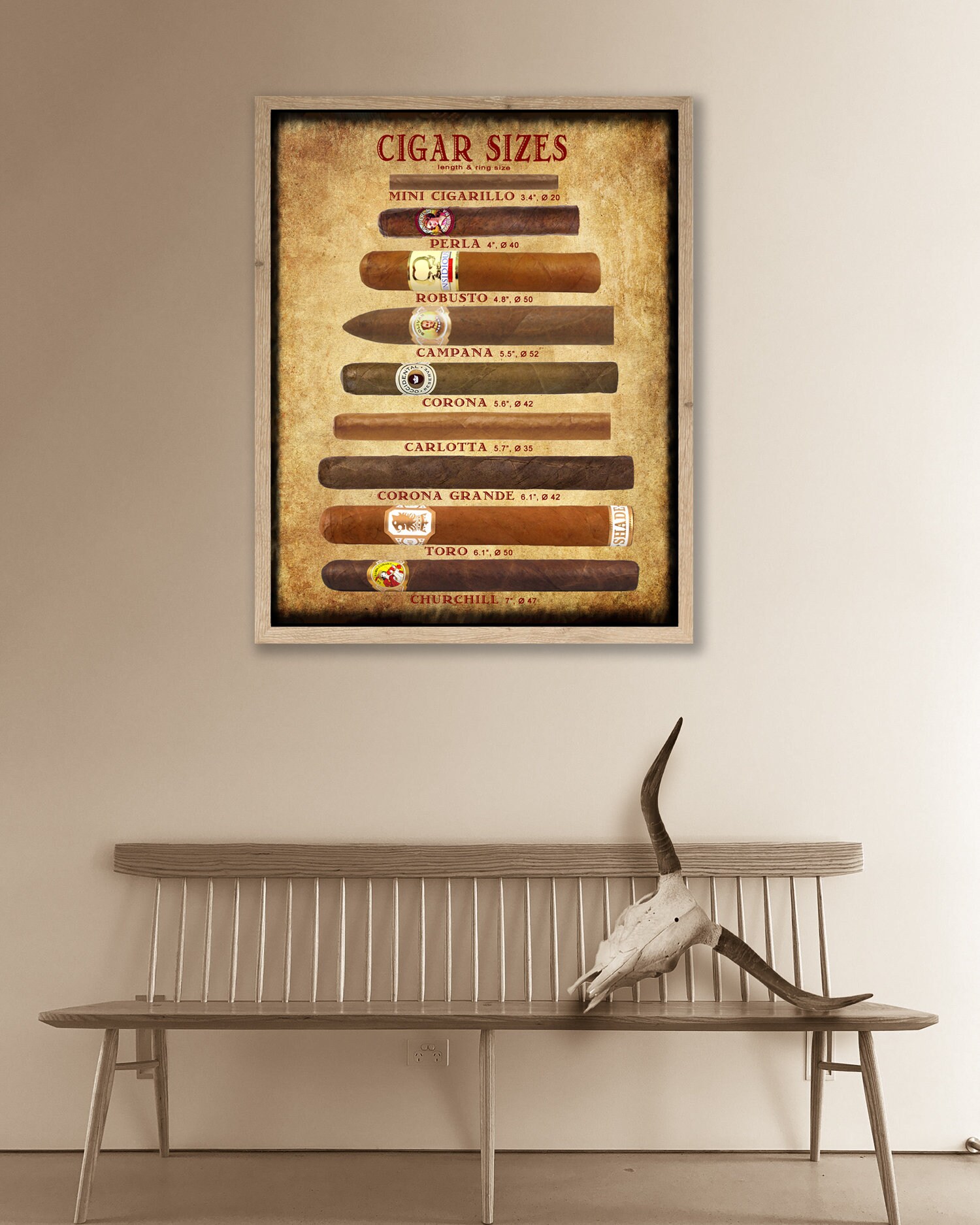
A cigar size chart is a handy tool for any cigar enthusiast, offering a quick and easy way to understand cigar dimensions. This guide will take you through the basics, covering the essential info you need to read and interpret these charts like a pro.
From cigar ring gauge to length, these charts provide a simple visual reference, ensuring you can identify and choose the right cigar size. While values may vary, the cigar size chart remains a reliable starting point, offering a clear and consistent way to explore the world of cigar sizes.
Understanding Cigar Sizes: A Practical Guide
Cigar size charts are your go-to resource for navigating the world of cigars. They provide a visual representation of the various dimensions and formats cigars come in, helping you make informed choices. These charts typically showcase two key measurements: length and ring gauge. The ring gauge, often referred to as the diameter, is a critical factor in determining a cigar's burn and flavor.
Standard Cigar Dimensions: Comparing Formats
Cigar size charts offer a standardized way to understand cigar sizes. They present a range of common formats, each with its own name and unique dimensions. For instance, a robusto is typically around 5 inches long with a 50 ring gauge, while a toro might measure 6 inches with a 54 ring gauge. These charts provide a quick reference, allowing you to visualize the differences between various cigar sizes.
How to Use a Cigar Size Chart: A Step-by-Step Guide
- Identify the two primary measurements: length and ring gauge. These are usually displayed side by side or in a clear, tabular format.
- Match the length of the cigar you have or are considering with the chart's length column.
- Cross-reference the ring gauge to find the corresponding format. For example, if your cigar is 6 inches long and has a 52 ring gauge, it likely fits the description of a "Churchill."
- Understand the implications: Different sizes impact the smoking experience. Larger cigars may offer a longer, more complex smoke, while smaller ones provide a quicker, more focused flavor profile.
Common Misreadings and How to Avoid Them
One common pitfall is assuming all cigars within a size category are identical. While the ring gauge and length are standardized, other factors like brand, tobacco blend, and construction can vary. These nuances impact the smoking experience, so always consider the cigar's brand and specific details when making comparisons. Additionally, be mindful of regional variations; some countries may use different measurement systems or have unique size names.
Factors Affecting Accuracy and Real-World Use
Several variables can influence the accuracy of a cigar size chart. Firstly, the chart's origin matters; some are designed for specific regions or markets, so ensure you're using one relevant to your location. Secondly, while standardized, there can be slight variations in measurements across different manufacturers. Always check the cigar's packaging or official brand specifications for precise details. Lastly, remember that cigars, especially handmade ones, may have slight imperfections, so the chart serves as a guide rather than an absolute measurement tool.
Well, there you have it! A handy guide to cigar sizes, covering the main options, how to use the chart, and some common pitfalls to avoid. Remember, these measurements can vary slightly, so always double-check if precision is key.
Feel free to explore our other guides for more practical tips and tricks. We've got a whole range of topics to help you navigate the world of cigars and beyond!
Related: What is a piano chords chart?
Frustrated by the hunt for the perfect piano chords chart? You're not alone. Whether you're a beginner or an experienced player, having a reliable and easy-to-read chart is essential for quick reference and practice. A good piano chords chart should be your go-to resource, offering a clear layout of chord structures, from basic major and minor chords to more complex progressions.
Understanding Chord Symbols
A piano chords chart is a handy reference tool for musicians, especially pianists. It's like a map that shows you the layout of different chords and their components. This chart is a great way to quickly grasp the basics of chord construction and progressions. The symbols on the chart represent the notes that make up each chord, and by understanding these symbols, you can easily build and play various chords on the piano.
Common Chord Progressions and Formats
There are several standard chord progressions and formats used in music. The piano chords chart typically includes major and minor chords, which are the most common. These chords are represented by symbols like C, Dm, G7, and so on. The chart might also feature more complex chords like suspended chords (Csus) or added-note chords (Cadd9). Each symbol gives you a snapshot of the notes that create that specific chord.
Reading Chord Charts: A Step-by-Step Guide
When reading a piano chords chart, follow these steps:
- Identify the chord symbol you want to play.
- Locate the symbol on the chart and find the corresponding notes.
- Place your fingers on the piano keys according to the chart's diagram.
- Play the chord and listen to its unique sound.
For example, if you see the symbol C, you'll find it represents the notes C, E, and G. Place your fingers on these keys, and you've just played a C major chord!
Avoiding Misreadings and Pitfalls
While piano chords charts are incredibly useful, it's important to be aware of a few potential pitfalls:
- Variations: Different charts may use slightly different symbols or notations. Always double-check the specific chart's key or legend to ensure you're interpreting the symbols correctly.
- Complex Chords: Some chords, especially those with added notes or extensions, can have multiple variations. Be sure to explore all the possible fingerings to find the one that works best for you.
- Practice: Reading chord charts takes practice. Start with simple major and minor chords, and gradually work your way up to more complex progressions.
Remember, a piano chords chart is a valuable tool, but it's just one part of your musical journey. Keep exploring, practicing, and enjoying the beautiful world of music and chord progressions!
Hey there, fellow music enthusiasts! We've covered a lot of ground in this blog post, and I hope it's given you a solid foundation to start exploring piano chords. Remember, the specifics might differ slightly based on your needs and the context, so feel free to adapt and make it your own.
If you're keen to dive deeper into the world of music theory and practice, why not check out some of our other guides? We've got a whole range of topics to explore, from basic music theory to more advanced techniques. It's a great way to keep learning and growing as a musician, so take a look and see what piques your interest!