




Dog Size Chart Free Printable Overview
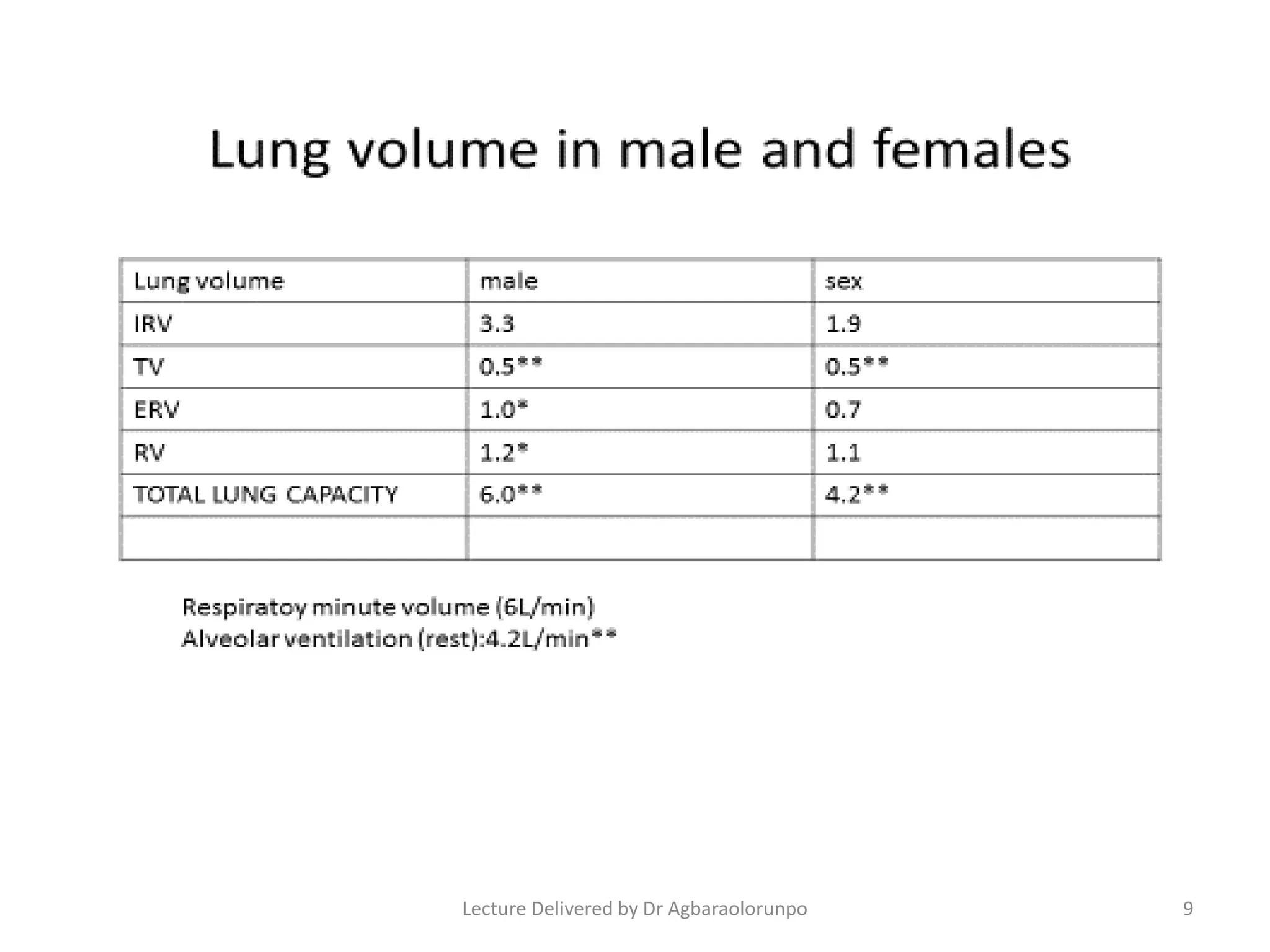
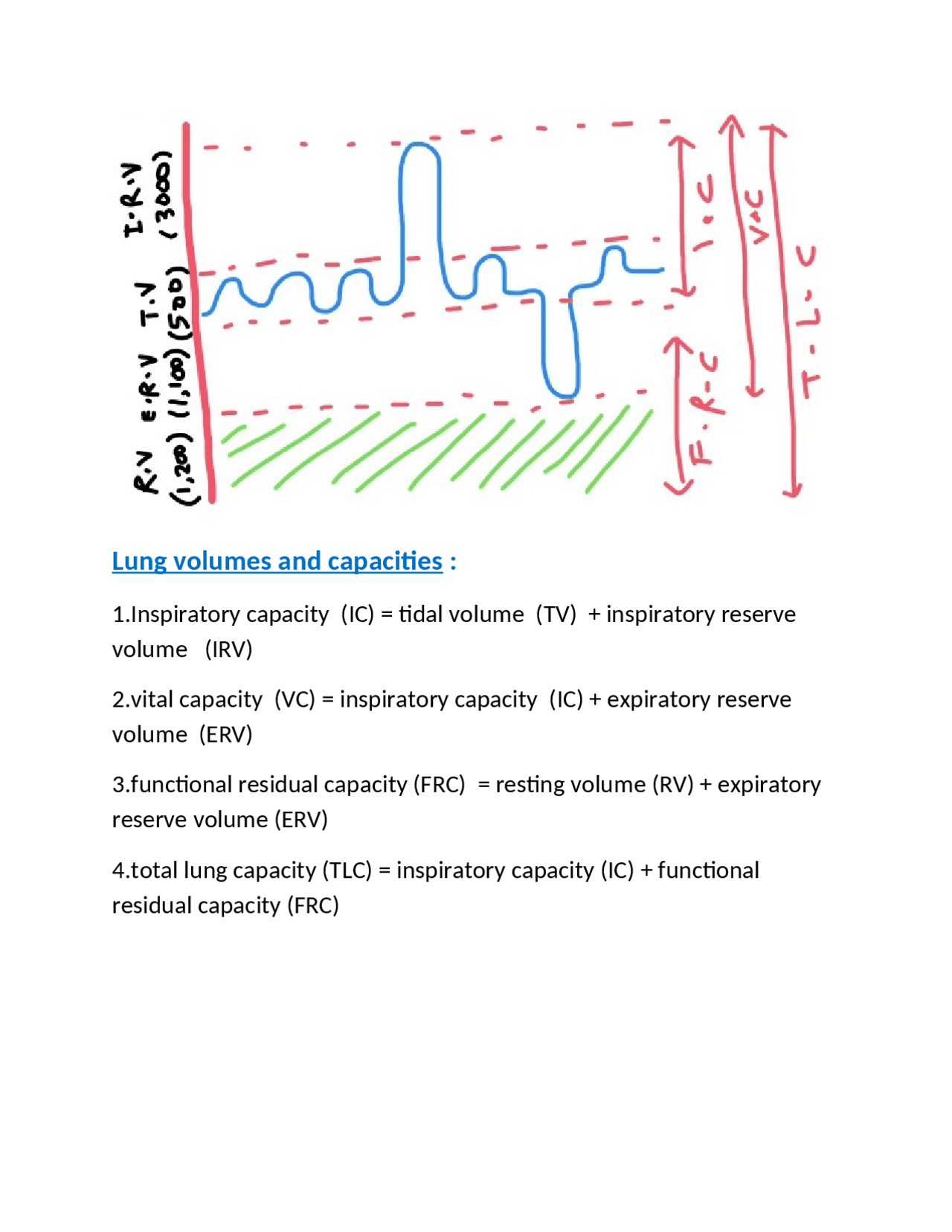
Many people overlook the lung volume chart as a simple diagram, but it's actually a powerful tool with a wealth of information. So, let's set the record straight: the lung volume chart is not just a basic reference; it's a detailed guide to understanding your respiratory health. This chart, often found in medical settings, provides an easy-to-read breakdown of various lung measurements, including tidal volume and vital capacity. While the specific values may vary depending on the context, the lung volume chart offers a consistent framework to interpret respiratory function tests and spirometry measurements.
A Quick Overview
A lung volume chart is a visual guide that helps us understand and measure the capacity of our lungs. It provides a reference for different lung volumes and their associated measurements, offering a simple yet effective tool for respiratory assessments.
Comparing the Options: Standard Reference Ranges
The chart typically displays various lung volume categories, including tidal volume, vital capacity, and residual volume. Each category represents a specific aspect of lung function and is measured in liters or milliliters. Standard reference ranges are provided to compare an individual's results with typical values.
Step-by-Step Guide: Using the Lung Volume Chart
To use the chart effectively, follow these steps:
Identify the lung volume category you want to measure or assess. This could be your tidal volume, which is the amount of air you breathe in and out during normal breathing, or your vital capacity, which is the maximum amount of air you can exhale after a deep inhalation.
Find the corresponding category on the chart. Each category will have a range of values, often presented as a bar or line graph.
Compare your measurement with the reference range. If your result falls within the typical range, it indicates normal lung function for that category. If it's outside the range, it may suggest an abnormality or a need for further evaluation.
Consider any additional factors. The chart provides a general guide, but individual variations exist. Factors like age, height, and underlying health conditions can influence lung volumes. Adjust your interpretation accordingly.
Common Misreadings and How to Avoid Them
It's essential to read the chart accurately to avoid misinterpretations. Here are some common pitfalls:
Misinterpreting the scale: Ensure you understand the unit of measurement and the scale used on the chart. Some charts use liters, while others may use milliliters.
Confusing categories: Each category represents a specific lung volume. Be sure to match your measurement with the correct category to avoid confusion.
Neglecting individual variations: Remember that the reference ranges are general guidelines. Individual factors can significantly impact lung volumes, so consider these variations when interpreting results.
Key Factors Affecting Accuracy
Several factors can influence the accuracy of lung volume measurements and their interpretation:
Age: Lung capacity tends to decrease with age, so age-specific reference ranges are crucial for accurate assessments.
Height and body size: Taller individuals often have larger lung volumes. Adjustments may be necessary to account for these variations.
Health conditions: Respiratory diseases, such as asthma or COPD, can affect lung function. Consider the impact of any underlying health issues when interpreting results.
Environmental factors: Exposure to pollutants or extreme altitudes can impact lung function temporarily. Be mindful of these external influences.
Choosing the Right Format for Your Needs
Lung volume charts come in various formats, and selecting the appropriate one is essential:
Standard charts: These provide general reference ranges suitable for most individuals. They offer a quick and easy assessment of lung function.
Age-specific charts: For more precise evaluations, especially in pediatric or geriatric populations, age-specific charts are valuable. They account for the normal variations in lung capacity at different life stages.
Customized charts: In certain cases, customized charts may be necessary. These are tailored to specific populations or unique circumstances, ensuring accurate assessments for unique needs.
Keeping Your Reference Reliable
To ensure the reliability of your lung volume chart and its measurements:
Regularly update your chart: Reference ranges can evolve, so stay informed about any updates or revisions to the standard charts.
Calibrate your equipment: If you're using spirometry or other measurement tools, ensure they are properly calibrated to provide accurate results.
Seek professional guidance: Consult healthcare professionals or respiratory specialists for expert advice and interpretation, especially if you notice any abnormalities or have concerns about your lung function.
Lung volume charts are a handy tool, offering a quick reference guide to help you understand and interpret lung capacity. With various formats and standards available, it's essential to choose the right one for your needs and ensure accuracy.
Remember, these charts provide a great starting point, but your specific context and requirements might vary. So, take a moment to double-check the exact values and ensure they align with your goals. It's a simple step that can make a big difference!
Consider bookmarking this page for future reference. It's a practical guide that you can quickly access and refer to, ensuring you have the right information at your fingertips when you need it most.
Related: Uncover the Army Ribbons Chart: A Simple Guide
An army ribbons chart is a handy tool for anyone wanting to quickly identify and understand military awards and decorations. This guide will give you a simple breakdown of what these charts are and how they work, covering the basics you need to know.
These charts, often referred to as an army awards chart or military ribbon rack, provide a visual representation of the various service ribbons and medals. While the specific values and formats may vary, they offer a clear and concise way to display and organize these awards, ensuring an accurate and efficient reference.
Understanding Army Ribbons Chart
An army ribbons chart is a visual guide that displays the various awards and decorations earned by military personnel. It provides a clear and organized way to showcase an individual's achievements and honors. This chart is an essential tool for understanding and appreciating the recognition given to service members.
Key Details and Categories
The chart typically includes different types of ribbons, each representing a specific award or decoration. These ribbons are arranged in a specific order, known as the "award and decoration order." The order is crucial as it indicates the seniority and importance of each award. Common ribbon categories include service ribbons, campaign ribbons, and achievement medals. Each ribbon has its own unique design and color scheme, making it easy to identify.
Reading the Rack: A Step-by-Step Guide
When reading an army ribbons chart, pay attention to the placement and arrangement of the ribbons. The chart often follows a standard format, with ribbons displayed in rows or columns. Start by identifying the top row, which usually represents the highest-ranking awards. Work your way down, noting the different ribbons and their positions. Each ribbon's position indicates its order of precedence, with the most prestigious awards placed higher.
Variations and Differences
It's important to note that army ribbons charts can vary depending on the military branch and the specific standards followed. Different countries and regions may have their own unique award systems and ribbon designs. Additionally, within the same military branch, variations can occur due to changes in regulations or the introduction of new awards. Common factors that cause variations include the individual's service record, unit-specific awards, and the time period in which the awards were earned.
To ensure accuracy, it's recommended to refer to official sources and guidelines provided by the relevant military branch. These sources will provide detailed information on the correct placement and order of ribbons, ensuring an accurate and respectful display. Remember, the army awards chart is a dynamic representation of an individual's achievements, and understanding these variations is key to interpreting it correctly.
Well, there you have it! A handy chart to keep close by for all your army ribbon queries. Remember, these are general guidelines, and it's always wise to confirm the specifics for your particular situation.
Feel free to explore our other resources on similar topics. We've got a bunch of guides and references to help you navigate these details with ease. Happy learning!
Related: What's the Right Pillow Size for You?
Many people assume that pillow sizes are a one-size-fits-all affair, but that's not the case! A pillow size chart is your go-to resource for understanding the diverse world of pillow dimensions. It's a simple yet powerful tool, offering a quick glance at the various sizes and their intended uses. From standard pillow dimensions to specialty sizes, this chart ensures you find the perfect fit for your needs.
Pillow Size Chart: A Quick Overview
A pillow size chart is a handy reference tool that provides a clear and visual guide to the various dimensions of pillows. It's like a map to help you navigate the world of pillow sizes, ensuring you get the right fit for your needs. This chart is a valuable resource for anyone looking to buy new pillows or pillowcases, as it offers a quick and easy way to understand the standard sizes available.
Comparing Standard and Custom Sizes
The beauty of a pillow size chart is that it presents both standard and custom sizes in a simple format. Standard sizes are the most common and widely used, and they often follow specific measurements and categories. These sizes are consistent across many brands and manufacturers, making it easy to find matching pillowcases or covers. On the other hand, custom sizes offer more flexibility and can accommodate unique preferences or specific requirements. Custom sizes might be necessary for specialty pillows, such as those designed for travel or medical purposes.
Step-by-Step Guide to Using the Chart
Using a pillow size chart is straightforward and can save you time and effort when shopping for pillows. Here's a simple process:
- Identify the Type: First, determine the type of pillow you need. Common types include standard, queen, king, and travel-sized pillows.
- Locate the Size: Find the corresponding size on the chart. The chart typically displays width and length measurements for each size.
- Check the Dimensions: Compare the chart's dimensions with the pillow or pillowcase you need. Ensure you match the width and length accurately.
- Consider Depth: Some charts also provide depth measurements, which is especially useful for pillows with varying thicknesses.
- Choose Your Size: Once you've found the size that matches your needs, you're ready to make an informed purchase.
Avoiding Common Misreadings
While a pillow size chart is user-friendly, it's essential to avoid a few common pitfalls:
- Unit Confusion: Always check the units of measurement. Some charts use inches, while others might use centimeters. Ensure you're comparing like with like.
- Rounding Errors: Charts often provide rounded measurements for simplicity. Be aware that actual products might have slight variations, so always check the exact specifications if precision is critical.
- Size Labels: Pay attention to size labels. For example, a "standard" size might not always be the same across different charts or regions.
Factors Affecting Accuracy
Several key factors can influence the accuracy of a pillow size chart and its real-world application:
- Regional Differences: Pillow sizes can vary between regions and countries. For instance, a "king" size in the US might differ from a "king" in Europe.
- Manufacturer Variations: Even within a region, manufacturers might have slight variations in their standard sizes. Always check the brand's specifications.
- Pillow Type: Different pillow types, like decorative or orthopedic pillows, might have unique size categories.
- Materials: The materials used can affect the overall size and shape of a pillow, especially over time as it ages and settles.
Choosing the Right Format for Your Needs
When it comes to pillow size charts, one size doesn't fit all. Here are some tips for choosing the right format:
- Standard vs. Custom: If you're looking for a quick and easy solution, a standard size chart is ideal. However, for specialized needs, a custom size chart might be more suitable.
- Online vs. Physical: Online charts are convenient, but having a physical chart or reference guide can be handy when shopping in-store.
- Visual Aids: Some charts use visual representations, like images or diagrams, to show size differences. These can be especially helpful for visual learners.
Keeping Your Reference Reliable
To ensure your pillow size chart remains a reliable reference, consider the following:
- Update Regularly: Pillow size standards can evolve over time. Periodically check for updated charts to ensure you have the latest information.
- Multiple Sources: Cross-reference charts from different sources to verify the accuracy of the measurements.
- Manufacturer Guides: Many pillow manufacturers provide their own size guides. Refer to these for specific product lines.
- Personal Notes: If you have unique pillow requirements, make a note of the sizes you need and keep them with your chart for easy reference.
So, there you have it! A handy pillow size chart can be a real game-changer for getting the perfect fit and comfort. But remember, it's always a good idea to double-check your specific needs and measurements to ensure you're getting the right size for your bed and sleeping style.
Feel free to explore our other guides and resources on similar topics. We've got plenty of practical tips and tricks to help you create a cozy and comfortable sleep space. Happy snoozing!