

Dog Teeth Chart Editable Overview
A puppy shot chart is a handy tool for any pet owner, offering a clear overview of your pup's vaccine journey. This guide will navigate you through the essential info, ensuring you understand the basics of reading and using the chart effectively.
It's a simple yet powerful reference, providing a snapshot of your puppy's health and the crucial vaccinations they need. While the specific values and formats may vary, the puppy shot chart remains a reliable companion, guiding you through the core and non-core vaccine protocol.
Understanding the Puppy Shot Chart
The puppy shot chart is a valuable tool for dog owners, providing a clear guide to vaccinating your furry friend. It's essentially a roadmap, ensuring your puppy gets the right vaccines at the right time. This chart simplifies the process, helping you keep track of your puppy's health and ensuring they receive the necessary protection.
Comparing Vaccine Options and Standards
When it comes to puppy vaccines, there are two main categories: core and non-core vaccines. Core vaccines are essential and recommended for all puppies, protecting against serious, often life-threatening diseases. These typically include distemper, parvovirus, adenovirus, and rabies. Non-core vaccines, on the other hand, are optional and depend on your puppy's lifestyle and risk factors. Examples include vaccines for leptospirosis, Lyme disease, or bordetella (kennel cough). The puppy shot chart will usually list these vaccines separately, allowing you to make informed decisions with your vet.
Step-by-Step Guide to Using the Chart
Here's a simple process to follow when using the puppy shot chart:
Start by familiarizing yourself with the chart. It will typically list the vaccine type, the recommended age or time interval for administration, and sometimes the dosage or volume.
Begin vaccinations early. Puppies are generally given their first set of core vaccines between 6 and 8 weeks of age. This early start is crucial as it helps build their immunity quickly.
Follow the recommended schedule. The chart will guide you on when to give subsequent doses. For core vaccines, these are usually given every 3-4 weeks until the puppy is around 16-18 weeks old.
Discuss non-core vaccines with your vet. Based on your puppy's lifestyle and exposure risks, your vet may recommend additional vaccines. The chart can help you keep track of these too.
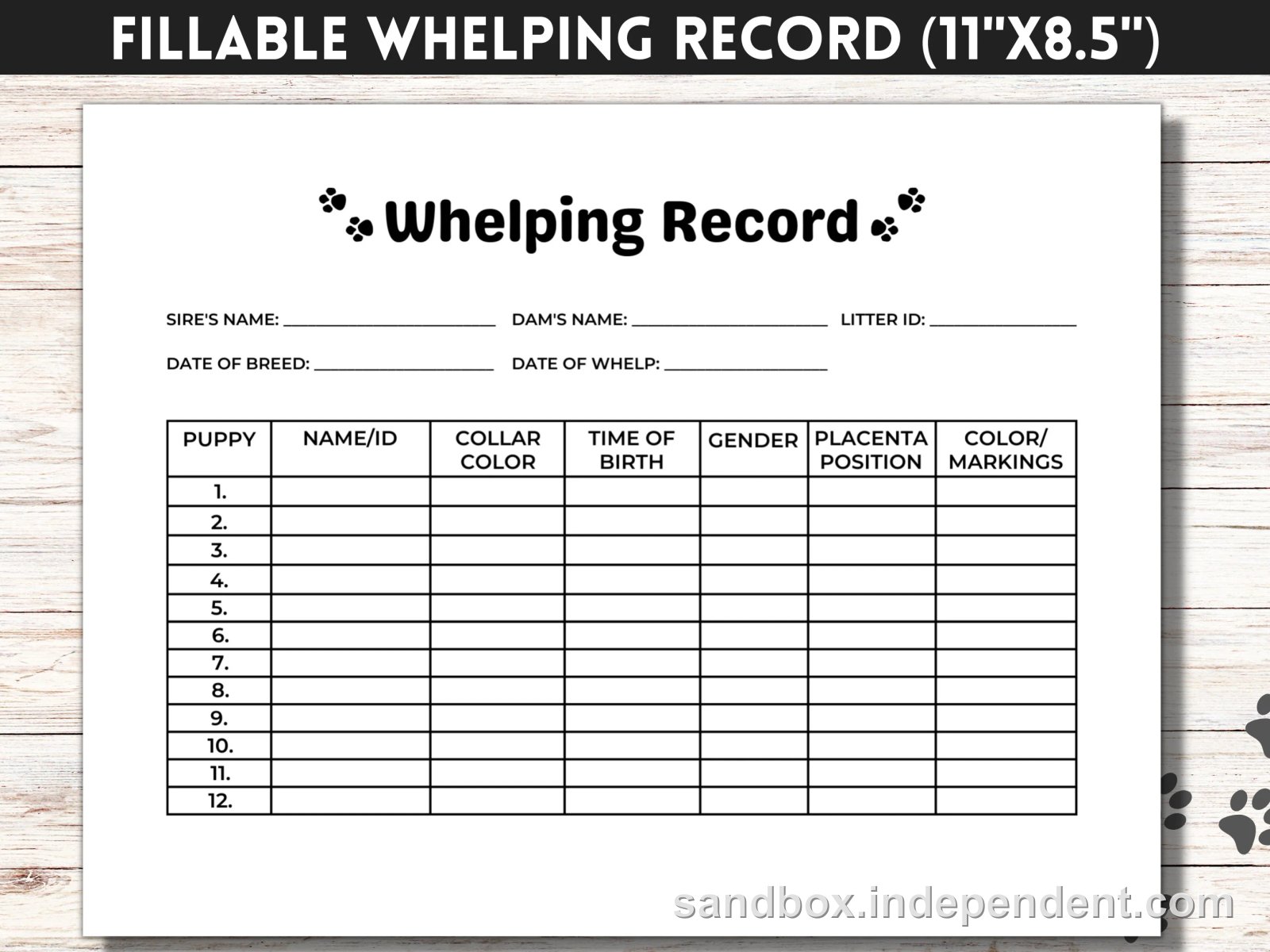
Keep a record. It's a good idea to maintain a shot record or health chart for your puppy. This ensures you stay on top of their vaccination schedule and provides a clear history for future reference.
Avoiding Common Misreadings and Pitfalls
While the puppy shot chart is straightforward, there are a few potential pitfalls to watch out for:
Age vs. Weight: Some charts may list vaccine doses based on weight rather than age. Always ensure you're following the correct guidelines for your puppy's age.
Core vs. Non-Core: Distinguish between core and non-core vaccines. Core vaccines are essential, while non-core ones are optional. Your vet will guide you on the best choices for your puppy.
Multiple Doses: Remember that some vaccines require multiple doses to be effective. The chart will guide you on the timing of these doses.
Key Factors Affecting Accuracy and Real-World Use
Several factors can influence the accuracy and application of the puppy shot chart:
- Breed and Size: Different breeds and sizes of puppies may have slightly varied vaccine schedules. Always consult your vet for breed-specific advice.
- Health Status: A puppy's overall health can impact the vaccine protocol. Puppies with certain health conditions may require adjusted timing or doses.
- Lifestyle and Environment: Your puppy's lifestyle and the environment they're exposed to can influence the choice of non-core vaccines. For example, a puppy that spends a lot of time outdoors may need different vaccines than one that mostly stays indoors.
- Regional Differences: Vaccine protocols can vary slightly between regions or countries. Always check with your local vet for the most accurate and up-to-date information.
Adapting the Chart to Your Needs
While the puppy shot chart provides a standard guide, it can be adapted to suit specific needs:
Customizable Charts: Some charts allow you to input your puppy's details, such as breed, age, and weight, to generate a personalized vaccine schedule.
Digital Tools: There are digital puppy health charts and apps that can help you track your puppy's vaccinations and overall health. These can send reminders and provide additional information.
Veterinary Advice: Your vet is the best resource for adapting the chart to your puppy's unique needs. They can guide you on any adjustments needed based on your puppy's health and lifestyle.
Hey there, fellow pet parents! We hope this guide has given you a clear picture of the puppy shot chart and its importance. Remember, while we've covered the basics, the exact details might differ slightly based on your specific circumstances and the recommendations of your veterinarian.
Feel free to bookmark this page for future reference, and don't forget to explore our other guides for more practical pet care tips!
Related: Need a canvas size? Check our chart!
You've stumbled upon the canvas sizes chart, a handy tool for artists and creators, and you're eager to dive right in. This chart is your quick reference guide, offering a clear overview of canvas dimensions, from the standard sizes to the more unique formats. It's a simple yet effective way to ensure you choose the right canvas for your next masterpiece, and it can vary depending on your region and preferences.
Understanding the Canvas Sizes Chart
The canvas sizes chart is your go-to guide for all things related to canvas dimensions. It's a handy reference tool that simplifies the process of choosing the right canvas size for your art or project. This chart provides a clear overview of standard canvas sizes, helping you make informed decisions and avoid any potential sizing headaches.
Standard Sizes Explained
When you look at a canvas sizes chart, you'll notice a range of sizes, each represented by a specific code or label. These codes often consist of numbers and letters, like '12x16' or 'M4'. The numbers indicate the dimensions in inches or centimeters, depending on the standard being used. The letters, if present, often represent a specific format or ratio, such as 'M' for metric or 'S' for a standard ratio. It's important to note that the units and categories can vary based on the standard, so always double-check the specific chart you're using.
Practical Size Selection: A Step-by-Step Guide
Selecting the right canvas size is a breeze with this simple process:
Identify the purpose: Are you painting a landscape, a portrait, or something abstract? Different subjects may require specific ratios or sizes.
Choose your standard: Decide if you prefer the metric system or imperial measurements. This choice will determine the units used on your chart.
Refer to the chart: Locate the desired dimensions on the canvas sizes chart. The chart will provide the corresponding code or label for that size.
Cross-reference: If needed, check the dimensions against your specific project requirements. Ensure the size aligns with your vision and any practical constraints.
Variations and Differences
While the canvas sizes chart provides a comprehensive guide, variations can occur due to different standards and contexts. For instance, the metric and imperial systems have distinct measurement units, which can lead to slight differences in size. Additionally, some manufacturers may have their own unique sizing systems, especially for larger or specialized canvases. It's crucial to be aware of these variations and ensure you're using the correct chart for your needs.
Common Mistakes and How to Avoid Them
One common pitfall is assuming that all canvas sizes are universal. Always check the standard being used to avoid confusion. Another mistake is neglecting to consider the aspect ratio. Different ratios can significantly impact the final look of your artwork, so choose wisely. Lastly, don't forget to account for the thickness of the canvas itself, as this can affect the overall dimensions.
Tips for Accurate Results
To ensure precision, always measure your workspace or display area before selecting a canvas size. This step is especially crucial for larger projects. Additionally, consider the scale of your subject matter. A small, intricate painting may require a different size canvas than a bold, large-scale piece. Trust your artistic instincts and let the chart guide you towards the perfect size.
Double-Checking and Edge Cases
While the canvas sizes chart covers a wide range of standard sizes, it's important to remember that exceptions exist. If you have a unique or non-standard project, you may need to customize your canvas size. In such cases, consult with a professional framer or artist who can guide you through the process and ensure your specific requirements are met.
Hey there, I hope this canvas sizes chart has been a helpful reference for your projects. Remember, while the basics are covered here, exact values can vary slightly depending on the context and the source you're working with, so always double-check if you're unsure.
Feel free to explore other guides on our site for more practical tips and insights. We've got a range of topics covered, so you can find the information you need to tackle any creative challenge!
Related: Get the Right Rug Size: A Clear Chart Guide
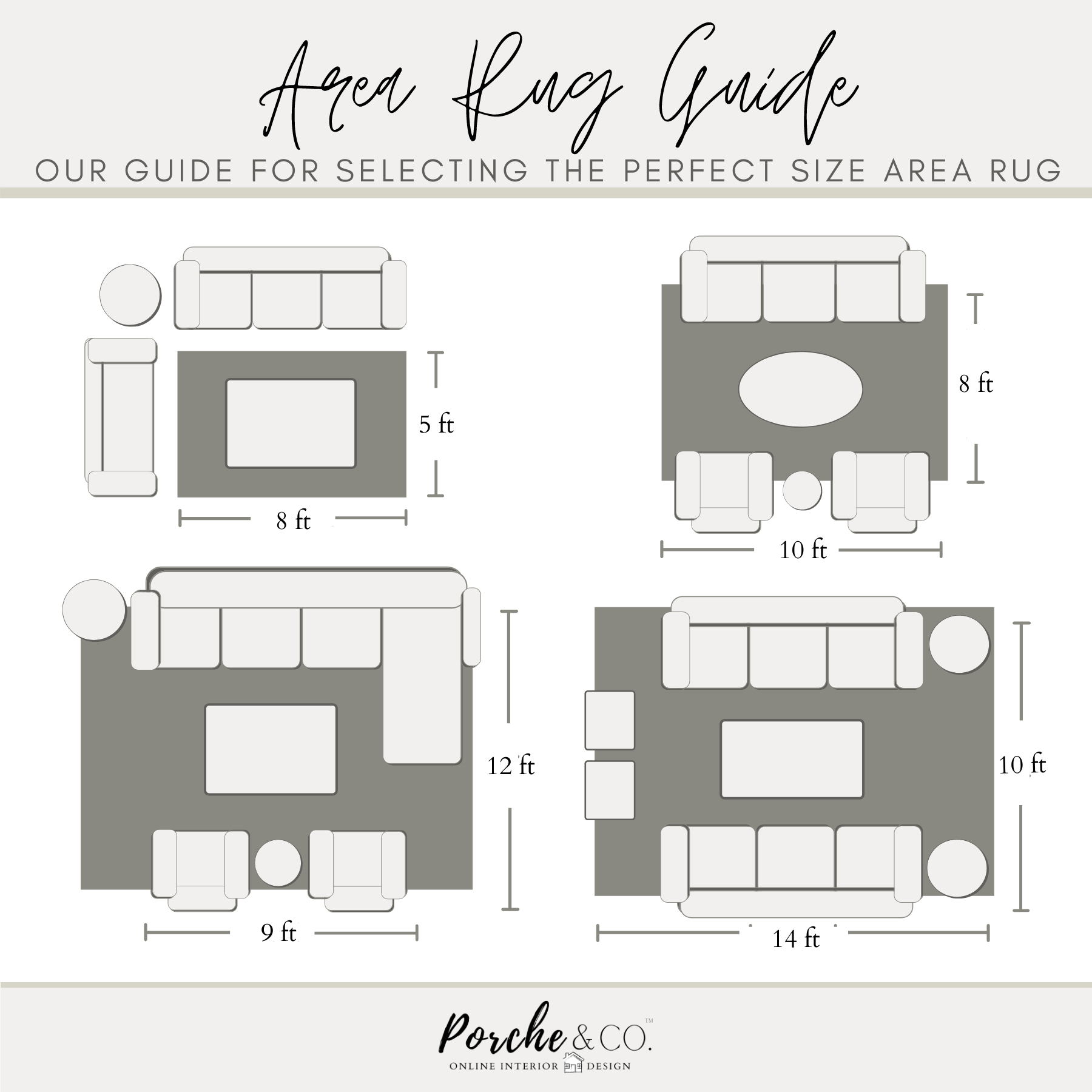
Many folks assume that a rug size chart is an exact science, with one standard size fitting all rooms. However, it's actually a flexible tool, offering a range of options to suit your space. A quick glance at this chart will show you the variety of rug sizes available, and it's an easy way to visualize how different dimensions can work in your home. Whether you're after a rug size guide, carpet dimensions, or floor covering measurements, this chart is a simple, effective starting point.
Understanding the Chart: A Quick Overview
A rug size chart is a handy tool to help you choose the right rug for your space. It provides a visual representation of standard rug sizes, making it easy to visualize and compare different dimensions. This chart is a practical guide for anyone looking to add a rug to their home, offering a simple way to ensure the rug fits the intended area perfectly.
Standard vs. Non-Standard Sizes: A Comparison
While most rugs come in standard sizes, there are also non-standard or custom-made options. The rug size chart typically covers a range of common sizes, such as 5x8, 8x10, and 9x12 feet, which are popular choices for various rooms. Non-standard sizes offer more flexibility but may require a bit more effort to find the perfect fit.
Step-by-Step Guide: Using the Chart Effectively
To use the rug size chart accurately, follow these simple steps:
- Identify the area you want to cover with the rug. Measure the length and width of this space to get an idea of the rug size you need.
- Refer to the chart and locate the closest standard size that fits your measurements. For example, if your space is 6x9 feet, a 5x8 or 8x10 rug might be suitable.
- Consider the layout and furniture arrangement. The chart provides a guide, but you may need to adjust based on your specific room setup.
- Take note of the rug's shape. Some charts also indicate whether the rug is rectangular, square, or runner-shaped, helping you choose the right fit for your space.
Common Misreadings and How to Avoid Them
One common mistake is assuming that the chart provides exact measurements for every rug. While it offers a great starting point, it's important to remember that rug sizes can vary slightly. Always double-check the exact dimensions of the rug you're interested in to ensure a perfect fit. Another potential pitfall is ignoring the scale of the room. A large rug in a small room can make the space feel cramped, so always consider the overall balance and proportion.
Key Factors Affecting Accuracy and Real-World Use
- Room Size: The size of the room plays a crucial role in choosing the right rug. A larger room can accommodate bigger rugs, while smaller spaces may require more careful consideration to avoid overcrowding.
- Furniture Arrangement: The placement of furniture can impact the rug size and shape needed. Consider leaving a border of floor space around the rug to create a balanced look.
- Rug Shape: Different shapes, like runners or round rugs, serve specific purposes and fit different spaces. The rug size chart often includes these variations to guide your selection.
- Tolerances: Rug sizes can have slight variations, so it's essential to check the manufacturer's specifications to ensure the rug meets your expectations.
Adapting the Chart: Choosing the Right Format
The rug size chart can be adapted to suit your needs. If you're looking for a specific size, some charts offer a search function or filters to narrow down options. Additionally, metric and imperial measurements are often available, catering to different regions and preferences. For unique spaces, consider using a custom rug size chart or consulting an expert to ensure a perfect fit.
Well, there you have it! A comprehensive guide to rug size charts and their practical uses. We've covered a lot of ground, from understanding the different options to avoiding common pitfalls.
Remember, when it comes to choosing the right rug size, it's essential to consider your unique space and needs. So, take a moment to double-check your measurements and specific requirements before making any final decisions. This guide should be a handy reference, but it's always good to ensure you've got the right fit for your room.
Consider bookmarking this page for future rug adventures; you never know when you might need a quick refresh on finding the perfect rug size!