



Dog Teeth Chart Free Printable Overview
The Trojan size chart is a handy reference tool, offering a quick glance at condom sizes. This guide aims to demystify and simplify the process, ensuring you can easily navigate and understand the chart's information. It covers the essential details, providing a clear overview of standard condom sizes and their measurements. With variations in nominal width and length, the chart offers a visual representation, making it simple to find the right fit.
Understanding the Trojan Size Chart: A Quick Overview
The Trojan size chart is a valuable tool for anyone seeking a perfect fit and optimal protection when using condoms. It provides a standardized reference to help you choose the right size for your needs. This chart is designed to offer a clear and easy-to-understand guide, ensuring you can make an informed decision.
Comparing Condom Sizes: Standard Options and Formats
The Trojan size chart typically presents two key measurements: length and width. Length variations are common, and the chart accounts for this by offering a range of sizes. Width, often referred to as nominal width, is a more standardized measurement, usually given in millimeters (mm) or fractions of an inch. This dual approach ensures a comprehensive size guide.
Step-by-Step Guide to Using the Trojan Size Chart
To use the Trojan size chart accurately, follow these simple steps:
Measure your erect penis length. This is best done with a soft, flexible tape measure, ensuring an accurate and comfortable fit.
Note your girth (circumference) measurement. This is often more subjective and can be measured with a tape or string, then measured against a ruler.
Refer to the Trojan size chart and match your length and girth measurements to the closest size category.
Choose the condom size that aligns with your measurements.
Avoiding Common Misreadings and Pitfalls
One common mistake is assuming all condom brands use the same size standards. While the Trojan size chart is a great reference, it's important to note that other brands may have slightly different size categories. Always double-check the specific brand's size guide to ensure an accurate fit.
Factors Affecting Accuracy: Key Considerations
Erect length can vary, so it's essential to measure accurately and choose a condom that accommodates this range.
Girth (circumference) is a subjective measurement and can be influenced by factors like erection quality and personal comfort.
- Personal preference: Some may prefer a looser or tighter fit, which can impact the chosen size.
- Erection quality: The state of your erection can affect measurements and, consequently, the chosen size.
- Comfort and sensitivity: Consider your personal comfort and sensitivity when choosing a size.
Adapting the Trojan Size Chart for Specific Needs
The Trojan size chart offers a standard guide, but individual needs may vary. If you have specific requirements, such as a larger or smaller size, or if you prefer a particular brand, you may need to adapt the chart. Many brands offer extended size ranges, so exploring these options can ensure a perfect fit.
Keeping Your Reference Reliable for Future Use
To ensure the Trojan size chart remains a reliable reference, it's important to regularly update your measurements. Our bodies can change over time, so re-measuring periodically ensures you always choose the right size. Additionally, staying informed about any updates or changes to size standards or brand specifications will keep your reference accurate and up-to-date.
Well, there you have it, a comprehensive guide to Trojan size charts. With this knowledge, you can now approach your reference needs with confidence. Remember, while this guide provides a solid foundation, every situation is unique. It's essential to consider your specific context and requirements before making any final decisions.
Feel free to explore our other resources and guides; we have a wealth of information to help you navigate various topics with ease. Happy referencing!
Related: A Clear Plot Anchor Chart Guide
A plot anchor chart is a valuable tool for writers and storytellers, offering a visual roadmap to navigate the intricate journey of crafting a narrative. This guide will provide an overview of these charts, their purpose, and how they can enhance your understanding of story structure.
These charts serve as a reference, presenting the key elements of a plot in a clear and concise manner. While the specific format and content may vary, the plot anchor chart's primary goal remains consistent: to provide a snapshot of the narrative's journey, from its initial spark to its satisfying conclusion.
Plot Anchor Chart: A Visual Guide to Storytelling
The plot anchor chart is a valuable tool for writers and storytellers, offering a visual representation of the key elements that drive a narrative. This chart provides a structured overview, helping to identify and organize the essential components of a story's plot. By using this chart, writers can ensure their stories have a solid foundation and a clear direction.
Common Plot Structures and Their Variations
The plot anchor chart typically presents several common plot structures, such as the three-act structure, the hero's journey, and the five-act structure. Each structure has its own unique flow and emphasis, offering different approaches to storytelling. These structures provide a framework for writers to follow, but they can also be adapted and combined to create unique narratives.
Creating Engaging Narratives: A Step-by-Step Guide
- Start by identifying the main plot points: introduction, rising action, climax, falling action, and resolution. These points form the backbone of your story.
- Use the plot anchor chart to visualize and connect these plot points, ensuring a logical flow and building tension.
- Add depth to your narrative by incorporating subplots and character arcs. These elements enrich the story and provide opportunities for character development.
- Consider the pacing and intensity of your story. Adjust the placement and emphasis of plot points to create a balanced and engaging narrative.
- Review and refine your story structure, ensuring it aligns with your chosen plot structure and meets the expectations of your audience.
Avoiding Common Misreadings and Pitfalls
While the plot anchor chart is a powerful tool, it's important to remember that it is a guide, not a strict formula. Misinterpreting the chart can lead to stories that feel formulaic or lack originality. To avoid this, ensure you understand the underlying principles and use the chart as a flexible framework. Adapt it to your story's needs and don't be afraid to deviate from the standard structures if it serves your narrative better.
Factors Affecting Accuracy and Real-World Application
The accuracy of the plot anchor chart depends on several factors. Firstly, the chart's effectiveness varies depending on the complexity of the story and the writer's experience. More intricate stories may require a deeper understanding of narrative techniques. Additionally, the chart's applicability can differ based on the genre and target audience. What works for a thriller might not suit a romantic comedy. It's crucial to consider these factors and tailor your story's structure accordingly. Always refer to established narrative techniques and seek feedback to refine your story's structure and ensure its impact.
While the specifics of your plot anchor chart may differ slightly based on your unique needs and the standards or sources you follow, the key elements and steps outlined in this guide should provide a solid foundation. Remember, having a well-organized reference like this can make a world of difference in your work, ensuring clarity and consistency.
Feel free to bookmark this page for future reference, and explore our other guides for more practical tips and insights. We aim to provide straightforward, helpful resources, so you can always find the information you need, when you need it.
Related: How to Read a Sock Size Chart?
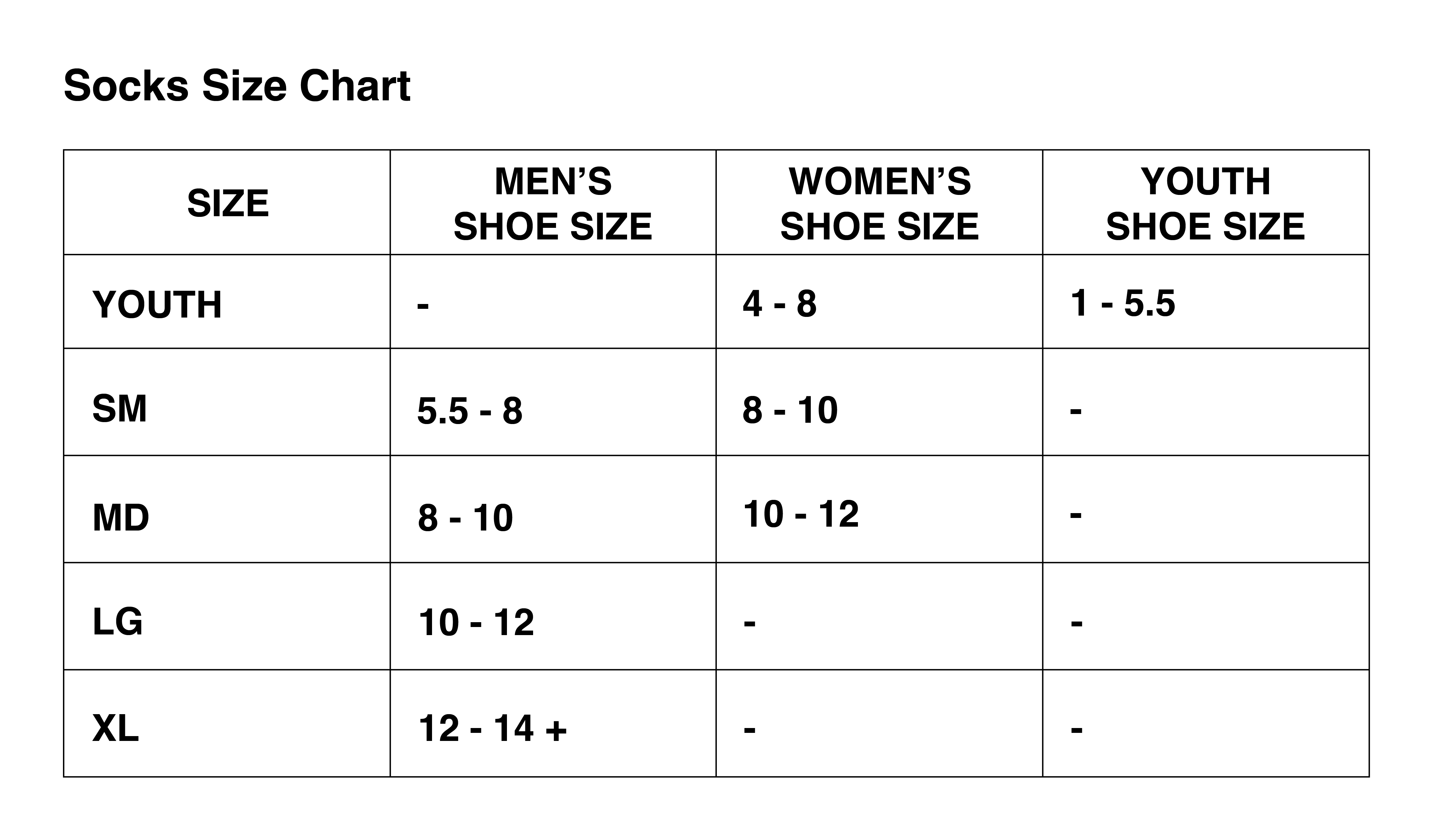
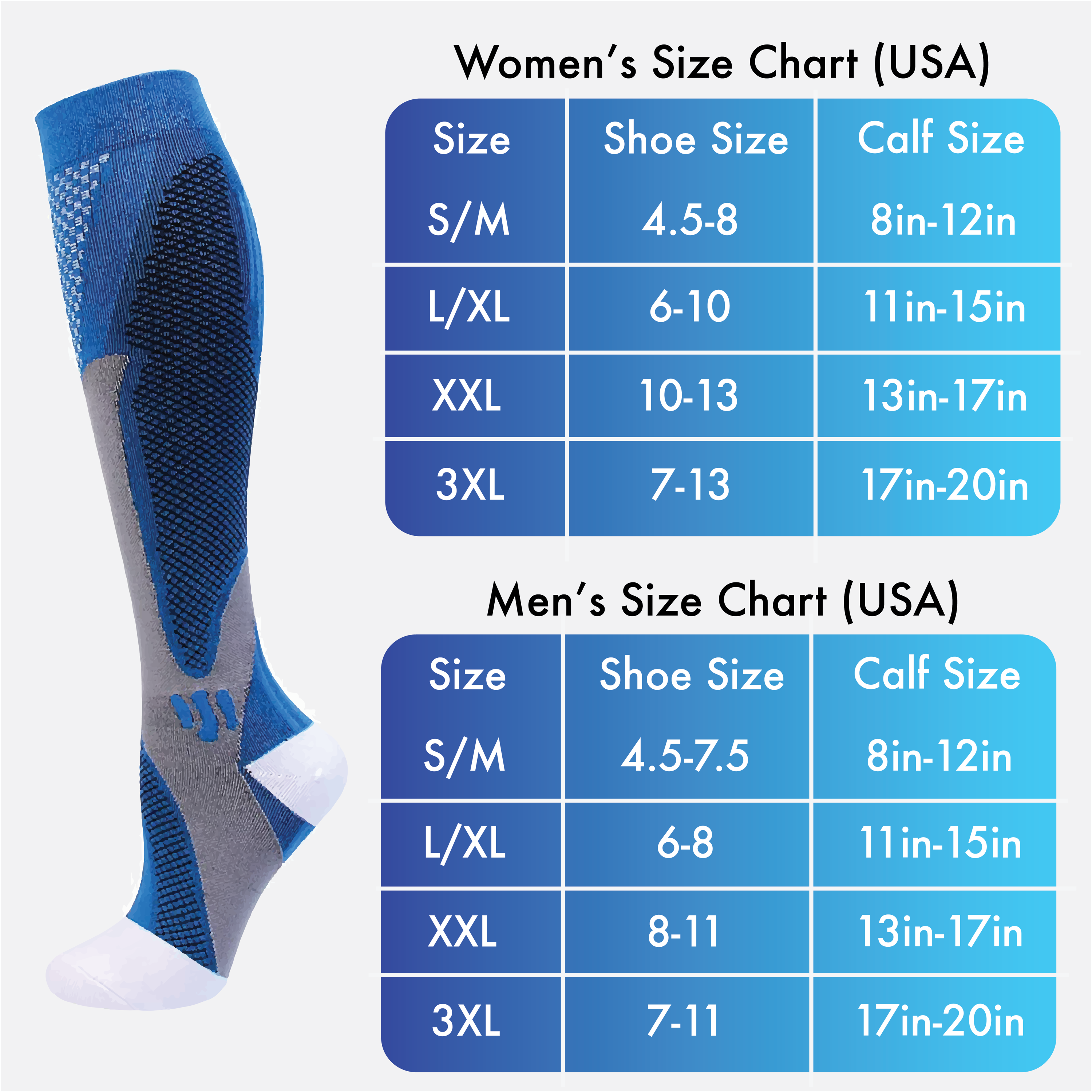
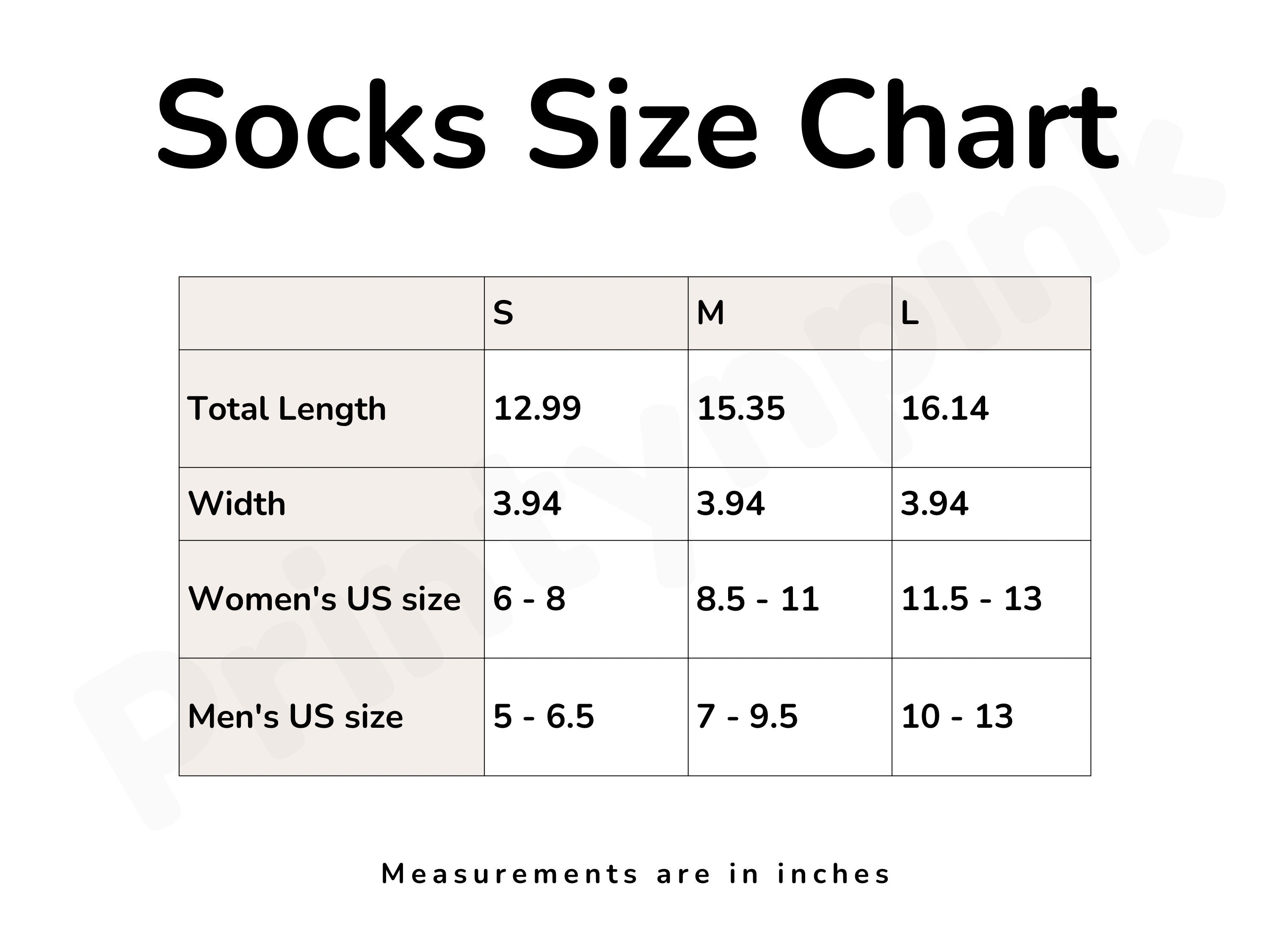
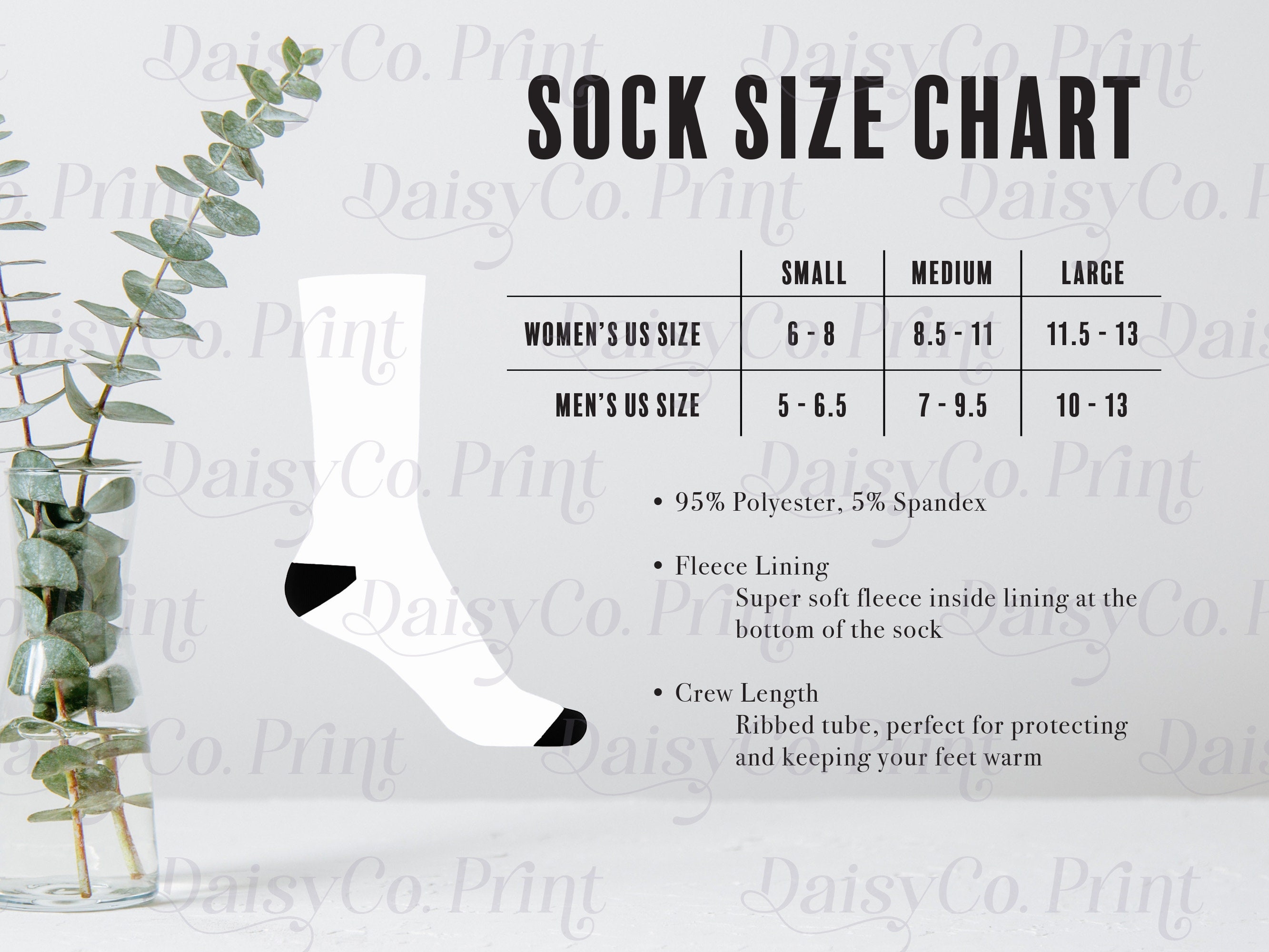
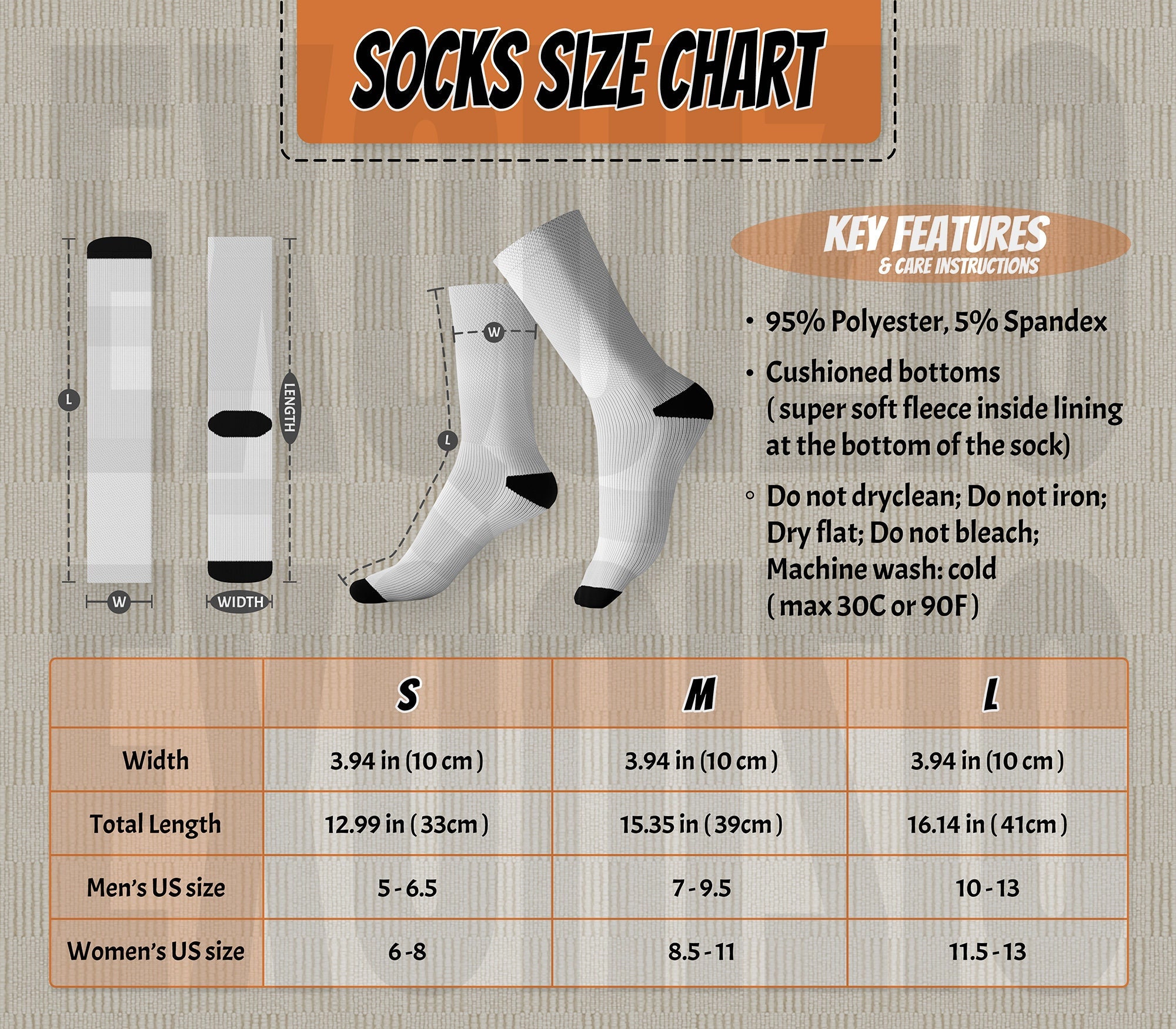
Many people overlook the importance of a sock size chart and its accuracy, often leading to ill-fitting socks and discomfort. This simple tool is your secret weapon against blisters and sore feet!
A sock size chart is a straightforward reference, yet it can vary depending on the brand and region. It's a quick guide to ensure you choose the right size, and it's especially useful when buying online. Think of it as a map to finding the perfect fit, guiding you through the process of matching your foot measurements to the right sock size.
Understanding the Sock Size Chart
A sock size chart is your go-to guide for finding the perfect fit for your feet. It's a simple tool that helps you match your foot measurements to the right sock size, ensuring comfort and avoiding any awkward bunching or slipping.
Key Details and Categories
The chart typically displays two main categories: foot length and sock size. Foot length is usually measured in centimeters (cm) or inches, and it's the distance from the heel to the tip of your longest toe. Sock size, on the other hand, is a standardized measurement that corresponds to this foot length. It's important to note that sock size charts can vary slightly depending on the region and manufacturer, so it's good to check if you're using an international sock size chart or one specific to your country.
How to Read and Apply the Chart
Using a sock size chart is straightforward:
Measure your foot length. Place your foot on a flat surface and use a ruler or measuring tape to get the distance from your heel to the longest toe.
Find your foot length on the chart. Look for the column or row that matches your measured foot length.
Identify the corresponding sock size. The intersecting row or column will give you the recommended sock size.
Choose your socks. Now you can confidently pick your socks, knowing they'll fit comfortably and snugly.
Variations and Differences
While sock size charts provide a standardized guide, there can be variations across different brands and manufacturers. Some may have slightly different size ranges or use unique sizing systems. It's always a good idea to check the brand's specific size guide, especially if you're ordering online or trying a new brand. Additionally, the type of sock (e.g., crew, ankle, or no-show) can also impact the fit, so consider the style you prefer.
Common Mistakes and How to Avoid Them
One of the most common mistakes is not measuring your foot length accurately. Ensure you're standing up and placing your foot flat on the measuring surface. Another pitfall is assuming all sock size charts are the same. Always double-check if you're using an international or regional chart, especially when shopping online or across borders. Lastly, remember that foot shape and width can also affect the fit, so consider trying on socks if possible, or opting for a brand that offers a generous return policy.
Well, that's a wrap on our sock size chart adventure! You now have the tools to ensure you're always getting the perfect fit, which is a win-win for your comfort and style.
Remember, while this guide offers a solid framework, exact values can vary slightly between different standards and sources. So, take a moment to double-check the specific requirements or guidelines relevant to your context. And there you have it—a simple yet effective way to ensure your socks are always a snug and cozy fit!