




Dog Teeth Chart Letter Size Overview
You've stumbled upon the blank 100 chart, a versatile tool often sought for its practical applications. This simple yet powerful chart serves as a reference guide, offering a structured layout that can be tailored to various needs. Whether you're seeking a quick numerical reference or aiming to teach counting and number recognition, the blank 100 chart provides a flexible foundation.
Understanding the Blank 100 Chart
The blank 100 chart is a versatile and simple tool, often used as an educational resource, particularly in mathematics. It provides a visual representation of numbers from 1 to 100, arranged in a grid format, with each number occupying its own square. This chart is a fundamental teaching aid, helping students grasp counting, number patterns, and basic mathematical operations.
Comparing Chart Formats and Standards
While the basic structure remains consistent, there are variations in the hundred chart depending on the educational context and region. Some charts feature a simple grid with numbers, while others may include additional elements like color-coding or mathematical symbols. For instance, a chart designed for younger learners might use colors to highlight number patterns or prime numbers. The number chart's format can also vary based on the educational standard being followed, such as the US Common Core or international curricula.
Using the Blank 100 Chart: A Step-by-Step Guide
- Obtain a blank grid suitable for your purpose. Ensure it has a clear and consistent layout, with each number easily identifiable.
- Familiarize yourself with the chart's structure. Typically, numbers increase from left to right and top to bottom.
- Use the chart for counting and number recognition. Point to each number as you count, helping students associate the written digit with its value.
- Teach number patterns and sequences. The hundred square format makes it easy to identify patterns, such as even and odd numbers, or counting by twos, fives, or tens.
- Introduce basic mathematical operations. The chart can visually represent addition and subtraction, helping students understand number lines and the concept of 'jumping' numbers.
- Encourage creative uses. The chart can be a starting point for various mathematical explorations, such as identifying prime numbers, creating number stories, or even simple data analysis.
Common Misconceptions and How to Avoid Them
- Blank 100 chart values are not absolute. While the chart provides a structured framework, it's important to remember that numbers can be represented in various ways, and different educational standards may have slight variations. Always double-check specific requirements or tolerances for your context.
- Avoid over-reliance on the chart. While it's a valuable tool, it should complement other teaching methods and not become the sole focus of mathematical learning. Encourage students to explore numbers and patterns beyond the chart's boundaries.
- Be aware of potential distractions. Some charts may include colorful designs or patterns, which can be engaging but might also distract certain learners. Choose a chart with a design that suits your students' needs and learning styles.
Remember, the blank 100 chart is a flexible resource, adaptable to various teaching approaches and student needs.
Remember, when working with any chart or guide, it's essential to tailor it to your unique needs. Double-check that the information and values you're using align with your specific context and requirements.
Feel free to explore our other resources and guides; we've got plenty of practical tips and tools to help you stay organized and efficient. Happy charting!
Related: Understand Eye Shape Chart: A Quick Guide
An eye shape chart is a valuable tool for understanding and identifying the various shapes and structures of the eyes. This guide aims to provide a straightforward overview, offering insights into how these charts work and their practical applications.
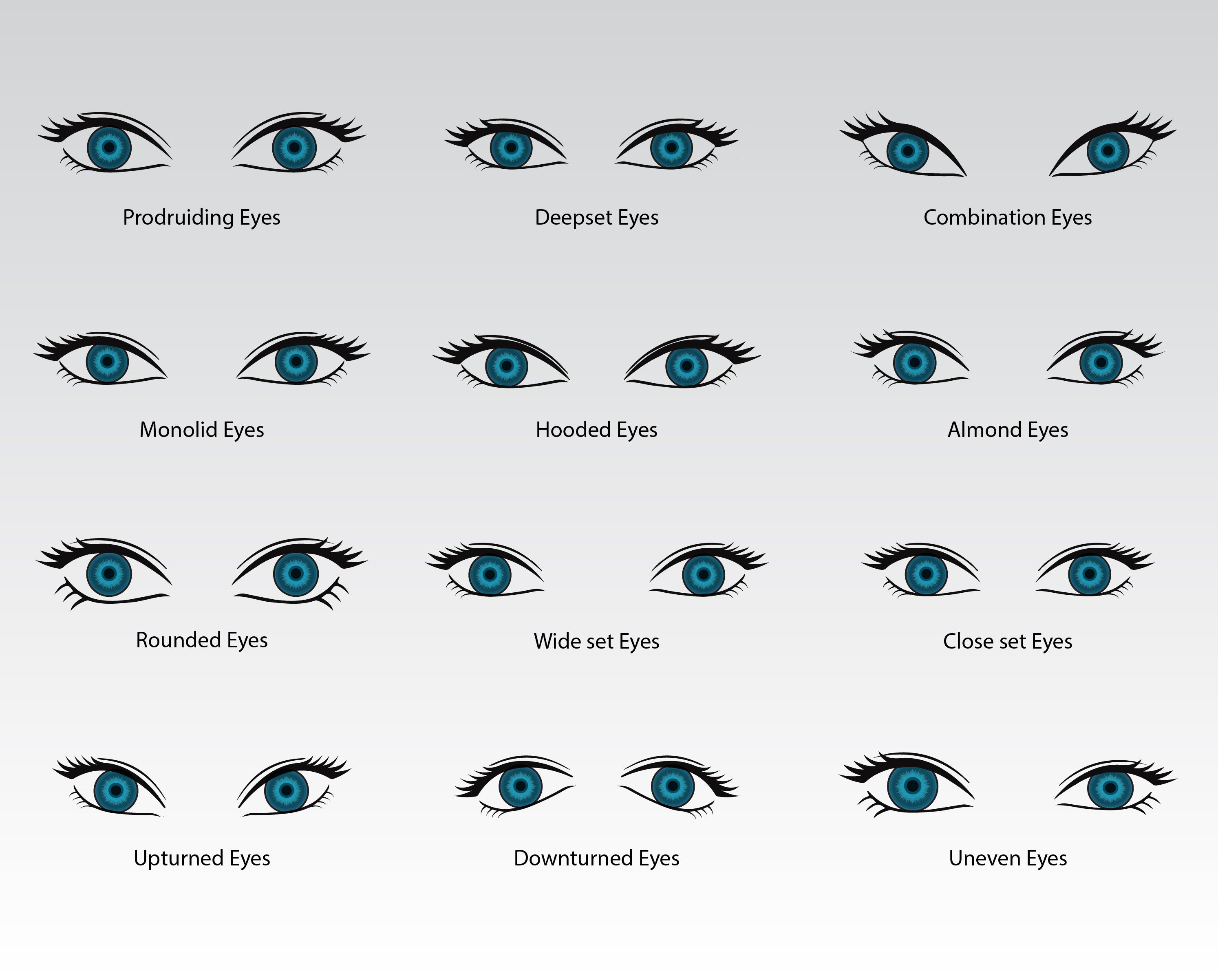
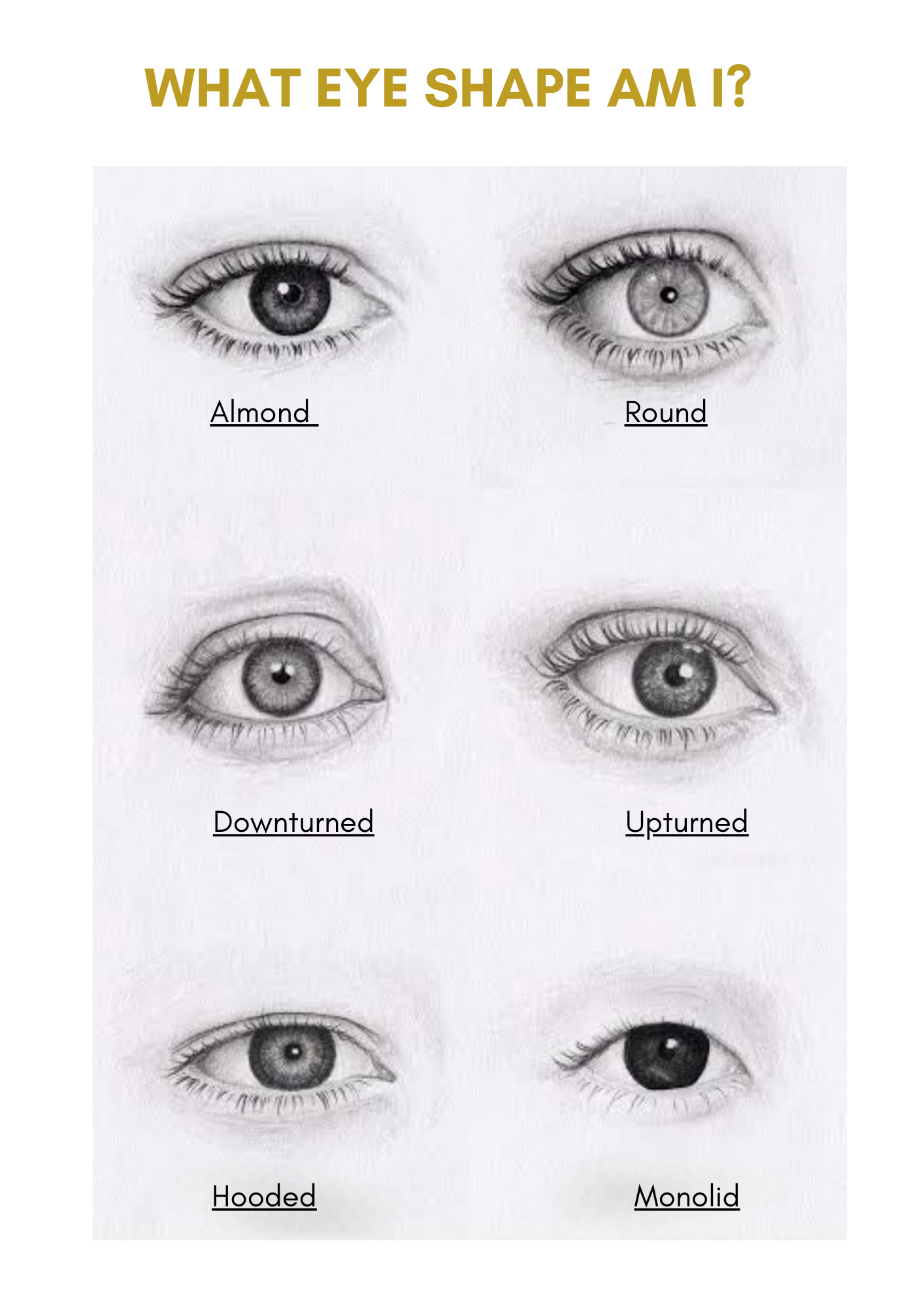
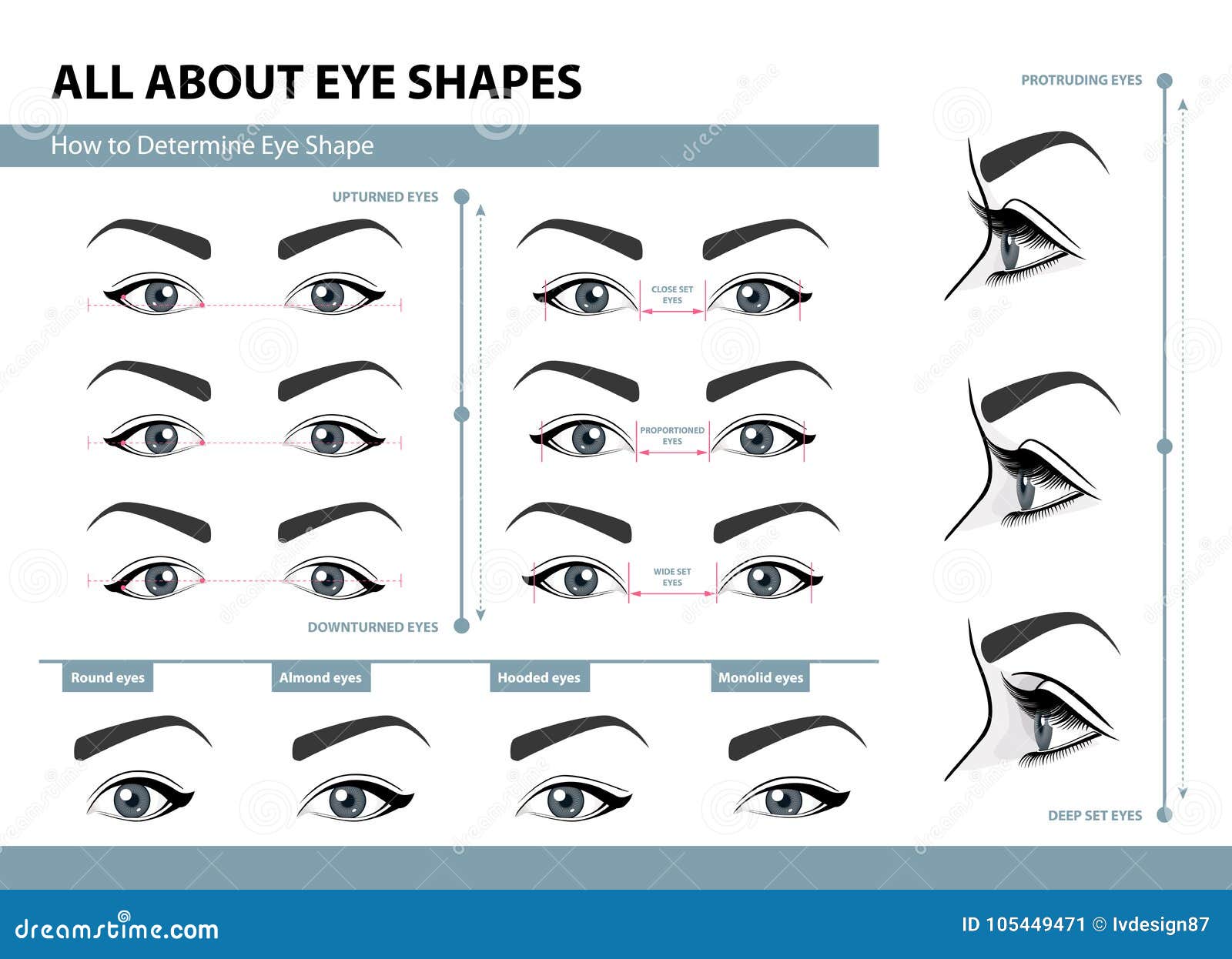
The chart serves as a visual reference, categorizing eye shapes and often including measurements. It can help individuals recognize their eye type and understand the associated terminology, such as monolid or hooded. While the specifics may vary depending on the source, the eye shape chart remains a reliable starting point for self-analysis and a great foundation for further exploration.
Understanding Eye Shapes: An Eye-Opening Guide
The eye shape chart is a valuable tool for anyone seeking to learn about the diverse shapes of eyelids and eyes. This guide will help you navigate this chart, offering a clear understanding of its purpose and use.
Key Details and Categories
The eye shape chart typically categorizes eye shapes based on the appearance of the eyelid and the visible portion of the eye. Common categories include monolid, hooded, almond, round, and deep-set eyes. Each category has unique characteristics, such as the presence or absence of a visible eyelid crease or the shape of the eye itself.
Reading the Eye Shape Chart: A Step-by-Step Guide
To read the eye shape chart, follow these steps:
Start by identifying the primary features of your eyes. Look for the presence of an eyelid crease, the shape of the eye opening, and the overall contour of the eyelid.
Compare your observations to the categories on the chart. Match the visible features of your eyes to the corresponding category.
Once you've identified your eye shape, you can explore the chart further to learn more about your specific eye type. The chart often provides additional information, such as common traits, makeup tips, or even optical considerations.
Variations and Differences: Why Do They Exist?
Variations in eye shapes are a natural part of human diversity. Genetic factors play a significant role, as eye shape is often inherited. Additionally, factors like age, ethnicity, and even lifestyle can influence the appearance of the eyelids and eyes. For instance, as we age, the skin around the eyes may change, affecting the shape and visibility of the eyelid crease.
Common Mistakes and How to Avoid Them
When using the eye shape chart, it's important to avoid these common mistakes:
Relying solely on the chart: While the chart is a great guide, individual variations exist. Take it as a starting point, but consider seeking professional advice or conducting further research for a more precise understanding.
Overlooking personal features: Each person's eyes are unique. Pay attention to your specific eye traits, such as the color, size, and spacing, as these can influence the overall appearance.
Ignoring context: The eye shape chart may not cover all situations. For example, certain medical conditions or previous surgeries can alter eye shape. Always consider your personal context and consult experts when needed.
Practical Tips for Accurate Results
To ensure accurate results when using the eye shape chart, consider these tips:
Lighting: Ensure you examine your eyes in natural light or good artificial lighting to get an accurate view.
Angle and Distance: Maintain a consistent angle and distance when observing your eyes to avoid distortion.
Compare and Contrast: Compare your eyes to the chart's examples, but also contrast them with other eye shapes to gain a broader understanding.
Seek Expert Advice: If you're unsure or have specific concerns, consult an optometrist or ophthalmologist for a professional opinion.
Remember, the eye shape chart is a valuable tool, but it's just one part of understanding your unique eye characteristics.
Remember, while this guide offers a comprehensive overview, the specifics of eye shape charts can differ slightly based on individual needs and contexts. Feel free to adapt and customize the chart to suit your unique requirements.
Consider bookmarking this page for future reference. Whether you're a makeup artist, a fashion enthusiast, or simply curious about eye shapes, having this guide handy will ensure you always have a reliable resource at your fingertips.
Related: Find Your Perfect Fit: Brooks Size Chart
The Brooks size chart is a valuable tool for anyone seeking accurate sizing information, offering a simple and effective way to find the right fit. This guide will navigate you through the various charts and sizing guides Brooks provides, ensuring you understand the process and can make an informed choice. Whether you're after a precise shoe size or need to find the perfect bra fit, these charts are designed to simplify the process, and we'll explore how to utilize them effectively.
Understanding the Brooks Size Chart
The Brooks size chart is a valuable tool for anyone looking to find their perfect fit in Brooks footwear and apparel. It provides a comprehensive guide to help you determine your ideal size across various Brooks products, ensuring a comfortable and precise fit. This chart serves as a reference, offering size conversions and measurements to assist you in making informed choices.
Key Details and Categories
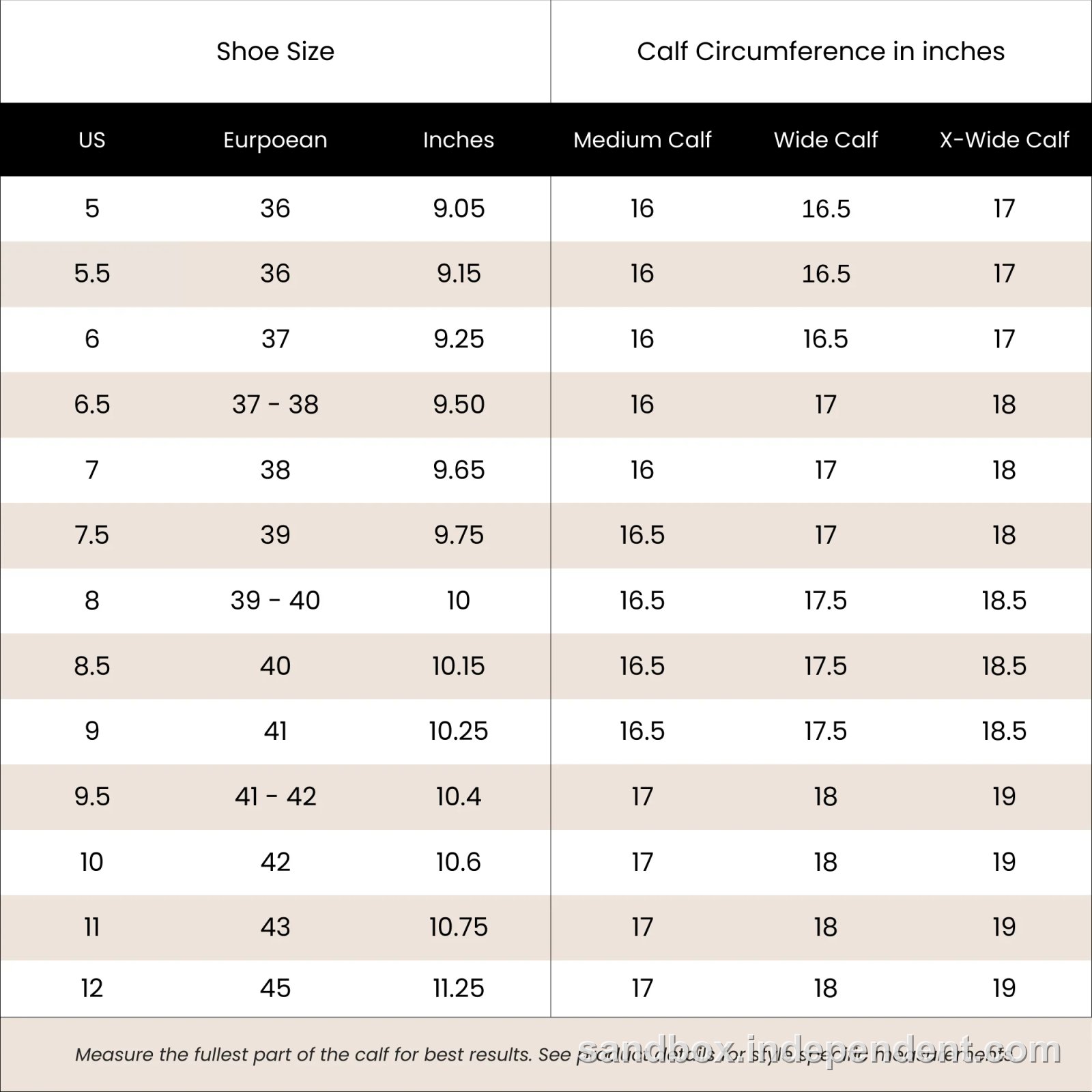
The Brooks size chart covers a range of sizes, typically starting from smaller sizes like 5 or 6 and extending up to larger sizes, such as 12 or 13, depending on the product category. It includes both men's and women's sizes, with separate charts for shoes and apparel. The shoe size chart provides measurements in both US and UK sizes, offering a conversion guide for international customers. For apparel, the chart typically uses standard sizing categories like small, medium, and large, with specific measurements for each category.
Step-by-Step Guide: Reading and Applying the Size Chart
To utilize the Brooks size chart, follow these steps:
- Identify the product category you are interested in, whether it's shoes or apparel.
- Locate the corresponding size chart for your gender.
- For shoes, find your US or UK size and refer to the provided measurements. Ensure you measure your foot length accurately, as this is crucial for a precise fit.
- In the case of apparel, identify your size category (e.g., small, medium) and refer to the provided measurements for chest, waist, and hip sizes.
- Compare your measurements with the size chart to determine the best fit. If your measurements fall between sizes, consider opting for the larger size for a more comfortable fit.
- Remember, the Brooks size chart serves as a guide, and individual preferences may vary. It's always a good idea to try on the product to ensure the perfect fit.
Size Variations and Differences
It's important to note that size variations can occur across different Brooks products and even within the same product line. These variations may be due to factors such as the intended use of the product, the materials used, or design differences. For instance, running shoes might have a slightly different fit compared to casual footwear. Additionally, Brooks may offer specialized fits, like wide or narrow options, to cater to individual foot shapes. Always refer to the specific size chart for the product you are interested in to ensure accuracy.
Common Mistakes and How to Avoid Them
When using the Brooks size chart, avoid these common mistakes:
- Relying solely on your usual shoe size without considering the specific fit of Brooks shoes.
- Neglecting to measure your feet accurately, especially if you're between sizes.
- Assuming that all Brooks apparel will fit the same; always refer to the size chart for each product.
- Failing to account for personal preferences; some may prefer a tighter or looser fit, so consider your comfort level.
- Not checking the size chart for any specific fit options, like wide or narrow, that may be available. By being mindful of these potential pitfalls, you can ensure a more accurate and satisfying shopping experience with the Brooks size chart.
Well, there you have it! A simple yet effective guide to understanding Brooks' size chart. Remember, these charts are a great tool, but it's always wise to confirm the specific details for your unique needs.
Don't forget to keep this page handy for future reference. It's a quick and easy way to ensure you're on the right track when it comes to sizing, and it might just save you some time and hassle down the line. Consider it your go-to resource for a smooth and stress-free sizing experience.