







Door Handing Chart Easy Overview
Many people approach my duke chart with hesitation, assuming it's a complex and daunting task to navigate. However, it's quite the opposite; this chart is a simple and efficient tool designed to make your life easier. My duke chart offers a straightforward reference, a quick guide to help you convert and understand various measurements and units effortlessly. It is a valuable resource, especially when you need accurate conversions at your fingertips.
Understanding My Duke Chart: A Quick Guide
My Duke Chart is a versatile and handy reference tool, offering a quick and easy way to convert and understand various measurements and units. This chart acts as a bridge between different systems, helping you navigate the world of measurements with ease. It's a valuable resource for anyone who works with or needs to understand different measurement standards.
Comparing Standards and Variations
While My Duke Chart provides a comprehensive overview, it's important to note that measurement standards can vary depending on the region and industry. The chart primarily focuses on common systems like the metric system and imperial units, but it's essential to be aware of any specific requirements or exceptions. For instance, certain industries may have unique measurement standards, and these should be double-checked for accuracy.
Step-by-Step Guide to Using My Duke Chart
To make the most of My Duke Chart, follow these simple steps:
- Identify the measurement you wish to convert or understand. This could be a length, weight, volume, or any other unit of measurement.
- Locate the relevant category or unit on the chart. My Duke Chart is organized with clear headings and subheadings, making it easy to find the right section.
- Refer to the conversion factors or values provided. These values are carefully calculated and standardized, ensuring accurate conversions.
- Perform the conversion by multiplying or dividing the original measurement by the conversion factor. The chart provides a simple and straightforward approach to conversions.
- Check the result and ensure it aligns with the desired unit or category. Cross-referencing with other reliable sources can provide further confirmation.
Common Mistakes and How to Avoid Them
When using My Duke Chart, there are a few common pitfalls to avoid:
- Misinterpreting the chart: Ensure you understand the layout and organization. Each section has specific units and conversions, so pay attention to the headings and subheadings.
- Using outdated or incorrect data: Regularly update your chart to ensure you have the latest standards and conversions. Outdated charts may lead to inaccurate results.
- Failing to consider exceptions: Certain industries or regions may have unique measurement standards. Always double-check for any specific requirements or tolerances.
Tips for Accurate Results
To ensure the highest accuracy when using My Duke Chart, consider these tips:
- Cross-reference with other reliable sources: While My Duke Chart is a trusted reference, comparing results with other charts or official standards can provide additional confidence.
- Stay informed about industry-specific standards: If you work in a specialized field, be aware of any unique measurement systems and ensure your chart reflects these accurately.
- Regularly update your chart: Measurement standards can evolve, so keeping your reference materials up-to-date is crucial.
- Seek expert advice: For complex or critical conversions, consulting with professionals or industry experts can provide the highest level of accuracy and assurance.
Well, there you have it! A comprehensive guide to creating your very own duke chart, tailored to your needs. Remember, this is a flexible tool, so ensure you adapt it to your specific context and requirements.
Feel free to explore other resources on our site to further enhance your understanding and skills. We've got a range of practical guides and tips to help you navigate various topics with ease. Happy charting!
Related: Uncover the Army Ribbons Chart: A Simple Guide
An army ribbons chart is a handy tool for anyone wanting to quickly identify and understand military awards and decorations. This guide will give you a simple breakdown of what these charts are and how they work, covering the basics you need to know.
These charts, often referred to as an army awards chart or military ribbon rack, provide a visual representation of the various service ribbons and medals. While the specific values and formats may vary, they offer a clear and concise way to display and organize these awards, ensuring an accurate and efficient reference.
Understanding Army Ribbons Chart
An army ribbons chart is a visual guide that displays the various awards and decorations earned by military personnel. It provides a clear and organized way to showcase an individual's achievements and honors. This chart is an essential tool for understanding and appreciating the recognition given to service members.
Key Details and Categories
The chart typically includes different types of ribbons, each representing a specific award or decoration. These ribbons are arranged in a specific order, known as the "award and decoration order." The order is crucial as it indicates the seniority and importance of each award. Common ribbon categories include service ribbons, campaign ribbons, and achievement medals. Each ribbon has its own unique design and color scheme, making it easy to identify.
Reading the Rack: A Step-by-Step Guide
When reading an army ribbons chart, pay attention to the placement and arrangement of the ribbons. The chart often follows a standard format, with ribbons displayed in rows or columns. Start by identifying the top row, which usually represents the highest-ranking awards. Work your way down, noting the different ribbons and their positions. Each ribbon's position indicates its order of precedence, with the most prestigious awards placed higher.
Variations and Differences
It's important to note that army ribbons charts can vary depending on the military branch and the specific standards followed. Different countries and regions may have their own unique award systems and ribbon designs. Additionally, within the same military branch, variations can occur due to changes in regulations or the introduction of new awards. Common factors that cause variations include the individual's service record, unit-specific awards, and the time period in which the awards were earned.
To ensure accuracy, it's recommended to refer to official sources and guidelines provided by the relevant military branch. These sources will provide detailed information on the correct placement and order of ribbons, ensuring an accurate and respectful display. Remember, the army awards chart is a dynamic representation of an individual's achievements, and understanding these variations is key to interpreting it correctly.
Well, there you have it! A handy chart to keep close by for all your army ribbon queries. Remember, these are general guidelines, and it's always wise to confirm the specifics for your particular situation.
Feel free to explore our other resources on similar topics. We've got a bunch of guides and references to help you navigate these details with ease. Happy learning!
Related: Read Gauge Size Charts: A Simple Guide
A common mistake people make when using a gauge size chart is assuming all charts are the same. But, it's important to remember that these charts can vary depending on the context and the specific system being used.
So, whether you're dealing with needle gauge charts or pipe gauge charts, understanding the variations and reading the right chart accurately is key. While the values and formats may differ, the gauge size chart remains a reliable tool, offering a quick and easy reference for your projects.
Understanding the Gauge Size Chart
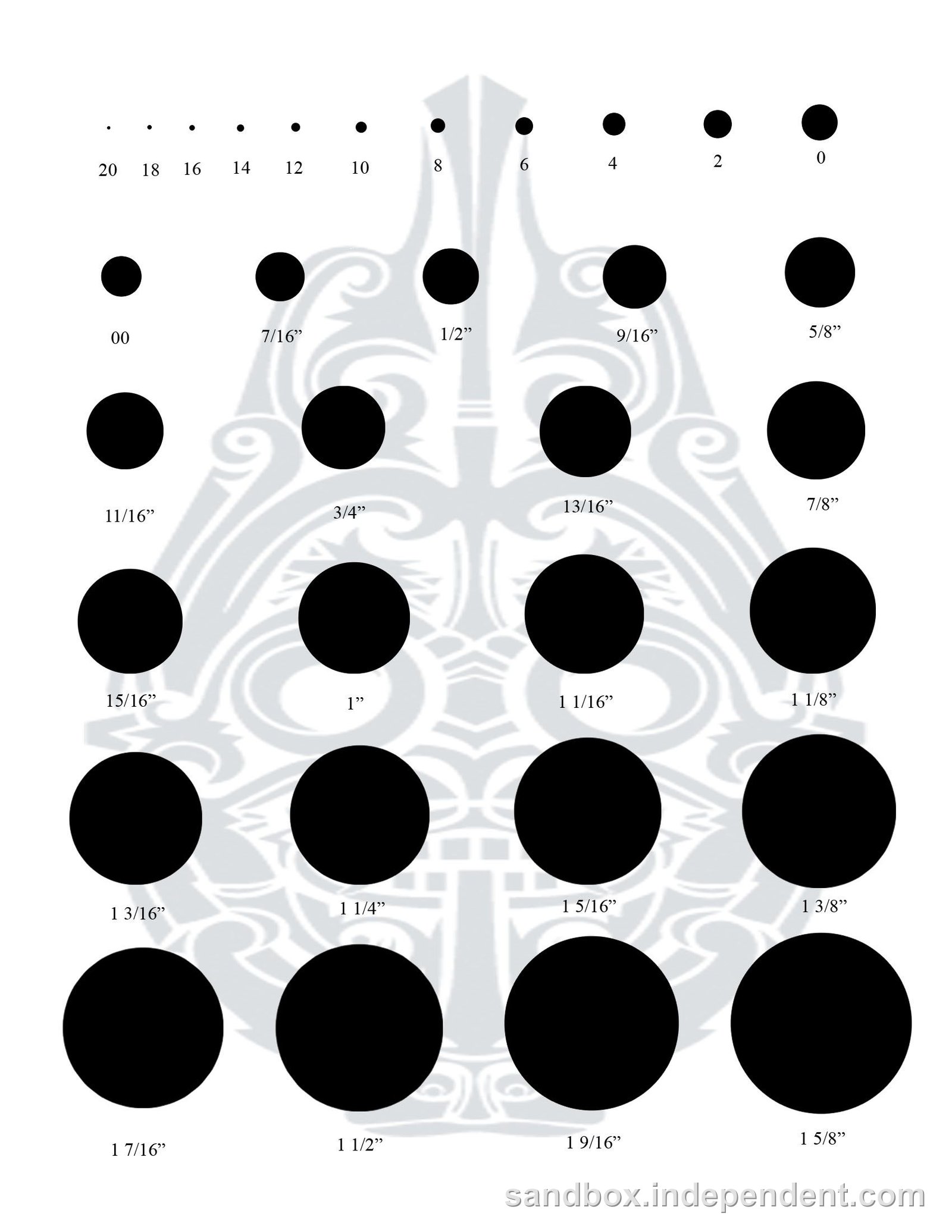
The gauge size chart is your practical guide to understanding the different sizes and measurements used for various objects and materials. It's like a roadmap that helps you navigate the world of gauges and ensures you choose the right size for your needs. This chart provides a standardized way to compare and select the appropriate gauge, whether you're dealing with needles, wires, jewelry, or pipes.
Comparing Gauge Standards and Formats
Gauge sizes can vary depending on the standard being used. There are different systems, such as the standard gauge system and metric gauge measurements, which have their own scales and ranges. For example, the needle gauge chart may use a different scale compared to the wire gauge sizes. It's essential to know which standard applies to your specific application to ensure accurate readings.
Reading the Table: A Step-by-Step Guide
When using a gauge size chart, follow these steps:
Identify the Type: Determine what you need the gauge for, such as needles, wires, or pipes. Each type may have a slightly different chart or scale.
Choose the Standard: Select the appropriate standard for your region or industry. Common standards include the US system and international metric measurements.
Locate the Size: Find the size you require on the chart. The chart will typically have a column or row dedicated to the gauge sizes, with corresponding measurements.
Convert if Needed: If your chart uses a different standard than your application, you may need to convert the size. For instance, converting between jewelry gauge sizes and metric gauge measurements might be necessary.
Common Misreadings and How to Avoid Them
Misinterpreting a gauge size chart can lead to mistakes. Here are some tips to avoid common pitfalls:
Always double-check the standard being used. Different industries or regions may have unique specifications.
Pay attention to the units. Gauge charts may use various units, such as inches or millimeters, so ensure you're reading the correct column or row.
Be aware of tolerances. Some gauges have specific tolerances, and the chart might not cover every possible variation. Check the exact specifications if needed.
Avoid assuming. Don't make assumptions about gauge sizes, especially when dealing with specialized applications. Always refer to the chart for accurate information.
Remember, the gauge size chart is a valuable tool, but it's essential to use it correctly to ensure precision and avoid errors.
Hey there! We've covered a lot of ground with this gauge size chart, giving you the lowdown on the different options and how to use them effectively. Remember, the exact details might shift a bit depending on your specific needs and the standards you're working with.
Don't stress, though; we've got you covered with a range of other guides and resources to explore. Why not check out some of our other practical posts and discover more handy tips and tricks? It's a great way to stay informed and ensure you're always using the right tools for the job. Happy reading, and keep those projects on track!