Door Handing Chart Template Overview
A bolt size chart is a handy tool for anyone working with bolts and fasteners. It's a simple yet effective way to ensure you're using the right size and type of bolt for your project. This guide will cover the basics of reading and using a bolt size chart, so you can tackle any fastening task with confidence.
These charts provide a quick reference for bolt dimensions, including length, diameter, and thread pitch. While the values may vary depending on the standard and region, a good chart will offer a clear and organized layout, making it easy to identify the bolt you need.
Understanding Bolt Size Charts
Bolt size charts are your practical guide to choosing the right bolt for any project. These charts provide a quick reference to help you match the bolt's size and specifications to your needs. It's like having a map to navigate the world of fasteners!
Key Details and Units
A bolt size chart typically includes essential information such as the bolt's diameter, length, thread pitch, and head type. These charts often follow specific standards, like the metric or imperial systems, so you'll find different charts for different regions and industries. The units used can vary, so it's crucial to know whether you're dealing with millimeters or inches.
Reading and Applying the Chart: A Step-by-Step Guide
- Start by identifying the bolt's primary purpose and the material it will fasten. This helps narrow down the options.
- Locate the diameter column on the chart. This is usually the first critical factor. Match the required diameter with the chart's values.
- Next, consider the length. The chart will provide a range of lengths for each diameter. Choose the length that best suits your project's needs.
- Thread pitch is the distance between threads. Different materials and applications may require specific thread pitches. Refer to the chart to select the appropriate pitch.
- Finally, identify the head type. Common head types include hex, socket cap, and flat. The chart will guide you on the available head types for your chosen diameter and length.
Variations and Differences
Bolt size charts can vary depending on the standard and the intended use. For instance, metric bolt sizes may have different thread pitches compared to imperial bolt standards. Additionally, specialized bolts for unique applications might have custom dimensions not found on standard charts. Always refer to the specific chart relevant to your project's needs.
Common Mistakes and How to Avoid Them
One common mistake is assuming all bolts are created equal. Different materials and applications require specific bolt dimensions. Always refer to the bolt size chart for the correct specifications. Another pitfall is ignoring the thread pitch. Using the wrong thread pitch can lead to stripped threads or poor fastening. Take the time to understand and select the right pitch.
Practical Tips for Accurate Results
When using a bolt size chart, always double-check the units. Mistakes can happen when converting between metric and imperial systems. Additionally, pay attention to the thread class, which indicates the thread's tolerance and fit. Using the wrong class can impact the bolt's performance and durability.
Double-Checking and Handling Exceptions
While bolt size charts are incredibly useful, they might not cover every edge case. For unique or specialized applications, it's best to consult the manufacturer's specifications. These can provide precise details and tolerances to ensure the bolt's performance and safety. Always err on the side of caution and double-check when dealing with critical applications.
Hey there! We've covered a lot of ground with this bolt size chart, and I hope it's given you a clear understanding of the basics. Remember, while the fundamentals remain the same, exact details might shift a little based on your specific situation or the standard you're working with.
So, the next time you're tackling a project and need a quick reference, feel free to bookmark this page. It's a handy tool to have in your back pocket, and you never know when you might need to size up those bolts!
Related: Uncover the Secrets of Door Swing Charts
You're probably familiar with the door swing chart; it's a handy reference tool that quickly clarifies door swing direction and related details. This chart is your go-to guide, offering a simple visual representation to ensure you get the door swing direction and hand right. While the values and formats may vary depending on your region and specific context, the door swing chart provides a reliable framework to work from.
Understanding Door Swing: A Practical Overview
The door swing chart is an essential reference tool for anyone involved in construction, interior design, or even DIY projects. It provides a clear visual representation of standard door measurements and their swing directions. This chart is your guide to ensuring proper door installation and functionality.
Comparing Door Swing Directions and Standards
Door swing charts typically categorize doors based on their swing direction, which is determined by the door's hand and hinge direction. The chart presents options for left-swing and right-swing doors, with further specifications for inward or outward openings. These categories are crucial for ensuring doors open and close smoothly and safely.
The standards used in the chart may vary depending on the region and specific building codes. For instance, the door swing direction chart might use different measurements and labels for the US market compared to international standards. It's important to refer to the correct chart for your location to avoid any installation errors.
Step-by-Step Guide to Using the Door Swing Chart
To utilize the door swing chart effectively, follow these simple steps:
- Identify the required door opening direction: inward or outward.
- Determine the door's hand, which indicates the side of the door with the hinges.
- Locate the corresponding category on the chart, considering the door's swing direction and hand.
- Measure and note the standard door dimensions, including the width, height, and thickness, as specified on the chart.
- Ensure you have the correct hardware, such as hinges and handles, suitable for the chosen door swing direction.
Common Misreadings and How to Avoid Them
While the door swing chart is straightforward, there are a few potential pitfalls to be aware of:
- Door swing direction is not always intuitive. Ensure you understand whether the chart refers to the door's swing when viewed from inside or outside the room.
- Variations in standards: Be mindful of the chart's specific standard and region. If you're working with a unique or custom door, double-check the exact specifications to avoid errors.
- Door hand and hinge direction can be easily confused. Take a moment to clarify which side of the door is considered the hand and ensure it aligns with the chart's categories.
Remember, while the door swing chart provides a valuable reference, it's always beneficial to consult with professionals or refer to detailed installation guides for complex projects.
Door swing charts are a handy tool, offering a quick reference guide to help you navigate the world of door specifications. While the exact details may differ slightly, the core principles remain the same, ensuring a consistent and reliable resource.
Feel free to bookmark this page for future use; it's a great way to keep this practical information at your fingertips. And don't forget to explore other guides too; there's always something new to discover and learn!
Related: What is the DMC Color Chart All About?
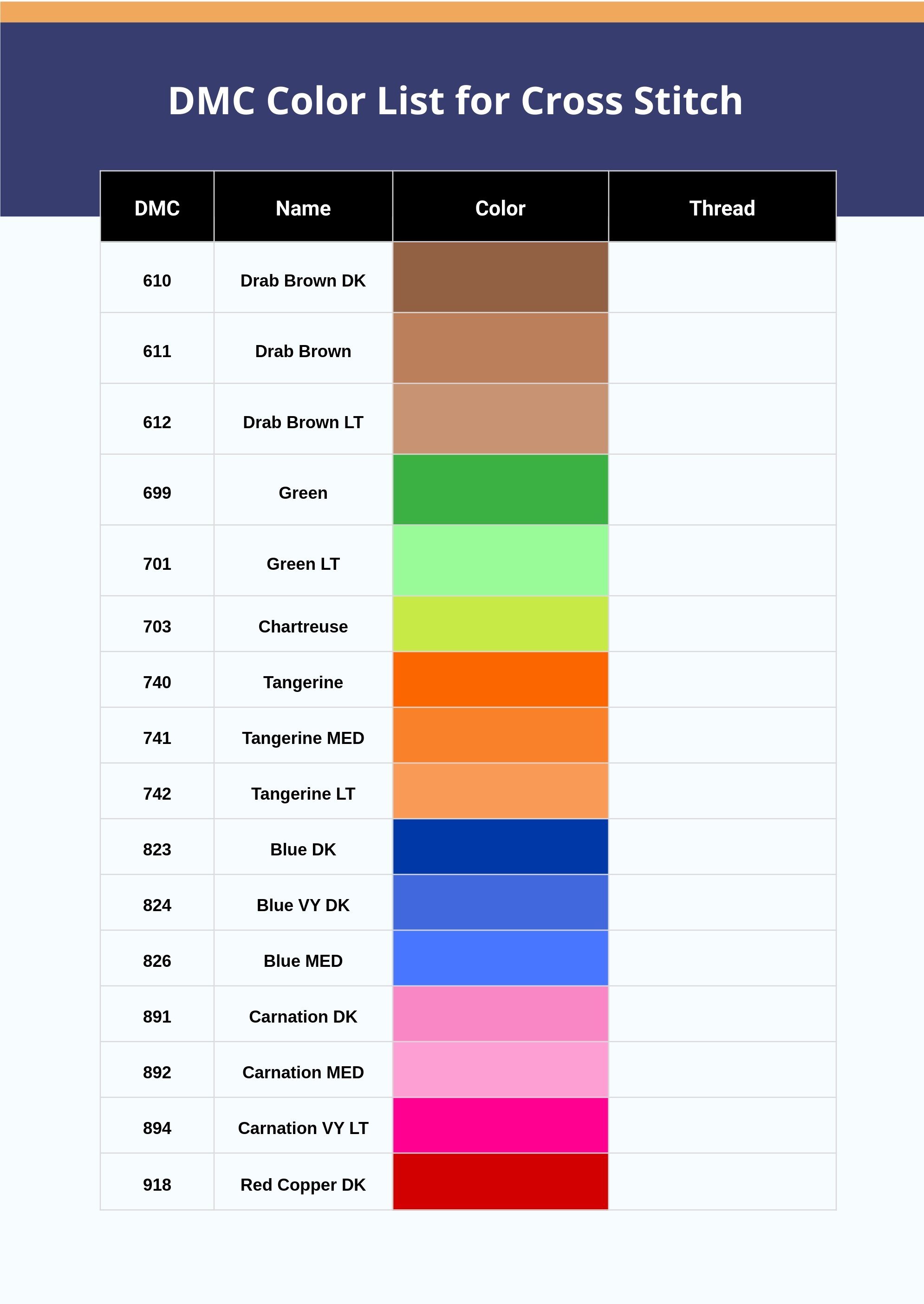
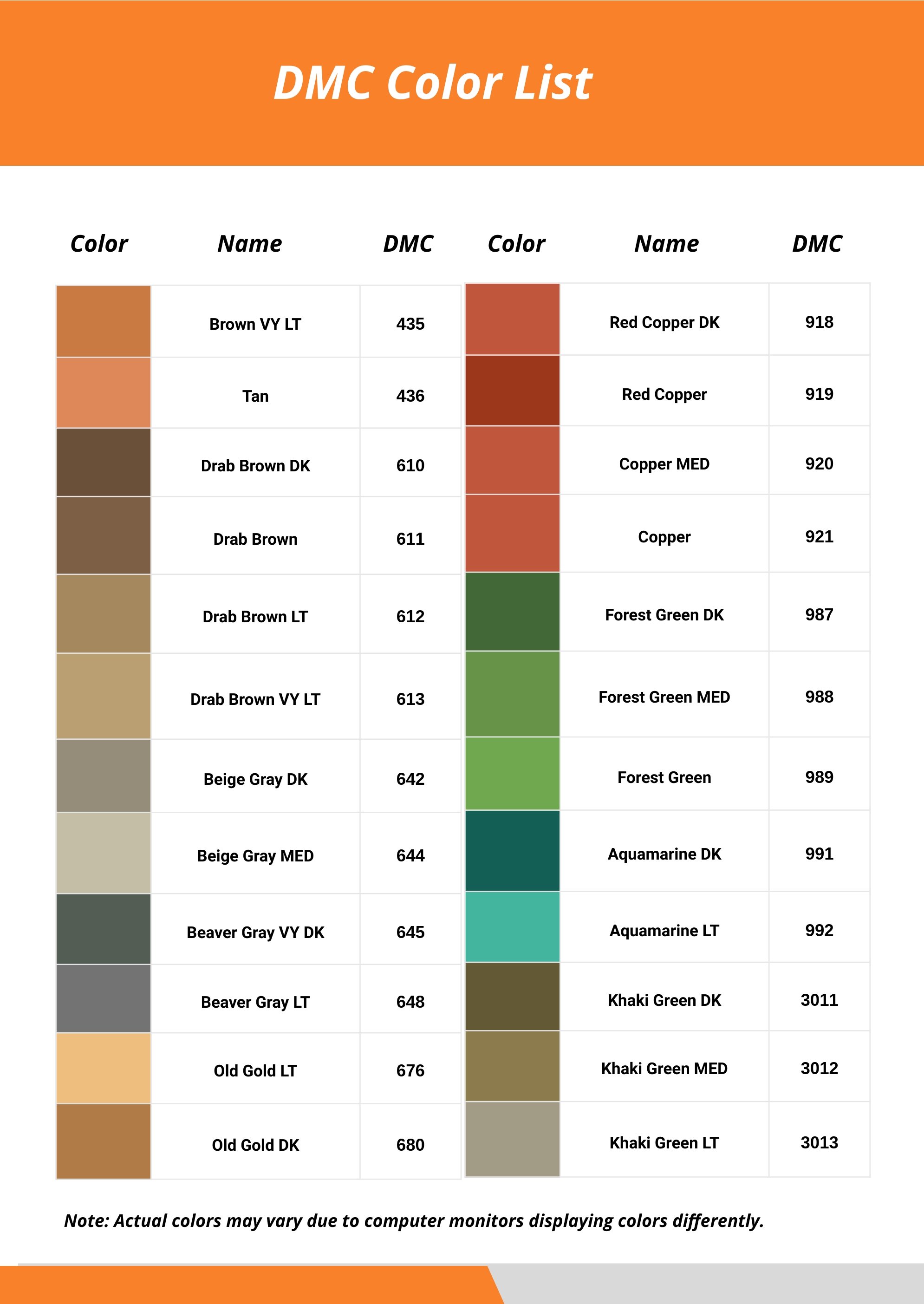
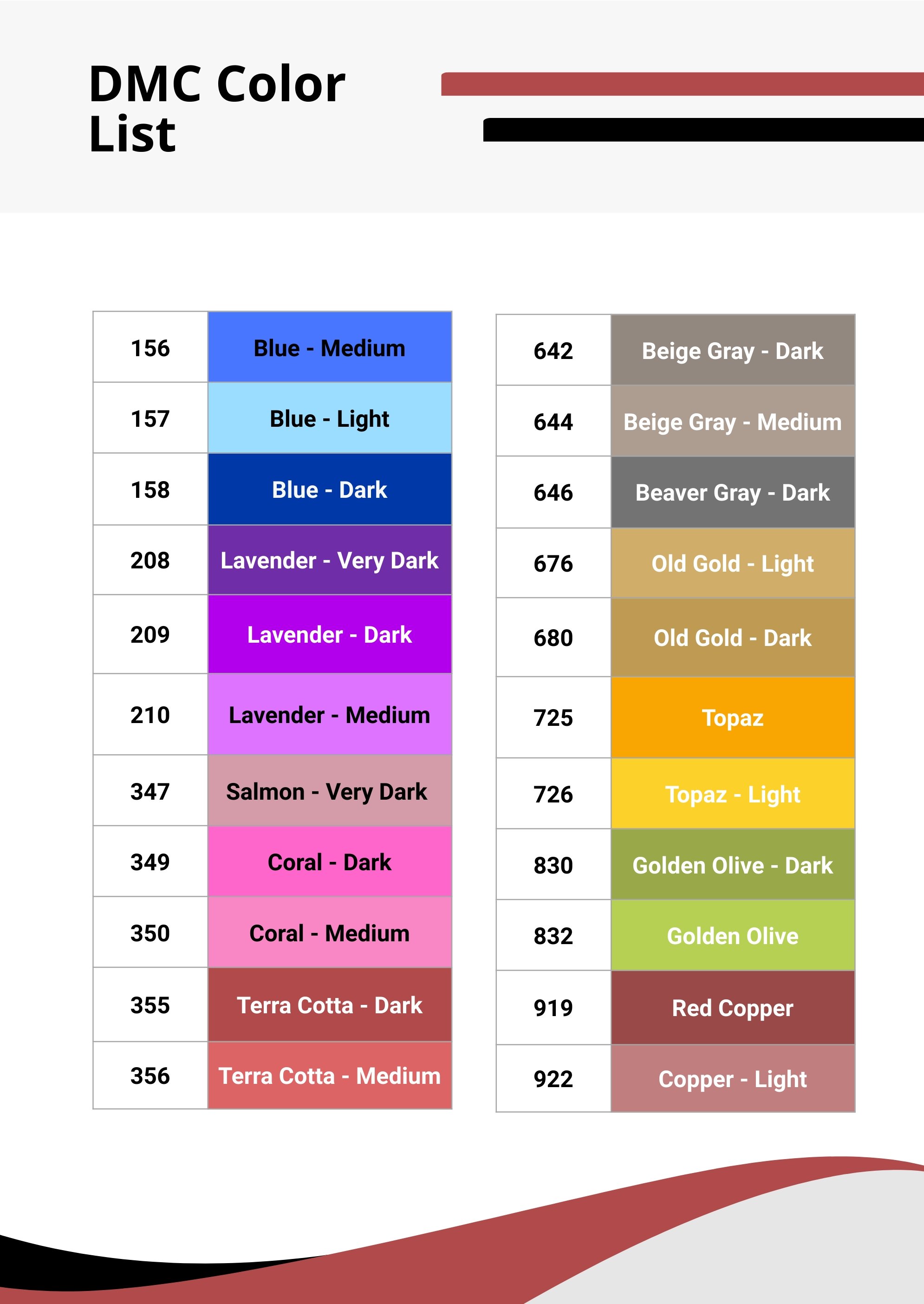
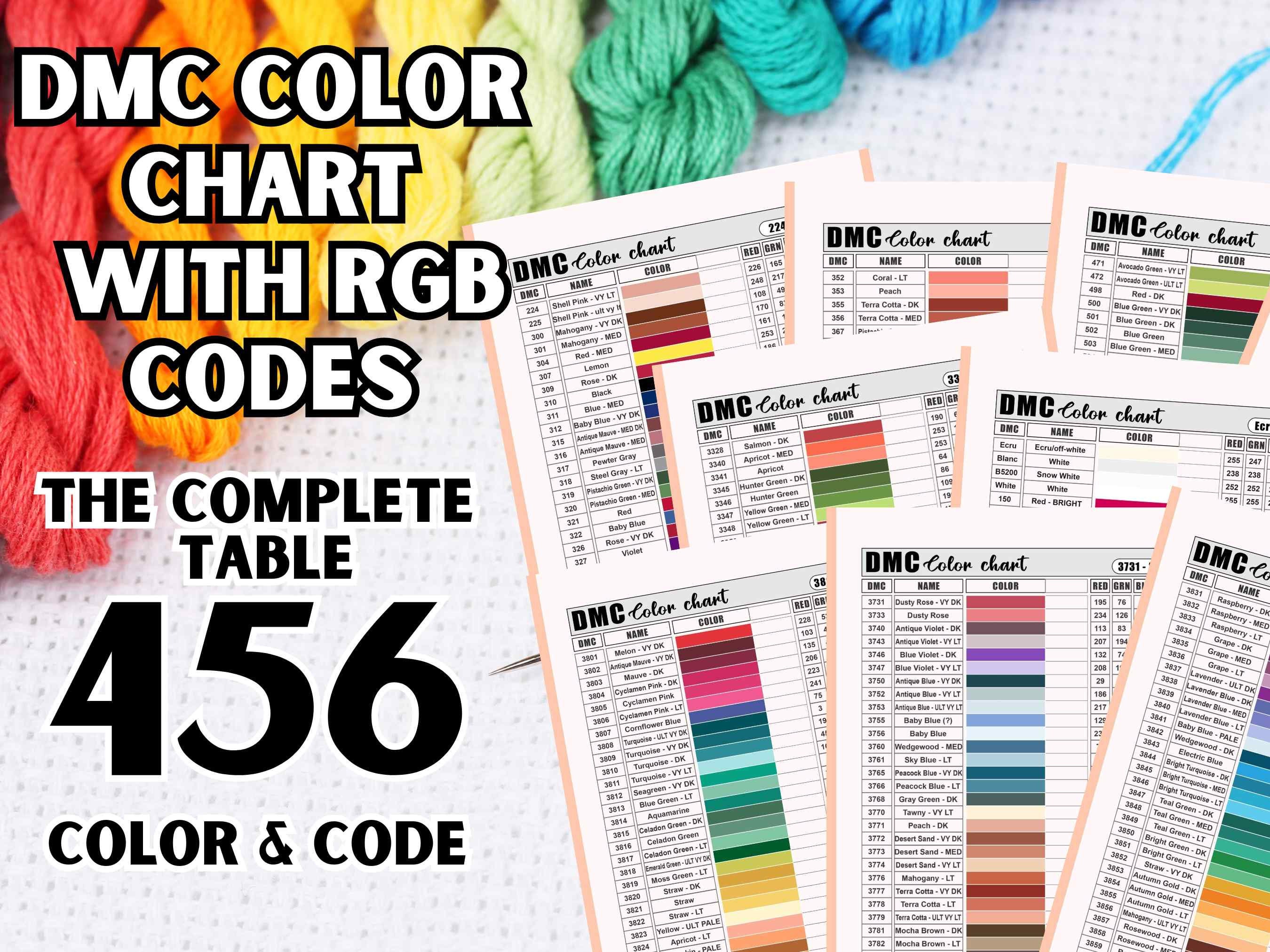
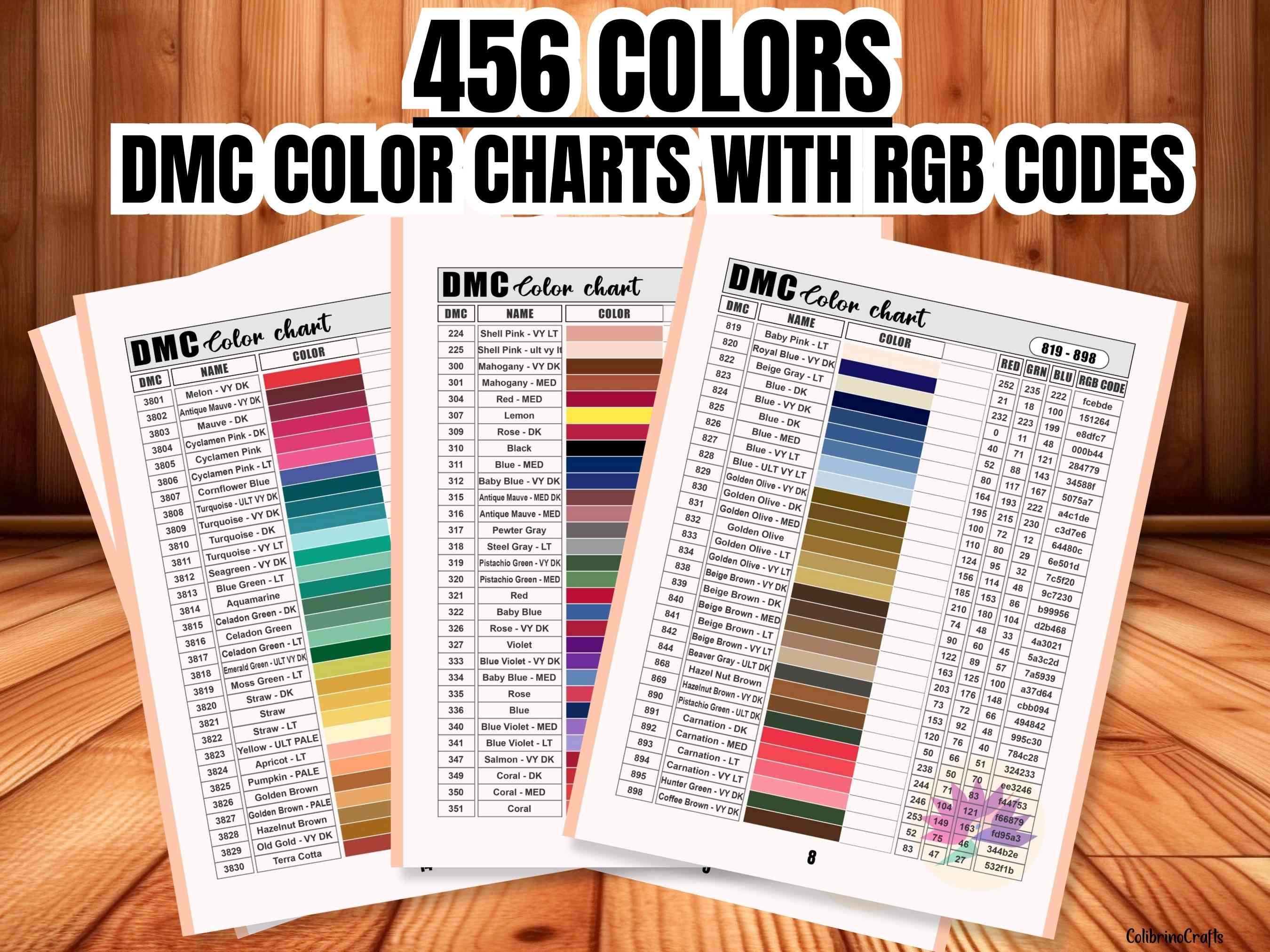
You're likely here because you need a reliable dmc color chart to guide your creative project, be it embroidery, cross-stitch, or another craft. This chart is a crucial tool, offering a clear and organized display of colors, often in the form of a thread or floss color guide. With various formats and standards, it's essential to find the right reference for your specific needs, ensuring an accurate and satisfying result.
Understanding the DMC Color Chart
The DMC color chart is an essential tool for embroidery enthusiasts and professionals. It serves as a comprehensive guide to the vast range of DMC thread colors, providing a visual reference and accurate color codes. This chart is your key to unlocking the full potential of DMC embroidery threads.
Comparing Color Standards and Formats
DMC offers a standardized color system, ensuring consistency across their thread range. The chart typically displays a color swatch with its corresponding DMC color code. These codes are unique identifiers, allowing you to easily specify and match colors accurately.
Step-by-Step Guide to Using the DMC Color Chart
- Begin by identifying the color you wish to use. Look for the desired shade on the chart, which is usually organized by color family.
- Once you've located the color, note its DMC color code. This code is essential for referencing and ordering the correct thread.
- Use the chart as a guide when selecting threads for your embroidery projects. It ensures you achieve the intended color scheme and maintain consistency.
Avoiding Common Misreadings
It's important to note that lighting conditions can affect how colors appear. Ensure you view the chart in natural light to get an accurate representation of the shades. Additionally, be mindful of the difference between on-screen colors and physical thread colors, as screens may not always display true-to-life shades.
Factors Affecting Accuracy
Several factors can influence the accuracy of color representation on the DMC color chart. These include the type of paper or fabric used for the swatches, as well as the printing process. It's advisable to cross-reference colors with actual thread samples whenever possible to ensure precise color matching.
Choosing the Right Format
DMC provides various formats of their color chart to cater to different needs. You can opt for a physical color card, which is portable and convenient for on-the-go reference. Alternatively, digital versions are available for easy access on your device. Consider your preferred method of reference and choose the format that suits your embroidery workflow.
Maintaining Reliability for Future Projects
To ensure the longevity and reliability of your DMC color chart, handle it with care. Keep it away from direct sunlight and moisture to prevent fading or damage. Regularly update your chart to the latest version, as DMC may introduce new colors or make adjustments to their color range. By doing so, you'll always have an accurate and up-to-date reference for your embroidery endeavors.
Remember, the specifics of your DMC color chart may differ slightly, so it's always good to refer back to this guide for a quick refresh. Exact values can vary, so it's best to have your trusted reference at hand.
Feel free to bookmark this page for future use, and check out our other guides for more practical tips and insights. We aim to provide clear, concise information, so you can navigate these topics with ease. Happy crafting!