Dragon Pictures To Color Overview
A color mixing chart is a valuable tool for artists, designers, and anyone working with colors. It provides a visual guide to creating new hues by combining different colors. This simple yet effective resource is a go-to for those seeking an accurate and quick reference.
The chart offers a clear overview of color relationships, often featuring a color wheel and various mixing methods like additive and subtractive techniques. While formats may vary, the core purpose remains: to help you master the art of color blending with ease.
Understanding the Color Mixing Chart
The color mixing chart is a valuable tool for artists, designers, and anyone working with colors. It provides a visual guide to creating new colors by mixing primary and secondary hues. This chart simplifies the process of achieving desired shades and tones, making it an essential reference for color enthusiasts.
Key Details and Categories
The color wheel forms the basis of most color mixing charts. It represents the relationship between colors, with primary colors (red, blue, and yellow) and their combinations creating secondary and tertiary hues. The chart typically displays these colors in a circular format, making it easy to identify complementary and analogous colors.
Additionally, the chart may include various color models, such as RGB (for digital screens) and CMYK (for printing). These models offer different approaches to color mixing, considering the specific mediums and their unique characteristics.
Reading and Applying the Chart
To use the color mixing chart effectively:
- Identify the primary colors and their positions on the chart. These are the foundation for creating new shades.
- Locate the desired secondary or tertiary color you wish to achieve. The chart will show the combination of primary colors needed to create it.
- Mix the specified primary colors in the indicated proportions. For instance, if the chart suggests equal parts of two primary colors, ensure an even mix.
- Adjust the mixture by adding more of a specific color if needed. This allows for subtle variations and the creation of unique shades.
- Consider the medium you are working with. Different mediums, like paint or digital design, may require specific adjustments to achieve the desired result.
Variations and Differences
While color mixing charts provide a consistent framework, variations can occur due to several factors:
- Different color models, such as RGB and CMYK, have unique color spaces and capabilities, leading to slight variations in the final outcome.
- The quality and brand of pigments or dyes used can impact the resulting color, especially when mixing paints.
- Lighting conditions and the surface on which the color is applied can affect its appearance. What looks vibrant in natural light may appear different under artificial lighting.
- Personal perception and interpretation of colors can also lead to slight variations in mixing results.
Common Mistakes and How to Avoid Them
When working with a color mixing chart, avoid these common pitfalls:
- Overlooking the specific color model or medium the chart is designed for. Ensure you are using the right chart for your needs.
- Not paying attention to the proportions indicated on the chart. Precise measurements or ratios are crucial for accurate color mixing.
- Assuming all colors will mix predictably. Some colors may have unique behaviors, especially when combining complementary hues.
- Forgetting to consider the context and lighting conditions in which the color will be used. Test your mixed colors in the intended environment to ensure they meet your expectations.
Remember, while this guide provides a solid foundation, color mixing can be a nuanced art. Exact values and standards may differ, so it's always a good idea to double-check and adapt to your specific needs.
Feel free to explore our other guides for more practical tips and insights. And don't forget to bookmark this page for a handy reference—it's always good to have a quick reminder of the basics!
Related: Need a Hair Color Guide? Use Our Simple Chart
Many people approach hair colors charts with a bit of trepidation, assuming they are complex and confusing. But fear not! These charts are your friends and can be incredibly useful tools.
They provide a simple, visual way to understand and choose hair colors. While the specific values and formats may vary, the hair colors chart remains a reliable guide, offering a clear path to achieving your desired hair color. Think of it as a map, leading you to your perfect shade, with the color wheel and hair color levels acting as your compass.
Hair Colors Chart: A Visual Guide to Hair Dye Shades
The hair colors chart is a handy reference tool for anyone looking to experiment with hair dye. It's a visual representation of different hair colors, shades, and tones, helping you choose and understand the various options available. This chart is a great starting point for anyone new to hair coloring or those seeking a specific shade.
Key Details and Categories
The hair color guide typically features a range of colors, organized into sections or families. You'll often find categories like "blonde," "brunette," "red," and "black," with further subdivisions for specific shades. Each color is usually represented by a swatch or a small square, showing the exact shade. Additionally, the chart may include a color wheel or a visual representation of color theory, which helps understand the relationships between colors.
Reading and Applying the Chart
To use the hair colors chart, start by identifying the color family you're interested in. Let's say you're looking for a specific shade of brown. Locate the "brunette" section and explore the various shades within. Each shade will have a unique code or number, which represents the specific formulation of that color. These codes are essential when purchasing hair dye, as they ensure you get the exact shade you want.
Here's a step-by-step guide:
- Identify the color family.
- Locate the specific shade you desire.
- Note the corresponding code or number.
- Use this code when purchasing hair dye to ensure an accurate match.
Variations and Differences
It's important to note that hair color charts may vary depending on the brand or manufacturer. Different companies may use slightly different shades or numbering systems. Additionally, the way hair reacts to dye can vary based on individual hair types and previous coloring treatments. Here are some key factors that can cause variations:
- Tone and depth: Hair color can appear different depending on the natural tone and depth of your hair.
- Previous coloring: If your hair has been dyed before, the new color may interact with the existing dye, resulting in a unique outcome.
- Hair type: The porosity and texture of your hair can affect how it absorbs and holds color.
- Environmental factors: Sun exposure and water quality can impact the longevity and vibrancy of your hair color.
When using a hair color chart, it's always a good idea to consult with a professional stylist, especially if you're aiming for a specific look or have unique hair characteristics. They can guide you towards the best shade and provide tips for achieving and maintaining your desired hair color.
Hey there! So, we've covered a lot of ground with this hair color chart, and I hope it's given you a clear picture of what you need to know. Remember, these charts are a great starting point, but exact details can differ slightly, so it's always good to double-check.
Feel free to explore our other guides; we've got plenty of practical tips and tricks to help you navigate the world of hair care and styling. Happy coloring!
Related: What is the DMC Color Chart All About?
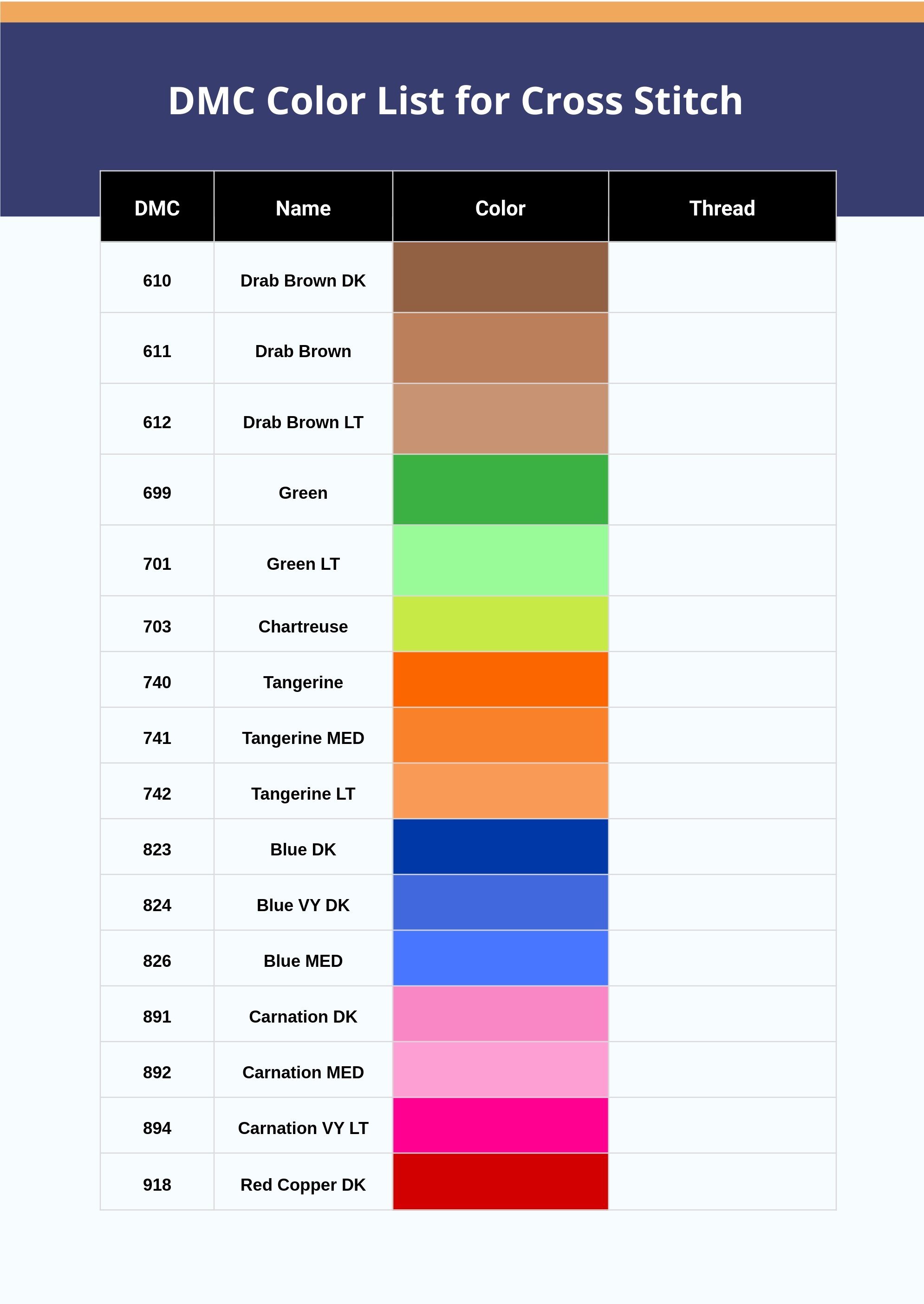
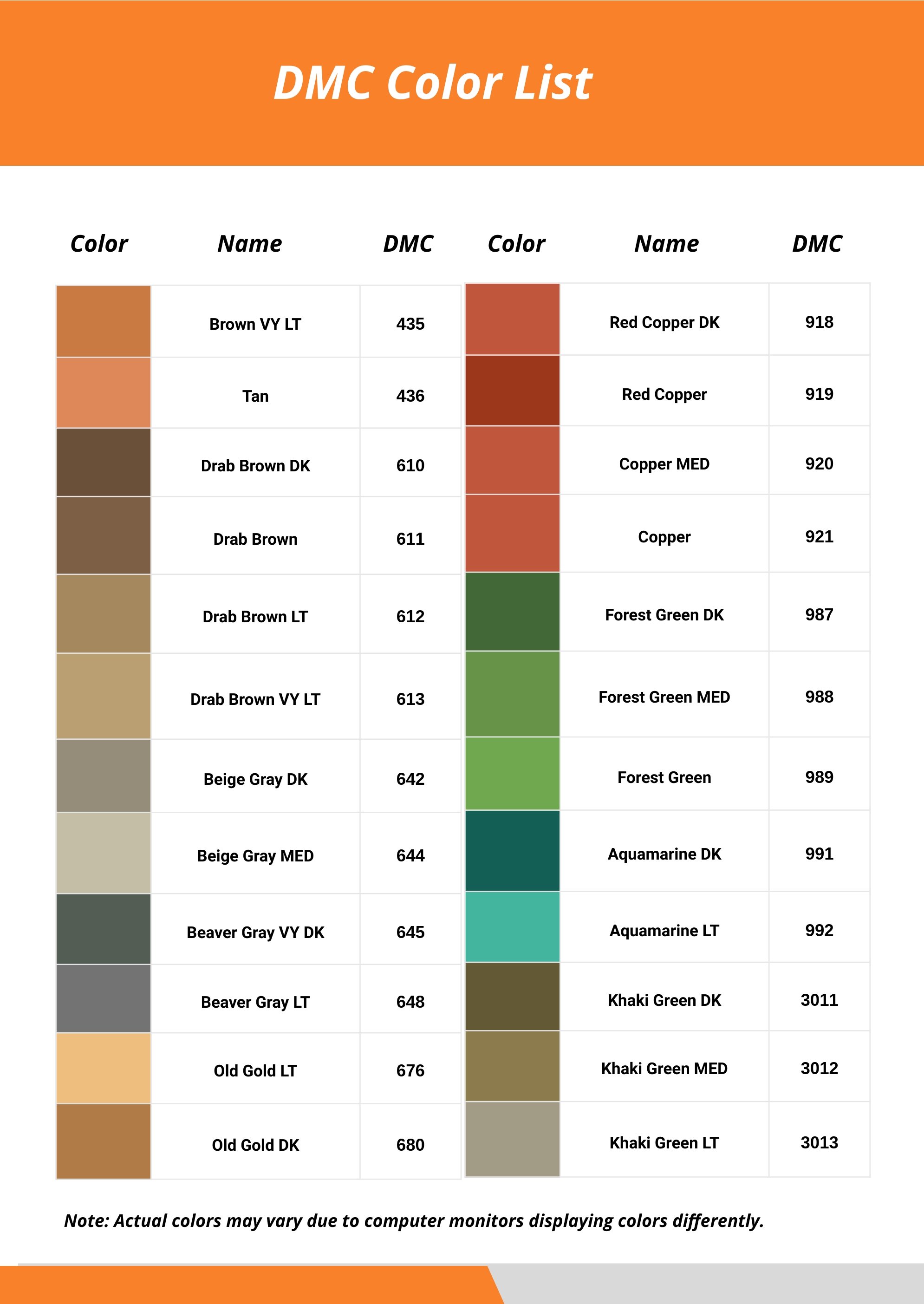
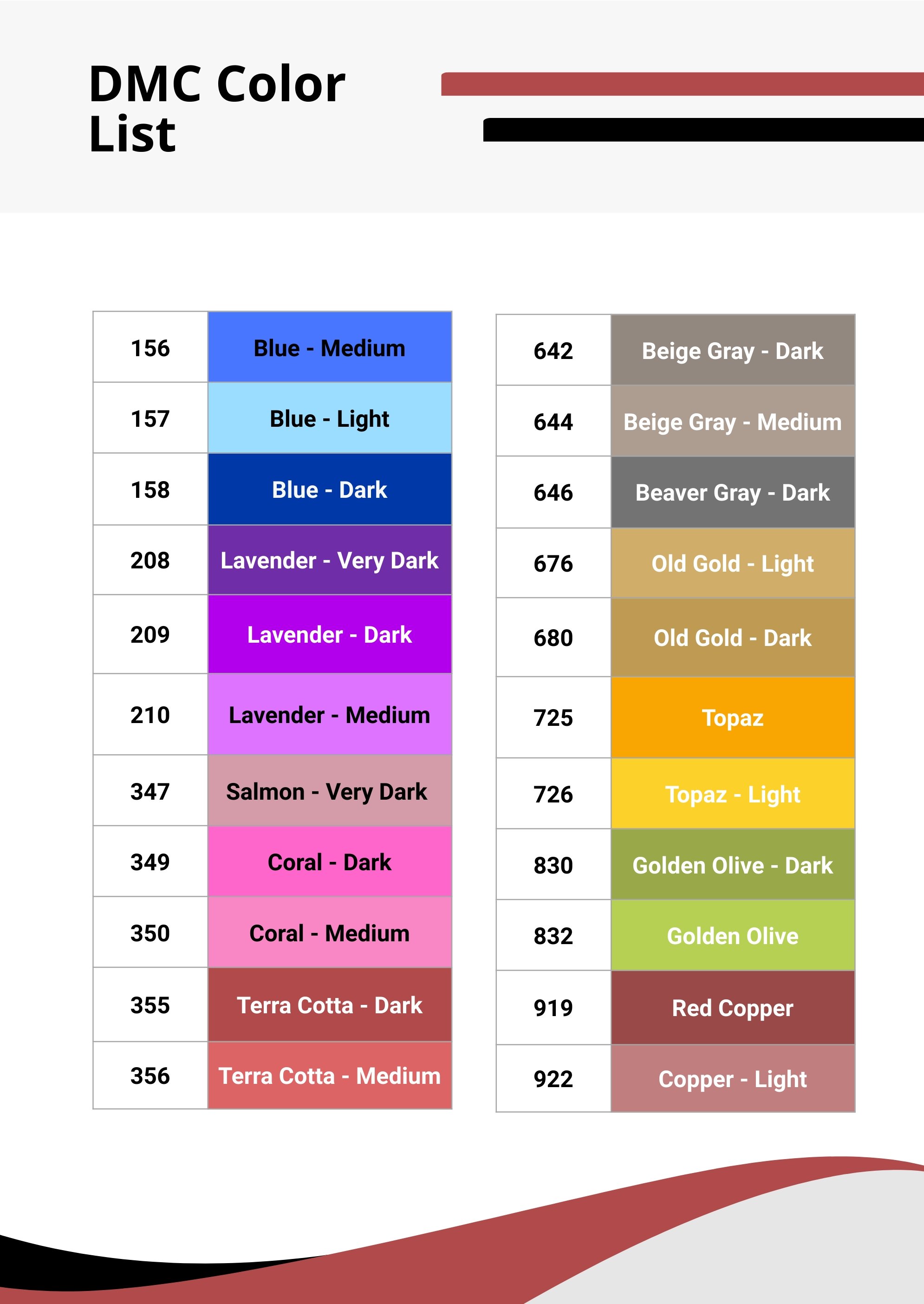
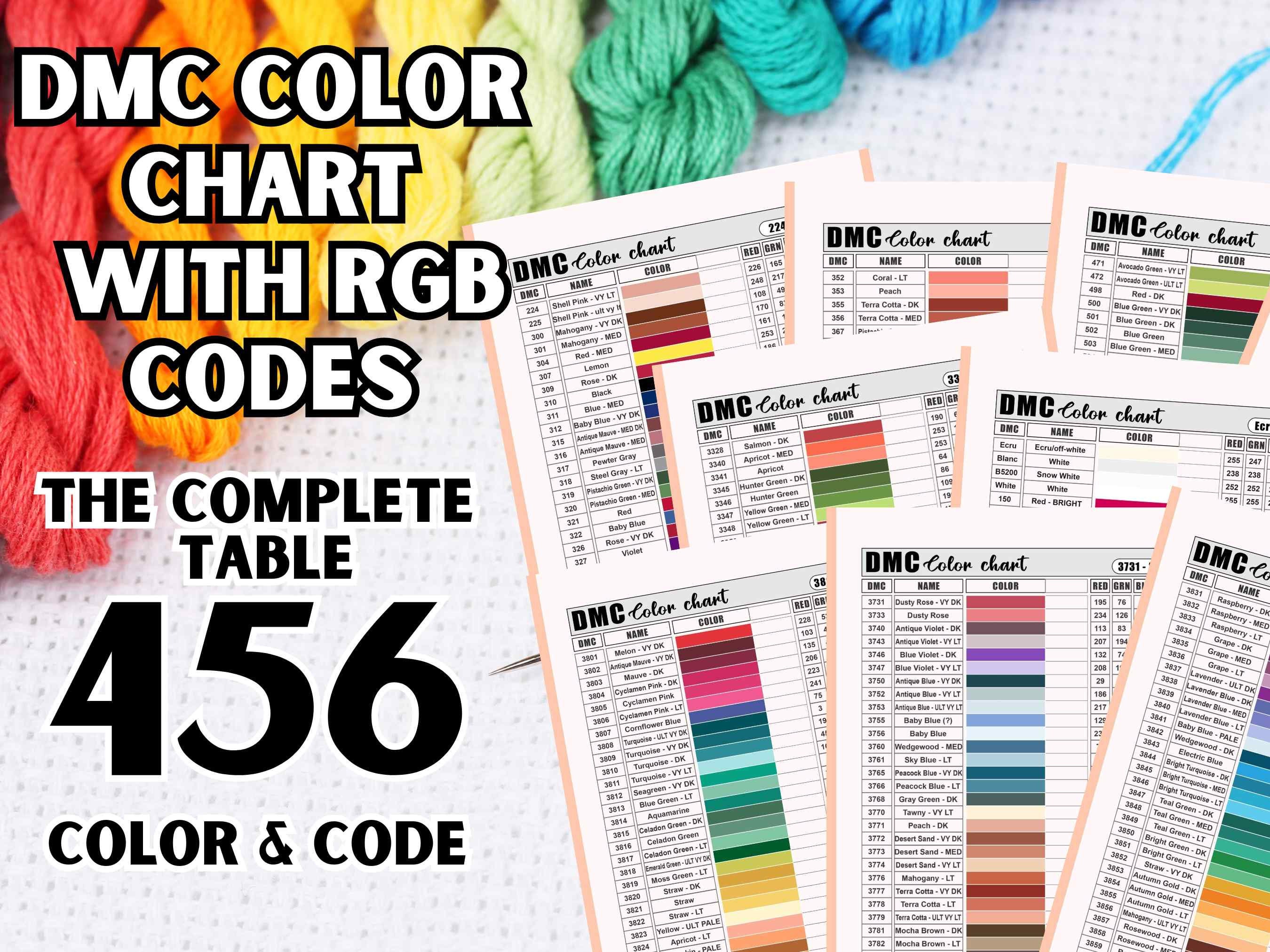
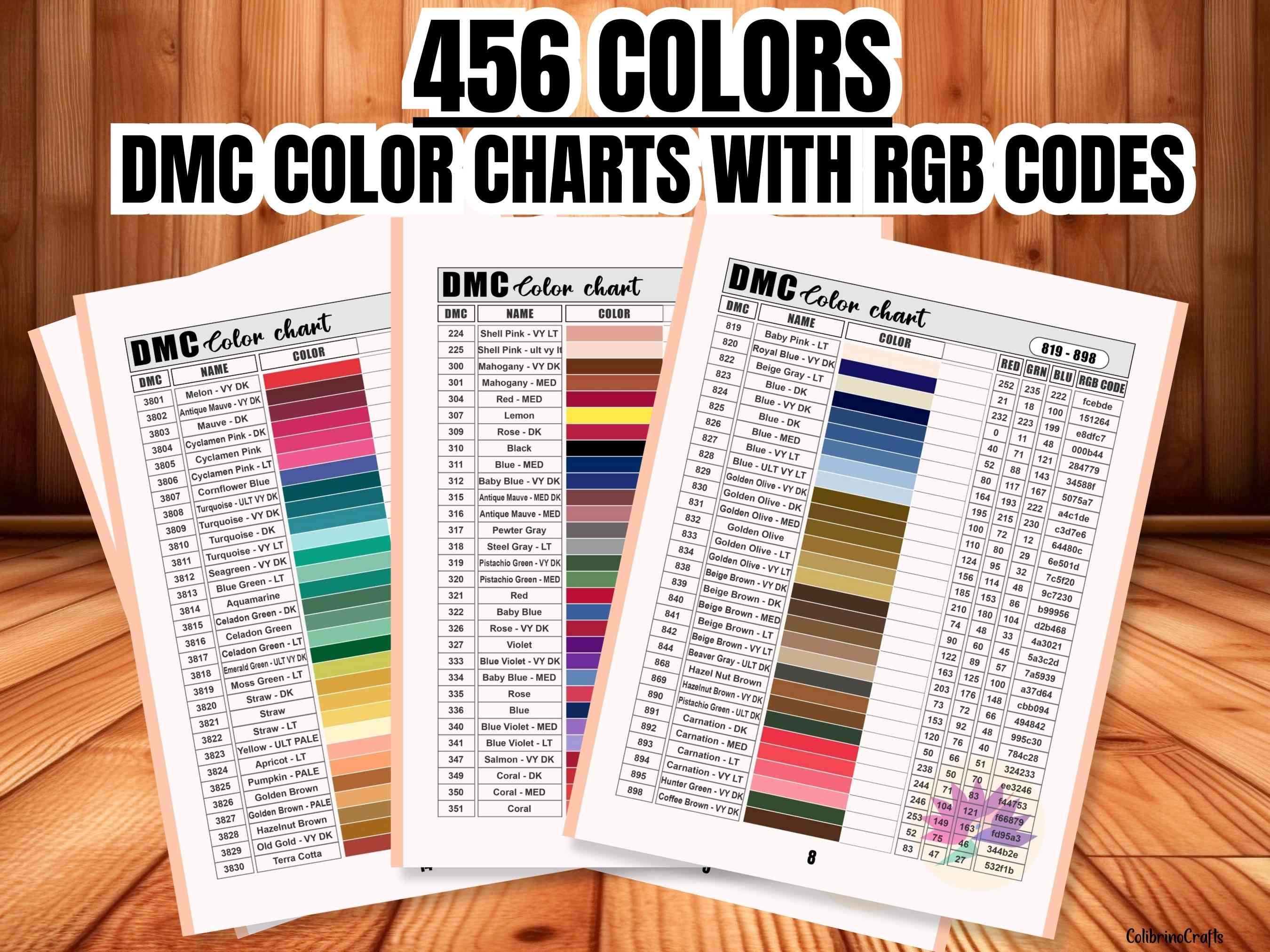
You're likely here because you need a reliable dmc color chart to guide your creative project, be it embroidery, cross-stitch, or another craft. This chart is a crucial tool, offering a clear and organized display of colors, often in the form of a thread or floss color guide. With various formats and standards, it's essential to find the right reference for your specific needs, ensuring an accurate and satisfying result.
Understanding the DMC Color Chart
The DMC color chart is an essential tool for embroidery enthusiasts and professionals. It serves as a comprehensive guide to the vast range of DMC thread colors, providing a visual reference and accurate color codes. This chart is your key to unlocking the full potential of DMC embroidery threads.
Comparing Color Standards and Formats
DMC offers a standardized color system, ensuring consistency across their thread range. The chart typically displays a color swatch with its corresponding DMC color code. These codes are unique identifiers, allowing you to easily specify and match colors accurately.
Step-by-Step Guide to Using the DMC Color Chart
- Begin by identifying the color you wish to use. Look for the desired shade on the chart, which is usually organized by color family.
- Once you've located the color, note its DMC color code. This code is essential for referencing and ordering the correct thread.
- Use the chart as a guide when selecting threads for your embroidery projects. It ensures you achieve the intended color scheme and maintain consistency.
Avoiding Common Misreadings
It's important to note that lighting conditions can affect how colors appear. Ensure you view the chart in natural light to get an accurate representation of the shades. Additionally, be mindful of the difference between on-screen colors and physical thread colors, as screens may not always display true-to-life shades.
Factors Affecting Accuracy
Several factors can influence the accuracy of color representation on the DMC color chart. These include the type of paper or fabric used for the swatches, as well as the printing process. It's advisable to cross-reference colors with actual thread samples whenever possible to ensure precise color matching.
Choosing the Right Format
DMC provides various formats of their color chart to cater to different needs. You can opt for a physical color card, which is portable and convenient for on-the-go reference. Alternatively, digital versions are available for easy access on your device. Consider your preferred method of reference and choose the format that suits your embroidery workflow.
Maintaining Reliability for Future Projects
To ensure the longevity and reliability of your DMC color chart, handle it with care. Keep it away from direct sunlight and moisture to prevent fading or damage. Regularly update your chart to the latest version, as DMC may introduce new colors or make adjustments to their color range. By doing so, you'll always have an accurate and up-to-date reference for your embroidery endeavors.
Remember, the specifics of your DMC color chart may differ slightly, so it's always good to refer back to this guide for a quick refresh. Exact values can vary, so it's best to have your trusted reference at hand.
Feel free to bookmark this page for future use, and check out our other guides for more practical tips and insights. We aim to provide clear, concise information, so you can navigate these topics with ease. Happy crafting!