

Drawing Sofia The First Overview
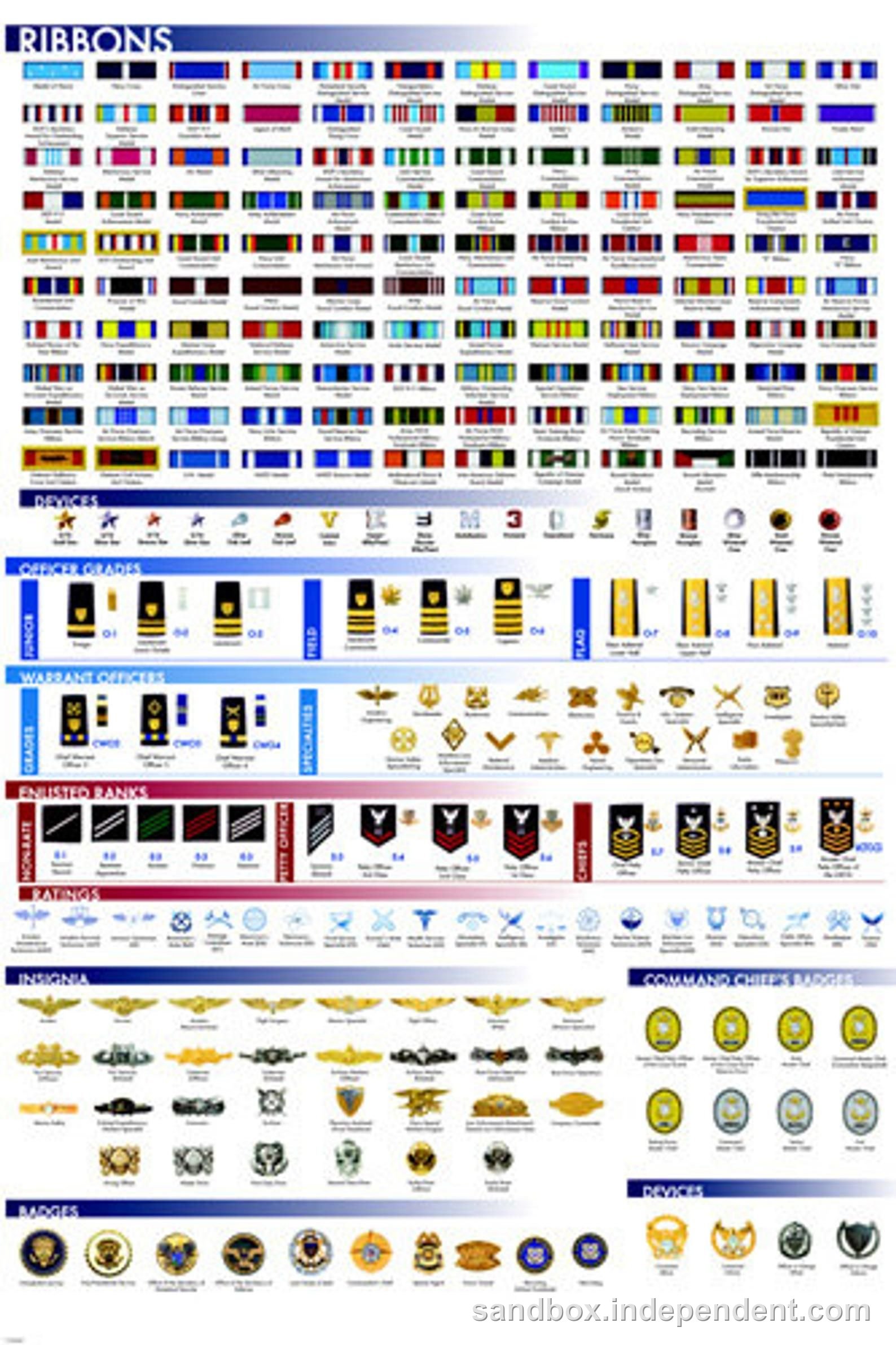
A navy ribbon chart is a handy tool for anyone working with ribbons, especially those in the navy blue shade. This guide will give you a quick rundown on what these charts are and how they can be useful.
Ribbon charts are a simple yet effective way to visualize and understand ribbon measurements. They provide a clear overview of ribbon width, length, and size, ensuring accuracy and consistency. While the values may vary depending on the context and region, these charts offer a reliable reference point.
Understanding the Navy Ribbon Chart: A Quick Overview
The navy ribbon chart is a handy tool for anyone working with navy blue ribbons, whether for crafting, sewing, or other projects. It provides a visual guide to help you choose the right ribbon size and understand its dimensions. This chart is especially useful when you need precise measurements and want to avoid any guesswork.
Comparing Ribbon Sizes and Formats
Ribbon sizes can vary, and the navy ribbon chart typically covers a range of standard widths and lengths. You'll find ribbon widths expressed in inches or centimeters, depending on the chart's standard. Common widths include 1/4", 1/2", 1", and 2" for inch-based charts, and 0.6 cm, 1.2 cm, 2.5 cm, and 5 cm for metric charts. Lengths can vary greatly, often offered in standard rolls of 10, 25, or 50 yards, or sold by the yard.
Step-by-Step Guide: Using the Navy Ribbon Chart Accurately
To use the navy ribbon chart effectively:
Identify the ribbon width you need for your project. This is crucial as it determines the ribbon's visual impact and functionality.
Refer to the chart to find the corresponding length options for that width. The chart will show you the standard roll lengths available for that width.
Consider the quantity you require. If you need a large quantity, it's often more cost-effective to opt for longer roll lengths, even if it exceeds your immediate needs.
Double-check the ribbon's intended use. Some ribbons, while similar in appearance, may have different purposes, such as gift wrapping or crafting. Ensure you choose the right type for your project.
Take note of any special features or finishes, such as wired edges or specialty prints, as these can impact the ribbon's behavior and appearance.
Avoiding Common Misreadings and Pitfalls
It's easy to misinterpret the navy ribbon chart if you're not familiar with ribbon terminology. Here are some common mistakes and how to avoid them:
Ribbon Width: Always clarify if the width is measured flat or folded. Some charts specify this, but others assume you know. Flat width is the full width, while folded width is half of that.
Ribbon Length: Be aware that some charts may list length in yards, while others use meters. Always check the units to ensure accuracy.
Special Features: Certain ribbons have unique features, like wired edges or printed patterns. These may not be immediately obvious on the chart, so always read the fine print or product description.
Color Variation: While the focus is on navy blue, different manufacturers may have slight variations in color shade. If color match is critical, request a sample or check reviews for consistency.
Factors Affecting Accuracy and Real-World Use
While the navy ribbon chart is a valuable tool, it's important to remember that real-world applications can vary. Here are some key factors to consider:
Manufacturing Tolerances: Ribbon dimensions can have slight variations due to manufacturing processes. Always allow for a small margin of error, especially for critical projects.
Material Stretch: Some ribbon materials, like satin or grosgrain, have more stretch than others. Consider this when choosing the ribbon, especially if precise measurements are essential.
Environmental Factors: Heat, humidity, and storage conditions can affect ribbon dimensions over time. Store your ribbons properly to minimize these effects.
Project Requirements: Different projects have unique demands. Always review your specific needs and consider factors like durability, ease of use, and visual appeal.
The navy ribbon chart is a practical guide, but it's just the starting point. By understanding these factors and using the chart accurately, you'll be well-equipped to choose the perfect ribbon for your projects.
Hey there! I hope this guide has given you a clear understanding of navy ribbon charts and their practical use. Remember, while the basics remain the same, the exact details might differ slightly based on your specific situation and the standards you're working with.
Feel free to explore other guides on our site for more detailed insights and variations. We've got a range of topics covered, so you can dive deeper into any area that piques your interest. Happy learning!
Related: Understanding the Mens Size Chart
You've found yourself searching for a mens size chart, perhaps for a specific item or to understand the sizing standards better. This chart is a handy tool, offering a quick and visual way to navigate clothing and shoe sizes, especially when you need to get the right fit. It provides a simple reference, often with clear columns and rows, making it easy to find your size and ensure a comfortable, well-fitted garment. While the values and formats may vary, depending on the brand or region, the mens size chart is a reliable starting point for anyone seeking a precise fit.
Understanding the Mens Size Chart
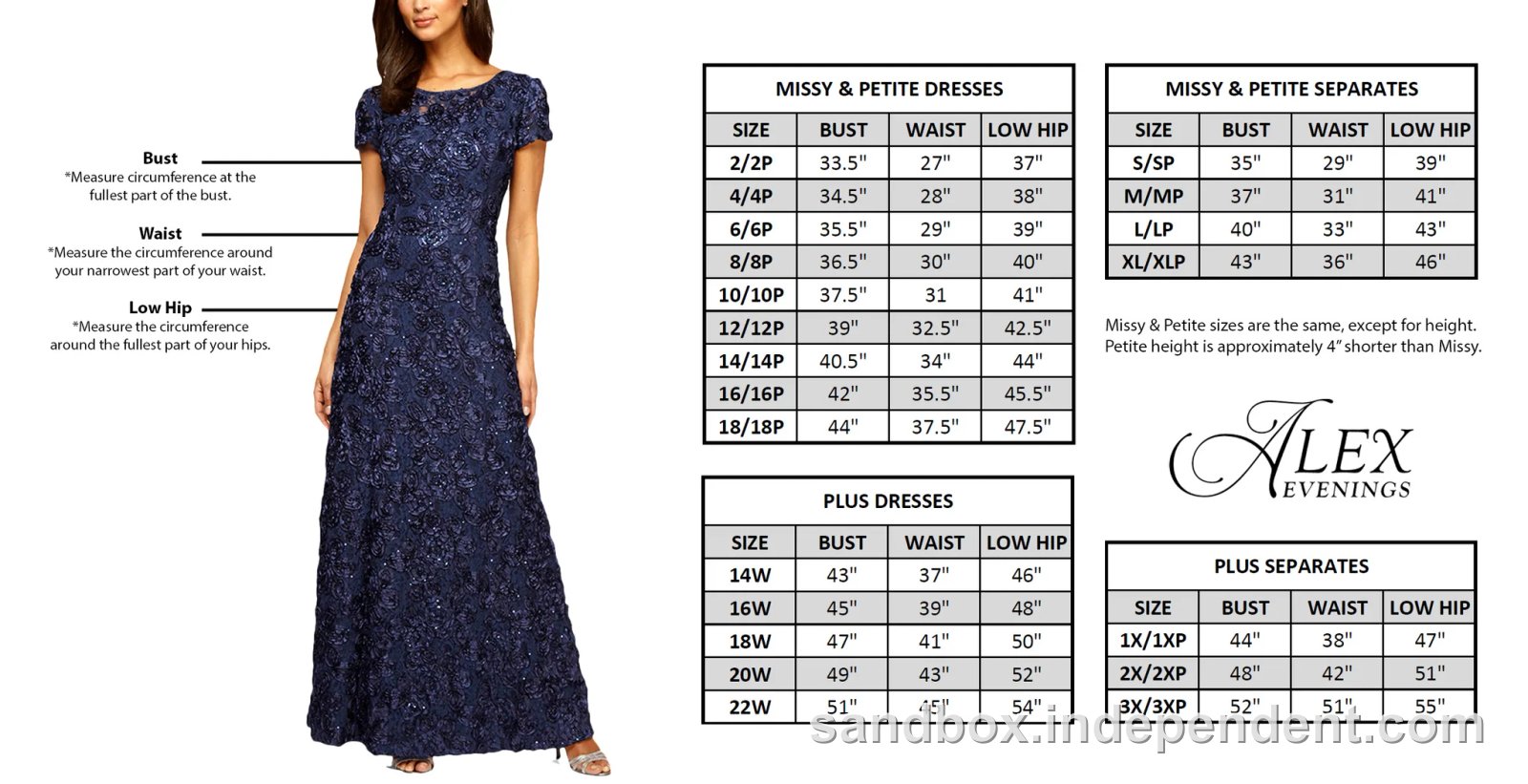
The mens size chart is a valuable tool for anyone looking to find the perfect fit for their clothing or footwear. It provides a standardized guide to help determine the right size for men's garments, ensuring a comfortable and well-tailored look. This chart simplifies the process of finding your size by offering a clear reference for various measurements.
Key Measurements Explained
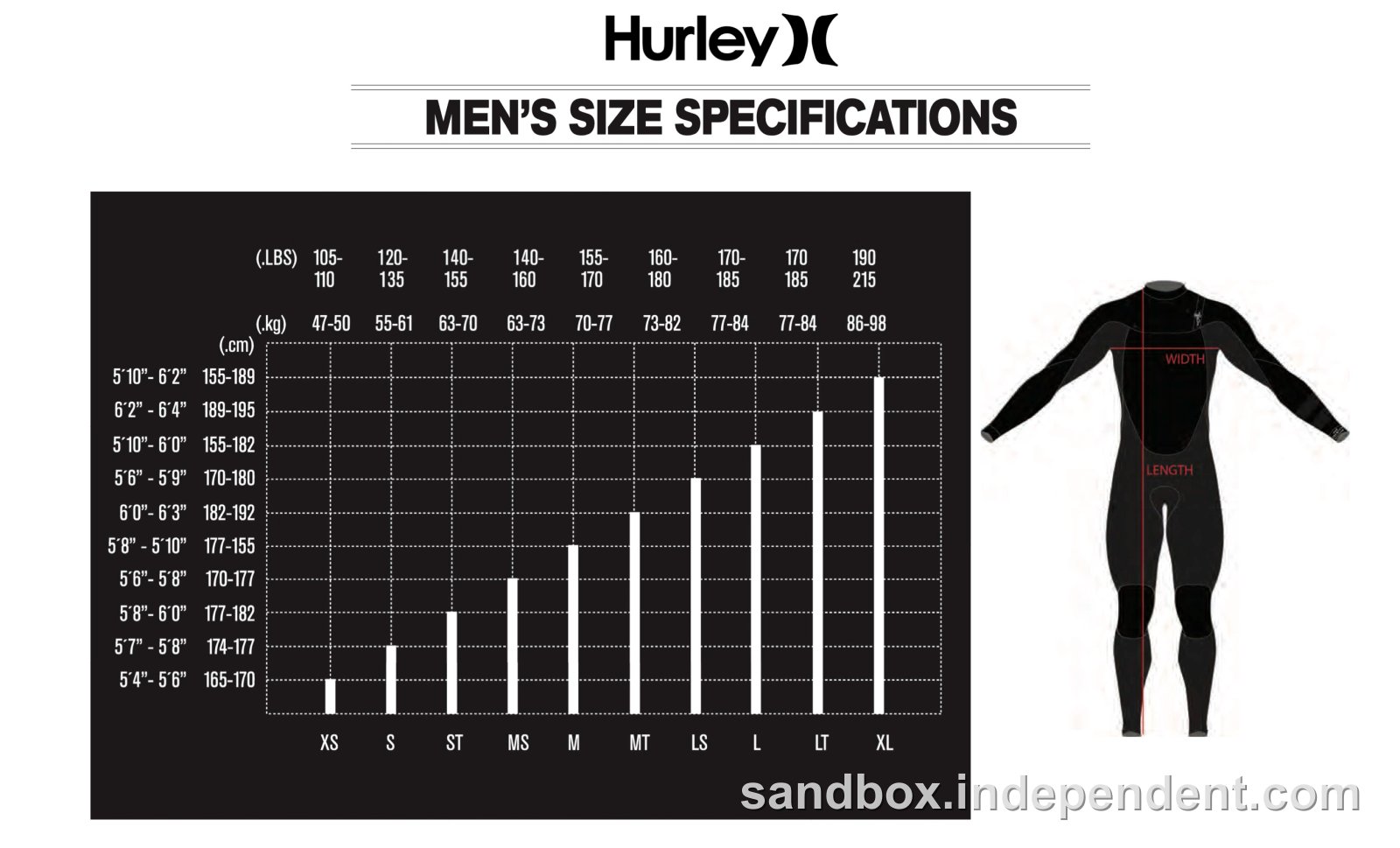
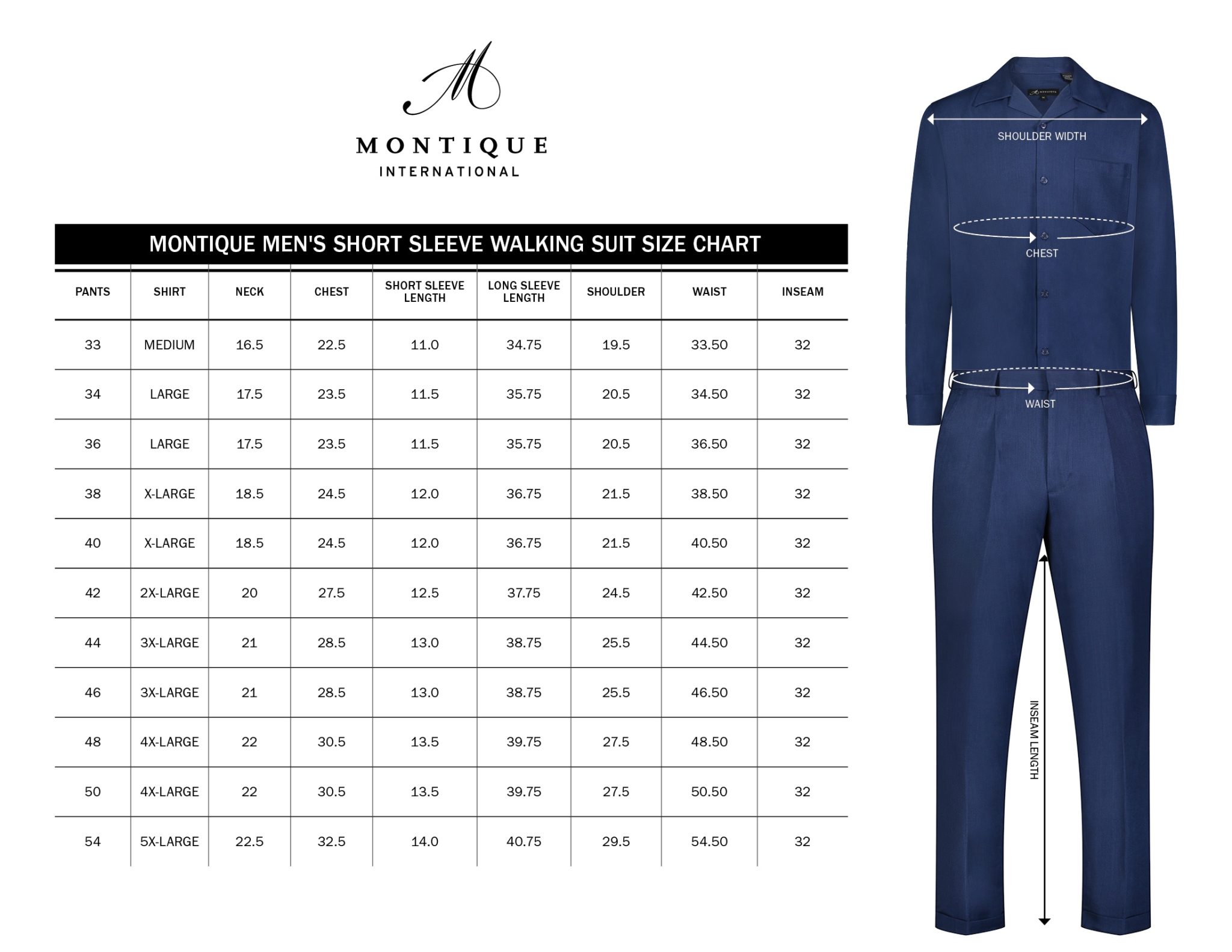
The mens size chart typically includes essential measurements such as chest, waist, and hip circumference, along with height and sometimes sleeve length. These measurements are presented in a tabular format, with columns indicating different sizes and rows for each measurement. The chart may also include a size guide, offering a quick reference for the corresponding measurements of each size.
Reading and Applying the Chart: A Step-by-Step Guide
Identify the measurement you need: Start by determining the specific measurement you want to find, whether it's chest size, waist size, or any other relevant dimension.
Locate the correct column: Find the column on the chart that corresponds to the size you believe you are. This is usually indicated by a size label, such as "Small," "Medium," or "Large."
Check the measurements: Within the chosen column, look for the row that matches the measurement you're seeking. For instance, if you're finding your chest size, locate the row labeled "Chest."
Compare and select: Compare the measurement on the chart with your own body measurements. If your measurement falls within the range provided, that size should be a good fit. If not, try the next size up or down and repeat the process until you find the closest match.
Consider other factors: While the chart provides a general guide, individual body shapes and preferences may vary. Consider factors like your desired fit (loose or fitted) and the style of the garment when making your final size selection.
Common Size Variations and Their Causes
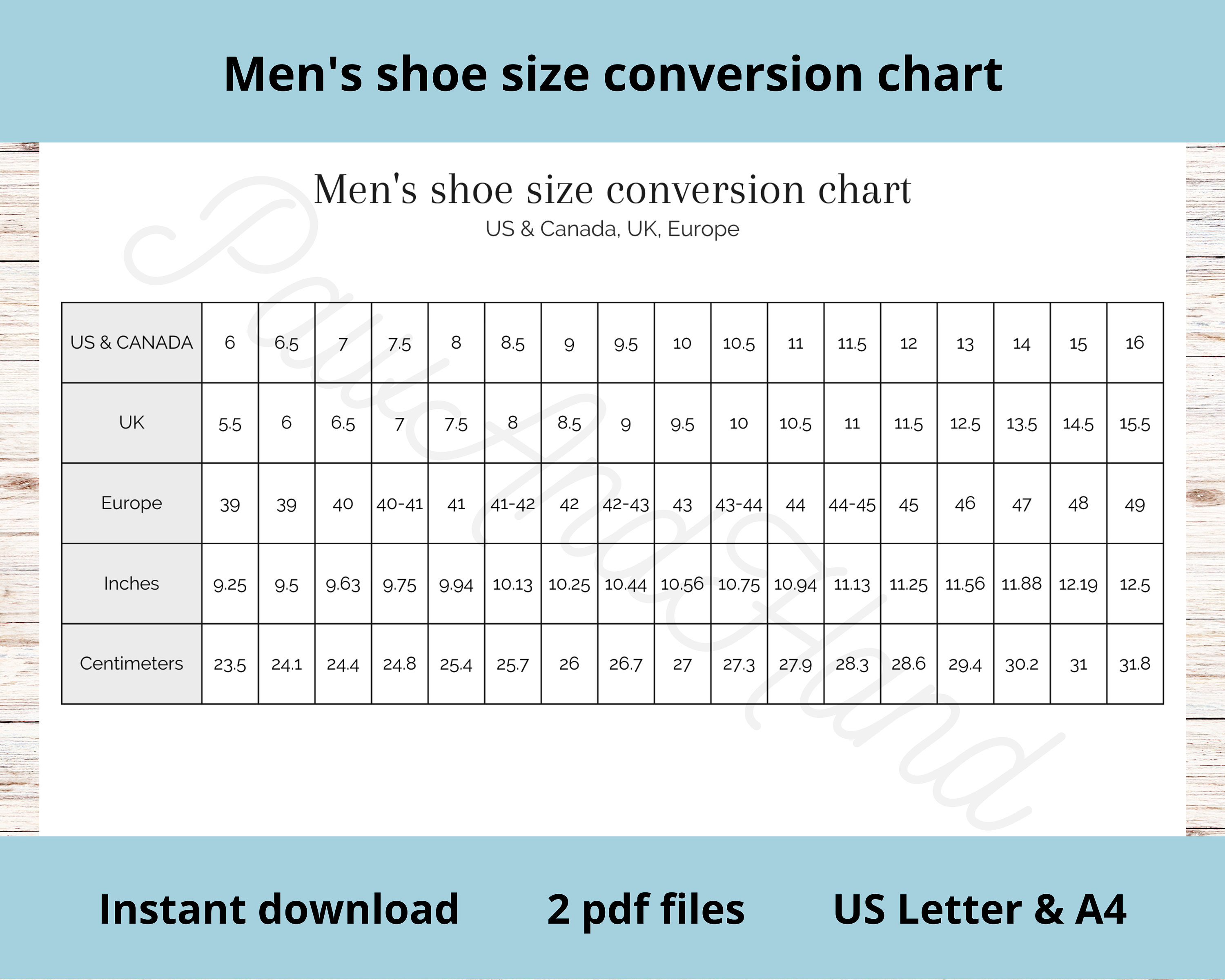
Size charts can vary depending on several factors. One significant influence is the standard being used, as different regions and manufacturers may have their own sizing systems. For instance, a size "Medium" in the US may not align with a "Medium" in Europe. Additionally, the intended use of the garment can impact sizing; athletic wear, for example, often has a different fit compared to casual wear. It's essential to be aware of these variations and refer to the specific size chart provided by the brand or retailer.
Mistakes to Avoid and How to Get it Right
A common mistake is relying solely on your usual size without considering the specific brand or style. Each brand may have its unique sizing, so it's crucial to refer to the provided size chart. Additionally, ensure you measure yourself accurately, as slight variations can make a difference in finding the perfect fit. Always double-check the measurements against the chart to avoid any sizing errors.
Tips for Accurate Sizing and a Perfect Fit
To ensure an accurate fit, measure yourself with a flexible tape measure. Take your measurements while wearing minimal clothing to get the most precise results. If you're between sizes, consider the fabric and style of the garment. Some materials have more give, allowing for a slightly looser fit, while others may be more structured and require a precise size match. Don't be afraid to try on different sizes and trust your judgment based on the provided size chart and your own comfort.
While we've covered the essentials, it's worth noting that the specifics of size charts can vary, so it's always a good idea to double-check the source and ensure you're using the right measurements for your context.
Don't worry, though; with a bit of practice, reading and applying size charts will become second nature. If you ever need a quick refresher, feel free to revisit this guide or explore our other helpful references. It's always good to have these tools at your fingertips!
Related: How to Read the Eagles Depth Chart?
You've landed on this page, so you're likely seeking a quick glimpse at the eagles depth chart or wanting to understand its layout. It's a handy tool for eagle enthusiasts and bird watchers, offering a simple way to visualize the hierarchy and organization of these majestic birds. The chart provides a snapshot of eagle species, with potential variations depending on your region and the specific eagles you're studying. It's a great reference, especially when you're out spotting these birds of prey and need a quick reminder of their unique characteristics and rankings.
Understanding Rankings: Eagles Depth Chart 101
The eagles depth chart is a valuable tool for bird enthusiasts and observers, offering a structured overview of eagle species and their unique characteristics. It's like a roadmap to the world of eagles, helping you navigate and understand these magnificent birds better. This chart ranks and organizes eagles based on various factors, providing a quick reference guide.
Comparing Standards and Formats
When it comes to eagles depth charts, there can be variations in the standards and formats used. Different regions and organizations may have their own ways of categorizing and presenting eagle data. For instance, some charts might focus on size and wingspan, while others prioritize hunting techniques or breeding behaviors. It's important to be aware of these differences to interpret the charts accurately.
Step-by-Step Guide: Using the Eagles Depth Chart
Using the eagles depth chart is straightforward and practical. Here's a simple guide:
Start by identifying the purpose of your observation. Are you interested in eagle sizes, hunting strategies, or something else?
Locate the relevant section on the chart. It will typically have categories like size, hunting techniques, or breeding behaviors.
Within each category, you'll find a ranking or list of eagle species. Compare the values or descriptions to identify the eagles that match your interest.
Take note of any additional information provided on the chart, such as brief descriptions or fun facts.
Cross-reference with other resources if needed, especially for specific details or regional variations.
Common Misreadings and Pitfalls
One common mistake is assuming that all eagles depth charts are universal. While they provide a great overview, certain charts may have limitations or focus on specific aspects. Always double-check the chart's scope and purpose to ensure you're using it correctly. Additionally, be cautious of charts that claim to cover every detail; sometimes, more specialized resources are needed for specific information.
Factors Affecting Accuracy and Real-World Use
The accuracy of eagles depth charts can be influenced by various factors. Firstly, the data collection methods and sources play a crucial role. Charts based on extensive research and reliable data are more accurate. Secondly, regional variations and eagle behaviors can impact the rankings. Eagles in different parts of the world may exhibit unique characteristics, so it's important to consider the chart's geographical focus. Lastly, the chart's purpose and intended audience can affect its content and presentation.
Adapting the Format for Specific Needs
The beauty of eagles depth charts is their adaptability. If you have specific requirements or a unique focus, you can create or customize a chart to suit your needs. For instance, if you're interested in eagle breeding pairs, you can design a chart that highlights this aspect, including information on nesting behaviors and preferred habitats. This flexibility allows you to create a personalized tool for your bird-watching adventures.
Remember, while these depth charts offer a great starting point, the specifics can differ based on your unique circumstances. It's always a good idea to tailor them to your needs and keep an eye on any updates or changes.
Feel free to explore our other guides for more practical insights and tips. We've got a range of topics covered, so you can dive deeper into the world of sports analysis and strategy. Happy reading!