Understanding Dress Size Charts: A Simple Guide
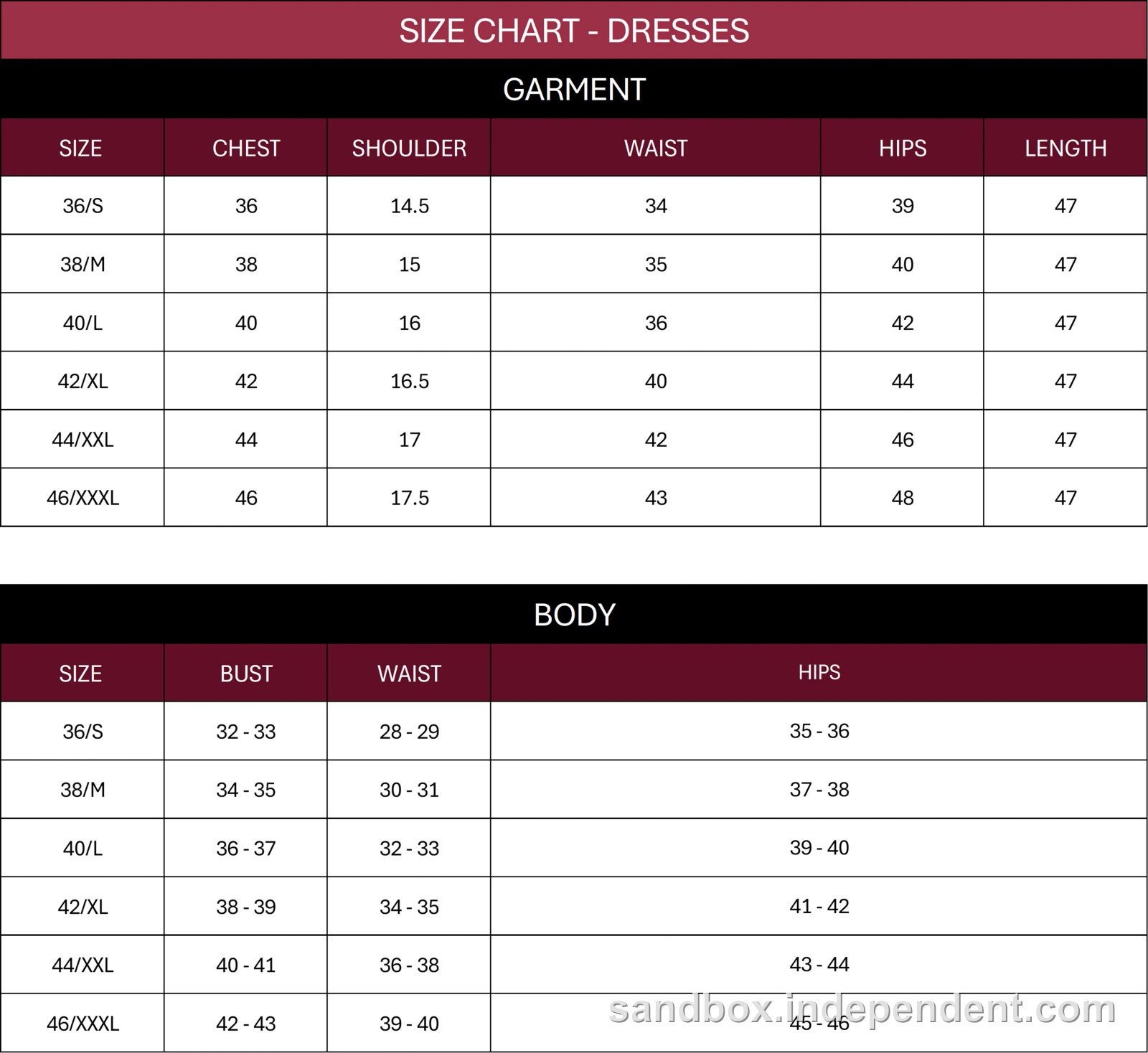
Find your perfect fit with our dress size chart. Get clear reference values, learn to read the chart, and discover practical tips to make sizing a breeze.
A common misconception about dress size charts is that they are a universal guide, providing an exact fit for every individual. However, it's important to understand that these charts are more like a starting point, offering a general size reference. While a dress size chart can be a valuable tool, it's not an exact science; variations exist due to different sizing standards and brand-specific fits.
Understanding Size Labels
A dress size chart is an essential tool for anyone shopping for clothing, especially online. It provides a standardized guide to help you choose the right size based on your body measurements. This chart is a reference point, offering a clear and consistent way to understand clothing sizes across different brands and styles.
Comparing Standards and Formats
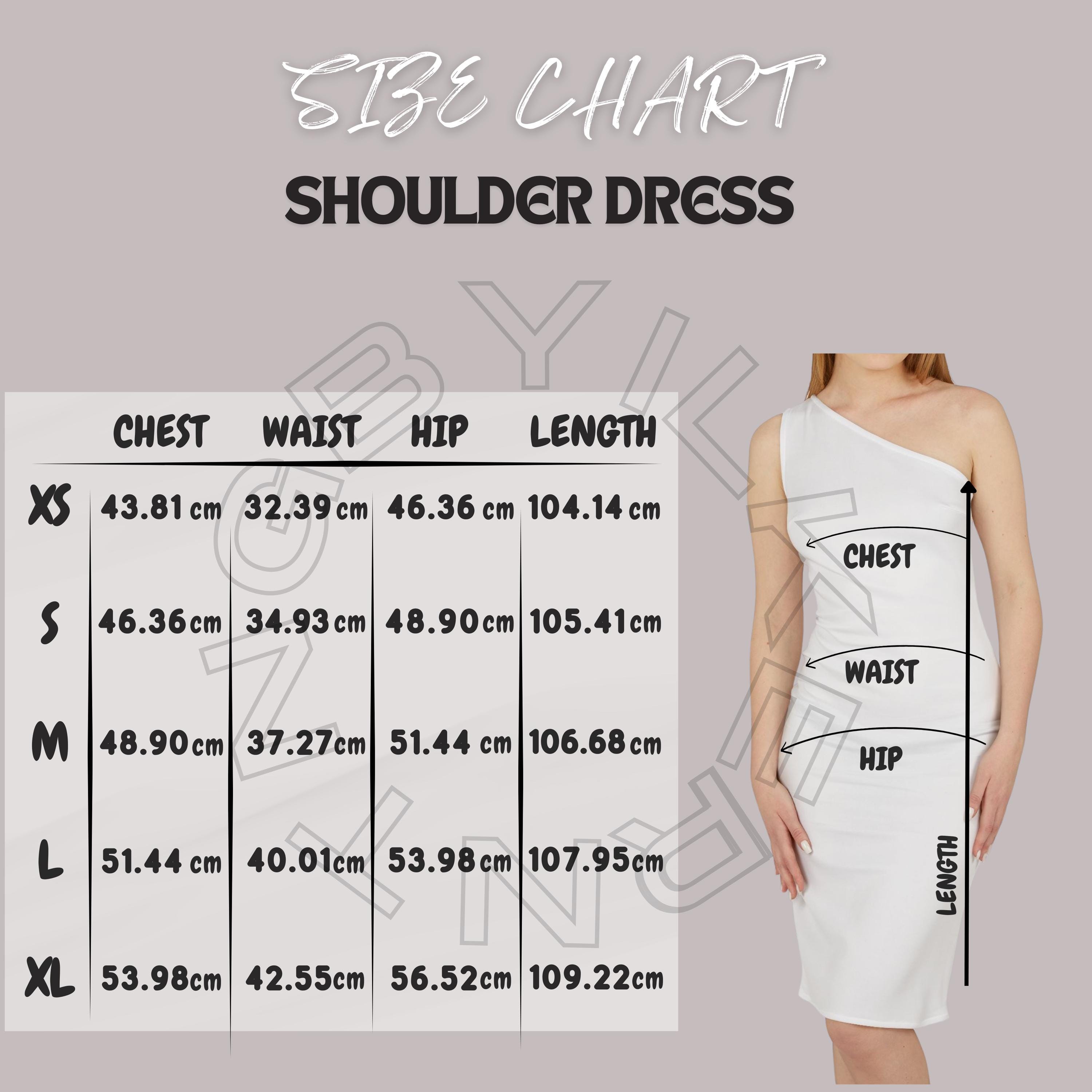
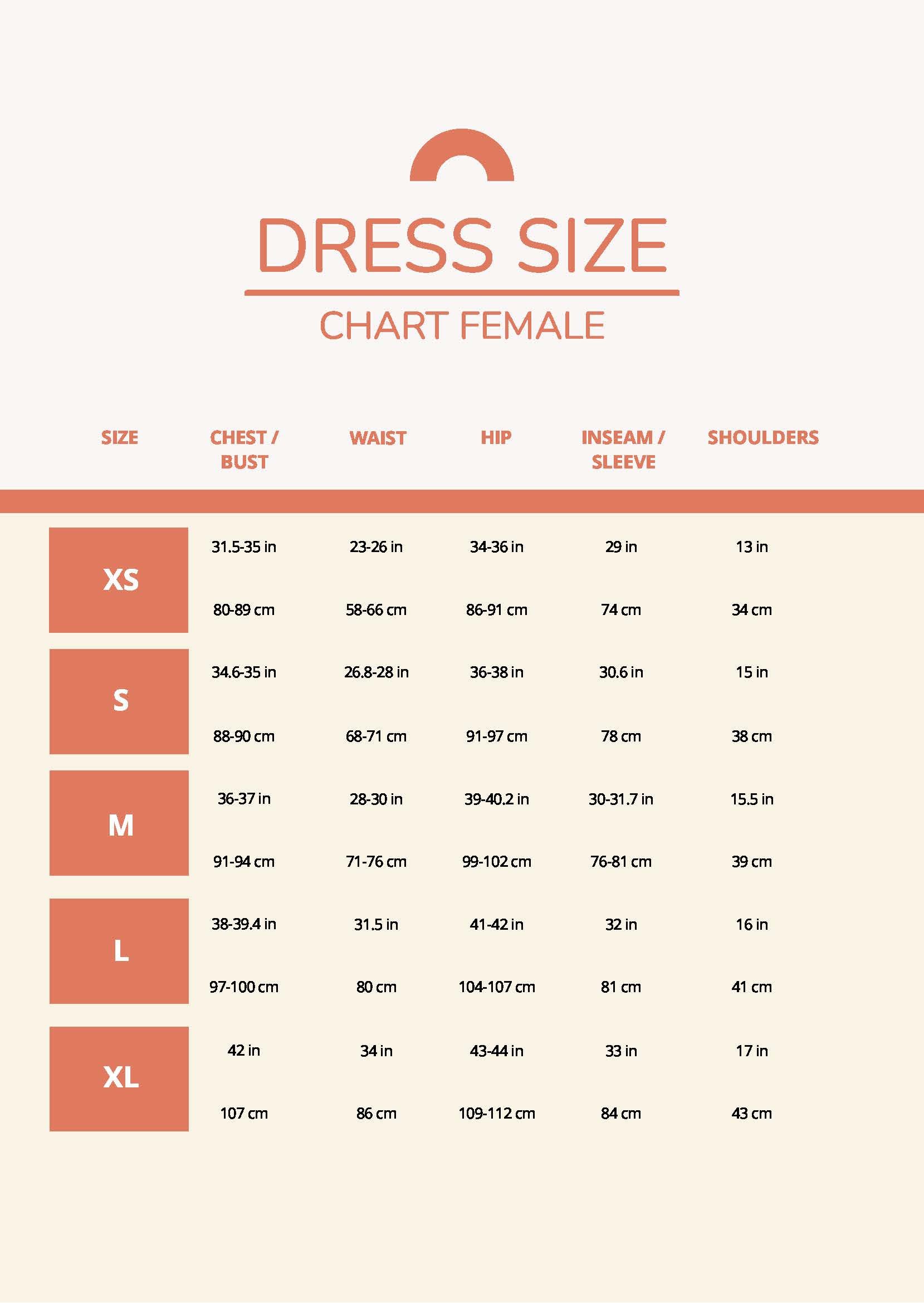
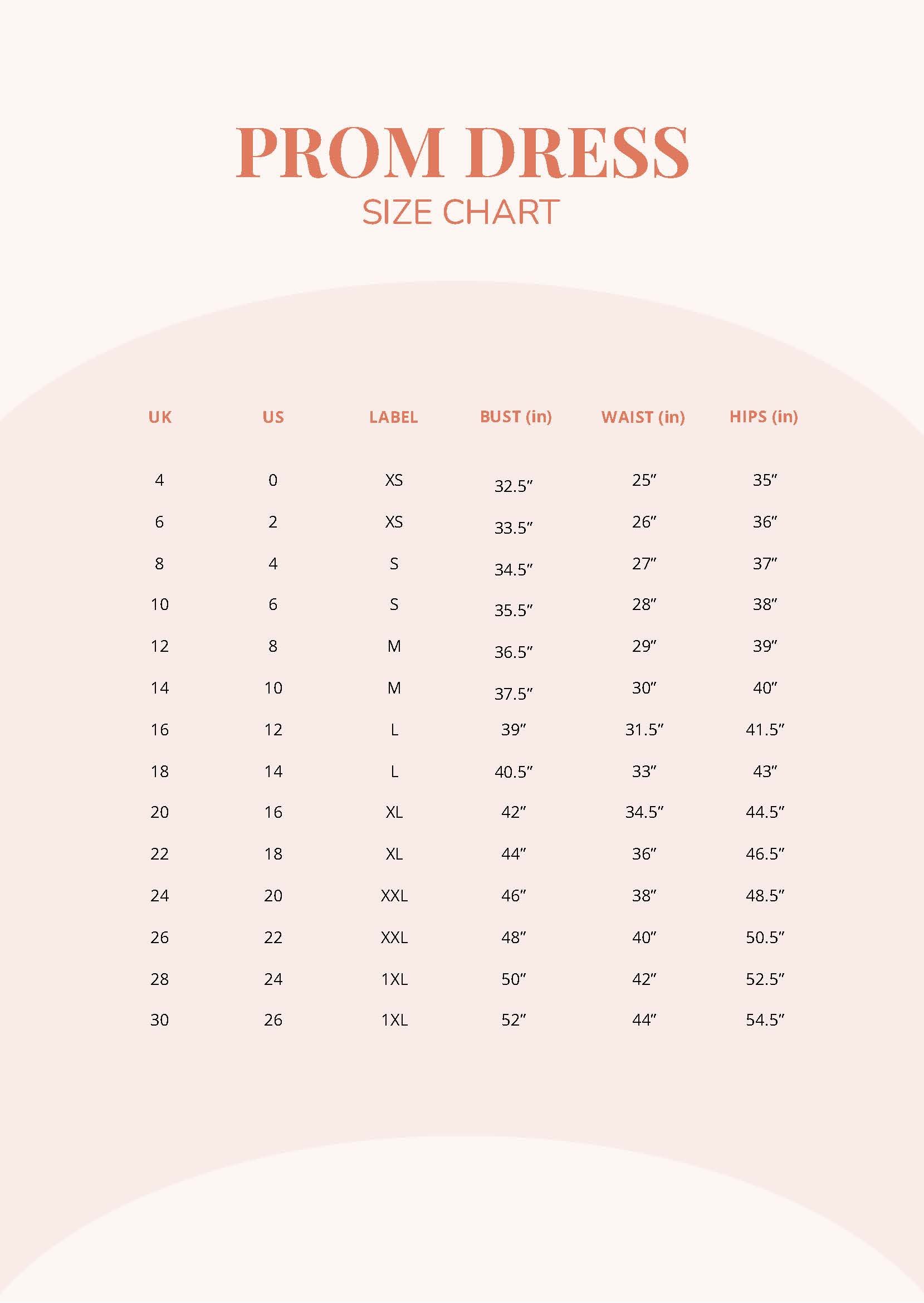
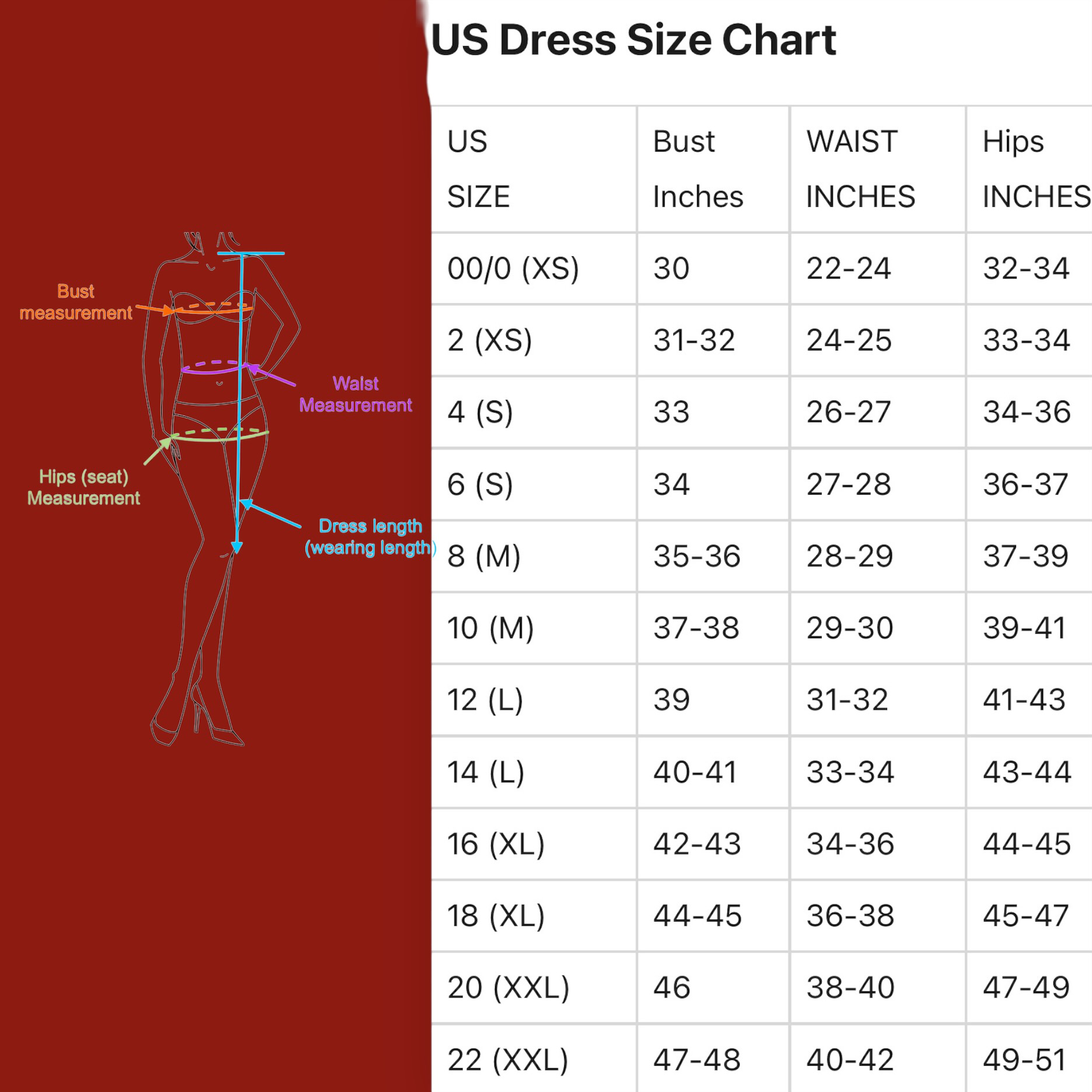
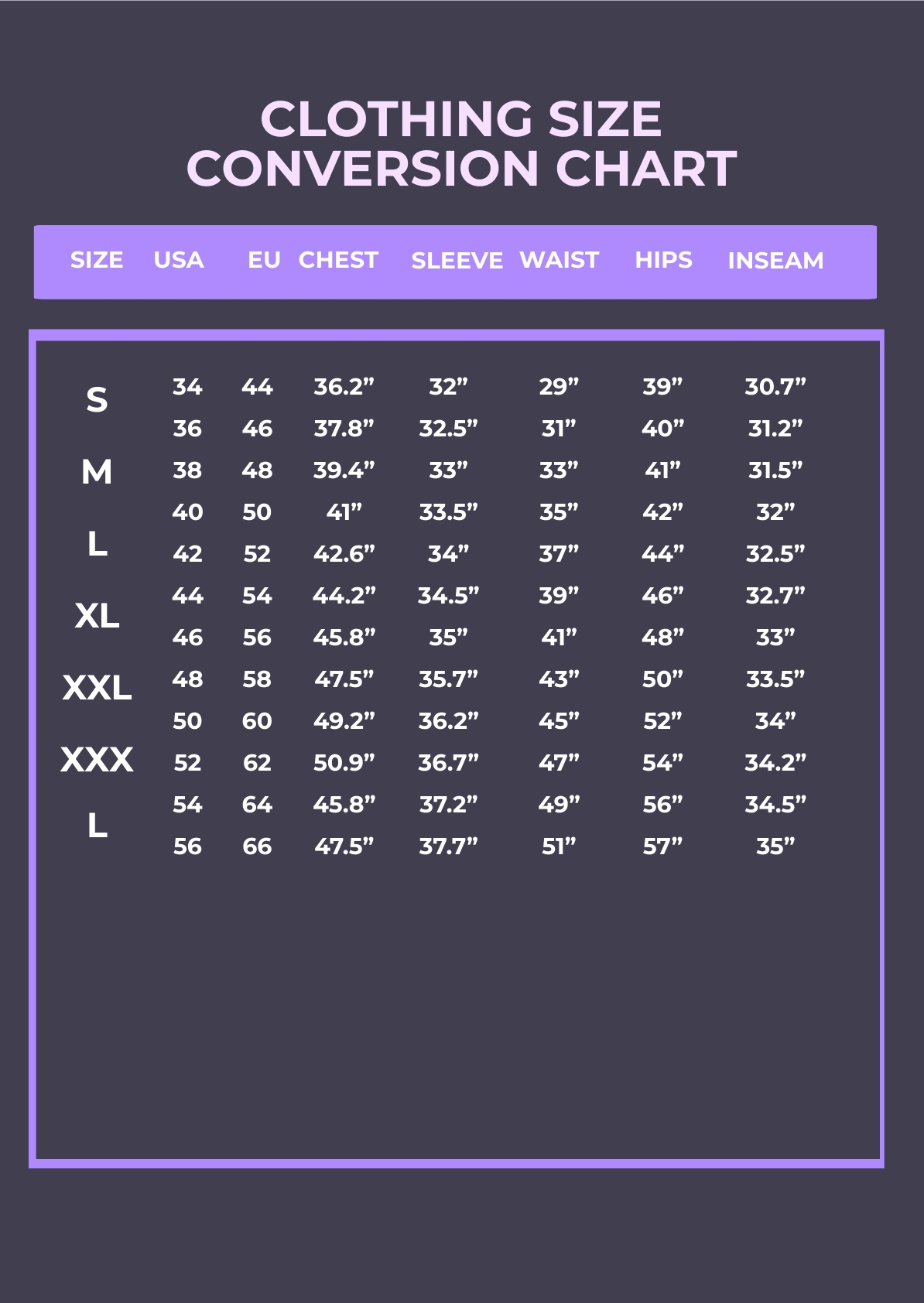
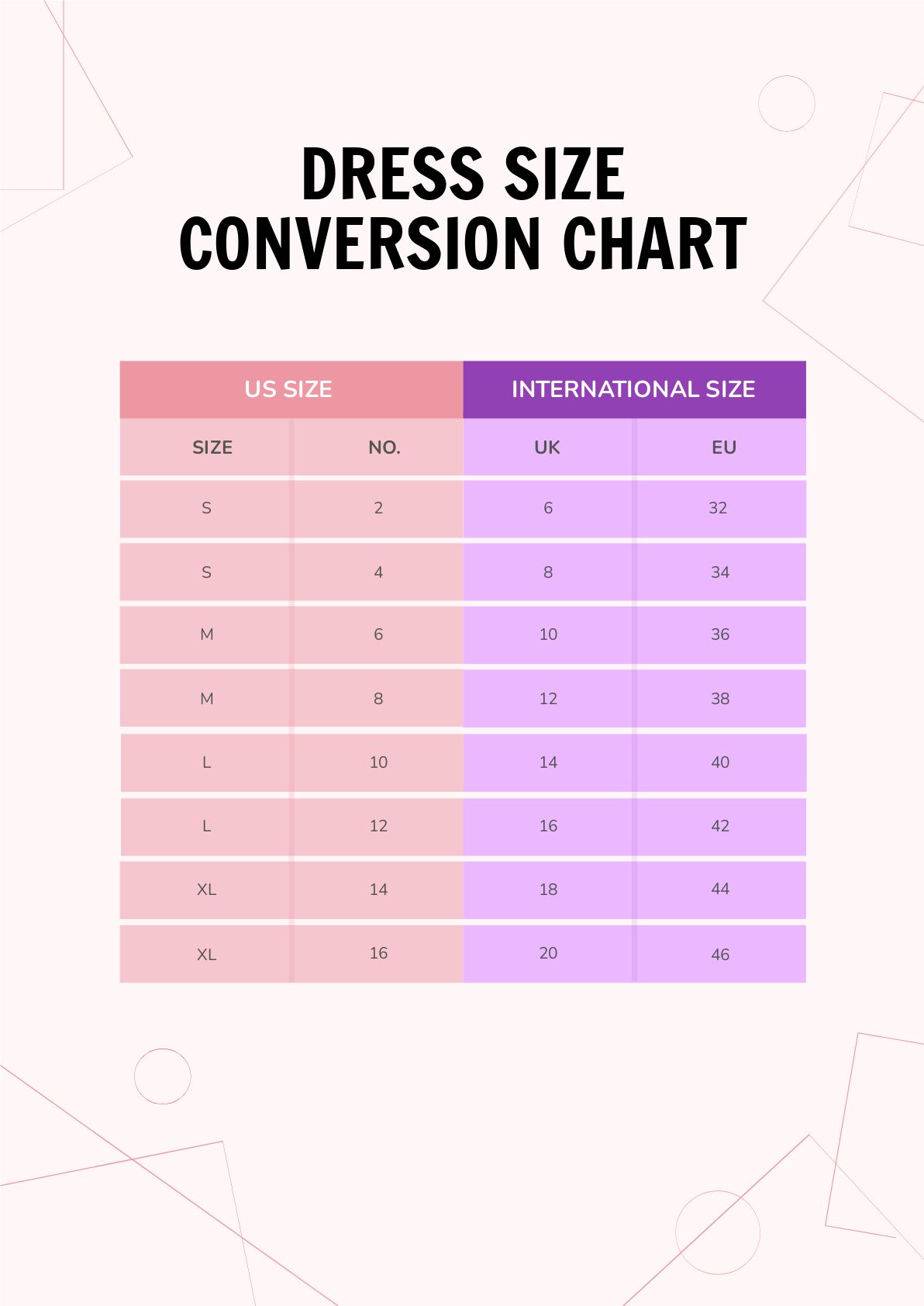
There are several size charts and standards used globally, with variations between regions and even brands. The most common ones are the US standard, UK standard, and international or metric size charts. These charts may differ in their measurement units, categories, and size ranges. For instance, the US standard typically uses inches, while the metric system employs centimeters. It's crucial to know which standard a chart follows to ensure accurate sizing.
Measuring for Accuracy: A Step-by-Step Guide
To use a dress size chart effectively, follow these steps:
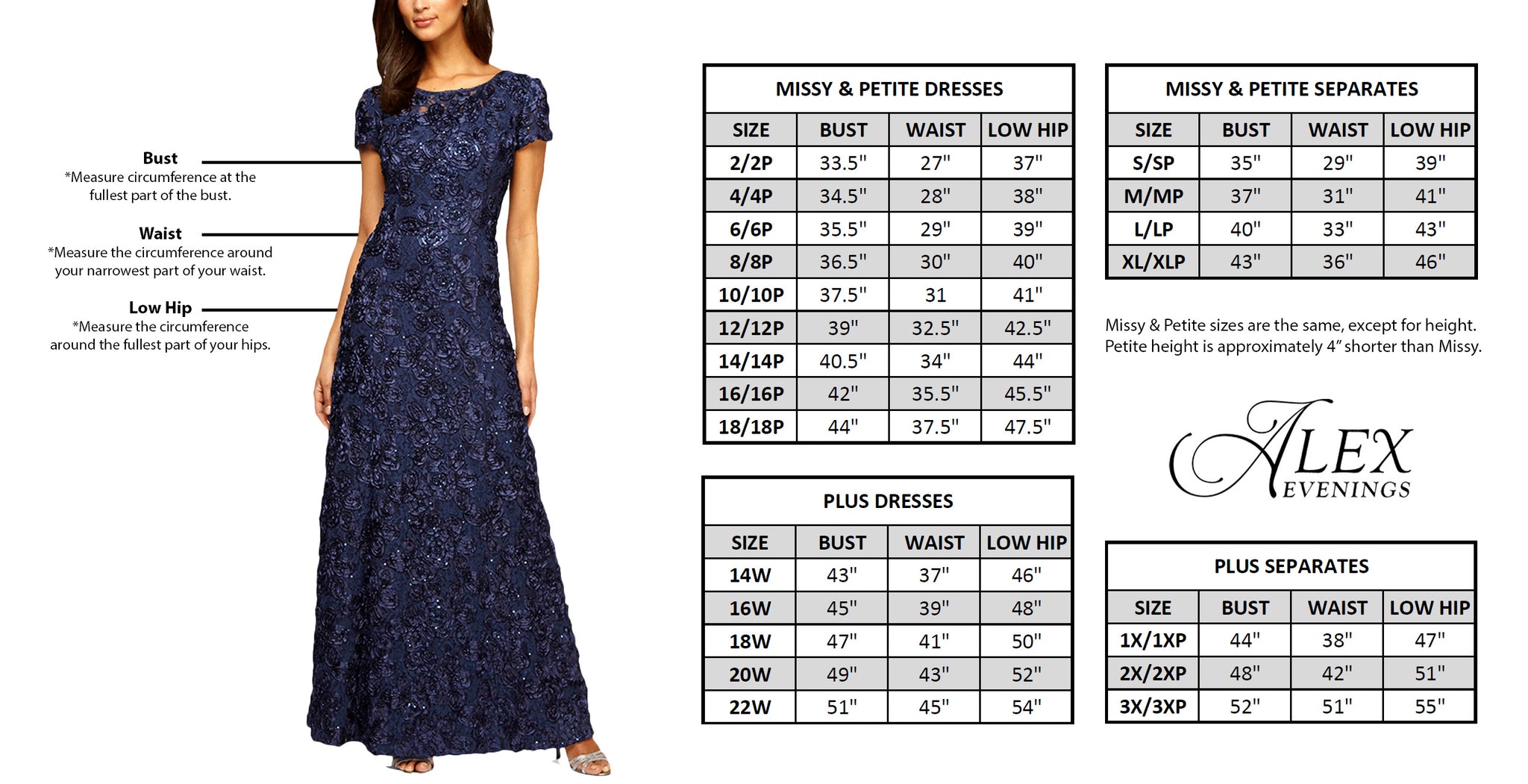
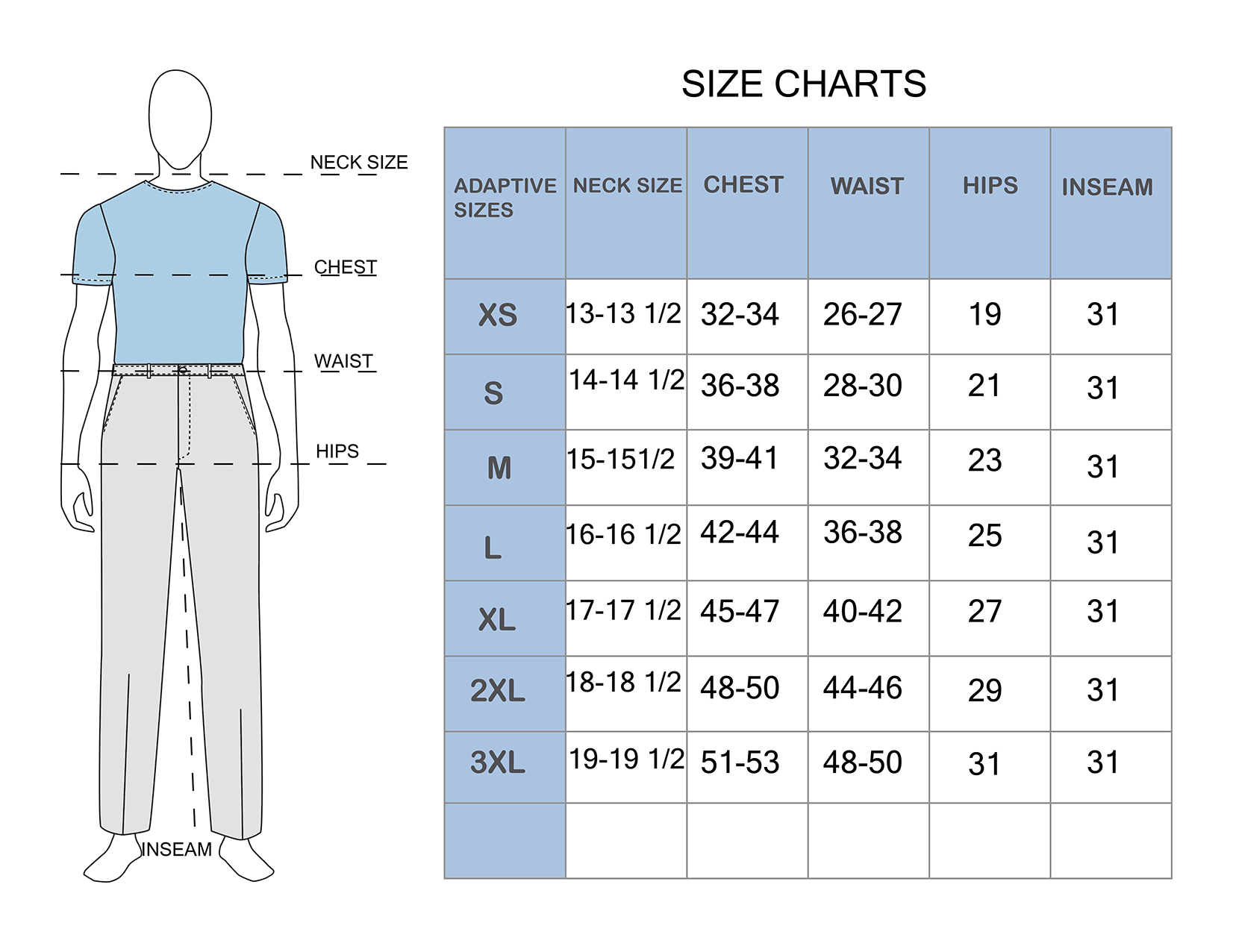
Take your body measurements: Measure your bust, waist, and hip circumference using a flexible tape measure. Ensure the tape is not too tight or too loose, and keep it parallel to the floor for accuracy.
Find your size on the chart: Locate the column or row on the chart that corresponds to your measurement. For example, if you are measuring your bust, find the column with the heading "Bust" or "Chest." Look for the row that matches your measurement in inches or centimeters.
Check other measurements: Repeat this process for your waist and hip measurements. It's important to consider all three measurements to ensure a comfortable and flattering fit.
Choose the right size: Once you have your measurements, look for the size that aligns with all three measurements. If your bust, waist, and hip measurements fall into different size categories, it's best to choose the size that fits the largest of the three. This ensures a comfortable fit and prevents the garment from being too tight or restrictive.
Common Misreadings and How to Avoid Them
Misinterpreting a dress size chart can lead to incorrect sizing. Here are some common pitfalls:
Assuming one size fits all: Different brands and styles may have slight variations in their sizing. Always refer to the specific chart for the item you're interested in.
Relying solely on vanity sizing: Some brands use vanity sizing, where the labeled size may not reflect the actual measurements. Always double-check with the provided size chart.
Ignoring body shape: Dress size charts provide a general guide, but your body shape can impact the fit. Consider your body type and choose a size that accommodates your unique shape.
Key Factors Affecting Accuracy
Several factors can influence the accuracy of a dress size chart and your final fit:
Body measurements: Ensure your measurements are accurate and consistent. Small variations can make a difference in the size you choose.
Brand variations: Different brands may have slightly different sizing standards. Always check the brand's specific size chart, especially when shopping online.
Fabric and design: The fabric and design of a garment can impact its fit. Stretchy fabrics may provide more flexibility, while structured designs may require precise sizing.
Personal preference: Your comfort and style preferences play a role. Some may prefer a looser fit, while others opt for a more tailored look.
Adapting the Chart for Your Needs
While dress size charts provide a standardized guide, they may not always fit every individual's unique body shape. Here's how to adapt:
International size conversion: If you're shopping internationally, familiarize yourself with the conversion between different size standards. Online retailers often provide conversion charts to assist with this.
Custom sizing: Some brands offer custom sizing or made-to-measure options. This is especially useful for those with unique body shapes or specific fit requirements.
Size guides and reviews: Many online retailers provide detailed size guides and customer reviews. These can offer valuable insights into the fit and sizing of specific garments.
Remember, the dress size chart is a helpful tool, but it's not an exact science. Listen to your body and trust your instincts when choosing the right size. With a bit of practice and attention to detail, you'll become an expert at finding your perfect fit!
Well, there you have it, a comprehensive guide to dress size charts and their various aspects. Remember, while this guide offers a solid foundation, your unique body and personal preferences play a significant role. So, always double-check the specific requirements and context when applying these charts.
Consider bookmarking this page for future reference; it might come in handy the next time you need a quick reminder on dress sizes and their nuances. Until then, happy measuring and stay stylish!
Images