



Ductwork Cfm Chart For Kids Overview
You've likely landed here with a specific goal: to find a clear, concise deer feeding chart that offers reliable information at a glance. This chart is your go-to resource, a simple yet powerful tool for understanding deer nutrition and feeding practices. It provides a quick reference, ensuring you can make informed decisions about deer diet and care. While the exact values and formats may vary, depending on factors like region and specific needs, the deer feeding chart serves as an essential guide, offering insights into deer nutrition and the seasonal changes in their diet.
Understanding the Deer Feeding Chart
The deer feeding chart is a valuable tool for anyone managing deer populations or interested in their nutrition. It provides a comprehensive overview of the dietary needs of deer, offering insights into their feeding habits and requirements. This chart is designed to simplify the process of understanding deer nutrition and ensuring their proper care.
Comparing Chart Formats and Standards
There are various formats and standards for deer feeding charts, often influenced by regional differences and specific use cases. These charts typically present information on the nutritional composition of deer diets, including the percentage of protein, fiber, and other essential nutrients. They may also provide guidelines on the recommended daily intake and the types of forage available during different seasons.
Step-by-Step Guide to Using the Chart
To utilize the deer feeding chart effectively, follow these steps:
Identify the age and weight of the deer you are caring for. This information is crucial as nutritional requirements vary based on these factors.
Locate the relevant section on the chart that corresponds to the deer's age and weight. The chart often has distinct categories for fawns, yearlings, and adult deer.
Read the nutritional values and guidelines provided for each category. Pay attention to the recommended daily intake and the types of forage suggested.
Adjust the feeding plan based on the chart's recommendations. Ensure a balanced diet by providing the right proportion of protein, fiber, and other nutrients.
Monitor the deer's health and behavior. If any issues arise, consult an expert or adjust the feeding plan accordingly.
Avoiding Common Misinterpretations
It's essential to note that deer feeding charts provide general guidelines, and individual deer may have unique needs. Here are some common misinterpretations to avoid:
Assuming that the chart covers all scenarios: Always consider the specific context and environment in which the deer are living. Factors like weather, habitat, and available forage may require adjustments to the feeding plan.
Neglecting individual variations: Each deer is unique, and their nutritional needs can vary. Keep a close eye on their health and behavior to ensure they are receiving adequate nutrition.
Overlooking seasonal changes: Deer's dietary requirements often change with the seasons. The chart should be used as a dynamic tool, adapting to the changing needs of deer throughout the year.
Factors Affecting Accuracy and Real-World Application
When using a deer feeding chart, keep in mind the following key factors that can influence its accuracy and practical application:
Forage availability: The type and amount of forage available in a deer's habitat can greatly impact their diet. Ensure you understand the local forage options and their nutritional value.
Weather conditions: Extreme weather events can affect the nutritional content of forage. Be prepared to adjust feeding plans during droughts, floods, or other weather-related challenges.
Deer diet composition: While the chart provides a guide, deer may have preferences for certain foods. Observe their feeding habits and adjust the diet accordingly.
Special considerations: Pregnant or nursing does, as well as injured or sick deer, may have unique nutritional needs. Consult experts for specialized feeding plans in such cases.
Remember, while the deer feeding chart is a valuable resource, it should be used flexibly and adapted to the specific needs of the deer in your care. Regular monitoring and expert advice can ensure the health and well-being of these magnificent animals.
Remember, every deer and its needs are unique, so while this chart provides a fantastic starting point, you may need to make small adjustments to find the perfect feeding routine for your furry friends. It's all about finding that sweet spot!
We've got a whole library of practical guides just like this one, covering various topics to help you navigate the wonderful world of wildlife care. So, feel free to explore and discover more tips and tricks to enhance your outdoor adventures and make the most of your time with nature's creatures. Happy reading and happy feeding!
Related: Need a Seed Cycling Chart?
The seed cycling chart is a handy tool for those looking to support their menstrual cycle and hormone health naturally. It's a simple visual guide that outlines a seed cycling protocol, which involves consuming specific seeds at different phases of your cycle.
This guide will walk you through the basics, explaining how to read and use the seed cycling chart effectively. You'll discover the benefits of seed cycling, including its potential to promote hormone balancing and natural fertility. So, let's dive in and explore this fascinating and accessible practice!
Seed Cycling Chart: A Practical Guide
The seed cycling chart is a simple yet effective tool to guide you through the seed cycling protocol. It provides a visual representation of when to consume specific seeds during your menstrual cycle to support hormone balance and overall well-being. This chart is a handy reference for anyone looking to incorporate seed cycling into their daily routine.
Understanding the Phases and Categories
The seed cycling chart typically divides the menstrual cycle into two phases: the follicular phase and the luteal phase. Each phase has its own recommended seed combination. The chart will indicate which seeds to consume during these phases, usually flax and pumpkin seeds for one phase, and sesame and sunflower seeds for the other. It's important to note that the chart may vary slightly depending on the source and individual needs.
Seed Rotation Guide: Step-by-Step
Here's a simple guide on how to read and use the seed cycling chart:
- Identify your cycle: Determine the length of your menstrual cycle. The average cycle is around 28 days, but it can vary. Count from the first day of your period to the day before your next period starts.
- Divide your cycle: The follicular phase typically lasts from day 1 to ovulation, which is usually around day 14 for a 28-day cycle. The luteal phase begins after ovulation and continues until the start of your next period.
- Follow the chart: During the follicular phase, incorporate flax and pumpkin seeds into your diet. You can grind them and add them to smoothies, yogurt, or salads. For the luteal phase, switch to sesame and sunflower seeds.
- Daily intake: Aim for approximately 1-2 tablespoons of the recommended seeds each day during their respective phases. You can adjust the quantity based on your personal preference and dietary needs.
- Repeat the cycle: Continue this seed rotation with each menstrual cycle to support hormone balance and overall health.
Potential Variations and Considerations
While the seed cycling chart provides a general guide, it's important to note that individual variations may occur. Here are some factors to consider:
- Cycle length: If your cycle is shorter or longer than average, adjust the seed rotation accordingly. Consult a healthcare professional for personalized advice.
- Seed allergies: Be mindful of any seed allergies or sensitivities. Always introduce new foods gradually and monitor for any adverse reactions.
- Storage and preparation: Proper storage and preparation are key. Store seeds in a cool, dry place, and consider grinding them fresh for maximum nutritional value.
- Dietary supplements: Seed cycling is a natural approach, but it may be combined with other dietary supplements for additional support. Consult a healthcare provider for guidance.
Remember, the seed cycling chart is a tool to support your overall health and well-being. It's always a good idea to seek professional advice, especially if you have specific health concerns or conditions.
Hey there, we hope this seed cycling chart has been a helpful tool for you! While the basics remain the same, you might find that the exact details can differ slightly depending on your specific needs and sources.
So, keep this guide handy and feel free to explore our other practical reference articles for more quick tips and tricks. We're here to make your life easier, one chart at a time!
Related: Bond Angles Chart: Your Quick Reference Guide
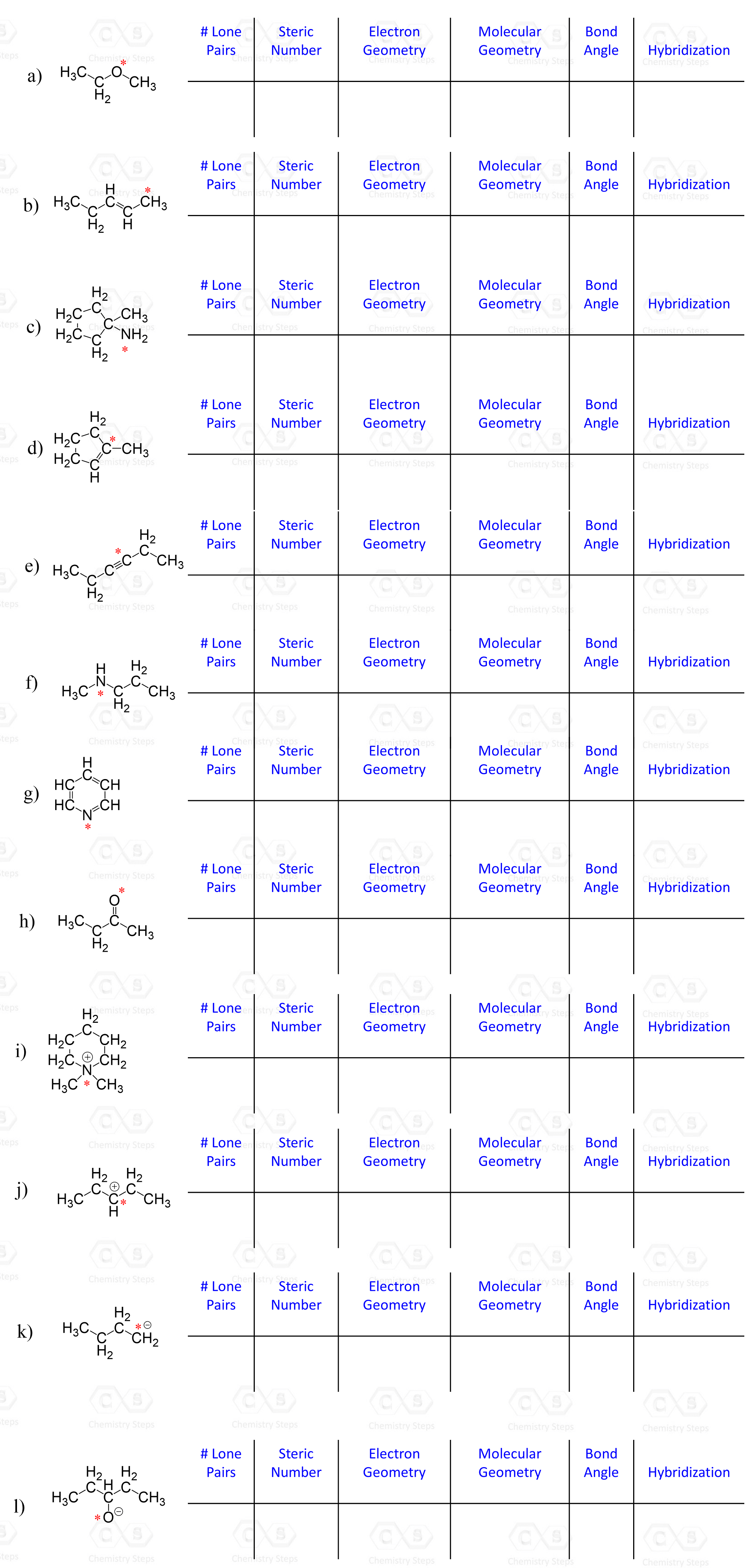
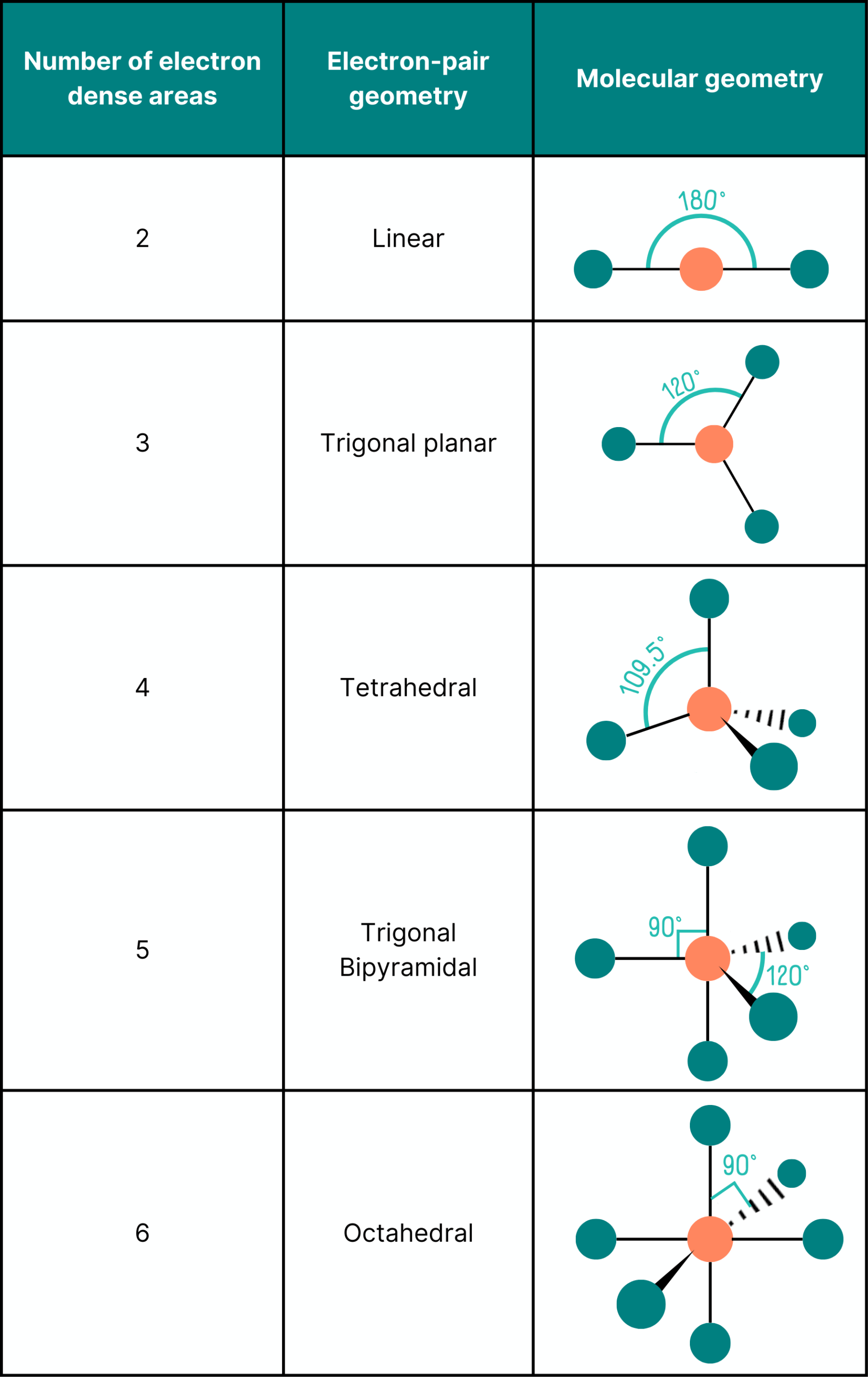
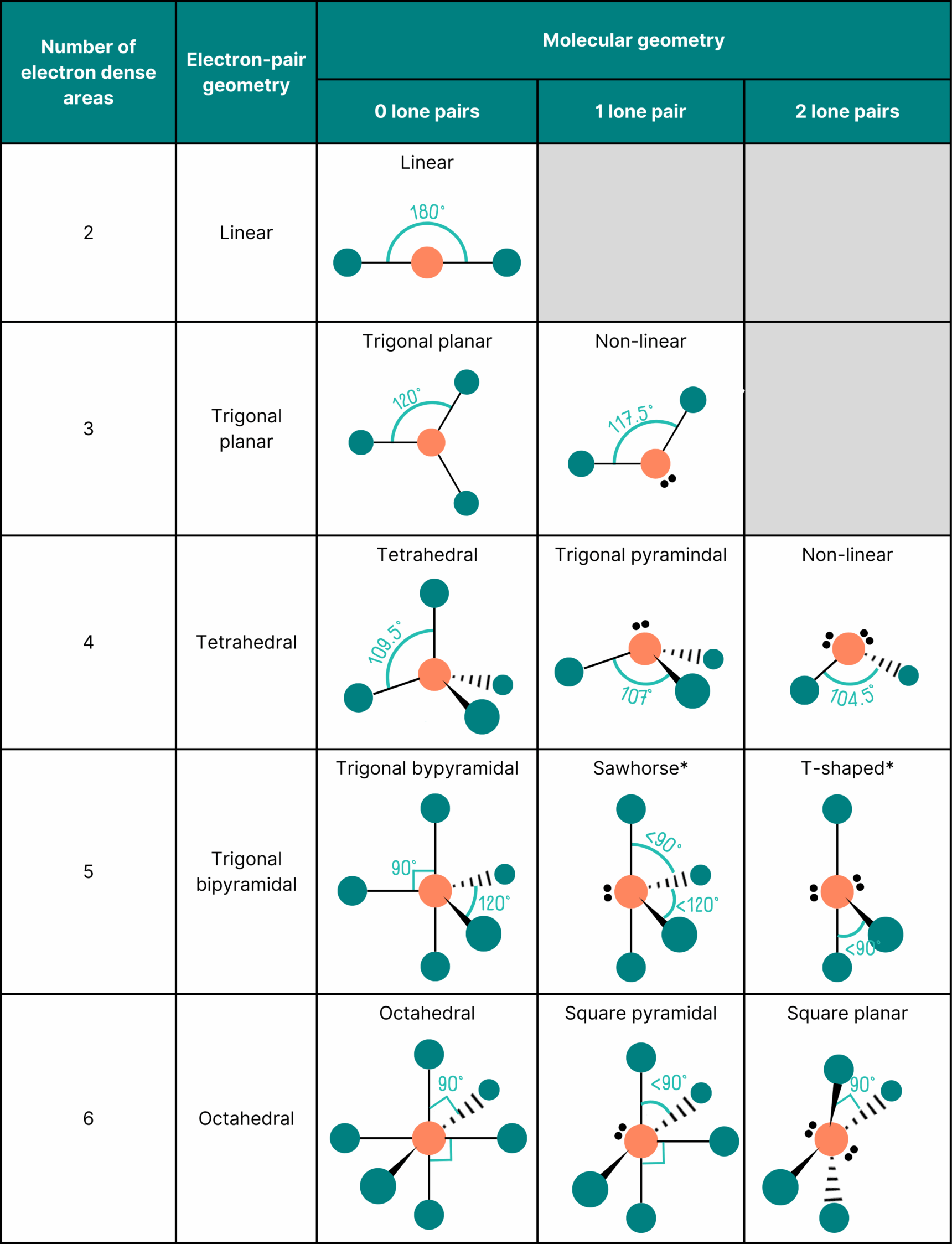
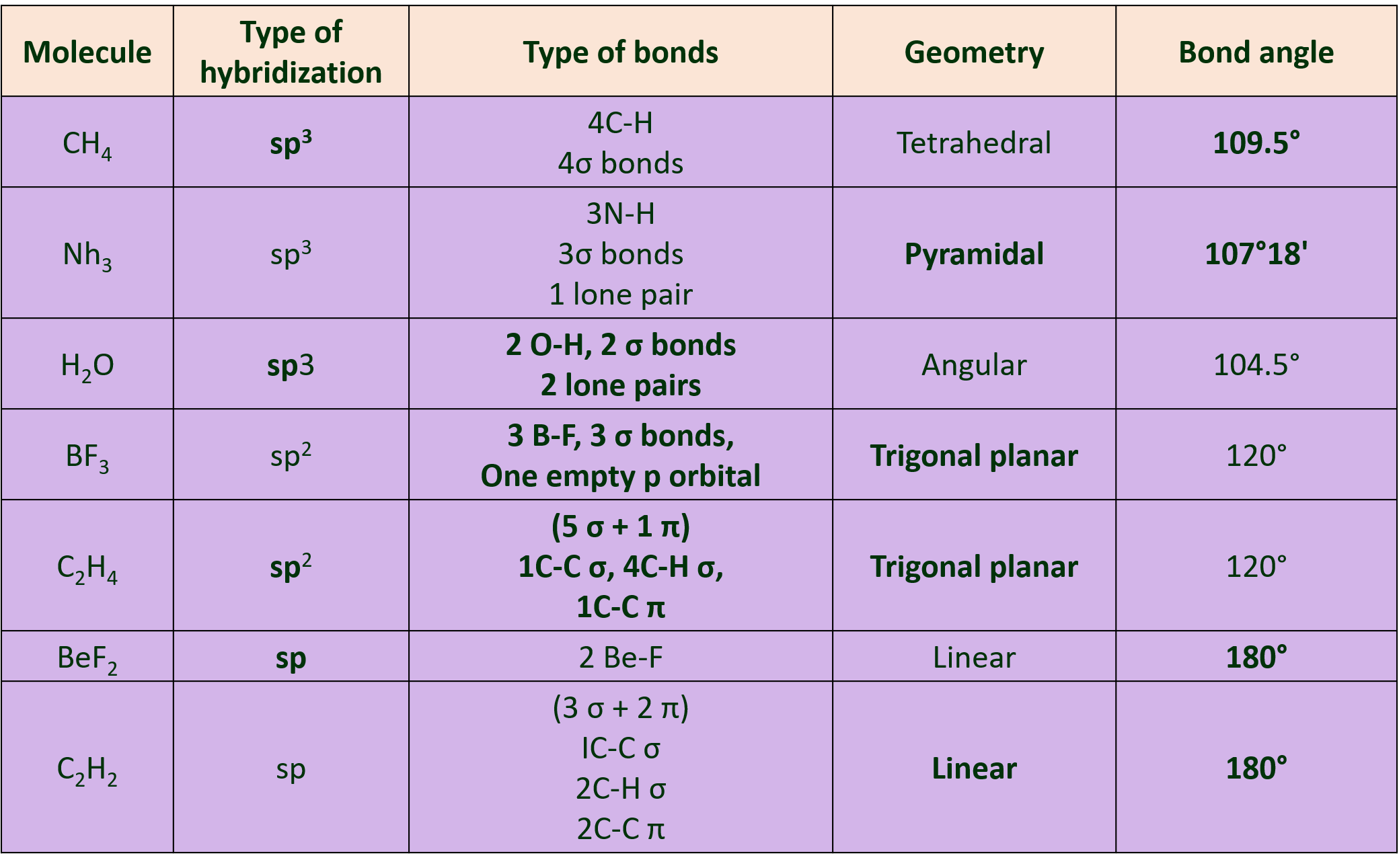
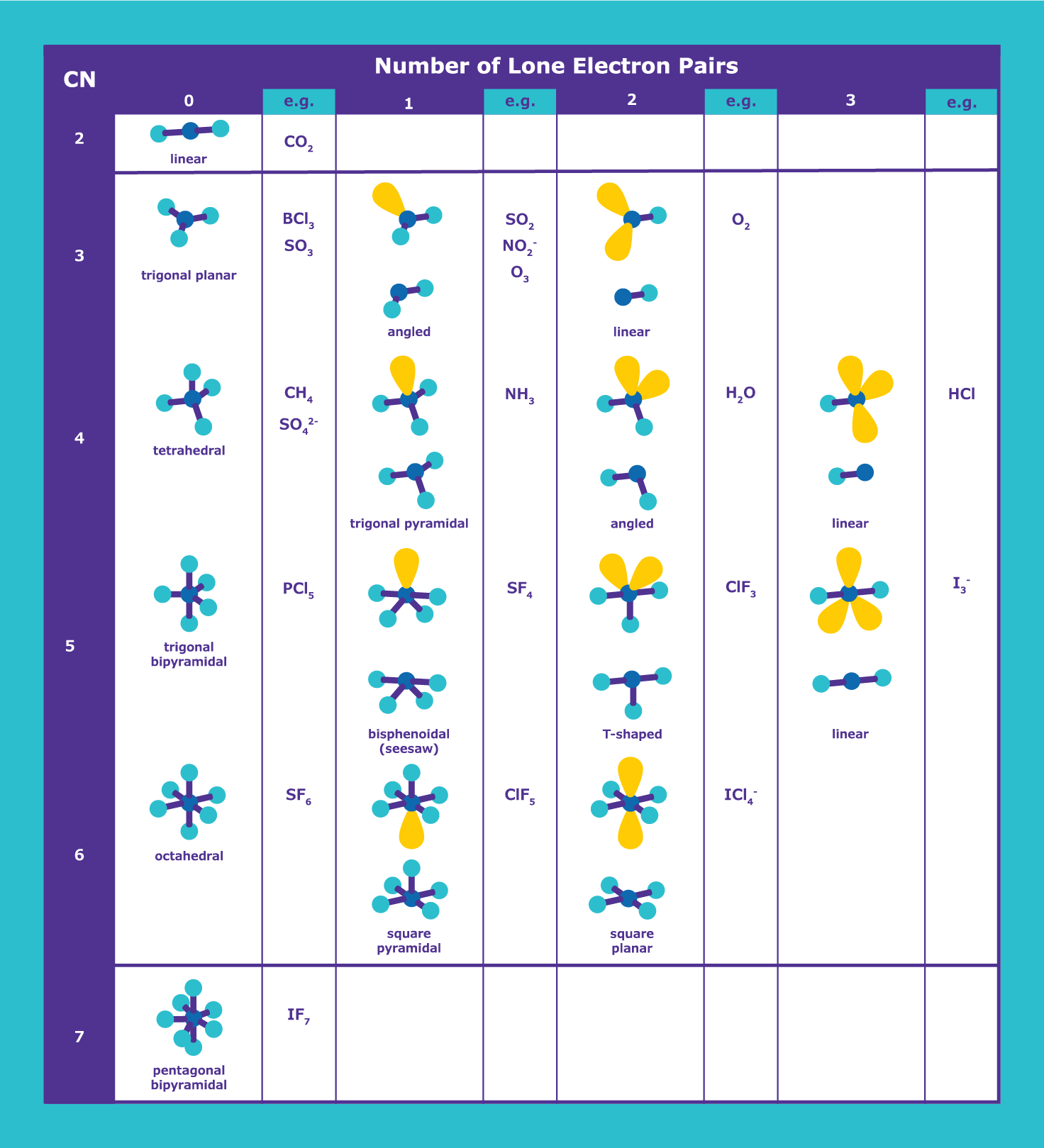
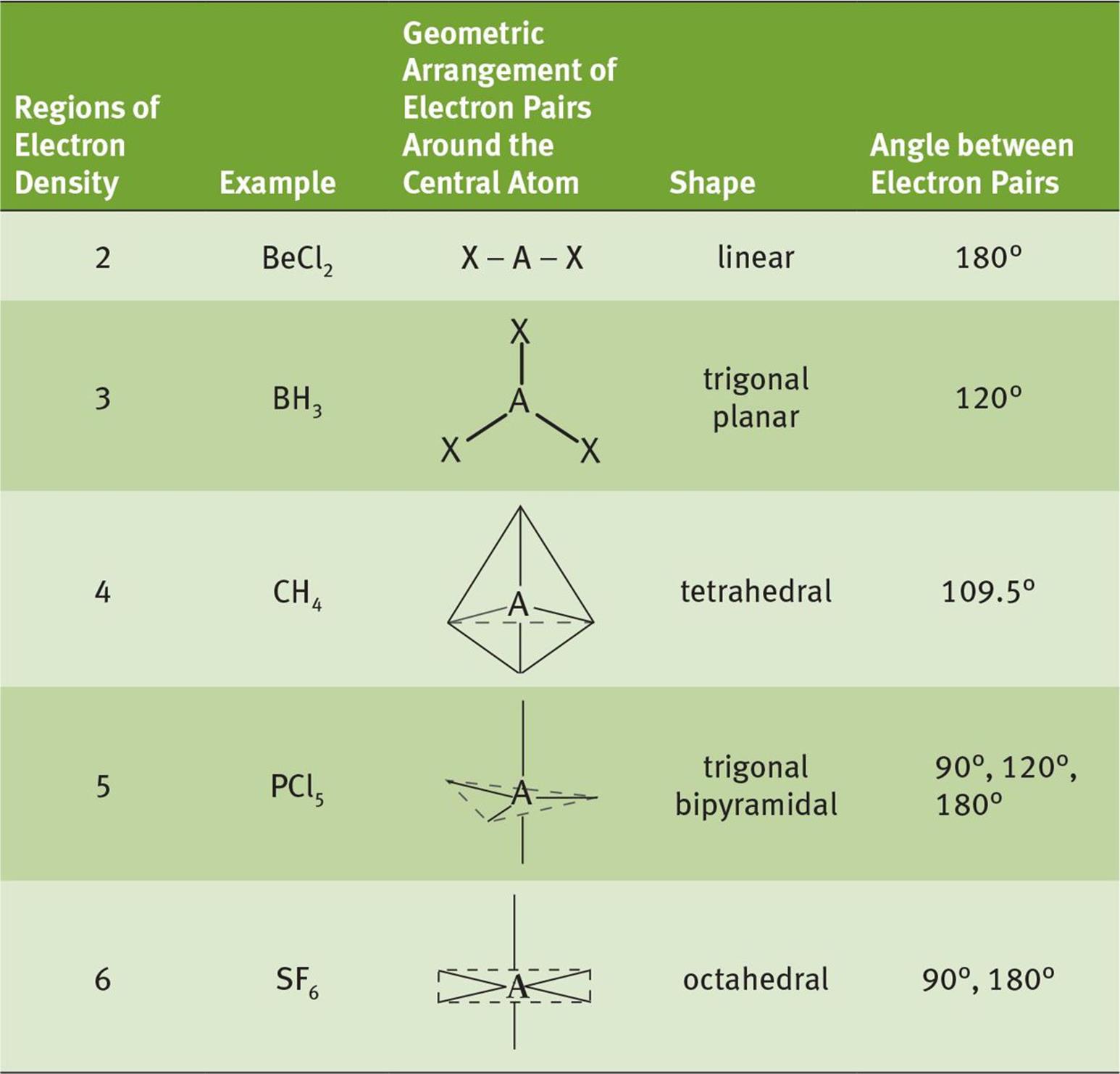
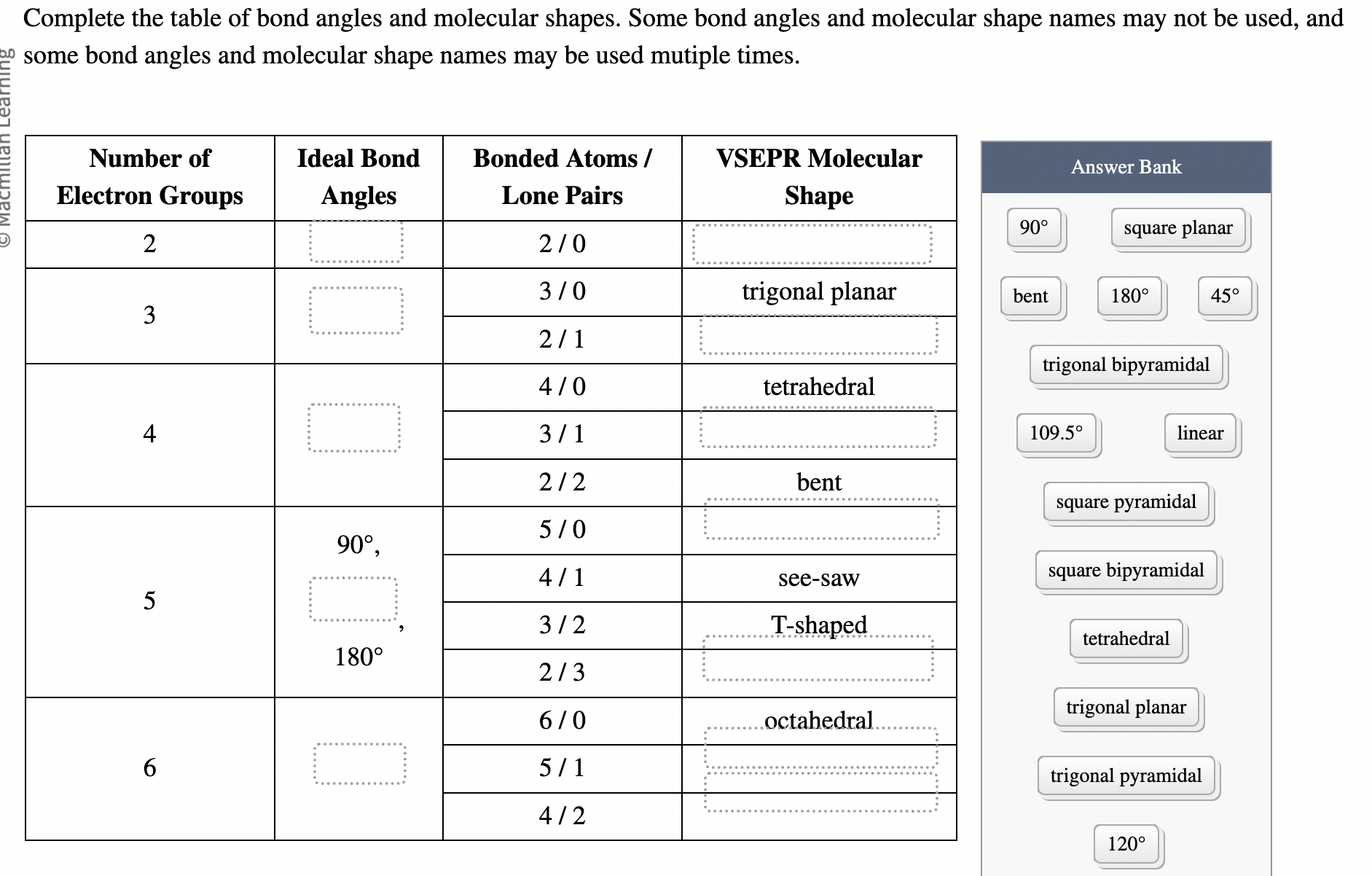
If you're seeking a swift and reliable guide, the bond angles chart is an invaluable tool. It offers a concise visual representation, allowing you to quickly grasp and apply the principles of molecular geometry. This chart, whether in table or diagram form, provides an efficient way to understand chemical bonding and its associated angles. While values may vary depending on the context, having a bond angles chart at your fingertips ensures you can navigate these variations with ease.
Bond Angles Chart: A Quick Overview
The bond angles chart is a valuable reference tool for anyone working with molecular geometry and chemical bonding. It provides a visual representation of typical bond angles, offering a quick and accessible way to understand and compare the geometry of different molecules. This chart is a handy guide for students, scientists, and professionals in fields like chemistry, materials science, and engineering.
Comparing Chart Formats and Standards
There are various formats and standards for bond angle diagrams and molecular geometry charts. The most common ones are based on the VSEPR model, which predicts molecular geometry based on valence shell electron pair repulsion. These charts typically use degree measurements to represent bond angles. However, it's essential to note that the specific values and categories may vary depending on the standard being used. Some charts provide a general overview, while others are more specialized, focusing on specific types of molecules or chemical bonding.
Step-by-Step Guide to Using the Chart
Using the bond angles chart is straightforward:
- Identify the molecule or chemical structure you want to analyze.
- Locate the relevant section or category on the chart. This could be based on the central atom, the number of bonded atoms, or the overall molecular geometry.
- Find the specific bond angle you need. The chart will provide typical values or a range of angles for that particular structure.
- Use this information to understand the geometry, predict molecular behavior, or compare it with other molecules.
Common Misreadings and How to Avoid Them
Misinterpreting the bond angles chart can lead to incorrect assumptions. Here are some common pitfalls:
- Assuming Exact Values: Bond angles often have a range of values due to variations in molecular structure. Avoid treating the chart as an absolute reference; instead, use it as a guide to estimate typical angles.
- Ignoring Molecular Context: Different molecules with the same central atom may have varying bond angles due to their unique structures. Always consider the overall molecular geometry, not just the central atom.
- Mixing Up Units: Ensure you understand the units used in the chart. Some charts use degrees (°), while others may use radians or other units. Convert if needed.
Factors Affecting Accuracy and Real-World Use
Several factors can influence the accuracy of bond angle diagrams:
- Molecular Flexibility: Molecules with flexible bonds or multiple conformations may exhibit a range of bond angles.
- Environmental Factors: Temperature, pressure, and the presence of other molecules can affect bond angles.
- Bond Strength and Length: Stronger bonds may result in narrower angles, while longer bonds can lead to wider angles.
- Hybridization: The hybridization of the central atom can impact bond angles. For example, sp^3 hybridization typically results in tetrahedral angles of around 109.5°.
Choosing the Right Chart for Your Needs
When selecting a bond angles chart, consider your specific requirements:
- General vs. Specialized: Choose a general chart for an overview or a specialized one for detailed analysis of specific molecules or bonding types.
- Level of Detail: Opt for charts with more detail if you need precise values or a broader range of molecular structures.
- Standardization: Ensure the chart aligns with your regional or industry standards. Different standards may have slight variations.
Maintaining Reliable References for Future Use
To ensure the reliability of your bond angles chart:
- Update Regularly: Keep your charts up-to-date with the latest research and advancements in molecular geometry.
- Verify Sources: Cross-reference information from multiple sources to ensure accuracy.
- Note Limitations: Be aware of the chart's limitations and when it might not apply to your specific situation. Always double-check exact specifications for critical applications.
- Share and Collaborate: Share your charts and insights with colleagues or within your industry to promote accurate and consistent use.
Well, there you have it—a comprehensive guide to bond angles and their charts. We've covered a lot of ground, from understanding the basics to navigating potential pitfalls and ensuring accuracy.
Remember, while this guide provides a solid foundation, it's always wise to consider your unique circumstances. Bond angles can have slight variations, so ensure you're referring to the right standards and sources for your specific needs. With that in mind, you're well-equipped to tackle any bond angle queries that come your way.
Feel free to explore our other guides; we've got a wealth of resources to enhance your understanding of various topics. Until next time, happy learning!