
Ductwork Cfm Chart Free Printable Overview
You're probably here because you need to find the perfect shade for your project, and the Gildan color chart is a handy tool to have at your disposal. It's a straightforward guide, offering a range of options to choose from, and it's an essential reference for anyone working with colors, especially when precision is key. The chart provides a quick and easy way to navigate and compare colors, and it's a go-to resource for many, whether you're a designer, artist, or just someone who wants consistent color results.
Understanding the Gildan Color Chart: A Practical Overview
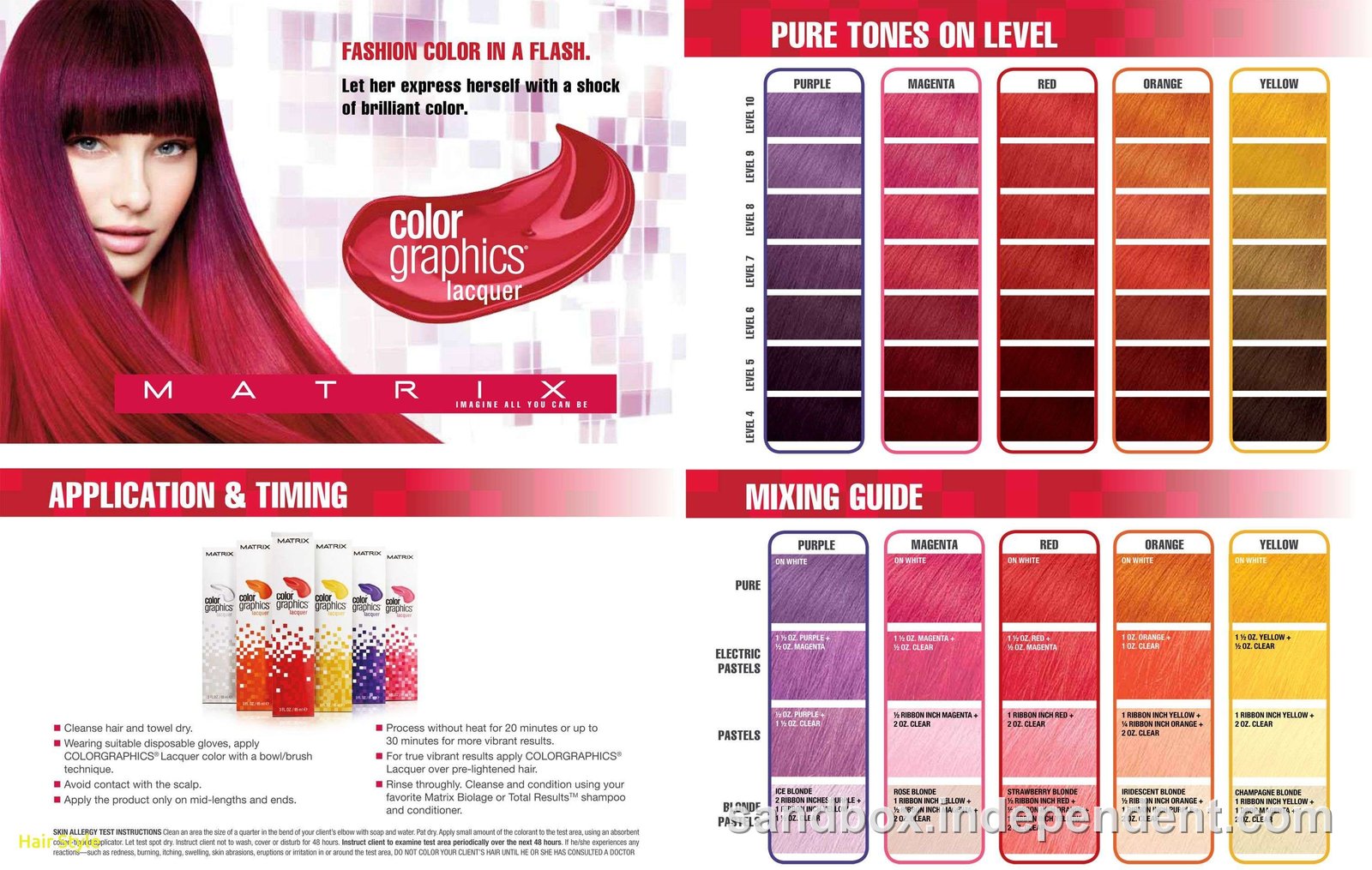
The Gildan color chart is a handy reference tool for anyone working with colors, especially in the garment and textile industry. It's like a secret code that helps you unlock the perfect shade for your project. This chart provides a visual representation of various color options, making it easier to choose and match colors accurately.
Comparing Color Standards: Pantone vs. RGB
When it comes to color charts, you might come across different standards, like Pantone and RGB color codes. The Gildan chart typically follows the Pantone matching system, which is widely used in the fashion and printing industries. Pantone offers a standardized color language, ensuring consistency across different materials and processes. On the other hand, RGB color codes are more common in digital design and web development. So, depending on your specific needs, you might refer to different charts or systems.
Step-by-Step Guide to Using the Gildan Color Chart
Identify your color needs: Determine the type of project you're working on and the colors you require. The Gildan chart covers a wide range of colors, from vibrant hues to subtle shades, so you'll have plenty of options.
Locate the color: The chart is usually organized by color families or categories. Each color is represented by a unique code or number. Find the section that corresponds to the color family you're interested in.
Match the color: Within each color family, you'll find swatches or samples of different shades. Compare these swatches to your desired color. Look for the closest match, considering factors like lighting and material.
Note the color code: Once you've found the perfect match, make a note of the corresponding color code. This code will help you communicate the color accurately to others, ensuring consistency throughout your project.
Double-check specifications: While the Gildan chart provides a great starting point, it's essential to double-check the exact specifications, especially if you're working with specific brand guidelines or industry standards. Some colors may have slight variations, so confirming the details is crucial.
Avoiding Misreadings and Pitfalls
One common pitfall is relying solely on the chart without considering the context. Colors can appear differently under various lighting conditions, so it's important to view samples in the intended environment. Additionally, color perception can vary from person to person, so getting a second opinion or using color-matching tools can help ensure accuracy.
Factors Affecting Color Accuracy
Several factors can influence the accuracy of color representation:
Lighting: Natural and artificial lighting can alter how colors appear. Always view color samples under similar lighting conditions to your project's environment.
Material: Different materials reflect light differently, affecting color perception. The Gildan chart is designed for textile applications, so consider the impact of fabric type and texture on color appearance.
Printing techniques: If you're using the chart for printing purposes, the printing process itself can introduce variations. Calibrated printing equipment and consistent ink formulas are essential for accurate color reproduction.
Environmental factors: External factors like humidity and temperature can impact color perception. Ensure your reference samples are stored and handled under controlled conditions to maintain consistency.
Choosing the Right Color Chart Format
The Gildan color chart comes in various formats to suit different needs:
Physical swatch books: These provide a tangible reference with actual fabric samples. They offer a more accurate representation of colors but can be bulkier to carry.
Digital charts: Digital versions are convenient for quick reference and easy sharing. However, they may not capture the true texture and feel of the fabric.
Online color tools: Some online platforms offer interactive color charts and matching systems. These tools can be useful for remote collaboration and color exploration.
Customized charts: If you work with specific color requirements, you can create customized charts or swatch books tailored to your brand or project.
Maintaining Reliability for Future Projects
To ensure the reliability of your color references:
Store your color charts or swatches properly: Keep them away from direct sunlight and extreme temperatures to prevent fading or discoloration.
Regularly update your references: Color trends and preferences evolve, so stay updated with the latest color charts and standards.
Calibrate your equipment: If you're working with digital color tools, ensure your screens and printers are regularly calibrated to maintain accuracy.
Document your color choices: Keep records of the color codes and references you use for future projects. This helps maintain consistency and saves time when revisiting previous designs.
Hey there, we hope you found this guide helpful and that your color-matching adventures are now a breeze! Remember, when it comes to color charts, the specifics can differ slightly, so always double-check your references and adapt as needed.
Feel free to explore our other guides; we've got plenty of practical tips and tricks to make your creative processes smoother. Happy crafting!
Related: How to Use the Cerenia Dose Chart?
You're likely here because you need a quick solution or some clarity on how to use the cerenia dose chart effectively. It's a handy tool, often in the form of a table or diagram, designed to make dosing cerenia, an anti-nausea medication, simple and accurate. This chart is a go-to reference for pet owners and vets alike, providing a straightforward guide to ensuring your furry friend gets the right dose. While the values may vary depending on factors like weight and region, the cerenia dose chart offers a reliable starting point for administering this veterinary nausea medication.
Understanding the Cerenia Dose Chart
The cerenia dose chart is a valuable tool for pet owners and veterinary professionals, providing a quick and easy reference guide for administering the antiemetic medication Cerenia. This chart ensures accurate dosing, which is crucial for treating nausea and vomiting in cats and dogs.
Key Details and Units
The chart typically displays two key categories: animal weight and corresponding dose. Weight is usually measured in pounds (lbs) for cats and dogs, with standard weight ranges from a few pounds to over 100 lbs. The dose is presented in milligrams (mg) and often includes both oral and injectable options, depending on the medication's form.
Interpreting the Chart: A Step-by-Step Guide
- Locate your pet's weight on the chart. Ensure you have an accurate and recent weight measurement, as this is the primary factor in determining the correct dose.
- Find the corresponding dose for that weight. The chart will indicate the recommended dose, typically in a range to allow for slight variations. For example, a 20-lb dog might have a dose range of 20-25 mg.
- Administer the medication as directed. Follow the instructions on the medication label, which will specify whether to use the oral or injectable form. Ensure you use the correct form and measure the dose accurately.
- Repeat as needed. The frequency of administration will depend on the medication's instructions and your pet's specific condition. Always consult your veterinarian for guidance on the appropriate dosing schedule.
Variations and Differences
While the cerenia dose chart provides a standard guide, variations can occur due to several factors. Different manufacturers may have slightly different recommendations, so always check the specific medication's label. Additionally, the chart's weight ranges might not cover all pets, especially very small or large breeds. In such cases, consult your veterinarian for precise dosing instructions. Storage and handling tips can also impact the medication's effectiveness, so always follow the storage guidelines to maintain the drug's integrity.
Remember, while the cerenia dose chart is a helpful tool, it's essential to prioritize your pet's health and well-being. Always seek professional advice if you have any concerns or questions about administering medication.
Remember, the Cerenia dose chart is a handy tool, but it's always a good idea to double-check the specifics for your unique situation. Exact dosages and guidelines can vary, so it's best to consult the relevant resources or seek professional advice when needed.
Feel free to explore our other guides; we've got plenty of practical tips and references to help you navigate various topics with ease. Happy learning, and stay informed!
Related: A Simple Dog Growth Chart Guide
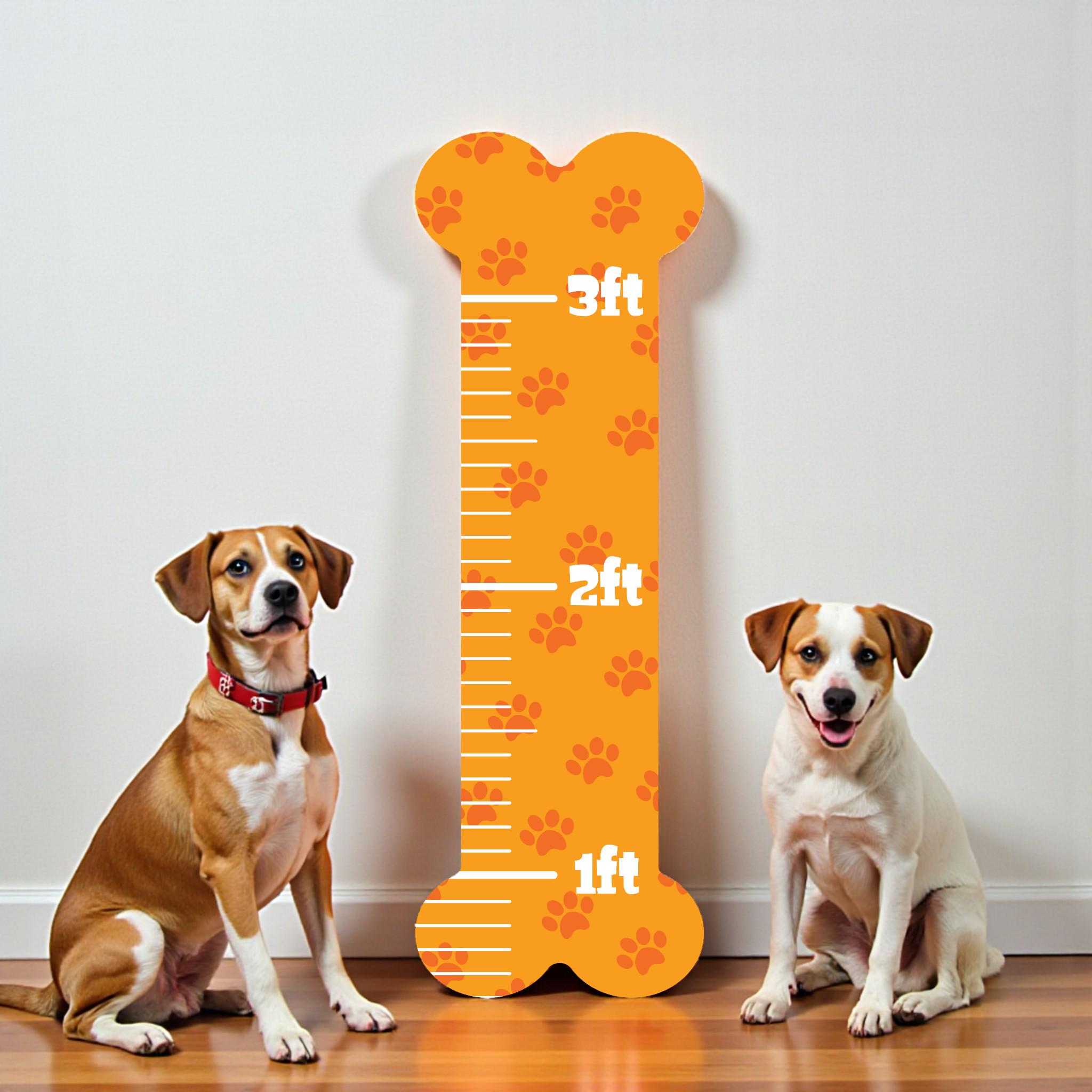
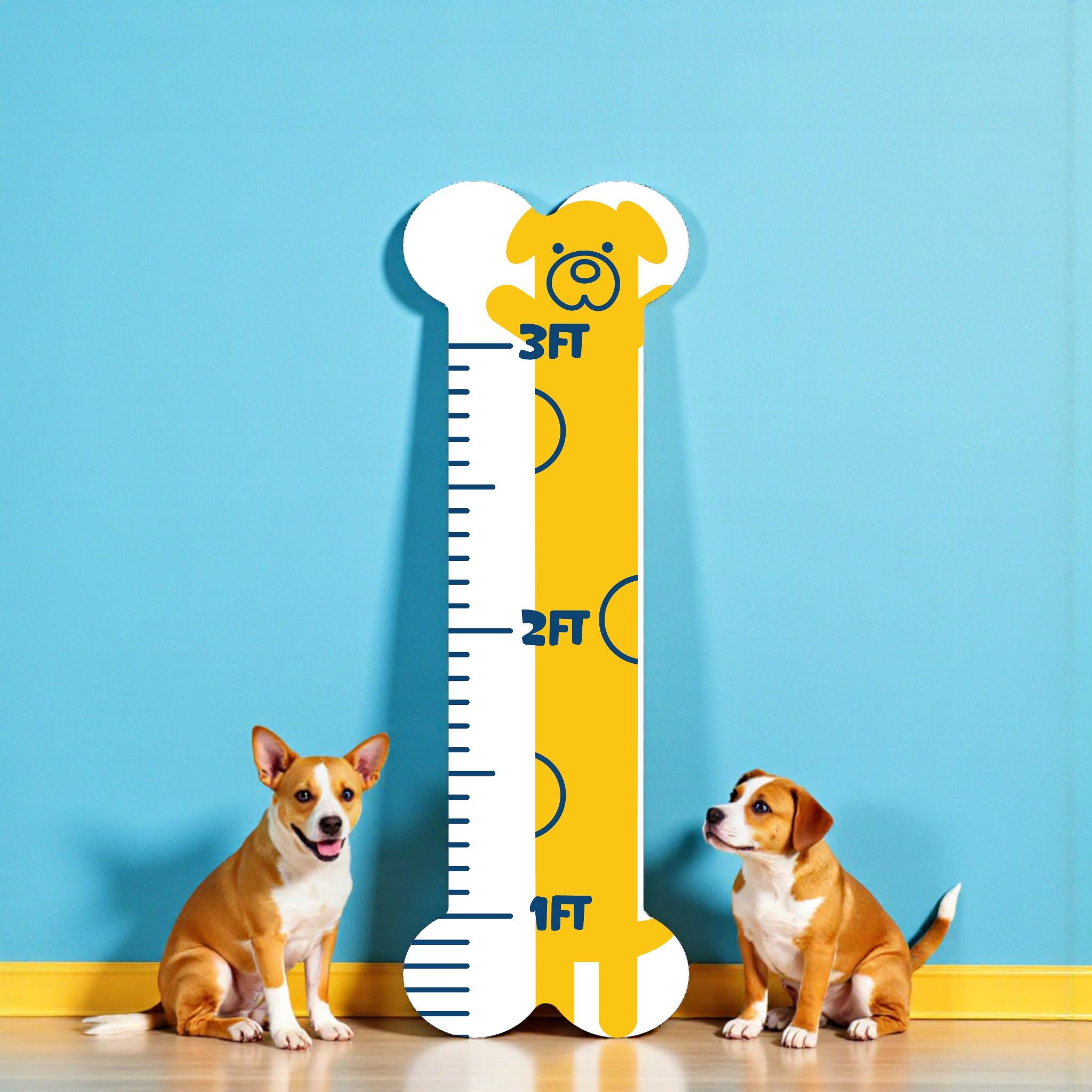
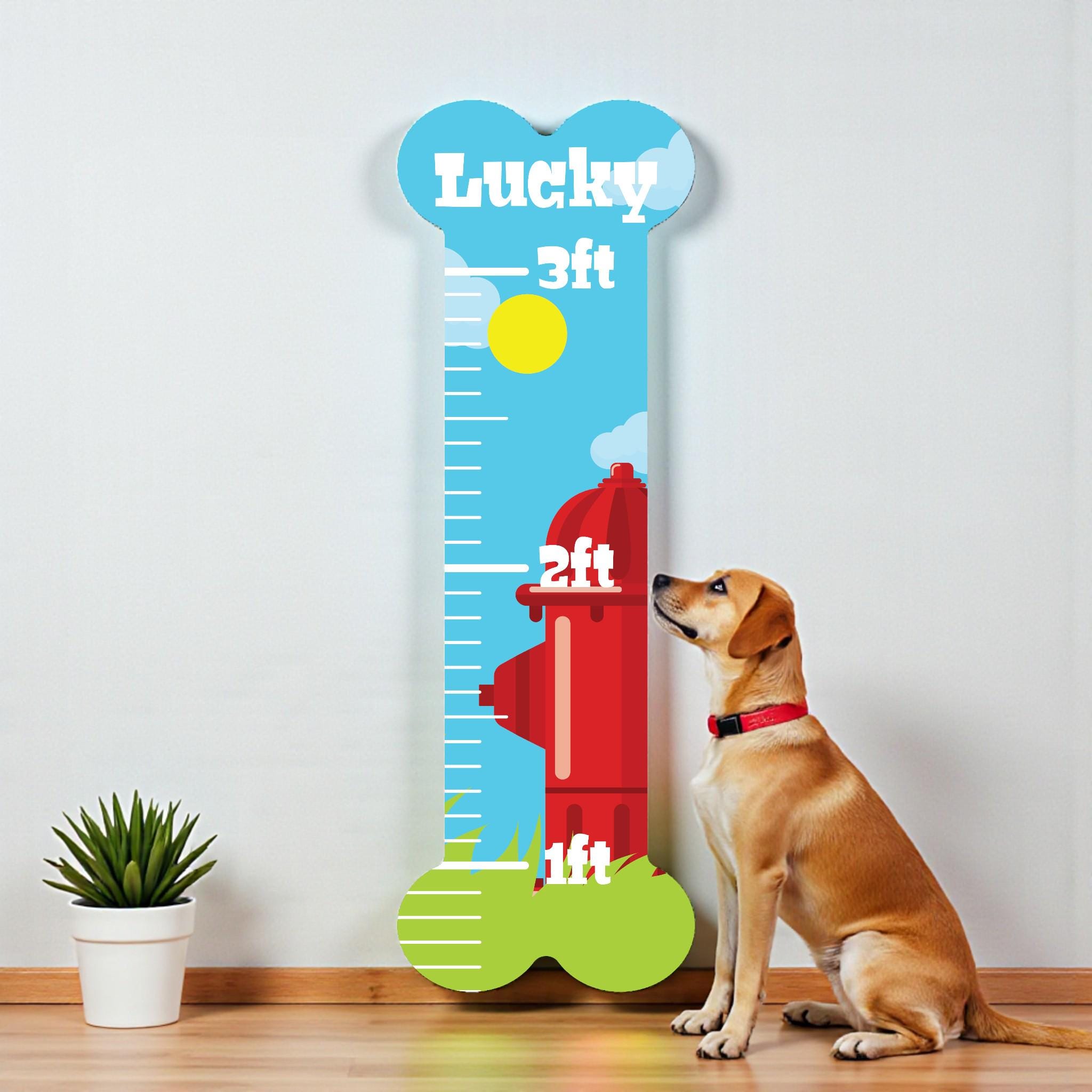
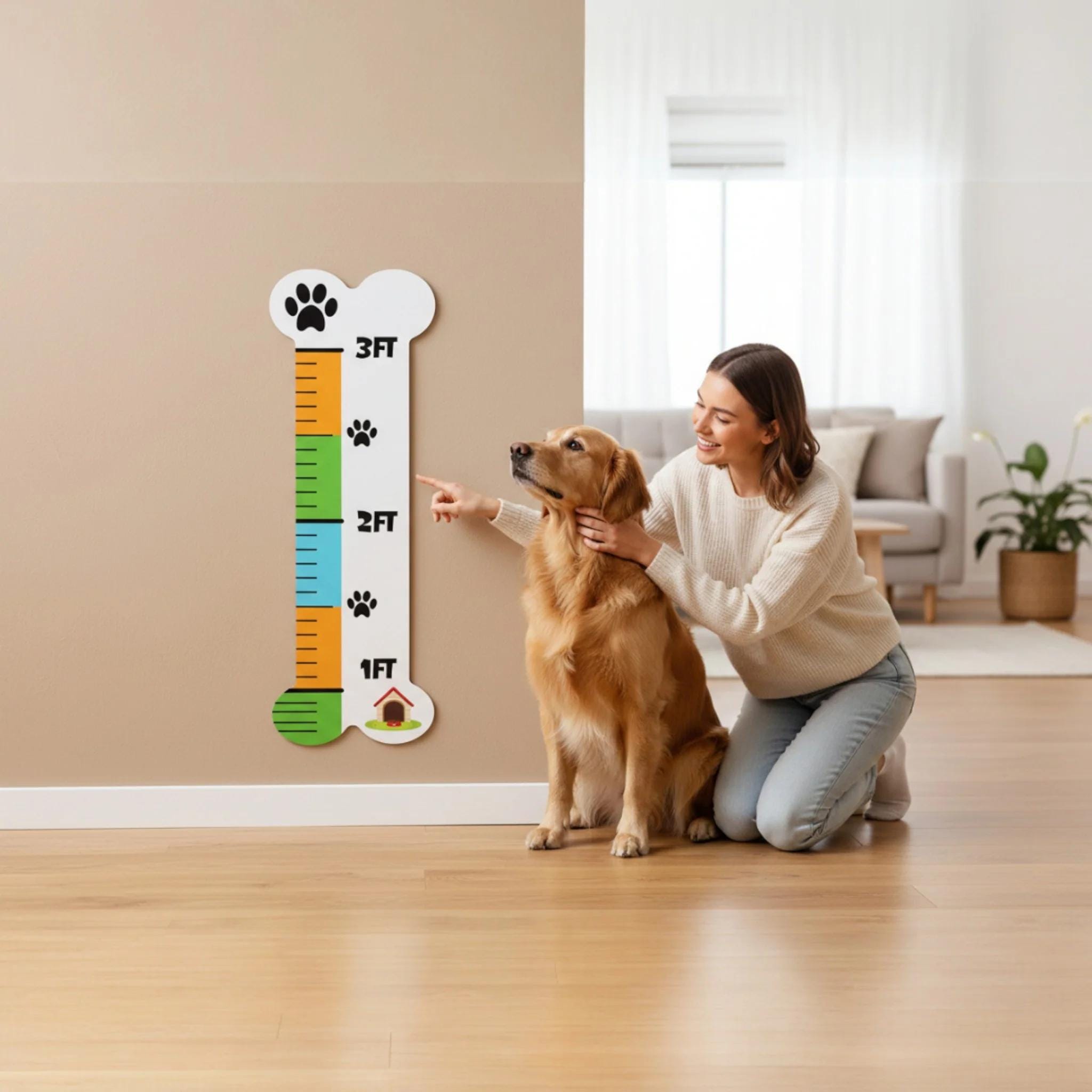
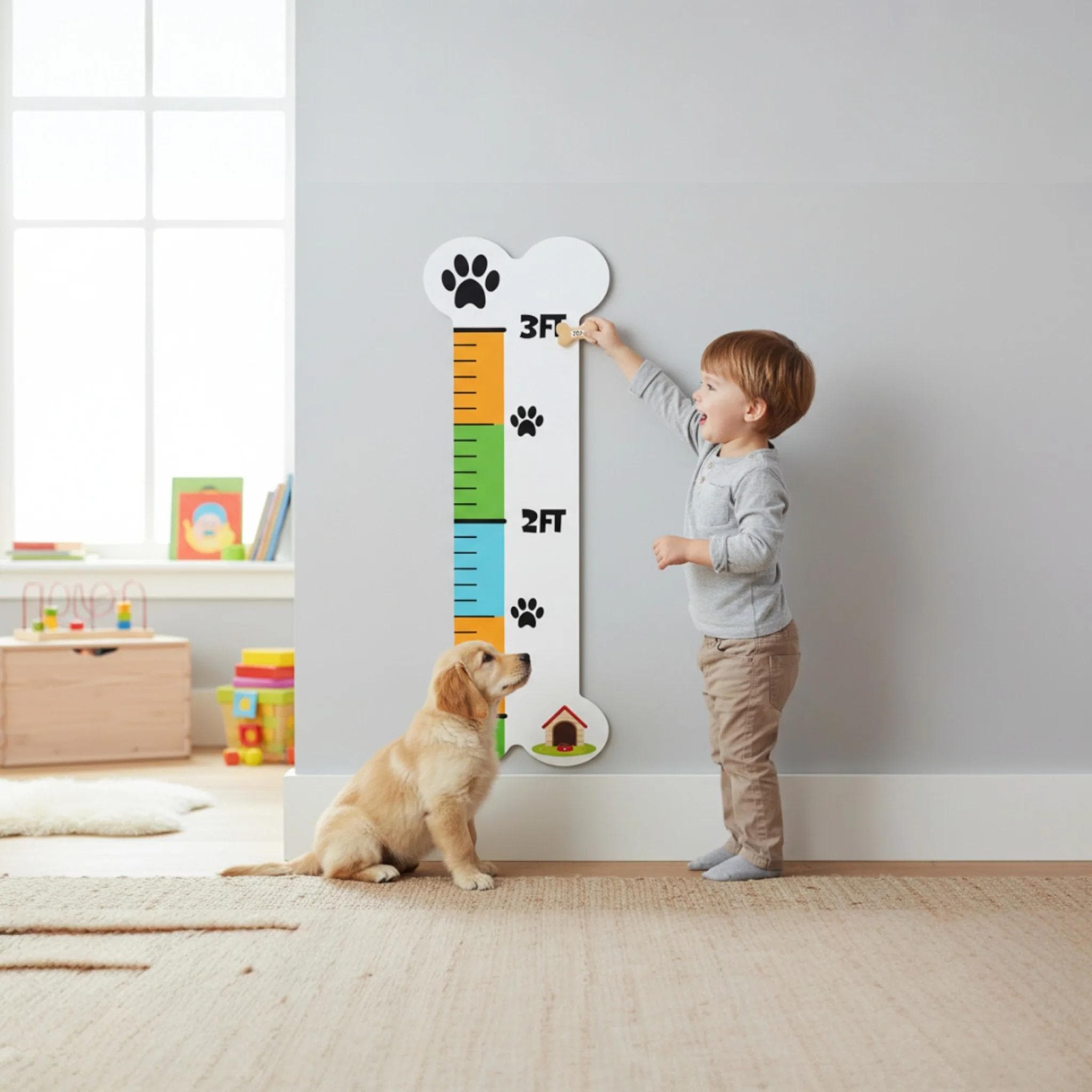
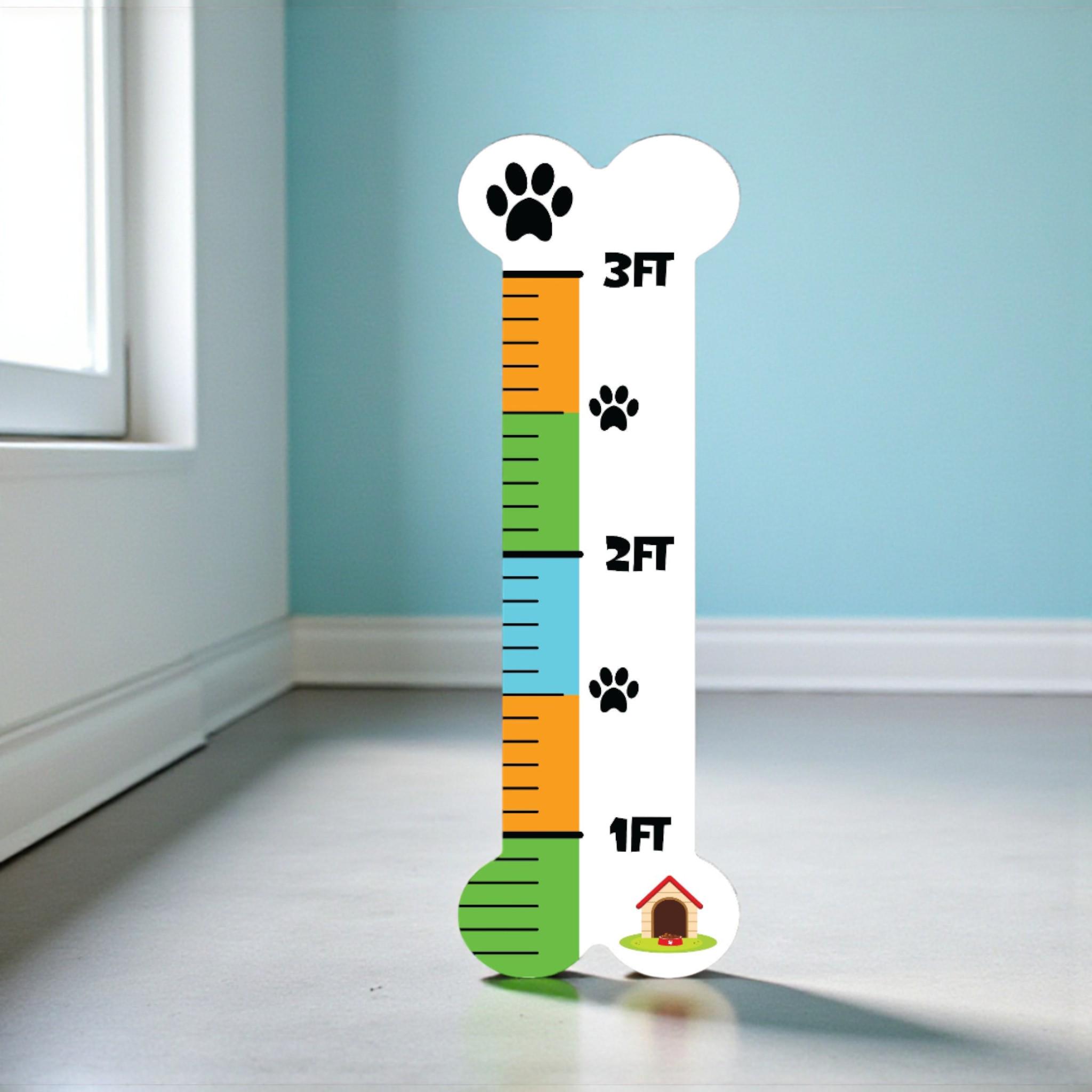
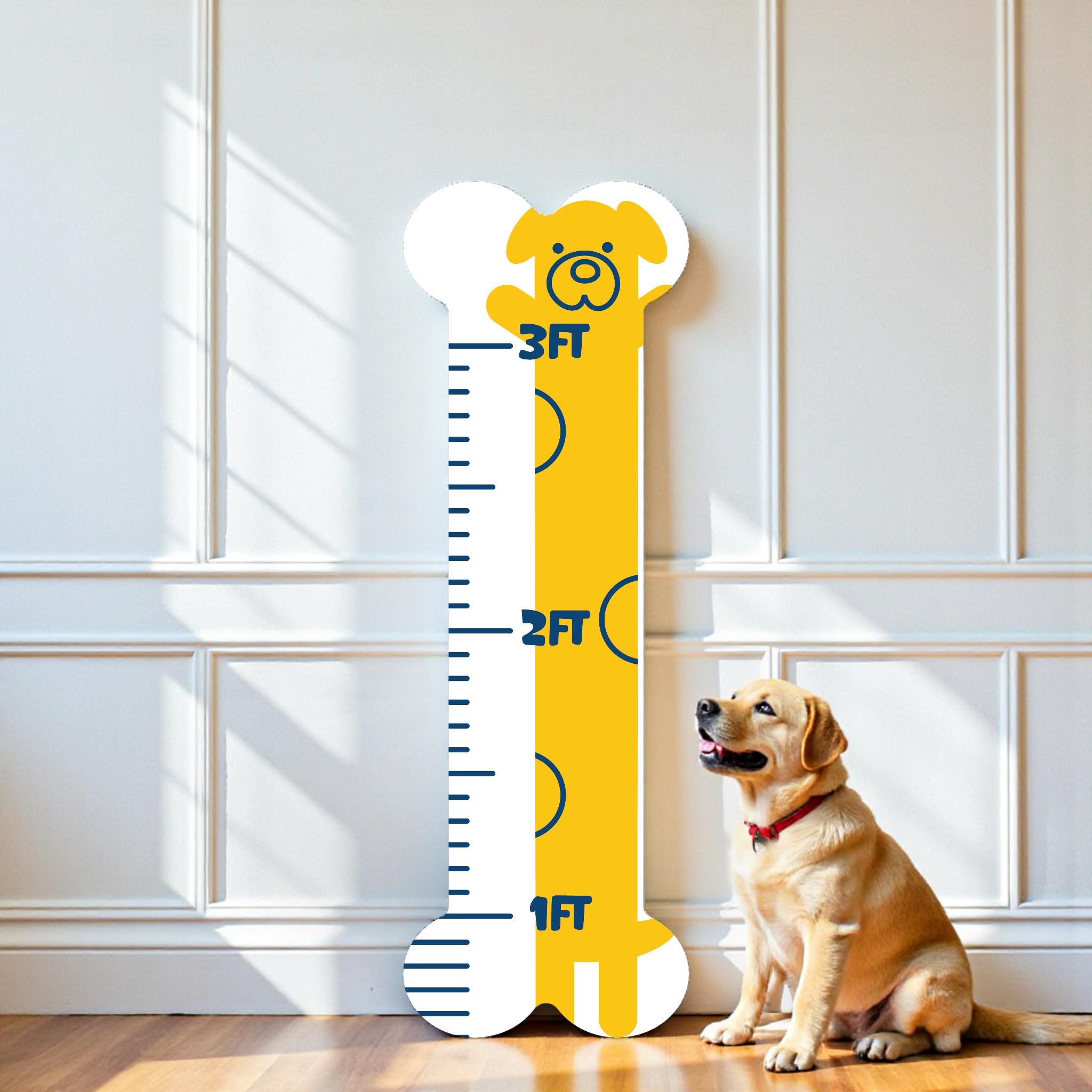
A common misconception about dog growth charts is that they are solely for show, a decorative element on a vet's wall. In reality, these charts are practical tools, offering valuable insights into your dog's development.
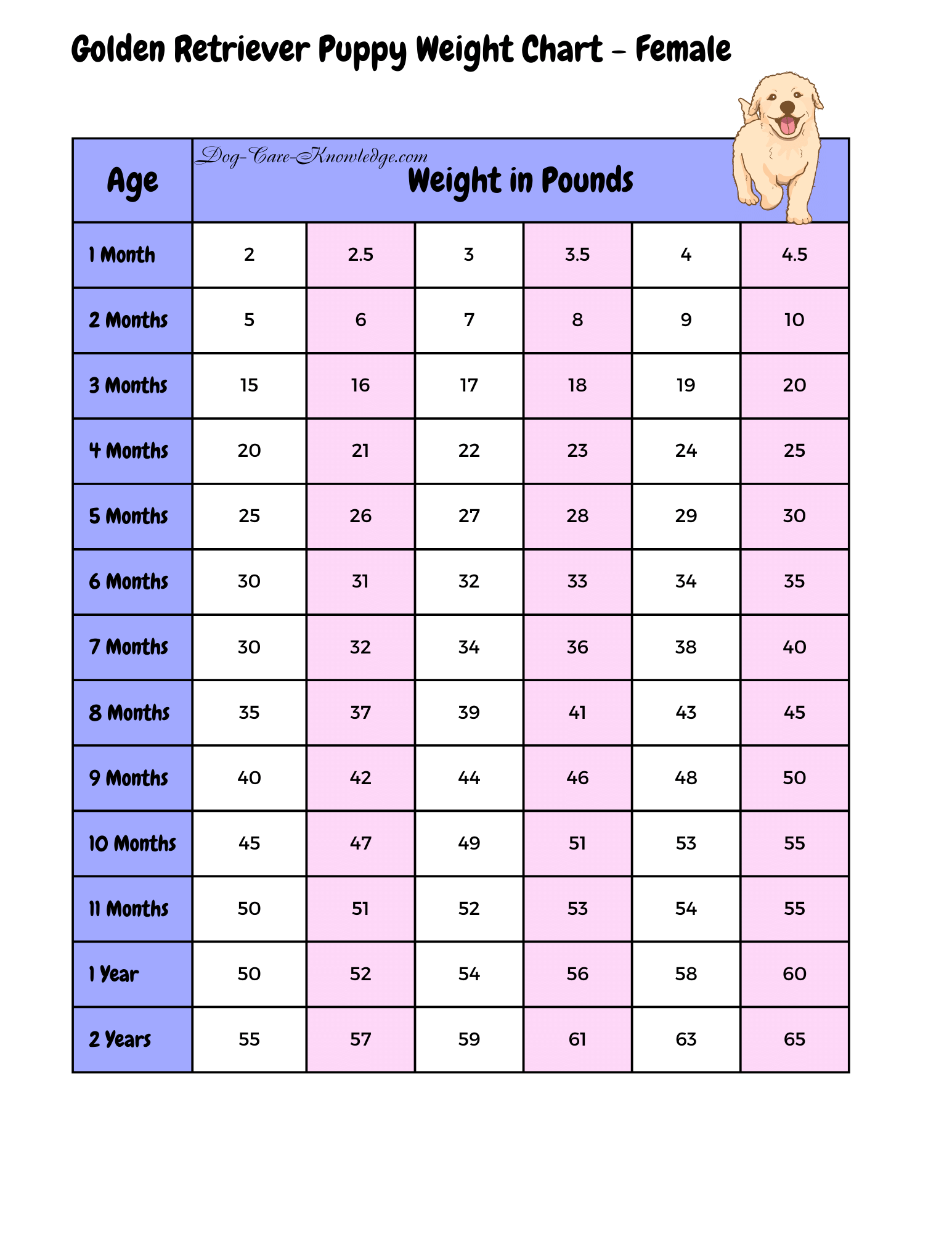
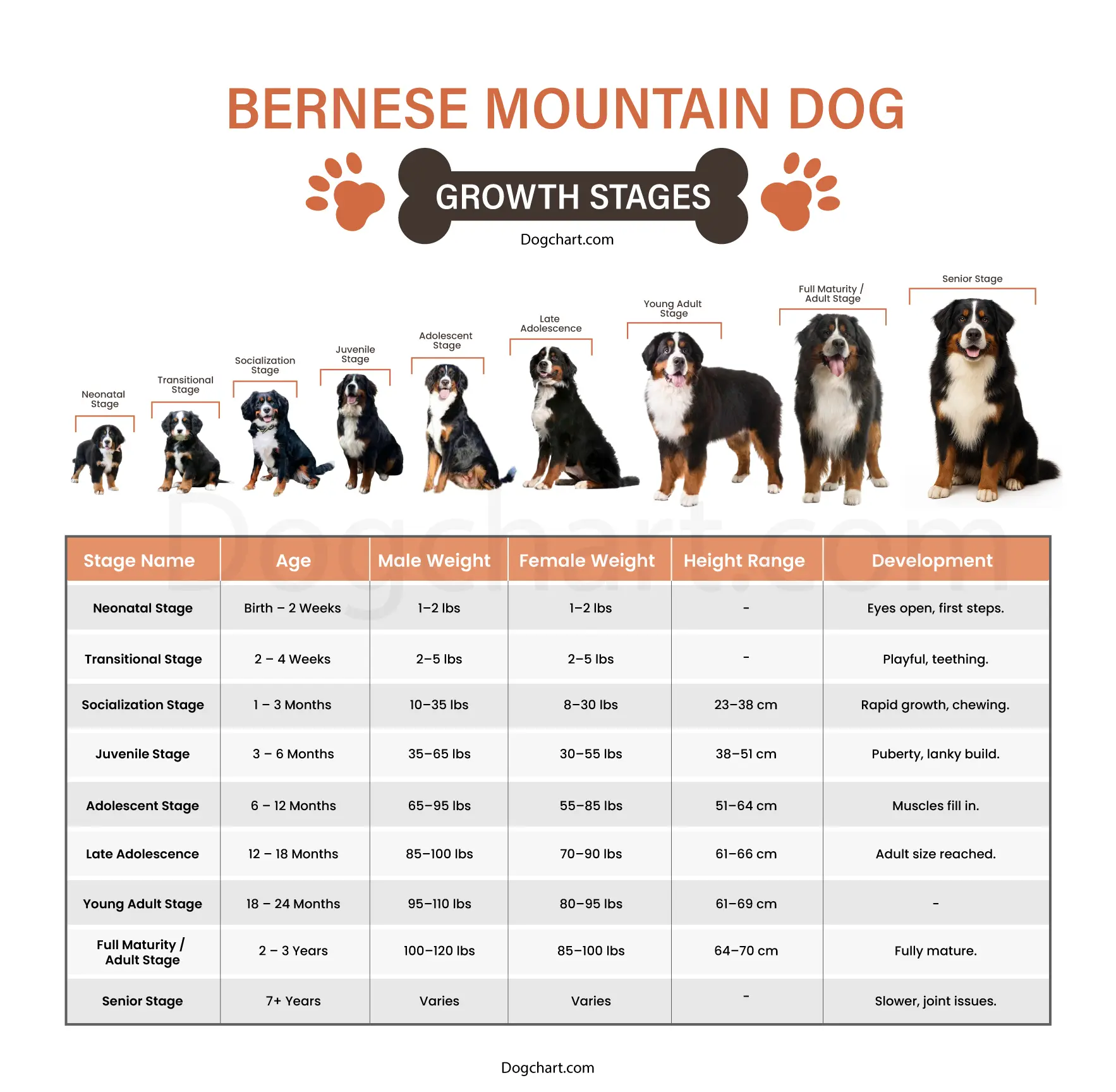
While the values and formats may vary, the purpose remains the same: to provide a quick reference guide for pet owners and professionals alike. With a dog growth chart, you can track your furry friend's progress, ensuring they are on a healthy growth trajectory. It's a simple yet effective way to monitor their well-being, especially during those crucial early months.
Understanding Dog Growth Charts
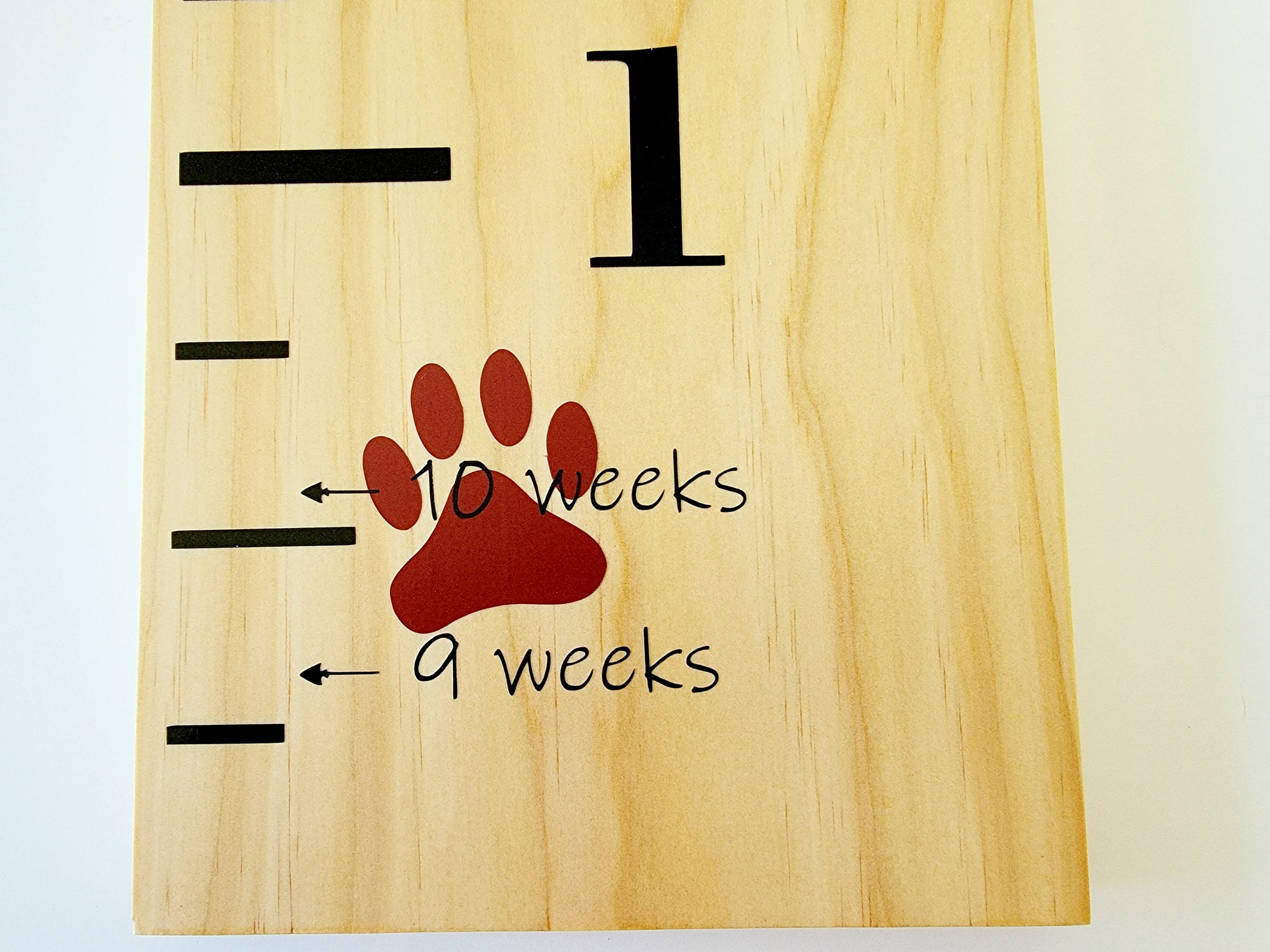
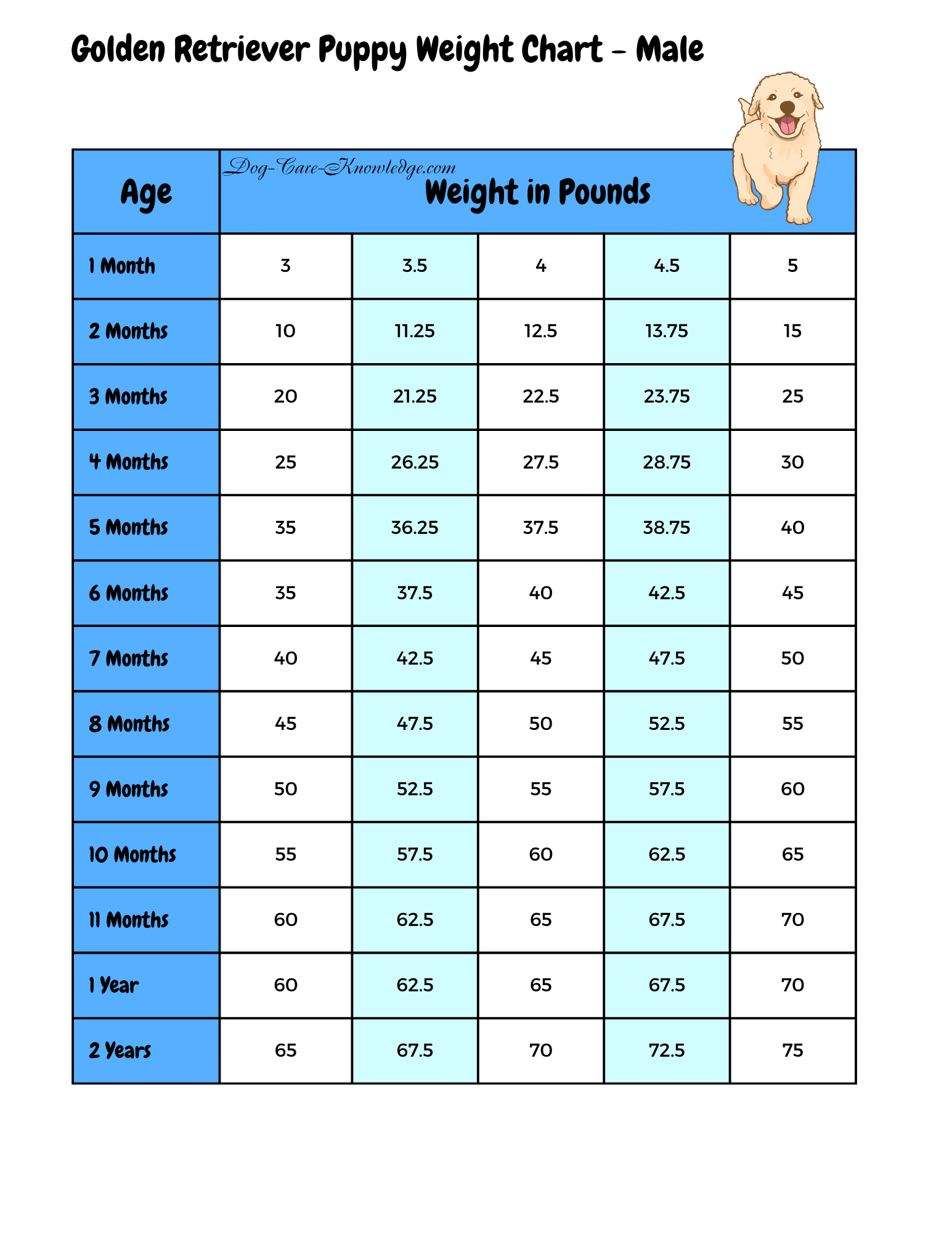
Dog growth charts are a handy tool for pet owners to monitor their furry friend's development. These charts provide a visual representation of a dog's growth journey, offering insights into their weight, height, and overall progress.
Key Details and Categories
The dog weight chart typically includes two main axes: one for age and another for weight or height. Age is often measured in weeks or months, while weight is in pounds or kilograms, depending on the standard used. Some charts also include height measurements, usually in inches or centimeters. It's essential to know your dog's breed and age to choose the right chart and interpret the data accurately.
Reading and Applying the Chart
Here's a step-by-step guide to using a dog growth chart:
- Identify your dog's breed and age. Different breeds have unique growth patterns, so ensure you're using the correct chart.
- Locate your dog's age on the chart's horizontal axis.
- Find the corresponding weight or height range on the vertical axis.
- Compare your dog's actual weight or height with the chart's values. If they fall within the range, your dog is likely growing as expected.
- Track your dog's progress over time by marking their weight or height on the chart regularly. This helps identify any deviations from the average growth rate.
Variations and Differences
It's important to note that dog growth charts are general guidelines and may not apply to every dog. Several factors can influence a dog's growth, leading to variations:
- Breed: Different breeds have distinct growth patterns and sizes.
- Gender: Male and female dogs may have slightly different growth trajectories.
- Nutrition: A dog's diet and overall health play a significant role in their growth.
- Environment: Factors like exercise and living conditions can impact development.
- Individual variations: Just like humans, dogs can have unique growth rates and milestones.
Common Mistakes and How to Avoid Them
When using a dog growth chart, avoid these common pitfalls:
- Relying solely on the chart: While charts provide valuable insights, they are not a substitute for professional advice. Consult a veterinarian if you have concerns about your dog's growth.
- Ignoring individual variations: Every dog is unique. Don't compare your dog's growth directly to another dog's; focus on their personal progress.
- Using the wrong chart: Ensure you select a chart specific to your dog's breed and age group.
- Overinterpreting data: Growth charts offer a general overview; they may not capture all nuances of a dog's development.
- Neglecting regular check-ups: Schedule routine visits to the vet to monitor your dog's overall health and growth accurately.
Remember, dog growth charts are a tool to assist, not a strict rulebook. Stay vigilant, and enjoy watching your furry companion grow and thrive!
So, there you have it, a handy guide to understanding your dog's growth and keeping track of their development. Remember, while these charts provide a great reference, every dog is unique, and growth rates can differ. It's always a good idea to consult your vet for personalized advice.
Before you go, make sure to check the specific standards and guidelines relevant to your breed and region. There's a wealth of information on our site to explore, so feel free to browse and discover more practical guides and fun reads!