

Dvc Point Charts 2026 Overview
You're likely here because you're seeking clarity on DVC point charts, a valuable tool for Disney Vacation Club members. These charts provide an overview of your DVC points, offering a quick reference for understanding your vacation ownership and the associated benefits. While the specific values and formats may vary, depending on your membership and region, the DVC point charts serve as a reliable guide to help you navigate and make the most of your Disney vacations.
Understanding the Chart: DVC Point Values
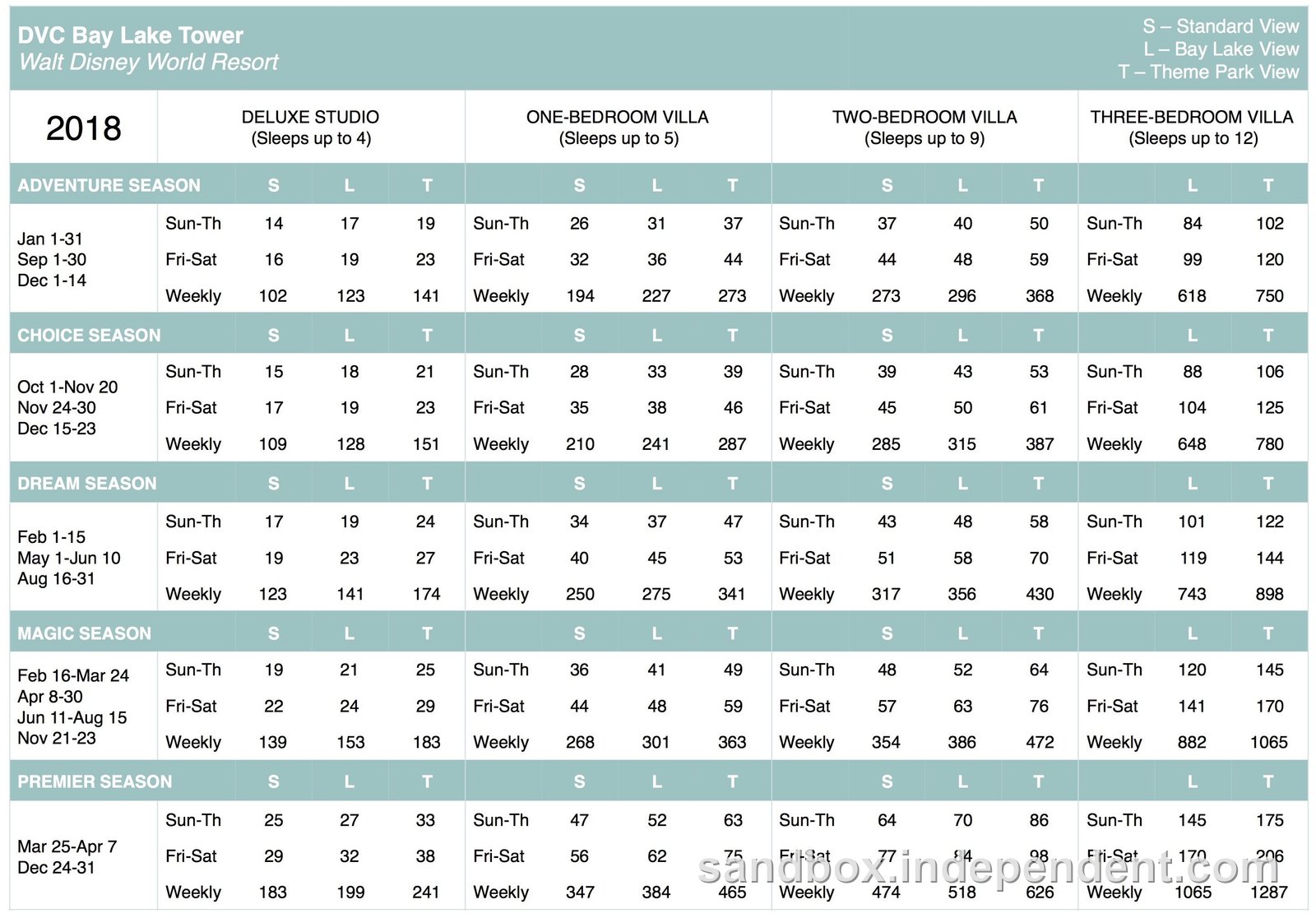
DVC point charts are a valuable tool for members of the Disney Vacation Club (DVC) to understand and manage their vacation ownership and resort points. These charts provide a clear overview of the point values assigned to different DVC resorts, allowing members to plan their vacations effectively. By referring to this chart, members can determine the cost of their desired accommodations and make informed decisions about their vacation plans.
Comparing Resort Point Values
The beauty of DVC point charts lies in their ability to standardize point values across various resorts. Each resort is assigned a specific point value, reflecting its popularity, location, and amenities. These point values are crucial for members as they determine the number of points required to book a stay. The chart typically displays resorts in a hierarchical manner, with the most sought-after destinations having higher point values. Members can easily compare and contrast the point requirements for different resorts, helping them choose the perfect vacation spot.
Step-by-Step Guide: Using DVC Point Charts
To make the most of DVC point charts, follow these simple steps:
- Identify your preferred DVC resort(s) and the desired dates for your vacation.
- Refer to the DVC point chart to find the point value associated with each resort during your chosen time frame.
- Calculate the total number of points needed for your stay, considering the length of your trip and the point values of the resorts.
- Check your DVC account balance to ensure you have sufficient points for your desired reservation.
- Proceed with booking your vacation, utilizing your DVC points effectively.
Avoiding Common Misunderstandings
While DVC point charts are straightforward, it's essential to be aware of potential pitfalls. One common misunderstanding is assuming that point values remain constant throughout the year. In reality, point values can fluctuate based on seasons and demand. Always check the specific dates you wish to travel, as point values may differ between peak and off-peak periods. Additionally, be mindful of any special events or promotions that could impact point values temporarily. Staying informed about these variations will ensure accurate planning.
Factors Affecting Point Value Accuracy
Several factors influence the accuracy of DVC point charts and their real-world application. Firstly, it's crucial to note that point values are subject to change, especially during peak travel seasons or for special events. Members should regularly update their knowledge of point values to ensure they are planning their vacations based on the most current information. Additionally, the availability of certain resorts and accommodations can impact point values, as popular options may require more points during high demand. Staying flexible and open to alternative choices can help members optimize their point usage.
DVC point charts are a handy tool, offering a quick and clear reference for your planning needs. Remember, these charts are a guide, and while they provide a great starting point, it's essential to tailor them to your unique situation.
So, take a moment to review your specific requirements and ensure the chart you choose aligns perfectly with your goals. Then, you'll be all set to make the most of your DVC points!
If you're keen to explore more, our site offers a wealth of resources to enhance your understanding. Why not check out some related guides and continue your learning journey?
Related: Unraveling the DVC Points Chart: A Simple Guide
A DVC points chart is a handy tool for Disney Vacation Club members, offering a clear and concise way to visualize and understand their points system. This guide will take you through the essentials, covering what you need to know to navigate and utilize the DVC points chart effectively.
It's a simple yet powerful resource, providing an at-a-glance overview of your points and their potential, with variations depending on your region and membership type.
Understanding the DVC Points Chart
The DVC points chart is your guide to navigating the Disney Vacation Club (DVC) points system. It's a handy tool that helps you understand the value of your DVC points and how they can be used across different Disney resorts and accommodations. This chart is a reference for members to plan their vacations and make the most of their points.
Comparing Point Values and Categories
The DVC points chart typically displays point values for various Disney properties, categorized by resort and room type. You'll find columns for different resorts, with rows indicating the point cost for each room category. These categories might include standard rooms, preferred rooms, or even villas, each with its own point value. It's important to note that point values can vary based on the resort's location, amenities, and demand.
Reading the Points Chart: A Step-by-Step Guide
Start by identifying the resort you're interested in. Each resort will have its own column on the chart. Next, locate the specific room category you prefer. The corresponding point value will be displayed in that cell. For example, if you want a standard room at Resort A, find "Resort A" on the chart, then look for the "Standard Room" category. The point value in that cell is what you'll need for your stay. Remember, these points are flexible and can be used across different resorts, so you have options!
Avoiding Common Misreadings
One common pitfall is assuming that all resorts and room types have the same point values. This is not the case; each resort's point values are unique. Another mistake is not considering the time of year. Point values can fluctuate based on seasonality and demand, so always check the chart for the specific dates you're planning to travel. It's also important to note that the DVC points chart may not cover every single resort or room type. Some specialty accommodations or unique experiences might have their own point values, so it's wise to double-check with Disney or a DVC guide for these exceptions.
Factors Affecting Point Variations
Point values on the DVC points chart can vary due to several factors. Here are some key influences:
- Resort Location: Resorts in high-demand areas, like popular theme park locations, often have higher point values.
- Seasonality: Point costs can increase during peak travel seasons, such as school holidays or summer months.
- Room Amenities: Rooms with special features, like a balcony or a better view, may require more points.
- Resort Facilities: Resorts with extensive amenities, like water parks or multiple dining options, might have higher point values.
- Room Size and Capacity: Larger rooms or those accommodating more guests usually require more points.
Adapting the Chart for Your Needs
While the standard DVC points chart is a great starting point, you might need to adapt it for your specific vacation plans. Here are some tips:
- If you're planning a large family vacation, consider the room's capacity and ensure it aligns with your needs.
- For a more luxurious stay, look for resorts with higher-end amenities and check their point values.
- If you're flexible with dates, you can save points by choosing off-peak travel periods.
- Use a DVC points calculator or consult a Disney points conversion guide to estimate the points needed for your desired resort and room type.
- Keep an eye on vacation club points charts for any updates or changes, especially if you're planning far in advance.
Well, there you have it! A comprehensive guide to navigating the world of DVC points. We've covered the basics, compared the options, and provided a step-by-step process to ensure you're on the right track.
Remember, every situation is unique, so be sure to tailor these insights to your specific needs. Double-check the factors that impact your context, and you'll be well on your way to making informed decisions. This chart is a handy reference, so bookmark this page for future use. It's always good to have a quick reminder when you need it!
Related: Understand Deer Age Charts: A Simple Guide
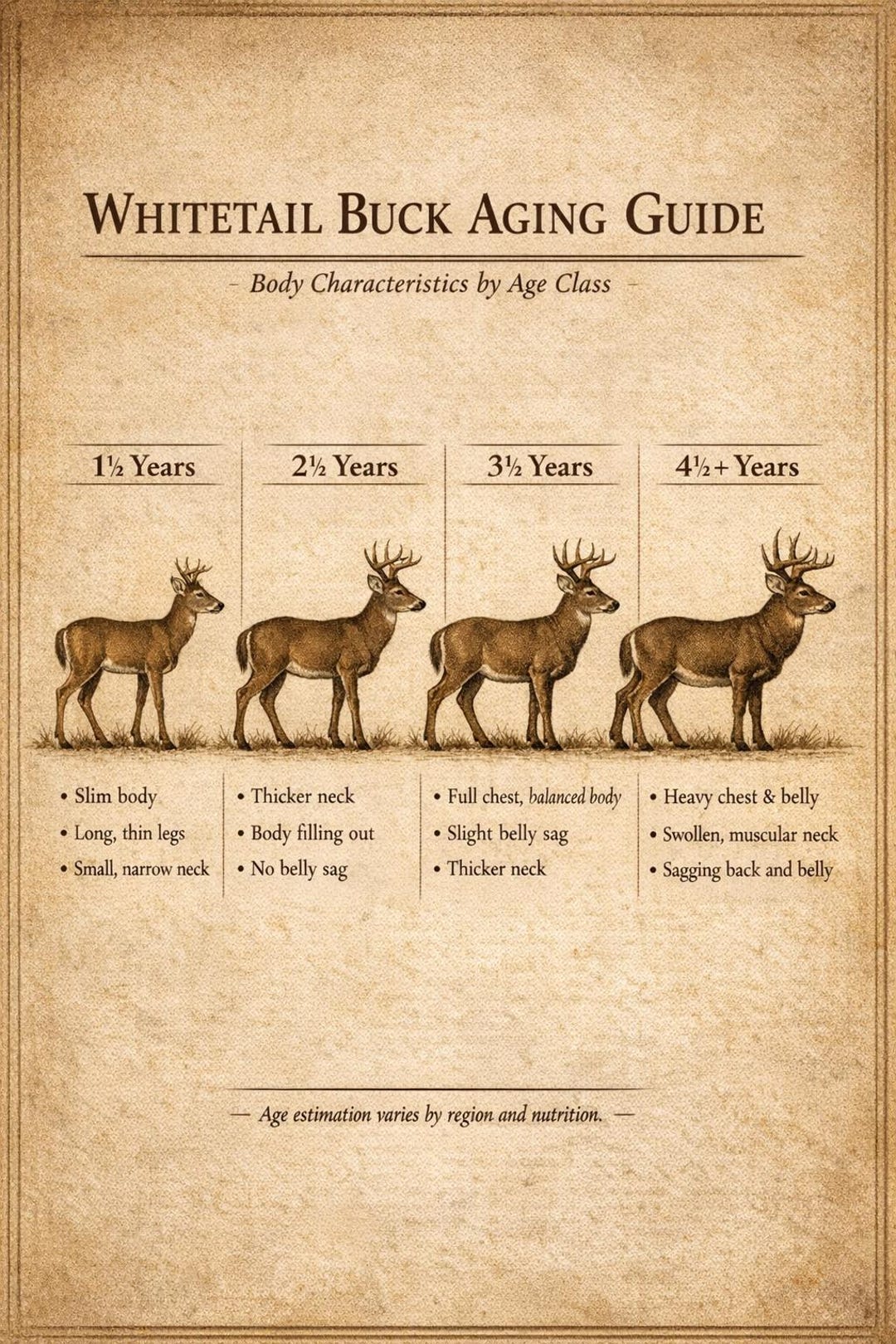
Many outdoor enthusiasts and hunters may assume that estimating a deer's age is an innate skill, but it's actually a precise art that requires a deer age chart as your trusted companion. While it may seem simple, misreading these charts can lead to inaccurate assessments.
The deer age chart, a vital tool for whitetail deer aging, relies on tooth wear and other visual cues. These charts provide a standardized way to estimate a deer's age, but it's important to note that variations exist, often depending on the region and specific deer species.
A Comprehensive Guide to the Deer Age Chart
The deer age chart is an invaluable tool for hunters, wildlife enthusiasts, and researchers, providing an accurate estimate of a deer's age. This chart, often referred to as a tooth wear chart, is a visual representation of the relationship between a deer's teeth and its age. It serves as a practical guide to help determine the age of a deer based on the condition of its teeth.
Comparing Chart Formats and Standards
There are several versions of the deer age chart available, and they can vary slightly depending on the region and the specific deer species being considered. Some charts are designed for whitetail deer aging, while others cater to different deer varieties. It's essential to use the appropriate chart for your region and the deer species you encounter. These charts typically provide a clear and easy-to-read visual representation, often with color-coded categories or a simple diagram.
Step-by-Step Guide to Accurate Deer Age Estimation
Using the deer age chart is a straightforward process, but accuracy is key. Here's a simple guide:
Examine the Deer's Teeth: Focus on the lower jaw, specifically the incisor teeth. These teeth are a reliable indicator of age.
Assess Tooth Wear: Look for signs of wear and erosion. The more worn the teeth, the older the deer.
Consult the Chart: Refer to the deer age chart and match the tooth wear pattern with the corresponding age category. The chart will often provide a range of ages, so select the most appropriate age based on your observation.
Consider Other Factors: While tooth wear is a primary indicator, other factors can influence the accuracy. These include the deer's overall health, diet, and environmental conditions. For instance, a deer with a poor diet may exhibit faster tooth wear.
Practice and Experience: Like any skill, estimating deer age improves with practice. Study various deer teeth patterns and compare them to the chart to refine your skills.
Common Misreadings and How to Avoid Them
While the deer age chart is a reliable tool, there are a few potential pitfalls to avoid:
Deer Aging by Teeth Variations: Different deer species and even individual deer can exhibit variations in tooth wear patterns. Always double-check the specific chart for your region and species.
Environmental Factors: Extreme environmental conditions, such as a harsh winter, can affect tooth wear. Consider these factors when estimating age.
Antler Size Chart: While antler size can indicate a deer's maturity, it's not a reliable indicator of age. Focus on the teeth for accurate age estimation.
Individual Differences: Deer, like all animals, are unique. Some may exhibit faster or slower tooth wear, so always refer to the chart as a guide, but trust your observations and experience.
By following these steps and being mindful of potential variations, you can accurately estimate a deer's age using the deer age chart, contributing to your understanding of deer populations and their behavior.
Remember, while this guide provides a solid framework, the specifics might shift a bit based on your unique circumstances. Every deer and every situation is a little different, so it's important to adapt and stay curious.
We've got a whole library of practical guides and resources here, so feel free to explore and discover more. You might just find the perfect tool to enhance your outdoor adventures and make the most of your time in nature. Happy trails!