

Dvc Point Charts Blank Overview
You're probably familiar with the door swing chart; it's a handy reference tool that quickly clarifies door swing direction and related details. This chart is your go-to guide, offering a simple visual representation to ensure you get the door swing direction and hand right. While the values and formats may vary depending on your region and specific context, the door swing chart provides a reliable framework to work from.
Understanding Door Swing: A Practical Overview
The door swing chart is an essential reference tool for anyone involved in construction, interior design, or even DIY projects. It provides a clear visual representation of standard door measurements and their swing directions. This chart is your guide to ensuring proper door installation and functionality.
Comparing Door Swing Directions and Standards
Door swing charts typically categorize doors based on their swing direction, which is determined by the door's hand and hinge direction. The chart presents options for left-swing and right-swing doors, with further specifications for inward or outward openings. These categories are crucial for ensuring doors open and close smoothly and safely.
The standards used in the chart may vary depending on the region and specific building codes. For instance, the door swing direction chart might use different measurements and labels for the US market compared to international standards. It's important to refer to the correct chart for your location to avoid any installation errors.
Step-by-Step Guide to Using the Door Swing Chart
To utilize the door swing chart effectively, follow these simple steps:
- Identify the required door opening direction: inward or outward.
- Determine the door's hand, which indicates the side of the door with the hinges.
- Locate the corresponding category on the chart, considering the door's swing direction and hand.
- Measure and note the standard door dimensions, including the width, height, and thickness, as specified on the chart.
- Ensure you have the correct hardware, such as hinges and handles, suitable for the chosen door swing direction.
Common Misreadings and How to Avoid Them
While the door swing chart is straightforward, there are a few potential pitfalls to be aware of:
- Door swing direction is not always intuitive. Ensure you understand whether the chart refers to the door's swing when viewed from inside or outside the room.
- Variations in standards: Be mindful of the chart's specific standard and region. If you're working with a unique or custom door, double-check the exact specifications to avoid errors.
- Door hand and hinge direction can be easily confused. Take a moment to clarify which side of the door is considered the hand and ensure it aligns with the chart's categories.
Remember, while the door swing chart provides a valuable reference, it's always beneficial to consult with professionals or refer to detailed installation guides for complex projects.
Door swing charts are a handy tool, offering a quick reference guide to help you navigate the world of door specifications. While the exact details may differ slightly, the core principles remain the same, ensuring a consistent and reliable resource.
Feel free to bookmark this page for future use; it's a great way to keep this practical information at your fingertips. And don't forget to explore other guides too; there's always something new to discover and learn!
Related: Understanding Maine Tide Charts
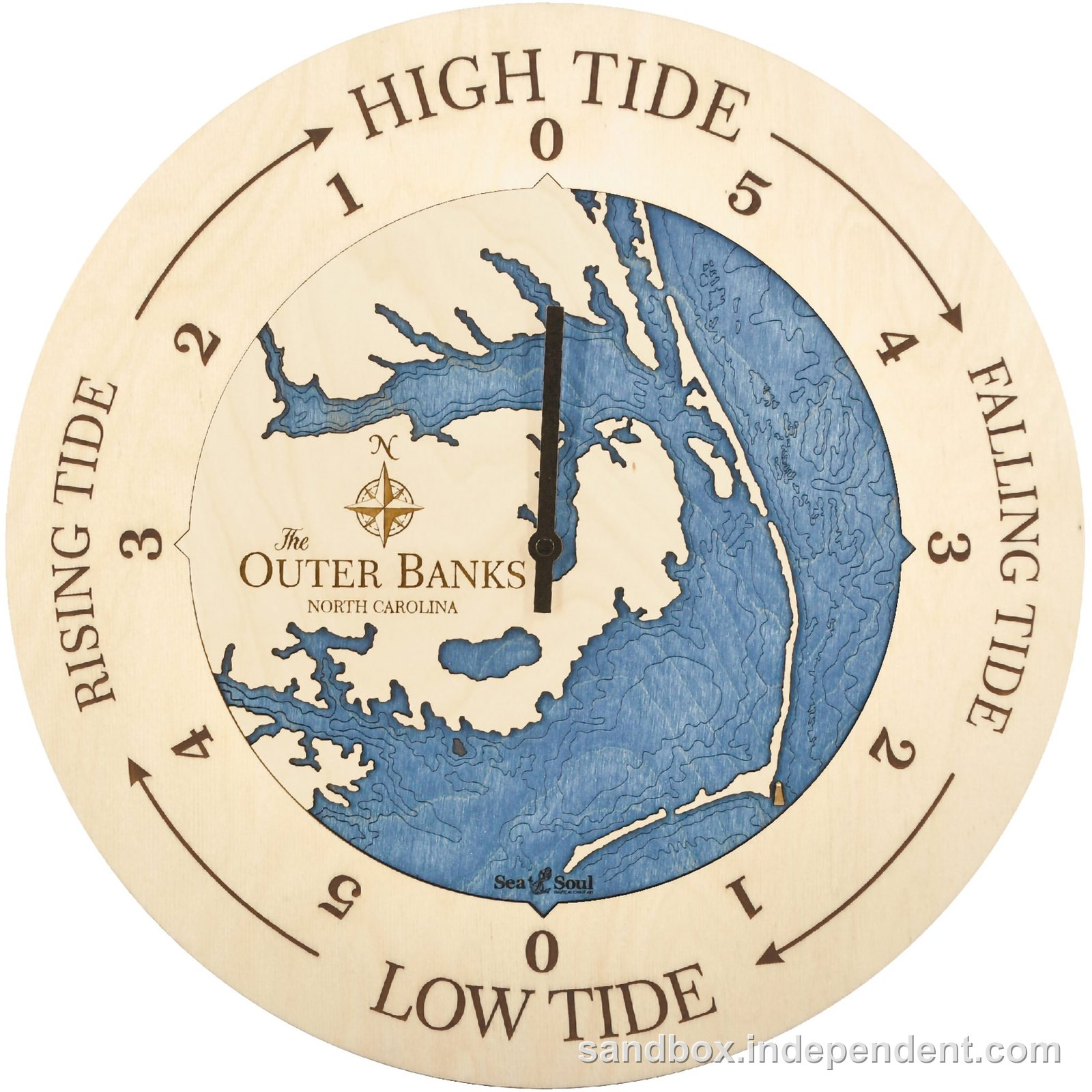
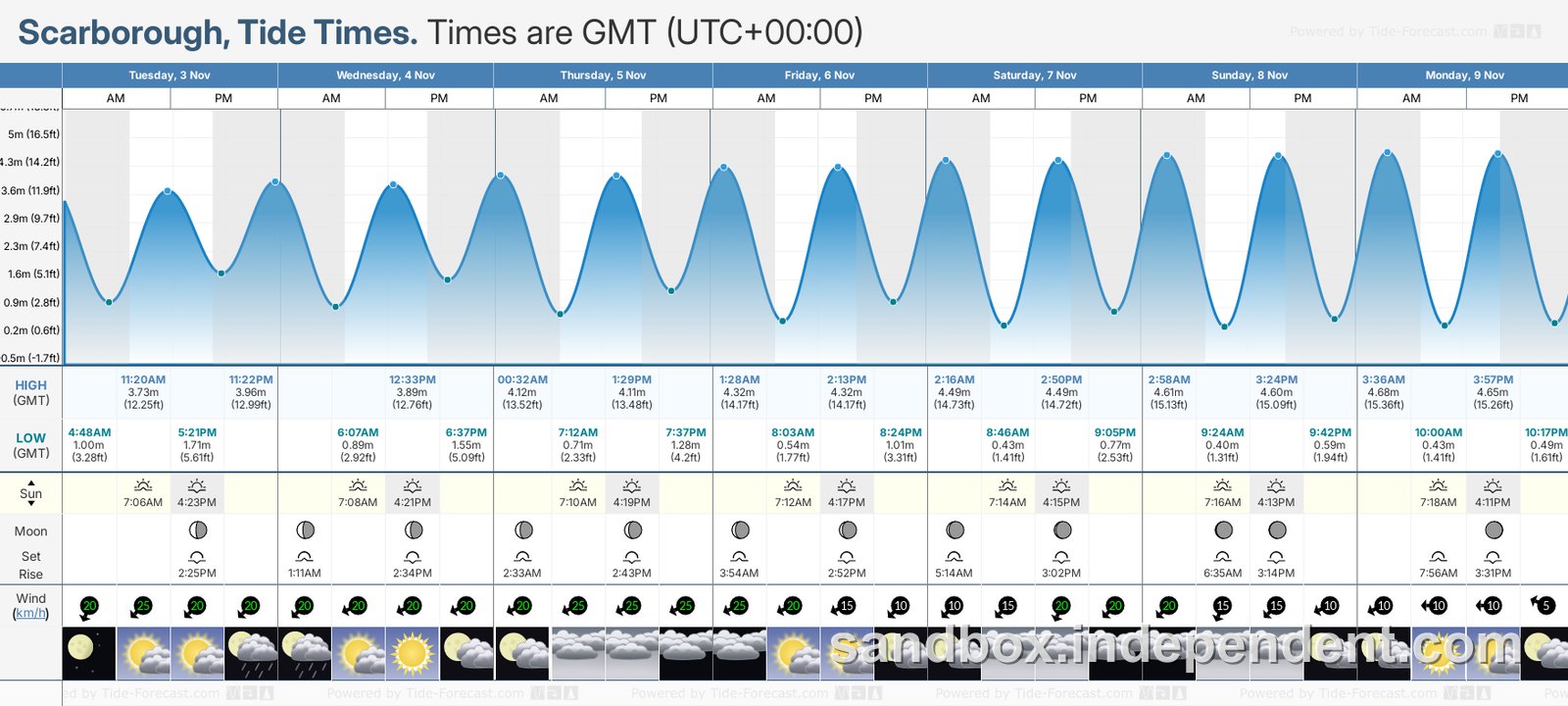
You're probably here because you need a Maine tide chart to plan your day, whether it's for a fishing trip, a coastal walk, or simply to avoid getting stuck in the mud. These charts are a handy tool, providing a quick glimpse into the ebb and flow of tides, and they're essential for anyone spending time near the coast. While the specifics, like tide times and heights, can vary depending on your location, the Maine tide chart is a reliable guide, offering a simple way to stay informed and ensure your plans don't get, well, washed away.
Understanding Tide Data: Maine Tide Chart Explained
The maine tide chart is a handy tool for anyone planning activities along the coast. It provides a visual representation of tide times and heights, helping you navigate the ever-changing coastal waters. This chart is especially useful for boaters, fishermen, and beachgoers who want to time their activities with the tides.
Key Details and Categories
The maine tide chart typically displays two main categories of information: tide times and tide heights. Tide times are shown as specific hours and minutes, indicating when the tide will be at its highest or lowest point. Tide heights are usually measured in feet and represent the vertical distance between the water's surface and a reference point, often a specific benchmark on land.
Reading Tide Graphs: A Step-by-Step Guide
To read a maine tide chart, follow these steps:
Identify the date and time: Each chart is specific to a particular date, so ensure you're using the right chart for your planned activity.
Locate the tide times: Look for the columns or rows indicating the hours and minutes when the tide will be at its highest (high tide) or lowest (low tide).
Understand the tide heights: The chart will show the corresponding tide height for each tide time. This is usually represented by a line or bar graph, with the height of the line or bar indicating the tide height in feet.
Plan your activities: With the tide times and heights in mind, you can now plan your coastal activities accordingly. For example, if you're going fishing, you might want to time your trip with the high tide to access deeper waters.
Common Tide Patterns and Variations
While the maine tide chart provides a reliable guide, it's important to note that tide patterns can vary due to several factors:
Neap tides: These occur during the first and third quarters of the moon's cycle and result in smaller tidal ranges.
Spring tides: Spring tides, which have nothing to do with the season, happen during the full and new moon phases and lead to larger tidal ranges.
Weather conditions: Strong winds and storms can influence tide heights and times, causing deviations from the standard chart.
Location: Different areas along the coast may experience slight variations in tide times and heights due to local geography and water depth.
Remember, while the maine tide chart is a valuable tool, it's always a good idea to double-check with local sources or experts for the most accurate and up-to-date information, especially during extreme weather conditions.
Hey there, we hope you found this guide on Maine tide charts useful! Remember, the details can differ slightly depending on the source and the specific location you're interested in, so it's always good to double-check.
Feel free to explore our other guides; we've got plenty of practical resources to help you navigate various topics. It's a great way to discover more about the world and keep learning!
Related: Understand Deer Age Charts: A Simple Guide
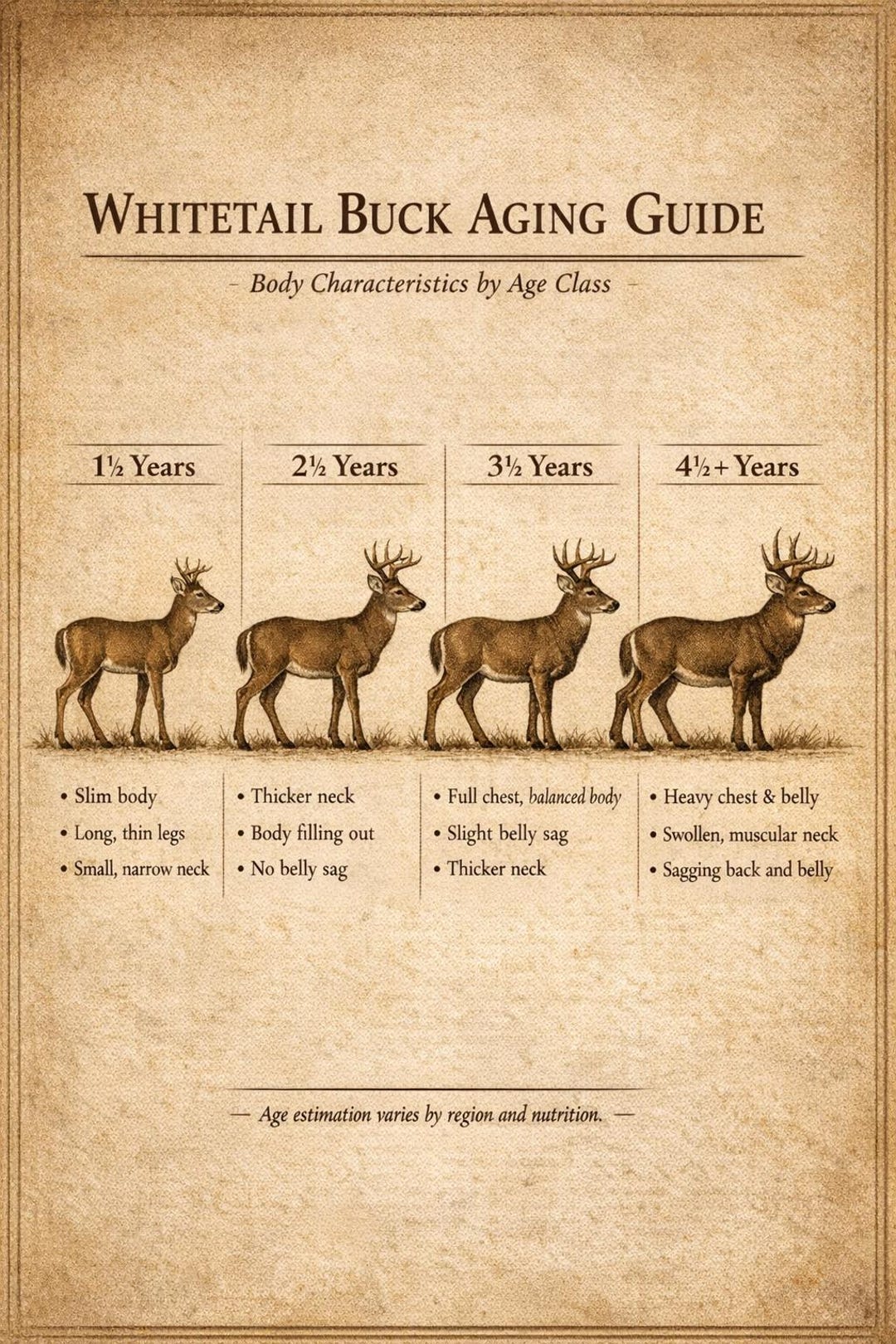
Many outdoor enthusiasts and hunters may assume that estimating a deer's age is an innate skill, but it's actually a precise art that requires a deer age chart as your trusted companion. While it may seem simple, misreading these charts can lead to inaccurate assessments.
The deer age chart, a vital tool for whitetail deer aging, relies on tooth wear and other visual cues. These charts provide a standardized way to estimate a deer's age, but it's important to note that variations exist, often depending on the region and specific deer species.
A Comprehensive Guide to the Deer Age Chart
The deer age chart is an invaluable tool for hunters, wildlife enthusiasts, and researchers, providing an accurate estimate of a deer's age. This chart, often referred to as a tooth wear chart, is a visual representation of the relationship between a deer's teeth and its age. It serves as a practical guide to help determine the age of a deer based on the condition of its teeth.
Comparing Chart Formats and Standards
There are several versions of the deer age chart available, and they can vary slightly depending on the region and the specific deer species being considered. Some charts are designed for whitetail deer aging, while others cater to different deer varieties. It's essential to use the appropriate chart for your region and the deer species you encounter. These charts typically provide a clear and easy-to-read visual representation, often with color-coded categories or a simple diagram.
Step-by-Step Guide to Accurate Deer Age Estimation
Using the deer age chart is a straightforward process, but accuracy is key. Here's a simple guide:
Examine the Deer's Teeth: Focus on the lower jaw, specifically the incisor teeth. These teeth are a reliable indicator of age.
Assess Tooth Wear: Look for signs of wear and erosion. The more worn the teeth, the older the deer.
Consult the Chart: Refer to the deer age chart and match the tooth wear pattern with the corresponding age category. The chart will often provide a range of ages, so select the most appropriate age based on your observation.
Consider Other Factors: While tooth wear is a primary indicator, other factors can influence the accuracy. These include the deer's overall health, diet, and environmental conditions. For instance, a deer with a poor diet may exhibit faster tooth wear.
Practice and Experience: Like any skill, estimating deer age improves with practice. Study various deer teeth patterns and compare them to the chart to refine your skills.
Common Misreadings and How to Avoid Them
While the deer age chart is a reliable tool, there are a few potential pitfalls to avoid:
Deer Aging by Teeth Variations: Different deer species and even individual deer can exhibit variations in tooth wear patterns. Always double-check the specific chart for your region and species.
Environmental Factors: Extreme environmental conditions, such as a harsh winter, can affect tooth wear. Consider these factors when estimating age.
Antler Size Chart: While antler size can indicate a deer's maturity, it's not a reliable indicator of age. Focus on the teeth for accurate age estimation.
Individual Differences: Deer, like all animals, are unique. Some may exhibit faster or slower tooth wear, so always refer to the chart as a guide, but trust your observations and experience.
By following these steps and being mindful of potential variations, you can accurately estimate a deer's age using the deer age chart, contributing to your understanding of deer populations and their behavior.
Remember, while this guide provides a solid framework, the specifics might shift a bit based on your unique circumstances. Every deer and every situation is a little different, so it's important to adapt and stay curious.
We've got a whole library of practical guides and resources here, so feel free to explore and discover more. You might just find the perfect tool to enhance your outdoor adventures and make the most of your time in nature. Happy trails!