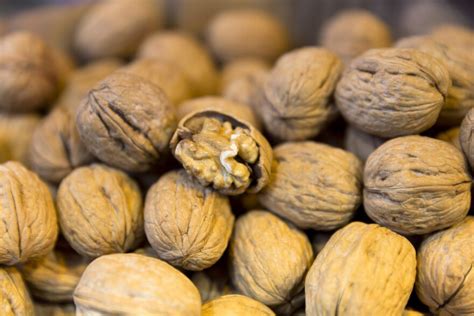
The recent outbreak of E. coli in walnuts has raised concerns about food safety and the potential risks associated with consuming contaminated nuts. As a common ingredient in many foods, from baked goods to salads, walnuts are a staple in many households. However, the discovery of E. coli in walnuts has highlighted the importance of proper handling, storage, and preparation of this food item.
Understanding E. coli E. coli, short for Escherichia coli, is a type of bacteria that is commonly found in the environment, foods, and the intestines of humans and animals. While most strains of E. coli are harmless, some serotypes, such as E. coli O157:H7, can cause severe illness in humans. Symptoms of E. coli infection can range from mild to severe and may include diarrhea, abdominal cramps, and vomiting. In severe cases, E. coli can cause life-threatening complications, such as kidney failure and bloodstream infections.
The Source of the Outbreak The recent outbreak of E. coli in walnuts has been linked to a specific batch of walnuts that were contaminated with the bacteria during processing. The contaminated walnuts were distributed to various retailers and wholesalers, who then sold them to consumers. The exact source of the contamination is still under investigation, but it is believed that the bacteria may have been introduced during the handling and storage of the walnuts.
Protecting Your Health To minimize the risk of E. coli infection from walnuts, it is essential to take proper precautions when handling and consuming this food item. Here are some tips to protect your health:
- Check the source: Before purchasing walnuts, check the packaging for any recalls or warnings. You can also check the FDA website for updates on food recalls.
- Handle with care: Wash your hands thoroughly with soap and water before and after handling walnuts. Make sure to clean any utensils, cutting boards, and countertops that come into contact with the walnuts.
- Store properly: Store walnuts in a cool, dry place, away from direct sunlight and moisture. This will help prevent the growth of bacteria and other microorganisms.
- Cook or heat: If you plan to consume walnuts in a recipe, make sure to cook or heat them to an internal temperature of at least 165°F (74°C) to kill any bacteria that may be present.
- Choose pasteurized: Consider purchasing pasteurized walnuts, which have been treated to kill any bacteria that may be present.
According to the CDC, E. coli infections can be prevented by following proper food safety guidelines, including handling and cooking foods safely, avoiding cross-contamination, and choosing pasteurized products when available.
The Importance of Pasteurization Pasteurization is a process that involves heating foods to a high temperature to kill any bacteria or other microorganisms that may be present. In the case of walnuts, pasteurization can be an effective way to reduce the risk of E. coli infection. There are several methods of pasteurization, including:
- Dry roasting: This method involves roasting the walnuts in a dry environment to an internal temperature of at least 165°F (74°C).
- Steam pasteurization: This method involves exposing the walnuts to steam at a high temperature to kill any bacteria that may be present.
- High-pressure pasteurization: This method involves subjecting the walnuts to high pressure to inactivate any bacteria that may be present.
| Pasteurization Method | Temperature | Time |
|---|---|---|
| Dry Roasting | 165°F (74°C) | 10-15 minutes |
| Steam Pasteurization | 212°F (100°C) | 5-10 minutes |
| High-Pressure Pasteurization | 87,000 psi | 1-5 minutes |
The Impact of E. coli on Vulnerable Populations E. coli infections can be particularly severe in vulnerable populations, such as the elderly, young children, and people with weakened immune systems. These individuals may be more susceptible to severe illness and complications from E. coli infection. It is essential for these individuals to take extra precautions when handling and consuming walnuts, including choosing pasteurized products and following proper food safety guidelines.
Vulnerable populations, such as the elderly and young children, are more susceptible to severe illness and complications from E. coli infection. It is essential for these individuals to take extra precautions when handling and consuming walnuts.
The Role of Regulatory Agencies Regulatory agencies, such as the FDA and USDA, play a critical role in ensuring the safety of the food supply. These agencies are responsible for monitoring food products for contamination, enforcing food safety regulations, and providing guidance to consumers on how to handle and prepare foods safely. In the case of the E. coli outbreak in walnuts, regulatory agencies have been working to identify the source of the contamination and prevent further illnesses.
Regulatory Agencies: Pros and Cons
Regulatory agencies provide critical oversight and guidance to ensure the safety of the food supply.
Regulatory agencies may not always be able to detect contamination, and their response to outbreaks may be slow.
Frequently Asked Questions
What are the symptoms of E. coli infection?
+Symptoms of E. coli infection can range from mild to severe and may include diarrhea, abdominal cramps, and vomiting. In severe cases, E. coli can cause life-threatening complications, such as kidney failure and bloodstream infections.
How can I prevent E. coli infection from walnuts?
+To minimize the risk of E. coli infection from walnuts, it is essential to take proper precautions when handling and consuming this food item. This includes checking the source, handling with care, storing properly, cooking or heating, and choosing pasteurized products.
What is pasteurization, and how does it reduce the risk of E. coli infection?
+Pasteurization is a process that involves heating foods to a high temperature to kill any bacteria or other microorganisms that may be present. In the case of walnuts, pasteurization can be an effective way to reduce the risk of E. coli infection by killing any bacteria that may be present on the surface of the nuts.
By following proper food safety guidelines and taking precautions when handling and consuming walnuts, you can minimize the risk of E. coli infection and protect your health. Remember to check the source, handle with care, store properly, cook or heat, and choose pasteurized products to ensure a safe and healthy food experience.