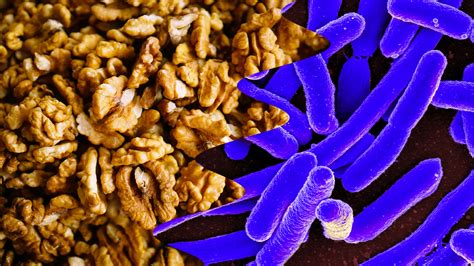
The warm, rich flavor of walnuts is a staple in many cuisines around the world, and for good reason - they’re not only delicious, but also packed with nutrients like omega-3 fatty acids and antioxidants. However, like many other foods, walnuts can pose a risk to consumer health if not handled and stored properly. One of the most significant concerns is the potential for contamination with E. coli, a type of bacteria that can cause severe food poisoning. In this article, we’ll delve into the world of E. coli and walnuts, exploring the risks, safe handling practices, and prevention tips to ensure you can enjoy these tasty nuts with confidence.
Understanding E. coli: The Basics
E. coli, short for Escherichia coli, is a type of bacteria that’s commonly found in the environment, as well as in the intestines of humans and animals. While most strains of E. coli are harmless, some can produce toxins that cause severe illness in humans. E. coli O157:H7 is one of the most notorious strains, known for its role in outbreaks of foodborne illness linked to contaminated foods like spinach, beef, and, indeed, walnuts.
The Risk of E. coli Contamination in Walnuts
Walnuts, like other nuts, can become contaminated with E. coli through various means. This can happen during the growing process, when the nuts come into contact with contaminated soil, water, or animal waste. It can also occur during processing, handling, and storage, if proper sanitation and hygiene practices are not followed. In 2011, a large outbreak of E. coli O157:H7 in the United States was linked to contaminated walnuts, highlighting the importance of proper handling and storage procedures.
According to the Centers for Disease Control and Prevention (CDC), E. coli outbreaks linked to nuts, including walnuts, have resulted in significant recalls and outbreaks, emphasizing the need for vigilance in the food industry and among consumers.
Safe Handling and Storage of Walnuts
To minimize the risk of E. coli contamination when consuming walnuts, it’s essential to follow proper handling and storage procedures:
- Buy from reputable sources: Purchase walnuts from trusted suppliers or retailers that adhere to proper food safety protocols.
- Store properly: Keep walnuts in a cool, dry place, away from direct sunlight and moisture. The ideal storage temperature is below 70°F (21°C), and it’s crucial to maintain a relative humidity of 60% or less.
- Handle with care: Wash your hands thoroughly before and after handling walnuts, and make sure any utensils or equipment used to handle the nuts are clean and sanitized.
- Keep them clean: Rinse walnuts with clean water before consuming them, especially if they’ve been stored for an extended period.
- Freeze for safety: If you won’t be using your walnuts within a few weeks, consider freezing them to prevent spoilage and potential contamination.
Prevention Tips for Consumers and Food Handlers
In addition to proper handling and storage, there are several prevention tips that can help minimize the risk of E. coli contamination:
- Wash your hands frequently: Hand washing is one of the most effective ways to prevent the spread of E. coli and other pathogens.
- Use proper sanitation: Ensure all equipment, utensils, and surfaces that come into contact with walnuts are cleaned and sanitized regularly.
- Monitor temperatures: Keep walnuts stored at the correct temperature to prevent bacterial growth.
- Check for recalls: Stay informed about any recalls or outbreaks linked to walnuts and take necessary precautions.
Proper Hand Washing Technique:
- Wet your hands with warm water
- Apply enough soap to cover your hands
- Rub your hands together to create a lather
- Scrub all surfaces, including backs of hands, wrists, and between fingers
- Rinse thoroughly with warm water
- Dry hands completely with a clean towel or air dryer
Conclusion
Enjoying walnuts safely requires attention to proper handling, storage, and hygiene practices. By understanding the risks associated with E. coli contamination and following the tips outlined in this article, you can minimize the risk of foodborne illness and savor the rich flavor and nutritional benefits of walnuts with confidence. Remember, a few simple precautions can make all the difference in ensuring the safety and quality of your food.
Q: Can I prevent E. coli contamination by washing walnuts with soap?
+A: No, washing walnuts with soap is not an effective method for preventing E. coli contamination. In fact, using soap can actually increase the risk of contamination by introducing additional moisture, which can facilitate bacterial growth.
Q: How long can walnuts be stored before they become contaminated with E. coli?
+A: The risk of E. coli contamination in walnuts increases over time, especially if they are not stored properly. It’s essential to follow proper storage and handling procedures to minimize the risk of contamination, regardless of the storage duration.
Q: Can E. coli contamination be prevented by cooking walnuts?
+A: Cooking walnuts can help kill any bacteria present on the surface, but it’s not a foolproof method for preventing E. coli contamination. It’s essential to follow proper handling and storage procedures, even if you plan to cook the walnuts.