

Ear Gauge Chart Black And White Overview
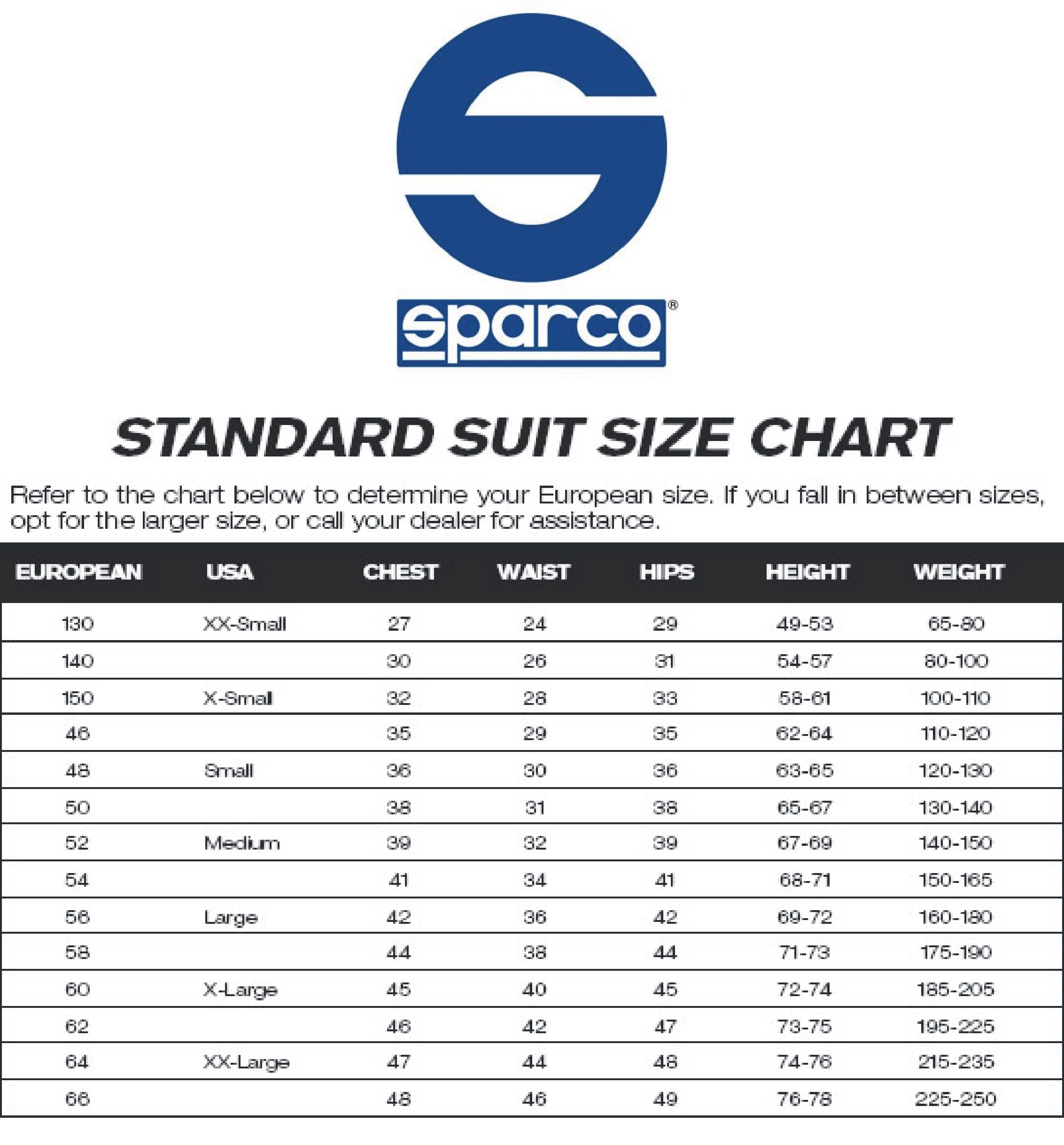
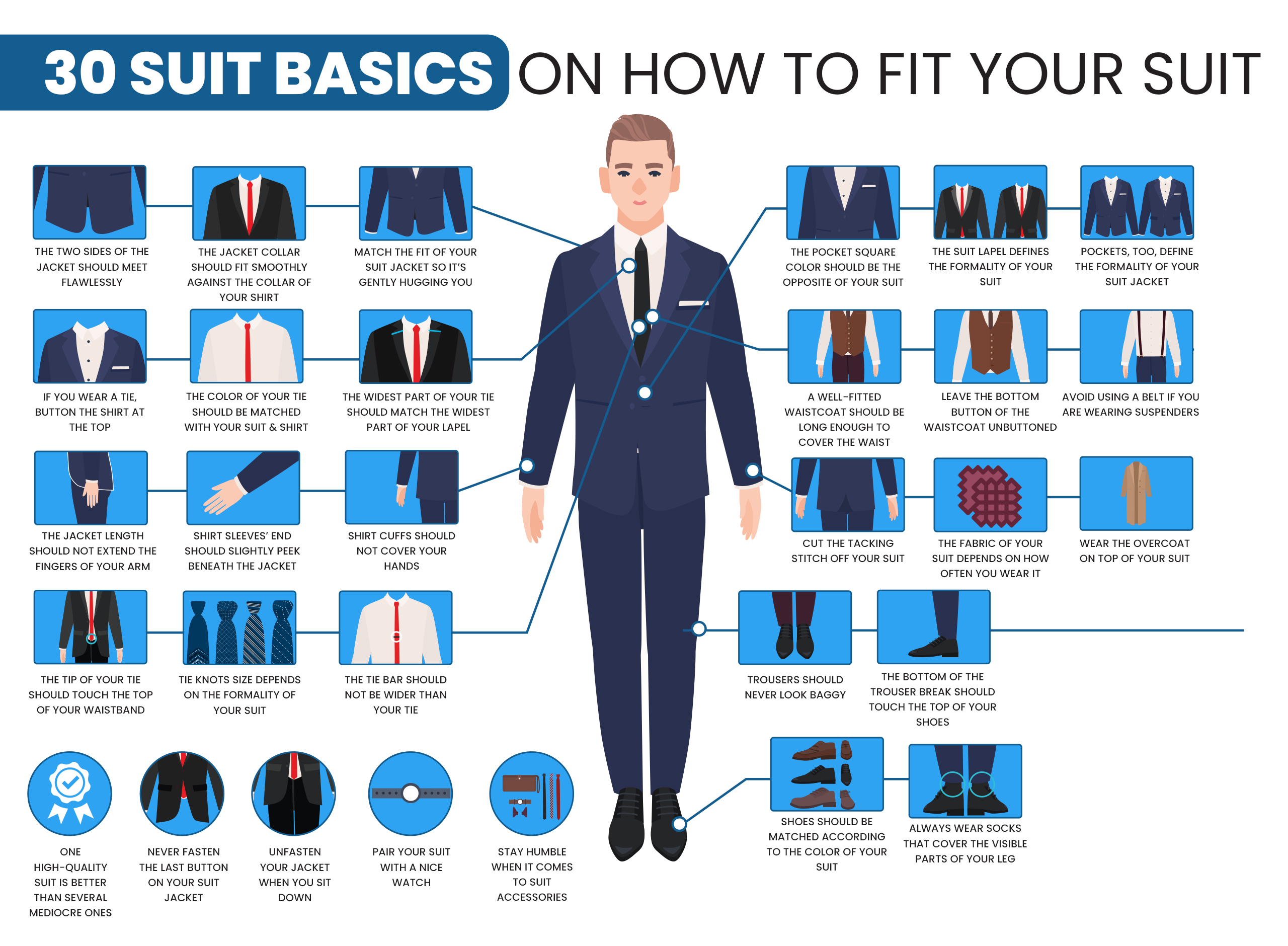
You're likely here because you need a suit size chart to ensure a perfect fit, and you're right to prioritize this. A well-fitted suit is essential, and having an accurate reference is key. The chart provides a simple yet effective way to determine your size, whether you're measuring yourself or referring to a tailor's guide. It's a straightforward process, but it's worth noting that sizing can vary slightly, depending on the brand and your personal preferences. With a quick glance at the suit size chart, you can navigate the differences and find the right measurements for a suit that flatters your figure.
Understanding the Suit Size Chart: A Quick Overview
The suit size chart is an essential tool for anyone looking to purchase or tailor a suit. It provides a standardized guide to help you find the perfect fit for your body type and preferences. This chart offers a simple yet effective way to determine your suit size, ensuring a comfortable and stylish look.
Comparing Suit Size Chart Standards and Formats
Suit size charts can vary slightly depending on the region and standard being used. The most common standards are the US and EU systems, each with its own measurement units and categories. The US system typically uses inches, while the EU system employs centimeters. It's crucial to know which standard you are referring to when using a size chart.
The charts often include categories such as chest size, waist size, and jacket length, providing a comprehensive guide for both the jacket and pants. These categories are further divided into specific measurements, ensuring a precise fit. For instance, the chest size may be categorized into small, medium, and large, with corresponding numerical ranges.
Taking Accurate Measurements: A Step-by-Step Guide
To use the suit size chart accurately, follow these steps:
- Gather a measuring tape and a mirror. Ensure the tape is flexible and can conform to your body's curves.
- Measure your chest size by wrapping the tape around your chest at the widest point, usually just below your armpits. Record this measurement.
- Determine your waist size by measuring the narrowest part of your waist. This measurement is crucial for a well-fitted jacket and pants.
- For jacket length, measure from the base of your neck to where you want the jacket to end. This measurement ensures the jacket's length suits your preference and body type.
- Compare your measurements to the suit size chart's categories and ranges. Choose the size that best aligns with your measurements for a comfortable and stylish fit.
Common Misreadings and How to Avoid Them
Misinterpreting the suit size chart is common, especially when dealing with different standards and measurement units. Always ensure you are using the correct standard for your region or the manufacturer's specifications.
Another pitfall is assuming that one size fits all. Suit sizes can vary between brands and styles, so it's essential to double-check the exact specifications, especially when ordering online. Additionally, remember that the chart provides a guide, and slight variations are normal.
Key Factors Affecting Accuracy and Real-World Use
- Suit measurement guide: Ensure you follow the guide accurately, taking precise measurements.
- Common size variations: Suit sizes can differ between brands, so always check the manufacturer's size guide.
- Pant waist size: This measurement is crucial for a comfortable fit and should be considered carefully.
- Standard suit sizing: While charts provide a standard, individual body shapes and preferences may require adjustments.
- Cm to inches conversion: If you are used to one unit of measurement, ensure you understand the conversion when referring to a different standard.
Adapting the Chart for Your Specific Needs
The suit size chart is a versatile tool, and you can adapt it to suit your preferences and body type. If you prefer a more tailored look, you can use the chart as a starting point and make adjustments based on your measurements.
For instance, if you have a broader chest and a narrower waist, you may need to size up for the jacket and size down for the pants. The chart provides a foundation, but it's essential to consider your unique body shape and style choices.
Remember, the perfect suit fit is a combination of accurate measurements and personal preference. With the right suit size chart and a little tailoring, you can achieve a stylish and comfortable look.
Remember, while this guide offers a comprehensive overview, the exact details can vary slightly across different sources and standards. It's always a good idea to refer back to this page for a quick refresh when you need it, and feel free to explore our other guides for more practical tips and insights. Stay organized, and happy measuring!
Related: What is a piano chords chart?
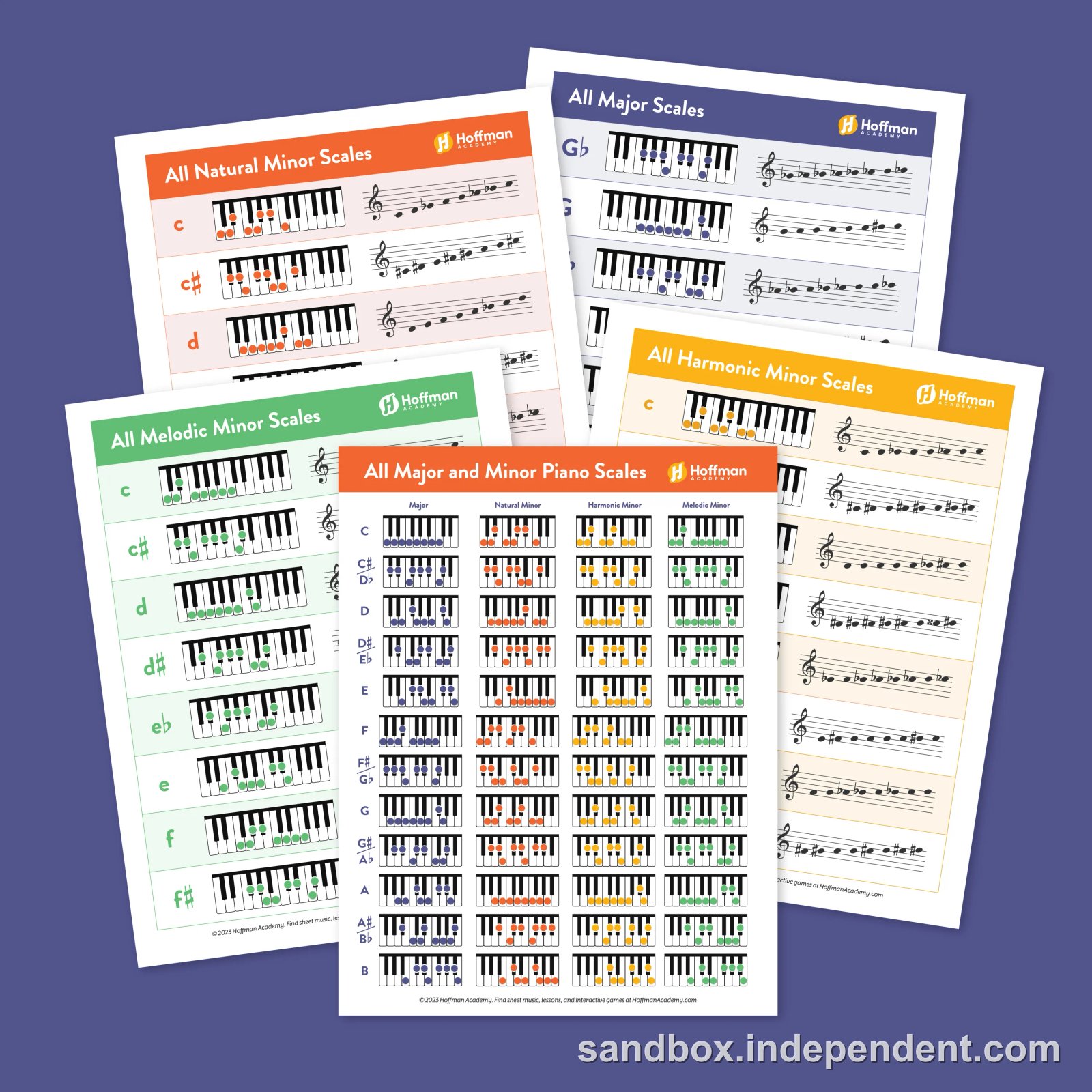
Frustrated by the hunt for the perfect piano chords chart? You're not alone. Whether you're a beginner or an experienced player, having a reliable and easy-to-read chart is essential for quick reference and practice. A good piano chords chart should be your go-to resource, offering a clear layout of chord structures, from basic major and minor chords to more complex progressions.
Understanding Chord Symbols
A piano chords chart is a handy reference tool for musicians, especially pianists. It's like a map that shows you the layout of different chords and their components. This chart is a great way to quickly grasp the basics of chord construction and progressions. The symbols on the chart represent the notes that make up each chord, and by understanding these symbols, you can easily build and play various chords on the piano.
Common Chord Progressions and Formats
There are several standard chord progressions and formats used in music. The piano chords chart typically includes major and minor chords, which are the most common. These chords are represented by symbols like C, Dm, G7, and so on. The chart might also feature more complex chords like suspended chords (Csus) or added-note chords (Cadd9). Each symbol gives you a snapshot of the notes that create that specific chord.
Reading Chord Charts: A Step-by-Step Guide
When reading a piano chords chart, follow these steps:
- Identify the chord symbol you want to play.
- Locate the symbol on the chart and find the corresponding notes.
- Place your fingers on the piano keys according to the chart's diagram.
- Play the chord and listen to its unique sound.
For example, if you see the symbol C, you'll find it represents the notes C, E, and G. Place your fingers on these keys, and you've just played a C major chord!
Avoiding Misreadings and Pitfalls
While piano chords charts are incredibly useful, it's important to be aware of a few potential pitfalls:
- Variations: Different charts may use slightly different symbols or notations. Always double-check the specific chart's key or legend to ensure you're interpreting the symbols correctly.
- Complex Chords: Some chords, especially those with added notes or extensions, can have multiple variations. Be sure to explore all the possible fingerings to find the one that works best for you.
- Practice: Reading chord charts takes practice. Start with simple major and minor chords, and gradually work your way up to more complex progressions.
Remember, a piano chords chart is a valuable tool, but it's just one part of your musical journey. Keep exploring, practicing, and enjoying the beautiful world of music and chord progressions!
Hey there, fellow music enthusiasts! We've covered a lot of ground in this blog post, and I hope it's given you a solid foundation to start exploring piano chords. Remember, the specifics might differ slightly based on your needs and the context, so feel free to adapt and make it your own.
If you're keen to dive deeper into the world of music theory and practice, why not check out some of our other guides? We've got a whole range of topics to explore, from basic music theory to more advanced techniques. It's a great way to keep learning and growing as a musician, so take a look and see what piques your interest!
Related: How to Use the Apoquel Dose Chart?
Frustrated by the endless search for the right information? You're not alone. Many pet owners find themselves seeking a quick, reliable guide to navigate the apoquel dose chart and ensure their furry friends receive the correct dosage. This chart is a crucial tool, offering a simple yet effective way to determine the appropriate treatment for canine allergies. With variations in dosing based on factors like weight and region, having a clear, accessible reference is essential.
Understanding the Apoquel Dose Chart
The apoquel dose chart is a valuable tool for pet owners and veterinary professionals, offering a clear guide to administering the correct dosage of apoquel, a medication used to treat canine allergies. This chart simplifies the process, ensuring your dog receives the right amount based on their weight.
Key Details and Categories
The apoquel dose chart typically presents two main categories: weight ranges and corresponding dosage recommendations. Weight is a critical factor, as it determines the appropriate dose. The chart provides a range of weights, often in kilograms or pounds, with the recommended dosage for each range. This ensures accuracy and safety in medication administration.
Step-by-Step Guide: Reading and Applying the Chart
Follow these steps to accurately use the apoquel dose chart:
- Weigh your dog accurately. Ensure the scale is suitable for your dog's size and provides precise readings.
- Locate your dog's weight on the chart. If their weight falls within a range, choose the dosage for the lower weight in the range. For instance, if your dog weighs 15 kg and the range is 15-20 kg, select the dosage for 15 kg.
- Measure the dosage precisely. Use the appropriate measuring tool, such as a syringe or oral dispenser, to ensure an accurate dose.
- Administer the medication as directed. Follow the instructions for the frequency and timing of doses, typically twice daily for the first two weeks and then once daily thereafter.
Variations and Differences
It's important to note that apoquel dose charts may vary slightly depending on the region and the specific manufacturer's guidelines. Factors like the dog's age, breed, and overall health may also influence dosage, so it's crucial to consult with a veterinarian for personalized advice. Additionally, the chart provides a general guide, and individual cases may require adjustments.
- Key factors influencing dosage:
- Weight of the dog
- Manufacturer's guidelines
- Region-specific standards
- Dog's age and breed
- Overall health condition
Common Dosage Mistakes and How to Avoid Them
To ensure accurate dosing:
- Always refer to the most recent apoquel dose chart provided by your veterinarian or the medication's packaging.
- Avoid rounding up or down when determining the dosage. Stick to the precise weight and corresponding dosage.
- Be mindful of the medication's expiration date and storage instructions to maintain its effectiveness.
- Consult your veterinarian if you have any concerns or questions about the dosage or your dog's response to the medication.
Remember, while the apoquel dose chart is a helpful guide, it's essential to prioritize your dog's health and well-being. Regular communication with your veterinarian is key to ensuring the best care for your canine companion.
Remember that while this chart provides a valuable reference, the exact doses and guidelines may differ slightly depending on various factors. It's always a good idea to consult with a veterinarian for personalized advice and to ensure the best care for your furry friend.
Feel free to bookmark this page for future use, and don't forget to check out our other practical guides for pet owners! We aim to make your life a little easier with these handy resources.