

Ear Gauge Chart Free Printable Overview
The Trojan size chart is a handy reference tool, offering a quick glance at condom sizes. This guide aims to demystify and simplify the process, ensuring you can easily navigate and understand the chart's information. It covers the essential details, providing a clear overview of standard condom sizes and their measurements. With variations in nominal width and length, the chart offers a visual representation, making it simple to find the right fit.
Understanding the Trojan Size Chart: A Quick Overview
The Trojan size chart is a valuable tool for anyone seeking a perfect fit and optimal protection when using condoms. It provides a standardized reference to help you choose the right size for your needs. This chart is designed to offer a clear and easy-to-understand guide, ensuring you can make an informed decision.
Comparing Condom Sizes: Standard Options and Formats
The Trojan size chart typically presents two key measurements: length and width. Length variations are common, and the chart accounts for this by offering a range of sizes. Width, often referred to as nominal width, is a more standardized measurement, usually given in millimeters (mm) or fractions of an inch. This dual approach ensures a comprehensive size guide.
Step-by-Step Guide to Using the Trojan Size Chart
To use the Trojan size chart accurately, follow these simple steps:
Measure your erect penis length. This is best done with a soft, flexible tape measure, ensuring an accurate and comfortable fit.
Note your girth (circumference) measurement. This is often more subjective and can be measured with a tape or string, then measured against a ruler.
Refer to the Trojan size chart and match your length and girth measurements to the closest size category.
Choose the condom size that aligns with your measurements.
Avoiding Common Misreadings and Pitfalls
One common mistake is assuming all condom brands use the same size standards. While the Trojan size chart is a great reference, it's important to note that other brands may have slightly different size categories. Always double-check the specific brand's size guide to ensure an accurate fit.
Factors Affecting Accuracy: Key Considerations
Erect length can vary, so it's essential to measure accurately and choose a condom that accommodates this range.
Girth (circumference) is a subjective measurement and can be influenced by factors like erection quality and personal comfort.
- Personal preference: Some may prefer a looser or tighter fit, which can impact the chosen size.
- Erection quality: The state of your erection can affect measurements and, consequently, the chosen size.
- Comfort and sensitivity: Consider your personal comfort and sensitivity when choosing a size.
Adapting the Trojan Size Chart for Specific Needs
The Trojan size chart offers a standard guide, but individual needs may vary. If you have specific requirements, such as a larger or smaller size, or if you prefer a particular brand, you may need to adapt the chart. Many brands offer extended size ranges, so exploring these options can ensure a perfect fit.
Keeping Your Reference Reliable for Future Use
To ensure the Trojan size chart remains a reliable reference, it's important to regularly update your measurements. Our bodies can change over time, so re-measuring periodically ensures you always choose the right size. Additionally, staying informed about any updates or changes to size standards or brand specifications will keep your reference accurate and up-to-date.
Well, there you have it, a comprehensive guide to Trojan size charts. With this knowledge, you can now approach your reference needs with confidence. Remember, while this guide provides a solid foundation, every situation is unique. It's essential to consider your specific context and requirements before making any final decisions.
Feel free to explore our other resources and guides; we have a wealth of information to help you navigate various topics with ease. Happy referencing!
Related: Find the Right Tooth Shade Chart for You
A common misconception about tooth shade charts is that they are complex and intimidating tools, reserved only for dental professionals. However, these charts are designed to be accessible and practical, offering a simple visual reference for anyone seeking to understand tooth shades accurately. The tooth shade chart, whether in the form of a guide or a scale, provides a clear and organized way to identify and match tooth colors, and it's an essential tool for various dental procedures and aesthetic treatments.
A Practical Guide to Tooth Shade Charts
Tooth shade charts are essential tools for dental professionals and technicians, offering a standardized way to assess and communicate tooth color. These charts provide a reference point for various dental procedures, ensuring accurate shade matching and aesthetic outcomes.
Comparing Standard Shade Guides
The most widely recognized tooth shade guide is the Vitapan 3D-Master Shade Guide. This guide features a systematic arrangement of shades, typically organized in a step-like structure, with each step representing a different shade range. Other popular systems include the Tabulation of Tooth Color and the Dental Shade Guide, which offer similar shade categorization but may vary in their specific numbering or labeling systems.
Practical Shade Matching Process
Using a tooth shade chart accurately involves a straightforward process:
- Prepare the teeth: Ensure the teeth are clean and dry, free from any debris or moisture.
- Lighting conditions: Standardize lighting to ensure consistent and accurate shade assessment. Natural daylight or specialized dental lighting systems are often recommended.
- Select the guide: Choose the appropriate shade guide based on the specific dental procedure and the patient's needs.
- Compare and match: Hold the guide next to the teeth and compare the shades. Look for the closest match, considering both the overall color and any subtle variations.
- Record the shade: Note the shade code or name from the guide for future reference and communication.
- Verify and confirm: Double-check the shade with the patient and ensure it aligns with their expectations and preferences.
Avoiding Misinterpretations and Pitfalls
While tooth shade charts are valuable, misinterpretations can occur. Here are some common pitfalls and how to avoid them:
- Lighting: Inconsistent lighting can lead to incorrect shade assessments. Always ensure proper lighting conditions to maintain accuracy.
- Teeth preparation: Poorly prepared teeth, with residual stains or moisture, can affect shade matching. Proper cleaning and drying are essential.
- Chart variations: Different shade guides may have slight variations in their shade ranges and labeling. Always refer to the specific guide's instructions and double-check the shade codes.
- Individual variations: Keep in mind that tooth color can vary due to factors like age, genetics, and oral health. Be mindful of these variations and communicate them clearly.
- Environmental factors: External factors like lighting conditions and the patient's overall complexion can influence shade perception. Take these into account during the matching process.
By following these guidelines and being aware of potential pitfalls, dental professionals can utilize tooth shade charts effectively, ensuring precise shade matching and enhancing the overall patient experience.
Using a tooth shade chart is a straightforward process, but it's important to remember that the exact values and shades can vary slightly, so always refer to the specific standard or source you're working with. Double-check the details and ensure you're using the right guide for your needs.
Feel free to explore our other guides and resources; we've got plenty of practical information to help you navigate various topics. It's always a good idea to expand your knowledge and stay informed!
Related: How to use the Tybee tide chart?
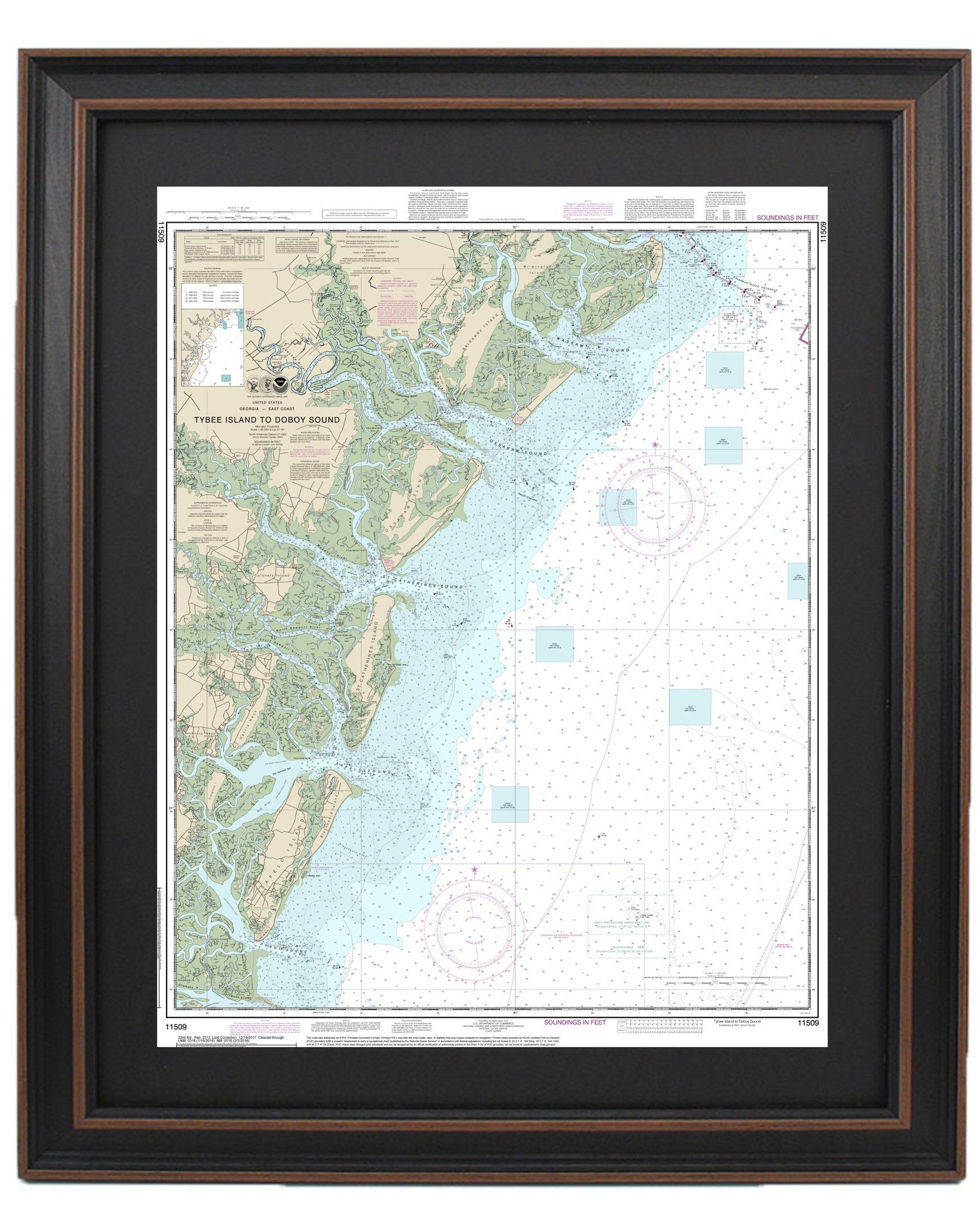
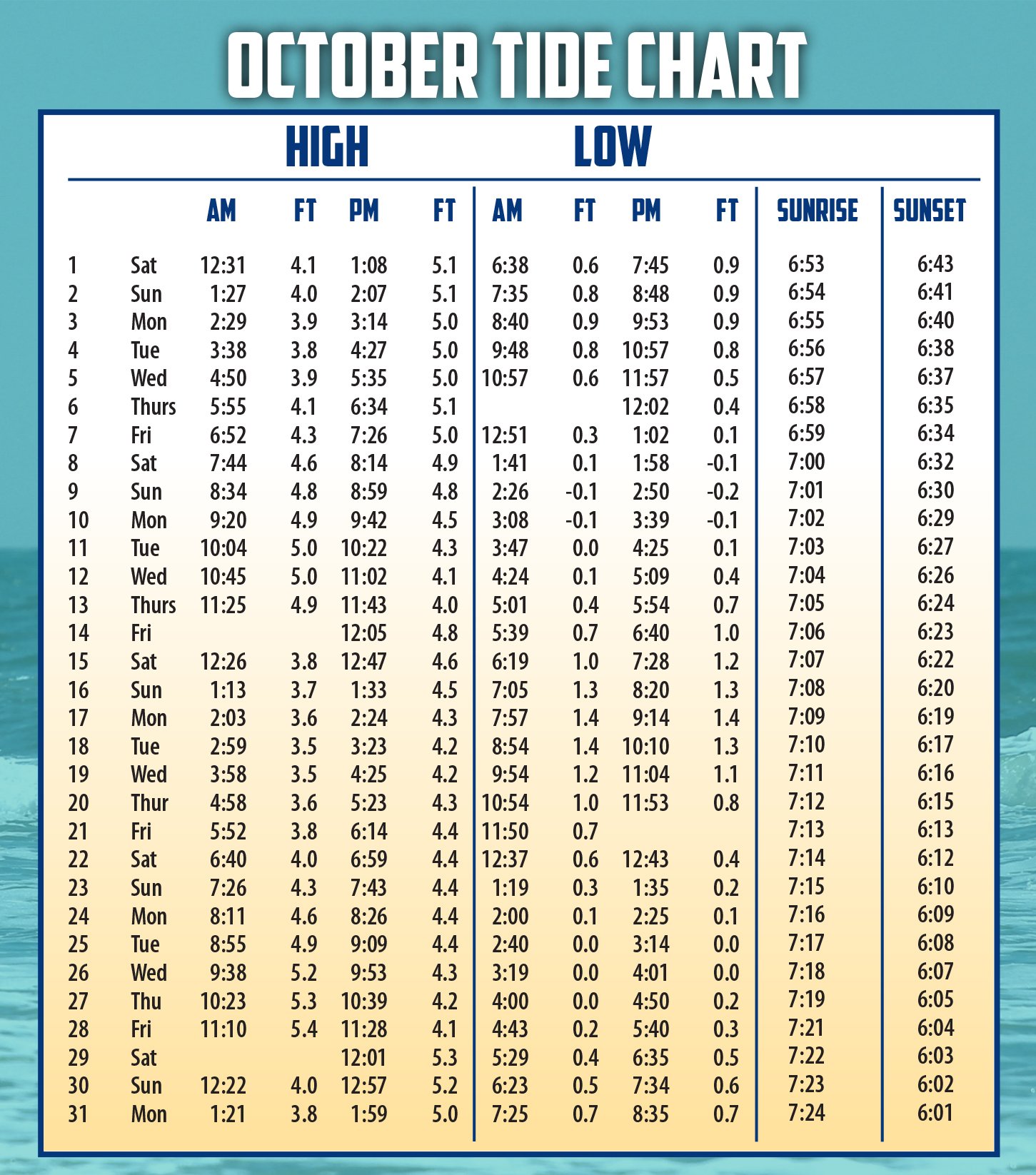
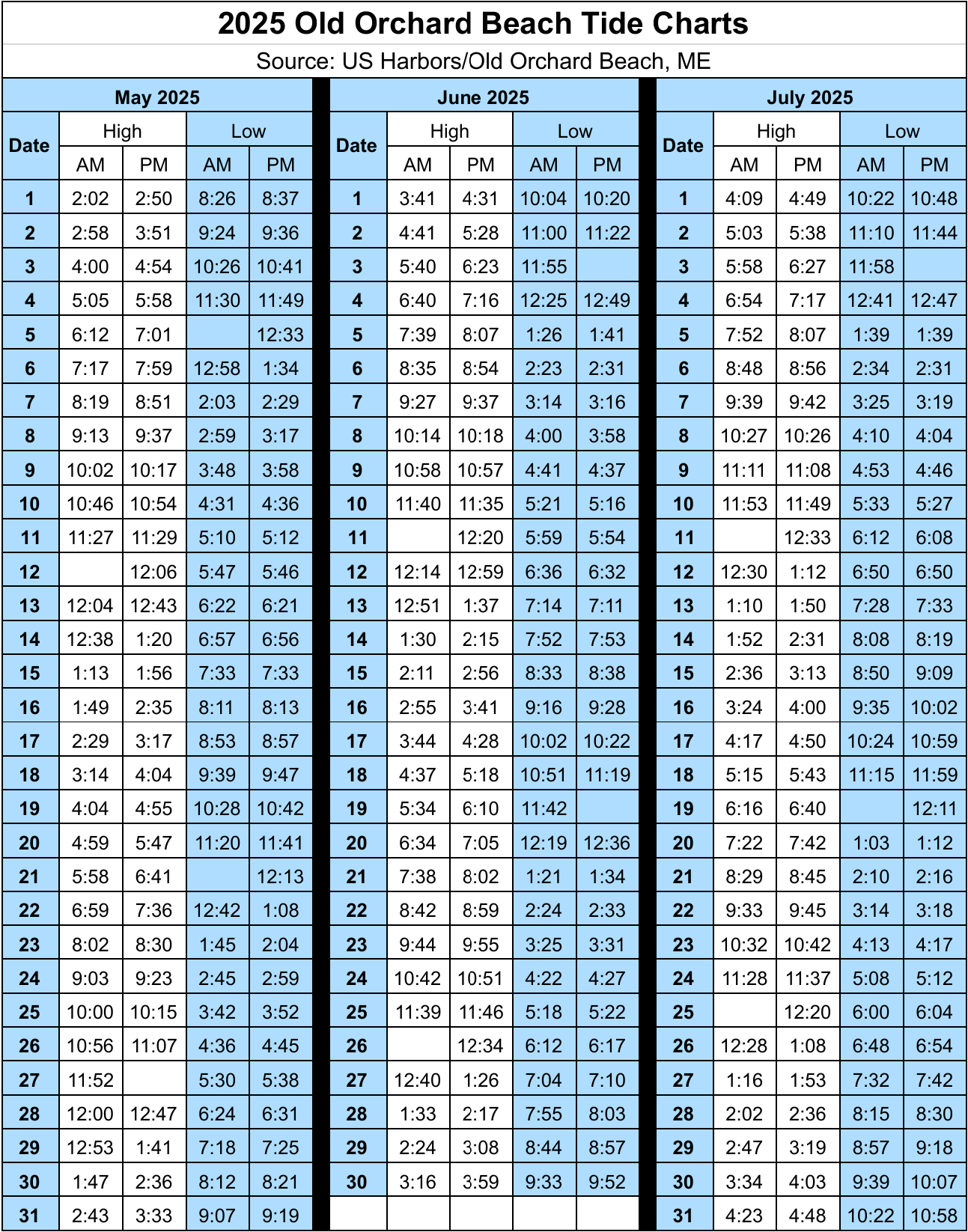
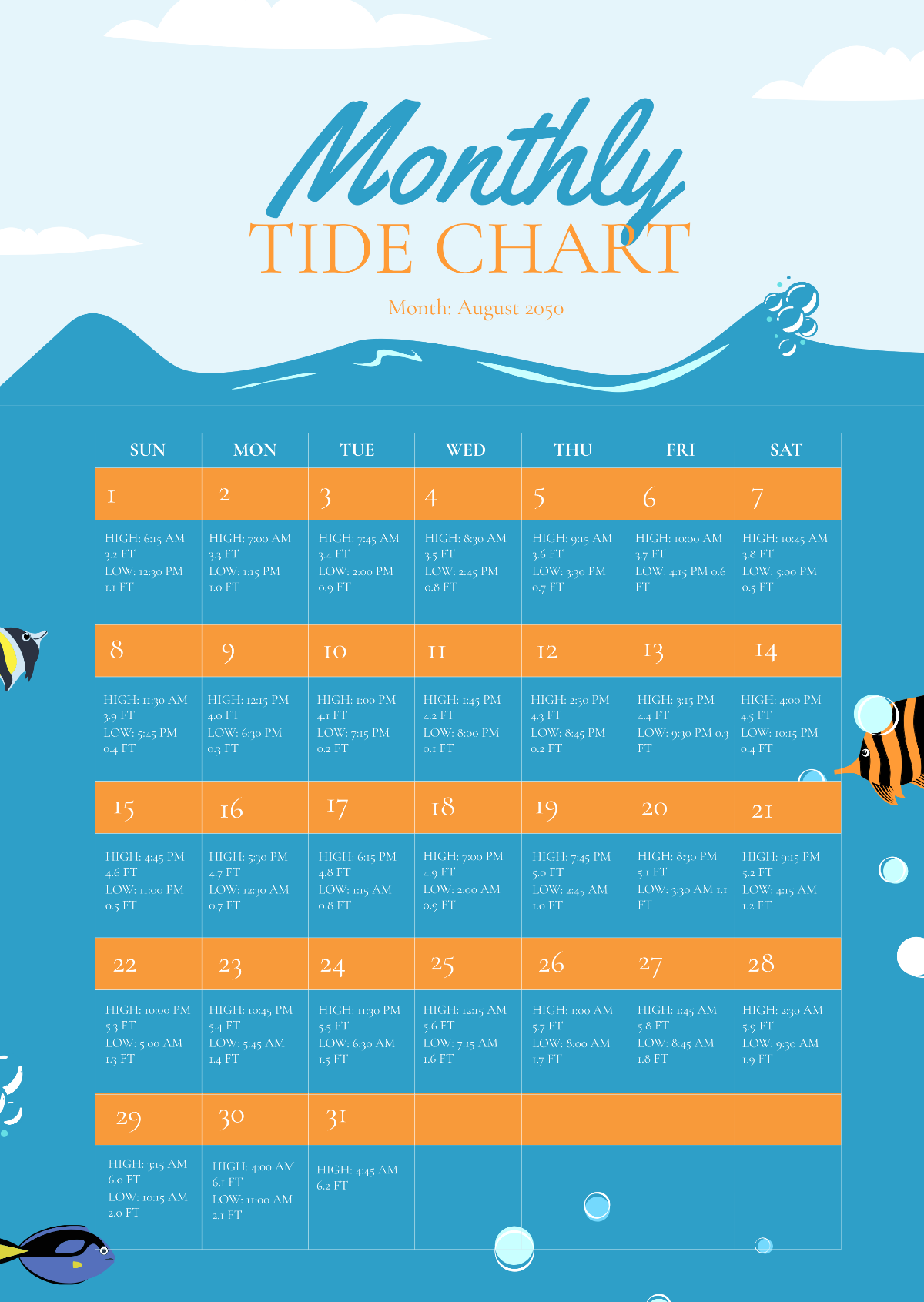
Many assume that reading a Tybee tide chart is complex, but it's a straightforward process once you know the basics. This chart, often found in coastal regions like Tybee Island, provides essential information for various activities and safety measures. Understanding its simple layout and key elements ensures you can quickly reference and utilize it effectively.
Understanding the Tybee Tide Chart: A Quick Overview
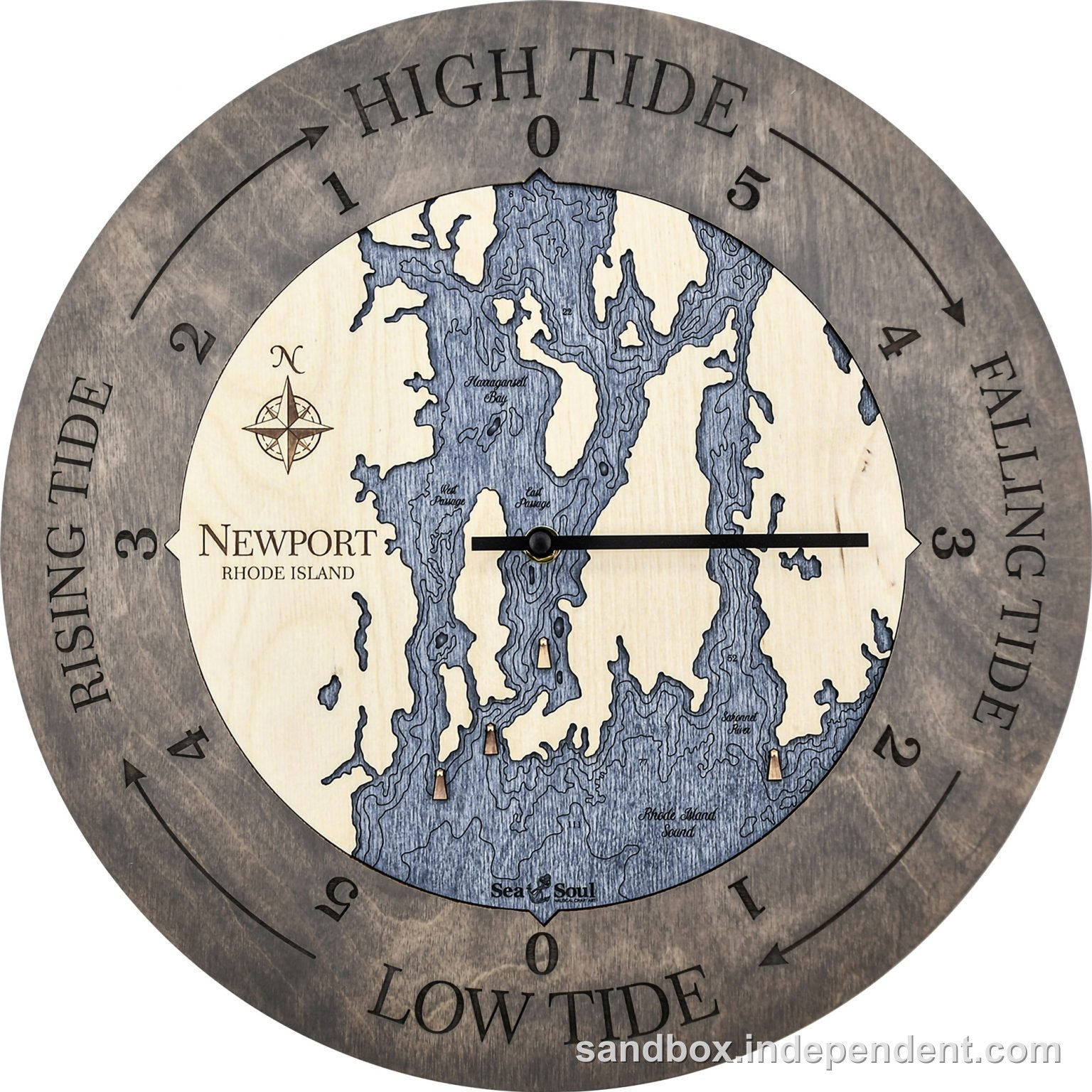
The tybee tide chart is a valuable tool for anyone planning activities along the Tybee Island coastline. It provides a visual representation of the daily tide fluctuations, offering insights into the rise and fall of the Atlantic Ocean's waters. This chart is an essential reference for coastal enthusiasts, helping them navigate the dynamic nature of the sea.
Comparing Tide Chart Formats: Standard vs. Regional Variations
Tide charts can vary based on the standards and regions they represent. While the basic concept remains consistent, the specific measurements and categories may differ. For instance, the tybee tide chart follows the standard used along the Georgia coastline, which might differ from international or metric systems. It's crucial to ensure you're using the correct chart for your location to avoid any discrepancies.
Step-by-Step Guide: Reading the Tybee Tide Chart
To read the tybee tide chart, follow these simple steps:
- Identify the date and time of your planned activity.
- Locate the corresponding time on the chart's horizontal axis.
- Read the tide height indicated by the vertical line at that time.
- Interpret the height as the sea level relative to a standard reference point.
- Plan your activities accordingly, considering the tide's impact on your chosen location.
Common Misconceptions and How to Avoid Them
A common misconception is assuming the tide chart provides an exact prediction of the water's behavior. While the chart offers a reliable guide, it's essential to understand that natural phenomena can cause variations. Always consider weather conditions, seasonal changes, and other factors that might influence the tide's behavior. Double-check the latest information and be prepared for minor deviations from the predicted tide times.
Factors Affecting Accuracy: Nature's Influence on Tide Charts
The accuracy of the tybee tide chart can be influenced by various natural factors. Wind patterns, atmospheric pressure, and even lunar cycles can cause the tides to fluctuate beyond the predicted norms. Additionally, extreme weather events like storms or hurricanes can significantly impact the water levels. It's crucial to stay updated with the latest weather forecasts and consider these factors when relying on the tide chart for planning.
Adapting the Tybee Tide Chart: Choosing the Right Format
The tybee tide chart is designed to provide a general overview of the tide's behavior. However, for more specific activities or locations, a customized chart might be beneficial. Consider your unique needs and the level of detail required. If you're planning an event or activity that relies on precise tide times, consult with local experts or nautical specialists to ensure you have the most accurate information.
Keeping Your Reference Reliable: Maintaining Chart Accuracy
To ensure the continued reliability of your tybee tide chart, it's essential to keep it updated. Regularly check for the latest versions or updates, especially if there have been significant weather events or seasonal changes. Consider investing in a reputable source for your charts, ensuring they are regularly maintained and reflect the most current conditions. By staying proactive, you can trust your chart to provide accurate guidance for your coastal adventures.
Well, there you have it! We've covered a lot of ground, ensuring you're equipped with the knowledge to navigate the Tybee tide chart like a pro. From understanding the different formats to avoiding common pitfalls, you're now ready to tackle the tides with confidence.
Remember, each situation is unique, so be sure to consider your specific needs and adapt the information accordingly. With this guide, you're well-prepared for your next adventure. So, until next time, happy charting! And don't forget to bookmark this page for a quick refresh whenever you need it.