The city of Santa Maria, located in the heart of California, is known for its beautiful vineyards, rich agricultural land, and picturesque landscapes. However, like many other parts of the state, it is also prone to earthquakes due to its proximity to major fault lines. Earthquakes can be devastating, causing widespread destruction and endangering lives. It is essential for residents and visitors to be prepared and know how to stay safe during an earthquake.
Understanding Earthquake Risks
Santa Maria is situated near the intersection of several major tectonic plates, making it a seismically active region. The San Andreas Fault, a major transform fault, runs through the western part of the state, and the city is also close to other significant faults, such as the Hosgri Fault and the Santa Ynez Fault. These fault lines can produce powerful earthquakes, and it is crucial for the community to be aware of the potential risks and take proactive steps to mitigate them.
Emergency Tips for Earthquake Safety
In the event of an earthquake, every second counts. Knowing what to do can help save lives and reduce the risk of injury. Here are some essential emergency tips to stay safe during an earthquake:
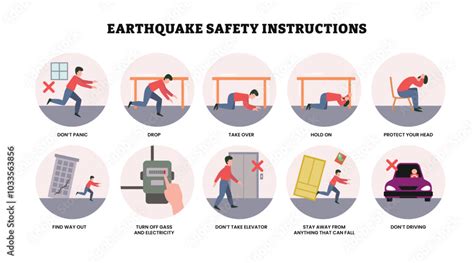
- Drop, Cover, and Hold On: When the ground starts shaking, immediately drop to the ground, take cover under a sturdy piece of furniture, such as a table or desk, and hold onto it to prevent being knocked over or pulled away.
- Stay Away from Hazards: Be aware of potential hazards in your surroundings, such as heavy furniture, falling objects, and broken glass. If you are in a kitchen, stay away from the stove, refrigerator, and any other appliances that could fall or explode.
- Evacuate if Necessary: If you are in a coastal area, be aware of the potential for a tsunami. If you are instructed to evacuate, do so immediately and move to higher ground or a safe location.
- Check for Injuries and Provide Assistance: After the shaking stops, check for injuries and provide assistance if needed. If someone is trapped, do not attempt to move them unless they are in immediate danger.
- Be Prepared for Aftershocks: Aftershocks can occur in the days, weeks, or even months following an earthquake. Be prepared for additional shaking and take necessary precautions.
Preparing for an Earthquake
While it is impossible to predict when an earthquake will occur, there are steps you can take to prepare and reduce the risk of injury or damage. Here are some essential tips:
- Create an Emergency Kit: Assemble a kit with essential supplies, such as water, non-perishable food, first aid materials, and a battery-powered radio.
- Secure Your Home: Take steps to secure your home, such as storing heavy objects on low shelves, anchoring heavy furniture and appliances, and installing seismic shut-off valves for gas and water lines.
- Practice Earthquake Drills: Conduct regular earthquake drills with your family to ensure everyone knows what to do in case of an earthquake.
- Stay Informed: Stay up-to-date with the latest earthquake information and sign up for emergency alerts from your local government or emergency management agency.
Conclusion
Earthquakes can be devastating, but with the right knowledge and preparation, you can reduce the risk of injury or damage. By understanding the risks, following emergency tips, and taking proactive steps to prepare, you can help keep yourself and your loved ones safe. Remember, earthquake safety is a shared responsibility, and it is essential for the community to work together to mitigate the risks and stay safe.
What should I do if I am driving during an earthquake?
+If you are driving during an earthquake, pull over to a safe location as soon as possible, away from traffic, power lines, and any other hazards. Stay in your vehicle and keep your seatbelt fastened until the shaking stops.
How can I prepare my pets for an earthquake?
+Make sure your pets are microchipped and have identification tags. Store a pet emergency kit with essential supplies, such as food, water, and medication. Consider evacuating with your pets if possible, and have a plan in place for their care if you are unable to evacuate with them.
What should I do if I am in a building during an earthquake?
+If you are in a building during an earthquake, drop to the ground, take cover under a sturdy piece of furniture, and hold onto it to prevent being knocked over or pulled away. If you are in a high-rise building, do not attempt to evacuate unless instructed to do so by building management or emergency personnel.
By following these tips and staying informed, you can help keep yourself and your loved ones safe in the event of an earthquake in Santa Maria. Remember, preparedness is key to reducing the risk of injury or damage, and it is essential for the community to work together to stay safe.