







Easter Bunny Coloring Sheets Overview
I was thinking about starting a names for concrete business the other day, you know, something to do with construction and building. It got me wondering about the right name, something that would stand out and be memorable. So, I did some research and here's what I found...
Choosing a Name for Your Concrete Business
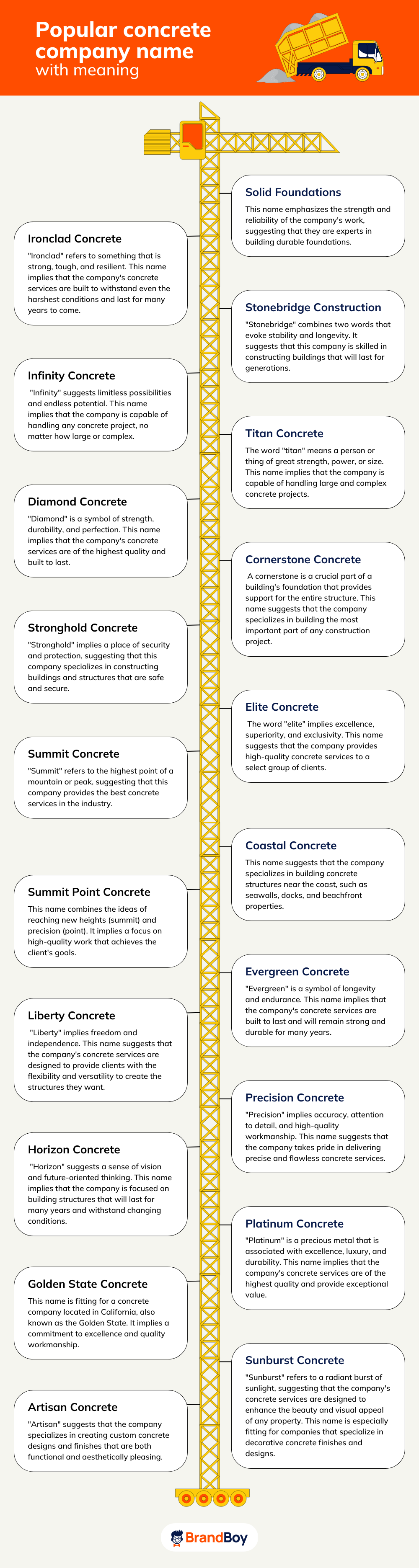
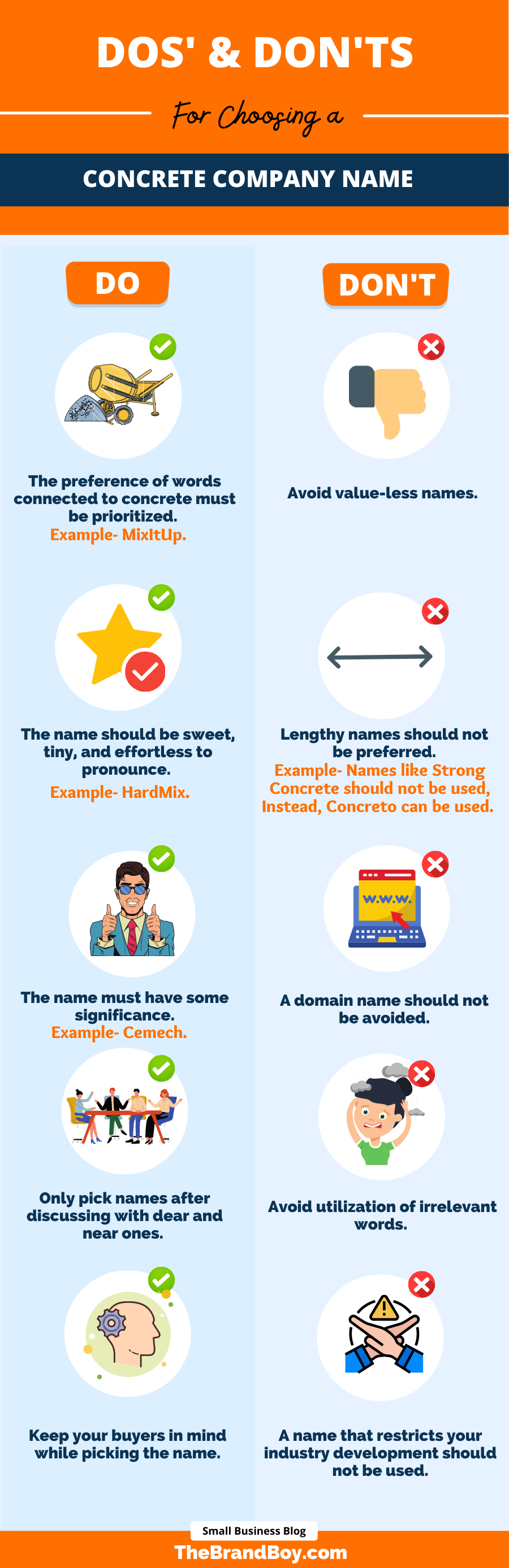
When it comes to naming your concrete business, you want something that reflects the strength and durability of the industry. A name that is catchy and easy to remember will help your business stick in people's minds. Consider words like "solid", "foundation", or "build" to convey a sense of stability and reliability.
What Makes a Good Name?
A good name for a concrete business should be unique and not too generic. Avoid common terms like "construction" or "builders" as these can be used by many different companies. Instead, focus on creating a name that is specific to your business and the services you offer. You could also consider using a play on words or a clever combination of words to make your business name memorable.
Example Names
Here are a few ideas to get you started:
- Solid Foundations
- Rock-Solid Builders
- Concrete Creations
- Build-It-Right
- Stronghold Construction
- Everlast Builders
Remember, these are just a few suggestions, and you can always get creative and come up with your own unique name.
Registering Your Business Name
Once you've settled on a name, you'll need to check its availability and register it. This process varies depending on your location, so it's best to contact your local business registration office or check their website for guidance. You'll also want to secure a domain name for your website and any social media handles to ensure your online presence is consistent.
Hiring a Contractor
If you're hiring a contractor for your project, whether it's a home renovation or a new build, it's important to do your research. Check their qualifications, experience, and references. Ask for a detailed quote, including a breakdown of costs, and compare it with other quotes to ensure you're getting a fair price. Don't be afraid to ask questions and seek clarity on any aspects of the quote you don't understand.
The Cost of Renovations
Renovation costs can vary greatly depending on the scope of the project, the materials used, and the location. It's always a good idea to get multiple quotes from different contractors to compare prices and ensure you're getting a competitive rate. Remember, the cheapest quote might not always be the best option, so consider the quality of the work and the reputation of the contractor too.
Industry Tools and Resources
There are various tools and resources available to help with construction and remodeling projects. RSMeans, for example, is a popular cost database used by professionals to estimate project costs. It provides accurate data on materials, labor, and other construction-related expenses. These tools can be beneficial for both contractors and homeowners to ensure projects stay on budget.
Construction Jobs and Salaries
The construction industry offers a range of job roles, from general contractors and estimators to specialized tradespeople. Salaries can vary depending on experience, qualifications, and the specific role. If you're looking for construction jobs, online job boards and local employment agencies are great places to start your search.
So, there you have it! A few insights into the world of names for concrete business. It's an exciting industry to be a part of, and with the right name and approach, you can build a successful business. Good luck!
Related: How to Use the Shrimp Size Chart?
A shrimp size chart is a handy tool for anyone seeking precise information on shrimp measurements. This guide aims to provide a clear understanding of these charts, ensuring you can confidently interpret and utilize them.
The chart offers a quick reference for standard shrimp sizes, which can vary slightly depending on the region and specific shrimp variety. It's a simple yet effective way to ensure you're getting the right size for your needs, whether for cooking, aquaculture, or any other purpose.
Understanding the Shrimp Size Chart
The shrimp size chart is a valuable tool for anyone working with shrimp, whether you're a chef, a seafood enthusiast, or even a scientist studying these fascinating creatures. It provides a clear and concise overview of shrimp sizes, helping you choose the right shrimp for your needs and ensuring accurate measurements.
Comparing Size Categories and Standards
The chart typically categorizes shrimp based on their length, using either metric or imperial units. Common size categories include:
- Extra-large shrimp (15-20 pieces per pound)
- Large shrimp (21-30 pieces per pound)
- Medium shrimp (31-40 pieces per pound)
- Small shrimp (41-60 pieces per pound)
- Extra-small shrimp (61-80 pieces per pound)
These categories are based on the number of shrimp that would fit into a standard pound, giving a rough guide to their size. It's important to note that these categories may vary slightly between different standards and regions.
Using the Shrimp Size Chart: A Step-by-Step Guide
Identify the standard you are working with. Shrimp size charts can vary depending on the region and industry, so ensure you are using the correct chart for your needs.
Determine the size category you require. Consider the recipe or purpose for your shrimp. Are you looking for a specific size for a delicate dish or a larger shrimp for a robust flavor?
Check the chart for the appropriate size category. The chart will give you a range of lengths for each category, helping you select the right size. For example, if you need large shrimp, the chart might indicate a range of 7-8 inches (17-20 cm).
Convert units if necessary. If your recipe or requirements use a different unit of measurement, convert the values using standard conversion factors.
Double-check with specific recipes or guidelines. While the shrimp size chart provides a useful reference, some recipes or culinary traditions may have specific size requirements. Always refer to these guidelines for precise measurements.
Avoiding Common Misreadings and Pitfalls
Shrimp size charts are a guide, and actual sizes can vary slightly. Always allow for a small margin of error, especially when working with fresh shrimp.
Be aware of potential variations due to factors like shrimp species, fishing methods, and even the time of year. These can impact the average size of shrimp.
While the chart provides a useful reference, it's essential to consider the context. For example, if you're working with a specific recipe that calls for a precise size, ensure you understand the implications of using a slightly larger or smaller shrimp.
Remember, the shrimp size chart is a practical tool to help you navigate the world of shrimp sizes, but it's always beneficial to have a basic understanding of the factors that can influence these measurements.
Before you put this guide to use, remember that while this chart provides a handy reference, it's always wise to verify the specific requirements for your particular project or recipe. Exact values can vary, so a quick double-check ensures you get it just right.
Consider bookmarking this page for future reference; it might come in handy more often than you think! With this simple tool, you'll always have a reliable guide at your fingertips.
Related: How to Read a Skin Tone Chart?
You're probably here because you need a quick reference or a simple guide to understanding skin tone charts. These charts are a handy tool, offering a visual representation of skin tones, and they can be incredibly useful when you're seeking the perfect match for your foundation or even for artistic purposes. It's a great way to ensure accuracy and find your ideal shade, and while the values may vary depending on the context, they provide a reliable starting point.
Understanding Skin Tones: An Overview
The skin tone chart is a helpful tool to understand and categorize skin colors. It offers a visual representation of various skin tones, providing a reference for accurate shade matching. This chart is particularly useful in industries like cosmetics and fashion, where precise tone identification is essential.
Comparing Standards and Scales
Several standards and scales exist to measure and categorize skin tones. The most well-known is the Fitzpatrick scale, which classifies skin types based on their response to sun exposure. This scale has six categories, ranging from very light to deeply pigmented. Another popular reference is the Munsell skin color charts, which use a three-dimensional color system to represent skin tones. These charts provide a more detailed and nuanced view of skin colors.
Practical Colorimetry: Step-by-Step Guide
Using a skin tone chart is straightforward:
Identify the primary color of your skin. This is the base tone, often referred to as the undertone. Common undertones are cool (pink or blue), warm (yellow or golden), and neutral (a balance of cool and warm).
Determine your skin's lightness or darkness. This is measured on a scale, with higher numbers indicating lighter skin and lower numbers representing darker tones.
Combine these two factors to find your exact position on the skin tone chart. This will give you a precise shade reference for various applications.
Avoiding Misreadings and Pitfalls
It's essential to understand that skin tones can be complex and unique. While charts provide a helpful guide, they might not capture every variation. Here are some tips to ensure accurate readings:
Ensure you're using the correct standard or scale for your specific needs. Different industries may use varying charts, so double-check to avoid mismatches.
Consider the lighting conditions. Natural daylight is best for an accurate assessment, as artificial lighting can alter perceptions.
Be aware of your skin's natural changes. Factors like sun exposure, aging, and certain medical conditions can affect your skin tone over time. Regularly re-evaluate your position on the chart to ensure accuracy.
Key Factors Affecting Accuracy
Several factors can influence the accuracy of a skin tone chart:
Sun exposure and tanning can darken your skin temporarily or permanently.
Aging often leads to a decrease in skin pigmentation, making it lighter.
Certain medications and medical treatments can affect skin color.
Cultural and regional variations exist, with some populations having unique skin tone distributions.
Adapting the Chart for Specific Needs
While standard skin tone charts offer a broad reference, specific industries may require tailored versions. For example, cosmetic brands often create their own shade guides to match their product ranges precisely. These adapted charts ensure an accurate match for foundation and makeup shades. Similarly, fashion designers might use customized charts to select the right fabric colors for different skin tones.
Hey there, I hope this guide has been helpful in your skin tone chart adventures! Remember, while the basics remain the same, the exact details might shift a bit based on your unique needs and the specific chart you're using.
Don't stress, just take it step by step, and you'll find the perfect fit for your requirements. Feel free to explore our other guides for more practical tips and tricks. Consider this page bookmarked for future reference - it's always good to have a handy reminder!