




Easy Animal Coloring Pages Overview
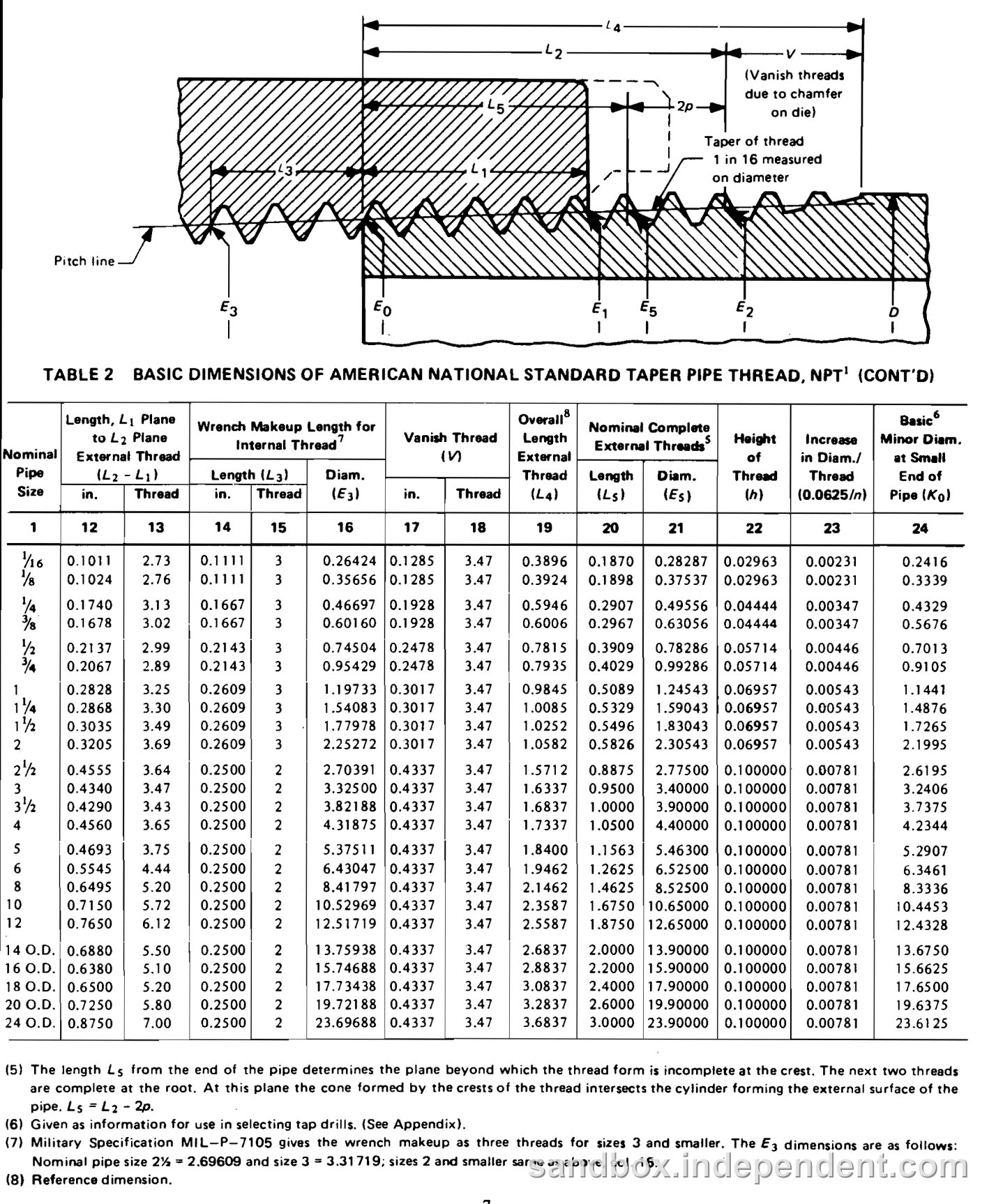
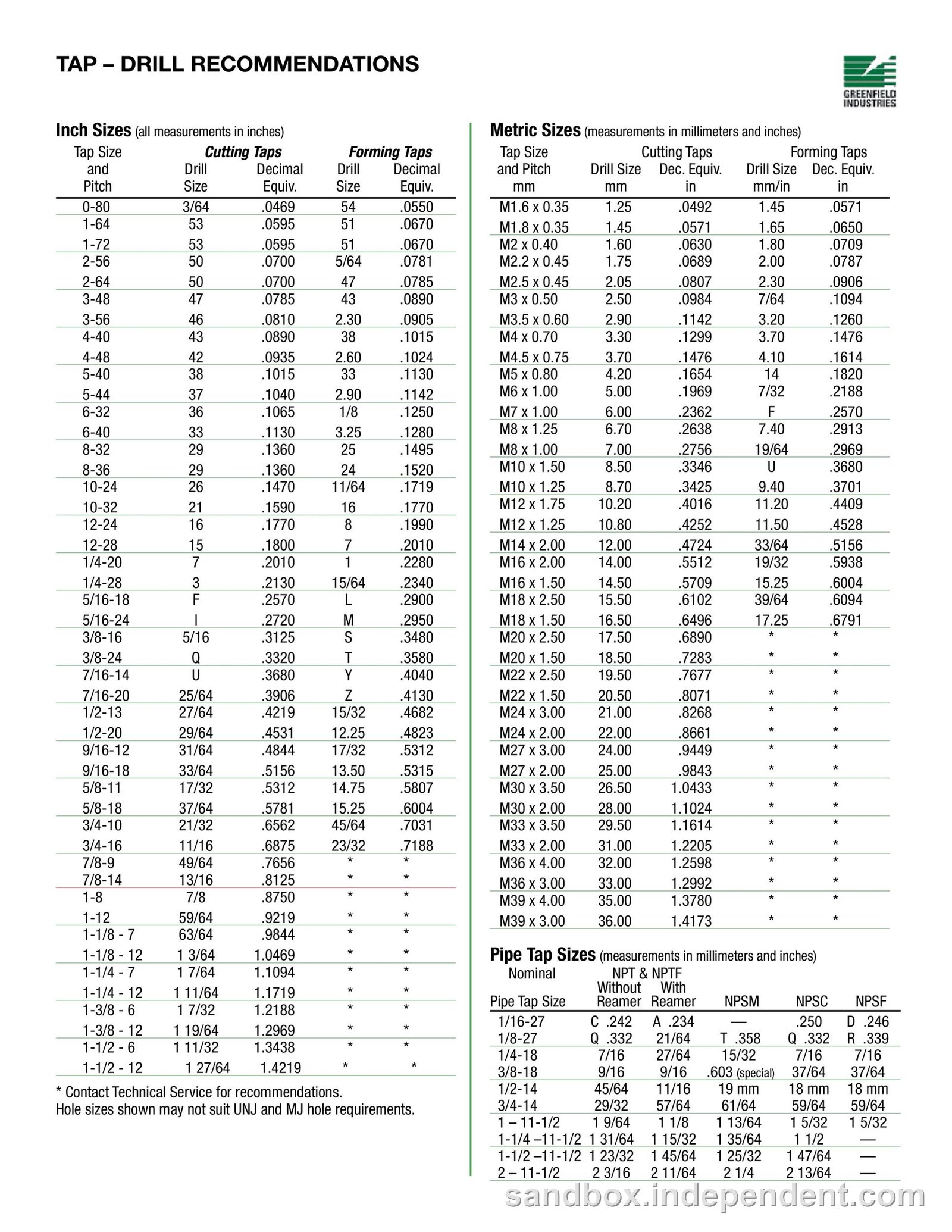
Many people often assume that a duct size chart is a complex and confusing tool, but it's actually a simple and incredibly useful reference for anyone dealing with HVAC systems. While it may look like a basic chart, it's an essential guide to ensure your ductwork is sized correctly. A duct size chart provides a clear overview of standard dimensions, helping you navigate the process with ease.
Duct Size Chart: Your Practical Guide
A duct size chart is an essential tool for anyone involved in HVAC (Heating, Ventilation, and Air Conditioning) systems or ductwork installation. It provides a standardized overview of duct dimensions, ensuring consistency and accuracy in design and construction. This chart is your go-to reference for understanding and specifying the right duct sizes for your projects.
Key Details and Categories
The duct size chart typically displays a range of standard duct sizes, with measurements given in both imperial and metric units. These sizes are categorized based on the cross-sectional area and shape of the ducts, with common categories including rectangular, round, and oval. The chart provides a quick reference for selecting the appropriate duct size, ensuring optimal airflow and system efficiency.
Reading the Measurements: A Step-by-Step Guide
Identify the Type: Start by determining the shape of your duct - rectangular, round, or oval. Each shape has its own set of measurements and considerations.
Choose the Standard: Duct size charts often follow specific standards, such as the Imperial or Metric systems. Ensure you are referencing the correct standard for your region or project requirements.
Locate the Size: Find the desired duct size on the chart. The chart will typically list the dimensions, such as width and height for rectangular ducts, or diameter for round ducts.
Verify the Area: Check the cross-sectional area of the duct, which is often provided in square inches or square feet for imperial units, and square centimeters or square meters for metric units. This ensures you are selecting a duct with the right capacity for your airflow needs.
Consider Additional Factors: While the chart provides standard sizes, real-world installations may require adjustments. Factors like insulation thickness, duct material, and system design can influence the final duct dimensions.
Variations and Differences: Understanding the Standards
Duct size charts can vary depending on the standard or region they adhere to. For instance, the Imperial system, commonly used in the United States, has its own set of standard duct sizes, while the metric system, used internationally, follows a different set of measurements. These variations ensure that ductwork installations meet local building codes and industry standards. It's crucial to reference the correct chart for your specific context to avoid errors and ensure compliance.
Well, there you have it! A duct size chart is a handy tool, but remember, it's always best to check the specific requirements and standards relevant to your project. These charts provide a great starting point, but exact values can vary, so it's wise to double-check.
Feel free to explore our other guides; we've got plenty of practical resources to help you navigate various aspects of your projects. Happy planning, and remember to keep those ducts in check!
Related: Custom Home Renovation Made Easy
I've just moved into a new house, and I'm thinking about making some changes. It's an older place, and I want to put my stamp on it with a custom home renovation. I've heard that projects like these can be a real headache, so I'm doing my research first. Here's what I've found out.
What's Custom Home Renovation All About?
Custom home renovation is all about transforming your living space to fit your unique needs and style. It's not just about adding value to your home; it's about creating a space that feels truly yours. Whether you want to update your kitchen, add a new room, or completely overhaul your exterior, custom home renovation gives you the freedom to design and build something special.
The process involves a lot of planning and decision-making. You'll need to consider the scope of your project, choose the right professionals, and manage costs effectively. It's a big undertaking, but the results can be incredibly rewarding.
Finding the Right Professionals
One of the most important steps is hiring the right team. You'll want to work with reputable custom home renovation companies or general contractors who have experience in the type of project you're planning. Check their past work, ask for references, and make sure they have the necessary licenses and insurance.
When getting quotes, compare apples to apples. Make sure each contractor is providing a detailed breakdown of the work and materials, so you can easily see what's included. Don't be afraid to ask questions and clarify any uncertainties. A good contractor will be transparent and happy to explain their process.
Cost Considerations
Costs can vary widely depending on the scale and complexity of your project. Factors like the size of the renovation, the materials you choose, and the labor involved will all impact the final price. It's a good idea to get multiple written quotes to compare and ensure you're getting a fair deal.
To keep costs down, consider doing some of the simpler tasks yourself if you have the skills and time. You can also look for ways to save on materials by shopping around or opting for more affordable options without compromising quality.
Naming Your Business
If you're in the construction industry, choosing a business name is crucial. It should be memorable, reflect your services, and stand out from the competition. Some examples of catchy names could be "Build-It-Right Construction," "Renovate and Revive," or "Home Transformation Specialists."
Before settling on a name, check its availability for domains and local business registration. You want to ensure you can build a strong brand identity without legal issues.
Industry Tools and Data
The construction industry uses various tools and resources to estimate costs and manage projects. One popular tool is RSMeans, which provides cost data and estimates for different construction projects. It's a valuable resource for professionals to ensure accurate pricing and stay competitive.
Large vs. Small Companies
The construction industry has a range of companies, from small local businesses to large national firms. Small companies often offer a more personalized service and can be more flexible with unique projects. They may have a tighter-knit team and a more hands-on approach.
Larger companies, on the other hand, often have more resources, specialized teams, and a broader range of services. They can handle more complex projects and have the infrastructure to manage larger-scale renovations.
Jobs and Opportunities
The custom home renovation industry offers a variety of job roles. From estimators who calculate costs to project managers who oversee the entire process, there are opportunities for skilled professionals. Salaries can vary depending on experience and the specific role.
If you're interested in working in this field, check job boards, construction company websites, and local industry networks. Building a network and gaining experience can open doors to great opportunities.
I hope this gives you a good overview of custom home renovation. It's an exciting process, and with the right knowledge and professionals, you can create your dream home. Happy renovating!
Related: How To Remodel Painting Easy
I'm getting ready to tackle a how to remodel painting project and it's a bit daunting. I mean, where do I even start? I've never done this before and I want to make sure I do it right. So, I've been doing some research and I've learned a few things that I think might help others in a similar situation.
Understanding the Process
How to remodel painting is a specific type of home remodeling project that involves updating the look and feel of a room or space through a fresh coat of paint. It's a great way to transform a space without a major renovation, and it can be a fun and creative process. But, it's important to know what you're getting into and how to navigate the world of painting contractors and costs.
The first step is to assess the scope of your project. Consider the size of the space, the number of rooms, and the type of paint you want to use. This will impact the overall cost and the time it takes to complete the job. You'll also need to decide if you want to tackle the project yourself or hire a professional.
Hiring a Contractor
If you decide to hire a contractor, there are a few things to keep in mind. First, get multiple quotes. Compare prices, but also consider the quality of the work and the reputation of the company. Check online reviews and ask for references. A good contractor will be transparent about their process and pricing.
When comparing quotes, look for a detailed breakdown of the costs. This should include labor, materials, and any additional services like preparation work or special finishes. Make sure the quotes are for the same scope of work so you can make an apples-to-apples comparison.
Company Names and Reputation
The construction and remodeling industry is full of companies with unique names. A good company name should be memorable, easy to spell and pronounce, and reflect the nature of the business. It's also important to check the availability of the name and secure the relevant domain and local business registrations.
Some example names could be:
- Brushstroke Builders
- Colorful Creations
- Fresh Coat Pros
- Paint Perfect Pros
- Wall Wizards
- The Paint Pros
Construction Jobs and Salaries
The construction industry offers a range of jobs, from general contractors to estimators and project managers. Salaries can vary depending on experience, location, and the size of the company. It's a diverse industry with opportunities for growth and specialization. Many construction companies post job openings on their websites, and there are also dedicated construction job boards online.
Industry Tools and Data
Tools like RSMeans provide valuable data for the construction industry. They offer cost databases and escalation tools that help contractors and estimators calculate and manage project costs. This data is essential for accurate quotes and project planning. It ensures that costs are estimated correctly and that projects are profitable.
Large vs. Small Companies
The construction industry is diverse, with both large and small companies. Large companies often have more resources, allowing them to take on bigger projects and offer a wider range of services. They may also have more specialized staff. Small companies, on the other hand, can offer a more personalized service and may be more flexible in their approach.
Final Thoughts
How to remodel painting is a great way to update your home, and with the right approach, it can be a smooth and satisfying process. Remember to do your research, get multiple quotes, and choose a contractor who suits your needs and budget. It's a fun project that can really transform a space, so enjoy the process and the results!