Easy Printable Stranger Things Coloring Pages Overview
Many people often assume that a duct size chart is a complex and confusing tool, but it's actually a simple and incredibly useful reference for anyone dealing with HVAC systems. While it may look like a basic chart, it's an essential guide to ensure your ductwork is sized correctly. A duct size chart provides a clear overview of standard dimensions, helping you navigate the process with ease.
Duct Size Chart: Your Practical Guide
A duct size chart is an essential tool for anyone involved in HVAC (Heating, Ventilation, and Air Conditioning) systems or ductwork installation. It provides a standardized overview of duct dimensions, ensuring consistency and accuracy in design and construction. This chart is your go-to reference for understanding and specifying the right duct sizes for your projects.
Key Details and Categories
The duct size chart typically displays a range of standard duct sizes, with measurements given in both imperial and metric units. These sizes are categorized based on the cross-sectional area and shape of the ducts, with common categories including rectangular, round, and oval. The chart provides a quick reference for selecting the appropriate duct size, ensuring optimal airflow and system efficiency.
Reading the Measurements: A Step-by-Step Guide
Identify the Type: Start by determining the shape of your duct - rectangular, round, or oval. Each shape has its own set of measurements and considerations.
Choose the Standard: Duct size charts often follow specific standards, such as the Imperial or Metric systems. Ensure you are referencing the correct standard for your region or project requirements.
Locate the Size: Find the desired duct size on the chart. The chart will typically list the dimensions, such as width and height for rectangular ducts, or diameter for round ducts.
Verify the Area: Check the cross-sectional area of the duct, which is often provided in square inches or square feet for imperial units, and square centimeters or square meters for metric units. This ensures you are selecting a duct with the right capacity for your airflow needs.
Consider Additional Factors: While the chart provides standard sizes, real-world installations may require adjustments. Factors like insulation thickness, duct material, and system design can influence the final duct dimensions.
Variations and Differences: Understanding the Standards
Duct size charts can vary depending on the standard or region they adhere to. For instance, the Imperial system, commonly used in the United States, has its own set of standard duct sizes, while the metric system, used internationally, follows a different set of measurements. These variations ensure that ductwork installations meet local building codes and industry standards. It's crucial to reference the correct chart for your specific context to avoid errors and ensure compliance.
Well, there you have it! A duct size chart is a handy tool, but remember, it's always best to check the specific requirements and standards relevant to your project. These charts provide a great starting point, but exact values can vary, so it's wise to double-check.
Feel free to explore our other guides; we've got plenty of practical resources to help you navigate various aspects of your projects. Happy planning, and remember to keep those ducts in check!
Related: Aritzia Size Chart: Your Easy Reference Guide
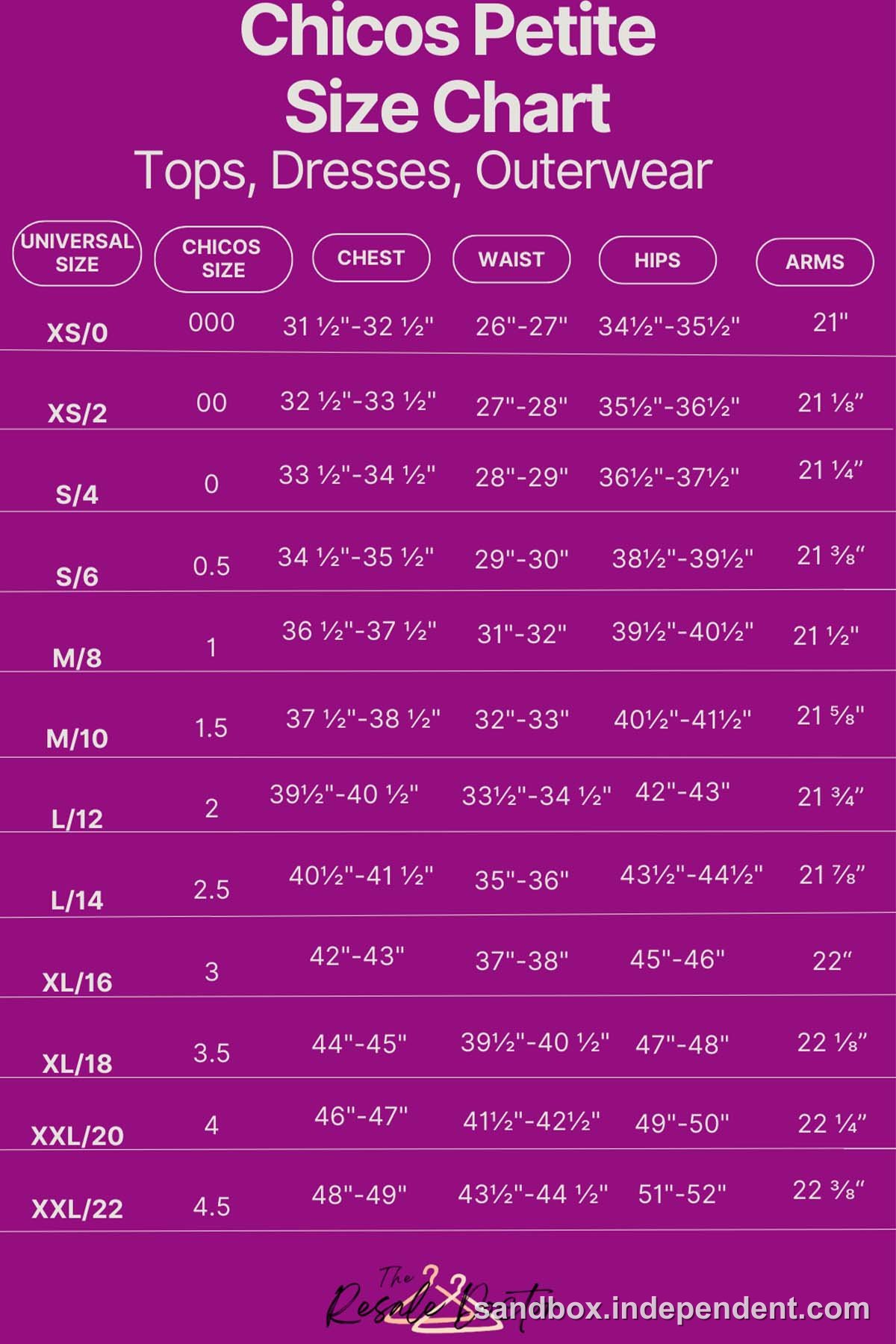
An Aritzia size chart is your go-to resource for navigating the brand's sizing with ease. This guide will show you how to use it effectively, ensuring you find the perfect fit for your favorite Aritzia pieces. From understanding the measurements to knowing the brand's unique sizing system, we'll cover it all.
Understanding the Ariztia Size Chart: Your Guide to Perfect Fit
The aritzia size chart is your go-to tool for finding the right fit in Ariztia clothing. It's a simple yet effective way to ensure you get the perfect size every time. This chart provides a clear overview of the brand's size range and helps you understand your ideal measurements.
Comparing Size Standards: US vs. International
Ariztia's size chart follows the standard US sizing system, which is commonly used in North America. However, it's important to note that clothing measurements can vary slightly between brands and regions. If you're used to international sizing, you may find a slight difference in the fit. The chart offers a size conversion guide to help you navigate these variations.
How to Use the Ariztia Size Chart: A Step-by-Step Guide
Measure yourself accurately: Take your measurements using a measuring tape. Focus on the key areas: bust, waist, and hips. These measurements are crucial for finding the right size.
Refer to the size chart: Locate your measurements on the chart. The chart provides a range of sizes, typically from XS to XXL. Find the size that aligns with your bust, waist, and hip measurements.
Consider the style: Different clothing styles may have varying fits. Some styles may run smaller or larger, so pay attention to the aritzia fit guide notes on the chart. These notes provide valuable insights into how a particular style fits and can help you make an informed choice.
Double-check the size: If you're between sizes, it's always a good idea to go up a size. Ariztia's clothing tends to fit true to size, but it's better to err on the side of comfort. Trust your measurements and the chart to guide you towards the perfect fit.
Common Misreadings and How to Avoid Them
One common pitfall is assuming that all brands follow the same sizing standards. While Ariztia's size chart is reliable, it's essential to remember that clothing measurements can vary. Always refer to the specific brand's size guide to avoid any surprises.
Additionally, pay attention to the style of the clothing. Some styles, like tailored dresses or skinny jeans, may have a different fit than you expect. The aritzia size chart provides helpful notes to guide you, but it's always a good idea to read the product description for any specific fit details.
By following these simple steps and being mindful of potential variations, you'll master the art of using the aritzia size chart to achieve a perfect fit every time you shop with Ariztia.
Well, there you have it! A handy guide to navigating the Ariztia size chart with ease. Remember, while the basics remain the same, there might be slight variations depending on the specific item and its unique fit.
Feel free to explore other guides on our site for more practical tips and tricks. We've got you covered with simple, straightforward advice to make your shopping experience a breeze!
Related: easy paper craft for kindergarten fun creative ideas
Easy paper craft for kindergarten is a fun and simple way to get creative with your little ones, and it's something I've really enjoyed doing with my kids. It's a great activity to keep them entertained and engaged, and it's so satisfying to see their little faces light up with pride when they've made something cool.
So, what is this all about? Well, it's basically a collection of craft ideas that use paper as the main material. These crafts are designed to be accessible and fun for kids, with simple steps and minimal supervision needed. It's a brilliant way to encourage their creativity and fine motor skills, and it's an affordable activity too!
You can find a whole range of ideas online, from the classic paper chain to more intricate pop-up cards. Some ideas are seasonal, like making paper snowflakes for Christmas, while others are more general and can be done anytime. The best part is that these crafts often require very few materials - paper, scissors, glue, and maybe some crayons or markers.
Getting Started
If you're new to this, I'd recommend starting with some basic folding and cutting activities. You can teach them how to make simple shapes like squares and triangles, and then use those to create fun designs. For example, folding a piece of paper into a fan shape is a great way to introduce the concept of symmetry and pattern-making.
Step It Up
Once they've got the hang of the basics, you can introduce more complex crafts. One of my favorites is making paper boats. It's a classic for a reason - it's easy, and kids love seeing their creations float in water! You can also try making paper hats, which is a fun way to encourage imagination and role-play.
The beauty of easy paper craft for kindergarten is that it's so adaptable. You can tailor the difficulty level to your child's age and abilities, and you can often use these crafts as a springboard for other activities. For instance, making a paper doll might lead to a fun dress-up game, or creating a paper city could inspire some imaginative play.
So, why not give it a go? It's a brilliant way to spend some quality time with your kids, and you might just discover a new hobby together!