



Easy Ways To Fold Money For Gifts Overview
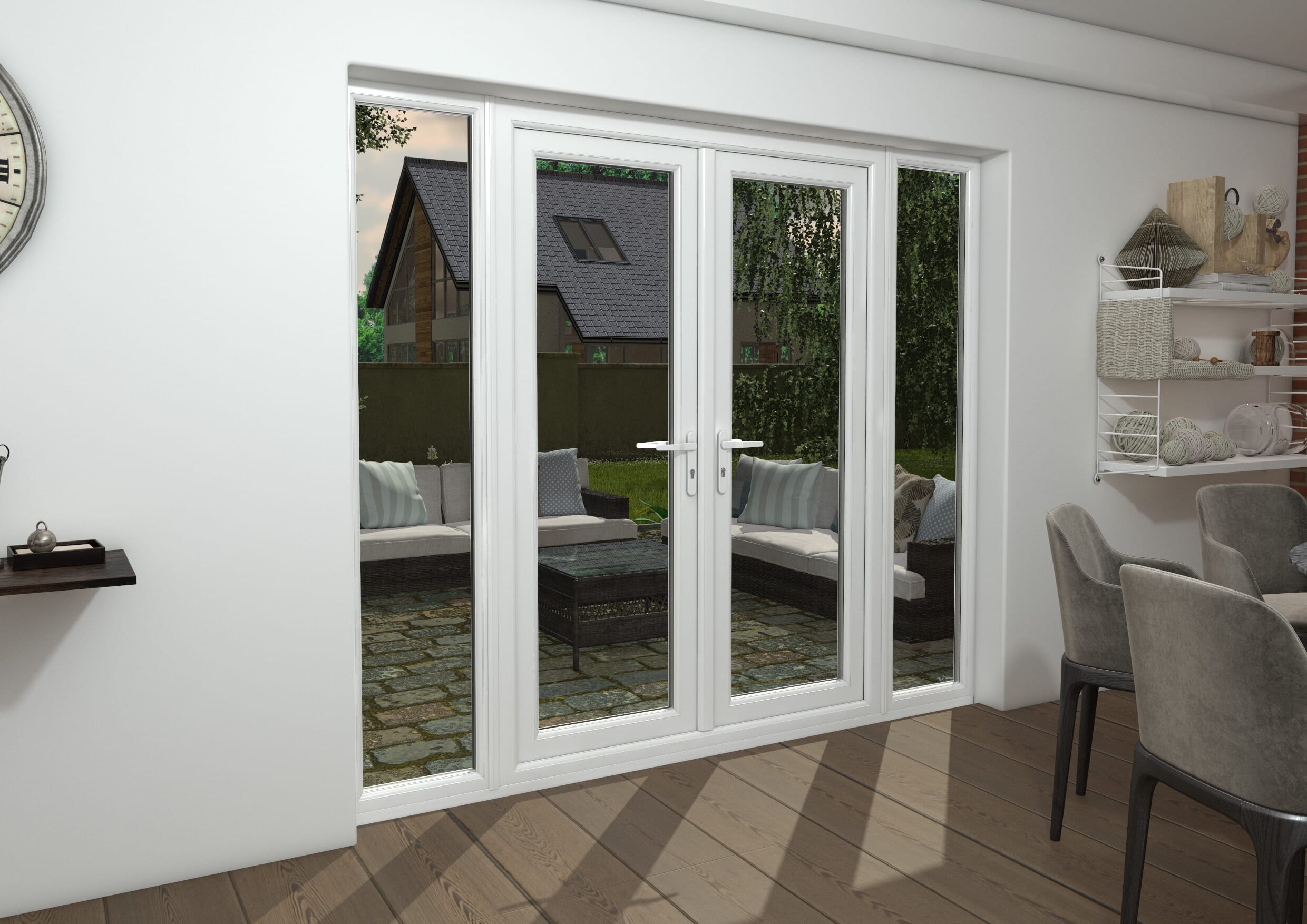
I was browsing home improvement ideas online when I stumbled upon the phrase "french door installation cost." It got me thinking about how much it would cost to install those elegant, wide-opening doors in my own home. So, I decided to do some research and share my findings with fellow homeowners.
Understanding French Door Installation Costs
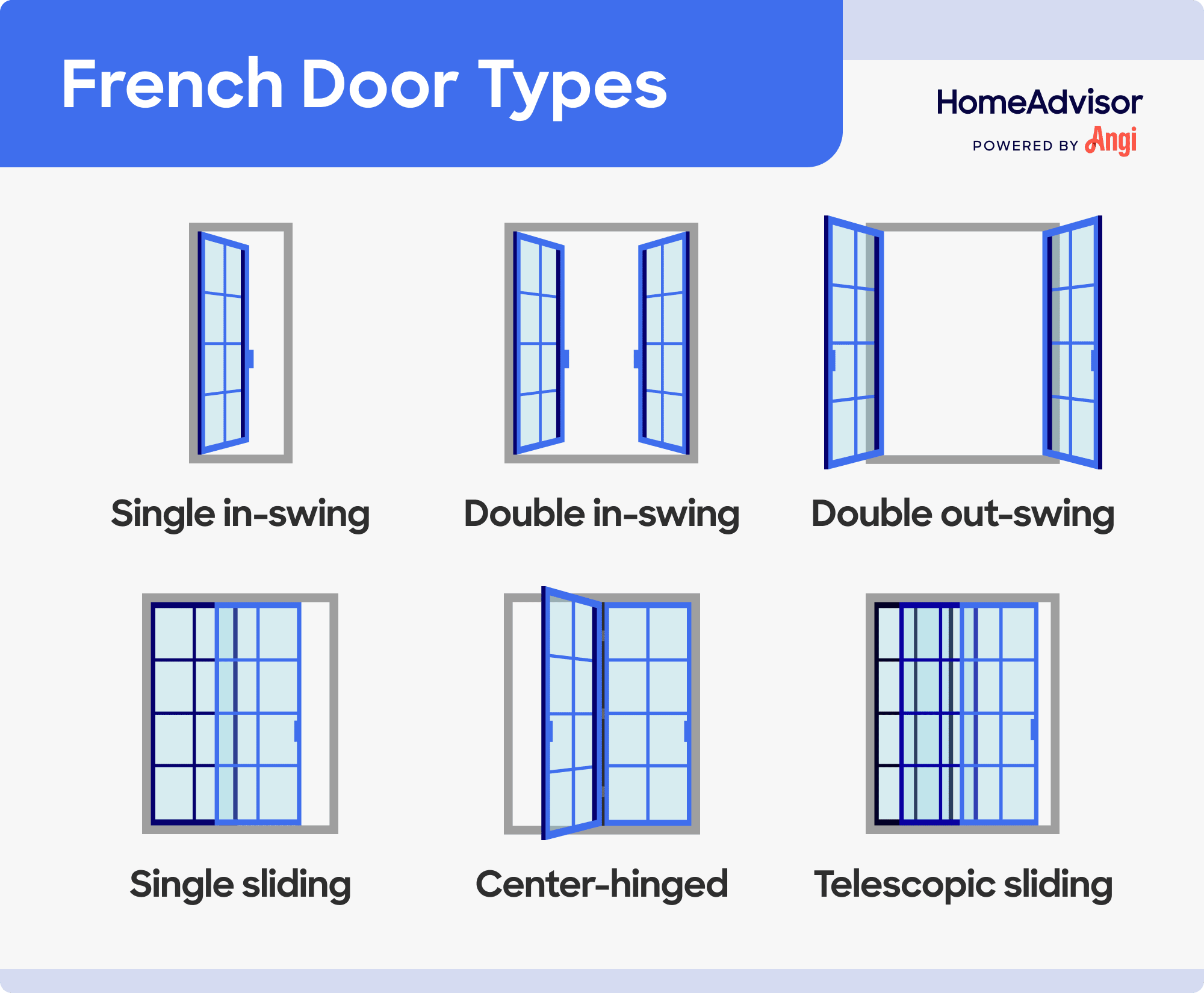
When it comes to installing French doors, there are a few key factors that can influence the overall cost. Firstly, the size and style of the doors themselves play a significant role. French doors come in various materials, including wood, fiberglass, and vinyl, each with its own price range. The size of the opening and the number of doors you need will also impact the final cost.
Another major factor is the labor involved. Installing French doors requires skilled labor, and the complexity of the job can vary. If the installation is straightforward, with no major structural changes needed, the labor costs will likely be lower. However, if additional work is required, such as modifying the door frame or making adjustments to the surrounding walls, the labor costs will increase accordingly.
Getting Quotes and Comparing Prices
To get an accurate idea of the french door installation cost, it's essential to obtain quotes from multiple contractors or remodeling companies. When requesting quotes, be sure to provide detailed information about your project, including the size and style of doors you want, the current state of your door frame, and any specific requirements or preferences you have.
When comparing quotes, look beyond the bottom line. Consider the reputation and experience of the companies, their warranties and guarantees, and the level of detail provided in their quotes. A comprehensive quote should include a breakdown of costs, covering materials, labor, and any additional expenses like permits or disposal fees.
Choosing a Contractor or Company
Selecting the right contractor or company for your French door installation is crucial. Here are a few tips to help you make an informed decision:
- Check their credentials and licensing. Ensure they are properly licensed and insured for the work they will be performing.
- Ask for references and read online reviews. Previous customers' experiences can provide valuable insights.
- Inquire about their experience with French door installations. Ask to see examples of their work and how they handle potential issues or challenges.
- Get a clear understanding of their warranty and guarantee policies. This will give you peace of mind in case any issues arise after the installation.
Company Names and Naming Ideas
When it comes to naming a construction or remodeling business, simplicity and clarity are often best. A name should reflect the services offered and be easy to remember. Here are a few original name ideas for construction companies:
- BuildCraft
- HomeCrafters
- Structure Solutions
- Renovate & Revive
- DoorWay Innovations
- Framing Future
Remember to check the availability of the name, domain, and local registration before finalizing your choice.
Wrapping Up
Understanding the factors that influence french door installation cost and taking the time to research and compare quotes will help you make an informed decision. Whether you're looking to enhance your home's curb appeal or improve functionality, French doors can be a beautiful addition. So, take that first step, gather some quotes, and start planning your home improvement project!
Related: Ear Piercing Chart: Your Easy Reference Guide
Many people mistakenly believe that an ear piercing chart is a rigid, one-size-fits-all guide, but it's actually a flexible tool with some room for interpretation. While it provides a visual reference, the exact values and measurements can vary, depending on factors like personal preference and anatomical differences.
These charts, including ear placement guides and helix piercing measurements, offer a great starting point, but it's essential to understand that they are not set in stone. You'll find standard sizes and common locations, but your unique ear anatomy might require some adjustments.
Understanding Ear Piercing Charts
Ear piercing charts are a handy reference tool for anyone considering an ear piercing or looking to expand their collection. These charts provide a visual guide to different piercing locations and the standard gauge sizes used. It's an easy way to explore your options and plan your next piercing adventure!
Key Details and Categories
The ear piercing chart typically includes a range of popular piercing placements, from the classic lobe piercings to more unique spots like the helix or tragus. Each piercing is represented with a simple illustration or icon, making it easy to identify and visualize. The chart also displays the standard gauge sizes for each piercing, which are the measurements used to determine the thickness of the jewelry. These sizes are usually given in either American Wire Gauge (AWG) or millimeters (mm).
Reading the Chart: A Step-by-Step Guide
To read and use an ear piercing chart effectively, follow these simple steps:
- Identify the piercing you're interested in. Look for the icon or illustration that matches the placement you desire.
- Locate the gauge size associated with that piercing. This will tell you the standard thickness of the jewelry typically used for that location.
- If you're considering multiple piercings, repeat the process for each one. This way, you can plan and visualize your entire ear project.
- Keep in mind that some charts may offer a range of sizes for certain piercings. This allows for some flexibility and personal preference.
Variations and Differences
It's important to note that ear piercing charts can vary depending on the standard being used. Different regions and manufacturers may have slightly different gauge size measurements or naming conventions. For example, the AWG system is primarily used in the United States, while the rest of the world often uses millimeters. Additionally, some piercers or studios may have their own preferred sizes or techniques, so it's always a good idea to double-check with a professional for exact specifications.
Common Mistakes and How to Avoid Them
One common mistake is assuming that all piercing charts are universal. As mentioned, standards can vary, so it's crucial to be aware of the specific gauge sizes used in your region or by your piercer. Another pitfall is neglecting aftercare. While the ear piercing chart provides a great starting point, proper care is essential for a successful healing process. Follow your piercer's aftercare instructions diligently to ensure a smooth recovery.
Practical Tips for Accurate Results
When using an ear piercing chart, consider these practical tips:
- Research different styles and placements to find the ones that resonate with you.
- Discuss your ideas with a professional piercer. They can offer expert advice and ensure your choices are suitable for your ear anatomy.
- Stay informed about the latest trends and techniques. The world of piercings is constantly evolving, so keeping up-to-date can inspire new ideas.
- Remember that ear piercings are a commitment. Take your time, plan carefully, and enjoy the process!
Hey there! I hope this ear piercing chart has given you a clear understanding of the process and what to expect. Remember, while the basics remain the same, the exact details can vary slightly, so it's always good to double-check with a professional piercer or a trusted source for your specific needs.
Consider bookmarking this page for future reference; it's a handy tool to have on hand when you need a quick reminder or want to explore different piercing options. Stay tuned for more practical guides coming your way soon!
Related: Find Your Perfect Quilt Size with This Easy Chart
A quilt size chart is a handy tool for quilters and crafters, offering a quick guide to standard quilt dimensions. This simple reference ensures your projects turn out perfectly sized, every time.
The chart covers a range of common quilt sizes, from crib quilts to king-size creations. It's a useful resource, especially when you're working with different quilt patterns and want consistent results. Keep in mind that quilt sizes can vary slightly between regions and standards, so it's a good idea to check the chart's source for any specific details.
Quilt Size Chart: A Guide to Standard Sizes
Quilt size charts are a handy tool for quilters and crafters, providing a quick reference for the standard dimensions of quilts. These charts offer a practical guide to ensure your quilts fit the intended purpose, whether it's a cozy bed cover or a baby crib quilt. Let's dive into understanding this chart and how to use it effectively.
Key Details and Units
The quilt size chart typically includes a range of common quilt sizes, from crib quilts to king-size bed quilts. It provides the length and width measurements in inches, which are standard units for quilt sizes. Some charts may also include metric measurements for international use. The chart categories often cover crib, twin, full, queen, and king sizes, along with their respective dimensions.
Reading the Chart: A Step-by-Step Guide
Using the quilt size chart is straightforward. First, identify the purpose of your quilt. Are you making a baby quilt, a bed cover, or a unique size for a specific project? Once you know the intended use, locate the corresponding category on the chart. For instance, if you're making a queen-size bed quilt, find the "Queen" category. The chart will provide the recommended length and width measurements for that size. Simply follow these dimensions when cutting and assembling your quilt top, backing, and batting.
Variations and Differences
While the quilt size chart offers standard measurements, variations can occur due to different standards and contexts. For example, some regions may use metric measurements, leading to slight differences in dimensions. Additionally, quilt sizes can vary based on the intended use. A crib quilt for a baby might have different dimensions compared to a decorative wall hanging quilt. It's essential to consider the purpose and any specific requirements when using the chart.
Common Mistakes and How to Avoid Them
One common mistake is assuming that all quilts must adhere strictly to the chart's measurements. Remember, the quilt size chart provides guidelines, but your personal preferences and the project's needs may vary. Another mistake is overlooking the intended use. Always consider whether you're making a bed quilt, a throw, or a unique size for a specific purpose. Misinterpreting the chart's categories can also lead to errors. Ensure you understand the difference between crib, twin, and other sizes before selecting your measurements.
Practical Tips for Accurate Sizing
To ensure accurate sizing, double-check the specific requirements for your project. If you're making a quilt for a bed, measure the bed's dimensions and consider the desired overhang. For unique projects, measure the intended space and adjust the quilt size accordingly. It's also beneficial to have a basic understanding of fabric widths and yardage requirements. This knowledge will help you calculate the fabric needed for your quilt size accurately. Lastly, consider the quilt's purpose and any personal preferences for thickness or design elements that might impact the overall size.
By following these practical tips and understanding the quilt size chart, you'll be well-equipped to create quilts that fit perfectly for their intended use. Happy quilting!
Hey there, quilter! Now that we've covered the ins and outs of quilt sizes, remember that these details can shift a bit depending on your specific project and the resources you're using. So, keep an eye out for any variations and adapt as needed.
If you're new to quilting or just want a handy reference guide, be sure to bookmark this page for future use. It's a great way to ensure your quilts turn out perfectly sized every time!