



Easy Worksheet Templates Overview
I've got a question for you: when you think of a construction company, what's the first thing that pops into your mind? Is it the name? I mean, let's be real, some of those names are pretty memorable, right? But for those of us starting out or rebranding, finding the perfect name can be a challenge. So, let's dive into construction company name suggestions and uncover some tips and ideas to help you out.
Unlocking the Perfect Name
When it comes to naming your construction business, there's more to it than just coming up with a catchy phrase. You want a name that represents your company's values, services, and maybe even your unique selling point. It should be memorable and professional, leaving a lasting impression on potential clients. So, how do you achieve this? Well, let's explore some key considerations.
First, think about the services you offer. Are you a general contractor, a remodeling expert, or do you specialize in a particular area like green building or historic restoration? Your name can reflect this, giving customers an instant idea of what you do. For example, "Green Build Construction" hints at an eco-friendly focus, while "Classic Renovations" suggests a company that specializes in restoring older homes.
Next, consider your target audience. Are you aiming for a local, neighborhood feel, or do you want a name that conveys a more regional or national reach? A name like "Baltimore Builders" might appeal to a local audience, while "Nationwide Construction" could attract a wider client base.
Standing Out and Staying Legal
A unique and memorable name is great, but you also want to avoid any legal issues. Check the availability of your chosen name with your local business registration office and domain name registrars. You don't want to spend time and effort building a brand only to discover someone else has already claimed the name!
It's also worth considering the tone and imagery your name conveys. You might want to avoid anything too playful or lighthearted if you're aiming for a more serious, high-end clientele. On the other hand, a fun and catchy name could be perfect for a company targeting younger, more casual customers.
A Few Name Ideas to Inspire
Here's a short list of name suggestions to get your creative juices flowing:
- Build & Beyond
- Renovate & Restore
- Constructive Solutions
- Home Crafters
- BuildTech Innovations
- Skyrise Builders
Remember, these are just a few ideas, and you can get creative and come up with something truly unique to your business.
Wrapping Up
Naming your construction company is an important step in building your brand. It's a chance to make a great first impression and showcase your business's personality and services. So, take your time, consider your options, and don't be afraid to get creative. And, of course, always check the legal aspects to ensure a smooth start to your business journey.
Related: Custom Home Renovation Made Easy
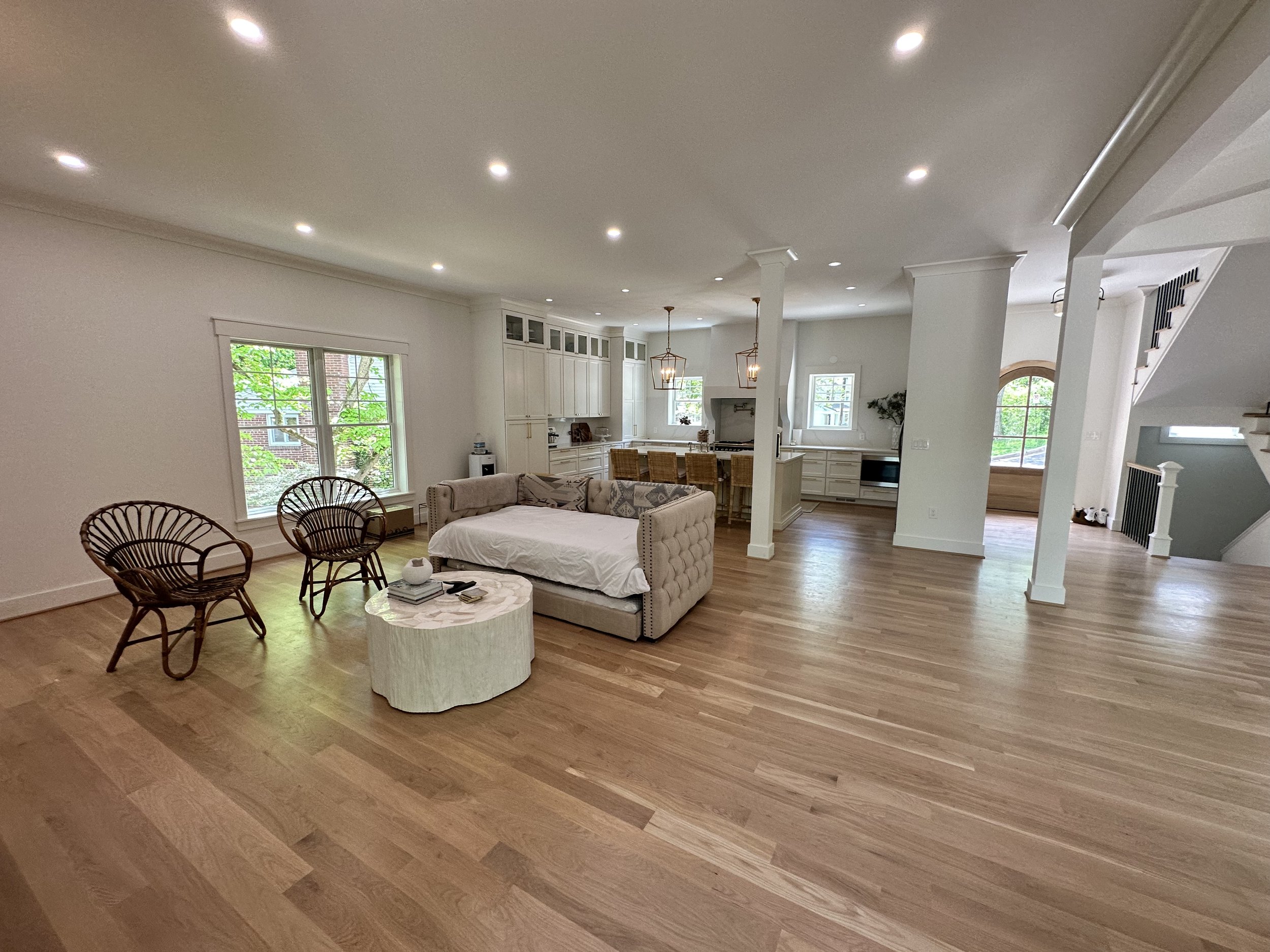
I've just moved into a new house, and I'm thinking about making some changes. It's an older place, and I want to put my stamp on it with a custom home renovation. I've heard that projects like these can be a real headache, so I'm doing my research first. Here's what I've found out.
What's Custom Home Renovation All About?
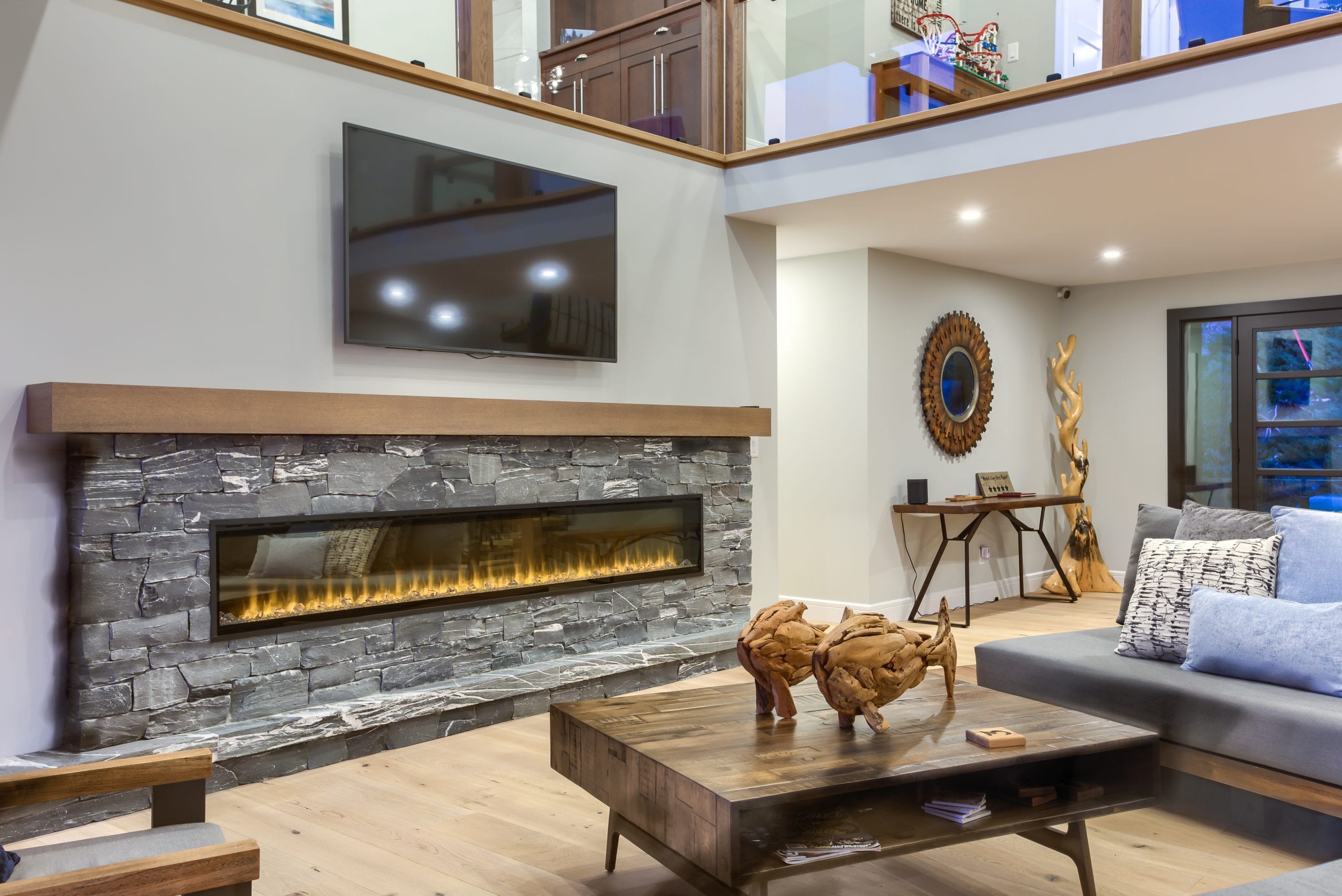
Custom home renovation is all about transforming your living space to fit your unique needs and style. It's not just about adding value to your home; it's about creating a space that feels truly yours. Whether you want to update your kitchen, add a new room, or completely overhaul your exterior, custom home renovation gives you the freedom to design and build something special.
The process involves a lot of planning and decision-making. You'll need to consider the scope of your project, choose the right professionals, and manage costs effectively. It's a big undertaking, but the results can be incredibly rewarding.
Finding the Right Professionals
One of the most important steps is hiring the right team. You'll want to work with reputable custom home renovation companies or general contractors who have experience in the type of project you're planning. Check their past work, ask for references, and make sure they have the necessary licenses and insurance.
When getting quotes, compare apples to apples. Make sure each contractor is providing a detailed breakdown of the work and materials, so you can easily see what's included. Don't be afraid to ask questions and clarify any uncertainties. A good contractor will be transparent and happy to explain their process.
Cost Considerations
Costs can vary widely depending on the scale and complexity of your project. Factors like the size of the renovation, the materials you choose, and the labor involved will all impact the final price. It's a good idea to get multiple written quotes to compare and ensure you're getting a fair deal.
To keep costs down, consider doing some of the simpler tasks yourself if you have the skills and time. You can also look for ways to save on materials by shopping around or opting for more affordable options without compromising quality.
Naming Your Business
If you're in the construction industry, choosing a business name is crucial. It should be memorable, reflect your services, and stand out from the competition. Some examples of catchy names could be "Build-It-Right Construction," "Renovate and Revive," or "Home Transformation Specialists."
Before settling on a name, check its availability for domains and local business registration. You want to ensure you can build a strong brand identity without legal issues.
Industry Tools and Data
The construction industry uses various tools and resources to estimate costs and manage projects. One popular tool is RSMeans, which provides cost data and estimates for different construction projects. It's a valuable resource for professionals to ensure accurate pricing and stay competitive.
Large vs. Small Companies
The construction industry has a range of companies, from small local businesses to large national firms. Small companies often offer a more personalized service and can be more flexible with unique projects. They may have a tighter-knit team and a more hands-on approach.
Larger companies, on the other hand, often have more resources, specialized teams, and a broader range of services. They can handle more complex projects and have the infrastructure to manage larger-scale renovations.
Jobs and Opportunities
The custom home renovation industry offers a variety of job roles. From estimators who calculate costs to project managers who oversee the entire process, there are opportunities for skilled professionals. Salaries can vary depending on experience and the specific role.
If you're interested in working in this field, check job boards, construction company websites, and local industry networks. Building a network and gaining experience can open doors to great opportunities.
I hope this gives you a good overview of custom home renovation. It's an exciting process, and with the right knowledge and professionals, you can create your dream home. Happy renovating!
Related: Find Your Perfect Quilt Size with This Easy Chart
A quilt size chart is a handy tool for quilters and crafters, offering a quick guide to standard quilt dimensions. This simple reference ensures your projects turn out perfectly sized, every time.
The chart covers a range of common quilt sizes, from crib quilts to king-size creations. It's a useful resource, especially when you're working with different quilt patterns and want consistent results. Keep in mind that quilt sizes can vary slightly between regions and standards, so it's a good idea to check the chart's source for any specific details.
Quilt Size Chart: A Guide to Standard Sizes
Quilt size charts are a handy tool for quilters and crafters, providing a quick reference for the standard dimensions of quilts. These charts offer a practical guide to ensure your quilts fit the intended purpose, whether it's a cozy bed cover or a baby crib quilt. Let's dive into understanding this chart and how to use it effectively.
Key Details and Units
The quilt size chart typically includes a range of common quilt sizes, from crib quilts to king-size bed quilts. It provides the length and width measurements in inches, which are standard units for quilt sizes. Some charts may also include metric measurements for international use. The chart categories often cover crib, twin, full, queen, and king sizes, along with their respective dimensions.
Reading the Chart: A Step-by-Step Guide
Using the quilt size chart is straightforward. First, identify the purpose of your quilt. Are you making a baby quilt, a bed cover, or a unique size for a specific project? Once you know the intended use, locate the corresponding category on the chart. For instance, if you're making a queen-size bed quilt, find the "Queen" category. The chart will provide the recommended length and width measurements for that size. Simply follow these dimensions when cutting and assembling your quilt top, backing, and batting.
Variations and Differences
While the quilt size chart offers standard measurements, variations can occur due to different standards and contexts. For example, some regions may use metric measurements, leading to slight differences in dimensions. Additionally, quilt sizes can vary based on the intended use. A crib quilt for a baby might have different dimensions compared to a decorative wall hanging quilt. It's essential to consider the purpose and any specific requirements when using the chart.
Common Mistakes and How to Avoid Them
One common mistake is assuming that all quilts must adhere strictly to the chart's measurements. Remember, the quilt size chart provides guidelines, but your personal preferences and the project's needs may vary. Another mistake is overlooking the intended use. Always consider whether you're making a bed quilt, a throw, or a unique size for a specific purpose. Misinterpreting the chart's categories can also lead to errors. Ensure you understand the difference between crib, twin, and other sizes before selecting your measurements.
Practical Tips for Accurate Sizing
To ensure accurate sizing, double-check the specific requirements for your project. If you're making a quilt for a bed, measure the bed's dimensions and consider the desired overhang. For unique projects, measure the intended space and adjust the quilt size accordingly. It's also beneficial to have a basic understanding of fabric widths and yardage requirements. This knowledge will help you calculate the fabric needed for your quilt size accurately. Lastly, consider the quilt's purpose and any personal preferences for thickness or design elements that might impact the overall size.
By following these practical tips and understanding the quilt size chart, you'll be well-equipped to create quilts that fit perfectly for their intended use. Happy quilting!
Hey there, quilter! Now that we've covered the ins and outs of quilt sizes, remember that these details can shift a bit depending on your specific project and the resources you're using. So, keep an eye out for any variations and adapt as needed.
If you're new to quilting or just want a handy reference guide, be sure to bookmark this page for future use. It's a great way to ensure your quilts turn out perfectly sized every time!