



Edisto Tide Chart Editable Overview
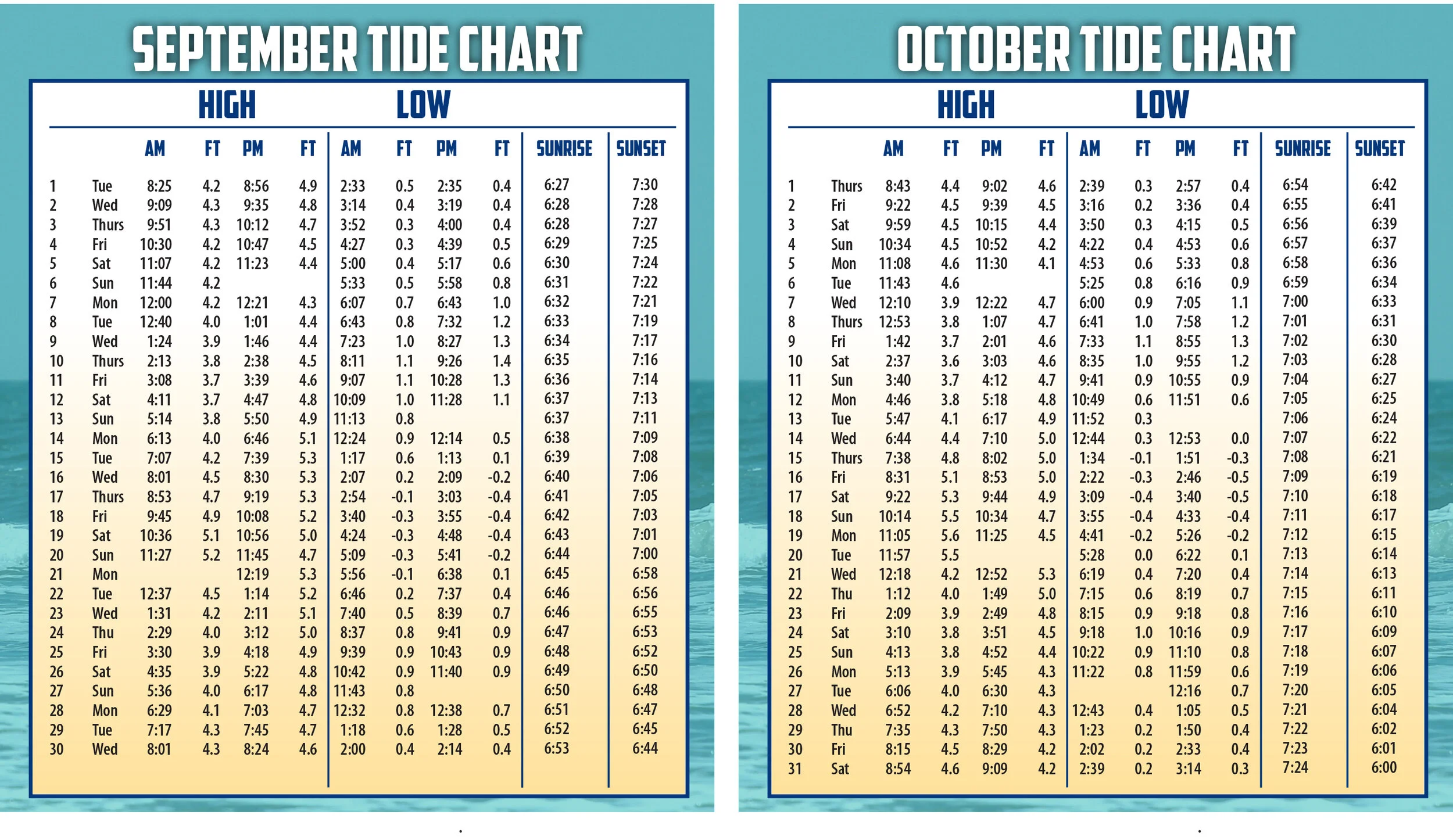
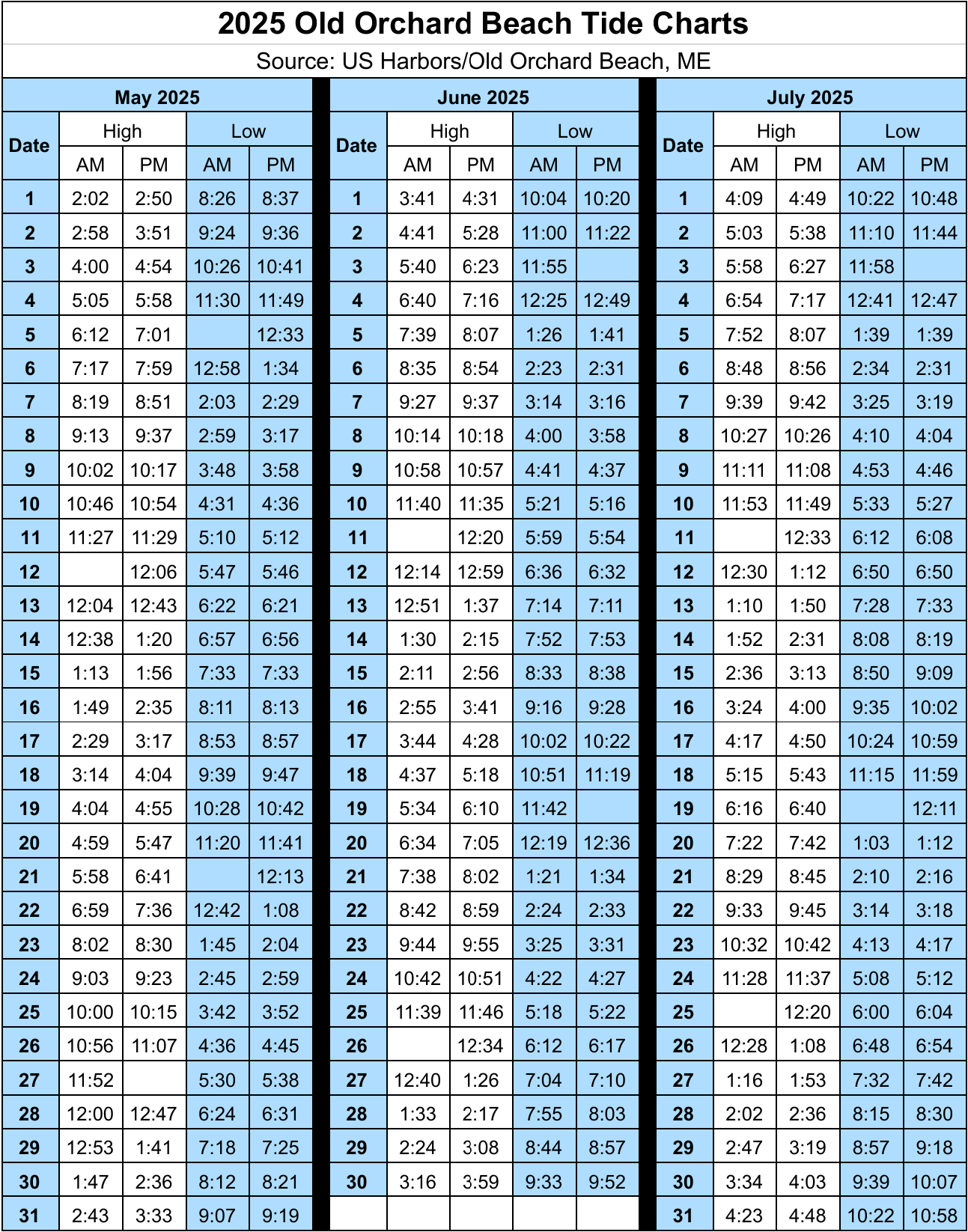
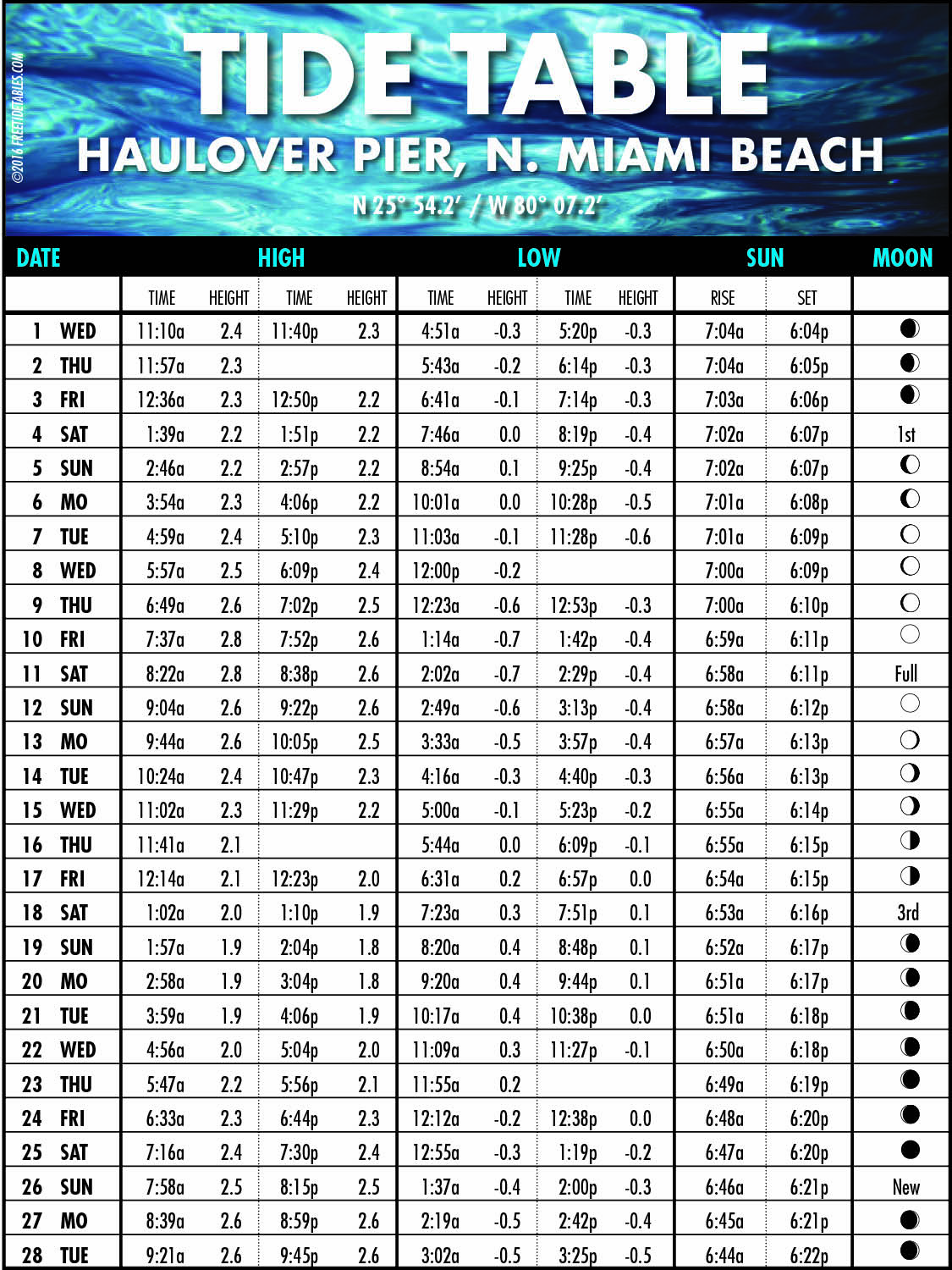
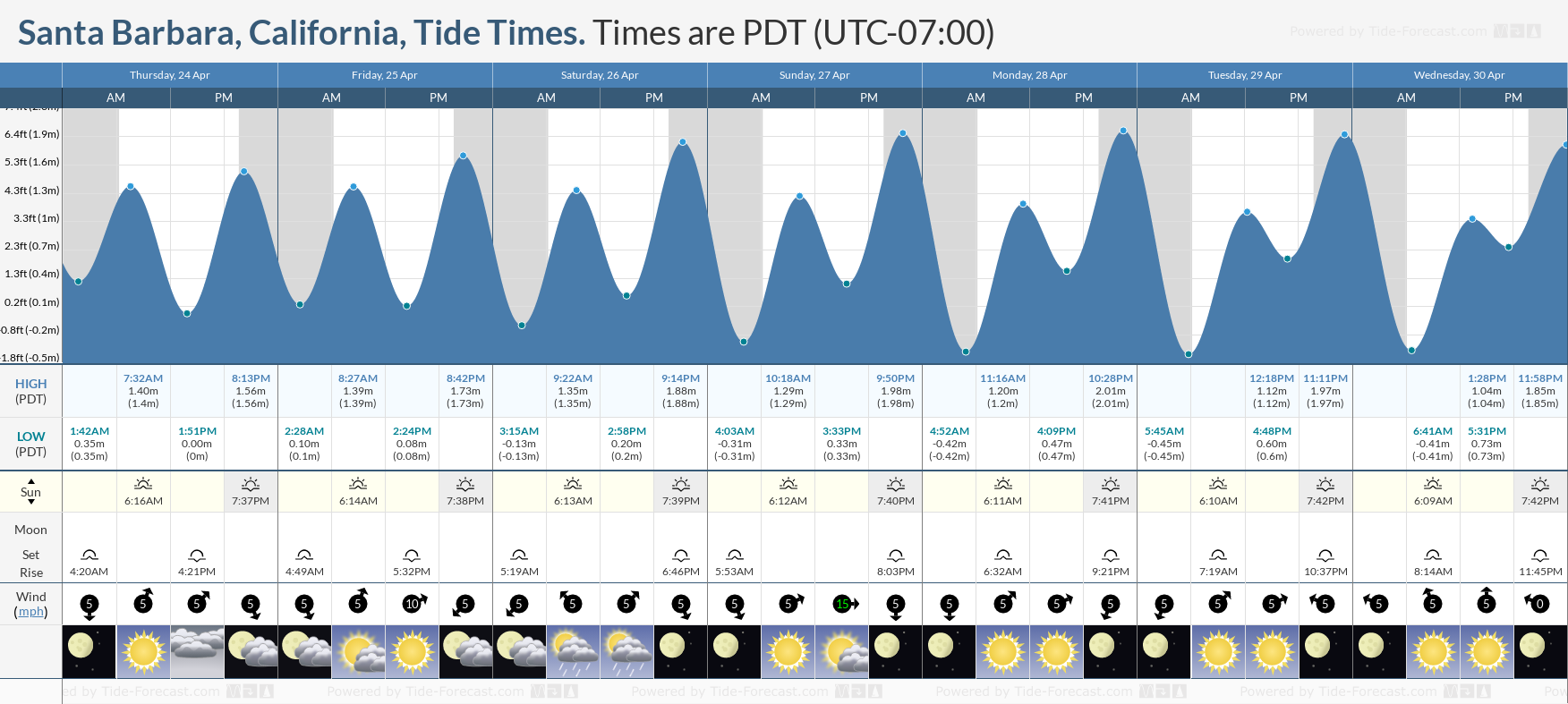
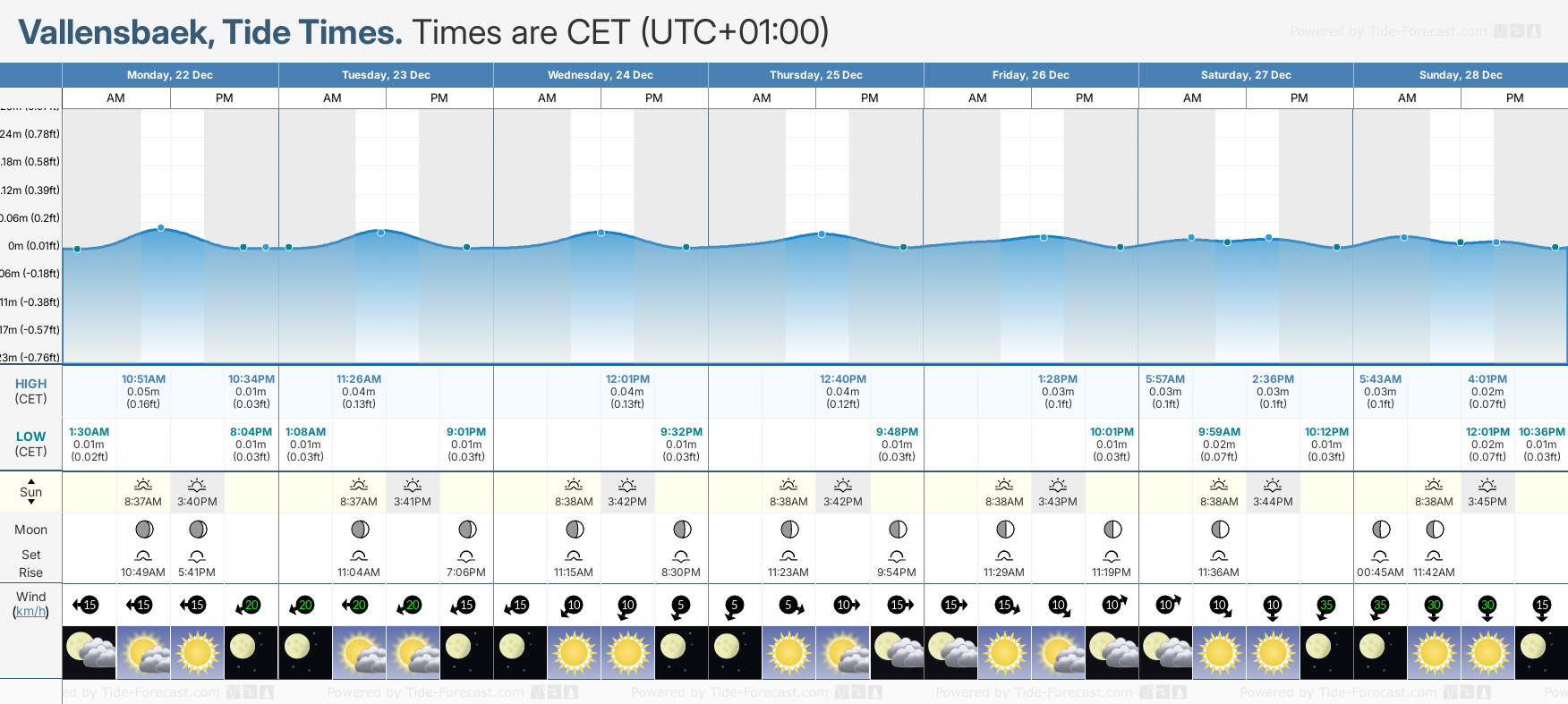
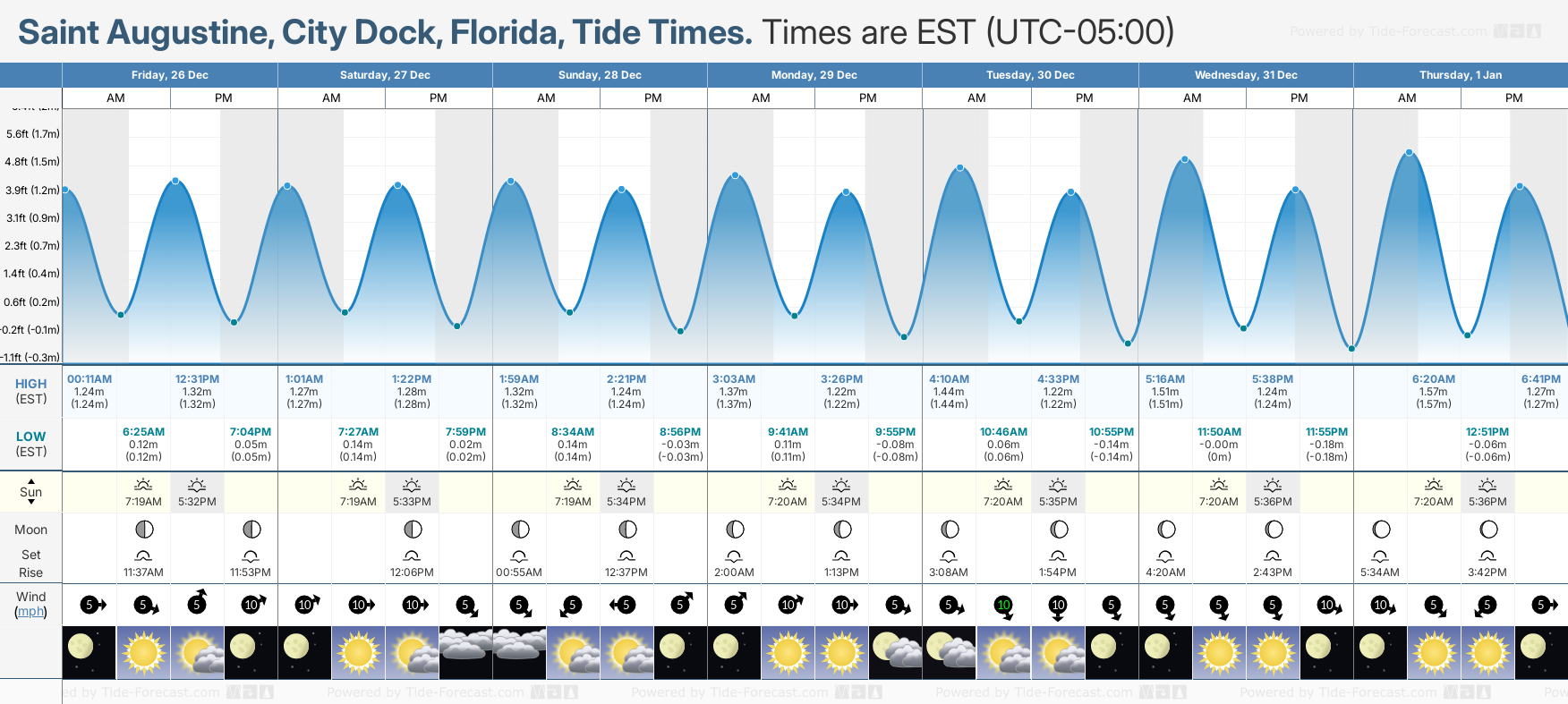
An sb tide chart is a valuable tool for anyone seeking accurate water level information. This simple yet powerful reference guide offers a quick glimpse into the ever-changing coastal environment.
The chart provides a visual representation of tidal patterns, offering a clear understanding of sb tide times and current flow. While the specific values and formats may vary depending on your region and local standards, the sb tide chart remains a reliable companion for marine navigation and coastal activities.
Understanding the SB Tide Chart: A Practical Guide
The sb tide chart is a valuable tool for anyone interested in marine navigation and coastal activities. It provides essential information about tidal patterns and water levels, helping you plan your activities safely and efficiently. This reference guide will explain what the chart reveals, how to interpret its data, and how to apply it in real-world situations.
Comparing Tide Chart Formats: Standardized vs. Localized
Tide charts can vary depending on the region and the specific standards used. While the general concept remains the same, the measurements and categories may differ. For instance, some charts use the US customary system, while others follow international metric standards. It's crucial to ensure you are using the correct chart for your location and purpose.
Step-by-Step Guide to Reading the SB Tide Chart
When interpreting an sb tide chart, follow these steps:
Identify the Location: Ensure the chart covers the specific area you are interested in. Different charts may be required for various coastal regions.
Understand the Timeframe: The chart provides data for a specific period, often covering several days. Pay attention to the time intervals and ensure they align with your planned activities.
Read the Tide Heights: The primary information on the chart is the tide height, usually measured in feet or meters. It indicates the water level at a given time. Look for the high and low tide marks, as these are critical for planning.
Consider Current Flow: Some charts also provide information on current flow, which is essential for activities like boating or kayaking. Understand the direction and strength of the current to plan your route effectively.
Note Tidal Patterns: The chart will show you the regular patterns of tides, helping you predict future trends. Look for any anomalies or unusual patterns that may impact your plans.
Common Misinterpretations and How to Avoid Them
While the sb tide chart is a reliable tool, there are a few potential pitfalls to be aware of:
Misreading Time Intervals: Ensure you understand the time scale on the chart. Mistakes here can lead to significant errors in planning.
Ignoring Local Variations: Tidal patterns can vary even within a small region. Always double-check the specific conditions for your location, especially if you are in an area with complex coastal geography.
Assuming Standard Measurements: As mentioned, charts may use different measurement systems. Always verify the units and convert if necessary to avoid confusion.
Neglecting Weather Impact: Weather conditions can significantly affect tides. Always check the weather forecast and consider its potential impact on water levels and currents.
By following these guidelines and staying vigilant, you can accurately interpret the sb tide chart and make informed decisions for your marine activities.
Remember, while the fundamentals remain consistent, the exact details can differ slightly based on your specific needs and the source you're referring to. It's always a good idea to double-check and adapt as necessary.
Feel free to explore our other guides for more practical insights and tips. We've got a range of topics covered, so you can dive deeper into any area that piques your interest. Happy reading and learning!
Related: How to Read a Skin Tone Chart?
You're probably here because you need a quick reference or a simple guide to understanding skin tone charts. These charts are a handy tool, offering a visual representation of skin tones, and they can be incredibly useful when you're seeking the perfect match for your foundation or even for artistic purposes. It's a great way to ensure accuracy and find your ideal shade, and while the values may vary depending on the context, they provide a reliable starting point.
Understanding Skin Tones: An Overview
The skin tone chart is a helpful tool to understand and categorize skin colors. It offers a visual representation of various skin tones, providing a reference for accurate shade matching. This chart is particularly useful in industries like cosmetics and fashion, where precise tone identification is essential.
Comparing Standards and Scales
Several standards and scales exist to measure and categorize skin tones. The most well-known is the Fitzpatrick scale, which classifies skin types based on their response to sun exposure. This scale has six categories, ranging from very light to deeply pigmented. Another popular reference is the Munsell skin color charts, which use a three-dimensional color system to represent skin tones. These charts provide a more detailed and nuanced view of skin colors.
Practical Colorimetry: Step-by-Step Guide
Using a skin tone chart is straightforward:
Identify the primary color of your skin. This is the base tone, often referred to as the undertone. Common undertones are cool (pink or blue), warm (yellow or golden), and neutral (a balance of cool and warm).
Determine your skin's lightness or darkness. This is measured on a scale, with higher numbers indicating lighter skin and lower numbers representing darker tones.
Combine these two factors to find your exact position on the skin tone chart. This will give you a precise shade reference for various applications.
Avoiding Misreadings and Pitfalls
It's essential to understand that skin tones can be complex and unique. While charts provide a helpful guide, they might not capture every variation. Here are some tips to ensure accurate readings:
Ensure you're using the correct standard or scale for your specific needs. Different industries may use varying charts, so double-check to avoid mismatches.
Consider the lighting conditions. Natural daylight is best for an accurate assessment, as artificial lighting can alter perceptions.
Be aware of your skin's natural changes. Factors like sun exposure, aging, and certain medical conditions can affect your skin tone over time. Regularly re-evaluate your position on the chart to ensure accuracy.
Key Factors Affecting Accuracy
Several factors can influence the accuracy of a skin tone chart:
Sun exposure and tanning can darken your skin temporarily or permanently.
Aging often leads to a decrease in skin pigmentation, making it lighter.
Certain medications and medical treatments can affect skin color.
Cultural and regional variations exist, with some populations having unique skin tone distributions.
Adapting the Chart for Specific Needs
While standard skin tone charts offer a broad reference, specific industries may require tailored versions. For example, cosmetic brands often create their own shade guides to match their product ranges precisely. These adapted charts ensure an accurate match for foundation and makeup shades. Similarly, fashion designers might use customized charts to select the right fabric colors for different skin tones.
Hey there, I hope this guide has been helpful in your skin tone chart adventures! Remember, while the basics remain the same, the exact details might shift a bit based on your unique needs and the specific chart you're using.
Don't stress, just take it step by step, and you'll find the perfect fit for your requirements. Feel free to explore our other guides for more practical tips and tricks. Consider this page bookmarked for future reference - it's always good to have a handy reminder!
Related: Understanding the Youth Sizes Chart
Many folks assume that a youth sizes chart is just for clothes, but it's so much more! While it's true that these charts are essential for nailing the perfect fit in kids' clothing, they also cover a wide range of products, from shoes to sports gear. A quick glance at a youth sizes chart can save you time and ensure an accurate fit, whether you're shopping for your own kids or buying a gift.
Understanding the Youth Sizes Chart
The youth sizes chart is a handy reference tool for parents and caregivers to navigate the world of kids' clothing and footwear sizing. It provides a standardized guide to help you choose the right size for your child, ensuring a comfortable and well-fitted outfit. This chart is a valuable resource, especially when shopping online or for specific brands, as it can vary from the standard.
Comparing Standards and Formats
There are a few key standards and formats to be aware of when using a youth sizes chart. The most common are the US standard, which is widely used in North America, and the metric or international standard, which is more prevalent in Europe and many other parts of the world. These standards may have slight variations in measurements and categories, so it's essential to know which one you're dealing with. Additionally, some brands might have their own unique sizing systems, especially for specialized sportswear or fashion lines.
Step-by-Step Guide to Using the Chart
Here's a simple process to follow when using a youth sizes chart:
Identify the standard: Determine whether you're using the US or metric standard. This information is usually indicated on the chart or provided by the retailer.
Measure your child: Take accurate measurements of your child's body, including height, weight, and key dimensions like chest, waist, and hip circumference. You can use a measuring tape or refer to existing measurements if you have them.
Locate the relevant category: Using the measurements, find the corresponding size category on the chart. This will typically involve matching height and weight ranges or specific body measurements.
Check the brand's fit: Some brands may have a slightly different fit or style, so it's a good idea to check their size guide or reviews to ensure the chosen size will fit as expected.
Consider growth: If you're buying for a growing child, you might want to opt for a slightly larger size to allow for growth spurts. Just ensure it's not too loose, as this can affect comfort and safety, especially with footwear.
Common Misreadings and How to Avoid Them
One of the most common mistakes is assuming that all brands and retailers use the same sizing standards. Always double-check the specific brand's guidelines or consult the youth sizes chart for that particular brand if available. Another pitfall is relying solely on age-based sizing, as children's growth rates vary, and this method may not always provide an accurate fit. It's best to measure your child and refer to the chart for a more precise size recommendation.
Factors Affecting Accuracy
When using a youth sizes chart, keep in mind these key factors that can influence the accuracy of the size selection:
Growth spurts: Children's bodies can change rapidly, so regular measurements are essential to ensure the chosen size is still appropriate.
Brand variations: As mentioned, different brands may have unique sizing systems, so always check their guidelines.
International travel: If you're shopping while traveling abroad, be aware of the different standards and ensure you're using the correct chart or guidelines.
Activity-specific sizing: For sports or specialized clothing, the fit and sizing may differ, so consider the purpose of the garment.
Adapting the Chart for Specific Needs
While the youth sizes chart provides a general guide, you might need to adapt it for specific situations. For example, if your child has a unique body shape or is particularly tall or short for their age, you may need to adjust the size selection accordingly. Some charts offer extended size ranges or special categories for these cases. It's also worth noting that certain clothing items, like coats or jackets, may have a more relaxed fit, so you might opt for a larger size to allow for layering.
Keeping Your Reference Reliable
To ensure you have a reliable reference for future purchases, consider the following:
Update measurements: Regularly measure your child's body dimensions, especially during growth spurts or seasonal changes.
Save the chart: Keep a digital or physical copy of the youth sizes chart you're using, along with any brand-specific size guides.
Share with caregivers: If others, like grandparents or babysitters, are shopping for your child, ensure they have access to the correct sizing information.
Check for updates: Sizing standards and brand guidelines can change over time, so periodically review the charts and guides to stay up-to-date.
So, there you have it! You're now equipped with a comprehensive understanding of youth sizes and how to navigate the various charts and standards. Remember, it's always a good idea to cross-reference and ensure you're using the right measurements for your specific needs.
Feel free to explore our other guides for more practical tips and tricks. We've got you covered with a range of handy resources to make your life easier!