


Edisto Tide Chart Sheet Overview
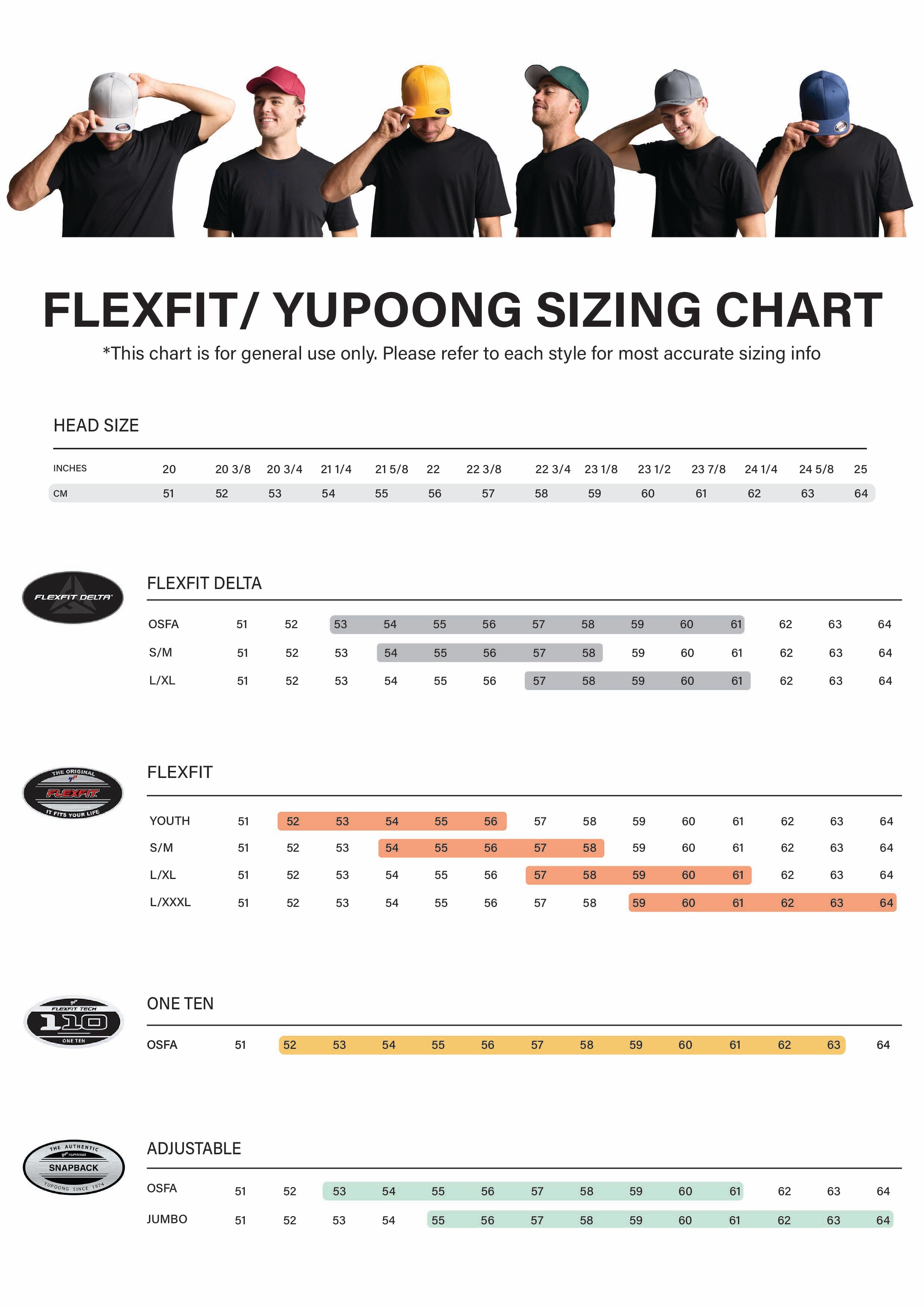
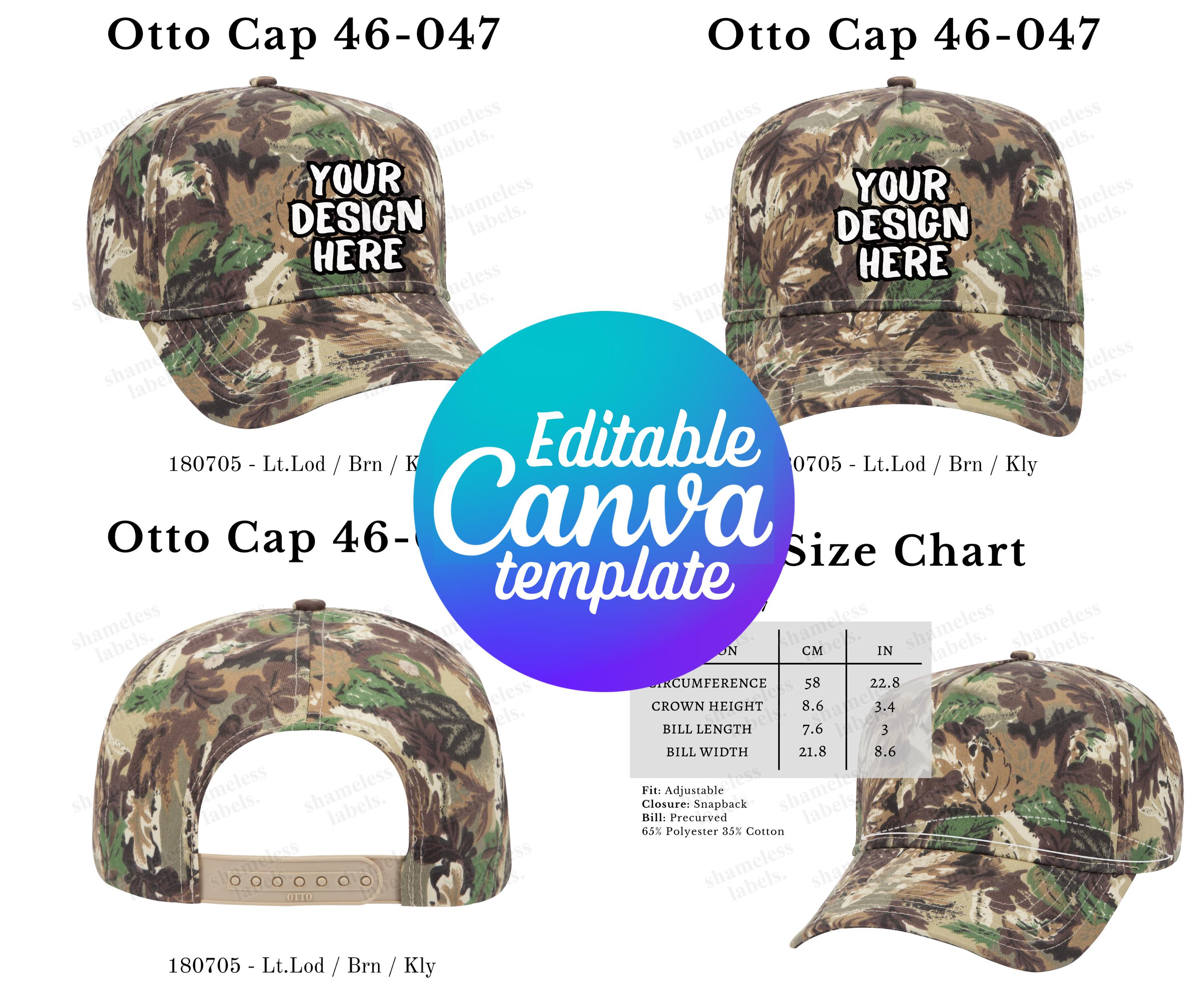
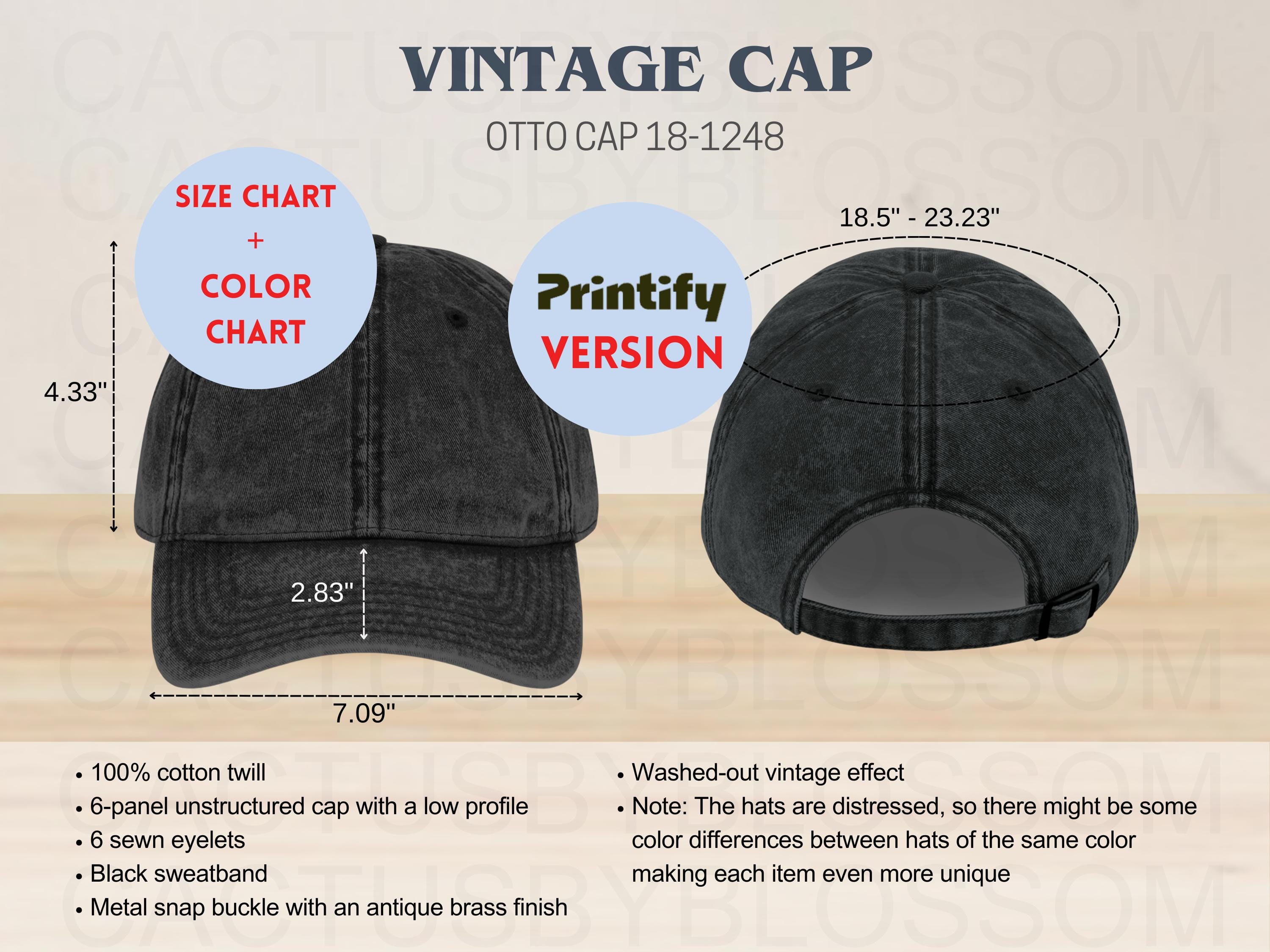
You're probably here because you need a quick fix, a simple solution to a sizing dilemma. Well, you've come to the right place! The cap size chart is your handy tool, a quick reference guide to ensure you get the perfect fit every time. It's a straightforward way to measure and match your head size to the right cap, and it's a lifesaver when you're in a rush or shopping online. This chart offers a simple solution, and it's worth familiarizing yourself with, especially if you want to avoid those pesky sizing mistakes!
Understanding the Chart: A Quick Overview
The cap size chart is a handy tool that helps you find the perfect fit for your headwear. It's a simple guide, often presented as a table or diagram, that matches your head measurements to the right cap size. This chart ensures your caps are neither too tight nor too loose, providing a comfortable and secure fit.
Comparing Common Cap Sizes and Standards
Cap size charts typically use two main standards: metric and imperial measurements. The metric system is widely used internationally and offers precise measurements in centimeters. On the other hand, the imperial system, common in the US, uses inches. These standards determine the cap circumference, which is the key measurement for finding your ideal cap size.
Step-by-Step Guide to Using the Cap Size Chart
Measure your head circumference: Take a flexible tape measure and wrap it around your head, just above your ears and across your forehead. Ensure it's not too tight or too loose. Note down the measurement in either centimeters or inches, depending on your preference or the chart's standard.
Refer to the cap size chart: Look for the column or row that corresponds to your head circumference measurement. The chart will provide you with a recommended cap size based on this measurement.
Adjust for comfort: While the chart offers a guide, personal preference plays a role. If you prefer a looser fit, consider going up a size. For a snugger fit, especially for activewear, you might want to choose a slightly smaller size.
Check the hat sizing chart: Some charts provide additional information, such as hat sizing. This can be useful if you're looking for a specific hat style and want to ensure it fits well.
Avoiding Common Misreadings and Pitfalls
It's important to remember that the cap size chart is a guide, and individual preferences may vary. While it provides a reliable starting point, you might need to make slight adjustments to find your perfect fit. Always double-check the chart's measurements and ensure they align with your head size guide. If you're between sizes, consider trying both and choosing the one that feels most comfortable.
Key Factors Affecting Accuracy and Real-World Use
Several factors can influence the accuracy of the cap size chart. Firstly, the chart's measurements may vary slightly depending on the manufacturer and the intended use of the cap. For instance, a baseball cap might have different sizing standards compared to a beanie. Additionally, personal factors like hair volume and style can impact the fit. If you have thick hair or a hairstyle that adds volume, you might need to adjust the size accordingly. Always consider these factors and refer to the specific cap's instructions or sizing guidelines for the most accurate fit.
Well, that's a wrap on our cap size chart adventure! We've covered a lot of ground, from understanding the different options to nailing down the key steps for accurate measurements.
Remember, when it comes to getting the right fit, always double-check your specific needs and the guidelines for your chosen standard or source. Exact values can vary slightly, so it's good to be aware of that.
Consider bookmarking this page for future reference; it's a handy tool to have at your fingertips when you need it most!
Related: Understand Jupiter's Tide Chart Easily
Many people assume that the Jupiter tide chart is only relevant for those visiting the planet, but it's a valuable tool for understanding tidal patterns right here on Earth too! While it might seem like an exotic concept, the Jupiter tide chart is actually a practical and accessible resource.
This chart provides a simple way to visualize and predict tidal movements, offering insights into Jupiter's tidal data and patterns. It's an easy-to-use reference, especially when you know how to read it accurately, and can be a helpful guide for understanding Jupiter's water levels and current tides.
Understanding the Jupiter Tide Chart
The jupiter tide chart is a valuable tool for anyone interested in tracking and understanding the tidal patterns of Jupiter. It provides a visual representation of the water levels and tidal ranges over a specific period, typically a day or a week. This chart is an essential guide for activities like boating, fishing, or simply enjoying the jupiter water levels.
Comparing Chart Formats and Standards
There are various formats for jupiter tidal charts, but the most common ones use a simple bar graph or line graph. The horizontal axis represents time, often in 24-hour intervals, while the vertical axis shows the water level or tidal range. Some charts may also include additional information, such as current speeds or moon phases, which can influence the tides. It's important to note that the units and scales may vary depending on the region and the standard being used. For example, the US may use different units compared to international standards.
Using the Jupiter Tide Chart Step by Step
To make the most of your jupiter tide chart, follow these steps:
Identify the time frame: Determine the period you want to analyze, whether it's a day, a week, or a specific time interval.
Locate the time of interest: Find the corresponding time on the horizontal axis.
Read the water level: The vertical axis will show the water level or tidal range at that specific time.
Plan your activities: With the water level information, you can now plan your boating, fishing, or other water-related activities accordingly. For instance, higher water levels might be ideal for certain fishing techniques, while lower levels could expose interesting coastal features.
Consider seasonal variations: Remember that jupiter tidal patterns can also change with the seasons. So, if you're planning an activity over a longer period, consider the seasonal trends and adjust your plans accordingly.
Common Misreadings and How to Avoid Them
When using a jupiter tide chart, it's important to be aware of potential misreadings:
Time intervals: Ensure you're reading the correct time interval. Some charts may have hourly intervals, while others might use half-hourly or even 15-minute intervals.
Units and scales: Be mindful of the units used. Different charts may use feet, meters, or even a scaled representation. Always check the chart's legend or key to understand the units and scales accurately.
Seasonal and weather variations: Jupiter tidal ranges can be influenced by seasonal changes and weather conditions. Always consider these factors and cross-reference with local weather forecasts.
Chart accuracy: While jupiter tidal charts are a great tool, they are estimates and may not account for all variables. Always double-check the exact specifications and conditions for critical activities or when safety is a concern.
By following these guidelines, you'll be able to accurately interpret and utilize the jupiter tide chart for your adventures on Jupiter's waters.
Jupiter tide charts are a handy tool for anyone interested in planning their activities around this fascinating phenomenon. With the different options and formats available, it's easy to find a chart that suits your needs.
Following the step-by-step guide, you can avoid common pitfalls and ensure an accurate reading. Remember, these charts provide a general guide, so it's always wise to double-check and consider any specific local factors that might affect the tides.
Feel free to explore our other guides and resources for more practical tips and insights. We've got you covered!
Related: Understanding Screw Size Charts
A screw size chart is a handy tool for anyone dealing with screws and fasteners. It's a simple yet effective way to ensure you're using the right size and type for your project. This guide will cover the basics, giving you the knowledge to read and utilize these charts with ease.
The chart provides a quick reference for various screw dimensions, including gauge, thread, and head type. While the values may differ slightly depending on the standard or region, the screw size chart offers a reliable starting point for your fastener needs.
Understanding the Screw Size Chart
A screw size chart is your practical guide to choosing the right screw for any project. It's a reference tool that simplifies the process of selecting screws based on their size, type, and intended use. This chart is a handy resource for anyone working with screws, from DIY enthusiasts to professional contractors.
Comparing Standards and Formats
Screw size charts can vary depending on the standard being followed. The two main standards are the metric system and the imperial system, with each having its own set of measurements and designations. The metric system is widely used internationally and offers a straightforward approach, while the imperial system, common in the US, uses a different set of thread sizes and designations. It's crucial to know which standard your project follows to ensure accurate screw selection.
Practical Screw Selection: A Step-by-Step Guide
Using a screw size chart is straightforward. Here's a simple process:
- Identify the screw's intended use. Different applications require specific screw types and sizes.
- Locate the relevant section on the chart based on the standard you're working with.
- Read across the chart to find the desired screw size. The chart typically displays screw length and diameter measurements.
- Match the measurements to the physical screw you need.
- Check the screw head type and drive style, which are often included in the chart.
- Select the appropriate screw based on your findings.
Avoiding Misreadings and Pitfalls
Misreading a screw size chart can lead to incorrect screw selection. Common mistakes include:
- Confusing metric and imperial measurements. Always double-check the standard being used.
- Misinterpreting screw head types. Pay attention to the symbols or descriptions provided.
- Overlooking drive style variations. Ensure the drive style matches your screwdriver or tool.
- Ignoring the screw's intended use. Different applications require specific screw characteristics.
Key Factors Affecting Accuracy
Several factors can influence the accuracy of your screw selection:
Screw gauge: The gauge refers to the thread pitch, which can vary and impact screw compatibility.
Head types: Different head shapes and sizes serve specific purposes and may affect your choice.
Drive style: The drive style, such as Phillips or flathead, must match your tool for easy installation.
Material: Screws are made from various materials, each with unique strengths and applications.
Finish: The screw's finish, like zinc plating or stainless steel, offers different levels of corrosion resistance.
Key factors:
- Screw gauge (thread pitch)
- Head type and size
- Drive style
- Material
- Finish
Adapting the Chart for Specific Needs
Screw size charts are versatile and can be adapted to suit specific projects. If you're working with unusual materials or have unique requirements, you may need to adjust the chart or seek expert advice. For instance, if you're dealing with soft materials, you might need longer screws to ensure a secure hold. Always consider the specific demands of your project to make the most accurate selection.
Keeping Your Reference Reliable
To ensure the reliability of your screw size chart, it's essential to keep it up-to-date. Regularly check for new standards and updates, especially if you work on diverse projects. Additionally, consider creating a personalized chart by noting down your frequently used screw sizes and their corresponding applications. This customized reference will streamline your selection process and reduce the risk of errors.
So, you've got your screw size chart, a handy tool to keep in your back pocket for any project. It's a simple yet effective reference, and with a few key considerations, you can ensure you're using it accurately.
Remember, these charts provide a great starting point, but your specific project and its unique requirements may vary. Always double-check the exact values and measurements you need, and don't be afraid to adapt and make it work for you. It's a useful guide, but it's not set in stone! Bookmark this page for a quick reminder, and you'll be a screw size expert in no time.