



Editable Catering Invoice Template Doc Overview
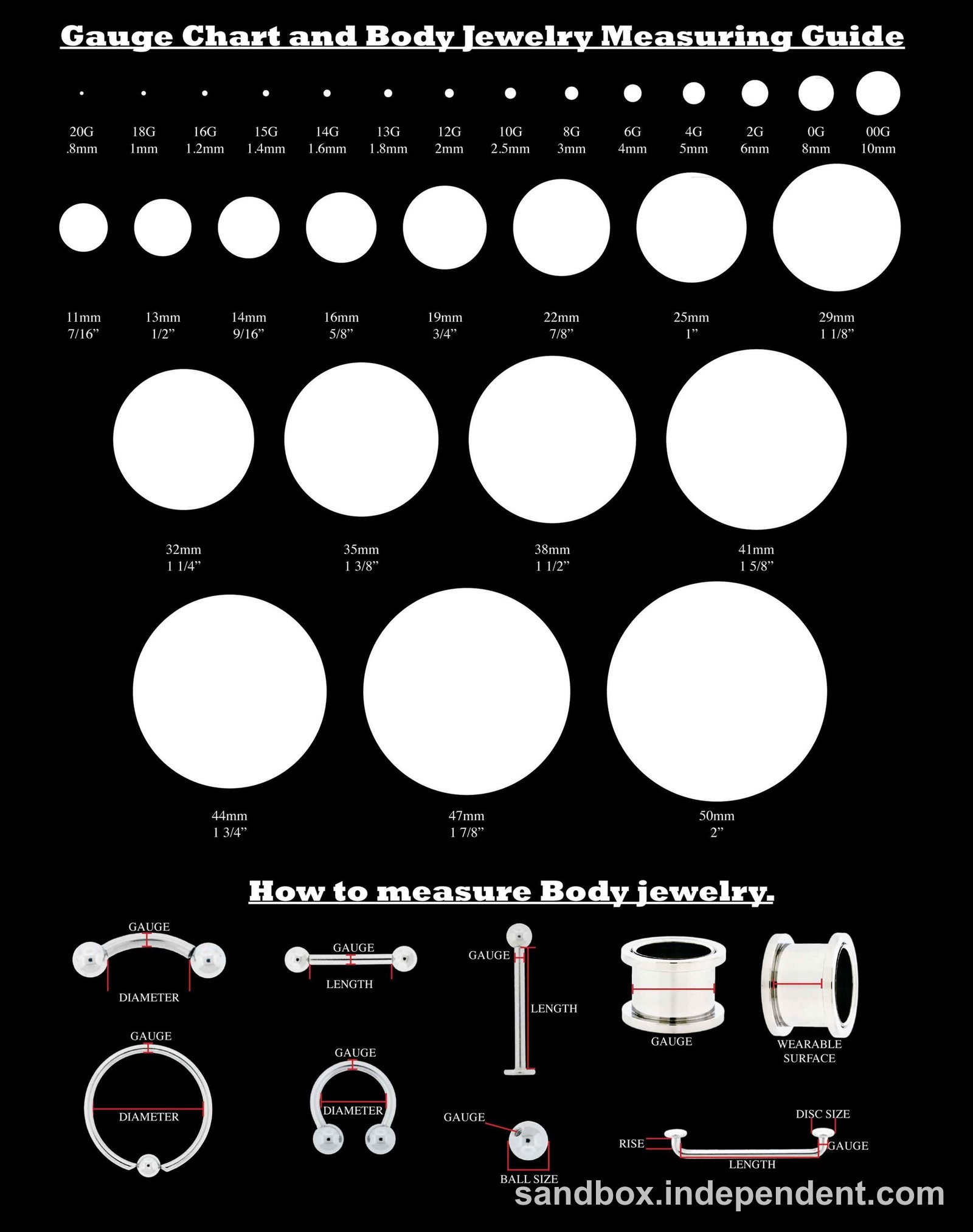
Many people assume that a gauges size chart is a simple, one-size-fits-all guide, but it's actually a bit more complex than that! These charts are essential tools for anyone getting or wanting ear piercings, as they ensure you get the right size jewelry.
While gauges size charts provide a standard gauge system, it's worth noting that variations exist due to different measurement standards and brands. So, it's always a good idea to double-check and ensure you're using the right chart for your needs, whether it's for ear piercing measurements or body jewelry sizing.
Understanding the Gauges Size Chart: A Quick Overview
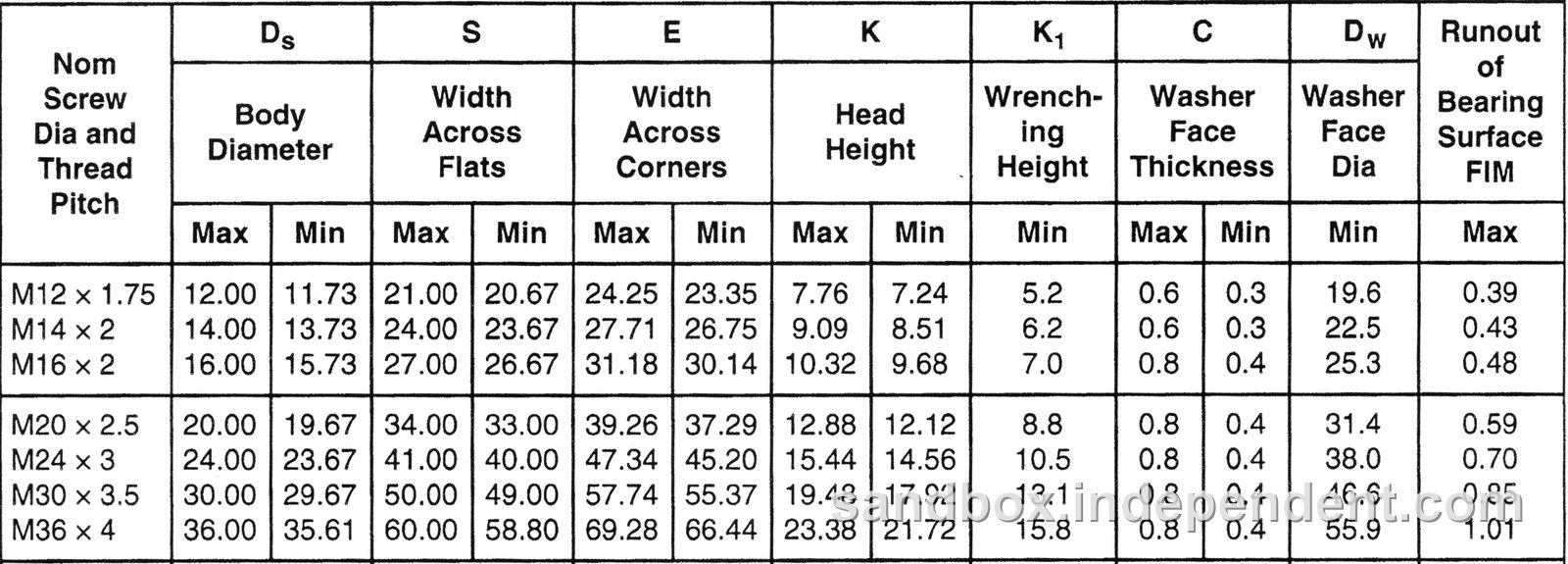
The gauges size chart is a handy tool for anyone who wants to understand and work with different gauge sizes. It provides a clear visual representation of the various measurements used for gauge sizing, typically for body jewelry or ear piercings. This chart is your go-to reference, offering a simple way to grasp the differences between gauge sizes.
Comparing Gauge Standards and Formats
When it comes to gauge sizes, there are two main standards: the imperial and metric systems. The gauges size chart often presents these in separate columns or sections. Imperial gauges are measured in fractions of an inch, while metric gauges use millimeters. It's crucial to know which system you're dealing with to read the chart accurately.
Measuring Accurately: Step-by-Step Guide
Using the gauges size chart is straightforward:
- Identify the type of gauge you're working with - whether it's an imperial or metric gauge.
- Locate the corresponding column or section on the chart.
- Find the specific gauge size you need by matching it to the values on the chart.
- Take note of the measurements provided, ensuring you understand whether they are in inches or millimeters.
- If you need to convert between the two systems, you can use a gauge conversion chart as a helpful tool.
Common Gauge Mistakes and How to Avoid Them
A common pitfall is mixing up the imperial and metric systems. Always double-check which system your gauge size follows to ensure accurate measurements. Another mistake is assuming all gauge sizes are universal. Different manufacturers and regions might have slight variations, so always refer to the specific body jewelry sizing standards for your context.
Factors Affecting Accuracy and Real-World Use
The gauges size chart is a valuable reference, but it's important to remember that real-world applications can vary. Factors like material tolerance, manufacturing processes, and even the specific body part being pierced can influence the actual size. Always check with reputable sources or professionals for the most accurate information, especially for specialized applications.
Adapting the Chart for Your Needs
While the gauges size chart provides a standard reference, it's adaptable to different needs. If you work primarily with one gauge system, you can focus on that section for quicker reference. For those who need a more comprehensive view, combining both imperial and metric systems on one chart can be beneficial. Additionally, some charts offer additional features like conversion tools or visual aids to assist in understanding gauge sizes.
So, there you have it! A comprehensive guide to gauge size charts, covering all the bases. We've looked at the different standards, a step-by-step process for accurate readings, and even some common mistakes to avoid.
Remember, when it comes to precision, context is key. Ensure you're using the right chart for your specific needs and double-check any critical applications. With these charts as your reference, you'll be well-equipped to make informed decisions. Feel free to explore our other guides; we've got plenty of practical tips and tricks to offer!
Related: How to Read a Chest Size Chart?
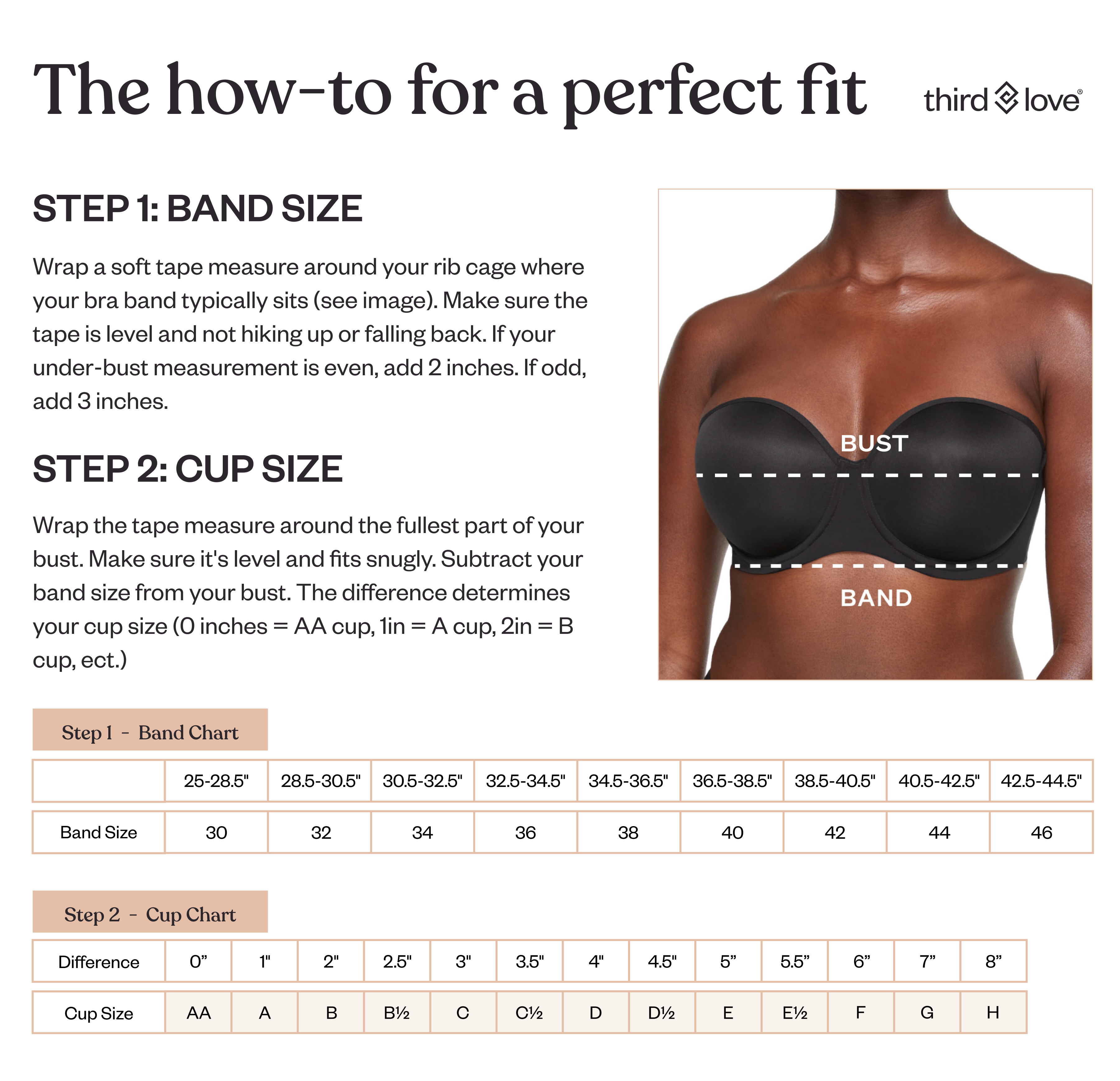
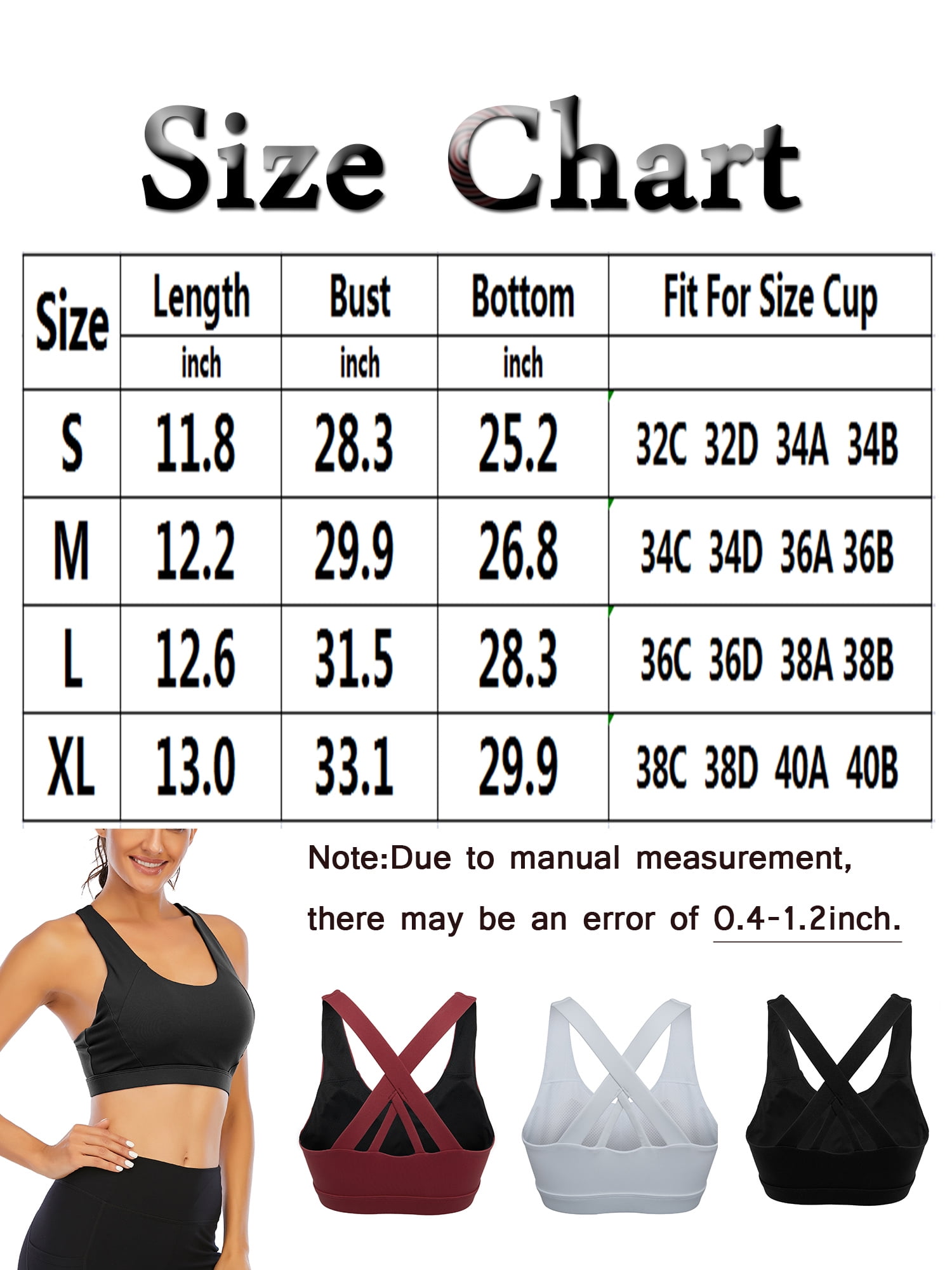
You're probably here because you need a quick answer, and who can blame you? A chest size chart is a handy tool, offering a simple visual guide to understanding bra sizes and fit. It's a reference that can save you time and ensure you get the right size, every time. These charts can vary slightly, but they're an essential guide for anyone wanting an accurate bra size and a comfortable fit.
Understanding the Chest Size Chart
The chest size chart is a handy tool to help you find the right fit for clothing and accessories, especially when shopping online. It provides a reference for measuring and understanding your chest size, ensuring you make informed choices. This chart is particularly useful for women's sizing, including bra size charts, but it can also guide men's clothing choices.
Comparing Measurement Standards
Measurement standards can vary depending on the region and manufacturer. For example, the US and international (metric) systems have different size categories and ranges. The chest size chart typically includes both systems, making it versatile. It's essential to check which standard is being used to ensure accuracy.
Measuring Accurately: A Step-by-Step Guide
- Prepare a flexible measuring tape. Ensure it's not too tight or loose.
- Stand in a relaxed position, with your arms slightly away from your sides.
- Measure the fullest part of your chest, usually across the nipple line.
- Wrap the tape around your body, ensuring it's level and parallel to the floor.
- Take the measurement in inches or centimeters, depending on the standard.
- Refer to the chest size chart to find your size. It will provide a range of measurements and corresponding sizes.
- If you fall between sizes, consider the fabric's stretch and your personal preference for a snug or loose fit.
Common Mistakes and How to Avoid Them
One common mistake is measuring too tightly or too loosely. This can lead to an inaccurate reading and an ill-fitting garment. Always ensure the tape is snug but not constricting. Another pitfall is assuming all brands use the same sizing. Different manufacturers may have slight variations, so it's best to refer to their specific size charts. Additionally, some charts may not cover all body types, so be mindful of any special considerations you may have.
Factors Affecting Accuracy and Real-World Use
Several factors can influence the accuracy of your chest size measurement. These include your posture during measurement, the type of clothing you're wearing, and any recent weight changes. It's essential to stand upright and maintain a consistent posture. The fabric of your clothing can also affect the measurement, so consider measuring over a thin, form-fitting garment. If you've recently gained or lost weight, your chest size may have changed, so it's beneficial to remeasure periodically.
So, now you're equipped with a handy chest size chart and the knowledge to use it effectively. Remember, these charts provide a great starting point, but it's always wise to consider your unique needs and measurements.
Don't forget to check out our other guides for more practical tips and insights. We've got a range of topics to explore, so feel free to browse and discover something new!
Related: Understand Jupiter's Tide Chart Easily
Many people assume that the Jupiter tide chart is only relevant for those visiting the planet, but it's a valuable tool for understanding tidal patterns right here on Earth too! While it might seem like an exotic concept, the Jupiter tide chart is actually a practical and accessible resource.
This chart provides a simple way to visualize and predict tidal movements, offering insights into Jupiter's tidal data and patterns. It's an easy-to-use reference, especially when you know how to read it accurately, and can be a helpful guide for understanding Jupiter's water levels and current tides.
Understanding the Jupiter Tide Chart
The jupiter tide chart is a valuable tool for anyone interested in tracking and understanding the tidal patterns of Jupiter. It provides a visual representation of the water levels and tidal ranges over a specific period, typically a day or a week. This chart is an essential guide for activities like boating, fishing, or simply enjoying the jupiter water levels.
Comparing Chart Formats and Standards
There are various formats for jupiter tidal charts, but the most common ones use a simple bar graph or line graph. The horizontal axis represents time, often in 24-hour intervals, while the vertical axis shows the water level or tidal range. Some charts may also include additional information, such as current speeds or moon phases, which can influence the tides. It's important to note that the units and scales may vary depending on the region and the standard being used. For example, the US may use different units compared to international standards.
Using the Jupiter Tide Chart Step by Step
To make the most of your jupiter tide chart, follow these steps:
Identify the time frame: Determine the period you want to analyze, whether it's a day, a week, or a specific time interval.
Locate the time of interest: Find the corresponding time on the horizontal axis.
Read the water level: The vertical axis will show the water level or tidal range at that specific time.
Plan your activities: With the water level information, you can now plan your boating, fishing, or other water-related activities accordingly. For instance, higher water levels might be ideal for certain fishing techniques, while lower levels could expose interesting coastal features.
Consider seasonal variations: Remember that jupiter tidal patterns can also change with the seasons. So, if you're planning an activity over a longer period, consider the seasonal trends and adjust your plans accordingly.
Common Misreadings and How to Avoid Them
When using a jupiter tide chart, it's important to be aware of potential misreadings:
Time intervals: Ensure you're reading the correct time interval. Some charts may have hourly intervals, while others might use half-hourly or even 15-minute intervals.
Units and scales: Be mindful of the units used. Different charts may use feet, meters, or even a scaled representation. Always check the chart's legend or key to understand the units and scales accurately.
Seasonal and weather variations: Jupiter tidal ranges can be influenced by seasonal changes and weather conditions. Always consider these factors and cross-reference with local weather forecasts.
Chart accuracy: While jupiter tidal charts are a great tool, they are estimates and may not account for all variables. Always double-check the exact specifications and conditions for critical activities or when safety is a concern.
By following these guidelines, you'll be able to accurately interpret and utilize the jupiter tide chart for your adventures on Jupiter's waters.
Jupiter tide charts are a handy tool for anyone interested in planning their activities around this fascinating phenomenon. With the different options and formats available, it's easy to find a chart that suits your needs.
Following the step-by-step guide, you can avoid common pitfalls and ensure an accurate reading. Remember, these charts provide a general guide, so it's always wise to double-check and consider any specific local factors that might affect the tides.
Feel free to explore our other guides and resources for more practical tips and insights. We've got you covered!