
Editable Cleaning Invoice Template Excel Overview
Many folks assume that chicos size charts are a one-size-fits-all deal, but that's a common misconception. These charts are actually tailored to the brand's unique sizing system, which can vary from other standard measurements.
So, while it's a simple reference tool, understanding how to read and interpret chicos size charts accurately is key to getting the perfect fit. It's all about knowing your measurements and finding the right correlation on the chart.
Understanding the Chicos Size Chart
The chicos size chart is a handy tool to help you find your perfect fit when shopping for clothing. It provides a clear guide to the standard measurements used by Chicos, ensuring you can easily navigate their sizing system. This chart is a great reference, especially when shopping online, as it gives you an accurate idea of the sizes available and how they correspond to your own measurements.
Comparing Size Chart Standards
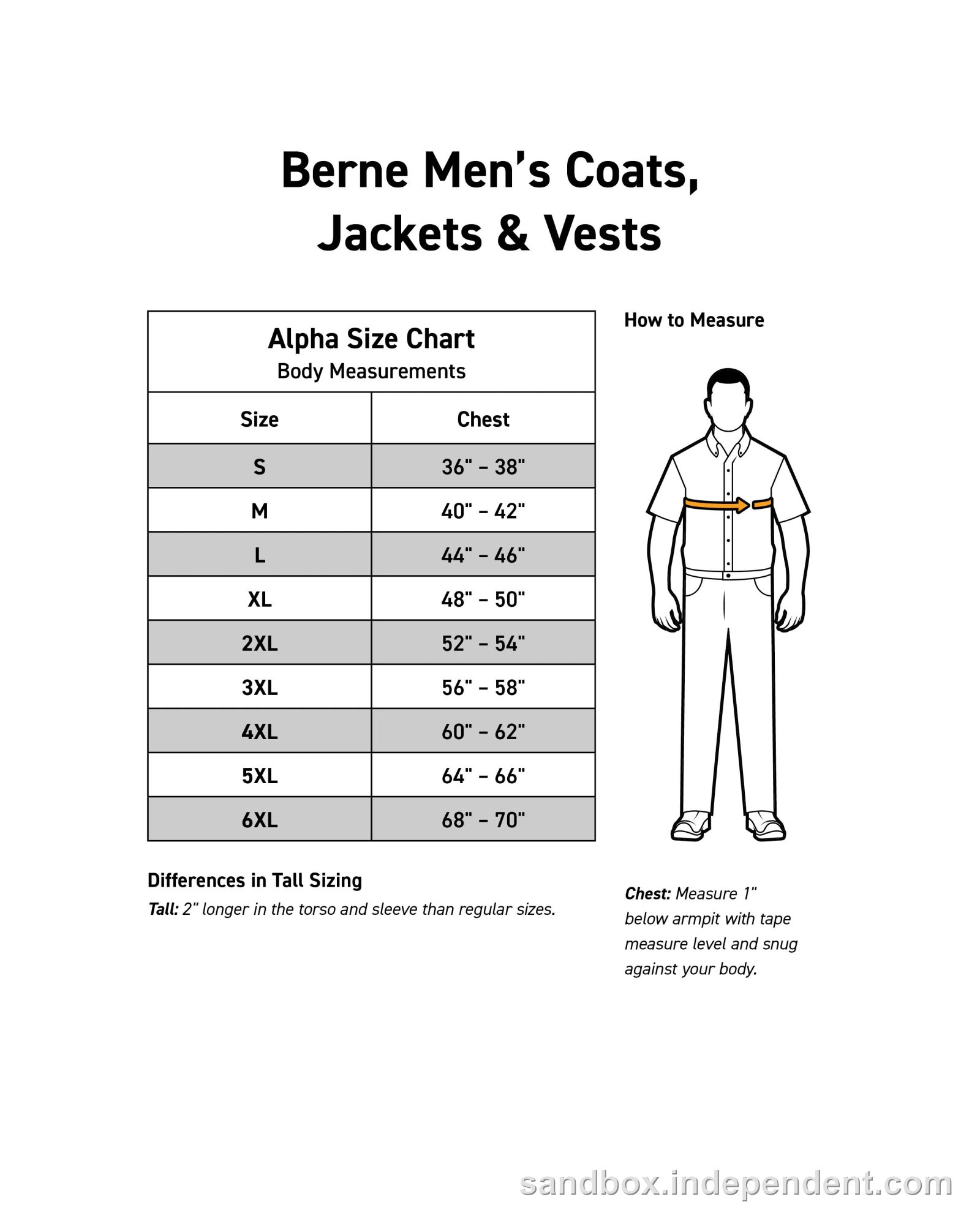
Chicos' size chart follows a standard format, typically based on US sizing, which is widely used in North America. This chart provides measurements for various body parts, including bust, waist, hips, and inseam, to ensure a precise fit. It's important to note that while US sizing is common, other regions may use different standards, such as metric or European sizing. So, if you're used to a different system, it's a good idea to double-check the specific measurements and conversions.
Measuring Yourself for Accurate Sizing
To use the chicos size chart effectively, you'll need to take some key measurements. Here's a step-by-step guide:
- Bust: Measure around the fullest part of your bust, keeping the tape measure parallel to the floor.
- Waist: Measure your natural waistline, usually just above the belly button.
- Hips: Find the widest part of your hips and measure around, ensuring the tape is level with the floor.
- Inseam: For pants and jeans, measure from your crotch to the desired pant length.
Once you have these measurements, you can refer to the size chart and find the closest match. The chart will provide a range of measurements for each size, so you can choose the one that best fits your body.
Common Misreadings and How to Avoid Them
One common mistake is assuming that all clothing brands use the same size standards. While Chicos' size chart is a great guide, it's always a good idea to check the specific brand's size guide, especially if you're a regular customer. Another pitfall is measuring yourself incorrectly. Ensure you're measuring the right body parts and following the guidelines accurately. Finally, don't forget that sizing can vary slightly between different styles and fabrics, so always check the product details for any specific size notes.
Hey there, we hope you found this guide helpful and that it's now easier to navigate the world of Chicos size charts. Remember, while we've covered the basics, exact details might differ slightly, so always double-check with the brand's guidelines or consult our other guides for more specific info.
Consider bookmarking this page for future reference; it's a handy tool to have at your fingertips when you need to quickly look up those size charts!
Related: Find Your Perfect Fit: Wetsuit Size Chart
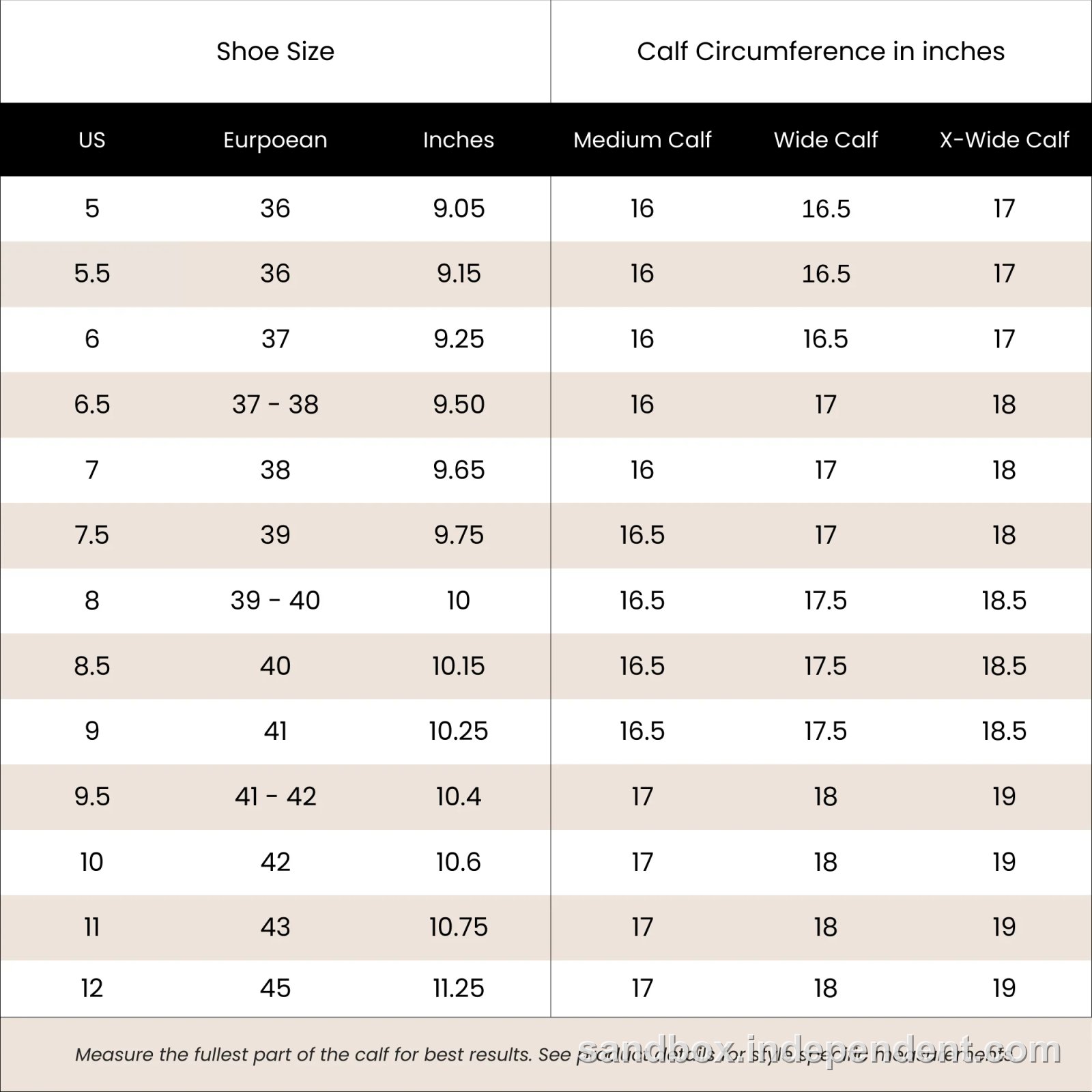
You're here, searching for a wetsuit size chart, probably with a wetsuit in hand, ready to take on the waves. And let's face it, getting the size right is crucial; no one wants a wetsuit that's too tight or too loose, right? The wetsuit size chart is your go-to guide, a simple yet effective tool to ensure a perfect fit. It's all about finding the right measurements, from chest to waist, and even considering the neoprene thickness. So, let's get you suited up and ready for some serious surfing!
Understanding the Wetsuit Size Chart
The wetsuit size chart is your go-to guide for finding the perfect fit. It's a simple tool that ensures you get a wetsuit that's comfortable and functional, allowing you to enjoy your water activities without any discomfort or restrictions. This chart provides a quick and easy reference for sizing, but it's important to understand how to use it accurately.
Comparing Sizing Standards and Formats
Wetsuit size charts can vary slightly depending on the manufacturer and the intended use of the wetsuit. While there are some standard sizing guidelines, it's essential to check the specific chart for the brand and type of wetsuit you're interested in. These charts often cover different wetsuit styles, including full-body suits, shorties, and wetsuit tops or bottoms. The sizing may also differ for men's and women's suits, so be sure to refer to the correct chart.
Step-by-Step Guide to Using the Size Chart
Using the wetsuit size chart is straightforward, but it's crucial to follow these steps to ensure an accurate fit:
Measure yourself: Take accurate measurements of your chest, waist, hips, and inseam length. These measurements are critical for finding the right size. Make sure you follow the instructions provided on the chart for measuring these areas.
Choose the right size: Compare your measurements to the size chart. Look for the size that aligns with your largest measurement. For example, if your chest measurement is larger than your waist and hips, choose the size based on your chest. This ensures a comfortable fit without restricting your movement.
Consider neoprene thickness: The thickness of the neoprene material can affect the fit. Thicker wetsuits may feel tighter, so you might need to size up if you prefer a looser fit. Keep this in mind, especially if you plan to use the wetsuit in warmer waters.
Check sleeve and leg lengths: Some charts provide additional measurements for sleeve and leg lengths. Ensure these measurements align with your preferences to avoid any discomfort or awkwardness while wearing the wetsuit.
Common Misreadings and How to Avoid Them
It's easy to make a mistake when using a wetsuit size chart, especially if you're not familiar with the process. Here are some common pitfalls to watch out for:
Overlooking the size guide: Always refer to the specific size guide for the wetsuit you're interested in. Different brands may have slight variations in their sizing, so relying on a generic chart can lead to an incorrect fit.
Measuring incorrectly: Take your time and follow the instructions carefully when measuring yourself. Inaccurate measurements can result in a poor fit. Ensure you understand how to measure each area properly.
Ignoring personal preferences: The size chart provides a starting point, but it's essential to consider your comfort and activity level. If you prefer a tighter fit for better performance, you might need to size down. Conversely, if you want a more relaxed fit, sizing up might be the better option.
Factors Affecting Accuracy and Real-World Use
Several factors can impact the accuracy of the wetsuit size chart and its real-world application:
Body shape: The chart provides a general guide, but body shape can vary significantly. If you have a unique body shape, you might need to adjust the sizing accordingly. For example, if you have broad shoulders and a narrow waist, you may need to size up to accommodate your upper body.
Brand variations: Different wetsuit brands may have slightly different sizing standards. Always check the brand's specific size chart and consider their sizing philosophy. Some brands might run smaller or larger than others, so be mindful of this when choosing a size.
Activity and water temperature: The type of activity and water temperature can influence the fit you need. For instance, if you're a competitive swimmer, you might prefer a tighter fit for better performance. On the other hand, if you're surfing in cold water, a slightly looser fit might be more comfortable.
Remember, while the wetsuit size chart is a valuable tool, it's just a guide. Always consider your personal preferences and the intended use of the wetsuit to ensure you get the perfect fit for your needs.
So, there you have it! A wetsuit size chart is a handy tool to ensure you get the right fit for your aquatic adventures. It's a simple guide, but one that can make a big difference to your comfort and performance.
Remember, while this chart provides a solid framework, it's always wise to consider your personal preferences and the specific activities you'll be doing. Exact values might vary slightly, so it's good to double-check and ensure you're happy with the fit. Consider bookmarking this page for future reference; it'll be there waiting for you when you need it next!
Related: Unraveling the R32 PT Chart Mystery
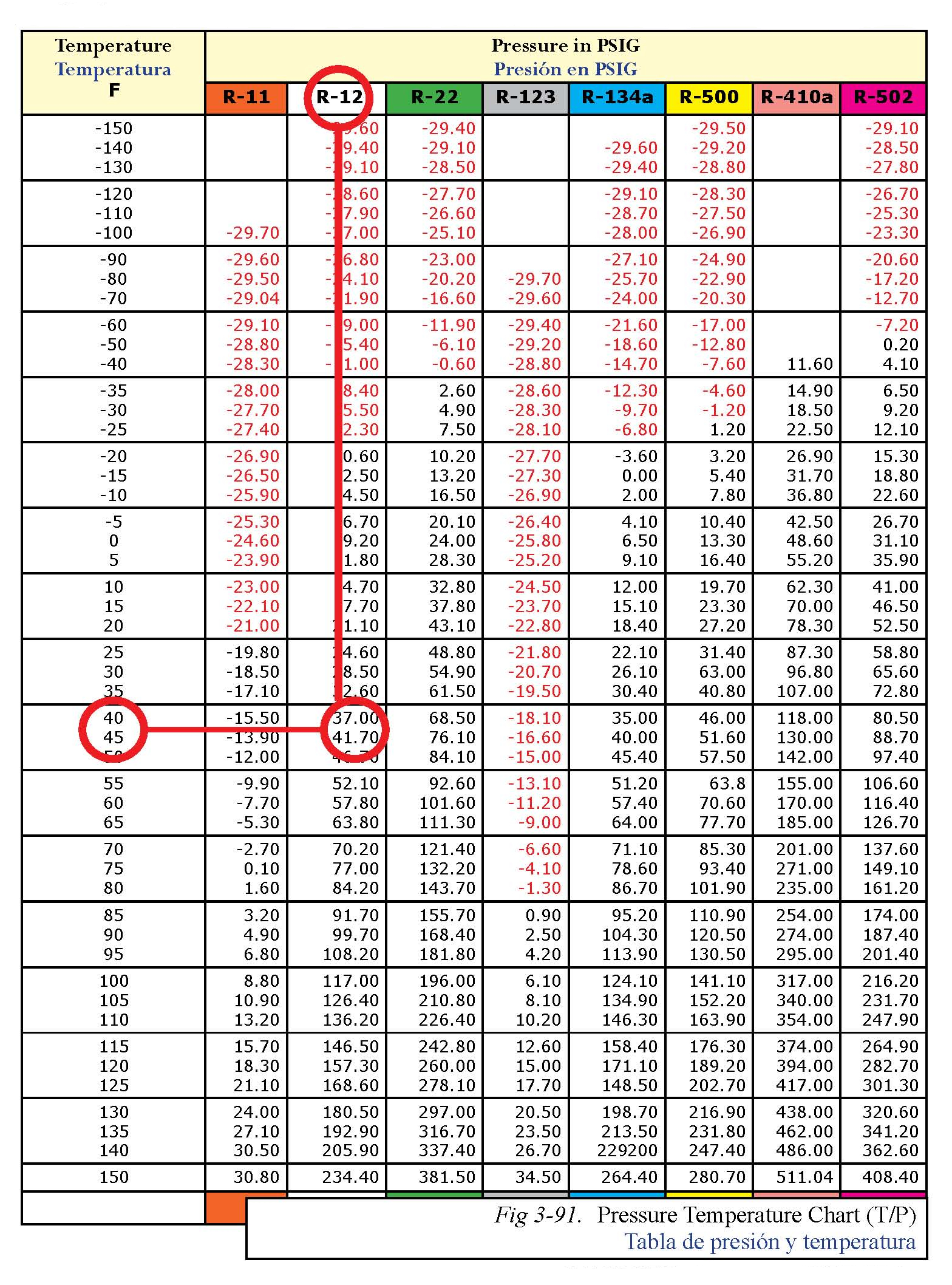
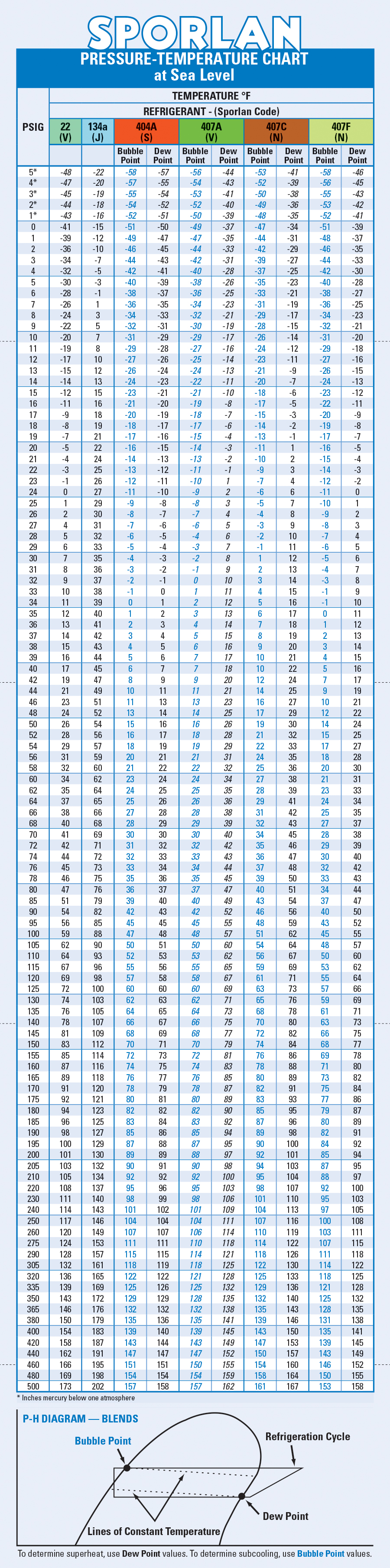
Many people mistakenly believe that the R32 PT chart is a complex and daunting tool, but it's actually a simple and incredibly useful reference for anyone working with refrigeration or air conditioning systems. This chart, often referred to as the R32 pressure-temperature chart, is a straightforward visual guide that helps you quickly understand the relationship between pressure and temperature for R32 refrigerant. It's an essential reference, especially when you need to make adjustments or troubleshoot issues with your system.
Understanding the R32 PT Chart: A Comprehensive Guide
The R32 PT chart is an essential tool for anyone working with R32 refrigerant. It provides a visual representation of the relationship between pressure and temperature for this specific refrigerant, offering valuable insights into its behavior under different conditions. By understanding this chart, you can make informed decisions and ensure the efficient and safe operation of R32-based systems.
Key Details and Categories
Before delving into the chart's interpretation, it's crucial to grasp some fundamental concepts. The R32 PT chart typically displays pressure on the y-axis and temperature on the x-axis. It represents the refrigerant's state, showing how it behaves as a gas, liquid, or a mixture of both. The chart provides reference points for various standard conditions, such as saturation and superheating, which are vital for system design and troubleshooting.
Step-by-Step Guide: Interpreting the R32 PT Chart
Identify the Pressure and Temperature: Locate the intersection of the desired pressure and temperature on the chart. This point represents the state of the refrigerant under those conditions.
Determine the State: The chart's layout helps identify whether the refrigerant is in a gas, liquid, or saturated state. For instance, points above the saturation curve indicate a superheated gas, while points below suggest a subcooled liquid.
Calculate Enthalpy: The chart often includes an enthalpy scale, allowing you to estimate the refrigerant's energy content. This information is crucial for system performance calculations.
Apply to Real-World Scenarios: Use the chart to predict how the refrigerant will behave in different system components, such as evaporators and condensers. This aids in designing efficient heat exchange processes.
Troubleshooting and Variations
Variations in the R32 PT chart can occur due to several factors. Different standards and regional practices may influence the chart's format and values. Additionally, specific system designs and operating conditions can impact the refrigerant's behavior, leading to deviations from standard charts. It's essential to cross-reference with manufacturer guidelines and consider the system's unique characteristics.
Practical Tips and Best Practices
To ensure accurate chart interpretation and application:
- Stay Updated: Regularly refer to the latest industry standards and guidelines specific to R32 refrigerant.
- Cross-Reference: Compare the chart's values with manufacturer-provided data for your system to ensure consistency.
- Understand Limitations: Recognize that the chart provides a general representation. For precise calculations, consider using more detailed software or tools provided by refrigerant manufacturers.
- Train and Educate: Ensure that technicians and engineers are well-versed in interpreting the R32 PT chart and its implications for system performance and safety.
By following these practices, you can leverage the R32 PT chart as a powerful tool for optimizing R32-based systems and maintaining their efficient and reliable operation.
Well, that's a wrap on our exploration of the R32 PT chart and its practical uses. We've covered the basics, the steps to follow, and some common pitfalls to avoid. Remember, while this guide provides a solid framework, your specific context might require some adjustments.
So, before you close this page, take a moment to ensure you've considered all the unique aspects of your project or situation. And for future reference, feel free to bookmark this page; it might just save you some time and effort down the line!