


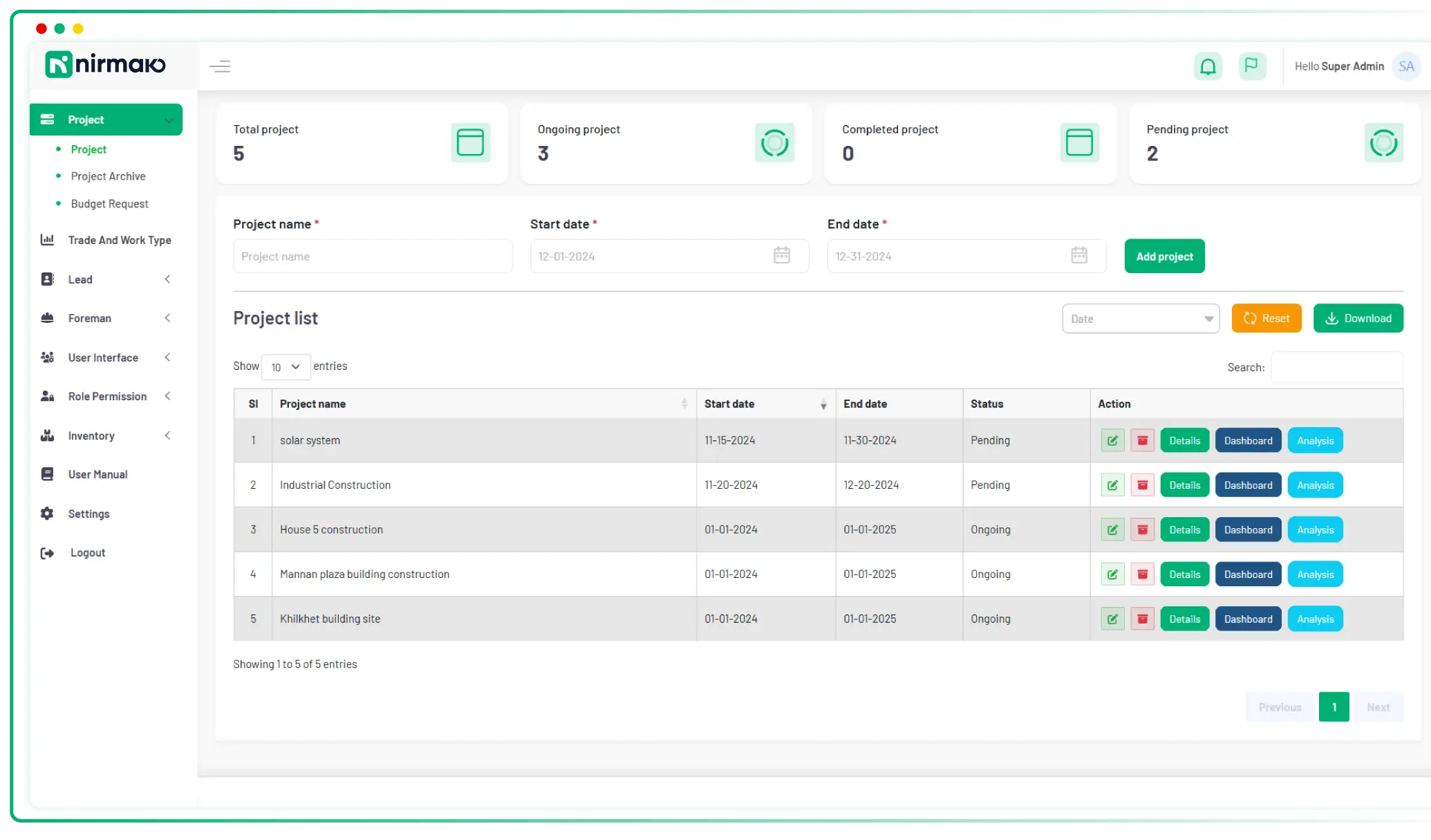
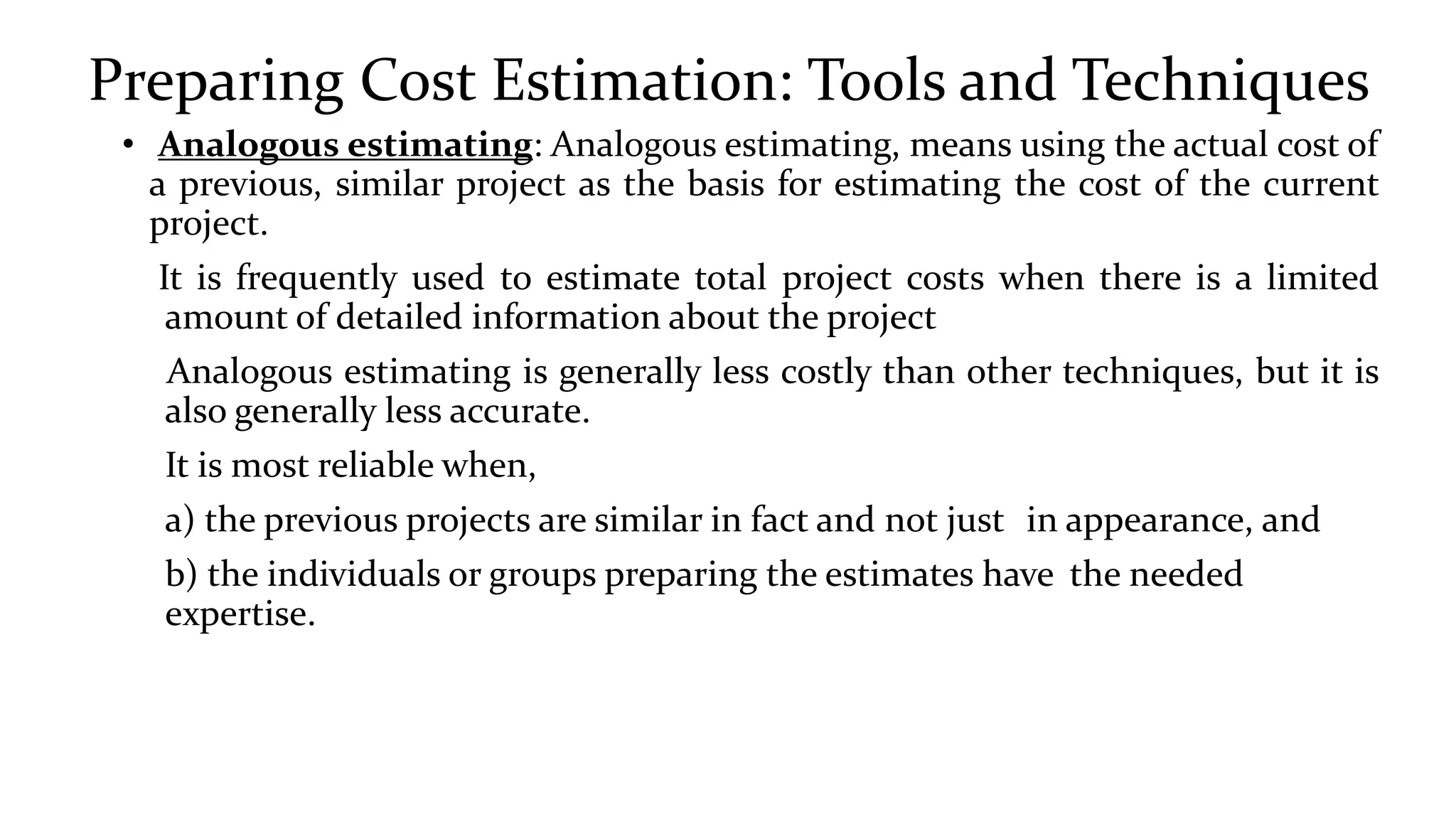
Editable Planner Pages Overview
I was chatting with a friend the other day, and they mentioned how they wanted to do some home renovations but were overwhelmed by the costs. That got me thinking about means cost estimating and how it can help us navigate these projects. So, let's break it down and see what it's all about!
Understanding Means Cost Estimating
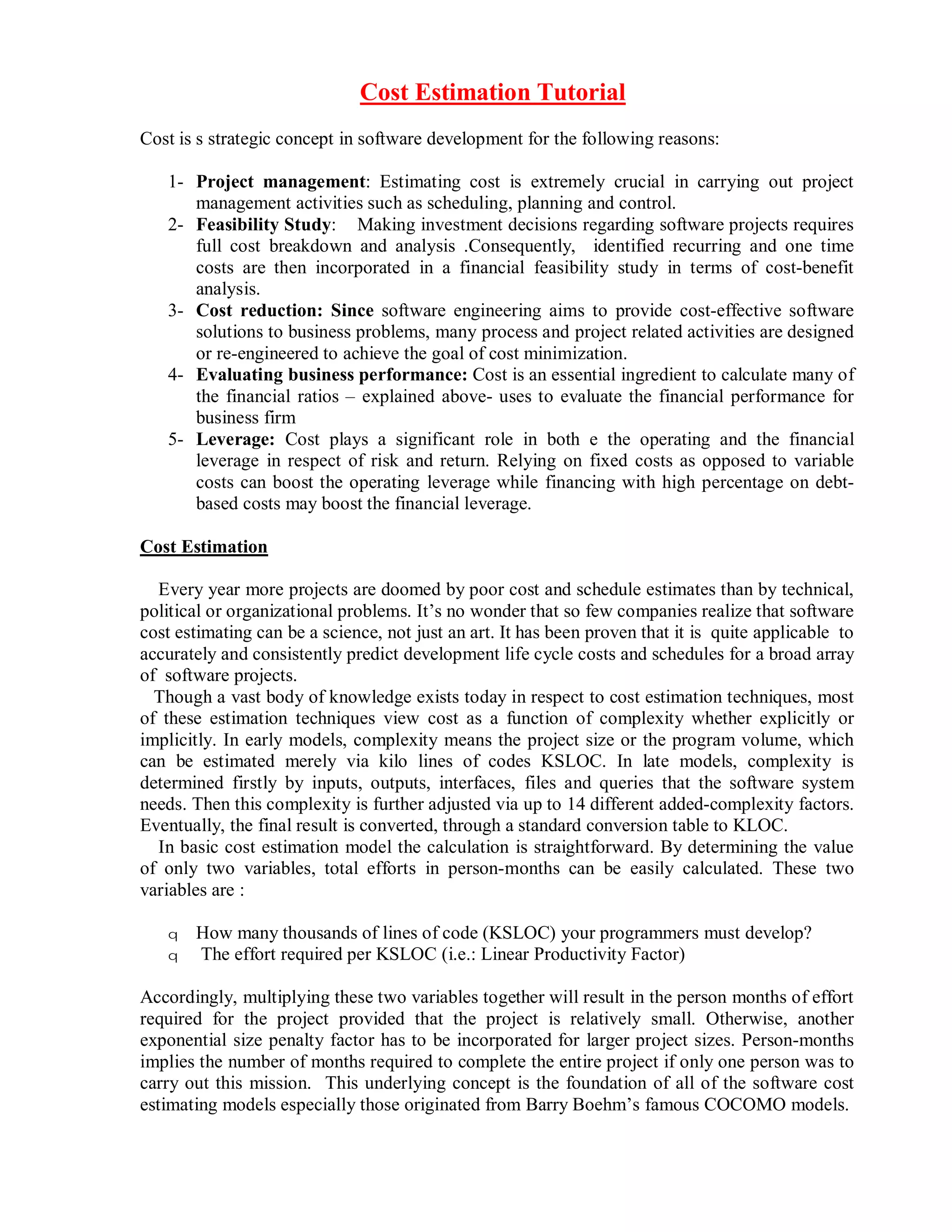
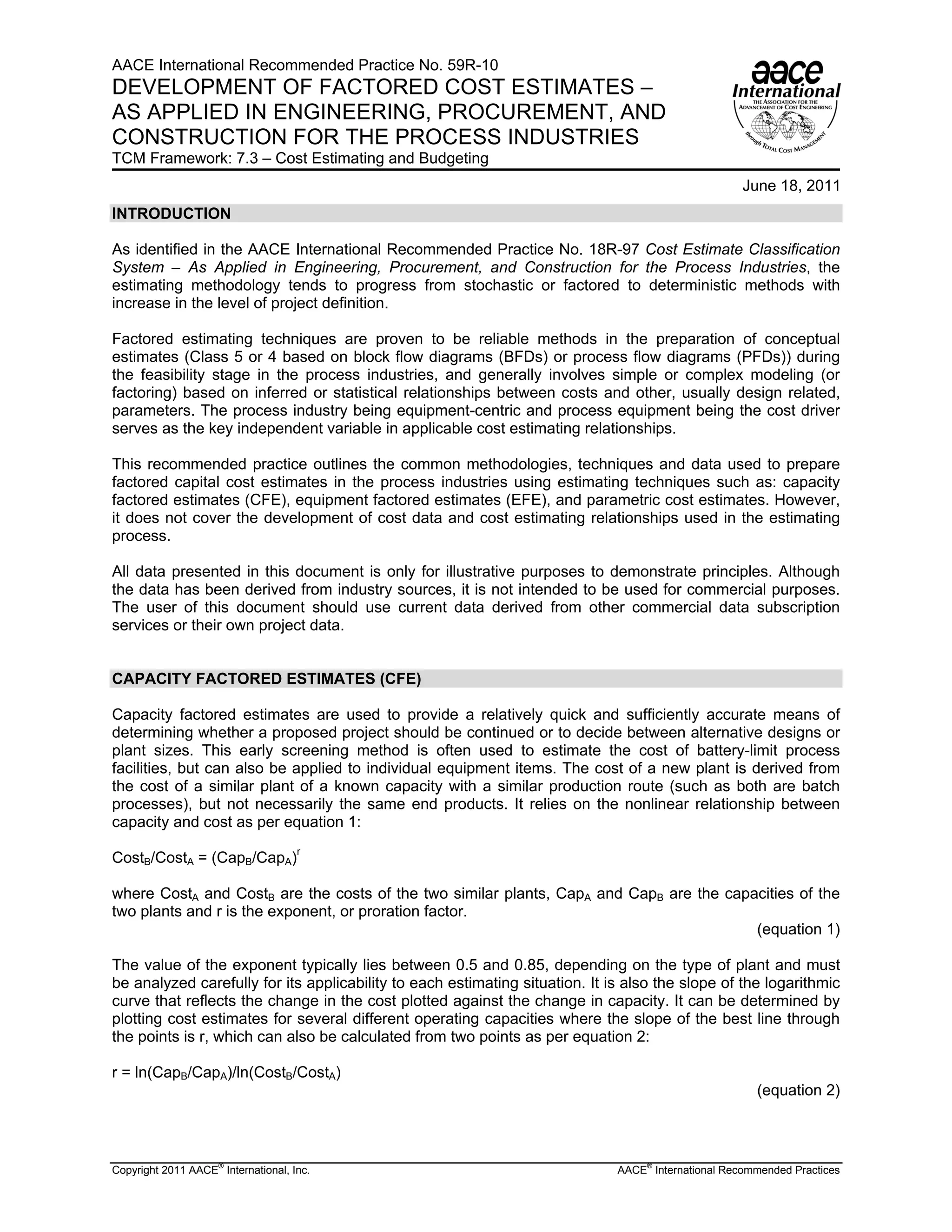
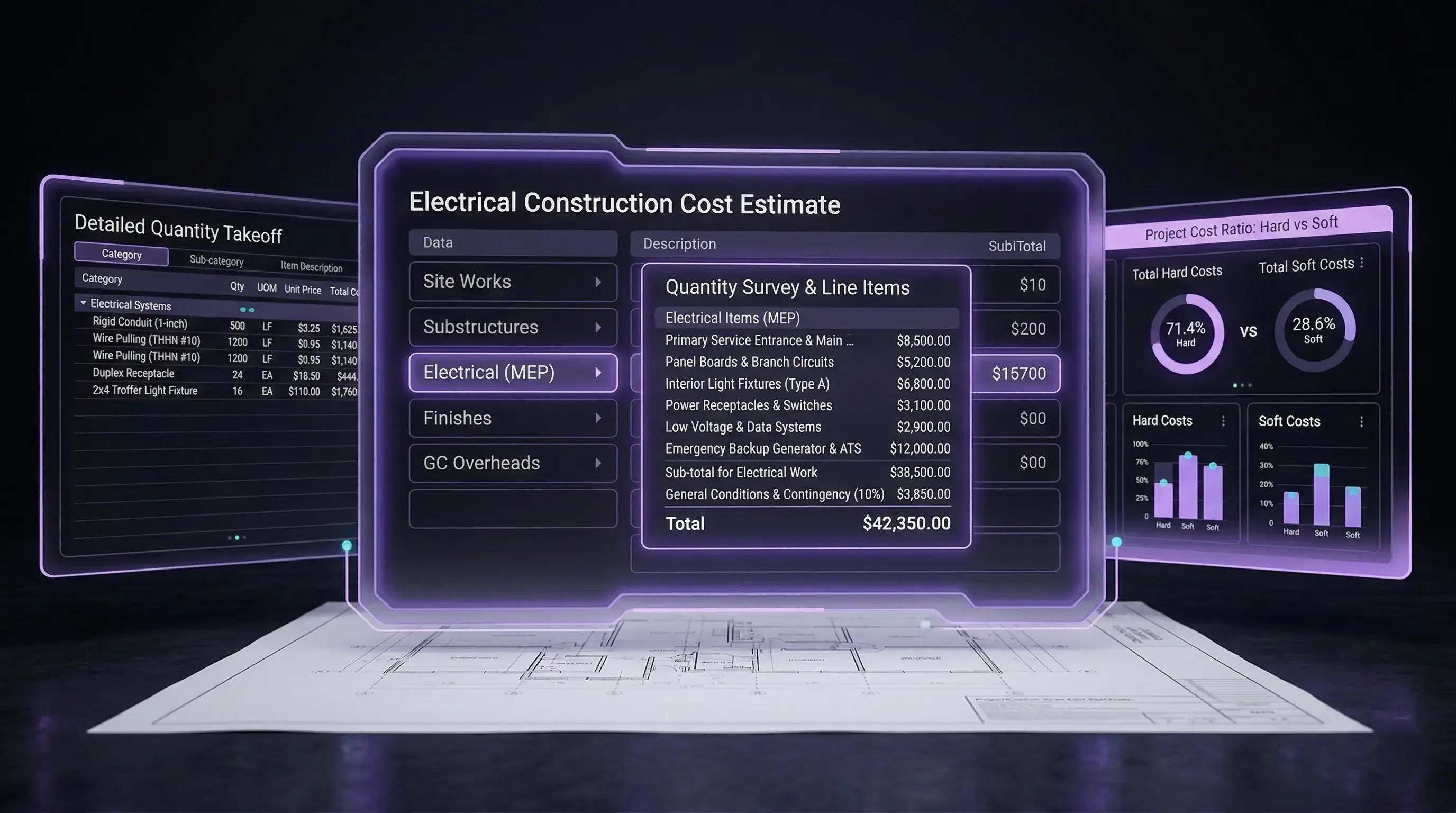
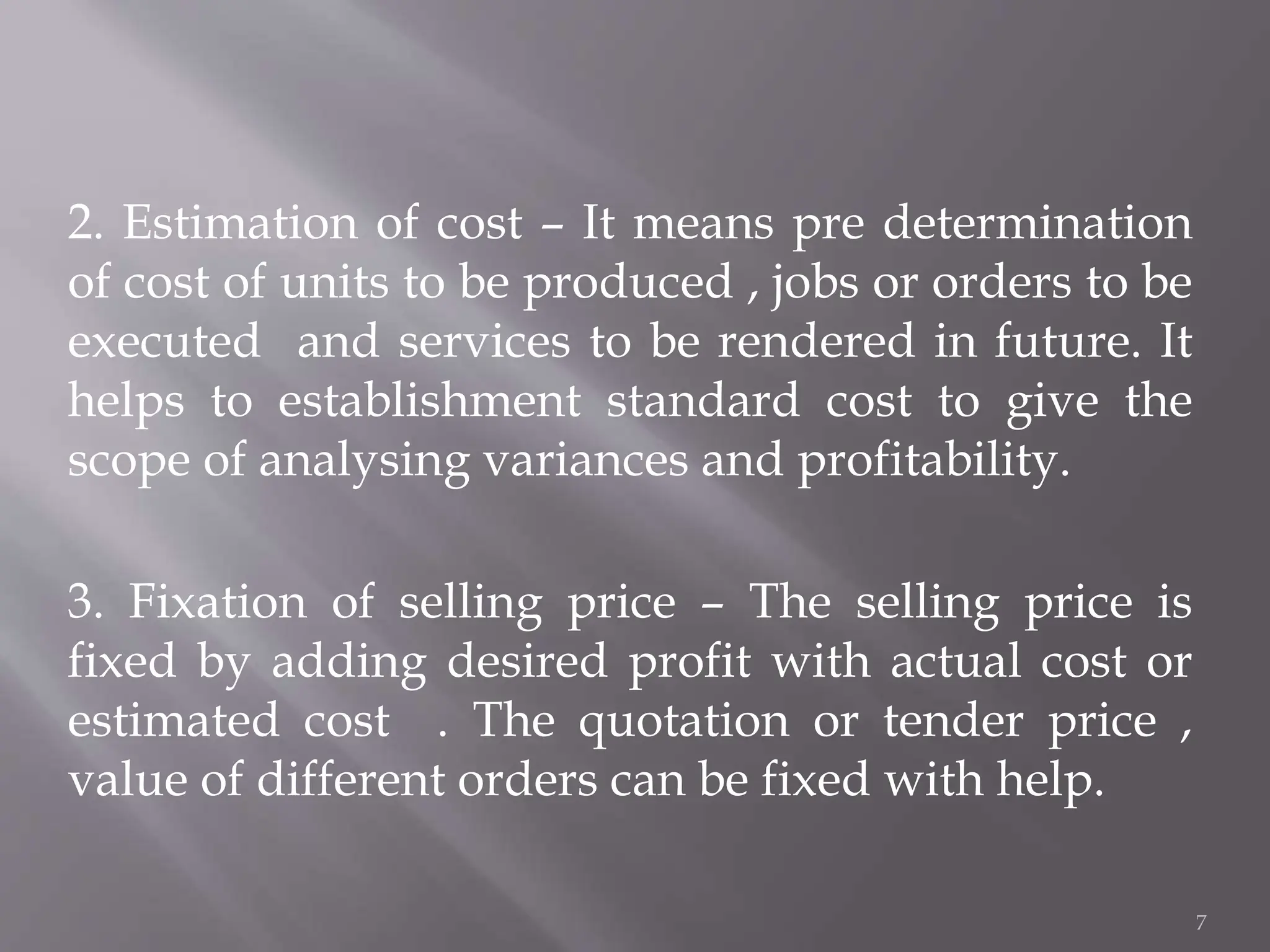
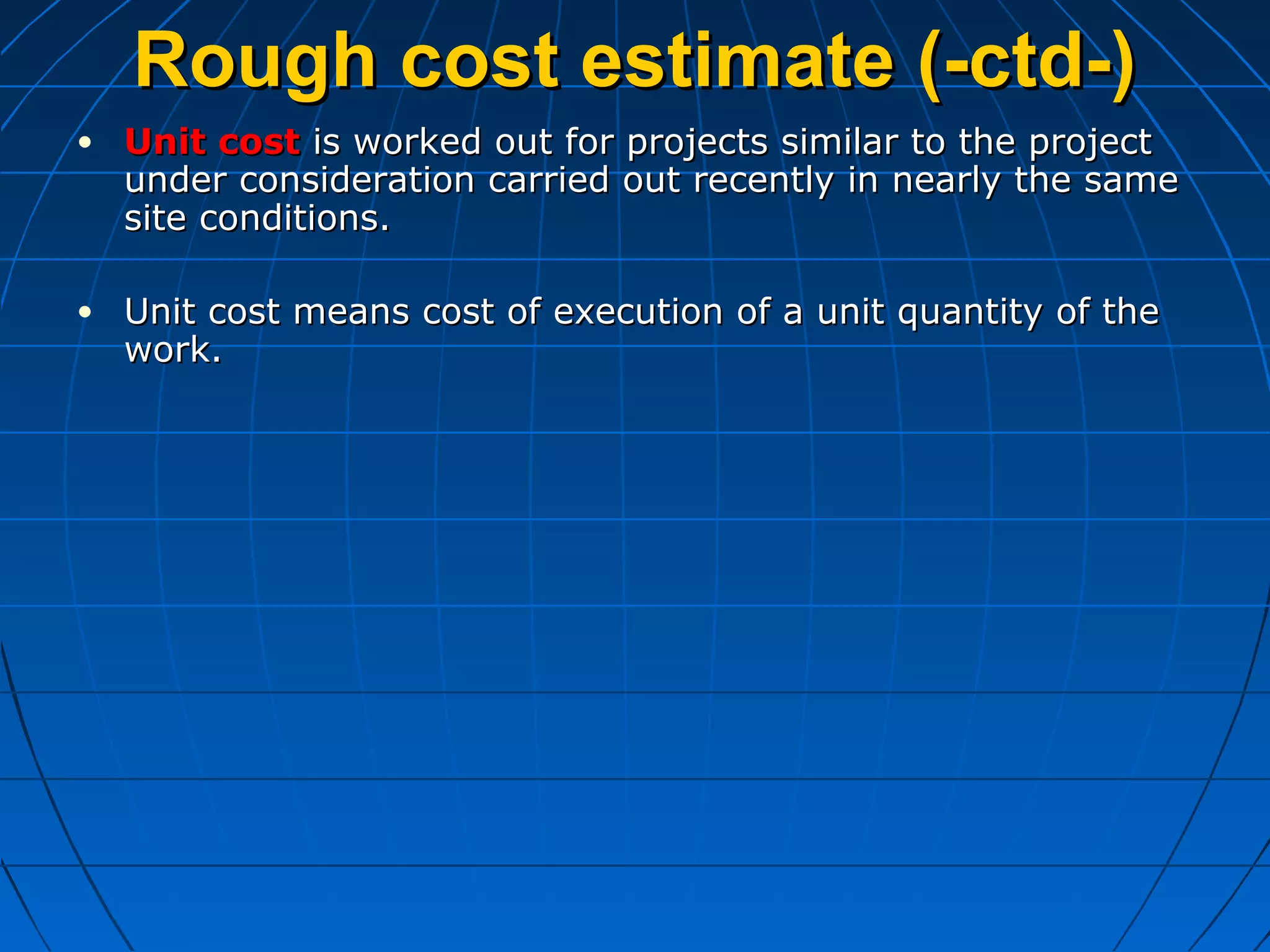
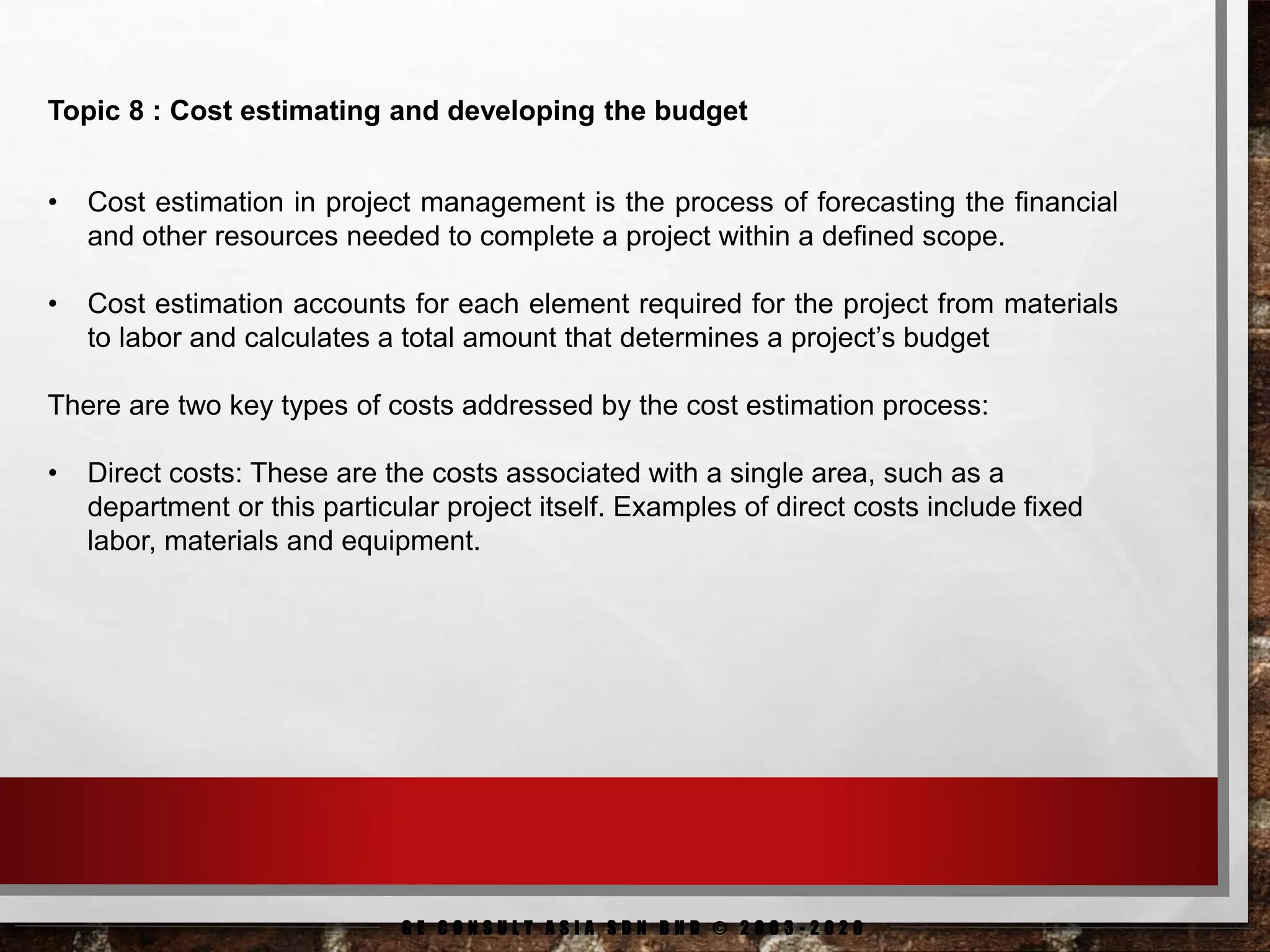
Means cost estimating is a method used in the construction industry to calculate and predict the expenses of a project. It's like a roadmap for builders, helping them plan and budget effectively. This process considers various factors, such as materials, labor, equipment, and even unexpected costs, to provide an accurate estimate. It's a crucial step for any construction project, big or small, and it ensures that you, as a homeowner or business owner, have a clear idea of what you're getting into financially.
What Affects the Cost?
The cost of a construction project can vary greatly depending on several factors. For instance, the size and complexity of the project play a significant role. A simple bathroom renovation will differ greatly from a full-scale house addition. The materials chosen also impact the budget; high-end finishes will cost more than basic ones. Additionally, labor costs can vary by region and the availability of skilled workers. It's essential to get multiple quotes to compare and understand these variations.
Hiring a Contractor
When it comes to hiring a contractor, there are a few things to consider. First, check their credentials and experience. Ask for references and examples of their previous work. A good contractor will provide a detailed estimate, outlining the costs and scope of the project. Ensure they have the necessary licenses and insurance. It's also beneficial to ask about their process and how they handle unexpected issues. A transparent and communicative contractor is often a good sign.
Construction Company Names
Naming a construction company is an important step. It should be memorable, reflect your business values, and stand out. Some construction company names I've come across that I quite like are:
- Build-It-Right
- HomeCrafters
- SkyHigh Construction
- Earthbound Builders
- Structure Solutions
- Renova Renovations
Remember to check the availability of these names and secure the relevant domains and local registrations.
Jobs and Opportunities
The construction industry offers a range of jobs, and means cost estimating is just one aspect. There are roles for estimators, project managers, site supervisors, and more. These jobs often involve working with clients, understanding their needs, and providing solutions. Many construction companies post job openings on their websites or local job boards. It's a great industry to be in, offering a variety of career paths and the satisfaction of seeing your work come to life.
Industry Tools and Resources
Means cost estimating often utilizes tools like RSMeans, a comprehensive database that provides cost data for various construction projects. It's a valuable resource for estimators and contractors, offering accurate information on material and labor costs. Additionally, the industry uses cost indexes to track and predict price fluctuations, ensuring estimates remain relevant. These tools help keep the construction industry efficient and competitive.
Large vs. Small Firms
The construction industry has a range of companies, from small, local businesses to large, national firms. Small firms often provide a more personalized service and may be more flexible with pricing. They tend to focus on local projects and have a deep understanding of the community. Large firms, on the other hand, have the resources to take on bigger projects and often have a wider reach. They may offer more specialized services and have a broader network of connections.
Wrapping Up
So, there you have it! Means cost estimating is a vital process in the construction world, helping us understand and manage costs effectively. Whether you're a homeowner planning renovations or a business owner looking to expand, it's a tool that can provide valuable insights. Remember, when it comes to construction, knowledge is power, and a well-informed decision is always the best one.
Related: Unraveling the Size Chart Bicycle Mystery
A size chart bicycle is a handy tool for anyone looking to ensure a perfect fit when choosing a bike. This guide will navigate you through the process, offering a clear understanding of these charts and their applications.
Bicycle size guides, often presented as charts or diagrams, provide a quick reference for various bike dimensions. While values may differ across brands and regions, these charts are designed to help riders find their ideal fit, covering everything from frame sizes to wheel dimensions.
Understanding the Size Chart Bicycle: A Quick Overview
A size chart bicycle is a valuable tool for cyclists, offering a standardized guide to help you choose the right bike size. It provides a reference for various bike dimensions, ensuring a comfortable and efficient riding experience. This chart is essential for anyone seeking to purchase or customize their bicycle.
Comparing Size Chart Formats: Standards and Categories
Size charts can vary depending on the region and the type of bicycle. The two primary standards are the metric (international) and imperial (often used in the US) systems. These charts categorize bikes based on factors like frame size, wheel diameter, and rider height. For instance, a road bike sizing chart might focus on frame geometry, while a mountain bike dimensions chart may emphasize wheel size.
Step-by-Step Guide: Choosing the Right Size
- Identify the type of bike you need. Different bikes have unique size charts.
- Measure your body dimensions. Key measurements include your height, inseam, and arm reach.
- Refer to the size chart. Look for your measurements' intersection on the chart to find the recommended bike size.
- Consider personal preferences. If you prefer a more upright position, you might choose a slightly larger frame.
- Double-check with the manufacturer's specifications. Some brands may have slight variations in their size charts.
Avoiding Common Misreadings and Pitfalls
It's crucial to understand that size charts are general guides. Individual rider preferences and body proportions can vary, so the chart should be used as a starting point. Always consider your comfort and riding style. Misinterpreting the chart can lead to an ill-fitting bike, affecting your riding experience and potentially causing discomfort or safety issues.
Factors Affecting Accuracy: Real-World Considerations
Several factors can influence the accuracy of a size chart. Firstly, the chart's standard must match your location and bike type. Secondly, personal factors like flexibility, riding experience, and intended use can impact the ideal bike size. For example, a more experienced rider might prefer a slightly smaller frame for better control. Lastly, manufacturing tolerances can vary, so always check the bike's actual dimensions before purchase.
Choosing the Right Size Chart Format
The choice of size chart format depends on your needs and the type of bike. For instance, a frame size chart is ideal for road bikes, focusing on frame geometry. A wheel size reference is more relevant for mountain bikes, emphasizing wheel diameter. If you're unsure, a comprehensive bicycle size guide can provide an overview of various bike types and their sizing considerations.
Keeping Your Setup Reliable: Maintenance and Updates
To ensure the reliability of your size chart, keep it up-to-date with the latest standards and specifications. Regularly check for updates from reputable sources, especially if you frequently change bike types or brands. Additionally, consider keeping a record of your body measurements and preferred bike sizes to streamline future purchases or adjustments.
Remember, while this guide offers a comprehensive overview, the exact details may differ slightly based on the specific bike model or manufacturer. It's always a good idea to double-check the size charts provided by the brand you're interested in to ensure an accurate fit.
Feel free to bookmark this page for future reference. We've got plenty more practical guides to help you with your cycling adventures and ensure you have all the tools you need to make the most of your rides. Happy cycling!
Related: Find Your Perfect Fit: The AE Size Chart Guide
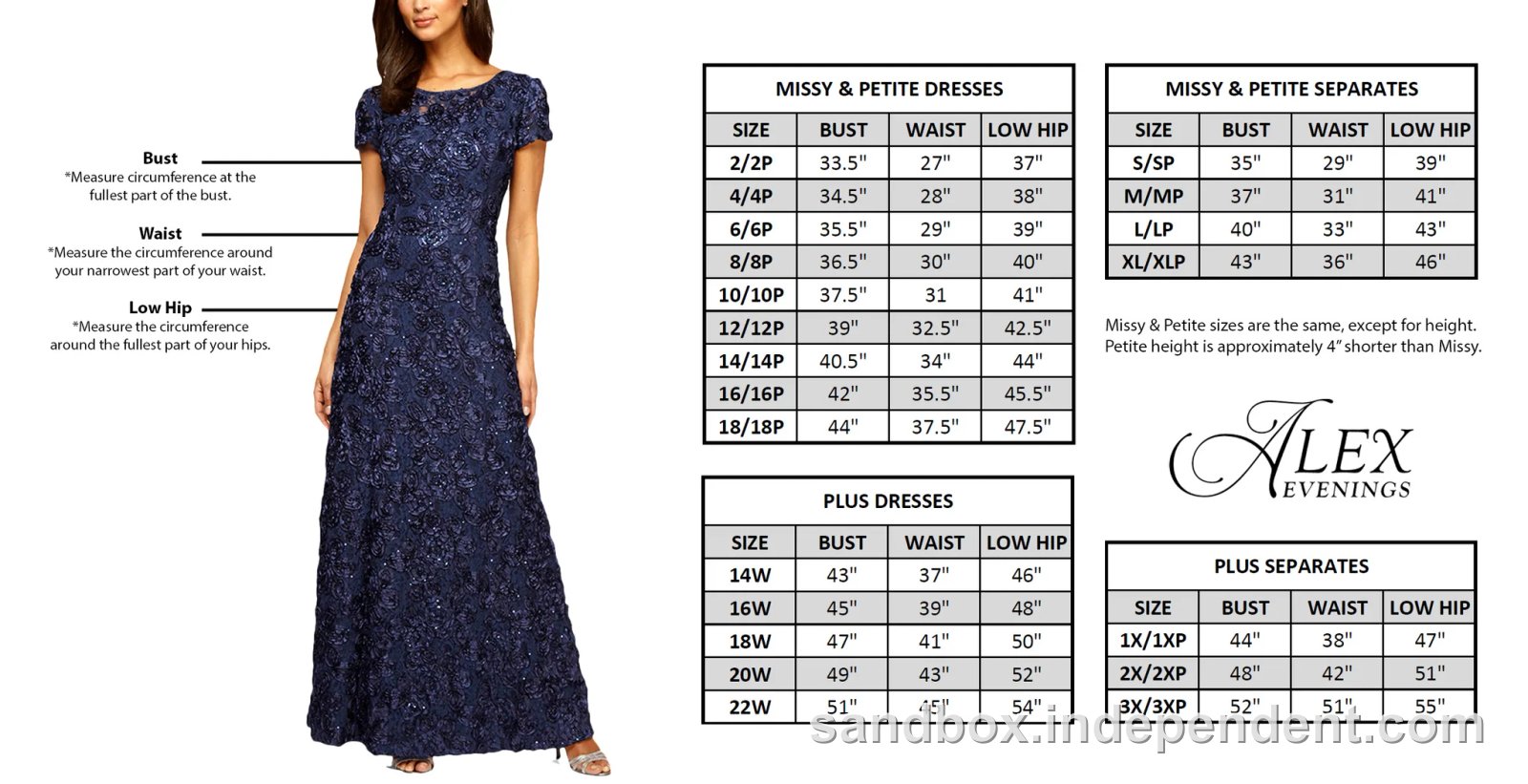
Frustrated by the endless search for the right size? You're not alone. That's why having a reliable ae size chart at your fingertips can be a game-changer. It's a simple yet effective tool, offering a quick solution to a common dilemma. This chart provides a clear and concise guide, helping you navigate the world of apparel sizing with ease. Whether you're an online shopper or prefer in-store browsing, understanding ae size charts and apparel size guides is key to ensuring a perfect fit every time.
Understanding the AE Size Chart: A Quick Overview
The ae size chart is a handy tool for anyone shopping for apparel, especially online. It provides a standardized guide to help you choose the right size for your body measurements. This chart is particularly useful for the AE (American Eagle) brand, ensuring a perfect fit for their clothing range.
Comparing Size Chart Standards and Formats
Size charts can vary depending on the brand and region. The AE size chart follows the US sizing standard, which is different from international or metric sizing. It's important to note that even within the US, some brands may have slightly different size guides, so always refer to the specific brand's chart for accuracy.
Step-by-Step Guide to Using the AE Size Chart
Using the AE size chart is straightforward:
Take your body measurements: bust, waist, and hip. These are the key measurements for most apparel items. Ensure you measure accurately and consistently.
Locate your measurements on the chart. The chart will typically have a column for each measurement type (bust, waist, hip) and rows for different sizes.
Find the size where your measurements intersect. For example, if your bust measurement corresponds to a size 6 and your waist and hip measurements align with size 8, you might want to opt for a size 8 to ensure a comfortable fit.
Consider the garment type. Different clothing items may fit differently, so always check the product description for any specific fitting notes or recommendations.
If you're still unsure, refer to the brand's size guide, which often provides additional fitting tips and advice.
Common Misreadings and How to Avoid Them
One common mistake is assuming that all brands use the same size chart. Always double-check the brand's specific size guide, as even within the US, there can be slight variations.
Another pitfall is relying solely on your usual size without considering your actual measurements. Remember, size charts are guidelines, and your body measurements are unique. Always measure yourself and refer to the chart for the best fit.
Factors Affecting Accuracy and Real-World Use
Several factors can impact the accuracy of size charts and your real-world experience:
Fabric type and stretchiness: Some fabrics have more give, so a garment might fit differently depending on the material.
Style and cut: Different clothing styles can have varying fits, even within the same size. For example, a loose-fit top might feel more comfortable than a fitted one, even if they are the same size.
Personal preference: Some people prefer a tighter or looser fit. Consider your personal style and comfort when choosing a size.
Body shape variations: Size charts provide a general guide, but everyone's body is unique. If you have a unique body shape, you might need to size up or down to achieve the desired fit.
Remember, the ae size chart is a helpful tool, but it's not an exact science. Always trust your measurements and consider the specific garment's style and fabric when making your size choice.
Well, there you have it! A quick and easy guide to navigating the world of AE size charts. Remember, these charts are a handy tool, but it's always wise to double-check the specific context and requirements for your project.
Consider bookmarking this page for future reference; it's a simple way to ensure you always have the right information at your fingertips. Happy measuring, and may your creations fit perfectly!