









Editable Plumbing Invoice Template Xlsx Overview
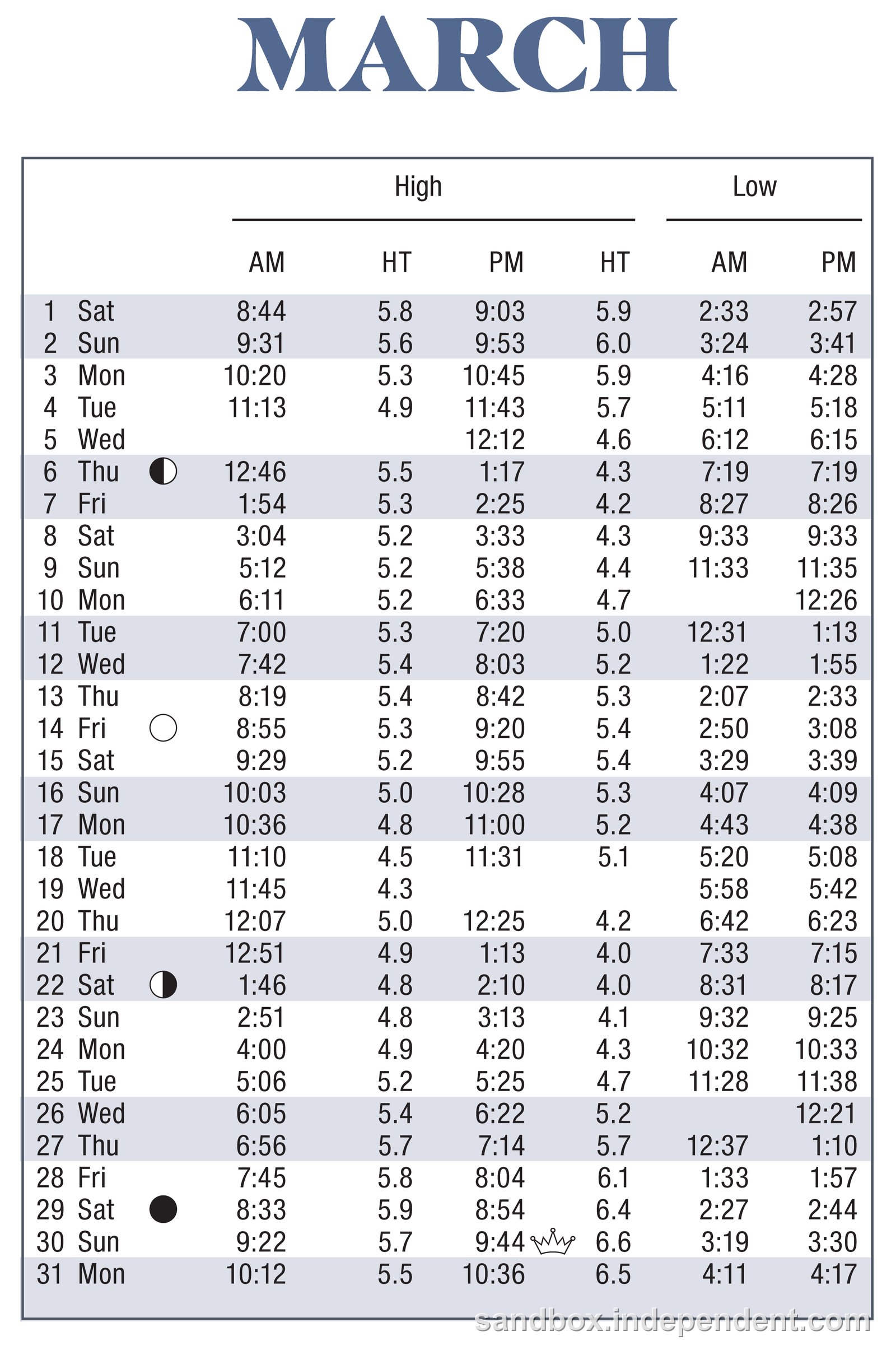
You're probably here because you need a Maine tide chart to plan your day, whether it's for a fishing trip, a coastal walk, or simply to avoid getting stuck in the mud. These charts are a handy tool, providing a quick glimpse into the ebb and flow of tides, and they're essential for anyone spending time near the coast. While the specifics, like tide times and heights, can vary depending on your location, the Maine tide chart is a reliable guide, offering a simple way to stay informed and ensure your plans don't get, well, washed away.
Understanding Tide Data: Maine Tide Chart Explained
The maine tide chart is a handy tool for anyone planning activities along the coast. It provides a visual representation of tide times and heights, helping you navigate the ever-changing coastal waters. This chart is especially useful for boaters, fishermen, and beachgoers who want to time their activities with the tides.
Key Details and Categories
The maine tide chart typically displays two main categories of information: tide times and tide heights. Tide times are shown as specific hours and minutes, indicating when the tide will be at its highest or lowest point. Tide heights are usually measured in feet and represent the vertical distance between the water's surface and a reference point, often a specific benchmark on land.
Reading Tide Graphs: A Step-by-Step Guide
To read a maine tide chart, follow these steps:
Identify the date and time: Each chart is specific to a particular date, so ensure you're using the right chart for your planned activity.
Locate the tide times: Look for the columns or rows indicating the hours and minutes when the tide will be at its highest (high tide) or lowest (low tide).
Understand the tide heights: The chart will show the corresponding tide height for each tide time. This is usually represented by a line or bar graph, with the height of the line or bar indicating the tide height in feet.
Plan your activities: With the tide times and heights in mind, you can now plan your coastal activities accordingly. For example, if you're going fishing, you might want to time your trip with the high tide to access deeper waters.
Common Tide Patterns and Variations
While the maine tide chart provides a reliable guide, it's important to note that tide patterns can vary due to several factors:
Neap tides: These occur during the first and third quarters of the moon's cycle and result in smaller tidal ranges.
Spring tides: Spring tides, which have nothing to do with the season, happen during the full and new moon phases and lead to larger tidal ranges.
Weather conditions: Strong winds and storms can influence tide heights and times, causing deviations from the standard chart.
Location: Different areas along the coast may experience slight variations in tide times and heights due to local geography and water depth.
Remember, while the maine tide chart is a valuable tool, it's always a good idea to double-check with local sources or experts for the most accurate and up-to-date information, especially during extreme weather conditions.
Hey there, we hope you found this guide on Maine tide charts useful! Remember, the details can differ slightly depending on the source and the specific location you're interested in, so it's always good to double-check.
Feel free to explore our other guides; we've got plenty of practical resources to help you navigate various topics. It's a great way to discover more about the world and keep learning!
Related: How to read a willy size chart?
A willy size chart is a handy tool, offering a simple visual guide to understanding penis measurements. This guide aims to demystify these charts, ensuring you can navigate and utilize them effectively.
Whether you're curious about average penis length, girth measurements, or simply need a cm to inches conversion, these charts provide a quick reference. While values may vary depending on standards and regions, the willy size chart offers a reliable starting point for understanding and comparing sizes.
Understanding the Willy Size Chart
The willy size chart is a reference guide that provides a visual representation of penis dimensions, offering a standardized way to understand and compare sizes. This chart is a valuable tool for educational purposes and can be particularly useful for those seeking information on average sizes or wanting to understand the range of variations.
Comparing Standards and Categories
When referring to a willy size chart, it's important to note that different standards and measurement systems exist. The most common standards are the US and international (metric) systems, which use different units of measurement. The chart typically displays length and girth measurements, often in both centimeters and inches, to cater to various regions and preferences.
Step-by-Step Guide to Using the Chart
To utilize the willy size chart accurately, follow these steps:
Identify the standard: Determine whether you are using the US or international standard. This information is usually indicated on the chart itself or in the accompanying documentation.
Measure accurately: Take precise measurements of your penis. For length, measure from the base to the tip when erect. Girth is measured at the widest point, usually just below the head.
Convert if needed: If your measurements are in a different unit than the chart, convert them. For example, if you measured in centimeters but the chart uses inches, use the cm to inches conversion factor (1 inch = 2.54 cm) to ensure accuracy.
Compare and understand: Place your measurements on the chart and compare them to the various categories or percentiles. This will give you an idea of how your size compares to the general population.
Common Misconceptions and Pitfalls
Willy size chart is not an exact science: While the chart provides a standardized reference, it's important to remember that penis sizes can vary greatly, and individual differences are normal.
Personal experience vs. statistics: Your personal experience may not align with the chart, especially if you have a unique size or if the chart is based on a different population.
Age and growth: Penis size can change with age, especially during puberty and early adulthood. The chart may not account for these growth stages, so it's important to consider your age when interpreting the results.
Measurement techniques: Inaccurate measurements can lead to incorrect placements on the chart. Ensure you follow proper measuring techniques to get the most accurate representation.
Remember, the willy size chart is a guide, and individual variations are normal and healthy. If you have specific concerns or questions about your sexual health, it's always best to consult a healthcare professional.
So, there you have it, a handy willy size chart to guide you through the various measurements and standards. Remember, these charts provide a general overview, and exact values may differ slightly across sources.
It's always a good idea to cross-reference and ensure you're using the right measurements for your specific needs. Feel free to explore our other guides; we've got a range of interesting topics that might pique your curiosity and provide practical insights. Happy reading!
Related: Atlanta Construction Jobs Essential Guide
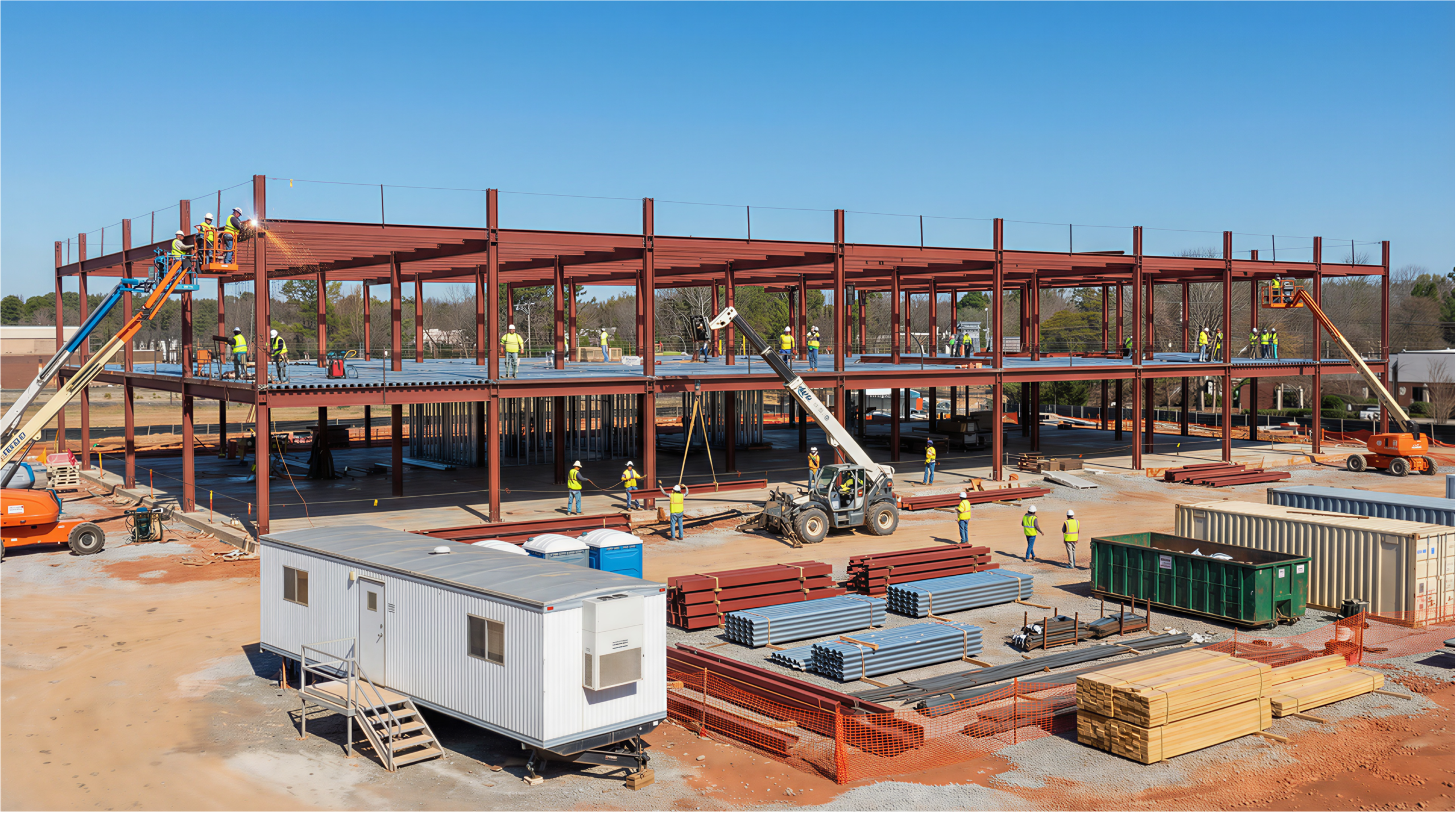
Atlanta construction jobs is a phrase that might pop up in your search bar when you're looking to hire someone to build or remodel your home. It's a pretty straightforward term, but there's a lot to unpack when it comes to finding the right people for the job and understanding the costs involved. So, let's dive in and explore what Atlanta construction jobs really means and how to navigate this world effectively.
Understanding the Scope
When you search for Atlanta construction jobs, you're essentially looking for professionals who can help you with various construction projects, from building a new home to remodeling an existing one. This could involve hiring general contractors, specialized tradespeople, or even companies that offer a range of construction services. It's important to define your project's scope before diving into the search, as this will guide your choices and help you find the right fit.
Hiring the Right Team
Finding the right construction team for your project is crucial. You'll want to do your research and ask around for recommendations. Check online reviews and ask friends or family who have recently undergone similar projects. Once you have a few potential contractors or companies in mind, reach out and ask for quotes. Compare these quotes, but remember that the cheapest option isn't always the best. Look for detailed quotes that cover all aspects of the job, including materials, labor, and any potential extras.
Company Names and Reputation
Many construction businesses in Atlanta have creative names that reflect their services or location. A good business name should be memorable, unique, and give a hint about what they do. For instance, names like "Atlanta Build & Remodel" or "The Home Renovators" are straightforward and descriptive. When choosing a name for your construction business, it's essential to check its availability for registration and domain names to avoid any legal issues or confusion. Here are a few original name ideas:
- "Craftsman's Corner"
- "Build-It-Right"
- "Atlanta Home Makeovers"
- "Renovation Revolution"
- "The Construction Crew"
Construction Roles and Salaries
Atlanta construction jobs encompass a wide range of roles, from general contractors who oversee the entire project to specialized tradespeople like plumbers, electricians, and carpenters. The salaries for these roles can vary greatly depending on experience, the scope of the project, and the company's size. It's always a good idea to check online job boards and construction-specific websites to get an idea of the going rates for different roles in your area.
Industry Tools and Data
In the world of construction, tools like RSMeans can be incredibly useful. RSMeans is a cost database that provides accurate and up-to-date information on construction costs, helping contractors and clients understand the financial aspects of a project. It takes into account various factors, such as materials, labor, and escalation, which refers to the potential increase in costs over time. Using tools like RSMeans can help ensure that quotes and estimates are fair and realistic.
Big Companies vs. Small Businesses
The construction industry in Atlanta, like many places, has a mix of large companies and smaller, independent businesses. Large firms often have the resources to take on bigger projects and may have a broader range of services. They might also have more specialized equipment and a larger team. On the other hand, smaller businesses can offer a more personalized experience and may be more flexible in their approach. It's a matter of finding the right balance for your specific project and preferences.
Final Thoughts
Navigating the world of Atlanta construction jobs can seem daunting, but with the right approach and some research, you can find the perfect team for your project. Remember to define your needs, compare quotes, and don't be afraid to ask questions. Whether you're building a dream home or remodeling your bathroom, the right construction crew can make all the difference. So, take your time, do your due diligence, and you'll be on your way to a successful construction project.