







Educational Printable Coloring Pages Overview
A ski boot size chart is a handy tool for any skier, young or old, and having a printable guide can make all the difference in ensuring a comfortable and enjoyable experience on the slopes. Whether you're a seasoned pro or a beginner, finding the right ski boot size is crucial for your performance and overall comfort. With various printable options at your fingertips, you can easily access a ski boot sizing guide, ensuring you make an informed choice. These charts and templates offer a simple yet effective way to determine the perfect fit, and they're especially beneficial for those who prefer a more tactile approach to planning their ski adventures. The ski boot size chart is a skier's best friend, providing an easy-to-use reference that can be printed and kept close for quick access. It's a practical tool that caters to all skill levels and ages, making ski boot sizing a breeze for everyone.
Creative Reuse Ideas for Your Ski Boot Size Chart
Get the most out of your printable ski boot size chart by thinking beyond single-use. With a few simple adaptations, you can make this chart work for various scenarios, from group activities to individual reference tools. One clever idea is to print multiple copies, each with a different color-coding system. Assign each child or group member a unique color, and use it to highlight their ski boot size and any relevant notes. This visual cue makes it easy to quickly identify each person's size, especially when working with a large group. For a more permanent solution, consider printing the chart on adhesive paper and sticking it to a durable surface, like a clipboard or a magnetic board. This way, you can easily write and erase notes without worrying about damaging the chart itself.
Print Setup and Customization Tips
Before hitting print, take a moment to review your printer settings and consider any adjustments you might need. If you're using a home printer, check the ink levels and ensure the paper tray is loaded correctly. For best results, use a high-quality printer with good ink coverage and minimal bleed-through. When it comes to paper choice, consider the intended use. If you plan to reuse the chart or display it prominently, opt for thicker cardstock or photo paper for durability and a more polished look. For quick, temporary use, regular copy paper is perfectly fine. You can also experiment with resizing options to fit your needs. Try printing at 85% or choosing an A5 half-letter size for a more compact, portable option.
Troubleshooting Common Print Issues
No matter how carefully you plan, printing can sometimes present challenges. One common issue is ink bleed, especially when using thinner paper. To minimize this, consider adjusting your printer settings to a higher-quality mode or using a slower print speed. If you're dealing with cramped writing space, especially when adding notes, try printing at a slightly larger scale or choosing a layout with more generous margins. To avoid cutting off the border or important details, ensure your printer is set up to print with correct margins, especially if you plan to punch holes for binding or hanging. Most printers have a default margin setting, but you can adjust this in your printer settings if needed.
Real-Life Applications: Why This Printable Format Works
The ski boot size chart is a versatile tool that fits seamlessly into various routines and scenarios. For parents and teachers, it's an invaluable reference for ensuring kids have the right-sized ski boots, especially when outfitting a group. It provides a quick, visual way to confirm sizes and avoid costly mistakes. The chart also serves as a handy reminder for beginners, helping them quickly identify their size and feel more confident when selecting gear. For ski shops and rental centers, this chart can be a valuable addition to customer service, providing a quick reference for staff and ensuring customers leave with the perfect fit.
Layout Styles: Minimalist vs. Detailed, Lined vs. Blank
When choosing a layout, consider the level of detail and the intended use. A minimalist, lined chart works well for quick reference and basic size identification. It's simple, easy to read, and perfect for beginners or as a backup reference. For more detailed notes and personalized adjustments, a more comprehensive layout with larger writing spaces and additional fields is ideal. This style accommodates specific fit preferences, foot measurements, and other relevant details. If you're working with kids, a fun, colorful layout with age-appropriate illustrations can make the chart more engaging and help younger users identify their size more easily.
Organizing and Displaying Your Finished Sheets
Once you've printed and used your ski boot size chart, it's important to consider how to store or display it effectively. If you've printed multiple copies for a group, consider binding them together with a simple comb binding or spiral binding. This keeps the pages together and allows for easy reference and reuse. For individual charts, a simple paper clip or a binder clip works well to keep the sheet secure and ready for use. If you've printed on adhesive paper, simply stick it to a clipboard or a magnetic surface for quick access. For long-term storage, consider filing the chart in a labeled folder or binder, especially if you plan to update or reference it over time.
"A simple adjustment, a world of difference - that's the magic of customizing your print settings! If you're keen on more printable adventures, our site has you covered with a range of templates to explore."
Related: Biggest Construction Companies In World Essential Guide
I was walking past a huge construction site the other day and it got me thinking about biggest construction companies in world. Who are these giants, and what do they do? Well, let's find out!
The Giants of Construction
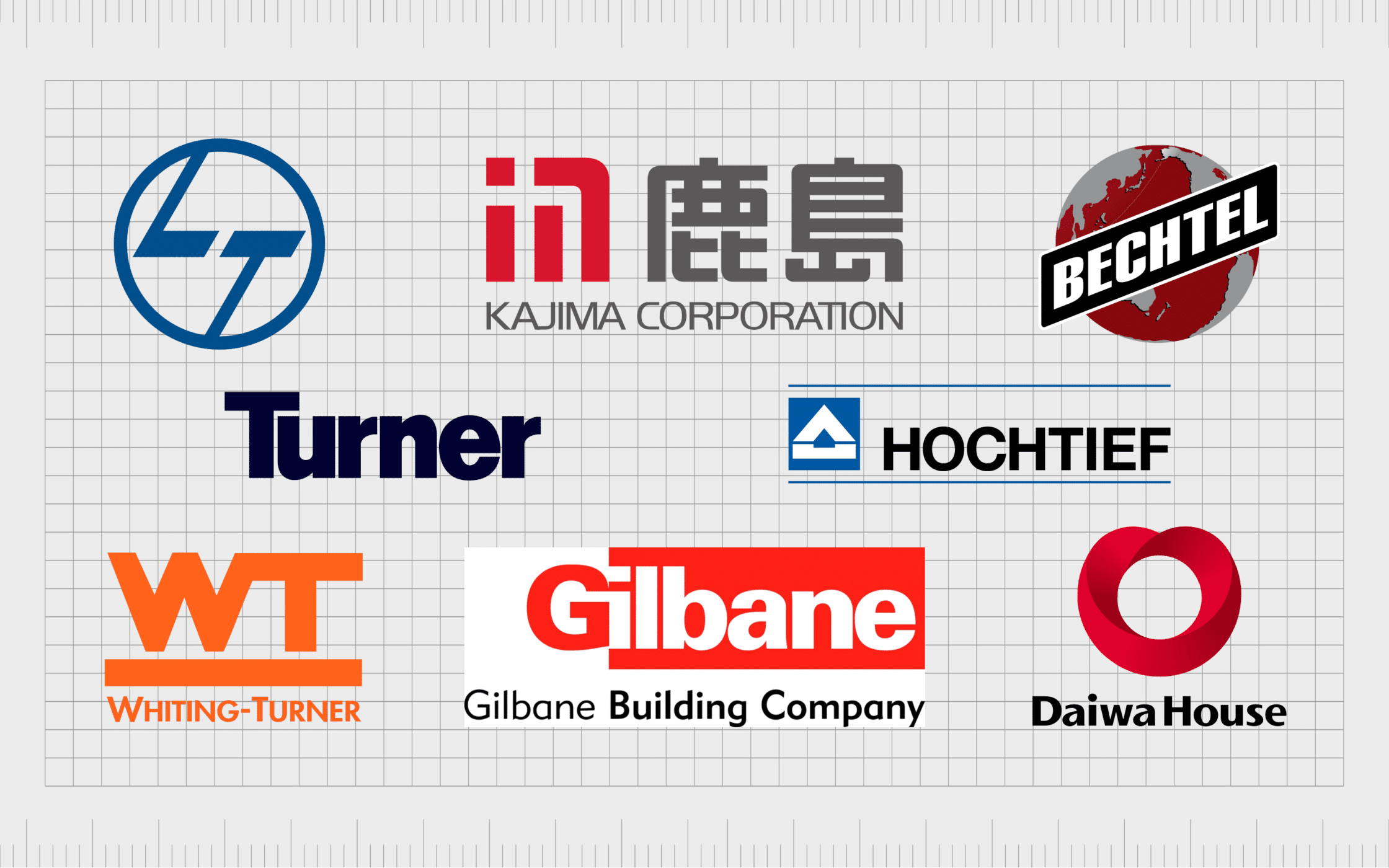
When we talk about the biggest construction companies in the world, we're referring to the global players in the industry. These are the firms that take on massive projects, often spanning multiple countries and continents. They're the ones building iconic skyscrapers, designing innovative infrastructure, and shaping our cities and landscapes.
So, what makes these companies so big? It's a combination of factors. They have the resources, the expertise, and the global reach to take on projects that smaller companies might find daunting. These firms often have a diverse range of capabilities, from architecture and engineering to project management and construction execution.
Practical Considerations
If you're considering hiring one of these giants for a project, there are a few things to keep in mind. First, they're likely to be more expensive than smaller, local companies. This is due to their overhead costs, the complexity of their operations, and the fact that they often have to source materials and labor from a variety of places.
However, their size also means they can offer certain advantages. They often have access to the latest technology and innovative solutions, and their vast experience means they can handle complex projects with ease. They also tend to have strong relationships with suppliers and subcontractors, which can streamline the process.
When comparing quotes, make sure to get detailed, written estimates. Ask about the scope of work, timelines, and any potential extra costs. It's also worth checking references and previous projects to get a sense of their quality and reliability.
Company Names and Branding
Naming a construction company is an art. It needs to be memorable, professional, and reflect the company's values and services. Some of the biggest construction companies have simple, powerful names that stick in your mind. For example, think of Bechtel, Vinci, or Laing O'Rourke.
If you're starting a construction business, here are a few name ideas to get you started:
- BuildMaster
- Constructo
- Skyrise
- TerraFirm
- BuildTech
- GlobalBuild
Remember to check name availability and register your business name locally to avoid any legal issues.
Industry Tools and Data
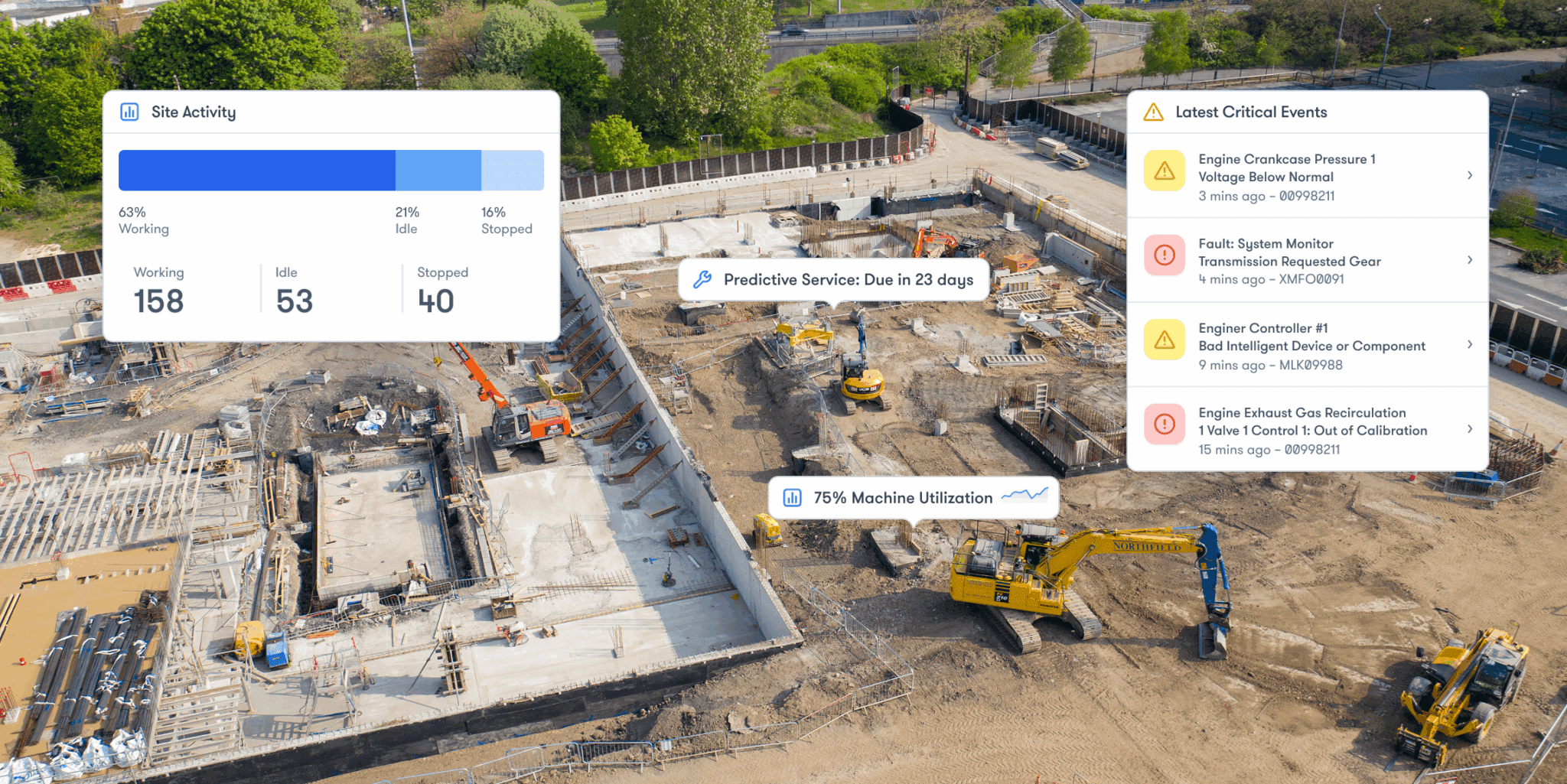
The construction industry relies on various tools and data sources to estimate costs, manage projects, and stay competitive. One such tool is RSMeans, a comprehensive cost database used by contractors and estimators to price projects accurately. It provides detailed information on materials, labor, and equipment costs, helping companies bid for projects confidently.
The Outlook
The construction industry is constantly evolving, and the biggest companies are at the forefront of this change. They're investing in technology, adopting sustainable practices, and finding innovative solutions to industry challenges. With a focus on efficiency, sustainability, and digital transformation, these companies are shaping the future of construction.
So, that's a glimpse into the world of the biggest construction companies. They're the giants of the industry, with the resources and expertise to take on the most ambitious projects. While they may not be right for every job, their size and capabilities offer a unique set of advantages.
If you're considering a major construction project, it's worth researching these companies and understanding their strengths and weaknesses. It's a fascinating industry, and these companies are the true leaders, shaping our world one project at a time.
Related: Find Your Perfect Fit: Wetsuit Size Chart
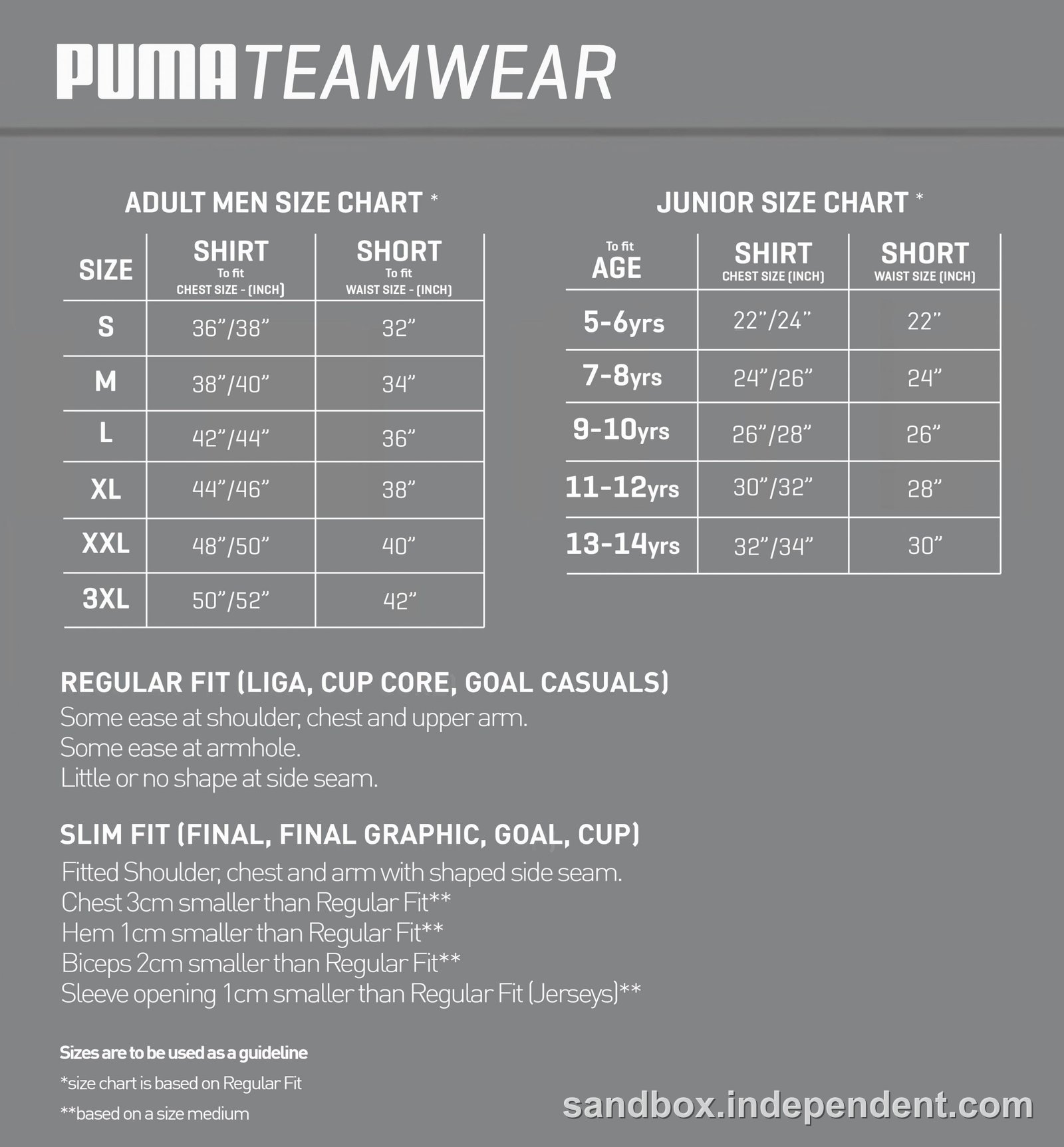
You're here, searching for a wetsuit size chart, probably with a wetsuit in hand, ready to take on the waves. And let's face it, getting the size right is crucial; no one wants a wetsuit that's too tight or too loose, right? The wetsuit size chart is your go-to guide, a simple yet effective tool to ensure a perfect fit. It's all about finding the right measurements, from chest to waist, and even considering the neoprene thickness. So, let's get you suited up and ready for some serious surfing!
Understanding the Wetsuit Size Chart
The wetsuit size chart is your go-to guide for finding the perfect fit. It's a simple tool that ensures you get a wetsuit that's comfortable and functional, allowing you to enjoy your water activities without any discomfort or restrictions. This chart provides a quick and easy reference for sizing, but it's important to understand how to use it accurately.
Comparing Sizing Standards and Formats
Wetsuit size charts can vary slightly depending on the manufacturer and the intended use of the wetsuit. While there are some standard sizing guidelines, it's essential to check the specific chart for the brand and type of wetsuit you're interested in. These charts often cover different wetsuit styles, including full-body suits, shorties, and wetsuit tops or bottoms. The sizing may also differ for men's and women's suits, so be sure to refer to the correct chart.
Step-by-Step Guide to Using the Size Chart
Using the wetsuit size chart is straightforward, but it's crucial to follow these steps to ensure an accurate fit:
Measure yourself: Take accurate measurements of your chest, waist, hips, and inseam length. These measurements are critical for finding the right size. Make sure you follow the instructions provided on the chart for measuring these areas.
Choose the right size: Compare your measurements to the size chart. Look for the size that aligns with your largest measurement. For example, if your chest measurement is larger than your waist and hips, choose the size based on your chest. This ensures a comfortable fit without restricting your movement.
Consider neoprene thickness: The thickness of the neoprene material can affect the fit. Thicker wetsuits may feel tighter, so you might need to size up if you prefer a looser fit. Keep this in mind, especially if you plan to use the wetsuit in warmer waters.
Check sleeve and leg lengths: Some charts provide additional measurements for sleeve and leg lengths. Ensure these measurements align with your preferences to avoid any discomfort or awkwardness while wearing the wetsuit.
Common Misreadings and How to Avoid Them
It's easy to make a mistake when using a wetsuit size chart, especially if you're not familiar with the process. Here are some common pitfalls to watch out for:
Overlooking the size guide: Always refer to the specific size guide for the wetsuit you're interested in. Different brands may have slight variations in their sizing, so relying on a generic chart can lead to an incorrect fit.
Measuring incorrectly: Take your time and follow the instructions carefully when measuring yourself. Inaccurate measurements can result in a poor fit. Ensure you understand how to measure each area properly.
Ignoring personal preferences: The size chart provides a starting point, but it's essential to consider your comfort and activity level. If you prefer a tighter fit for better performance, you might need to size down. Conversely, if you want a more relaxed fit, sizing up might be the better option.
Factors Affecting Accuracy and Real-World Use
Several factors can impact the accuracy of the wetsuit size chart and its real-world application:
Body shape: The chart provides a general guide, but body shape can vary significantly. If you have a unique body shape, you might need to adjust the sizing accordingly. For example, if you have broad shoulders and a narrow waist, you may need to size up to accommodate your upper body.
Brand variations: Different wetsuit brands may have slightly different sizing standards. Always check the brand's specific size chart and consider their sizing philosophy. Some brands might run smaller or larger than others, so be mindful of this when choosing a size.
Activity and water temperature: The type of activity and water temperature can influence the fit you need. For instance, if you're a competitive swimmer, you might prefer a tighter fit for better performance. On the other hand, if you're surfing in cold water, a slightly looser fit might be more comfortable.
Remember, while the wetsuit size chart is a valuable tool, it's just a guide. Always consider your personal preferences and the intended use of the wetsuit to ensure you get the perfect fit for your needs.
So, there you have it! A wetsuit size chart is a handy tool to ensure you get the right fit for your aquatic adventures. It's a simple guide, but one that can make a big difference to your comfort and performance.
Remember, while this chart provides a solid framework, it's always wise to consider your personal preferences and the specific activities you'll be doing. Exact values might vary slightly, so it's good to double-check and ensure you're happy with the fit. Consider bookmarking this page for future reference; it'll be there waiting for you when you need it next!