








Eft Couples Therapy Worksheets Overview
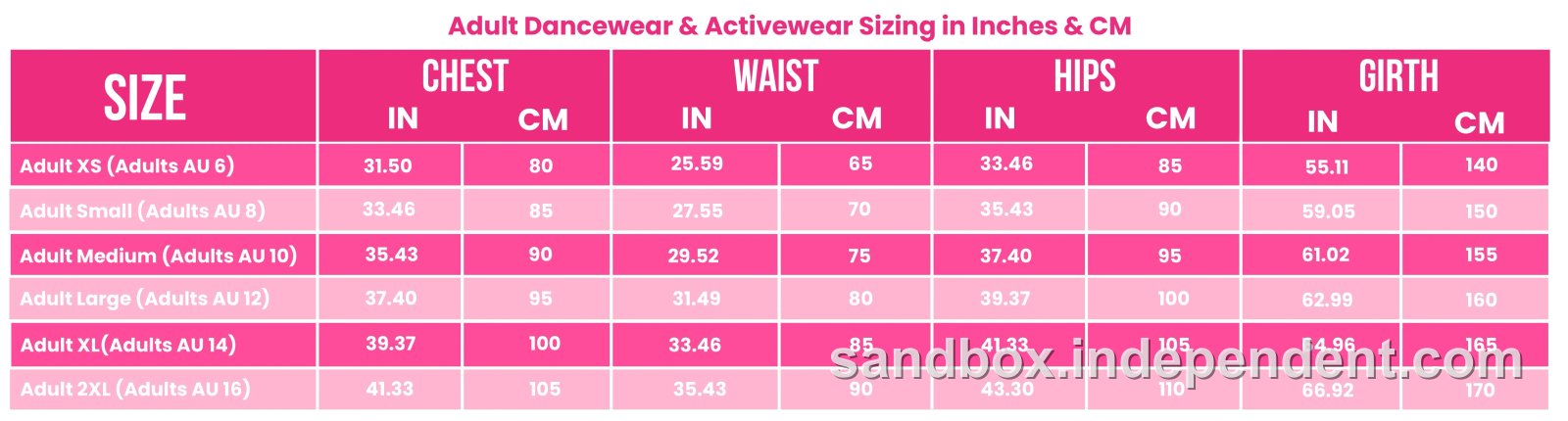
A quilt size chart is a handy tool for quilters and crafters, offering a quick guide to standard quilt dimensions. This simple reference ensures your projects turn out perfectly sized, every time.
The chart covers a range of common quilt sizes, from crib quilts to king-size creations. It's a useful resource, especially when you're working with different quilt patterns and want consistent results. Keep in mind that quilt sizes can vary slightly between regions and standards, so it's a good idea to check the chart's source for any specific details.
Quilt Size Chart: A Guide to Standard Sizes
Quilt size charts are a handy tool for quilters and crafters, providing a quick reference for the standard dimensions of quilts. These charts offer a practical guide to ensure your quilts fit the intended purpose, whether it's a cozy bed cover or a baby crib quilt. Let's dive into understanding this chart and how to use it effectively.
Key Details and Units
The quilt size chart typically includes a range of common quilt sizes, from crib quilts to king-size bed quilts. It provides the length and width measurements in inches, which are standard units for quilt sizes. Some charts may also include metric measurements for international use. The chart categories often cover crib, twin, full, queen, and king sizes, along with their respective dimensions.
Reading the Chart: A Step-by-Step Guide
Using the quilt size chart is straightforward. First, identify the purpose of your quilt. Are you making a baby quilt, a bed cover, or a unique size for a specific project? Once you know the intended use, locate the corresponding category on the chart. For instance, if you're making a queen-size bed quilt, find the "Queen" category. The chart will provide the recommended length and width measurements for that size. Simply follow these dimensions when cutting and assembling your quilt top, backing, and batting.
Variations and Differences
While the quilt size chart offers standard measurements, variations can occur due to different standards and contexts. For example, some regions may use metric measurements, leading to slight differences in dimensions. Additionally, quilt sizes can vary based on the intended use. A crib quilt for a baby might have different dimensions compared to a decorative wall hanging quilt. It's essential to consider the purpose and any specific requirements when using the chart.
Common Mistakes and How to Avoid Them
One common mistake is assuming that all quilts must adhere strictly to the chart's measurements. Remember, the quilt size chart provides guidelines, but your personal preferences and the project's needs may vary. Another mistake is overlooking the intended use. Always consider whether you're making a bed quilt, a throw, or a unique size for a specific purpose. Misinterpreting the chart's categories can also lead to errors. Ensure you understand the difference between crib, twin, and other sizes before selecting your measurements.
Practical Tips for Accurate Sizing
To ensure accurate sizing, double-check the specific requirements for your project. If you're making a quilt for a bed, measure the bed's dimensions and consider the desired overhang. For unique projects, measure the intended space and adjust the quilt size accordingly. It's also beneficial to have a basic understanding of fabric widths and yardage requirements. This knowledge will help you calculate the fabric needed for your quilt size accurately. Lastly, consider the quilt's purpose and any personal preferences for thickness or design elements that might impact the overall size.
By following these practical tips and understanding the quilt size chart, you'll be well-equipped to create quilts that fit perfectly for their intended use. Happy quilting!
Hey there, quilter! Now that we've covered the ins and outs of quilt sizes, remember that these details can shift a bit depending on your specific project and the resources you're using. So, keep an eye out for any variations and adapt as needed.
If you're new to quilting or just want a handy reference guide, be sure to bookmark this page for future use. It's a great way to ensure your quilts turn out perfectly sized every time!
Related: Construction Industry Sustainability Essential Guide
Construction industry sustainability is a buzzword these days, but it's more than just a trend. It's about building a better future, literally and figuratively. So, let's break it down and see what it's all about.
Building a Greener Future
Construction industry sustainability is all about creating a more environmentally friendly and socially responsible approach to building. It's not just about the end result, but the entire process, from design to completion. By adopting sustainable practices, the construction industry aims to reduce its environmental impact and create a more sustainable world.
This means considering the long-term effects of construction projects and finding ways to minimize waste, conserve resources, and promote energy efficiency. It's about using materials that are eco-friendly, durable, and locally sourced whenever possible. Sustainable construction also involves thinking about the well-being of workers and the community, ensuring fair practices and minimizing disruptions.
Practical Steps for a Sustainable Build
So, how can you ensure your construction project is sustainable? Here are some key considerations:
Materials: Opt for sustainable and recycled materials. Look for certifications like LEED or Energy Star to guide your choices. Consider the lifespan and maintenance needs of materials to reduce future costs and environmental impact.
Energy Efficiency: Focus on insulation, efficient HVAC systems, and smart design to minimize energy consumption. Proper insulation and energy-efficient appliances can significantly reduce a building's carbon footprint.
Waste Management: Implement a waste reduction plan. Separate and recycle construction waste, and consider donating or reusing materials where possible. Proper waste management not only benefits the environment but can also save costs.
Water Conservation: Install water-efficient fixtures and consider rainwater harvesting systems. These practices can reduce water usage and lower utility costs.
Green Spaces: Incorporate green roofs or walls to improve air quality, reduce urban heat, and provide habitat for local wildlife. Green spaces also enhance the aesthetic appeal of a building.
Choosing the Right Contractor
When hiring a contractor, sustainability should be a key factor. Ask about their experience with sustainable practices and their commitment to environmental initiatives. Look for certifications or memberships with green building organizations. Ensure they have a track record of successful sustainable projects.
Get detailed quotes that break down costs and materials. Compare quotes, but remember, the cheapest option might not always be the most sustainable or reliable. Ask for references and check their past work to ensure they deliver on their promises.
The Future of Construction
Construction industry sustainability is not just a passing trend; it's a necessary evolution. As the industry adapts, we can expect to see more innovative materials, efficient technologies, and a greater focus on renewable energy integration.
Large construction firms are already leading the way with ambitious sustainability goals and innovative projects. However, small and medium-sized businesses are also crucial to this movement, as they can adapt quickly and bring sustainable practices to a wider range of projects.
So, whether you're planning a home renovation or a large-scale development, consider the long-term benefits of construction industry sustainability. It's an investment in our planet's future and a step towards a more responsible and resilient industry.
Related: Decoding the Emotion Code Chart: A Quick Guide
A common misconception about the emotion code chart is that it's a complex, intimidating tool, but it's actually a simple and powerful resource when used correctly. This chart, a visual representation of emotions, is an accessible guide that offers a clear and concise way to understand and interpret emotional responses. While there may be variations in the specific values and formats across different systems, the core concept remains the same: an emotion code system provides a structured approach to navigating the spectrum of human feelings.
Understanding the Emotion Code Chart: A Quick Overview
The emotion code chart is a valuable tool designed to help us interpret and understand human emotions. It provides a visual representation of various emotional states, offering a structured way to analyze and communicate feelings. This chart serves as a reference guide, aiding individuals in recognizing and expressing their emotions accurately.
Comparing Emotion Coding Systems: Formats and Standards
There are different formats and standards for emotional coding systems. The emotion code chart typically follows a widely accepted scale, ensuring consistency in emotional analysis. This scale often ranges from 0 to 10, with 0 representing a neutral or calm state and 10 indicating an intense or extreme emotion. It is essential to note that while this scale is common, variations may exist, especially in specialized fields or cultural contexts.
How to Use the Emotion Code Chart: A Step-by-Step Guide
To utilize the emotion code chart effectively, follow these steps:
- Identify the emotion you wish to analyze or communicate.
- Locate the emotion on the chart by considering its intensity and context.
- Assign a numerical value based on the scale, ensuring it aligns with the emotion's intensity.
- Communicate the emotion by sharing the assigned value, providing a clear and concise representation.
- When discussing emotions with others, refer to the chart to ensure a shared understanding.
Common Misreadings and Pitfalls: Ensuring Accurate Interpretation
Misinterpreting emotions can lead to misunderstandings. To avoid this, consider these tips:
- Ensure you understand the context in which the emotion is expressed.
- Be aware of cultural differences and how they may influence emotional expression.
- Regularly review and update your understanding of the emotion code chart, especially if you encounter new or unfamiliar emotions.
- Seek clarification if needed; open communication is key to accurate emotional interpretation.
Factors Affecting Real-World Accuracy: Key Considerations
When using the emotion code chart in real-life situations, several factors can impact accuracy:
- Affect intensity can vary widely between individuals, so be mindful of personal differences.
- Cultural norms and expectations play a significant role; emotions may be expressed differently across cultures.
- The context and situation greatly influence emotional responses; consider these factors when interpreting emotions.
- Personal experiences and past associations can shape how emotions are perceived and expressed.
- Physical and mental health conditions may affect an individual's emotional range and expression.
Remember, while the emotion code chart provides a valuable framework, it is essential to approach emotional analysis with flexibility and an open mind, considering the unique factors that influence each individual's emotional landscape.
Remember, the emotion code chart is a flexible tool, so you may find slight variations in practice. The key is to adapt it to your specific needs and context.
Feel free to explore our other guides for more practical insights and tips. Consider bookmarking this page for a handy reference—it might come in handy sooner than you think!