Egg Candling Chart A4 Overview
You're likely here because you need a quick, reliable reference for your electrical project or perhaps you're double-checking your calculations. The conduit fill chart is your go-to resource, offering a clear and concise overview of conduit capacities and wire fill percentages. This chart, often a simple table or diagram, provides essential information to ensure your electrical installations are safe and compliant. While values may vary depending on regional standards and trade customs, the conduit fill chart offers a solid starting point for your electrical conduit sizing needs.
Understanding Conduit Fill Ratios
The conduit fill chart is a vital tool for electrical installations, offering a quick reference to determine the maximum safe capacity of electrical conduits. It ensures that conduits are not overloaded, which could lead to dangerous situations. This chart provides a clear guide to the acceptable wire fill percentages based on various factors.
Key Details and Prerequisites
Before using the conduit fill chart, it's essential to understand the categories and units involved. The chart typically considers conduit size, wire size, and the number of wires. These factors are crucial in determining the conduit's capacity. The chart provides fill ratios, which represent the maximum percentage of conduit space that can be occupied by wires. These ratios are based on the National Electrical Code (NEC) guidelines, a widely recognized standard in the US.
Practical Fill Calculations: Step-by-Step Guide
Here's a simple process to utilize the conduit fill chart:
- Identify the conduit size you are working with. This is typically measured in inches or millimeters, depending on the standard you are following.
- Determine the wire size and the number of wires you intend to install. Again, these measurements should align with the relevant standard.
- Refer to the conduit fill chart and locate the intersection of the conduit size and wire size columns. This will give you the fill ratio.
- Calculate the maximum wire fill percentage by multiplying the fill ratio by 100. For example, a fill ratio of 0.6 corresponds to a 60% maximum wire fill.
- Ensure that the total wire fill, including all wires in the conduit, does not exceed this maximum percentage.
Interpreting Variations Across Standards and Contexts
It's important to note that conduit fill charts may vary depending on the standard and region. For instance, the NEC conduit fill chart is specific to the US and may differ from international or metric standards. Additionally, some trade-specific charts might exist for specialized applications. These variations can impact the fill ratios and maximum wire fill percentages. Always ensure you are referencing the correct chart for your specific context and application.
Common Mistakes and How to Avoid Them
- Using the wrong chart: Ensure you are referencing the chart applicable to your region and standard.
- Misinterpreting fill ratios: Remember, fill ratios are decimal values, and they need to be multiplied by 100 to get the maximum wire fill percentage.
- Overlooking specific use cases: Some applications might have unique requirements. Always check for any specific tolerances or exceptions that might apply to your project.
- Ignoring wire size: The wire size is a critical factor in conduit fill calculations. Ensure you are using the correct wire size measurements.
- Not staying updated: Standards and regulations can change. Regularly check for updates to ensure you are working with the latest guidelines.
Hey there! I hope this guide has provided some clarity on conduit fill charts and their practical use. Remember, while the core principles remain the same, the exact details can vary slightly depending on the context and the specific standards you're working with.
Feel free to explore other guides on our site to deepen your understanding of related topics. We've got a range of resources to help you navigate various aspects of your projects with ease and confidence. Happy learning, and stay organized!
Related: What is the DMC Color Chart All About?
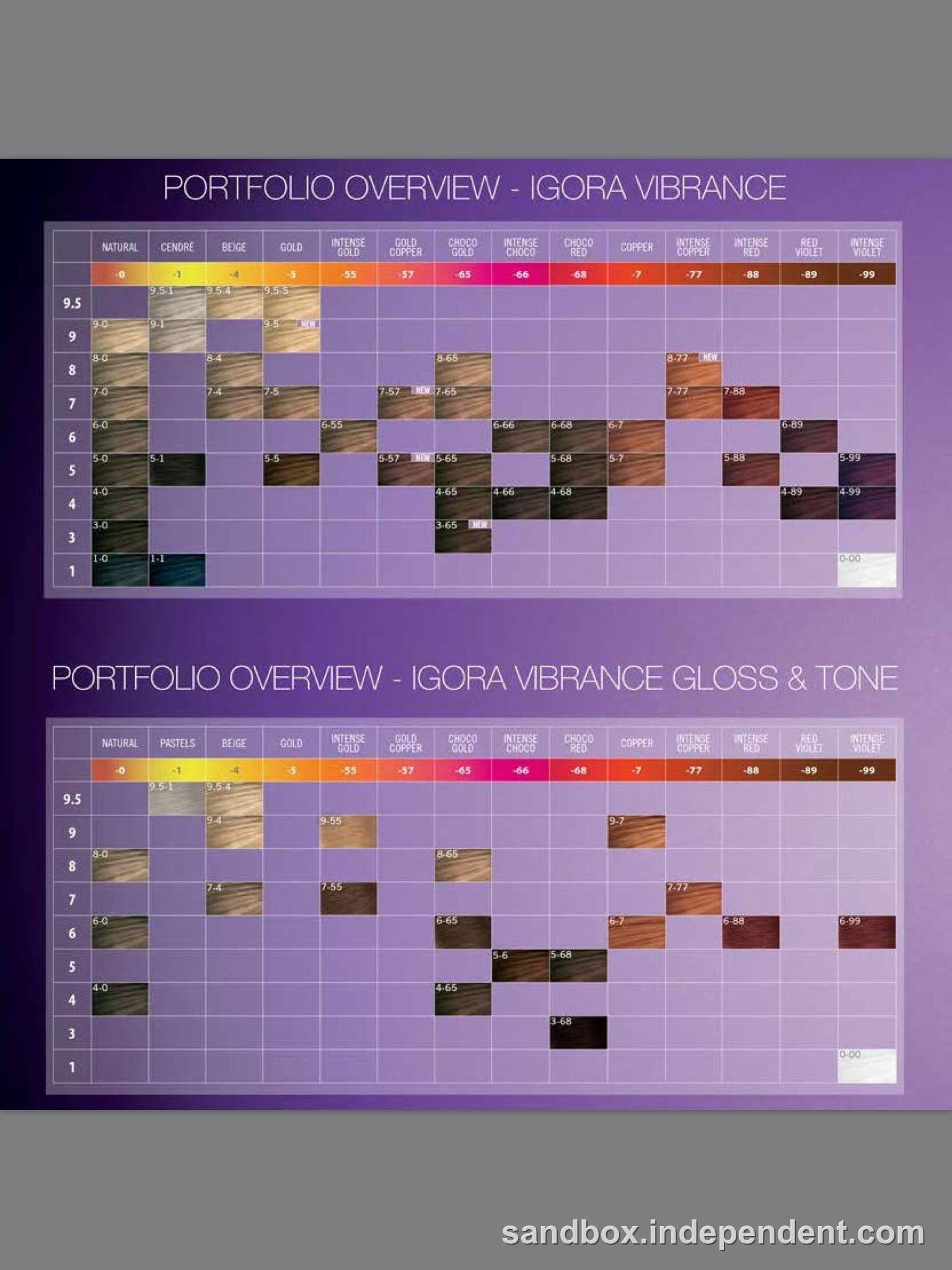
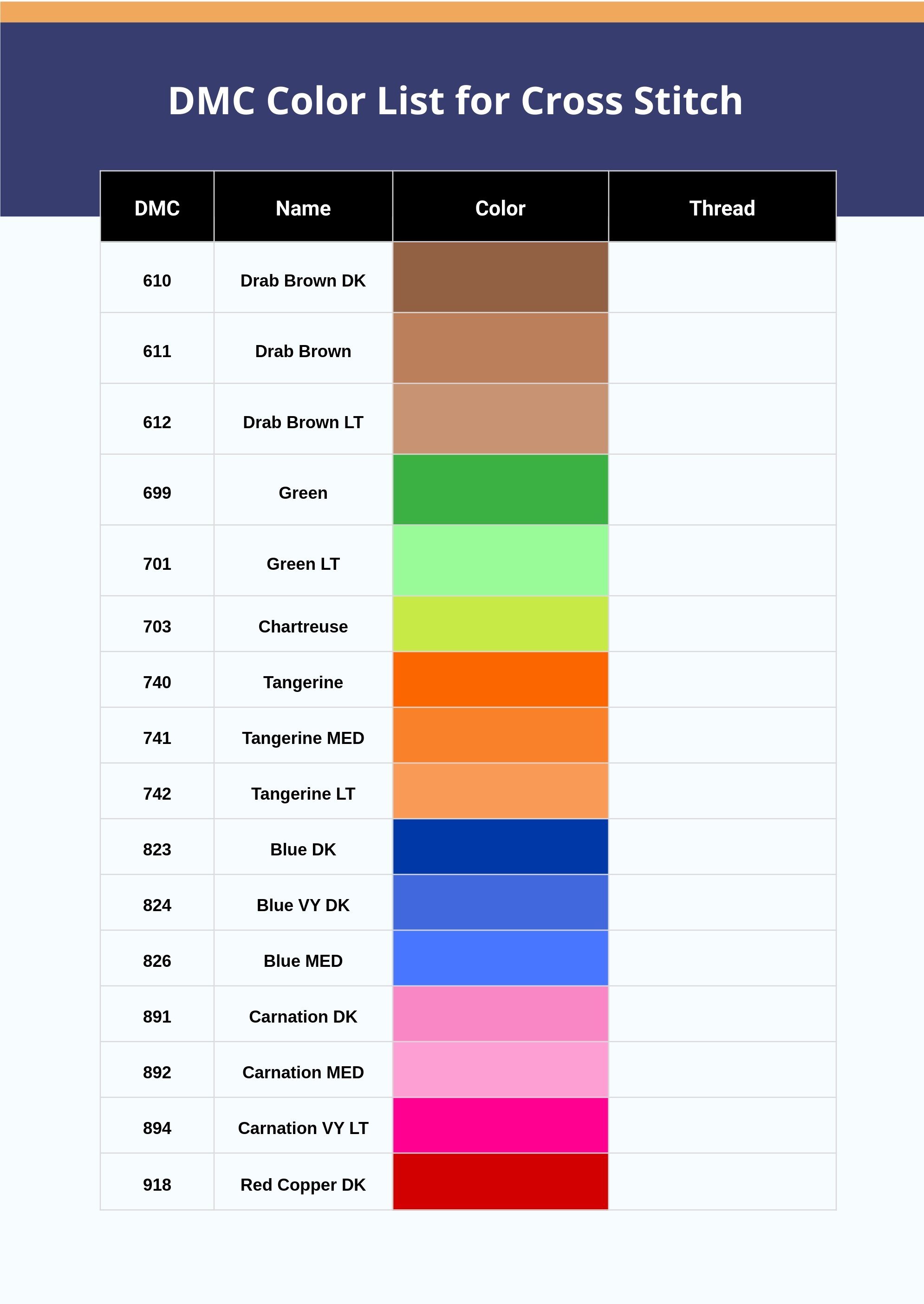
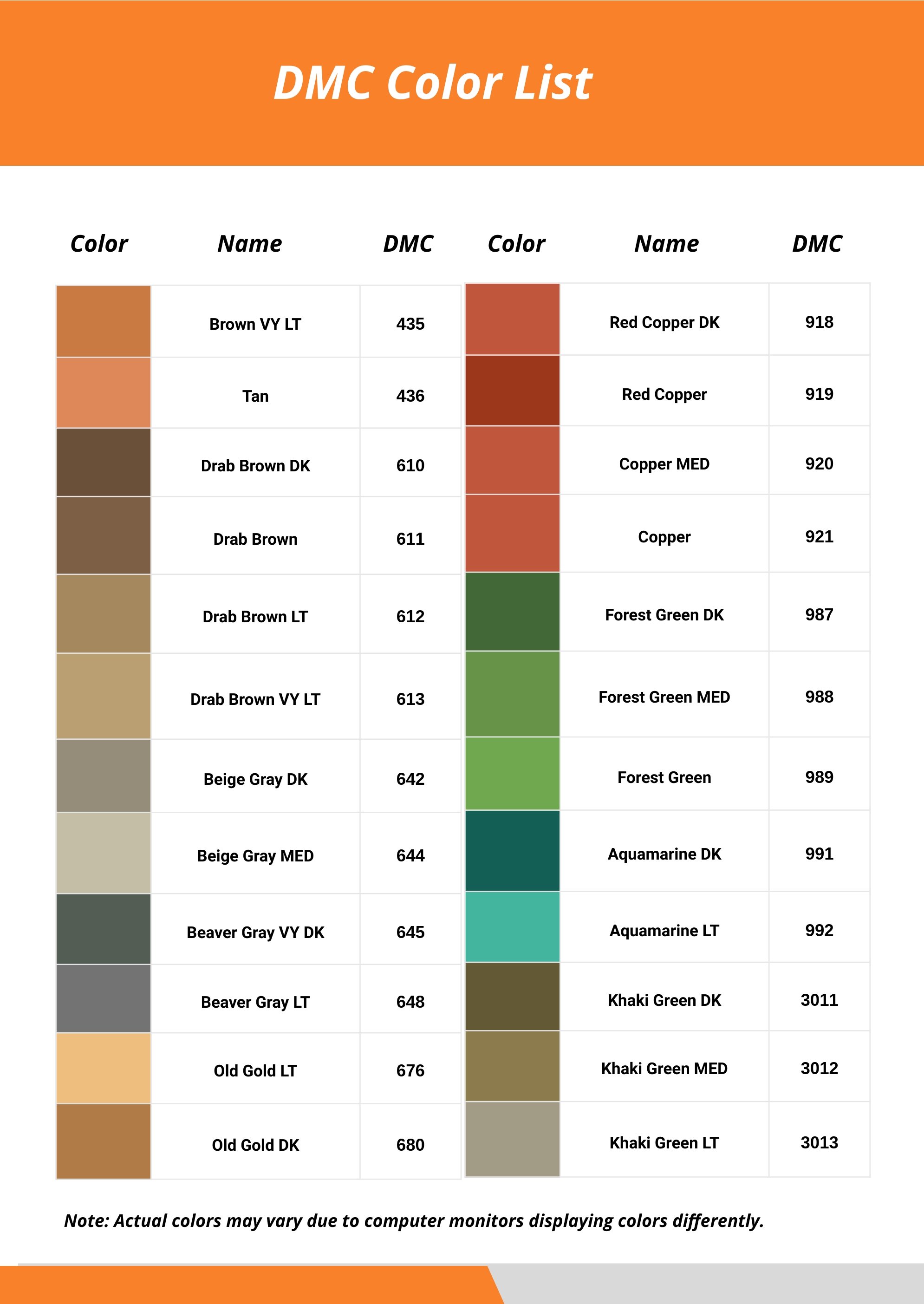
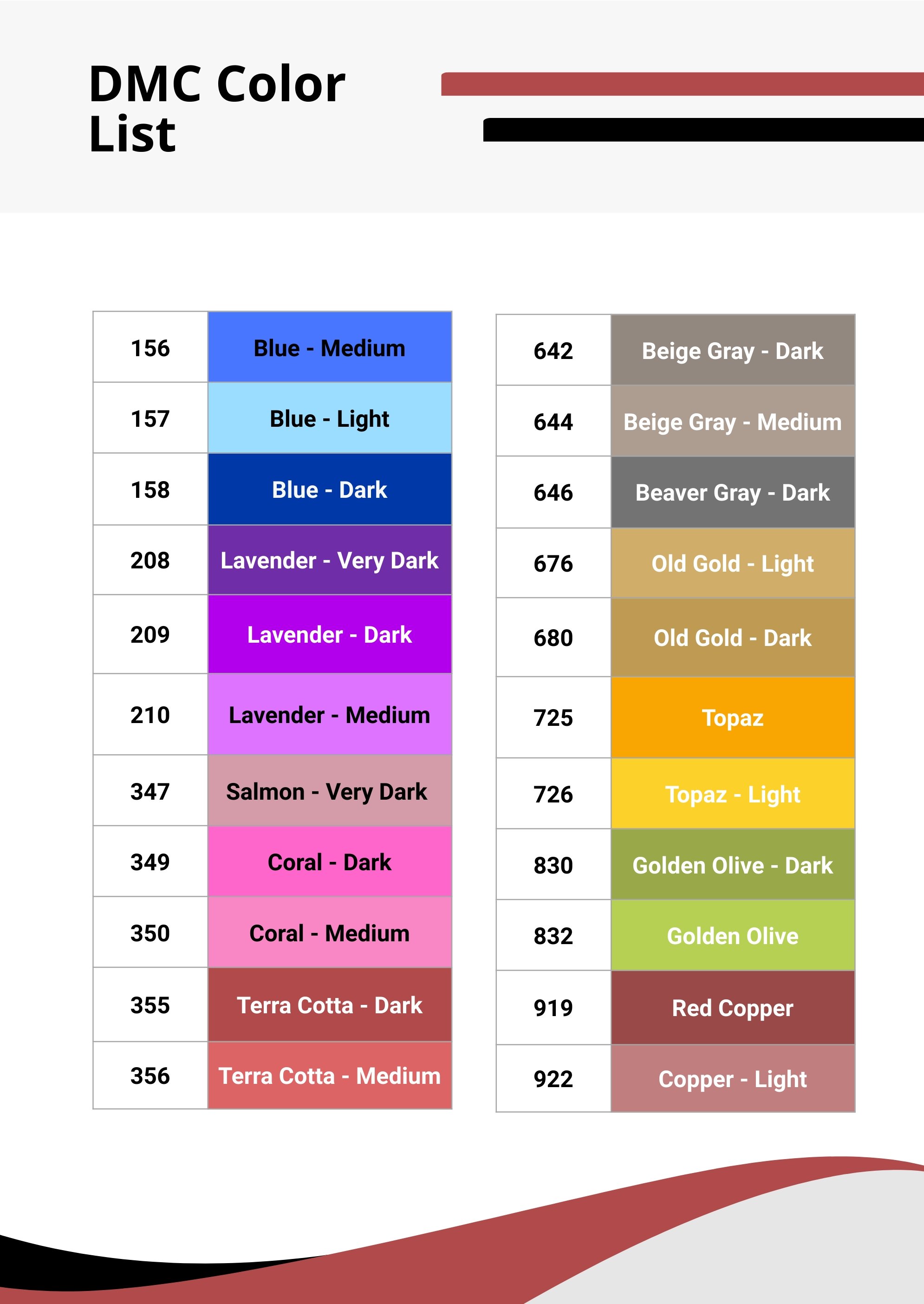
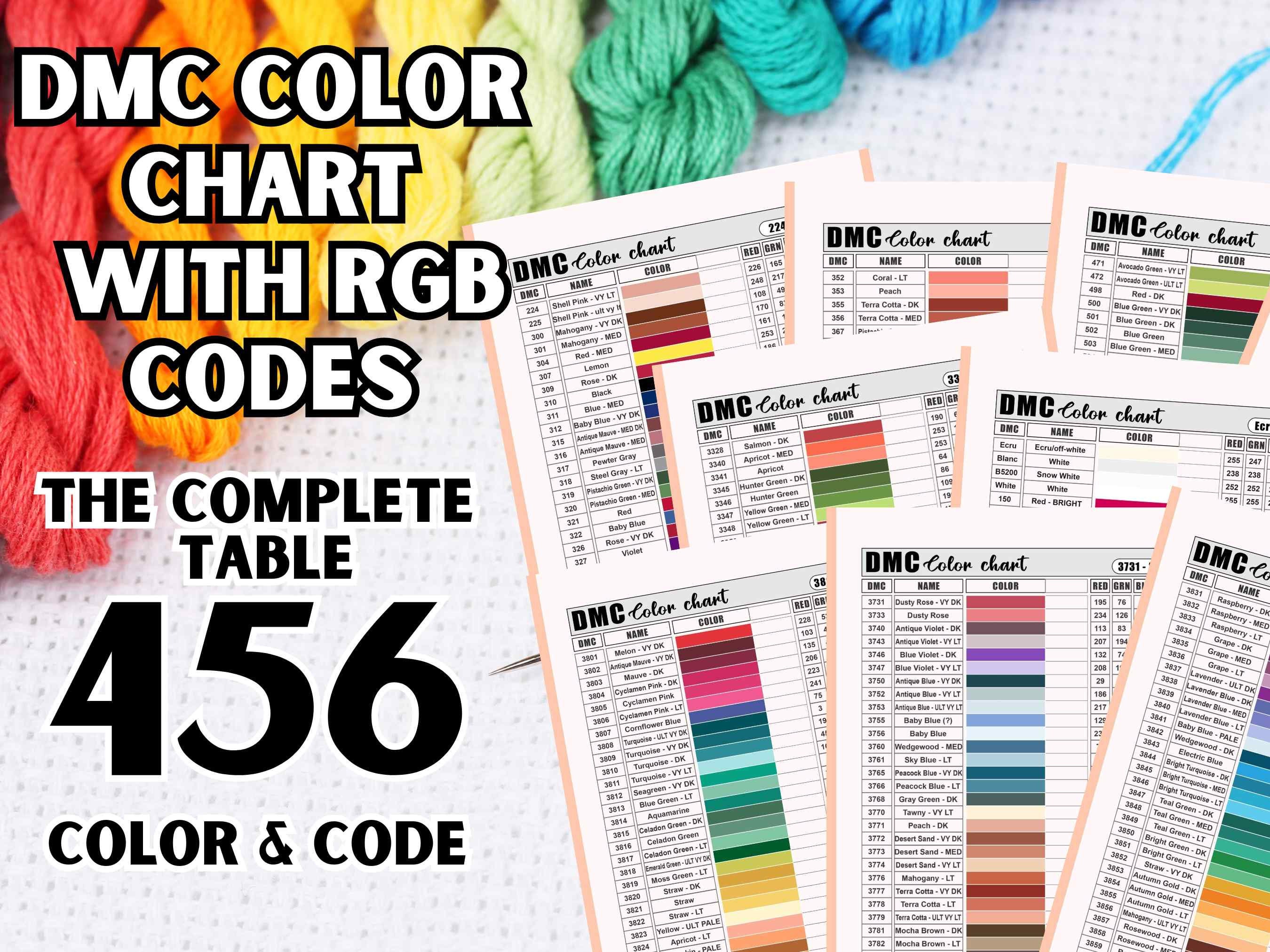
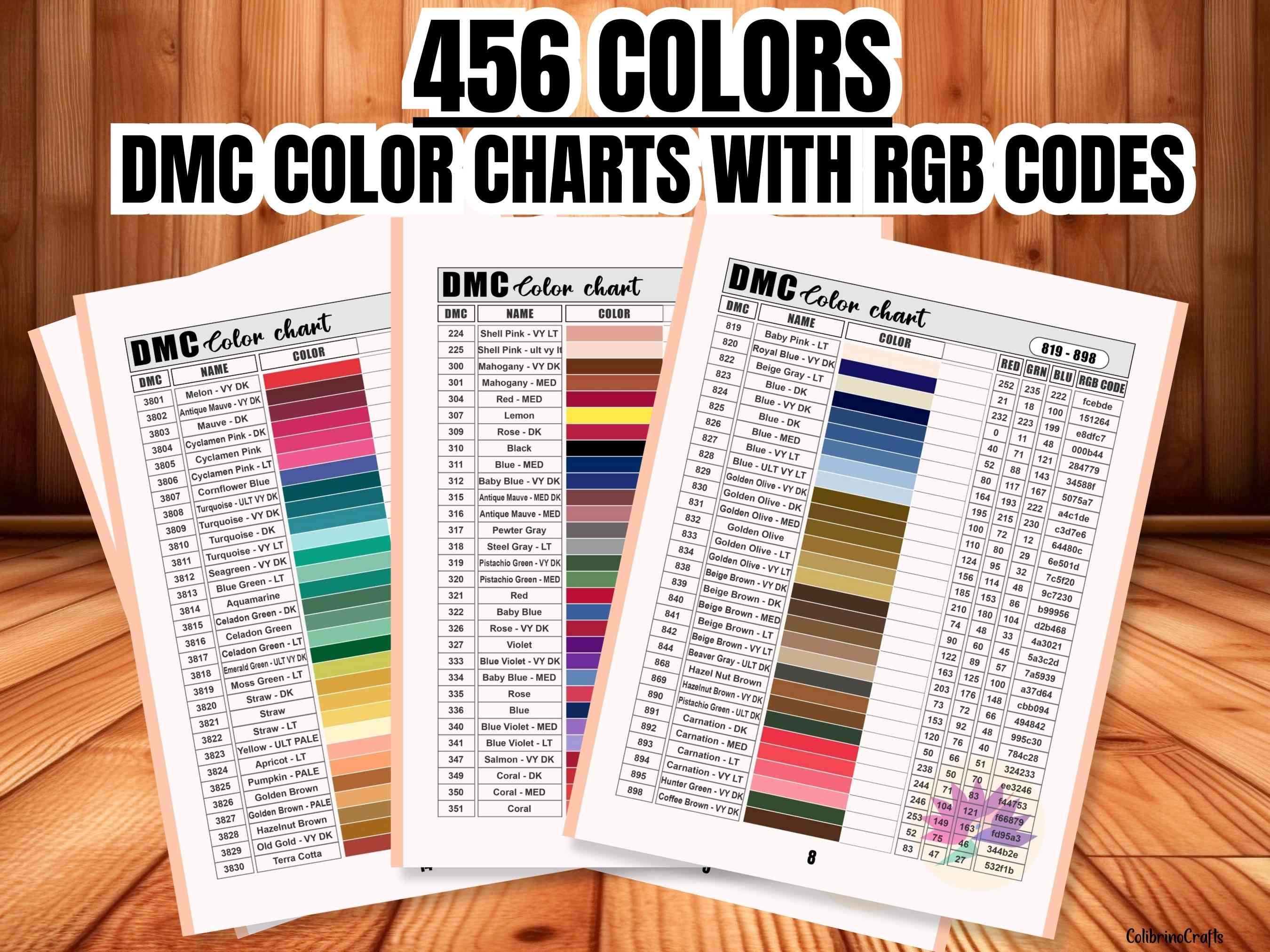
You're likely here because you need a reliable dmc color chart to guide your creative project, be it embroidery, cross-stitch, or another craft. This chart is a crucial tool, offering a clear and organized display of colors, often in the form of a thread or floss color guide. With various formats and standards, it's essential to find the right reference for your specific needs, ensuring an accurate and satisfying result.
Understanding the DMC Color Chart
The DMC color chart is an essential tool for embroidery enthusiasts and professionals. It serves as a comprehensive guide to the vast range of DMC thread colors, providing a visual reference and accurate color codes. This chart is your key to unlocking the full potential of DMC embroidery threads.
Comparing Color Standards and Formats
DMC offers a standardized color system, ensuring consistency across their thread range. The chart typically displays a color swatch with its corresponding DMC color code. These codes are unique identifiers, allowing you to easily specify and match colors accurately.
Step-by-Step Guide to Using the DMC Color Chart
- Begin by identifying the color you wish to use. Look for the desired shade on the chart, which is usually organized by color family.
- Once you've located the color, note its DMC color code. This code is essential for referencing and ordering the correct thread.
- Use the chart as a guide when selecting threads for your embroidery projects. It ensures you achieve the intended color scheme and maintain consistency.
Avoiding Common Misreadings
It's important to note that lighting conditions can affect how colors appear. Ensure you view the chart in natural light to get an accurate representation of the shades. Additionally, be mindful of the difference between on-screen colors and physical thread colors, as screens may not always display true-to-life shades.
Factors Affecting Accuracy
Several factors can influence the accuracy of color representation on the DMC color chart. These include the type of paper or fabric used for the swatches, as well as the printing process. It's advisable to cross-reference colors with actual thread samples whenever possible to ensure precise color matching.
Choosing the Right Format
DMC provides various formats of their color chart to cater to different needs. You can opt for a physical color card, which is portable and convenient for on-the-go reference. Alternatively, digital versions are available for easy access on your device. Consider your preferred method of reference and choose the format that suits your embroidery workflow.
Maintaining Reliability for Future Projects
To ensure the longevity and reliability of your DMC color chart, handle it with care. Keep it away from direct sunlight and moisture to prevent fading or damage. Regularly update your chart to the latest version, as DMC may introduce new colors or make adjustments to their color range. By doing so, you'll always have an accurate and up-to-date reference for your embroidery endeavors.
Remember, the specifics of your DMC color chart may differ slightly, so it's always good to refer back to this guide for a quick refresh. Exact values can vary, so it's best to have your trusted reference at hand.
Feel free to bookmark this page for future use, and check out our other guides for more practical tips and insights. We aim to provide clear, concise information, so you can navigate these topics with ease. Happy crafting!
Related: Decoding the Navy Ribbon Chart: A Simple Guide
A navy ribbon chart is a handy tool for anyone working with ribbons, especially those in the navy blue shade. This guide will give you a quick rundown on what these charts are and how they can be useful.
Ribbon charts are a simple yet effective way to visualize and understand ribbon measurements. They provide a clear overview of ribbon width, length, and size, ensuring accuracy and consistency. While the values may vary depending on the context and region, these charts offer a reliable reference point.
Understanding the Navy Ribbon Chart: A Quick Overview
The navy ribbon chart is a handy tool for anyone working with navy blue ribbons, whether for crafting, sewing, or other projects. It provides a visual guide to help you choose the right ribbon size and understand its dimensions. This chart is especially useful when you need precise measurements and want to avoid any guesswork.
Comparing Ribbon Sizes and Formats
Ribbon sizes can vary, and the navy ribbon chart typically covers a range of standard widths and lengths. You'll find ribbon widths expressed in inches or centimeters, depending on the chart's standard. Common widths include 1/4", 1/2", 1", and 2" for inch-based charts, and 0.6 cm, 1.2 cm, 2.5 cm, and 5 cm for metric charts. Lengths can vary greatly, often offered in standard rolls of 10, 25, or 50 yards, or sold by the yard.
Step-by-Step Guide: Using the Navy Ribbon Chart Accurately
To use the navy ribbon chart effectively:
Identify the ribbon width you need for your project. This is crucial as it determines the ribbon's visual impact and functionality.
Refer to the chart to find the corresponding length options for that width. The chart will show you the standard roll lengths available for that width.
Consider the quantity you require. If you need a large quantity, it's often more cost-effective to opt for longer roll lengths, even if it exceeds your immediate needs.
Double-check the ribbon's intended use. Some ribbons, while similar in appearance, may have different purposes, such as gift wrapping or crafting. Ensure you choose the right type for your project.
Take note of any special features or finishes, such as wired edges or specialty prints, as these can impact the ribbon's behavior and appearance.
Avoiding Common Misreadings and Pitfalls
It's easy to misinterpret the navy ribbon chart if you're not familiar with ribbon terminology. Here are some common mistakes and how to avoid them:
Ribbon Width: Always clarify if the width is measured flat or folded. Some charts specify this, but others assume you know. Flat width is the full width, while folded width is half of that.
Ribbon Length: Be aware that some charts may list length in yards, while others use meters. Always check the units to ensure accuracy.
Special Features: Certain ribbons have unique features, like wired edges or printed patterns. These may not be immediately obvious on the chart, so always read the fine print or product description.
Color Variation: While the focus is on navy blue, different manufacturers may have slight variations in color shade. If color match is critical, request a sample or check reviews for consistency.
Factors Affecting Accuracy and Real-World Use
While the navy ribbon chart is a valuable tool, it's important to remember that real-world applications can vary. Here are some key factors to consider:
Manufacturing Tolerances: Ribbon dimensions can have slight variations due to manufacturing processes. Always allow for a small margin of error, especially for critical projects.
Material Stretch: Some ribbon materials, like satin or grosgrain, have more stretch than others. Consider this when choosing the ribbon, especially if precise measurements are essential.
Environmental Factors: Heat, humidity, and storage conditions can affect ribbon dimensions over time. Store your ribbons properly to minimize these effects.
Project Requirements: Different projects have unique demands. Always review your specific needs and consider factors like durability, ease of use, and visual appeal.
The navy ribbon chart is a practical guide, but it's just the starting point. By understanding these factors and using the chart accurately, you'll be well-equipped to choose the perfect ribbon for your projects.
Hey there! I hope this guide has given you a clear understanding of navy ribbon charts and their practical use. Remember, while the basics remain the same, the exact details might differ slightly based on your specific situation and the standards you're working with.
Feel free to explore other guides on our site for more detailed insights and variations. We've got a range of topics covered, so you can dive deeper into any area that piques your interest. Happy learning!