



Egg Candling Chart Black And White Overview
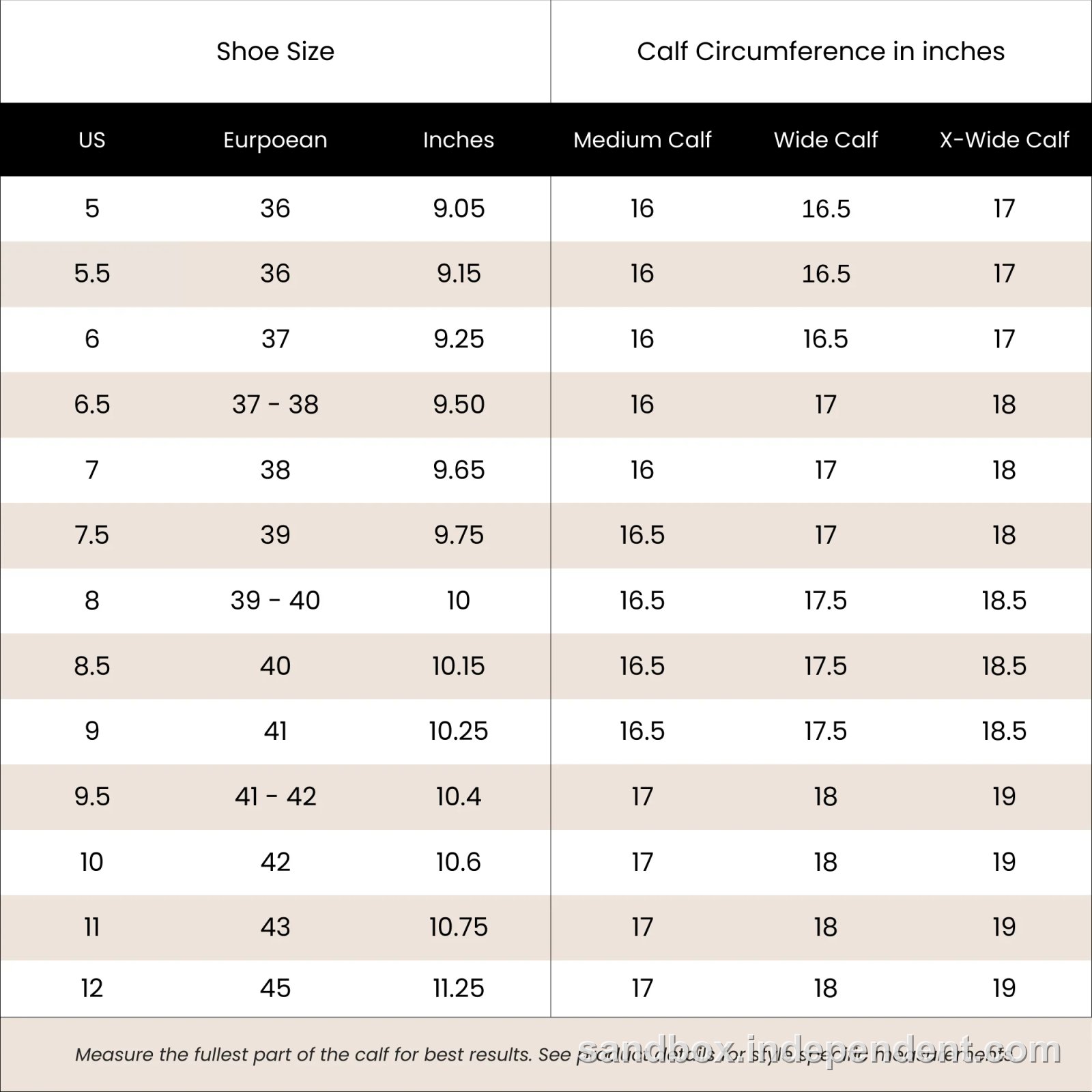
You're on a mission to find the perfect fit for your new Vans, and the Vans size chart is your trusty guide. It's a simple yet effective tool, offering a quick and reliable way to ensure you get the right size. This chart, a handy reference, provides an easy-to-read overview of men's and women's sizes, with length and width measurements to help you match your feet to the ideal pair. While the values may vary slightly depending on the style and region, the Vans size chart is a great starting point for an accurate fit.
Understanding Vans Size Chart
The Vans size chart is your go-to guide for finding the perfect fit for your favorite Vans sneakers. It's a handy tool that simplifies the sizing process, ensuring you get the right size for a comfortable and stylish stride.
Key Details and Categories
This chart provides a comprehensive breakdown of Vans shoe sizes, covering both men's and women's styles. The sizes are typically presented in US standard measurements, with length and width dimensions for each size. You'll find a clear table or diagram, making it easy to locate your ideal size.
Step-by-Step Guide to Reading the Chart
Here's a simple guide on how to navigate the Vans size chart:
- Identify your gender: The chart often separates men's and women's sizes, so start by locating the relevant section.
- Find your US size: Look for the column or row labeled with your US shoe size.
- Check the length and width: The chart will provide measurements for both length and width, ensuring a precise fit.
- Convert if needed: If you're more familiar with international sizes, use the conversion chart provided to find your equivalent US size.
- Choose your style: Different Vans styles might have slight variations, so ensure you're referring to the correct style guide.
Variations and Differences
It's important to note that shoe sizing can vary slightly between brands and even within the same brand for different styles. Vans, like many other shoe manufacturers, may have slight variations in their sizing charts to accommodate different foot shapes and preferences. These variations ensure a comfortable fit for a wide range of wearers.
Common Mistakes and How to Avoid Them
One common mistake is assuming that your Vans size will be the same as your regular shoe size. Always refer to the Vans shoe size chart specifically, as it may differ from other brands you wear. Another pitfall is neglecting to measure your foot properly. Ensure you follow the provided guidelines for accurate measurements.
Tips for Accurate Sizing
To ensure an accurate fit, consider these practical tips:
- Measure your foot regularly, especially if you're between sizes or notice any changes.
- Try on multiple sizes if possible, especially if you're new to Vans or have unique foot characteristics.
- Pay attention to the width measurements; a wide foot might require a different size than what you usually wear.
- Consider the style of Vans you prefer; some styles might fit slightly differently due to their design.
Double-Checking and Handling Exceptions
While the Vans size chart is a reliable guide, it's always a good idea to double-check the specific style and model you're interested in. Some Vans styles might have unique features or fit preferences, so referring to the detailed sizing guide for that particular style is recommended. Additionally, if you have unique foot characteristics, such as a wide or narrow foot, you may need to adjust your size accordingly. Always trust your comfort and fit preferences.
Well, there you have it! A comprehensive guide to understanding the Vans size chart. It's always best to be prepared and know your size, especially when it comes to finding the perfect fit.
Remember, while this guide provides a solid foundation, it's always wise to check the specific size chart for the style you're interested in. Vans, like many brands, may have slight variations, so double-checking ensures you get the right size for your feet. Happy shopping, and don't forget to explore our other helpful guides to enhance your shoe-buying experience!
Related: Unravel CNA POC Charting: A Simple Guide
A common misconception about CNA POC charting is that it's a complex and overwhelming task, but it's actually a straightforward and essential practice for healthcare professionals. This type of charting, often referred to as point-of-care documentation, is a vital tool for CNAs and other healthcare providers to record and track patient observations and vital signs efficiently. It's a simple yet powerful way to ensure accurate and timely patient care planning. While the format and specifics may vary, the purpose remains the same: to provide a clear and concise snapshot of a patient's condition.
Understanding CNA POC Charting
CNA POC charting is a vital tool for healthcare professionals, particularly Certified Nursing Assistants (CNAs), to record and track patient observations and vital signs. This charting method provides a structured and organized way to document patient care, ensuring accurate and consistent records.
Key Details and Categories
The CNA POC charting system typically includes various categories and sections to capture essential patient information. These may include:
- Patient Identification: Name, age, gender, and unique identifiers.
- Date and Time: Precise recording of observations to track progress and changes.
- Vital Signs: Temperature, blood pressure, pulse rate, and respiratory rate.
- Patient Observations: Notes on behavior, mood, pain levels, and any significant changes.
- Interventions and Care: Details of nursing care provided, treatments, and medications.
- Physician Orders: Instructions and prescriptions from doctors.
Step-by-Step Guide to Reading and Applying CNA POC Charts
- Start by locating the patient's record in the chart. Ensure it is correctly identified with the patient's name and other details.
- Check the date and time of the previous entry to understand the context and any recent changes.
- Record vital signs accurately using the appropriate units (e.g., °F or °C for temperature, mmHg for blood pressure).
- Observe and document any changes in the patient's condition, behavior, or mood. Use clear and concise language to describe these observations.
- Note any interventions, treatments, or medications administered, including the time and dosage.
- Refer to physician orders and ensure they are followed accurately. Document any deviations or additional instructions.
- Sign and date the chart to maintain accountability and track changes over time.
Variations and Differences in Charting Standards
While the core structure of CNA POC charting remains consistent, variations may occur due to different healthcare settings, regions, and specific patient needs. For instance, some charts may include additional sections for specialized care, such as wound care or diabetic management. It is essential to be familiar with the specific charting standards and guidelines in your facility or region. Always refer to the latest protocols and ensure you are using the correct chart format.
Common Mistakes and How to Avoid Them
- Inaccurate or incomplete vital sign recordings: Always double-check your measurements and ensure they are within the normal range for the patient's age and condition.
- Forgetting to record the date and time: This basic step is crucial for tracking changes and ensuring continuity of care.
- Inadequate patient observations: Take time to observe and document any changes, even if they seem minor. These details can be vital for patient care planning.
- Omitting or misinterpreting physician orders: Always clarify and understand instructions before acting on them.
- Failing to sign and date the chart: This simple step ensures accountability and helps track changes made by different healthcare professionals.
Best Practices for Accurate and Effective Charting
- Familiarize yourself with the charting standards and guidelines specific to your facility and region.
- Use clear and concise language when recording observations and notes. Avoid abbreviations that may be unclear to others.
- Stay updated with any changes or additions to the charting system to ensure your records are accurate and complete.
- Regularly review and analyze patient charts to identify trends, progress, or areas of concern.
- Collaborate with other healthcare professionals to ensure consistent and accurate charting practices.
CNA POC charting is a valuable tool that, when used correctly, provides a comprehensive overview of patient care and facilitates effective communication among the healthcare team. By following these guidelines and best practices, you can ensure accurate and reliable patient records, contributing to high-quality patient care.
Well, I hope this guide has provided a clear and concise overview of CNA POC charting. Remember, it's always best to refer to the specific guidelines and standards relevant to your context, as exact values and procedures may vary slightly.
Consider bookmarking this page for future reference; it might just save you some time and effort the next time you need a quick refresher on CNA POC charting. Until then, happy charting!
Related: Unraveling the CFM Duct Chart: A Quick Guide
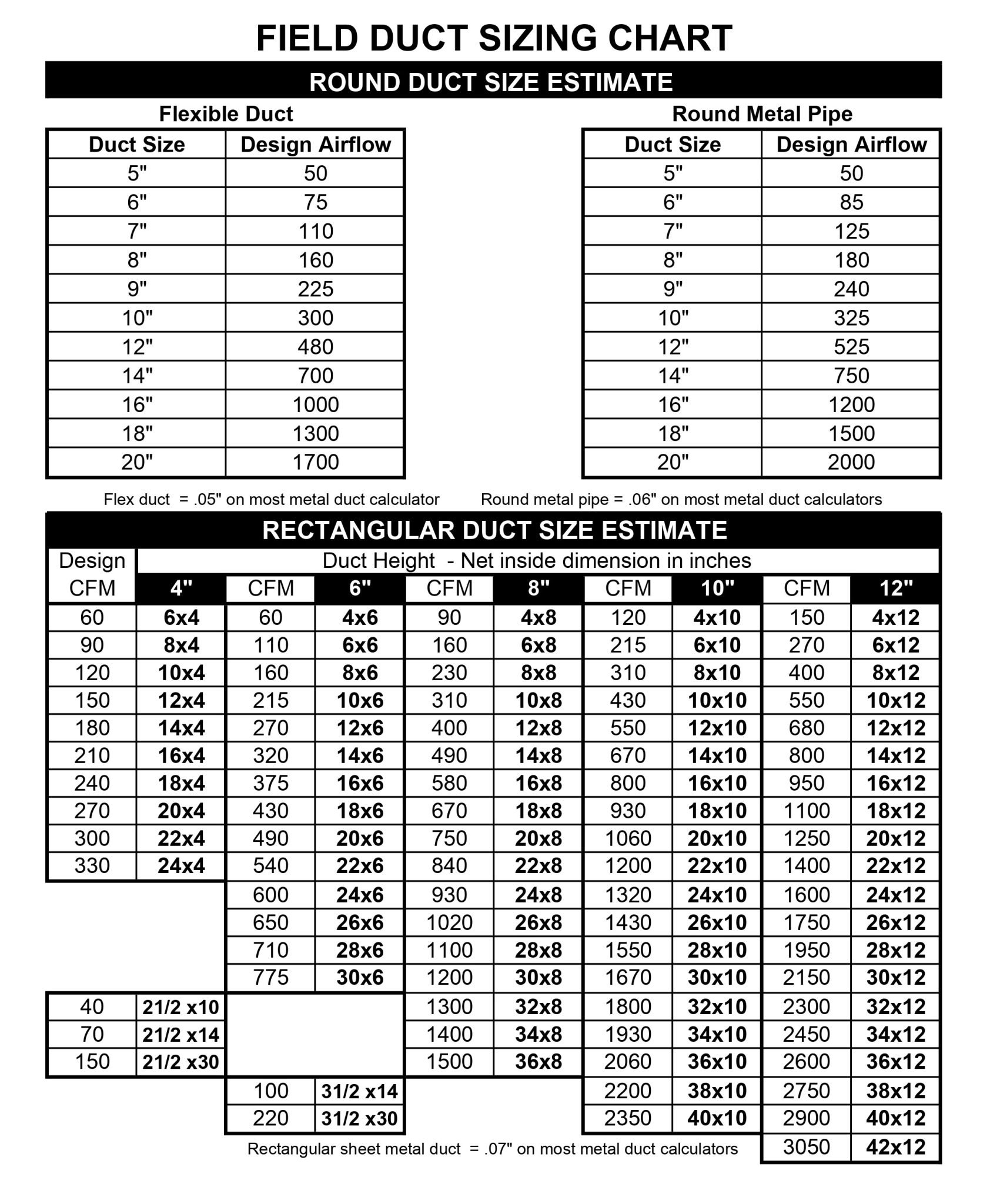
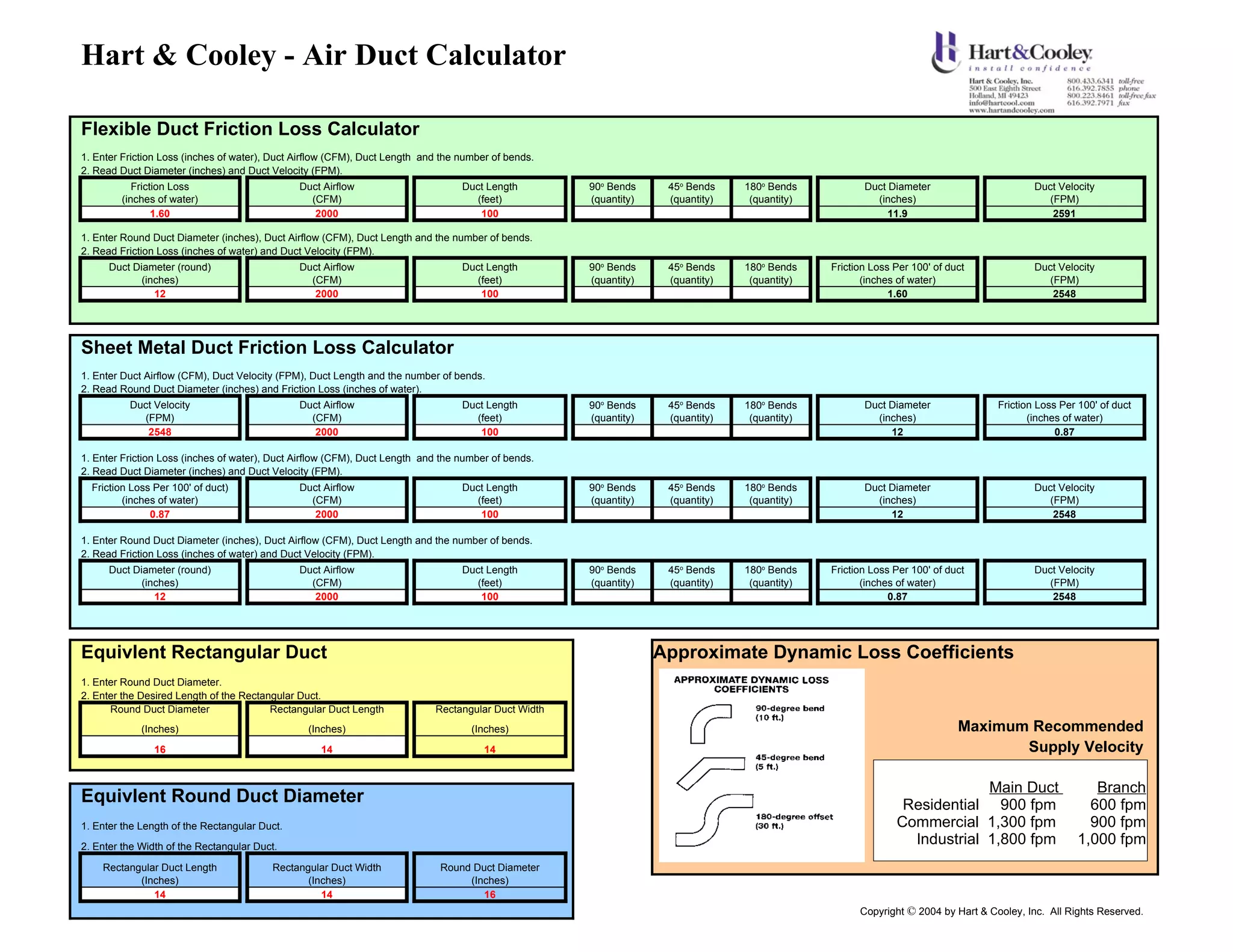
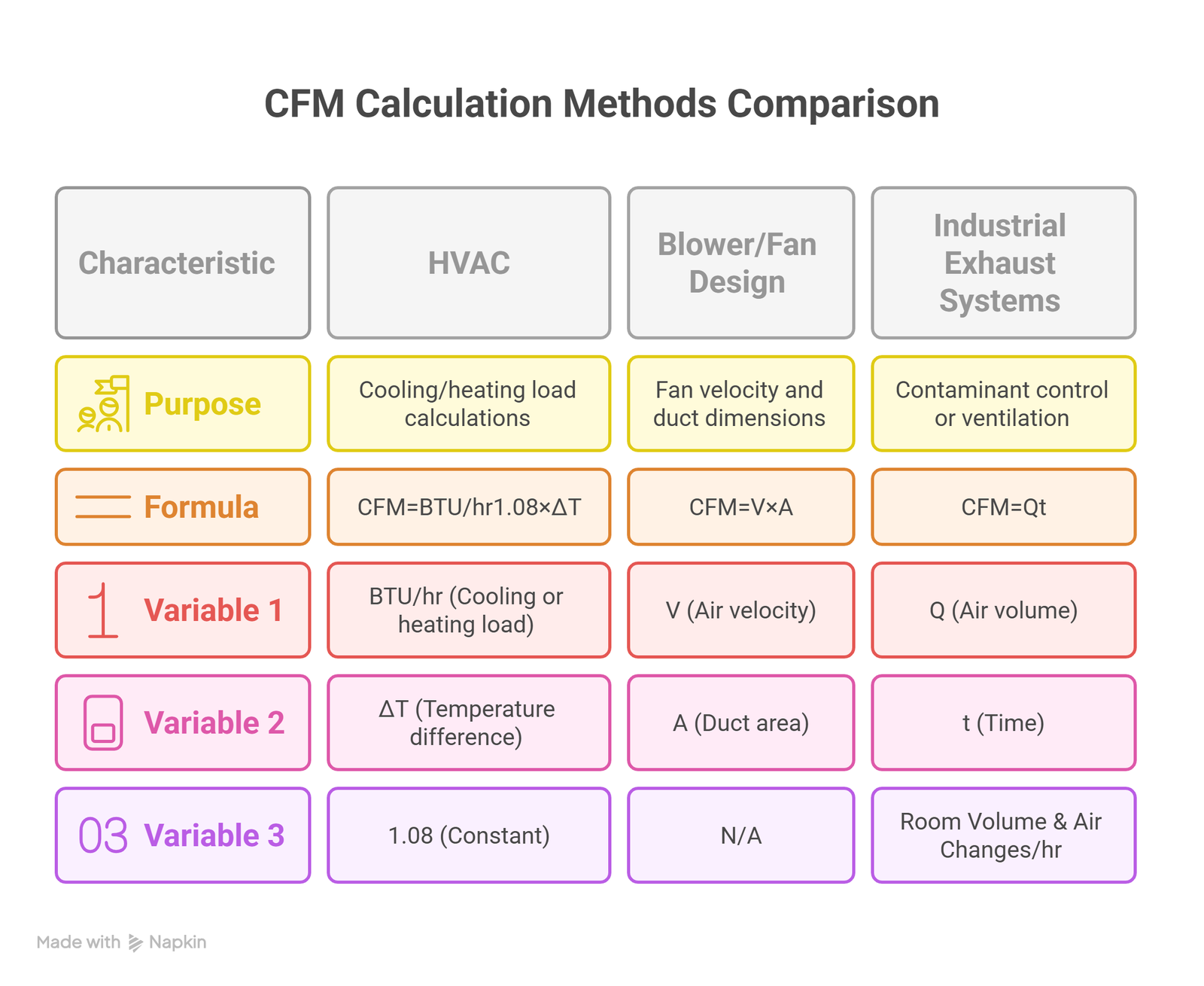
A cfm duct chart is a handy tool, a simple yet effective guide, that can make your life easier when dealing with air flow and ductwork. This chart is your go-to reference, offering a quick and clear way to understand and calculate air flow rates and duct sizes.
In this guide, we'll explore how to read and utilize the cfm duct chart effectively. You'll learn about the key values and their variations, ensuring you can apply this chart accurately for your projects. It's a practical skill, and we'll keep it simple!
Understanding the CFM Duct Chart
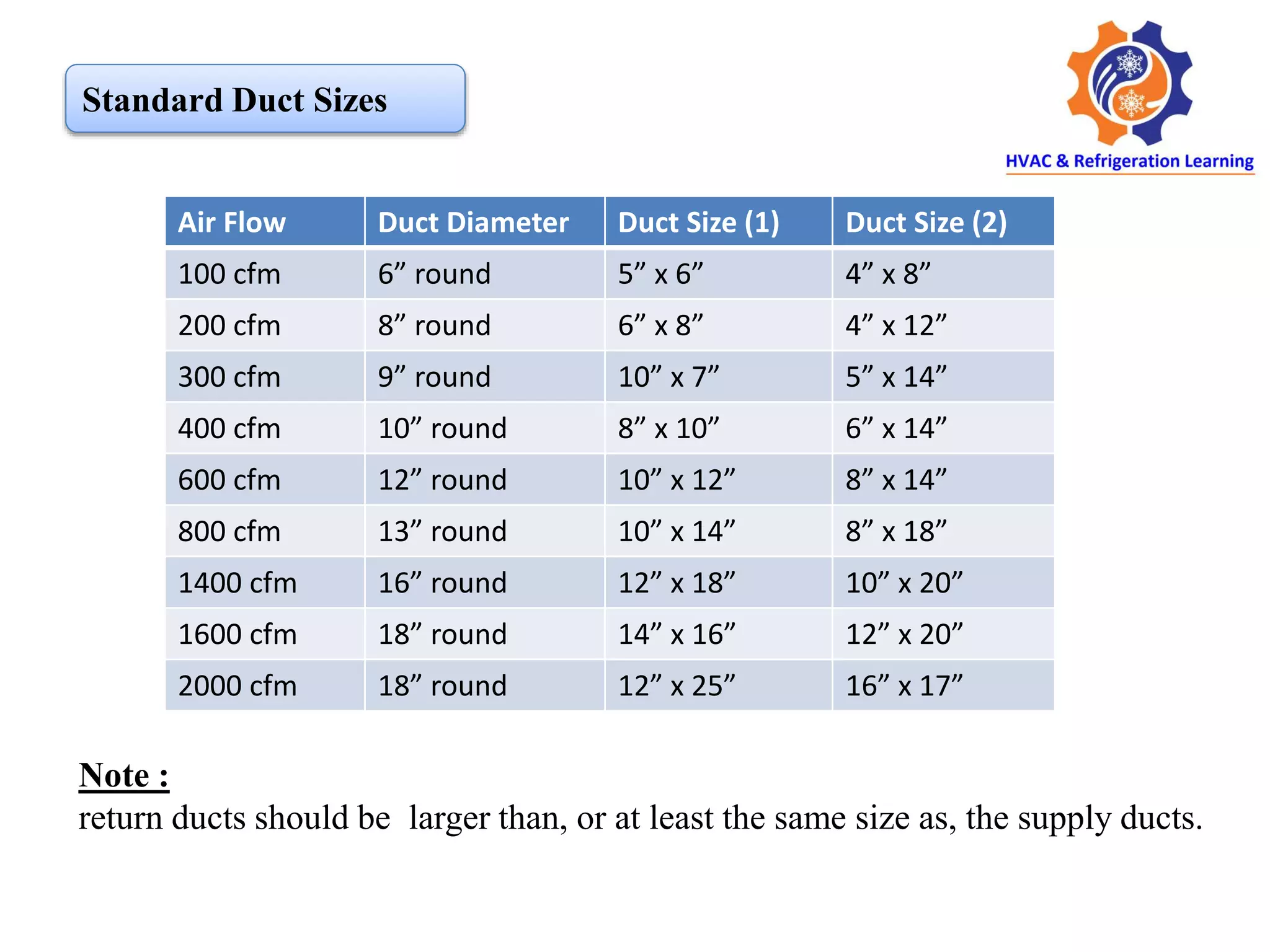
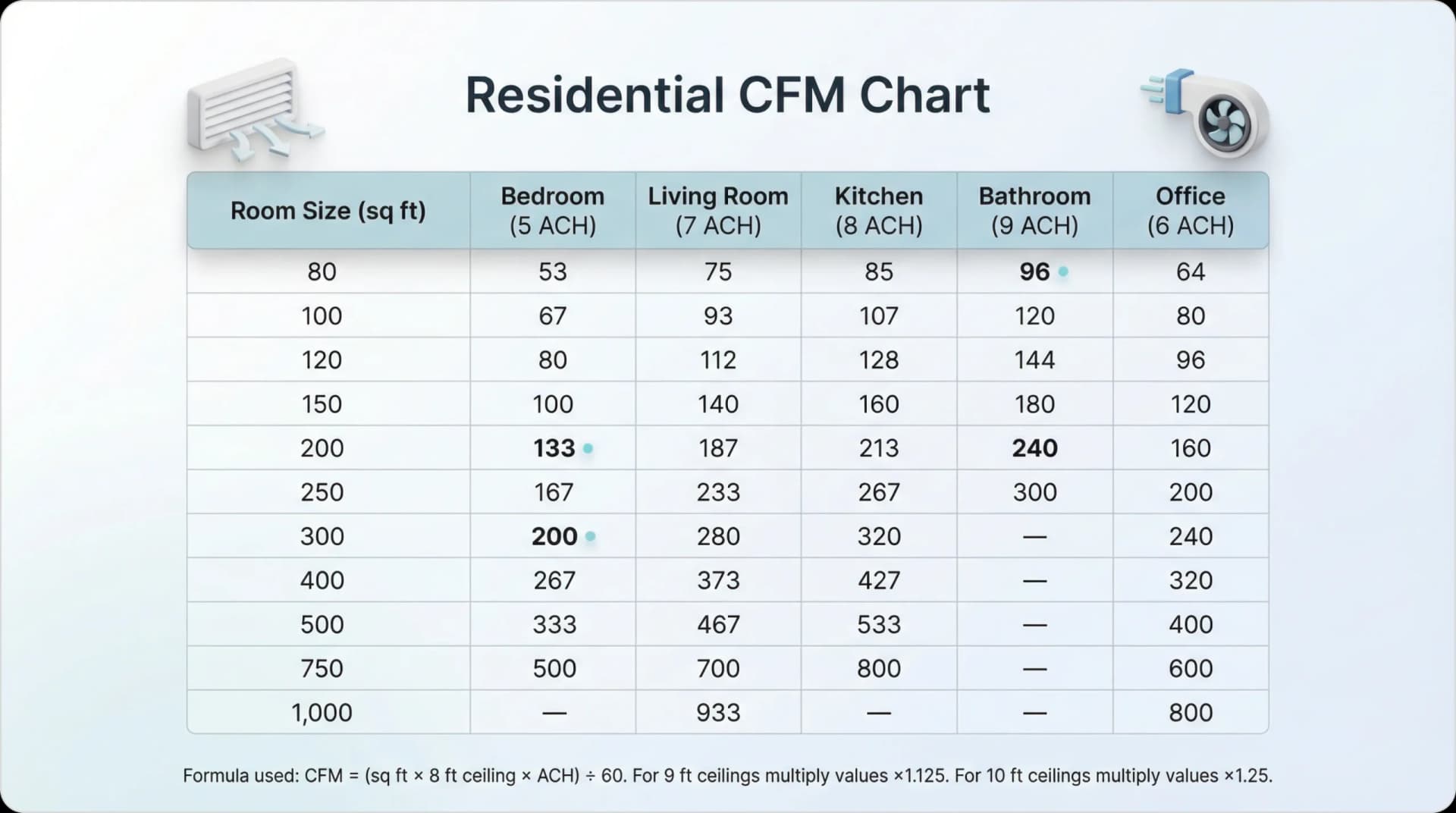
A CFM duct chart is a valuable tool for anyone working with air flow and duct systems. It provides a visual representation of the relationship between duct sizes and the air flow rate, measured in cubic feet per minute (CFM). This chart simplifies the process of selecting the right duct size for a specific air flow requirement.
Key Details and Units
Before diving into the chart, it's essential to understand the basics. The CFM duct chart typically displays two key categories: duct sizes, often given in inches, and the corresponding CFM values. These values indicate the volume of air that can pass through a duct of a particular size. The chart usually covers a range of standard duct sizes and their respective CFM ratings.
Practical Applications: Reading and Using the Chart
Using the CFM duct chart is straightforward. Here's a step-by-step guide:
- Identify the desired air flow rate (CFM) for your application. This could be based on the equipment you're using or the specific needs of your project.
- Locate the CFM value on the chart.
- Follow the row or column to find the corresponding duct size. This size ensures the duct can handle the required air flow.
- If your specific CFM value isn't listed, you can interpolate between the values provided.
Variations and Differences
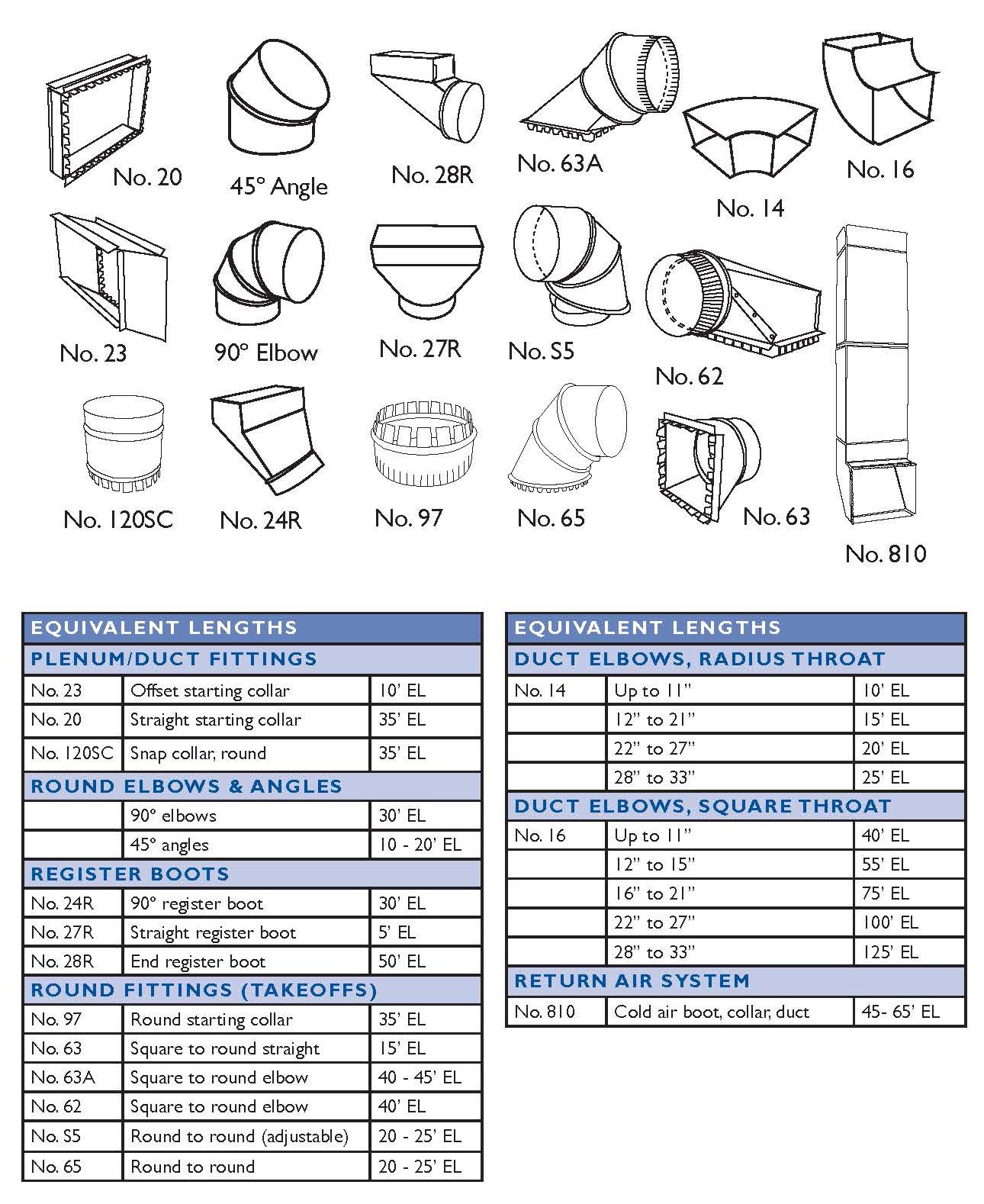
It's important to note that CFM duct charts may vary depending on the standard or region. Different countries and industries might have their own specific charts and guidelines. Additionally, factors like duct material, shape, and installation can influence the actual air flow. While the chart provides a useful reference, it's always a good idea to double-check with the manufacturer's specifications for precise tolerances and recommendations.
Hey there! I hope this duct chart guide has been helpful. Remember, while the fundamentals stay the same, exact details can vary slightly depending on the context. So, keep an eye out for those little nuances!
If you're keen to explore more practical guides like this, feel free to check out our other resources. And don't forget to bookmark this page for a quick refresher whenever you need it. Happy charting!