




Electronic Financial Planning Worksheet Efpw Overview
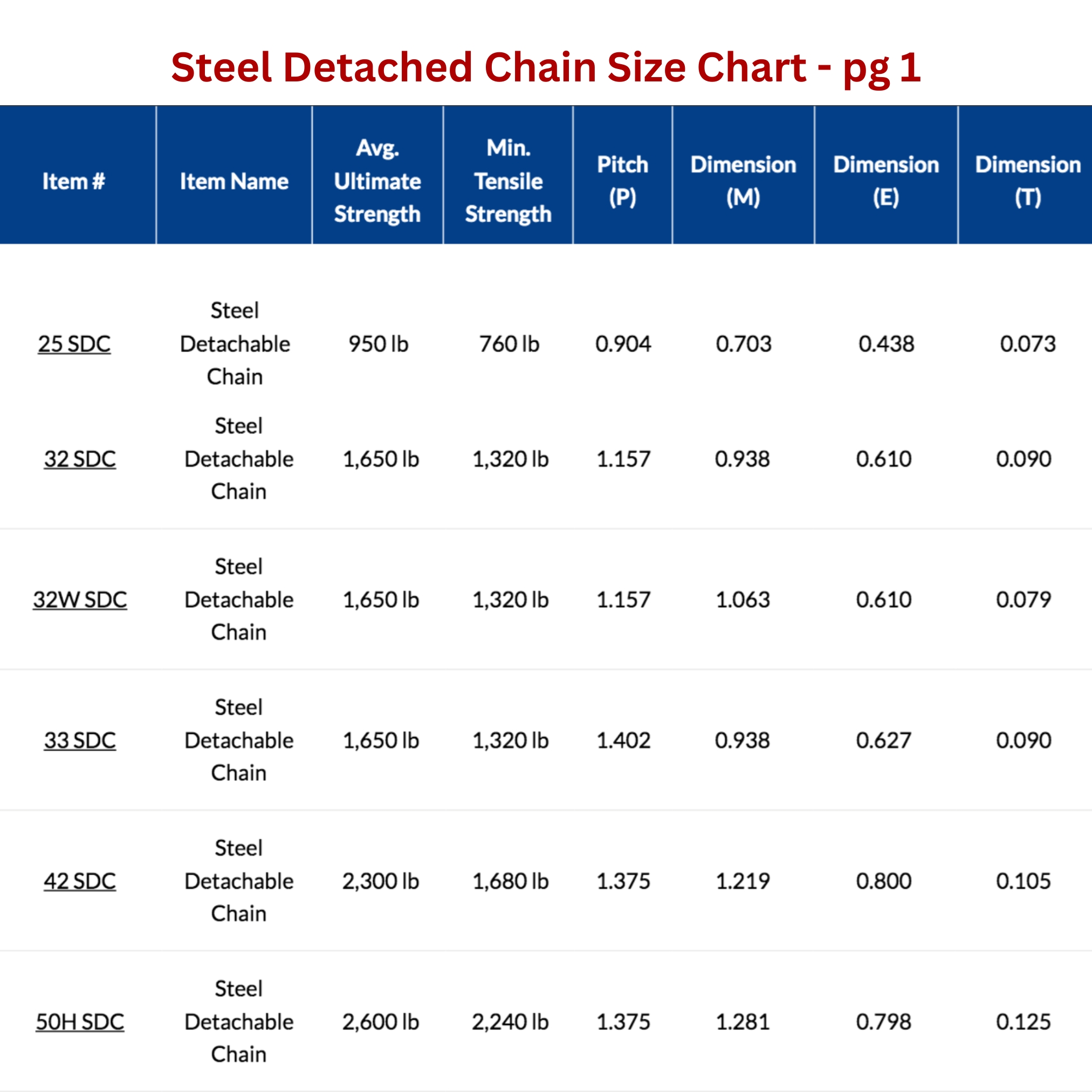
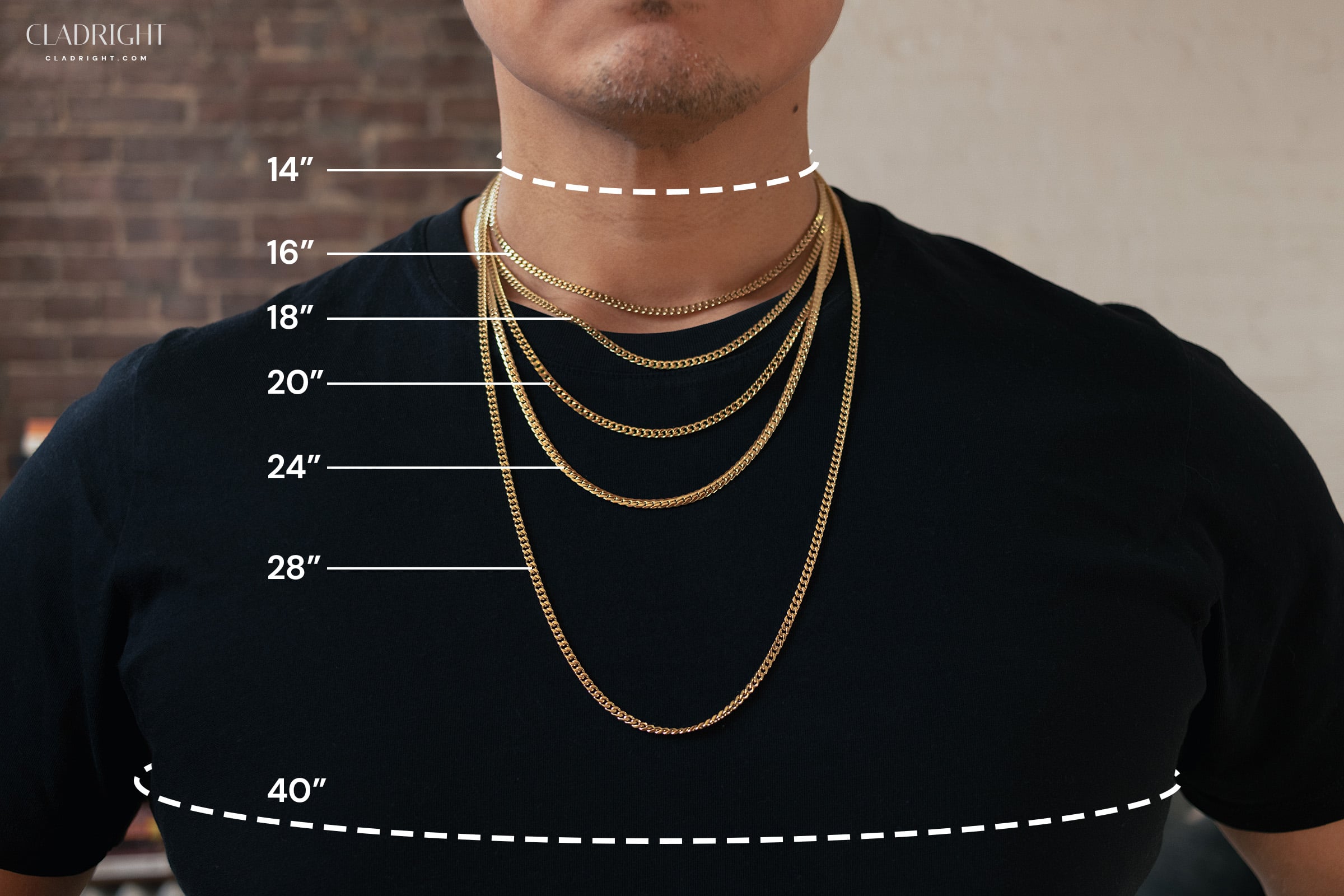
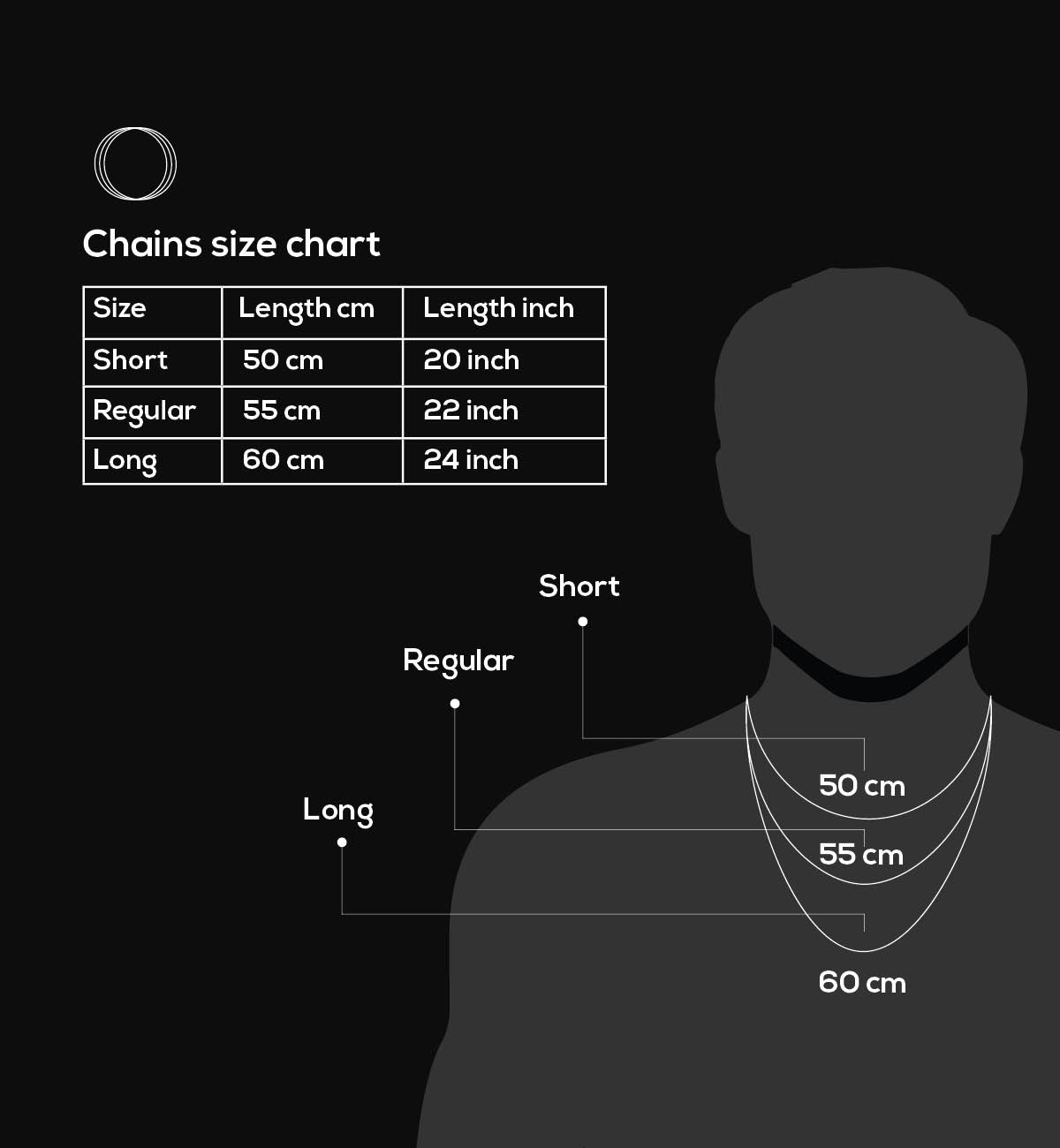
You're probably here because you need a quick solution, and who can blame you? When it comes to chain size chart, having the right information at your fingertips is key. This chart is your go-to resource, offering a simple and visual way to find the right chain dimensions. It's a handy tool that saves you time and effort, especially when you need to make quick decisions. While the values may vary depending on various factors, this chain size chart is a reliable starting point.
What is a Chain Size Chart?
A chain size chart is a handy reference tool that simplifies the process of identifying and selecting the right chain size for various applications. It serves as a visual guide, providing a clear overview of different chain dimensions and their corresponding specifications.
Key Details and Categories
The chart typically includes columns for chain type, pitch, width, and length. Each category is crucial for understanding the chain's dimensions and ensuring compatibility with your specific needs. The pitch refers to the distance between the chain's pins or rollers, and it is a fundamental measurement. Chain width and length are also essential factors, especially when dealing with bike chains or industrial applications.
How to Read and Apply the Chain Size Chart
To use the chain size chart effectively, follow these steps:
Identify the type of chain you need. This could be a bike chain, conveyor chain, or a specific industrial chain. Different applications require unique chain designs and sizes.
Determine the pitch of your chain. This measurement is critical and often dictates the compatibility of your chain with other components, such as sprockets or gears.
Next, consider the chain width. This dimension ensures proper fit and function, especially when the chain interacts with guide plates or other machinery.
Finally, assess the required chain length. This step is crucial for applications like bicycles, where the chain's length directly impacts the gear ratios and overall performance.
Variations and Differences
It's important to note that chain size charts can vary depending on the standard being used. Common standards include the Imperial system (often used in the US) and the metric system (used internationally). These standards may have slightly different measurements and categories, so it's essential to refer to the appropriate chart for your region or application. Additionally, some charts may provide conversions between metric and Imperial units for convenience.
Common Mistakes and How to Avoid Them
One common mistake is assuming that all chains of the same type are universally compatible. While many chains share similar dimensions, subtle differences in pitch, width, or length can render them incompatible. Always double-check the specific measurements and tolerances provided by the manufacturer or standard to ensure accurate selection.
Practical Tips for Accurate Results
When using a chain size chart, consider these tips:
Always refer to the most recent and relevant standard for your region or application. Standards may evolve, so staying updated is crucial.
Pay attention to the units used in the chart. Some charts may mix metric and Imperial units, so ensure you understand the conversions if needed.
When measuring chains, use accurate tools like a caliper or a tape measure. Precision is key to selecting the right chain size.
If you're unsure about a specific chain dimension, consult with experts or refer to detailed specifications provided by manufacturers.
Keep in mind that some chains, especially those for industrial applications, may have unique features or variations. Always consider these when selecting a chain.
Hey there! We've covered a lot of ground with this chain size chart guide, and I hope it's given you a clear understanding of the basics. Remember, while the fundamentals remain the same, exact details can vary slightly depending on the context and the standards you're working with.
Feel free to explore our other guides for more practical insights and tips. We've got a whole range of topics to help you tackle various projects and tasks. Happy reading, and stay tuned for more!
Related: Understanding bo7 Steam Charts: A Simple Guide
You're probably familiar with the term "bo7 steam charts" and are seeking a straightforward guide to understanding them. These charts offer a quick glimpse into the world of gaming analytics, providing valuable insights into player counts and game popularity. Bo7 steam charts can vary depending on several factors, so it's essential to know how to interpret them accurately. With a simple reference like this, you can gain a better understanding of steam game charts and the data they present.
Understanding Bo7 Steam Charts: A Practical Guide
The Bo7 Steam Charts are a valuable resource for gamers and industry professionals alike, offering insights into the popularity and performance of games on the Steam platform. This guide will help you navigate and interpret these charts effectively.
Key Details and Categories
Bo7 Steam Charts typically display data on a daily, weekly, or monthly basis, providing a snapshot of a game's player count and engagement over time. The charts often feature a range of categories, including:
- Player Count: This represents the number of active players for a specific game during the chosen time frame.
- Peak Players: The highest recorded player count for a game within the selected period.
- Average Players: The mean player count, calculated by averaging the daily player numbers.
- Concurrent Players: A measure of the maximum number of players online simultaneously.
- Game Popularity: A ranking or index indicating a game's overall popularity relative to others.
Interpreting the Data: A Step-by-Step Guide
To read and understand Bo7 Steam Charts, follow these steps:
- Identify the Time Frame: Determine whether the chart represents daily, weekly, or monthly data. This context is crucial for interpreting the trends.
- Locate the Game: Find the specific game you're interested in on the chart. Each game is typically represented by a unique line or color.
- Examine the Player Count: Pay attention to the scale of the chart. The y-axis often represents the player count, with higher values indicating greater popularity.
- Analyze Trends: Look for patterns over time. Is the player count consistently high, or does it fluctuate? Are there any significant spikes or drops?
- Compare Games: If the chart includes multiple games, compare their trajectories. This can provide insights into relative popularity and market trends.
- Consider Peak and Average Players: Note the difference between peak and average players. A game with a high peak but low average may indicate a dedicated fan base with sporadic playtimes.
- Interpret Concurrent Players: Concurrent players offer insights into a game's ability to sustain a large player base simultaneously. Higher concurrent numbers suggest a more engaging or multiplayer-focused game.
Variations and Differences Across Standards
It's important to note that Bo7 Steam Charts can vary depending on the standard or context. Here are some key factors that may influence the data:
- Game Genre: Different genres may have varying player retention rates and engagement patterns.
- Release Date: Newer games may experience a surge in players initially, while older games might have a more stable player base.
- Seasonal Trends: Certain games may see increased popularity during specific times of the year, such as holiday periods or special events.
- Platform Exclusivity: Games exclusive to Steam may have different player counts compared to those available on multiple platforms.
- Regional Differences: Player demographics and preferences can vary across regions, impacting game popularity.
Common Mistakes and How to Avoid Them
When interpreting Bo7 Steam Charts, avoid these common pitfalls:
- Assuming Direct Correlation: Player count alone doesn't always reflect a game's quality or success. Other factors like marketing, reviews, and player engagement should be considered.
- Ignoring Context: Always consider the time frame and any external factors that may influence player behavior.
- Overlooking Game Specifics: Each game has unique characteristics. Understand the game's genre, target audience, and release strategy to interpret the data accurately.
- Relying Solely on Charts: While Bo7 Steam Charts provide valuable insights, they are just one piece of the puzzle. Combine them with other analytics and industry knowledge for a comprehensive understanding.
- Failing to Update: Charts represent a snapshot in time. Regularly check for updates to ensure you have the latest data.
Hey there! I hope this guide has given you a clear understanding of the Bo7 Steam Charts and how to use them effectively. Remember, while the basics remain consistent, there might be slight variations in the exact details depending on the context and your specific needs.
Feel free to explore our other guides; we've got a range of practical resources to help you navigate various topics with ease. Happy learning, and keep those charts organized!
Related: Aritzia Size Chart: Your Easy Reference Guide
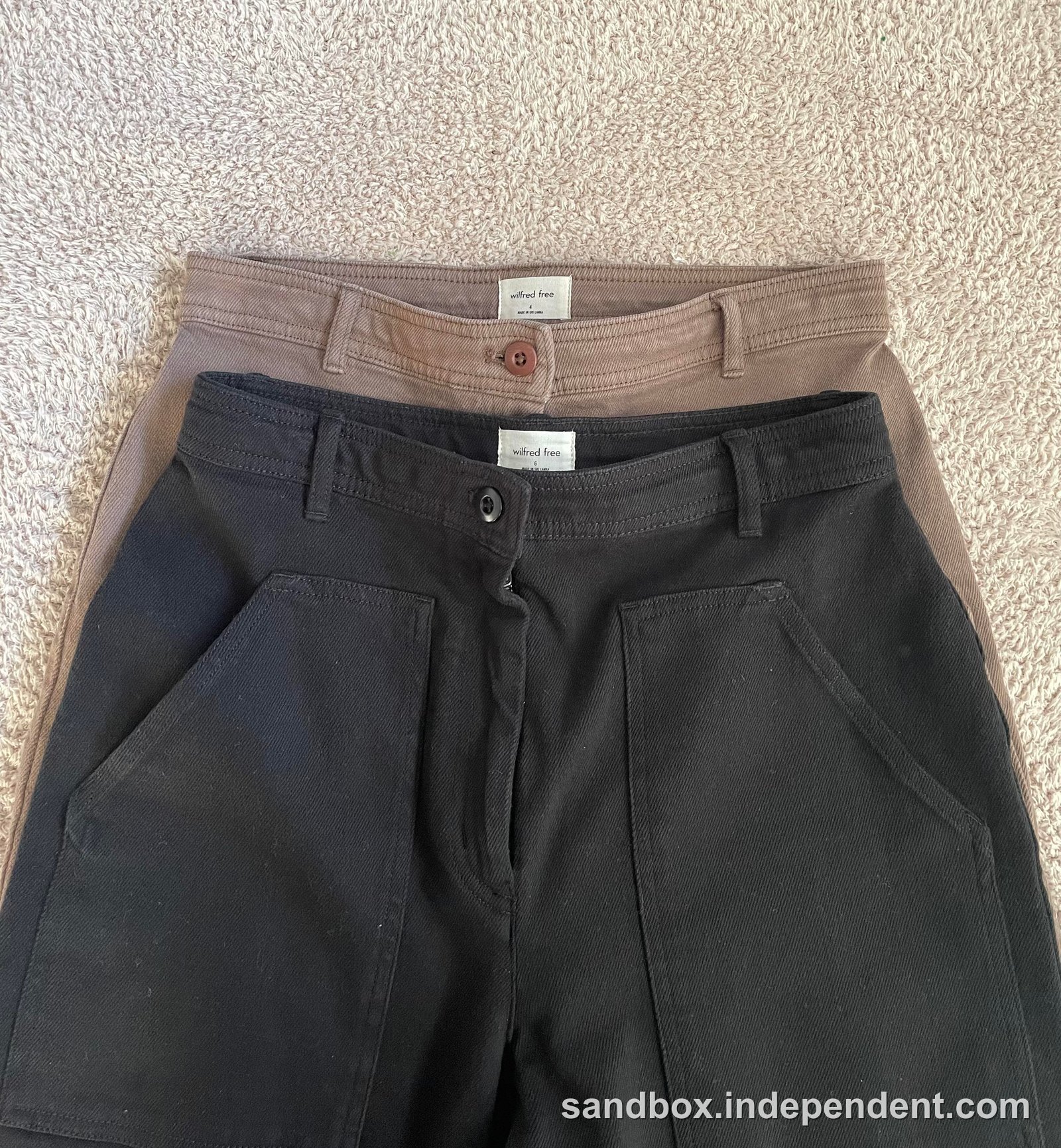
An Aritzia size chart is your go-to resource for navigating the brand's sizing with ease. This guide will show you how to use it effectively, ensuring you find the perfect fit for your favorite Aritzia pieces. From understanding the measurements to knowing the brand's unique sizing system, we'll cover it all.
Understanding the Ariztia Size Chart: Your Guide to Perfect Fit
The aritzia size chart is your go-to tool for finding the right fit in Ariztia clothing. It's a simple yet effective way to ensure you get the perfect size every time. This chart provides a clear overview of the brand's size range and helps you understand your ideal measurements.
Comparing Size Standards: US vs. International
Ariztia's size chart follows the standard US sizing system, which is commonly used in North America. However, it's important to note that clothing measurements can vary slightly between brands and regions. If you're used to international sizing, you may find a slight difference in the fit. The chart offers a size conversion guide to help you navigate these variations.
How to Use the Ariztia Size Chart: A Step-by-Step Guide
Measure yourself accurately: Take your measurements using a measuring tape. Focus on the key areas: bust, waist, and hips. These measurements are crucial for finding the right size.
Refer to the size chart: Locate your measurements on the chart. The chart provides a range of sizes, typically from XS to XXL. Find the size that aligns with your bust, waist, and hip measurements.
Consider the style: Different clothing styles may have varying fits. Some styles may run smaller or larger, so pay attention to the aritzia fit guide notes on the chart. These notes provide valuable insights into how a particular style fits and can help you make an informed choice.
Double-check the size: If you're between sizes, it's always a good idea to go up a size. Ariztia's clothing tends to fit true to size, but it's better to err on the side of comfort. Trust your measurements and the chart to guide you towards the perfect fit.
Common Misreadings and How to Avoid Them
One common pitfall is assuming that all brands follow the same sizing standards. While Ariztia's size chart is reliable, it's essential to remember that clothing measurements can vary. Always refer to the specific brand's size guide to avoid any surprises.
Additionally, pay attention to the style of the clothing. Some styles, like tailored dresses or skinny jeans, may have a different fit than you expect. The aritzia size chart provides helpful notes to guide you, but it's always a good idea to read the product description for any specific fit details.
By following these simple steps and being mindful of potential variations, you'll master the art of using the aritzia size chart to achieve a perfect fit every time you shop with Ariztia.
Well, there you have it! A handy guide to navigating the Ariztia size chart with ease. Remember, while the basics remain the same, there might be slight variations depending on the specific item and its unique fit.
Feel free to explore other guides on our site for more practical tips and tricks. We've got you covered with simple, straightforward advice to make your shopping experience a breeze!