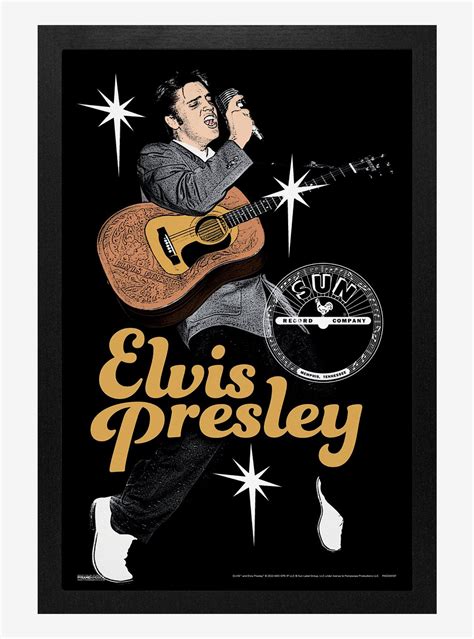
Introduction to the King’s Acoustic Side
Elvis Presley, often regarded as the “King of Rock and Roll,” was a multifaceted musician whose career spanned over two decades and numerous genres, including rock, country, blues, and gospel. While many are familiar with his electric performances and hits like “Hound Dog” and “Jailhouse Rock,” fewer delve into his acoustic work, which showcases a quieter, more introspective side of the artist. Elvis’s acoustic guitar styles,Though not as widely recognized as his electric work, are a testament to his versatility and musical depth.
Historical Context of Elvis’s Acoustic Guitar Playing
To understand Elvis’s approach to the acoustic guitar, it’s essential to consider the historical context of his early career. Emerging in the 1950s, Elvis was influenced by a variety of musical genres, including folk, country, and blues, all of which heavily feature acoustic instrumentation. His first guitar, a gift from his mother, was an acoustic model, which he taught himself to play. This early introduction to music through the acoustic guitar laid the groundwork for his later explorations in rock and roll.
The acoustic guitar played a pivotal role in Elvis’s songwriting process and personal performances. Often, Elvis would use the acoustic guitar to compose songs, with many of his hits originating from simple melodies and chords played on his acoustic. The intimacy of the acoustic guitar allowed him to explore emotional depths and vulnerabilities that might have been harder to achieve with the louder, more energetic electric guitar.
Technical Breakdown: Elvis’s Acoustic Guitar Techniques
Elvis’s acoustic guitar techniques were characterized by simplicity and heartfelt expression, rather than intricate fingerpicking patterns or complex chord progressions. He often favored basic chords like G, C, and Am (G major, C major, and A minor), which provided a straightforward yet effective harmonic foundation for his songs. His strumming patterns were generally straightforward, with an emphasis on the downbeat, giving his music a strong, steady pulse.
One of the distinctive features of Elvis’s acoustic playing was his use of rhythm. He would often emphasize certain beats within a measure, creating a sense of forward motion and energy, even in slower songs. This rhythmic sensibility was deeply rooted in his early exposure to blues and country music, where strong rhythmic patterns are fundamental.
Comparative Analysis: Influence of Other Artists on Elvis’s Acoustic Style
Elvis’s acoustic guitar style was shaped by various influences, including Hank Williams Sr., Jimmie Rodgers, and Robert Johnson, among others. Hank Williams, with his heartfelt, simple melodies, was a significant influence on Elvis’s approach to songwriting and acoustic performance. Jimmie Rodgers, known as the “Father of Country Music,” introduced Elvis to the concept of storytelling through song, which Elvis would later adapt in his own acoustic pieces.
Robert Johnson, a legendary blues musician, influenced Elvis’s understanding of the emotional power of music. Johnson’s intense, personal performances on the acoustic guitar inspired Elvis to explore deeper emotions in his own work, leading to some of his most compelling and enduring songs.
Expert Insights: The Significance of Acoustic Guitar in Elvis’s Legacy
According to music historians and critics, Elvis’s acoustic guitar work not only reflects his musical beginnings but also highlights his growth as an artist. The intimacy and vulnerability that characterize his acoustic performances offer a contrasting view to his more famous rock and roll persona, showcasing a depth and range that fans and critics alike have come to appreciate.
In an interview, a musicologist noted, “Elvis’s use of the acoustic guitar was more than just a tool for songwriting; it was an expression of his musical soul. Through the acoustic guitar, Elvis could convey emotions and tell stories in a way that was both personal and universally relatable.”
Step-by-Step Guide to Playing Like Elvis
For those interested in exploring Elvis’s acoustic guitar styles, here’s a simplified step-by-step guide:
- Choose the Right Guitar: Opt for asteel-stringed acoustic guitar, as it provides the crisp, clear sound associated with Elvis’s music.
- Learn Basic Chords: Start with simple chords like G, C, Am, and Em. Practice switching between these chords smoothly to develop your rhythm.
- Develop Your Strumming Pattern: Focus on a down-picking pattern, emphasizing the second and fourth beats in a 4⁄4 time signature to give your music a lively feel.
- Practice with Elvis’s Songs: Begin with simpler songs like “That’s All Right” or “Blue Moon of Kentucky.” As you become more comfortable, you can move on to more complex pieces.
- Listen and Adapt: Study Elvis’s acoustic performances, paying attention to his rhythm, chord choices, and overall feel. Adapt these elements into your own playing style.
Scenario-Based Example: Bringing Elvis’s Style into Modern Music
Imagine you’re a contemporary singer-songwriter looking to incorporate the essence of Elvis’s acoustic style into your music. You start by selecting a song with a strong narrative, reminiscent of Elvis’s storytelling tradition. Using a steel-stringed acoustic guitar, you focus on creating a simple yet compelling melody, accompanied by heartfelt lyrics that reflect on themes of love, loss, and perseverance.
As you begin to strum, you emphasize the downbeat, giving your song a rhythmic energy that nods to Elvis’s country and blues influences. You keep your chord progression straightforward, using chords like G and C to create a sense of familiarity and warmth. Through this approach, you not only pay homage to Elvis’s acoustic legacy but also make his style relevant and engaging to a modern audience.
Future Trends Projection: The Evolution of Acoustic Guitar in Music
The acoustic guitar, as seen through Elvis’s legacy, continues to play a vital role in music today. With the resurgence of interest in folk, Americana, and roots music, the acoustic guitar remains a central instrument for many artists. Technology has also expanded the acoustic guitar’s sonic palette, with advancements in amplification and effects allowing for a wider range of tonal possibilities.
In the future, we can expect to see the acoustic guitar continue to evolve, incorporating new materials, electronics, and playing techniques. However, the essence of Elvis’s acoustic style—its simplicity, emotional depth, and storytelling power—will endure, influencing generations of musicians to come.
Myth vs. Reality: Common Misconceptions About Elvis’s Acoustic Work
Myth: Elvis primarily used the acoustic guitar for songwriting and never performed with it live.
Reality: While it’s true that Elvis often composed songs on the acoustic guitar, he did perform with it during certain live shows, especially in the early years of his career.
Myth: Elvis’s acoustic style was overly simplistic and lacked depth.
Reality: Elvis’s use of simple chords and strumming patterns was a deliberate choice, aimed at emphasizing the emotional and narrative aspects of his songs. This simplicity was a key element of his style, making his music accessible and relatable to a wide audience.
Decision Framework: Incorporating Elvis’s Acoustic Style into Your Music
When considering how to incorporate Elvis’s acoustic style into your own music, ask yourself:
- What themes do I want to explore in my songwriting? Elvis’s acoustic work often focused on love, heartache, and everyday life. Reflecting on these universal themes can help you connect with your audience on a deeper level.
- How can I simplify my music without losing its essence? Elvis’s use of basic chords and rhythms allowed his songs to shine through their simplicity. Consider how stripping down your arrangements can actually enhance your message.
- How do I make my acoustic performances more engaging? Study Elvis’s live performances and observe how he used rhythm, charisma, and storytelling to captivate his audience. Incorporate these elements into your own stage presence.
What was Elvis's first guitar, and how did it influence his music?
+Elvis's first guitar was an acoustic model, a gift from his mother. This early introduction to music through the acoustic guitar had a profound influence on his musical development, laying the groundwork for his future explorations in rock and roll and other genres.
How did Elvis's acoustic guitar styles reflect his musical influences?
+Elvis's acoustic guitar styles were deeply influenced by genres such as country, blues, and folk. Artists like Hank Williams Sr., Jimmie Rodgers, and Robert Johnson inspired his approach to songwriting, rhythmic patterns, and emotional expression on the acoustic guitar.
What advice would you give to someone looking to incorporate Elvis's acoustic style into their music?
+To incorporate Elvis's acoustic style, focus on simplicity, both in terms of chord progressions and rhythmic patterns. Emphasize storytelling through your lyrics and use the acoustic guitar as a tool to convey emotions and connect with your audience on a deeper level.
In conclusion, Elvis’s acoustic guitar styles offer a compelling glimpse into the artistic depth and versatility of the “King of Rock and Roll.” By exploring his influences, techniques, and the historical context of his acoustic work, musicians and fans alike can gain a richer understanding of Elvis’s legacy and the enduring power of the acoustic guitar in music. As we look to the future of music, the lessons from Elvis’s acoustic style—simplicity, emotional authenticity, and the power of storytelling—will continue to inspire and influence new generations of musicians and music lovers.