



Emotion Code Chart Free Printable Overview
The Brooks size chart is a valuable tool for anyone seeking accurate sizing information, offering a simple and effective way to find the right fit. This guide will navigate you through the various charts and sizing guides Brooks provides, ensuring you understand the process and can make an informed choice. Whether you're after a precise shoe size or need to find the perfect bra fit, these charts are designed to simplify the process, and we'll explore how to utilize them effectively.
Understanding the Brooks Size Chart
The Brooks size chart is a valuable tool for anyone looking to find their perfect fit in Brooks footwear and apparel. It provides a comprehensive guide to help you determine your ideal size across various Brooks products, ensuring a comfortable and precise fit. This chart serves as a reference, offering size conversions and measurements to assist you in making informed choices.
Key Details and Categories
The Brooks size chart covers a range of sizes, typically starting from smaller sizes like 5 or 6 and extending up to larger sizes, such as 12 or 13, depending on the product category. It includes both men's and women's sizes, with separate charts for shoes and apparel. The shoe size chart provides measurements in both US and UK sizes, offering a conversion guide for international customers. For apparel, the chart typically uses standard sizing categories like small, medium, and large, with specific measurements for each category.
Step-by-Step Guide: Reading and Applying the Size Chart
To utilize the Brooks size chart, follow these steps:
- Identify the product category you are interested in, whether it's shoes or apparel.
- Locate the corresponding size chart for your gender.
- For shoes, find your US or UK size and refer to the provided measurements. Ensure you measure your foot length accurately, as this is crucial for a precise fit.
- In the case of apparel, identify your size category (e.g., small, medium) and refer to the provided measurements for chest, waist, and hip sizes.
- Compare your measurements with the size chart to determine the best fit. If your measurements fall between sizes, consider opting for the larger size for a more comfortable fit.
- Remember, the Brooks size chart serves as a guide, and individual preferences may vary. It's always a good idea to try on the product to ensure the perfect fit.
Size Variations and Differences
It's important to note that size variations can occur across different Brooks products and even within the same product line. These variations may be due to factors such as the intended use of the product, the materials used, or design differences. For instance, running shoes might have a slightly different fit compared to casual footwear. Additionally, Brooks may offer specialized fits, like wide or narrow options, to cater to individual foot shapes. Always refer to the specific size chart for the product you are interested in to ensure accuracy.
Common Mistakes and How to Avoid Them
When using the Brooks size chart, avoid these common mistakes:
- Relying solely on your usual shoe size without considering the specific fit of Brooks shoes.
- Neglecting to measure your feet accurately, especially if you're between sizes.
- Assuming that all Brooks apparel will fit the same; always refer to the size chart for each product.
- Failing to account for personal preferences; some may prefer a tighter or looser fit, so consider your comfort level.
- Not checking the size chart for any specific fit options, like wide or narrow, that may be available. By being mindful of these potential pitfalls, you can ensure a more accurate and satisfying shopping experience with the Brooks size chart.
Well, there you have it! A simple yet effective guide to understanding Brooks' size chart. Remember, these charts are a great tool, but it's always wise to confirm the specific details for your unique needs.
Don't forget to keep this page handy for future reference. It's a quick and easy way to ensure you're on the right track when it comes to sizing, and it might just save you some time and hassle down the line. Consider it your go-to resource for a smooth and stress-free sizing experience.
Related: Jacket Size Chart: A Simple Guide to Perfect Fit
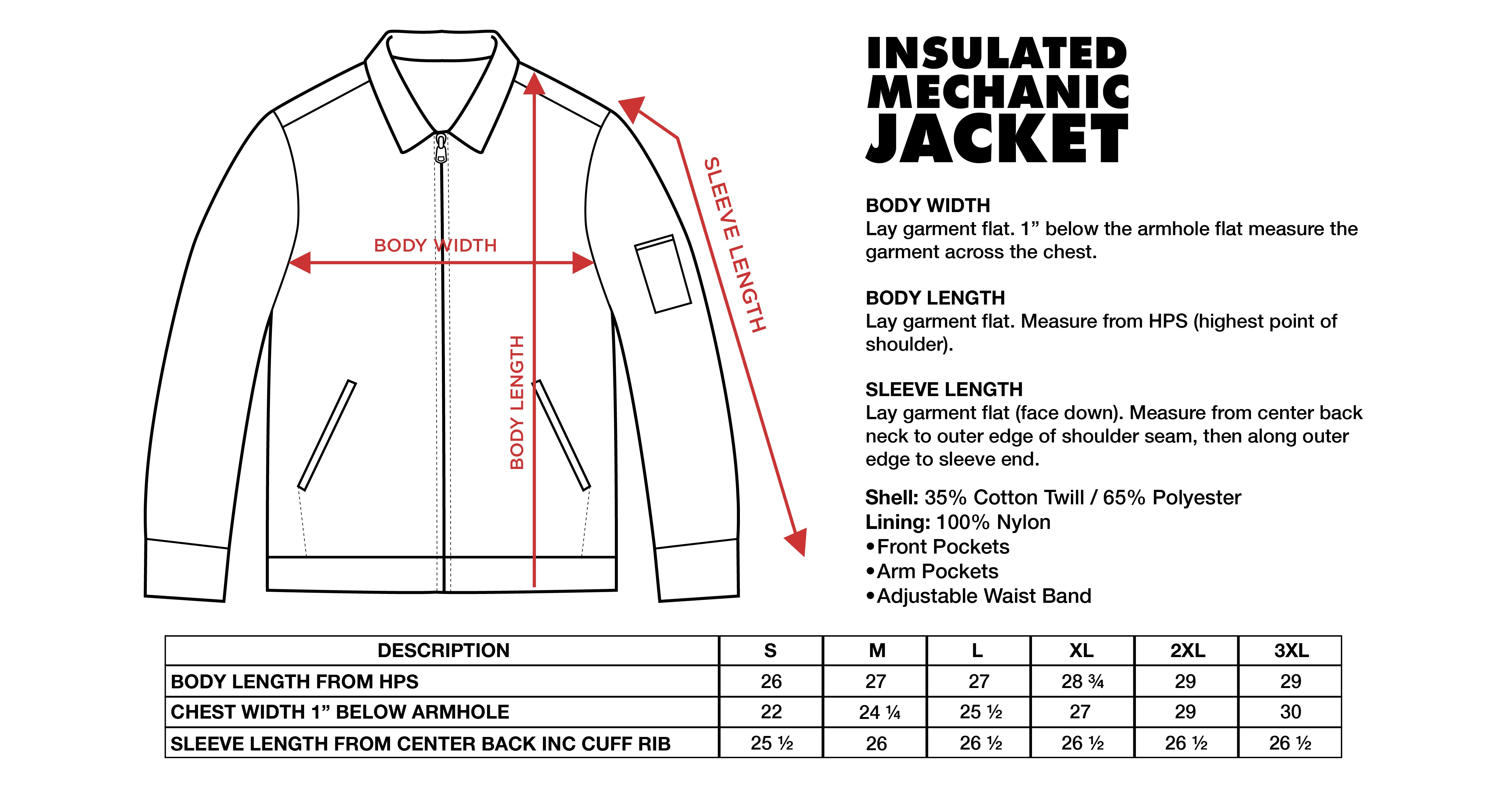
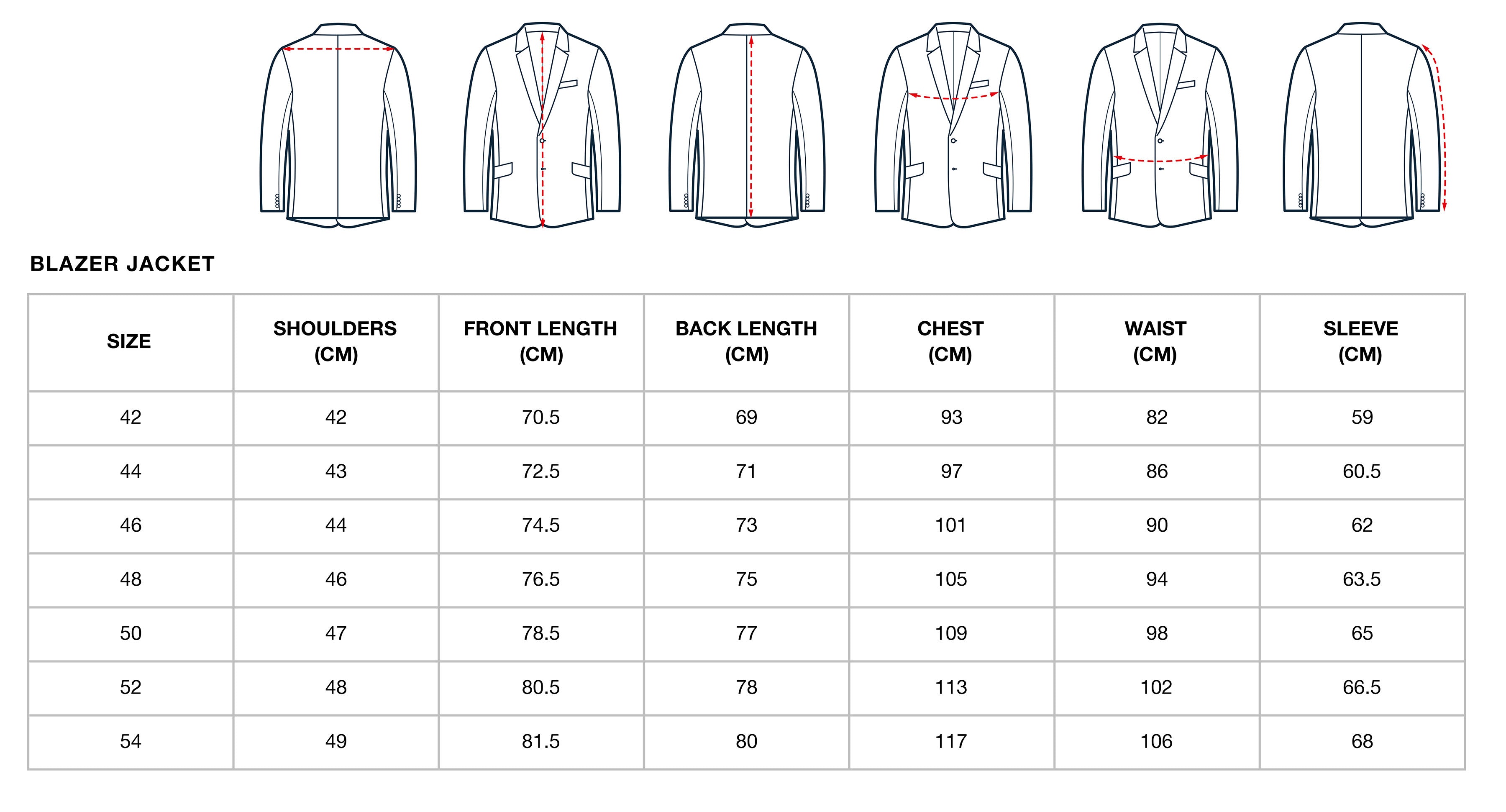
A jacket size chart is a handy tool to ensure you get the perfect fit when shopping for outerwear. This guide will navigate you through the process of understanding and utilizing these charts effectively. Whether you're seeking a coat size chart or a jacket sizing guide, this reference covers the basics to help you find your ideal size. While values may vary across different brands and standards, a clear jacket size chart can provide a reliable starting point for your measurements.
Understanding Jacket Size Charts
A jacket size chart is a valuable tool for anyone looking to purchase a jacket that fits perfectly. It provides a standardized guide to help you determine your ideal size based on various measurements. This chart is an essential reference, ensuring you make an informed choice and avoid common sizing pitfalls.
Key Details and Categories
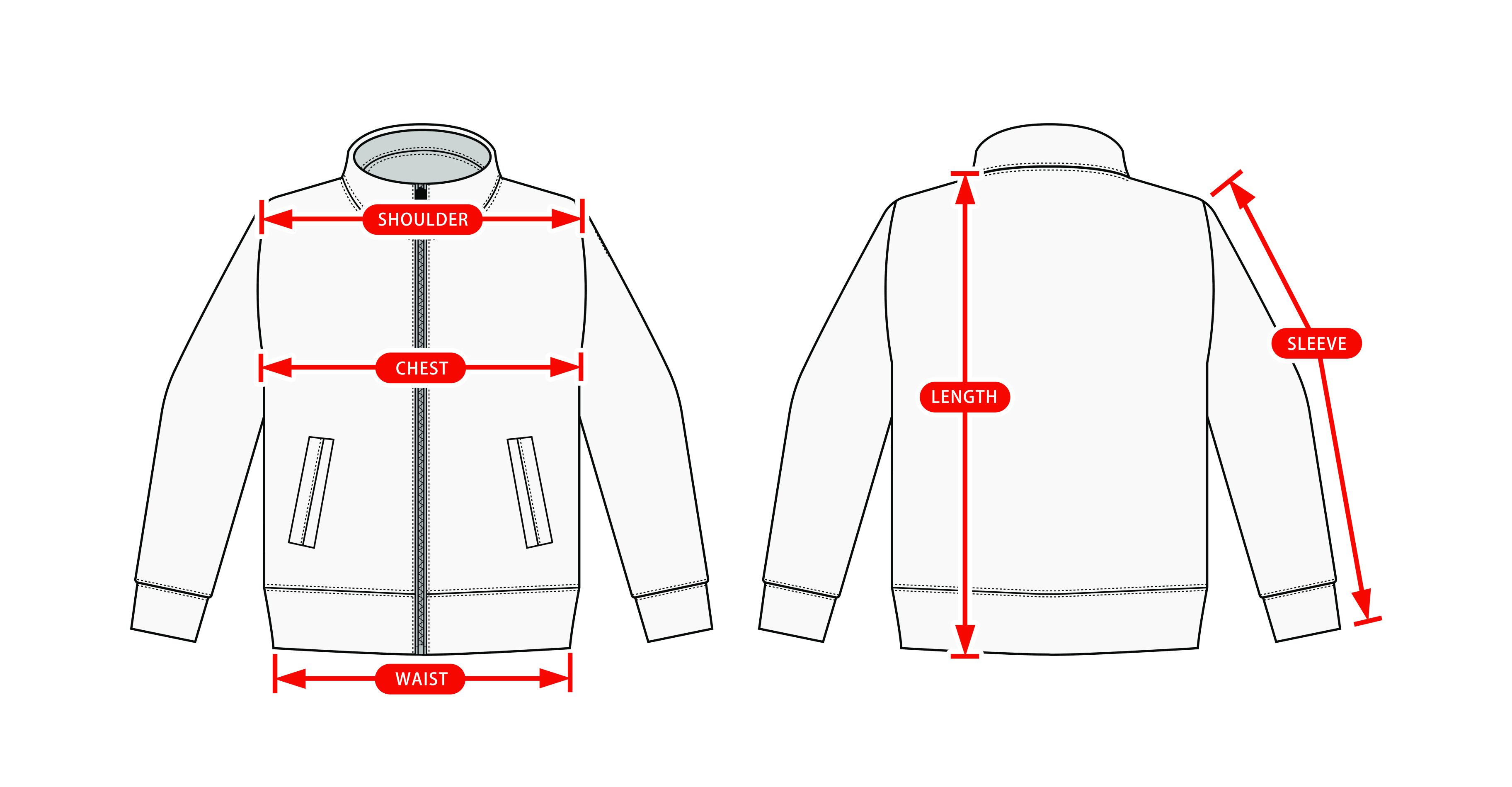
The jacket size chart typically includes measurements such as chest circumference, sleeve length, and sometimes waist or hip measurements, depending on the style of the jacket. These measurements are presented in a clear, tabular format, often with columns indicating different sizes and rows for each measurement type. The chart may also provide guidance on how to measure these body parts accurately. It's important to note that the units of measurement can vary; some charts use inches, while others use centimeters. Always check the units before taking measurements.
Step-by-Step Guide: Reading and Applying the Chart
To use a jacket size chart effectively, follow these steps:
- Gather the necessary measuring tools, such as a flexible tape measure. Ensure it's suitable for measuring both your body and the jacket.
- Take accurate measurements of your body. Measure your chest circumference at the fullest part of your chest, ensuring the tape is not too tight or too loose. For sleeve length, measure from the center of the back of your neck to the desired sleeve length.
- Refer to the jacket size chart and locate the size that best matches your measurements. Look for the size where your chest circumference and sleeve length (or other relevant measurements) fall within the specified range.
- If your measurements fall between two sizes, consider the fit you prefer. If you want a looser fit, choose the larger size; for a more tailored look, opt for the smaller size.
- Check the jacket's specific sizing guidelines, if available. Some brands or styles may have unique sizing recommendations or variations.
Variations and Differences Across Standards
Jacket size charts can vary depending on several factors. One significant factor is the region or country of origin. International size standards can differ, with variations between the US, Europe, and other regions. For instance, a size 'M' in the US may not correspond to the same size in Europe. Additionally, different manufacturers may have their own sizing systems, which can lead to slight variations even within the same region. It's crucial to be aware of these differences and refer to the specific jacket size chart provided by the brand or retailer.
Common Mistakes and How to Avoid Them
One common mistake is assuming that all jacket size charts are universal. Always check the specific chart for the brand or style you're interested in. Another pitfall is measuring yourself incorrectly. Ensure you follow the guidelines provided on the chart for accurate measurements. Avoid estimating or guessing your size, as this can lead to an ill-fitting jacket. Lastly, be mindful of the style and cut of the jacket. Some jackets, like tailored blazers, may require more precise measurements compared to casual, loose-fitting styles.
Practical Tips for Accurate Results
To ensure an accurate fit, consider the following tips:
- Measure yourself regularly, as your body shape can change over time.
- Take measurements at the same time of day, as body shape can vary slightly throughout the day.
- If you're between sizes, consider the fabric and stretchiness of the jacket material. A more flexible fabric may allow for a slightly looser fit.
- Don't be afraid to try on multiple sizes, especially if you're shopping online. Many retailers offer easy return policies.
- Pay attention to the jacket's intended fit. Some jackets are designed to be oversized or fitted, and this can impact your sizing choice.
Double-Check and Handle Exceptions
While jacket size charts provide a great starting point, there are some exceptions to consider:
- If you have a unique body shape or specific fit preferences, you may need to adjust the standard measurements. For example, if you have a broad chest and narrow shoulders, you might need to choose a size based on your chest measurement, even if it means the sleeve length is slightly longer.
- Certain jacket styles, like puffer jackets or down-filled coats, may have different sizing considerations due to the bulkiness of the insulation. In such cases, it's essential to check the brand's specific sizing guidelines.
- Always refer to the product description and reviews for additional sizing insights. Sometimes, customers provide valuable feedback on the fit and sizing of a particular jacket.
Remember, while this chart provides a comprehensive guide, it's always wise to confirm the specific requirements for your intended use. Exact values can vary, so double-check the standards or guidelines relevant to your context.
Consider bookmarking this page for future reference; it's a handy tool to have at your fingertips when you need a quick reminder on jacket sizing. Stay organized, and happy measuring!
Related: Understanding Auburn's Depth Chart
If you're here, you're likely seeking a quick reference or a straightforward guide to understanding the depth chart Auburn. This practical tool, often used in sports, provides a visual representation of a team's roster, offering a clear view of player positions and roles. "Depth chart Auburn" can vary in format and detail, but its core purpose remains the same: to provide an at-a-glance overview of the Auburn Tigers roster and starting lineup.
What is a Depth Chart?
A depth chart is a valuable tool used in sports, particularly in American football, to visually represent a team's roster and the hierarchy of players at each position. For Auburn University's football team, the depth chart is an essential reference for coaches, players, and fans alike, offering a clear snapshot of the team's current lineup and player rankings.
Key Details and Categories
The depth chart auburn typically features two main columns: player positions and player names. Positions are organized by offensive and defensive roles, with special teams roles sometimes included. Each position is further divided into tiers, indicating the player's status within that position group. Common tiers include starters, backups, and reserves, with some charts also featuring developmental players or walk-ons.
Reading and Applying the Depth Chart
To read and understand the depth chart auburn, follow these steps:
Start by identifying the position groups. These are typically organized by offense (e.g., quarterback, running back, wide receiver) and defense (e.g., defensive line, linebackers, defensive backs).
Within each position group, look for the players listed under the "Starters" tier. These are the players who are currently expected to start the game.
Below the starters, you'll find the backups and reserves. Backups are often the next in line to replace a starter if needed, while reserves are typically further down the depth chart but still part of the team's roster.
Pay attention to any notes or additional information provided alongside the player names. These notes might indicate injuries, eligibility issues, or other factors that could impact a player's status.
Use the depth chart as a reference when discussing the team's strategy, analyzing player performance, or predicting game outcomes. It provides a snapshot of the team's current strengths and weaknesses at each position.
Variations and Differences
While the basic structure of a depth chart remains consistent, variations can occur across different teams and leagues. For instance, some depth charts may include more detailed information, such as player heights, weights, and jersey numbers. Additionally, the specific position groups and their organization can vary depending on the team's offensive or defensive schemes. It's important to note that depth charts are dynamic and can change frequently due to injuries, player performance, or coaching decisions.
Common Mistakes and How to Avoid Them
One common mistake is assuming that the depth chart is set in stone. It's essential to remember that depth charts are subject to change, especially in the fast-paced world of college football. Coaches may make last-minute adjustments based on game plans or player availability. Therefore, it's crucial to regularly update your knowledge of the depth chart and stay informed about any recent changes.
Practical Tips for Accurate Results
To ensure you're using the depth chart auburn accurately, consider these tips:
Familiarize yourself with the team's roster and player positions. Understanding the basic roles and responsibilities of each position will enhance your ability to interpret the depth chart effectively.
Keep track of any notable injuries or player absences. These factors can significantly impact the depth chart and the team's overall performance.
Stay connected with reliable sources of information, such as official team websites or reputable sports media outlets. These sources often provide the most up-to-date depth charts and player news.
Double-Checking and Handling Exceptions
While the depth chart auburn is a valuable tool, it's important to remember that it represents a snapshot of the team's current lineup. To ensure accuracy, consider the following:
Cross-reference the depth chart with recent game statistics and player performance. This can help you identify any discrepancies or unexpected changes in the lineup.
Be aware of positional flexibility. Some players may be listed at multiple positions on the depth chart, indicating their ability to play different roles. Understanding these flexibilities can provide insights into the team's strategic options.
Stay vigilant for any last-minute changes or surprises. College football games often bring unexpected twists, so it's essential to remain adaptable and informed.
It's always a good idea to familiarize yourself with the depth chart, ensuring you have a solid understanding of the team's structure and dynamics. Remember, while this guide provides a comprehensive overview, every team and context is unique, so be sure to double-check the specifics for your situation.
Consider bookmarking this page for future reference; it's a handy resource to have at your fingertips when you need a quick reminder or a deeper dive into the Auburn depth chart. Happy exploring!