





End Behavior Chart Letter Size Overview
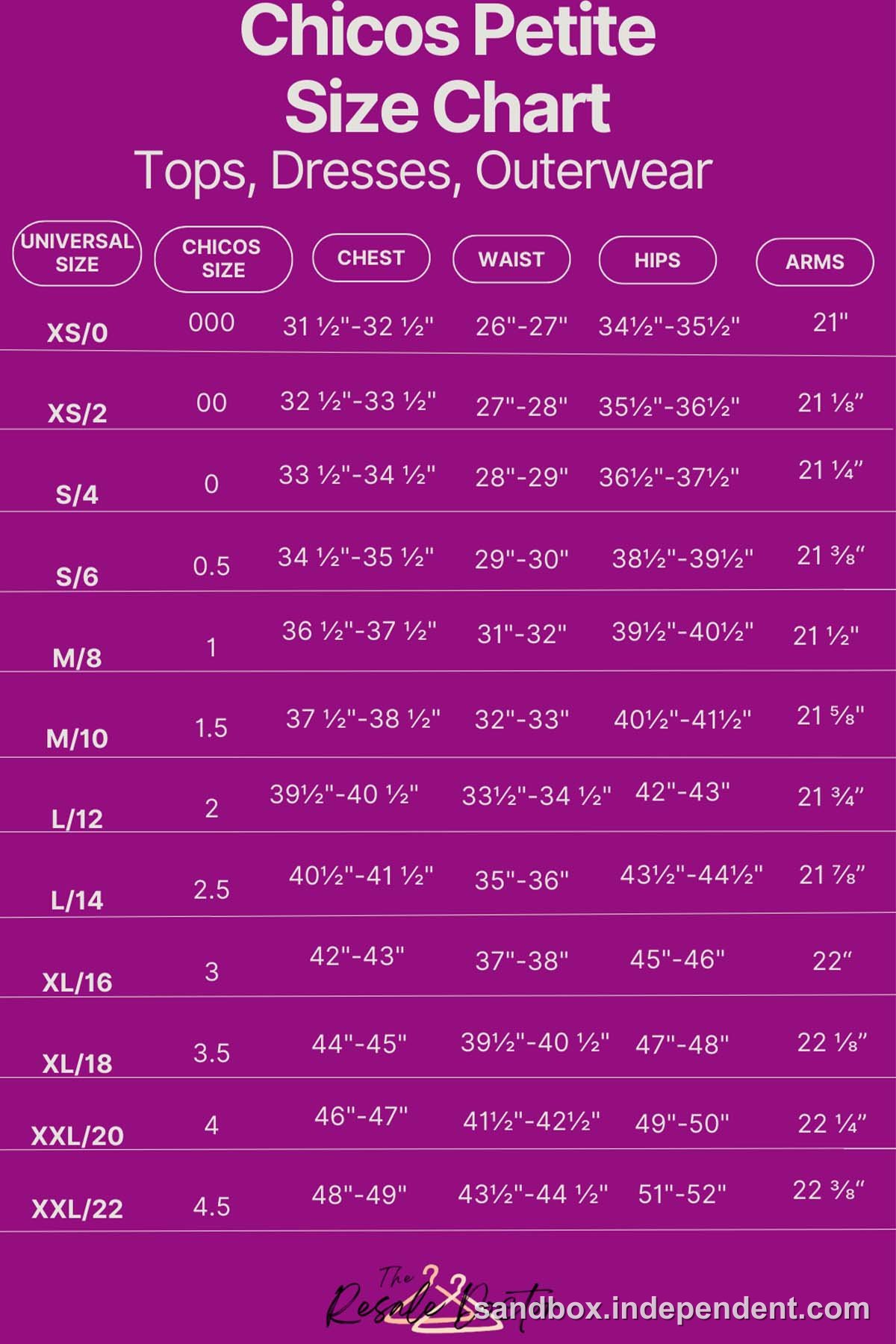
Many folks assume that chicos size charts are a one-size-fits-all deal, but that's a common misconception. These charts are actually tailored to the brand's unique sizing system, which can vary from other standard measurements.
So, while it's a simple reference tool, understanding how to read and interpret chicos size charts accurately is key to getting the perfect fit. It's all about knowing your measurements and finding the right correlation on the chart.
Understanding the Chicos Size Chart
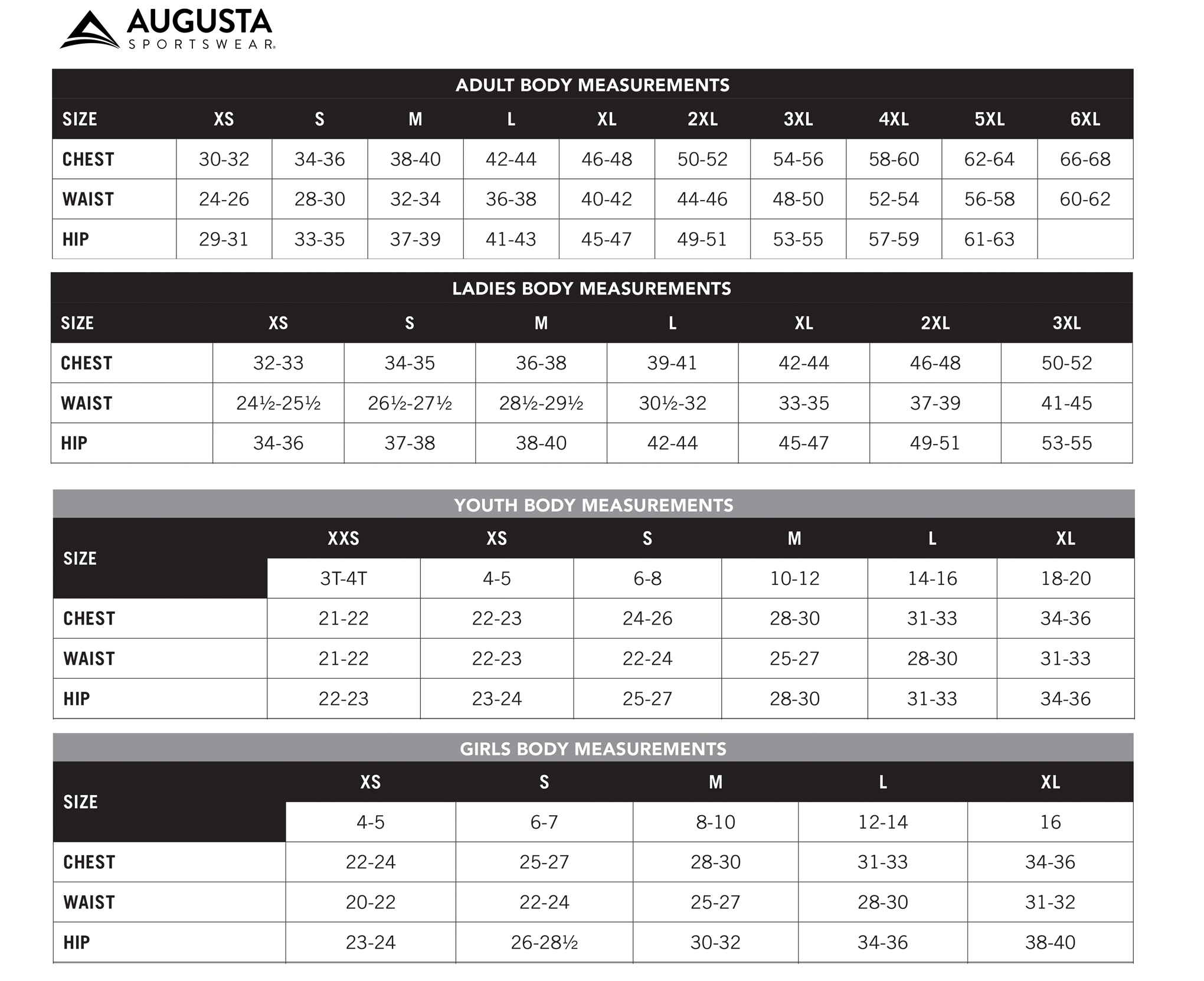
The chicos size chart is a handy tool to help you find your perfect fit when shopping for clothing. It provides a clear guide to the standard measurements used by Chicos, ensuring you can easily navigate their sizing system. This chart is a great reference, especially when shopping online, as it gives you an accurate idea of the sizes available and how they correspond to your own measurements.
Comparing Size Chart Standards
Chicos' size chart follows a standard format, typically based on US sizing, which is widely used in North America. This chart provides measurements for various body parts, including bust, waist, hips, and inseam, to ensure a precise fit. It's important to note that while US sizing is common, other regions may use different standards, such as metric or European sizing. So, if you're used to a different system, it's a good idea to double-check the specific measurements and conversions.
Measuring Yourself for Accurate Sizing
To use the chicos size chart effectively, you'll need to take some key measurements. Here's a step-by-step guide:
- Bust: Measure around the fullest part of your bust, keeping the tape measure parallel to the floor.
- Waist: Measure your natural waistline, usually just above the belly button.
- Hips: Find the widest part of your hips and measure around, ensuring the tape is level with the floor.
- Inseam: For pants and jeans, measure from your crotch to the desired pant length.
Once you have these measurements, you can refer to the size chart and find the closest match. The chart will provide a range of measurements for each size, so you can choose the one that best fits your body.
Common Misreadings and How to Avoid Them
One common mistake is assuming that all clothing brands use the same size standards. While Chicos' size chart is a great guide, it's always a good idea to check the specific brand's size guide, especially if you're a regular customer. Another pitfall is measuring yourself incorrectly. Ensure you're measuring the right body parts and following the guidelines accurately. Finally, don't forget that sizing can vary slightly between different styles and fabrics, so always check the product details for any specific size notes.
Hey there, we hope you found this guide helpful and that it's now easier to navigate the world of Chicos size charts. Remember, while we've covered the basics, exact details might differ slightly, so always double-check with the brand's guidelines or consult our other guides for more specific info.
Consider bookmarking this page for future reference; it's a handy tool to have at your fingertips when you need to quickly look up those size charts!
Related: Read and Understand the Round Lake Charter
You're probably here because you need a quick guide to understanding Round Lake Charter and its key elements. It's a handy tool for anyone navigating the waters, offering a snapshot of essential information. This simple reference, often a diagram or table, provides insights into lake depths, navigation aids, and more, all in one place.
What is the Round Lake Charter?
The Round Lake Charter is a detailed guide and diagram that provides essential information for navigating and understanding the unique features of Round Lake. It offers a comprehensive overview, helping boaters and outdoor enthusiasts explore the lake safely and efficiently.
Key Details and Categories
This charter includes a variety of critical data, presented in a clear and standardized format. It displays depth contours, which are lines connecting points of equal depth, helping users visualize the lake's bottom topography. Other crucial elements include navigation aids, such as buoys and markers, and important landmarks. The chart also features a legend, explaining the various symbols and abbreviations used.
Reading and Applying the Round Lake Charter
To read and interpret the Round Lake Charter, follow these steps:
- Begin by familiarizing yourself with the legend. Understand the symbols and their meanings, as they provide vital information about hazards, restrictions, and facilities.
- Observe the depth contours. These lines indicate different depth zones, helping you identify shallow areas and potential hazards.
- Note the scale of the chart. This will help you estimate distances and plan your route effectively.
- Pay attention to navigation aids and markers. They guide you and warn of potential dangers, such as restricted areas or obstacles.
- Identify landmarks and notable features. These can assist in orientation and provide reference points for your journey.
Variations and Differences
It's important to note that Round Lake Charter may vary depending on the standard or region. Depth contours, for instance, can be presented differently, with varying intervals and color codes. Additionally, symbols and abbreviations might differ slightly between charts, so it's crucial to refer to the specific legend provided.
Common Mistakes and How to Avoid Them
One common mistake is assuming that all charts follow the same conventions. Always refer to the legend and understand the unique features of each Round Lake Charter. Another pitfall is ignoring depth contours, which can lead to potential hazards. Always pay attention to these lines and plan your route accordingly. Lastly, failing to account for scale can result in inaccurate distance estimations, so always consider this factor when navigating.
Practical Tips for Accurate Results
To ensure accurate navigation, always double-check the specific details and tolerances of your Round Lake Charter. Keep in mind that charts may have limitations and exceptions, especially in dynamic environments like lakes. Regularly update your charts to access the most current information, and consider using additional resources, such as GPS or local knowledge, to complement your navigation.
Hey there! I hope this guide has given you a clear understanding of the Round Lake Charter. Remember, while the basics remain the same, the exact details can slightly differ depending on your specific context or the standard you're working with.
Feel free to explore our other guides for more practical insights and tips. And don't forget to bookmark this page for a quick refresher when you need it. Happy navigating!
Related: Understanding My OSF Chart: A Simple Guide
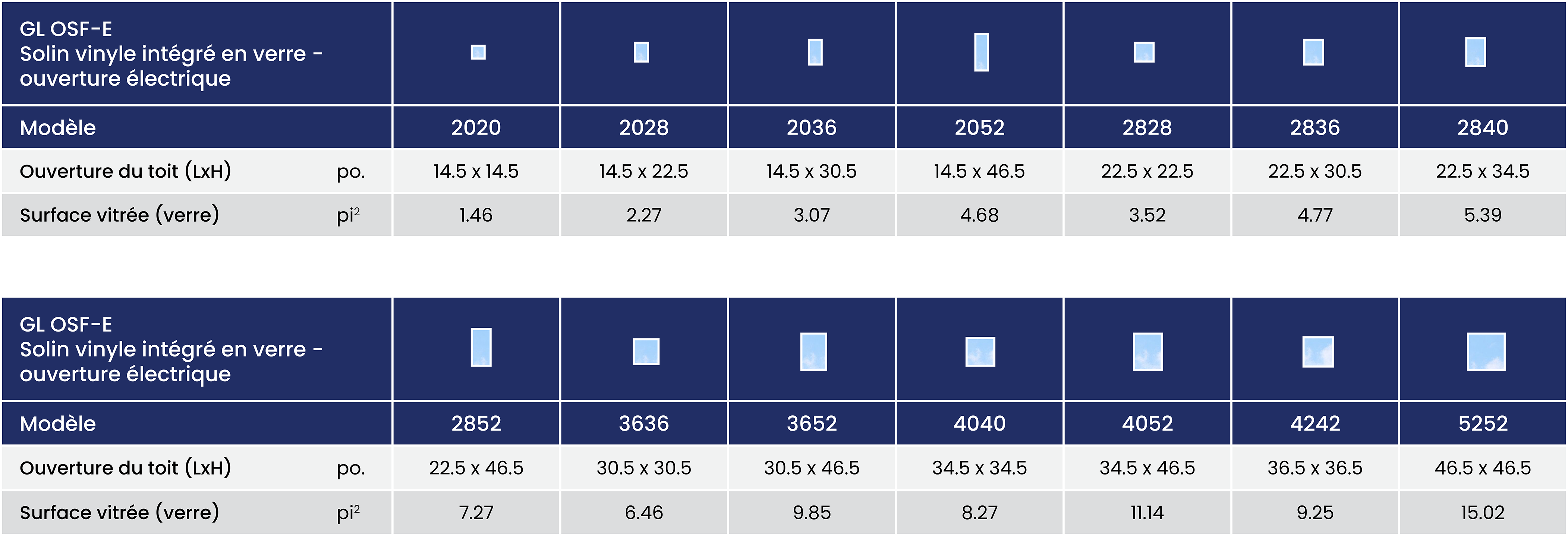
You're probably here because you need a quick answer, a reliable reference, or a simple guide to my OSF chart. It's a handy tool, a chart or scale, that offers a visual way to understand and work with OSF dimensions and conversions. This chart is a go-to for many, providing an easy-to-read reference, especially when you need accurate measurements.
Understanding the OSF Chart
The OSF (Overall Service Factor) chart is a valuable tool for understanding and applying a standardized measurement system. It provides a clear reference for various dimensions and factors, making it an essential guide for many industries and applications.
Key Details and Prerequisites
Before diving into the chart, it's important to know that the OSF scale is typically used for measuring and converting dimensions, especially when dealing with mechanical parts and equipment. The chart provides a simple way to convert between OSF values and standard measurements like inches or millimeters.
Step-by-Step Method for Using the OSF Chart
- Identify the OSF value you need to convert or work with. This value represents a specific dimension or factor related to the item you're dealing with.
- Locate the corresponding OSF value on the chart. The chart will usually have a clear legend or key to help you identify the correct value.
- Use the chart to find the equivalent measurement in inches or millimeters. The chart will provide a direct conversion, making it easy to understand the physical dimensions represented by the OSF value.
- Apply this measurement to your calculations or specifications. Whether you're designing a part, ordering equipment, or troubleshooting an issue, the OSF chart ensures you're working with accurate dimensions.
Variations and Potential Issues
While the OSF chart is a standardized tool, variations can occur due to different regional standards or specific industry requirements. For example, some regions may use the metric system, while others prefer imperial units. Additionally, certain industries might have unique tolerances or specifications that deviate from the standard OSF chart. It's crucial to double-check the exact standards and tolerances for your specific application to avoid any potential issues.
Practical Tips and Best Practices
To ensure accurate use of the OSF chart, always refer to the latest version provided by a reputable source. Outdated charts may not reflect the most recent industry standards. Additionally, be mindful of the units you're working with and ensure they align with the chart's measurements. If you're unsure, convert your measurements to the appropriate units before referencing the chart. Finally, when in doubt, consult with experts or refer to industry-specific guidelines to ensure you're applying the OSF chart correctly for your unique application.
Well, there you have it! A handy guide to your OSF chart, a simple yet powerful tool. Remember, while the basics remain the same, the exact details might shift a bit based on your specific needs and context.
Feel free to explore our other guides for more practical tips and tricks. And when you need a quick refresh, just bookmark this page for easy access!