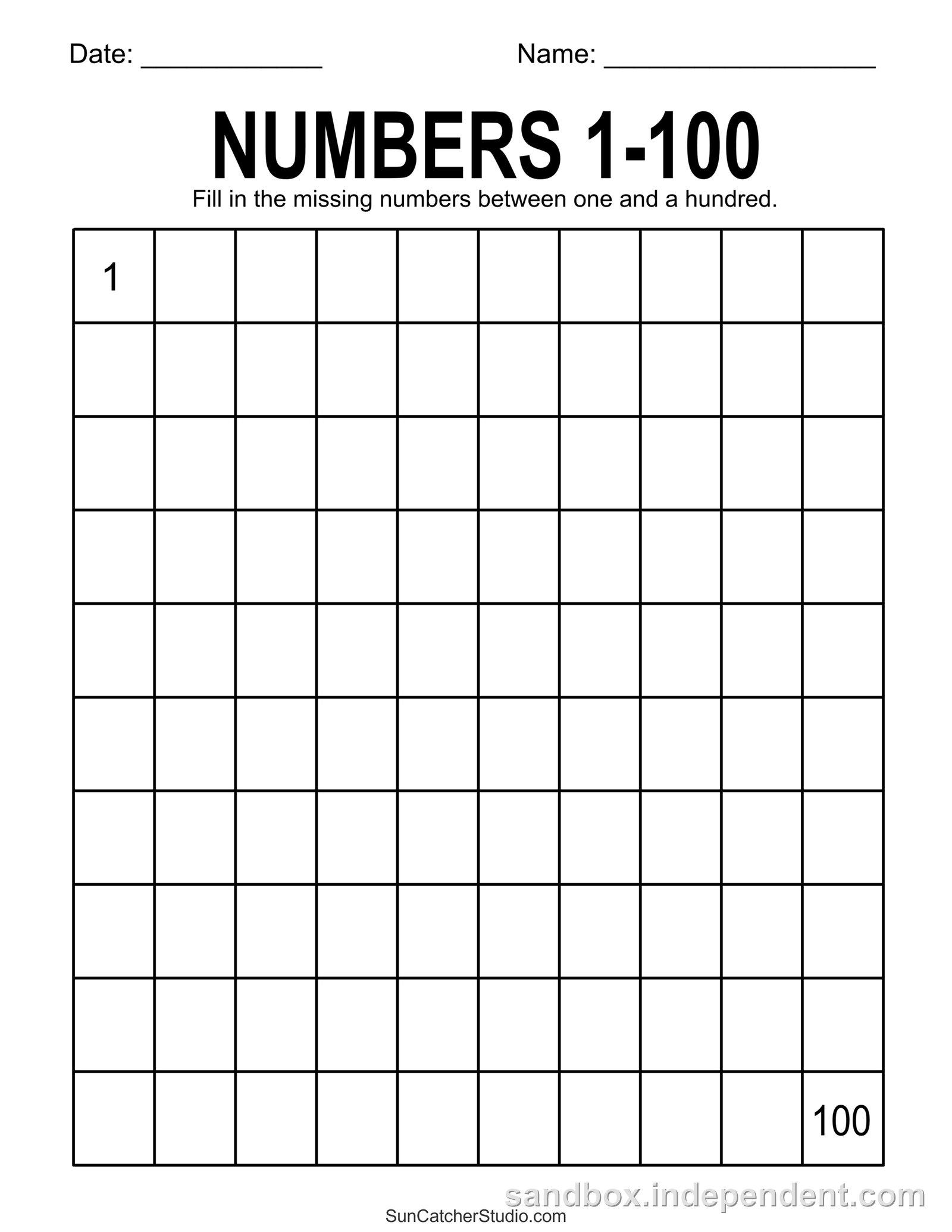


Esl Kindergarten Worksheets Free Overview
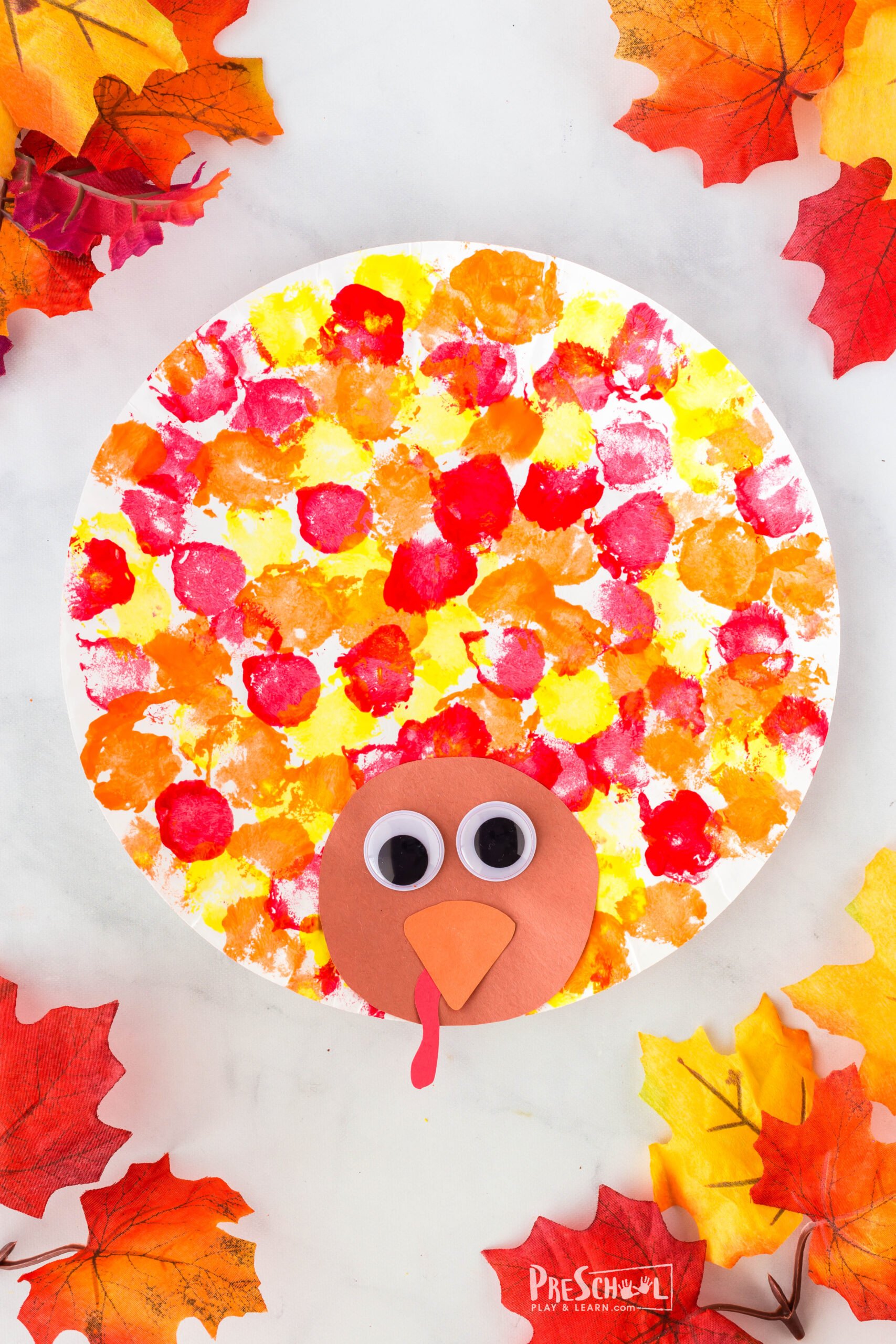
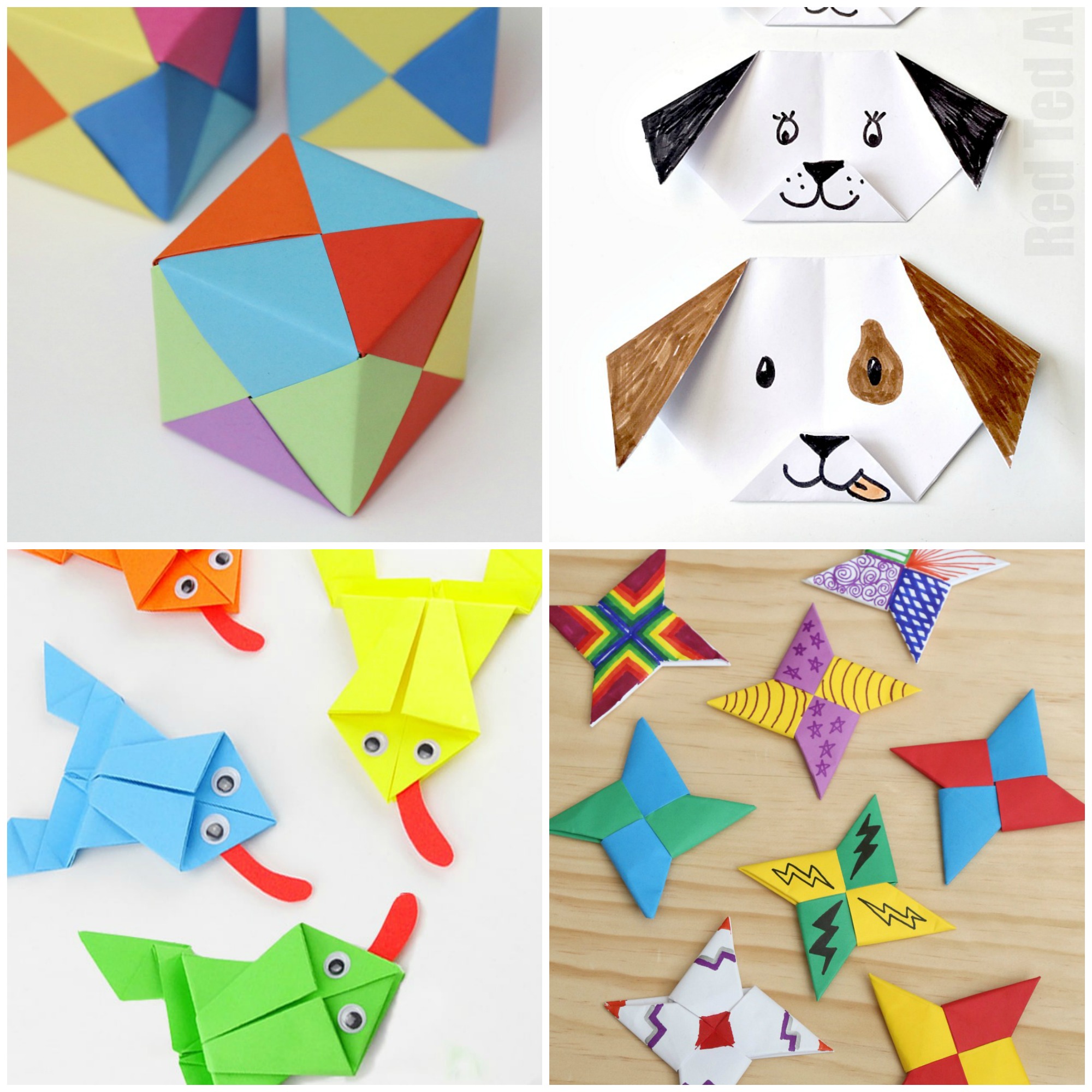
Easy paper craft for kindergarten is a fun and simple way to get creative with your little ones, and it's something I've really enjoyed doing with my kids. It's a great activity to keep them entertained and engaged, and it's so satisfying to see their little faces light up with pride when they've made something cool.
So, what is this all about? Well, it's basically a collection of craft ideas that use paper as the main material. These crafts are designed to be accessible and fun for kids, with simple steps and minimal supervision needed. It's a brilliant way to encourage their creativity and fine motor skills, and it's an affordable activity too!
You can find a whole range of ideas online, from the classic paper chain to more intricate pop-up cards. Some ideas are seasonal, like making paper snowflakes for Christmas, while others are more general and can be done anytime. The best part is that these crafts often require very few materials - paper, scissors, glue, and maybe some crayons or markers.
Getting Started
If you're new to this, I'd recommend starting with some basic folding and cutting activities. You can teach them how to make simple shapes like squares and triangles, and then use those to create fun designs. For example, folding a piece of paper into a fan shape is a great way to introduce the concept of symmetry and pattern-making.
Step It Up
Once they've got the hang of the basics, you can introduce more complex crafts. One of my favorites is making paper boats. It's a classic for a reason - it's easy, and kids love seeing their creations float in water! You can also try making paper hats, which is a fun way to encourage imagination and role-play.
The beauty of easy paper craft for kindergarten is that it's so adaptable. You can tailor the difficulty level to your child's age and abilities, and you can often use these crafts as a springboard for other activities. For instance, making a paper doll might lead to a fun dress-up game, or creating a paper city could inspire some imaginative play.
So, why not give it a go? It's a brilliant way to spend some quality time with your kids, and you might just discover a new hobby together!
Related: Unraveling the RI Tide Chart Mystery
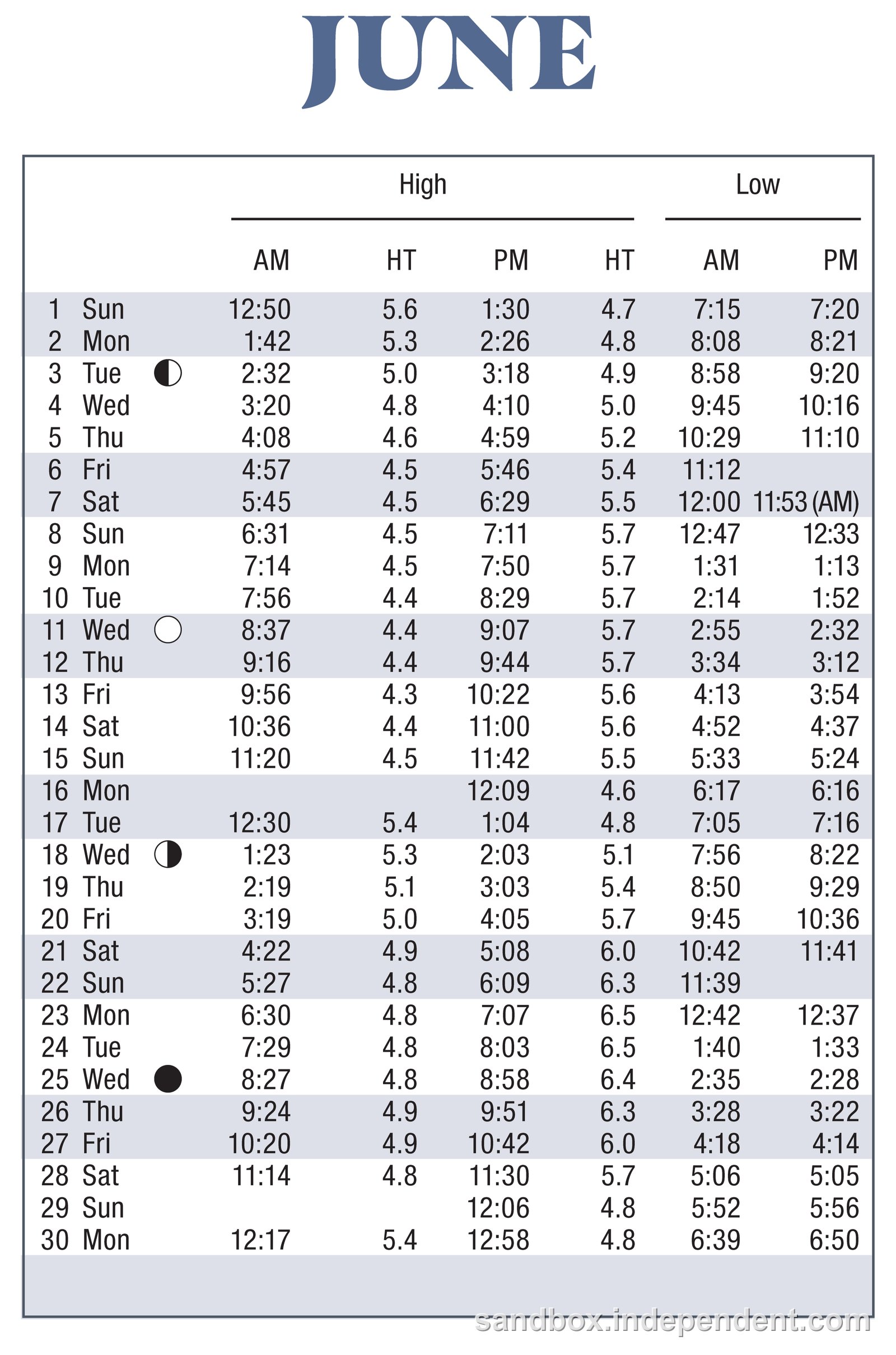
You're probably here because you need a reliable reference for your coastal adventures, and the RI tide chart is an essential tool for that. It's a simple yet powerful resource, providing a quick glimpse into the rhythm of the ocean's tides and currents. Whether you're a surfer, a fisherman, or just enjoy a walk by the shore, understanding the RI tide chart is key to making the most of your time on the water.
Understanding the RI Tide Chart: A Quick Overview
The RI tide chart is a handy tool for anyone living near or enjoying the waters of Rhode Island. It provides essential information about the water levels and current flow rates, helping you plan your activities, from boating to fishing, with ease. This chart is a visual representation of the tidal patterns, offering a simple yet effective way to understand the ocean's movement.
Comparing Tide Chart Formats: Standard vs. Metric
When it comes to tide charts, there are two main formats: the standard US system and the international metric system. The RI tide chart typically follows the US standard, which uses feet as the unit of measurement. However, it's essential to note that some charts may offer both systems, providing a conversion for easy reference. Understanding the format is key to accurate readings.
Reading the RI Tide Chart: A Step-by-Step Guide
- Locate the specific area or region you're interested in on the chart. Each area will have its own unique tidal pattern.
- Identify the time of day you plan to be on the water. The chart will show the predicted water level and current flow for that time.
- Read the values: the height of the tide is indicated in feet, and the current flow is often represented by arrows or a scale.
- Plan your activities accordingly. For instance, a higher tide might be ideal for certain water sports, while a specific current flow can impact your boating or fishing experience.
Common Misreadings and How to Avoid Them
One common mistake is assuming that the RI tide chart covers all exceptional tidal events, like storms or extreme weather. It's crucial to double-check for any special announcements or alerts, especially during unusual weather conditions. Additionally, remember that the chart provides predictions, and actual conditions may vary slightly. Always keep an eye on the water and be prepared for any unexpected changes. Lastly, ensure you're using the correct chart for your specific region, as tidal patterns can differ even within Rhode Island.
So, there you have it! A handy guide to navigating the RI tide chart, covering all the bases you need to know. We've looked at the different formats, a step-by-step process, and some common mistakes to avoid.
Remember, while this guide provides a solid foundation, your specific context matters. Double-check the details for your area and ensure you're using the right chart for your needs. It's a simple step that can make a big difference! Feel free to bookmark this page for future reference; it might come in handy when you least expect it. Happy charting!
Related: How to Read the Duxbury Tide Chart?
You're here, searching for that Duxbury tide chart, probably to plan your day by the coast. It's a handy tool, a simple chart that can make a big difference. Whether you're a fisherman, a beachgoer, or just someone who wants to explore the Duxbury coast, understanding the tide is key.
The chart gives you a quick glimpse of the tide times and heights, and with a little practice, it becomes an easy-to-read guide. You'll soon be able to spot those neap and spring tides, and the tidal range will no longer be a mystery.
Understanding Tidal Patterns in Duxbury
The Duxbury tide chart is a handy tool for anyone planning activities along the Duxbury coastline. It provides a visual representation of the tides, helping you predict when the water will be high or low. This chart is a valuable resource for understanding the rhythm of the ocean and making informed decisions about your coastal adventures.
Comparing Tide Chart Formats
Tide charts come in various formats, but the Duxbury tide chart typically follows a standard layout. You'll find a table or graph displaying the tide levels throughout the day, often with a 24-hour timeframe. The chart may use different colors or shading to indicate high and low tides, making it easy to distinguish between them. Some charts also include additional information like the tide's height in feet or meters, which can be useful for more precise planning.
Step-by-Step Guide to Reading the Chart
Here's a simple guide to help you interpret the Duxbury tide chart:
- Locate the time of day along the horizontal axis. This is usually shown in 24-hour format, with each hour marked.
- Identify the corresponding tide level for that time. The chart will indicate whether it's a high or low tide, and some charts will also provide the exact height.
- Plan your activities accordingly. For example, if you're kayaking, you might want to plan your trip during a high tide to ensure enough water depth.
- Remember to consider the tidal range - the difference between high and low tides. This can vary, so it's essential to check the chart for the specific day you're interested in.
Avoiding Common Misreadings
It's easy to misinterpret the information on a tide chart, especially if you're new to reading them. Here are some common mistakes to avoid:
- Don't assume that high tide always means the water will be at its maximum depth. The tidal range can vary, so always check the specific height indicated on the chart.
- Be cautious of assuming that low tide means the water will completely recede. In some cases, there may still be a significant depth, especially in areas with a smaller tidal range.
- Always double-check the time format. Some charts may use a 12-hour format, so be sure to distinguish between AM and PM.
Factors Affecting Tide Accuracy
The accuracy of the Duxbury tide chart depends on several factors. Firstly, the chart is based on predictions and historical data, so it's essential to understand that it's an estimate. Weather conditions, such as strong winds or storms, can influence the actual tide levels, so always keep an eye on the weather forecast. Additionally, the chart's accuracy may vary depending on the specific location within Duxbury, as tidal patterns can differ slightly along the coastline.
Adapting the Chart for Your Needs
The Duxbury tide chart is a versatile tool, and you can adapt it to suit your specific activities and preferences. If you're a surfer, for instance, you might want to focus on the times when the tide is changing, as this can create ideal wave conditions. Fishermen may prefer to plan their trips during specific tide heights, as certain fish species are more active at particular water levels. The chart's flexibility allows you to customize your coastal experiences.
Maintaining Reliability for Future Use
To ensure the Duxbury tide chart remains a reliable reference, it's crucial to use it consistently and accurately. Always check the chart for the specific day and time you're interested in, rather than relying on general trends. Keep an eye on any updates or changes to the chart, as tidal patterns can evolve over time. By using the chart regularly and responsibly, you contribute to its ongoing accuracy and usefulness for the coastal community.
Hey there, fellow tide-watchers! I hope this guide has been helpful in understanding the ins and outs of Duxbury's tide charts. Remember, while the basics remain the same, the exact details might shift a little depending on your specific needs and the sources you refer to.
So, whether you're a seasoned pro or just starting, feel free to bookmark this page for a quick refresher whenever you need it. There's always more to explore, so check out our other guides too! Happy tide-watching!