







Esl Kitchen Worksheets Overview
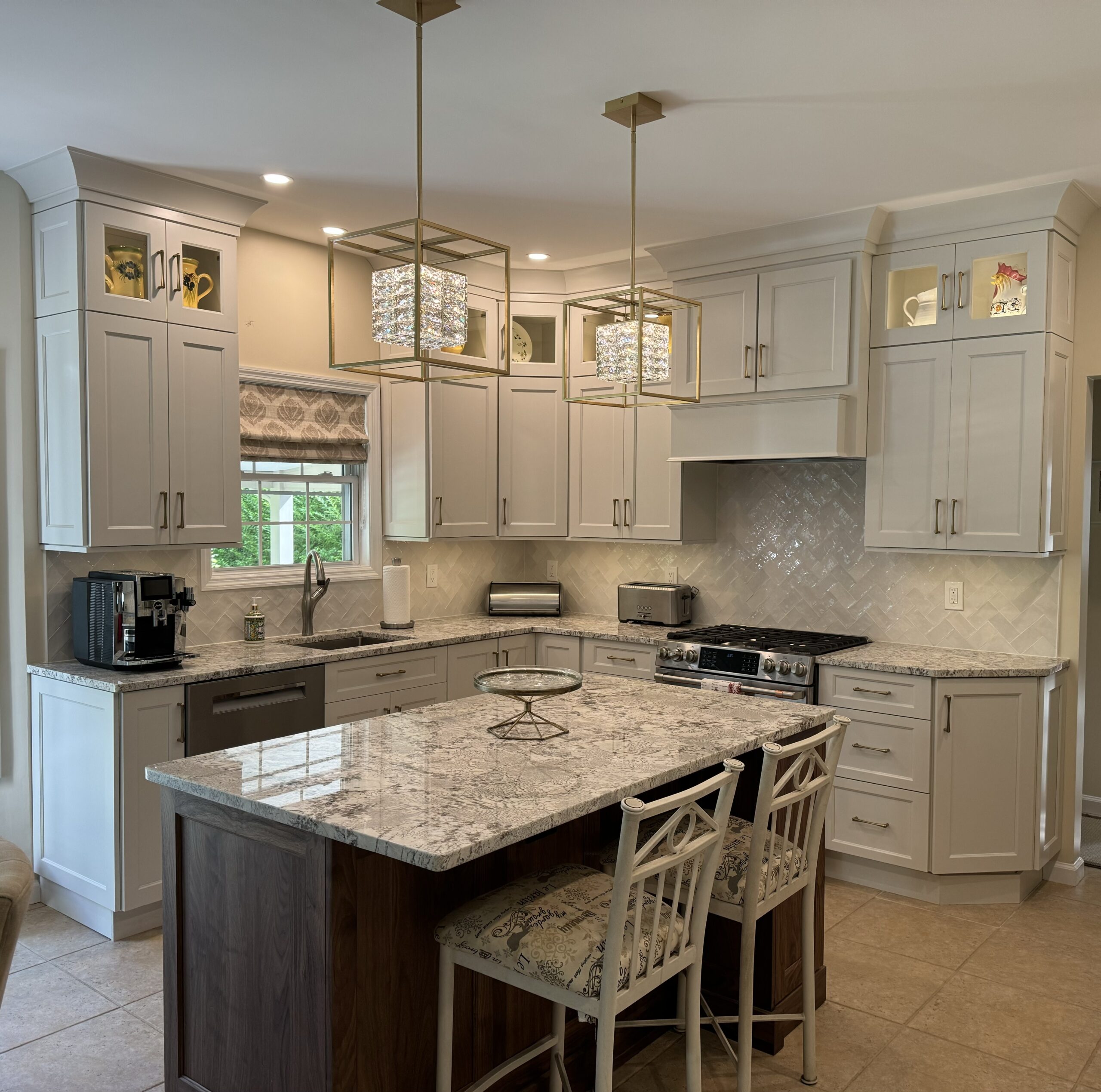
I just moved into a new place, and the kitchen is so tiny! I'm thinking about doing a small kitchen remodel to make it more functional and enjoyable to use. It's amazing how much a simple refresh can transform a space.
All About Your Small Kitchen Remodel
A small kitchen remodel is a great way to enhance your cooking and dining experience without a full-scale renovation. It focuses on improving the layout, storage, and overall functionality while keeping costs and disruption to a minimum. You can achieve a lot with some clever design and thoughtful upgrades.
First, assess your needs and budget. Decide what you want to achieve: more storage, a better workflow, or a brighter, more modern feel. Then, research materials and fixtures to find options that fit your style and price range. For example, new countertops and cabinet fronts can make a big difference, or you could consider a fresh coat of paint and some new hardware for a more affordable refresh.
When it comes to labor, you have a few options. If you're handy, you might be able to tackle some tasks yourself, like painting or installing new fixtures. But for more complex work, like plumbing or electrical, it's best to hire a professional. Look for local contractors or remodeling companies with good reviews and ask for quotes. Compare prices and ask about their experience with similar projects.
Finding the Right Contractor
Hiring a contractor is a crucial step in your small kitchen remodel. Check their licensing and insurance, and ask for references from past clients. A good contractor will listen to your vision and offer suggestions to make it a reality. They should provide a detailed quote outlining the work, materials, and expected timeline.
Get quotes from multiple contractors to compare prices and approaches. Don't just go for the cheapest option; consider their experience, reputation, and how well they understand your needs. A clear, itemized quote will help you spot any potential issues or hidden costs.
Construction and Remodeling Companies
Construction and remodeling companies come in all sizes, from sole proprietors to large firms. Smaller companies often offer more personalized service and may be more flexible with design and budget. Larger firms may have more resources and specialized teams, but they might be more rigid in their processes.
When choosing a company, consider your project's scope and complexity. For a simple refresh, a smaller local company might be ideal. But for a more extensive remodel, a larger firm with specialized departments could provide more comprehensive service.
Naming Your Business
If you're in the construction or remodeling business, your company name is key. It should be memorable, reflect your services, and stand out in a crowded market. Avoid generic names and opt for something unique and catchy. Here are a few ideas:
- Build-It-Better
- Renovate & Revive
- Home Transformation Pros
- Crafted Spaces
- Modern Makeovers
Remember to check name availability and secure the relevant local registrations and domains.
Final Thoughts
A small kitchen remodel is an exciting project that can transform your cooking space. By assessing your needs, researching options, and hiring the right help, you can create a functional and beautiful kitchen. It's a great way to add value to your home and make it a more enjoyable place to be. So, are you ready to get started?
Related: House Remodel Contractors Essential Guide
I've got a bit of a project on my hands, and I'm thinking of hiring some house remodel contractors. I want to freshen up my place, but I've never done this before, so I'm not sure where to start. I've heard some horror stories about dodgy builders, so I want to make sure I get it right.
Understanding House Remodel Contractors
House remodel contractors are the professionals who can bring your home renovation dreams to life. They're the experts who handle everything from planning and design to construction and finishing touches. Whether you want to update your kitchen, add a new room, or give your entire home a makeover, these contractors are the go-to team.
They'll work with you to understand your vision, provide expert advice, and create a plan that fits your budget and timeline. It's a big decision, so it's important to choose the right contractor for your project.
Choosing the Right Contractor
When it comes to hiring a house remodel contractor, there are a few key things to consider. First, check their credentials and experience. Make sure they're licensed and insured, and ask for references from previous clients. You want to ensure they have a good track record and can deliver quality work.
Get detailed quotes from a few different contractors. Compare their proposals, but remember that the cheapest option isn't always the best. Look for a balance between price and the services offered. A good quote should include a clear breakdown of costs, a timeline, and a description of the work to be done.
Construction Company Names
Naming your construction business is an important step. It's your brand, and it needs to be memorable and professional. Avoid generic names and try to choose something unique that reflects your company's personality and services.
Here are a few original name ideas to get you started:
- Build-it-Right Construction
- HomeCrafters
- Renovate & Revive
- Constructive Solutions
- Hammer & Nail Co.
- The Building Blocks
Remember to check name availability and secure your domain and local business registration before you start promoting your business.
The Industry and Its Opportunities
The construction industry offers a range of job roles, from general contractors and estimators to specialized tradespeople. It's a hands-on field, and you'll often find job openings posted on dedicated construction job boards or general job sites.
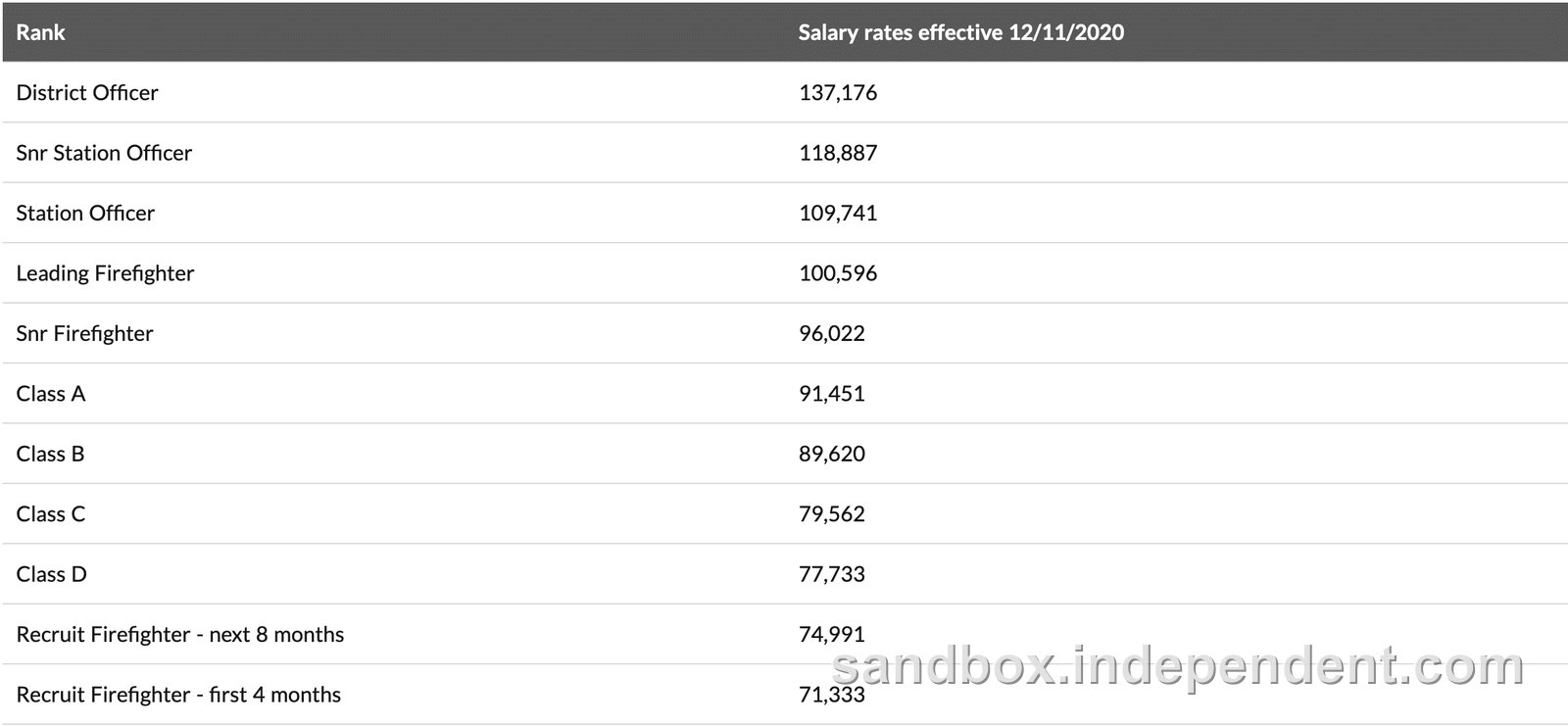
As for salaries, they can vary widely depending on the role, experience, and location. Estimators, for example, play a crucial role in pricing projects accurately, and their skills are in demand.
Tools of the Trade
In the world of construction, tools like RSMeans can be a big help. It's a cost database that provides accurate estimates for construction projects, helping contractors and clients understand the financial side of renovations.
Tools like these are essential for planning and budgeting, especially when dealing with large-scale projects. They ensure that estimates are fair and accurate, which is a win-win for both contractors and clients.
The Size of the Business
The construction industry is diverse, with businesses of all sizes. Larger companies often have the resources to take on bigger projects and may offer a wider range of services. They might have specialized teams for different aspects of construction, from design to project management.
Smaller companies, on the other hand, can offer a more personalized service. They might be better suited to smaller-scale projects and can provide a closer working relationship with the client.
Final Thoughts
Hiring house remodel contractors is a big step, but with the right research and preparation, you can find the perfect team for your project. Remember, it's all about finding the right fit for your needs and budget. So, take your time, ask around, and you'll be on your way to a successful renovation.
Related: What is a hull tide chart?
Many people overlook the importance of a hull tide chart and its precise details, assuming it's a simple tool. However, an accurate understanding is key to safe navigation. A hull tide chart is an essential reference, offering vital information for those navigating coastal waters. It provides a clear, visual representation of tidal data, including water levels and the tidal range, which are critical for planning a voyage and ensuring a smooth journey. These charts can vary slightly, but their purpose remains the same: to guide mariners and provide an accurate snapshot of the ever-changing coastal environment.
Understanding Tides: A Guide to Hull Tide Chart
The hull tide chart is a valuable tool for anyone navigating coastal waters, offering a visual representation of tidal patterns and water levels. This chart provides a snapshot of the dynamic nature of tides, helping sailors, fishermen, and coastal enthusiasts plan their activities and ensure safety.
Comparing Tide Chart Formats
Tide charts come in various formats, but the hull tide chart is designed specifically for marine navigation. Unlike generic tide tables, it accounts for the unique characteristics of a vessel's hull, such as its draft and displacement, which influence how it interacts with changing water levels. This chart typically displays tidal data for a specific location, often a harbor or coastal area, and provides a graphical representation of the tidal range over a given period.
Reading the Graph: A Step-by-Step Guide
To read a hull tide chart, follow these steps:
Identify the location: Ensure the chart corresponds to the area you're interested in. Each chart is specific to a particular harbor or coastal region.
Understand the timeline: The horizontal axis represents time, typically covering a 24-hour period or more. Each mark represents a specific hour, and you can estimate minutes between the marks.
Interpret the tidal data: The vertical axis shows the tidal range, with the mean sea level (MSL) as the reference point. Values above MSL indicate high tide, while values below represent low tide. The chart may use feet or meters, depending on the standard followed.
Locate key points: Identify the highest and lowest points on the chart, which represent the extreme high and low tides for the given period. These are crucial for understanding the maximum and minimum water levels.
Plan your activities: Use the chart to determine the best times for sailing, fishing, or other water-based activities. Consider the depth of your vessel's hull and the tidal range to ensure safe navigation.
Common Misconceptions and How to Avoid Them
A common mistake is assuming that tidal patterns are uniform across different locations. While tidal data is generally consistent within a small area, variations can occur due to factors like geography and local weather conditions. Always double-check the specific tidal range and water levels for your intended location, especially if you're unfamiliar with the area.
Factors Affecting Accuracy and Real-World Use
Several factors can influence the accuracy of a hull tide chart and its practical application:
Tidal range: The difference between high and low tide can vary significantly, impacting the chart's representation.
Weather conditions: Strong winds, storms, and other atmospheric events can cause deviations from predicted tides.
Geographic features: The shape of the coastline, bays, and estuaries can affect tidal flow and water levels.
Moon phases: The gravitational pull of the moon influences tides, and different moon phases can result in varying tidal patterns.
Local currents: Underwater currents and ocean circulation patterns can impact water levels and tidal flow.
When using a hull tide chart, consider these factors and regularly check for updates to ensure the most accurate information.
Well, there you have it! You should now feel equipped with the knowledge to navigate the world of hull tide charts and make the most of this practical tool. Remember, it's always a good idea to cross-reference and verify the information with your specific needs in mind.
Feel free to explore our other guides; we've got a range of topics that might be of interest, offering further insights and practical tips. Happy reading, and here's to smooth sailing!