




Esl Worksheet Adverbs Of Frequency Overview
RS Means construction data is something I recently stumbled across while planning a home renovation project. It's a term that might not be familiar to everyone, but it's an essential tool for anyone in the construction industry or considering a building project. So, let's break it down and see why it's worth knowing about.
Unraveling the Mystery: What's RS Means All About?
RS Means construction data is a comprehensive resource for anyone involved in construction, from contractors to builders and even homeowners. It's like a secret weapon for those in the know, providing valuable insights and accurate information. This data covers a wide range of topics, including material and labor costs, project timelines, and industry trends. It's a go-to source for anyone wanting to stay informed and make smart decisions.
One of the key benefits of RS Means construction data is its ability to provide accurate cost estimates. Whether you're planning a small renovation or a large-scale construction project, having access to reliable cost data is crucial. It helps you budget effectively and compare quotes from different contractors. You'll know if a price seems fair or if there might be hidden costs.
Hiring the Right Team: A Contractor's Guide
When it comes to hiring contractors, RS Means construction data can be a game-changer. It empowers you to ask the right questions and make informed decisions. Before hiring, check their experience and ask for references. A good contractor should be able to provide a detailed quote, breaking down costs and explaining their process.
Naming Your Construction Business: A Creative Venture
If you're starting a construction business, choosing a name is an exciting step. A unique and memorable name can set you apart. Consider something that reflects your services or location. For example, "Build-It-Right Construction" or "Skyline Builders". It's important to check name availability and secure your domain and local business registration.
Exploring Construction Careers: More Than Meets the Eye
The construction industry offers a variety of roles beyond contractors. From estimators to project managers, there are diverse career paths. Estimators, for instance, use tools like RS Means to provide accurate cost estimates. They research and analyze data, ensuring projects stay on budget. These roles are in demand and offer great opportunities for growth.
A Bird's Eye View: The Industry's Big Picture
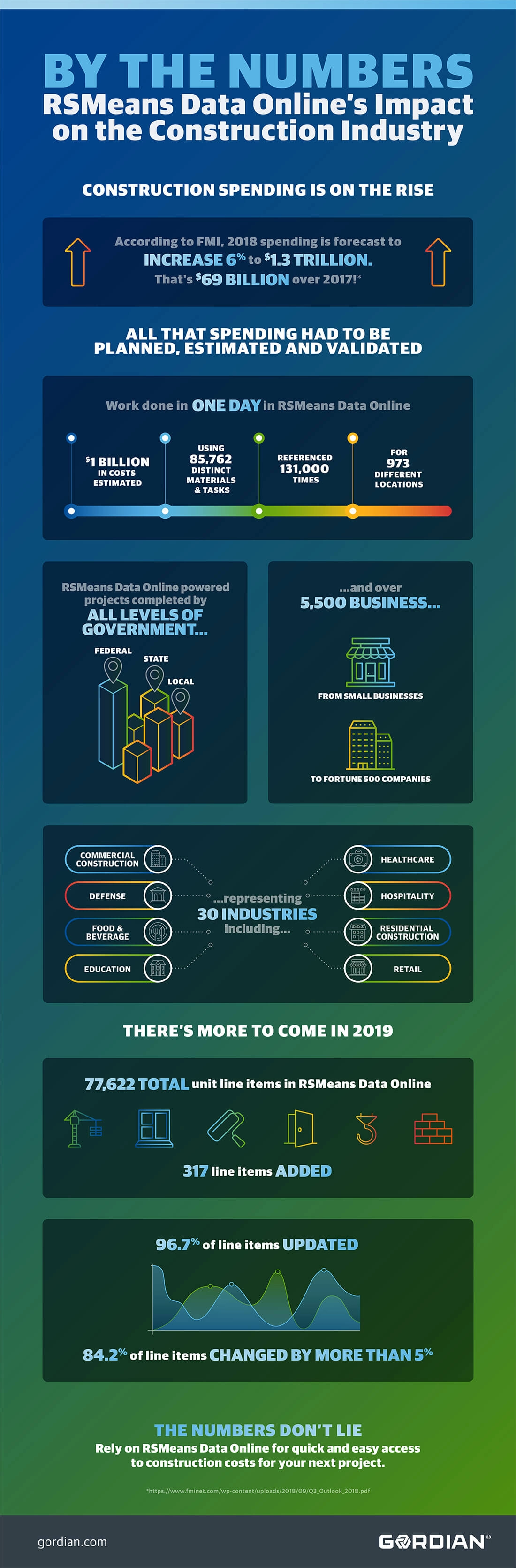
On a larger scale, RS Means construction data provides valuable insights into the industry as a whole. It helps track trends, understand market shifts, and forecast future costs. This data is essential for big construction firms planning large-scale projects. It allows them to make strategic decisions and stay competitive.
Keeping Up with the Times: Cost Indexes and Escalation
RS Means also offers cost indexes, which track and predict cost changes over time. These indexes are crucial for long-term projects, helping to account for inflation and other economic factors. The concept of escalation is key here, ensuring that budgets and estimates remain relevant as projects progress.
A Word of Advice: Check Local Rules
When it comes to construction, local rules and regulations can vary. It's always a good idea to check with your local building department for specific requirements. They can provide guidance on permits, zoning, and any unique considerations for your area.
In conclusion, RS Means construction data is a powerful tool for anyone involved in construction. It provides valuable insights, helps make informed decisions, and ensures projects stay on track. Whether you're a homeowner, contractor, or industry professional, it's worth exploring the benefits of this comprehensive resource.
Related: US General Contractors Reliable Guide
I was chatting with a friend the other day, and the topic of home renovations came up. It got me thinking about top US general contractors and how crucial it is to find the right one for any construction project. So, let's explore what this term means and how it can impact your building or remodeling journey.
Understanding General Contractors
A general contractor is a professional who manages and oversees construction projects, acting as a key point of contact for homeowners and businesses. They handle everything from hiring subcontractors to ensuring the work is completed on time and within budget. These contractors are the backbone of any construction project, big or small.
When you're searching for a top-notch general contractor, it's essential to consider their experience, reputation, and the services they offer. While some specialize in residential projects, others focus on commercial builds or specific trades like plumbing or electrical work. Knowing their expertise is key to finding the right fit for your needs.
Hiring Tips and Considerations
Finding a reputable general contractor is a crucial step in any construction project. Here are some tips to help you make an informed decision:
- Check their licensing and insurance: Ensure they are properly licensed and insured for your state's requirements. This protects you and your investment.
- Ask for references: Speak to past clients to get an idea of the contractor's work quality and professionalism.
- Get multiple quotes: Compare quotes from different contractors to ensure you're getting a fair price and to understand the scope of the project.
- Understand the contract: Read and understand the terms of the contract before signing. It should outline the project details, timeline, and payment schedule.
- Consider their expertise: Look for contractors with experience in your specific project type. Whether it's a home addition or a commercial build, their expertise matters.
Company Names and Branding
Naming your construction business is an important step in building a brand. A good name should be memorable, unique, and reflect your company's values and services. Here are a few creative ideas to inspire you:
- BuildPro: A strong name suggesting professional building services.
- Crafted Spaces: Emphasizes the creation of unique and tailored spaces.
- Renova Construction: Combining renovation and construction, it hints at a full-service offering.
- Skyrise Builders: Evoking a sense of height and ambition, it's perfect for commercial projects.
- Green Build Group: Highlighting eco-friendly practices, this name appeals to environmentally conscious clients.
- Constructive Solutions: Suggesting a problem-solving approach, it's a great choice for a versatile contractor.
Industry Tools and Resources
The construction industry relies on various tools and resources to ensure projects run smoothly and efficiently. One such resource is RSMeans, a comprehensive database providing cost data and estimates for construction projects. It's a valuable tool for contractors and estimators, helping them price projects accurately.
Additionally, the industry uses cost indexes to track and forecast construction costs over time. These indexes consider factors like labor, materials, and market trends, providing valuable insights for budgeting and planning.
Construction Jobs and Opportunities
The construction industry offers a wide range of career paths, from general contractors and estimators to specialized trades like plumbing and electrical work. Job opportunities are abundant, and the industry is known for its skilled workforce.
When searching for construction jobs, online job boards and industry-specific websites are great resources. Additionally, networking and building relationships within the industry can lead to valuable connections and opportunities.
Wrapping Up
Exploring top US general contractors has given us a glimpse into the world of construction and the vital role these professionals play. From hiring tips to industry insights, I hope this guide has provided some valuable knowledge. Remember, when it comes to construction projects, taking the time to find the right general contractor is an essential step towards a successful and stress-free experience.
Related: Yarn Weight Chart: A Quick Reference Guide
You're likely here because you need a reliable guide to understand and utilize a yarn weight chart effectively. These charts are essential tools for any yarn enthusiast, offering a quick reference to navigate the world of yarn weights and their various applications. Whether you're a seasoned crafter or just starting, having a clear understanding of yarn weights is key to achieving your desired results.
Understanding Yarn Weights: A Practical Guide
The yarn weight chart is a valuable tool for knitters, crocheters, and yarn enthusiasts. It provides a standardized way to categorize and understand the thickness or weight of different yarns, allowing crafters to choose the right yarn for their projects with ease. This guide will help you navigate the chart and make informed decisions.
Key Details and Categories
The yarn weight chart typically uses a numerical system to categorize yarns, with lower numbers indicating finer yarns and higher numbers representing thicker ones. This system is widely adopted and followed by yarn manufacturers and crafters. The chart often includes categories such as lace, fingering, sport, DK (double knitting), worsted, aran, bulky, and super bulky. Each category has a specific range of thickness and is denoted by a corresponding number.
Reading the Chart: A Step-by-Step Guide
To read the yarn weight chart, follow these steps:
Identify the category: Look for the category that best describes the yarn you are working with. Common categories include lace, fingering, and worsted weight.
Check the numerical range: Each category has a numerical range associated with it. For example, lace weight yarn typically falls within the range of 0-1, while worsted weight yarn is usually categorized as 4-5.
Compare and select: Compare the thickness of your yarn to the ranges provided. If your yarn's thickness falls within the range of a specific category, it belongs to that category.
Variations and Differences
It's important to note that while the yarn weight chart provides a standardized system, variations can occur due to different standards and regional practices. For instance, the US and UK have slightly different interpretations of some categories. Additionally, yarn manufacturers may use their own unique labeling systems, which can deviate from the standard chart.
- Key factors that can cause variations include:
- Regional differences in standards
- Manufacturer-specific labeling
- Yarn composition and fiber type
- Intended use and project requirements
Common Mistakes and How to Avoid Them
To ensure accurate yarn selection, be mindful of these common mistakes:
Relying solely on the yarn label: While yarn labels provide valuable information, they may not always align perfectly with the yarn weight chart. Always double-check the thickness by comparing it to the chart's ranges.
Ignoring fiber content: Different fibers have unique characteristics, and their weight can vary. Consider the fiber content when selecting yarn, as it may affect the overall weight and behavior of the yarn.
Neglecting project requirements: Different projects have specific yarn weight recommendations. Ensure you choose a yarn that aligns with the pattern's recommendations to achieve the desired outcome.
By understanding the yarn weight chart, its categories, and potential variations, you can confidently select the right yarn for your projects. This guide provides a practical framework to navigate the world of yarn weights and ensure successful crafting experiences.
Remember that while this guide provides a solid foundation, exact details can vary slightly depending on the standard or the specific yarn you're working with. It's always a good idea to double-check the weight and gauge with your chosen yarn's label to ensure accuracy.
Feel free to bookmark this page for future reference; it's a handy tool to have at your fingertips when you need a quick yarn weight reminder. And don't forget to explore our other practical guides for more crafting tips and tricks!