





Esl Worksheets Intermediate Overview
Many folks assume the Bandon tide chart is complex, but it's actually a simple, handy tool. This chart is your friend, offering a clear, quick glimpse of tide times and levels. No need for confusion; it's a straightforward reference, like a map for the sea.
While the specifics may vary, the Bandon tide chart is consistent and reliable. Whether you're planning a beach day or a boating trip, understanding these tide levels and times is key.
Understanding Tide Heights: A Quick Overview
The Bandon tide chart is a handy tool for anyone planning activities around the coast. It displays predicted tide levels and times for a specific location, in this case, Bandon. By understanding this chart, you can plan your beach walks, fishing trips, or boat rides with confidence.
Common Tide Patterns and Their Formats
Tide charts typically show two main categories: tide height and time. Height is often measured in feet or meters, depending on the standard used. Time is displayed in a 24-hour format, with each tide marked as either high or low. You might also see additional information, like the moon phase or weather conditions, which can influence tides.
Reading the Chart: A Step-by-Step Guide
- Start by identifying the date and time of your planned activity. Locate this on the chart.
- Note the corresponding tide height. Is it high or low tide at that time?
- Consider the activity. For example, if you're going kayaking, you might prefer a high tide to ensure deeper water and easier navigation.
- Check the tide height and time for the duration of your planned activity. This ensures you can account for any changes during your time on the water.
Avoiding Misreadings and Pitfalls
It's easy to misinterpret a tide chart, especially if you're new to it. Always double-check the units of measurement. Some charts use feet, while others use meters. Ensure you understand which standard is being used.
Another common mistake is assuming the tide will be exactly as predicted. While tide charts are accurate, natural phenomena can cause slight variations. Always leave a buffer, especially for activities like beachcombing, where a higher-than-expected tide could ruin your plans.
Factors Affecting Accuracy and Real-World Use
Several factors can influence the accuracy of a Bandon tide chart. These include:
- Weather conditions, especially strong winds or storms, can cause significant tidal variations.
- Moon phase and its proximity to Earth can impact tide levels.
- The shape and depth of the coastline and bay can also affect tides.
- Human activities, like damming rivers or extracting groundwater, can influence water levels.
Choosing the Right Format for Your Needs
Bandon tide charts come in various formats, from simple printed tables to digital apps. The best format for you depends on your personal preference and the nature of your activities.
If you prefer a physical chart, consider a waterproof version you can take with you on the water. Digital apps are convenient for quick checks and often provide additional features like weather forecasts. For more complex activities, a detailed chart with historical data might be beneficial.
Remember, while the Bandon tide chart is a valuable tool, it's just one piece of the puzzle. Always stay aware of your surroundings and be prepared for unexpected changes.
Hey there, I hope this guide has given you a clear understanding of the Bandon tide chart and its practical uses. Remember, while the basics remain the same, the exact details might differ slightly depending on your specific needs and the source you're using.
Feel free to explore our other guides for more insights and practical tips. We've got a whole range of topics covered, so you can find the information you need quickly and easily. Happy reading and exploring!
Related: Understand Tread Depth Chart: A Simple Guide
A tread depth chart is a handy tool for anyone wanting to keep an eye on their tire health. It's a simple yet effective way to visualize and understand the wear and tear of your tires. This guide will show you how to read and interpret these charts, ensuring you can quickly identify when it's time to replace your tires.
The chart provides a clear indication of tire tread depth, often using visual aids or measurements, which can vary depending on the type of vehicle and region. It's an essential reference for keeping your vehicle safe and road-worthy, and we'll cover all you need to know to use it effectively.
Understanding Tread Wear: What's the Deal with Tread Depth Charts?
Tread depth charts are your go-to guides for keeping an eye on your tire's health. They show you the wear and tear of your tires, helping you stay safe and avoid unexpected breakdowns. These charts are like a map, guiding you through the life of your tires.
Comparing the Standards: Metric vs. Imperial
When it comes to tread depth charts, you'll often find two main standards: metric and imperial. The metric system, used internationally, measures tread depth in millimeters (mm). On the other hand, the imperial system, common in the US, uses inches. So, depending on where you are or the manufacturer's specifications, you'll need to know which standard to follow.
Reading Tread Depth: A Step-by-Step Guide
Using a tread depth chart is simple once you know how. Here's a quick guide:
- Find the right chart for your tire's specifications. This could be based on the tire's make, model, or the standard (metric or imperial) it follows.
- Locate the tread wear indicator bars on your tire. These are usually small raised bars across the tread pattern.
- Compare the depth of the tread grooves to the indicator bars. If the tread is level with or below the bars, it's time to consider replacing the tire.
- Check the tread depth chart for the corresponding depth measurement. This will give you an idea of how much tread life is left and whether it meets legal requirements.
Common Tread Depth Issues and How to Avoid Them
While tread depth charts are straightforward, there are a few potential pitfalls to watch out for:
- Tire rotation can affect tread wear patterns. Regularly rotating your tires according to the manufacturer's recommendations will help ensure even wear and a more accurate reading.
- Environmental factors like road conditions and driving habits can also impact tread wear. Be aware of these variables when interpreting your tread depth chart.
- Always double-check the specifications for your specific tire make and model. While tread depth charts provide a general guide, exact tolerances may vary.
Remember, staying on top of your tire's tread depth is crucial for safety and performance. By understanding and correctly using the tread depth chart, you can ensure your tires are always in top shape!
Hey there, tread depth chart enthusiasts! We hope you found this guide helpful and that it sheds some light on this practical reference tool. Remember, the specifics might differ slightly, as there are various standards and formats out there, so it's always good to double-check the source and your particular needs.
Feel free to explore our other guides; we've got plenty of practical tips and tricks to offer. Happy learning, and stay tuned for more!
Related: What Is a Specialty Contractor Essential Guide
"What is a specialty contractor?" I asked myself as I started planning my home renovation. It's a term I kept seeing, but I wasn't sure what it meant exactly. So, I did some digging and here's what I found out.
The Basics: Who Are These Specialists?
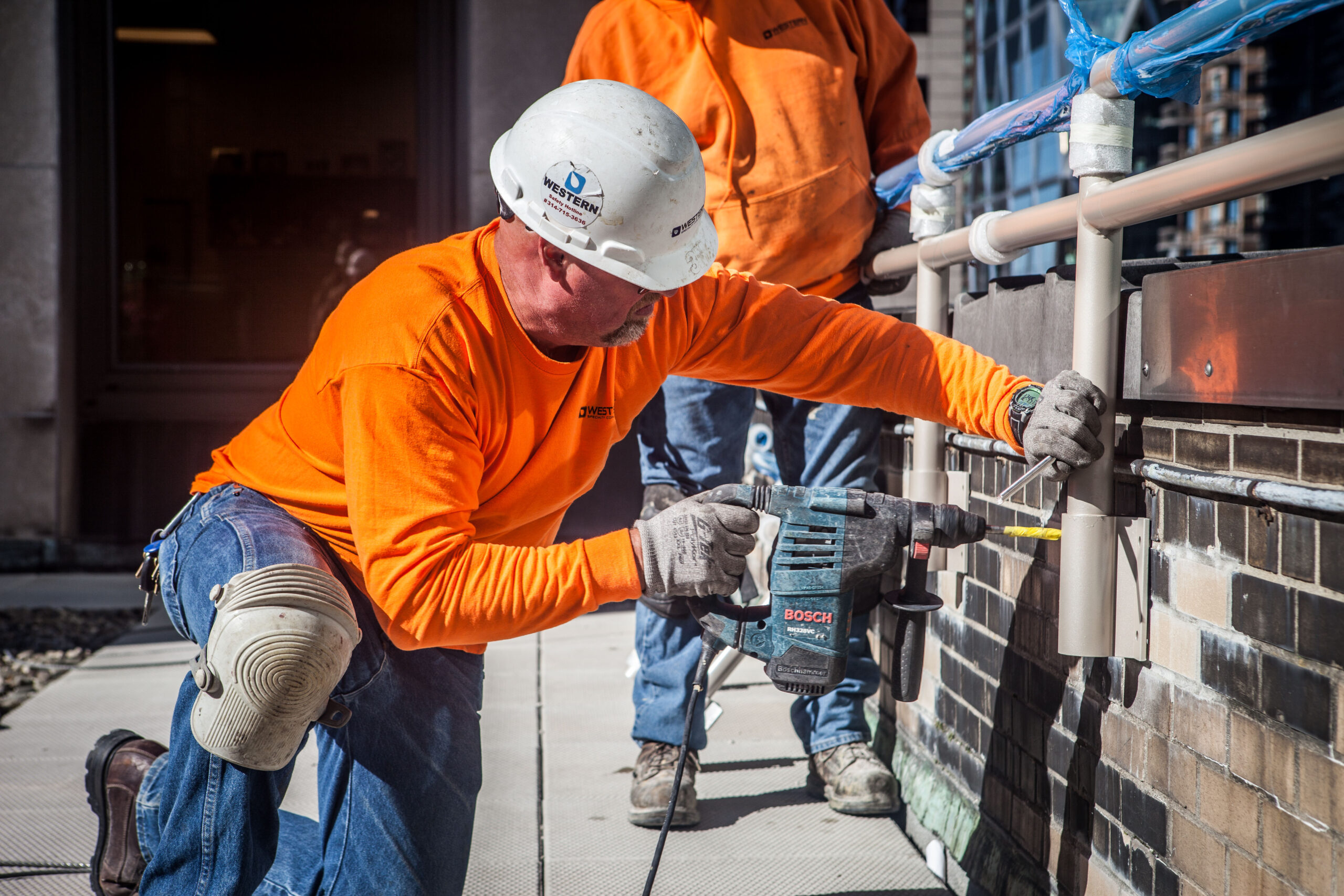
A specialty contractor is a pro who focuses on one specific trade or skill. Unlike a general contractor who oversees the whole project, these guys are the experts in their field. They might handle plumbing, electrical work, roofing, or even something more niche like pool installation or solar panel setup. It's all about having a deep knowledge of one area.
Why Does It Matter?
Well, if you're planning a project, knowing who to call can save you time and money. For example, let's say you need a new roof. You could hire a general contractor who will then subcontract the roofing work out to a specialist. But why not go straight to the source? A specialty contractor will likely be more efficient and offer better value. They're the masters of their craft and can often complete jobs faster and with fewer surprises.
Finding and Hiring a Specialist
When you're ready to hire, do your research. Get quotes from a few different companies and compare. Look for experience, references, and check their licensing and insurance. It's also a good idea to ask about their process and how they handle unexpected issues. Remember, the cheapest quote might not always be the best value. You want someone who understands your vision and can deliver high-quality work.
Company Names and Branding
If you're in the construction game and thinking of starting your own business, choosing a name is key. It should be memorable, unique, and reflect your specialty. Something like "Atlanta Electrical Experts" or "Helena's Roofing Masters" tells people exactly what you do. But don't forget to check name availability and secure your domain and local registration too.
Jobs and Industry Outlook
Specialty contractors often work for larger construction companies or are self-employed. The work can be varied and rewarding, and there's always demand for skilled tradespeople. If you're looking for a career change, consider training in a specialty trade. It's a stable industry with plenty of opportunities. You'll find jobs listed on construction-focused job boards and local classifieds.
Tools of the Trade
In the construction world, tools like RSMeans can be a big help. It's a cost database and estimating tool used by contractors and estimators to price projects accurately. It takes into account things like materials, labor, and escalation (changes in costs over time). Having access to reliable data like this can make a big difference when quoting for jobs.
Big vs. Small Firms
The construction industry has a mix of large and small firms. Big companies often have more resources and can take on larger projects, but smaller firms might offer more personalized service. It's a balance between scale and specialization. As a customer, it's worth considering what matters most to you and your project.
Final Thoughts
Understanding what is a specialty contractor can really help when planning a project. Knowing who to call and what to expect can make the process smoother. And if you're thinking of a career change, the construction industry offers a world of opportunities. So, whether you're a homeowner, a business owner, or considering a new path, specialty contractors are a key part of the picture.