

Esl Worksheets Listening Comprehension Overview
A uga depth chart is a handy tool for any sports fan, especially those passionate about the Georgia Bulldogs. It's a simple yet effective way to visualize the team's lineup and understand player positions. This guide will take you through the basics, covering what you need to know to read and interpret these charts like a pro. From the uga football roster to the starting lineup, we'll explore how these charts can provide valuable insights into the team's strategy and player depth.
What is the UGA Depth Chart?
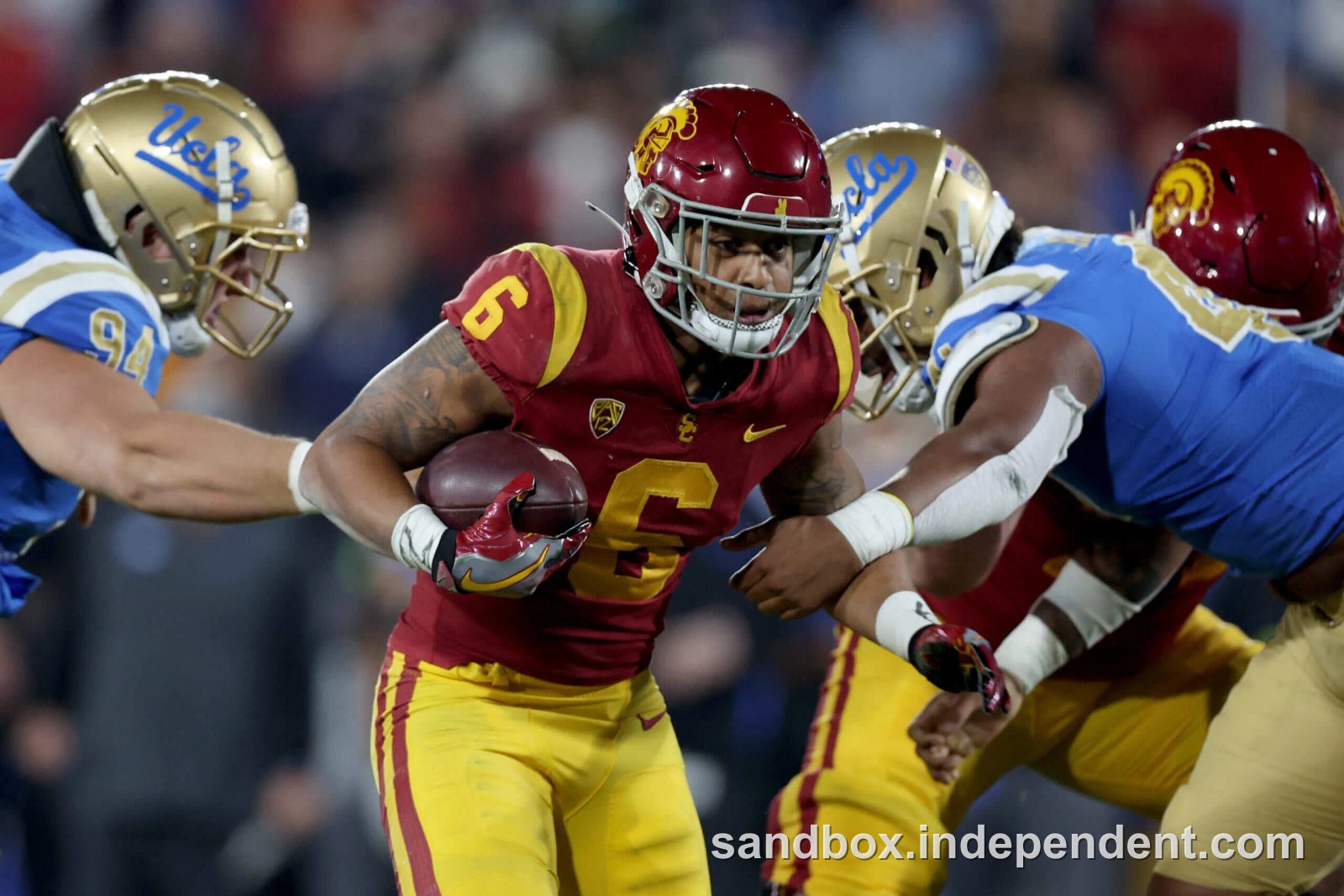
The UGA depth chart is a valuable tool for fans and analysts of the Georgia Bulldogs football team. It provides a visual representation of the team's roster, showcasing player positions and their depth within the squad. This chart offers a quick reference guide to understand the team's lineup and potential strategies.
Key Details and Categories
When examining a UGA depth chart, you'll notice several columns and rows. The columns typically represent different player positions, such as quarterback, running back, wide receiver, and so on. Each position has a specific role and contributes uniquely to the team's success. The rows, on the other hand, indicate the depth of players within each position. You'll often see the starting players listed first, followed by backups and potential replacements.
Reading and Applying the Chart
Understanding how to read the UGA depth chart is straightforward. Here's a step-by-step guide:
- Identify the Position: Locate the column representing the position you're interested in. For instance, if you want to know about the quarterbacks, find the "QB" column.
- Analyze Depth: Within each position column, players are listed in order of their depth. The top player is usually the starter, followed by backups. Take note of the names and their order.
- Recognize Abbreviations: Sometimes, you might encounter abbreviations or codes next to player names. These could indicate special teams roles or specific skills. For example, "KR" might stand for "kick returner."
- Study Player Rankings: The depth chart often provides a ranking or evaluation of players within their positions. This can help you understand the team's hierarchy and potential playing time.
- Consider Flexibility: Keep in mind that coaches may adjust the lineup based on game plans and opponent strategies. The depth chart offers a snapshot, but actual game-time decisions can vary.
Variations and Differences
While the UGA depth chart follows a standard format, variations can occur due to several factors:
- Player Injuries: Injuries can impact the depth chart significantly. A starter's absence might push a backup into the starting role, affecting the entire lineup.
- Game Strategy: Coaches may adjust the depth chart based on the opponent's strengths and weaknesses. Certain players might be moved up or down to counter specific tactics.
- Position Flexibility: Some players are versatile and can play multiple positions. This flexibility allows coaches to adapt their lineup based on game flow.
- Development and Growth: As the season progresses, players may improve or regress. This can lead to changes in the depth chart as coaches assess performance.
Common Mistakes and How to Avoid Them
When interpreting a UGA depth chart, it's important to avoid these common pitfalls:
- Overlooking Abbreviations: Take the time to understand the abbreviations used. Misinterpreting these codes can lead to incorrect assumptions about player roles.
- Assuming Starting Lineup: While the depth chart lists starters first, remember that coaches may make last-minute changes. Always check the official game-time lineup for the most accurate information.
- Ignoring Depth: Depth charts provide a hierarchical view of the team. Don't focus solely on starters; understanding the entire depth can give you insights into the team's overall strength.
- Neglecting Player Movement: Players can be moved between positions or even traded. Stay updated with the latest news to ensure your analysis is accurate.
Practical Tips for Accurate Results
To make the most of the UGA depth chart, consider these practical tips:
- Regular Updates: Depth charts can change frequently, especially during the season. Stay tuned to official sources for the latest updates.
- Compare with Previous Years: Analyzing historical depth charts can provide context and help you understand player progression and team dynamics.
- Combine with Other Resources: Use the depth chart as a starting point, but also refer to player statistics, game analysis, and expert opinions for a comprehensive understanding.
- Consider Player Chemistry: The depth chart focuses on individual roles, but the team's success also relies on player chemistry and cohesion.
Double-Checking and Handling Exceptions
While the UGA depth chart is a valuable tool, it's essential to double-check certain aspects:
- Official Lineup Announcements: Always confirm the official starting lineup before the game. Coaches may make last-minute changes due to injuries or strategic decisions.
- Position Flexibility: Some positions, like wide receivers or defensive backs, may have players who can fill multiple roles. Understand the team's flexibility to predict potential lineup adjustments.
- Injury Reports: Keep an eye on injury reports, as they can impact the depth chart significantly. Injured players might be listed as questionable or out, affecting their availability and depth chart position.
Well, there you have it! A depth chart is a handy tool, but it's important to remember that every situation is unique. So, always take a moment to ensure your specific needs are met and double-check the details for your context.
Consider bookmarking this page for future reference; it might just save you some time and effort down the line. Until next time, happy charting!
Related: Find the Perfect Fit: Chicos Size Chart Guide
Many shoppers may approach the chicos size chart with some hesitation, assuming it's a complex and confusing tool. However, it's quite the opposite; this chart is a straightforward and invaluable resource for anyone navigating the world of clothing sizes.
The beauty of the chicos size chart lies in its simplicity and consistency. While size charts can vary slightly across brands and regions, the Chicos chart offers a reliable and standardized guide, ensuring a seamless shopping experience for its customers. With a quick glance, you can confidently understand your size and make informed choices, whether you're shopping online or in-store.
Understanding the Chicos Size Chart
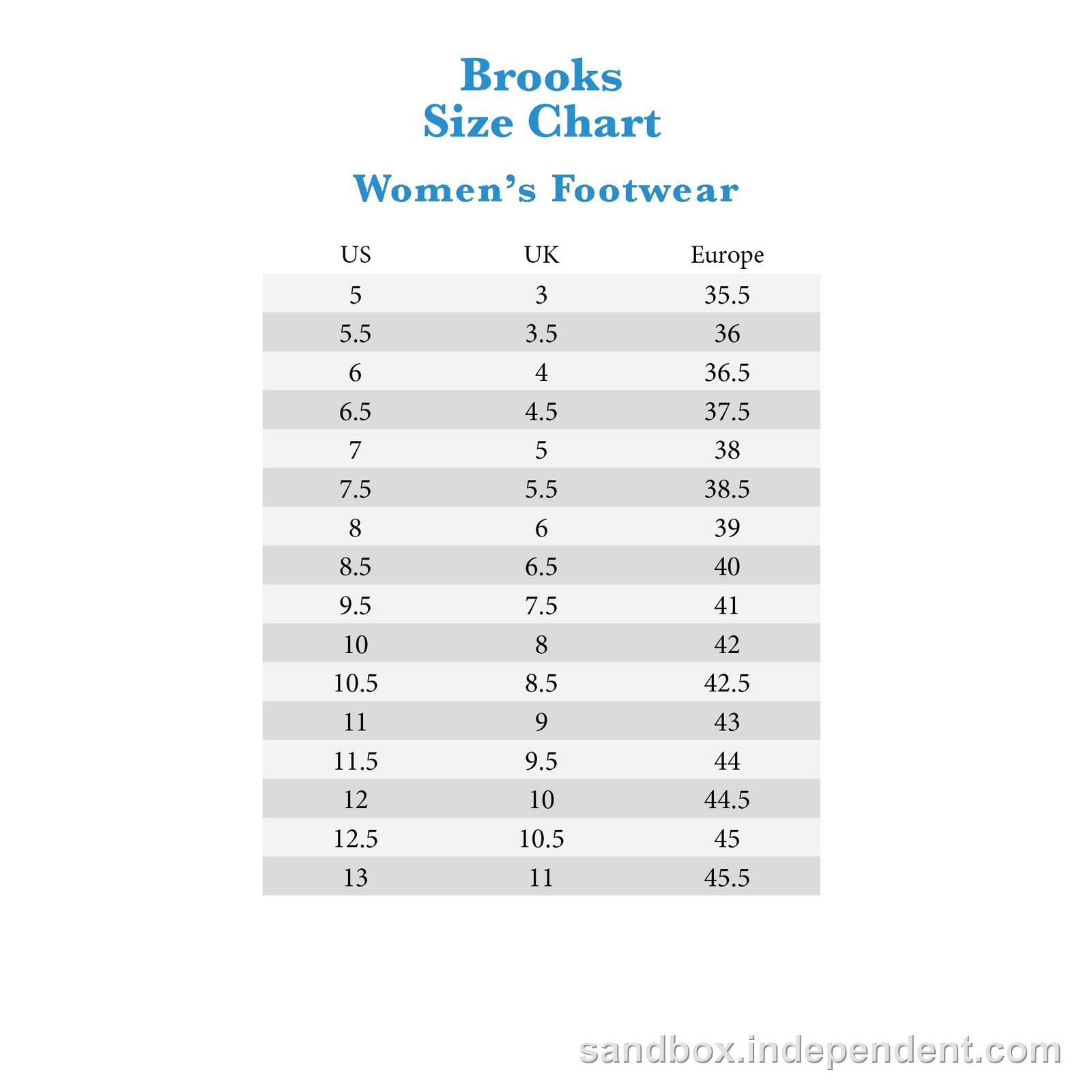
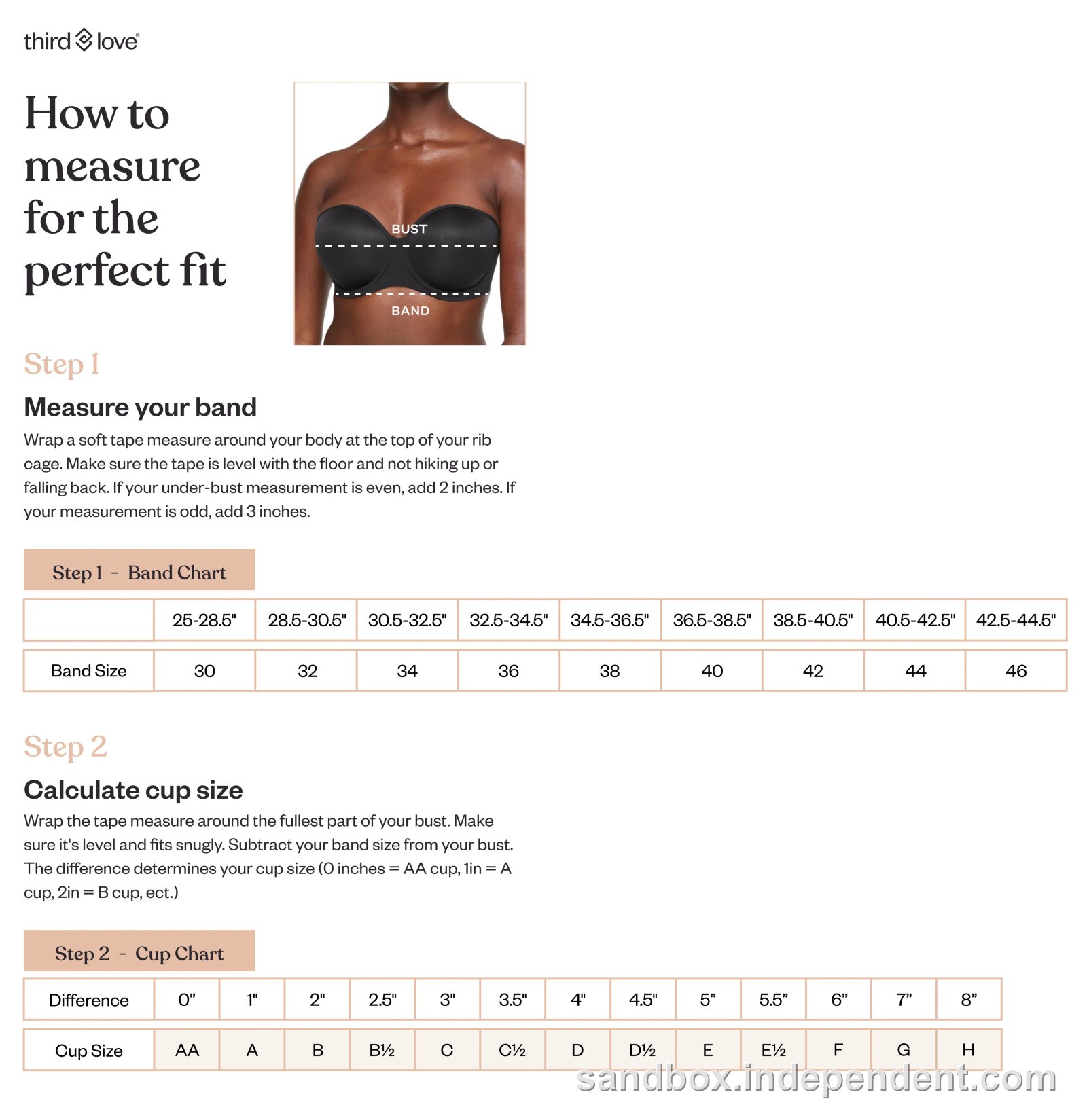
The chicos size chart is a valuable tool for anyone looking to find their perfect fit in Chicos clothing. It provides a clear and organized guide to help you determine your size based on your body measurements. By following this chart, you can ensure a comfortable and flattering fit for your Chicos wardrobe.
Key Details and Categories
The chicos sizing guide typically includes measurements for bust, waist, and hip, which are the primary categories to consider. These measurements are presented in inches or centimeters, depending on the standard being used. The chart offers a range of sizes, usually starting with smaller sizes and progressing to larger ones, covering a wide range of body types. It's important to note that Chicos, like many clothing brands, may have slight variations in their sizing charts, so always refer to the specific chart provided by Chicos for the most accurate information.
How to Read and Apply the Size Chart
To use the chicos size chart effectively, follow these steps:
- Measure your bust, waist, and hip using a measuring tape. Ensure the tape is straight and not twisted, and that it sits comfortably around your body without squeezing or sagging.
- Locate your measurements on the chart. Find the size that aligns with your bust, waist, and hip measurements. If your measurements fall between two sizes, consider the overall fit you prefer. A looser fit may be more comfortable, while a closer fit can create a more tailored look.
- Take into account the fabric and style of the garment. Some fabrics have more give, so a slightly smaller size may work, while structured garments may require a more precise fit.
- If you're between sizes or unsure, don't hesitate to contact Chicos' customer support for further guidance. They can provide additional advice based on the specific garment and your preferences.
Size Variations and Common Causes
It's important to understand that size charts can vary across brands and even within a brand's different product lines. Here are some factors that can contribute to size variations:
- Fabric and design: Different fabrics and styles can affect the fit and sizing of a garment. Stretchier fabrics may accommodate a wider range of sizes.
- Regional standards: Clothing size charts can differ based on regional standards. For example, a US size may not align perfectly with an international size chart.
- Body shape: Everyone's body is unique, and variations in body shape can impact how a size chart applies to you. Curves, height, and proportion can all influence the fit.
- Manufacturing tolerances: Even within a brand, there can be slight variations in sizing due to manufacturing processes. Always refer to the specific size chart for the garment you're interested in.
Remember, the chicos size chart is a helpful guide, but it's not an exact science. By understanding your body measurements and the factors that can influence sizing, you can make informed choices and find the perfect Chicos outfit that flatters your figure.
Chicos size charts are a handy tool to have at your disposal, especially when you need to find the perfect fit. Remember, these charts are a guide, and while they provide a consistent framework, exact values can vary.
So, before you finalize your measurements, take a moment to ensure you're using the right chart for your specific needs. With that in mind, you're all set to tackle your sizing challenges! Consider bookmarking this page for future reference; it might just save you some time and effort the next time you need to refer to a size chart.
Related: easy paper craft for kindergarten fun creative ideas
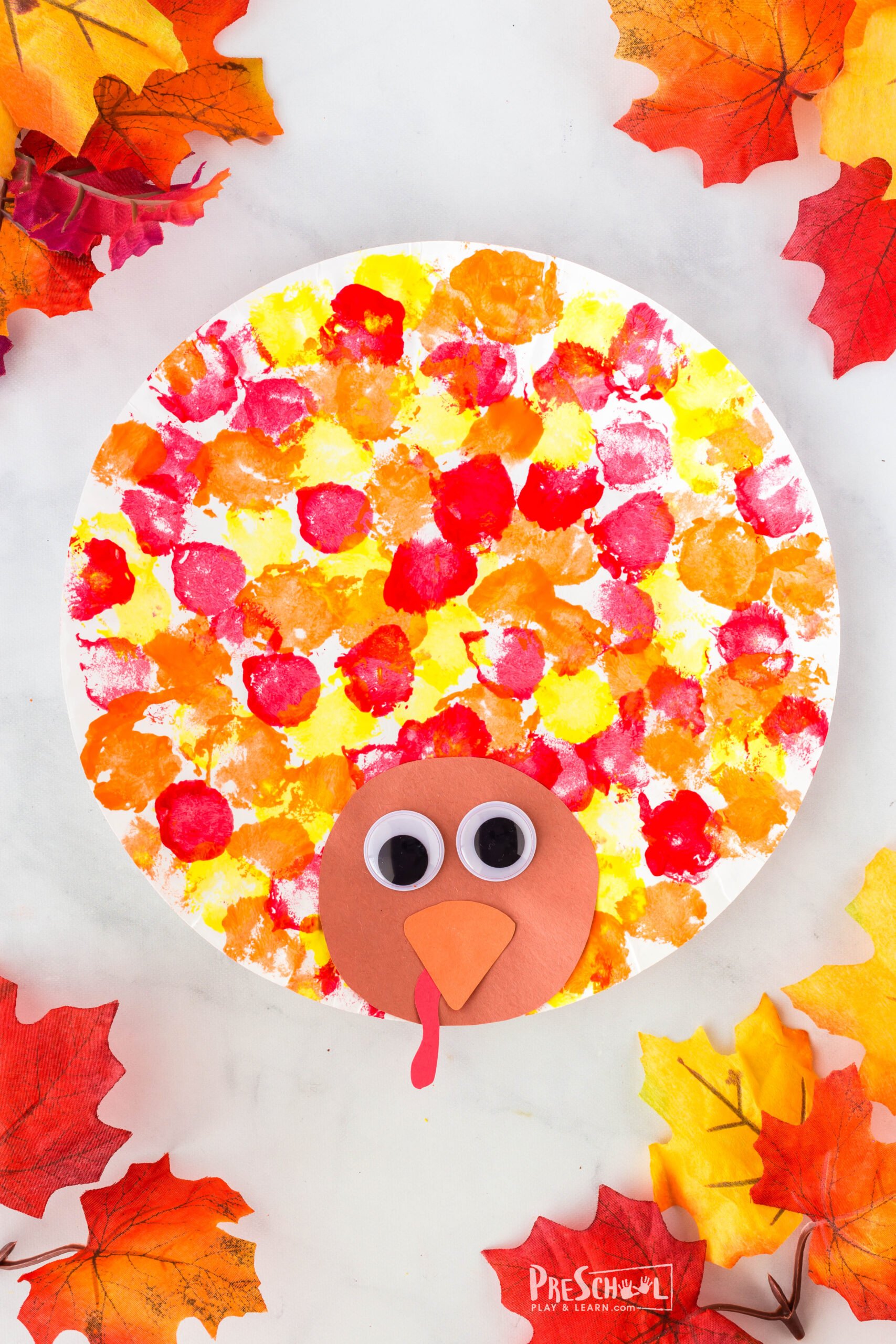
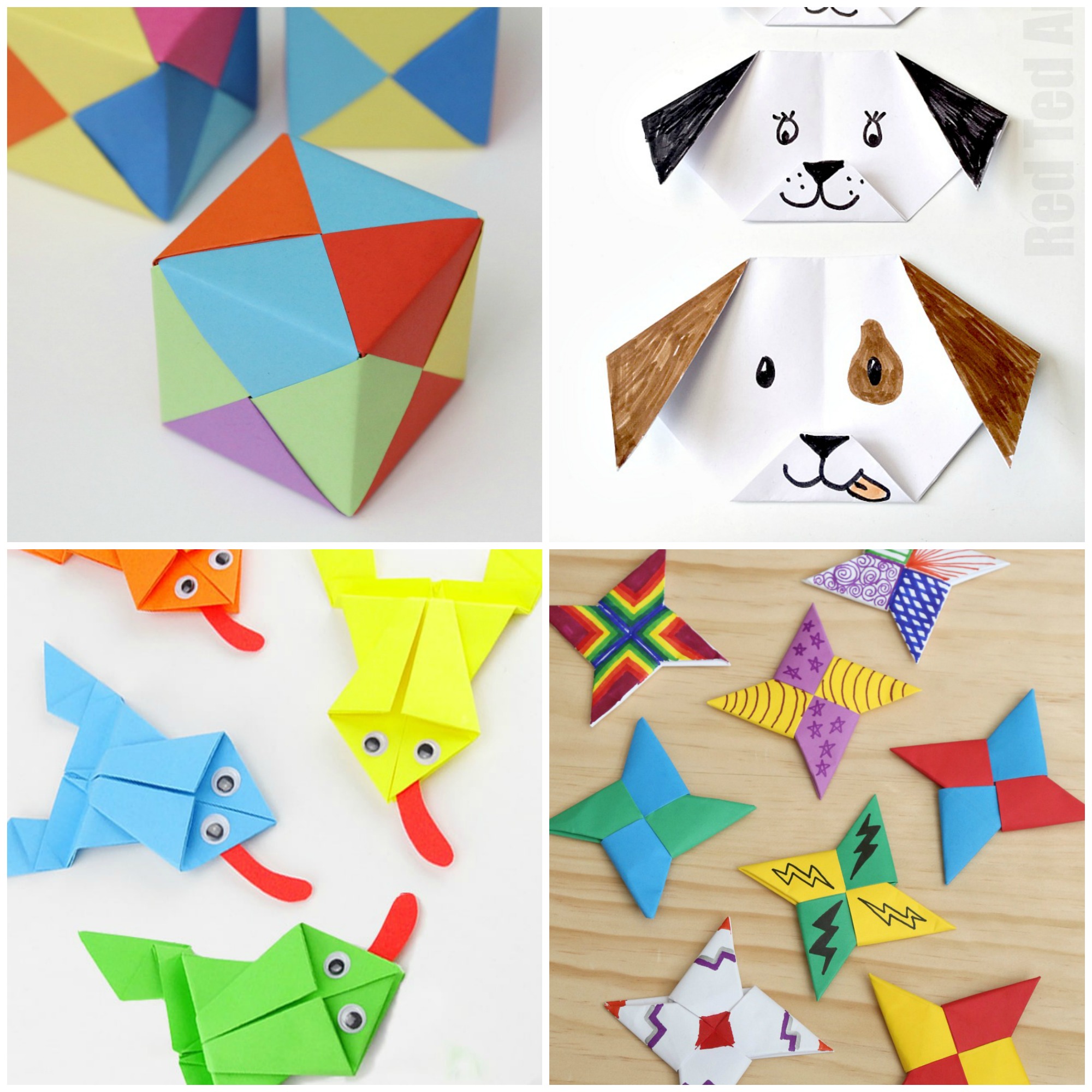
Easy paper craft for kindergarten is a fun and simple way to get creative with your little ones, and it's something I've really enjoyed doing with my kids. It's a great activity to keep them entertained and engaged, and it's so satisfying to see their little faces light up with pride when they've made something cool.
So, what is this all about? Well, it's basically a collection of craft ideas that use paper as the main material. These crafts are designed to be accessible and fun for kids, with simple steps and minimal supervision needed. It's a brilliant way to encourage their creativity and fine motor skills, and it's an affordable activity too!
You can find a whole range of ideas online, from the classic paper chain to more intricate pop-up cards. Some ideas are seasonal, like making paper snowflakes for Christmas, while others are more general and can be done anytime. The best part is that these crafts often require very few materials - paper, scissors, glue, and maybe some crayons or markers.
Getting Started
If you're new to this, I'd recommend starting with some basic folding and cutting activities. You can teach them how to make simple shapes like squares and triangles, and then use those to create fun designs. For example, folding a piece of paper into a fan shape is a great way to introduce the concept of symmetry and pattern-making.
Step It Up
Once they've got the hang of the basics, you can introduce more complex crafts. One of my favorites is making paper boats. It's a classic for a reason - it's easy, and kids love seeing their creations float in water! You can also try making paper hats, which is a fun way to encourage imagination and role-play.
The beauty of easy paper craft for kindergarten is that it's so adaptable. You can tailor the difficulty level to your child's age and abilities, and you can often use these crafts as a springboard for other activities. For instance, making a paper doll might lead to a fun dress-up game, or creating a paper city could inspire some imaginative play.
So, why not give it a go? It's a brilliant way to spend some quality time with your kids, and you might just discover a new hobby together!